
🇦🇺 Australia
🇧🇪 Belgium
🇨🇦 Canada
🇨🇿 Czechia
🇩🇰 Denmark
🇪🇪 Estonia
🇫🇮 Finland
🇬🇷 Greece
🇭🇺 Hungary
🇮🇪 Ireland
🇮🇱 Israel
🇮🇹 Italy
🇯🇵 Japan
🇰🇼 Kuwait
🇱🇻 Latvia
🇱🇹 Lithuania
🇲🇽 Mexico
🇲🇩 Moldova
🇳🇱 Netherlands
🇳🇴 Norway
🇵🇱 Poland
🇷🇴 Romania
🇸🇰 Slovakia
🇰🇷 South Korea
🇨🇭 Switzerland
🇬🇧 United Kingdom
🇺🇸 United States of America
and more
🇦🇺 Australia
🇧🇪 Belgium
🇨🇦 Canada
🇨🇿 Czechia
🇩🇰 Denmark
🇪🇪 Estonia
🇫🇮 Finland
🇬🇷 Greece
🇭🇺 Hungary
🇮🇪 Ireland
🇮🇱 Israel
🇮🇹 Italy
🇯🇵 Japan
🇰🇼 Kuwait
🇱🇻 Latvia
🇱🇹 Lithuania
🇲🇽 Mexico
🇲🇩 Moldova
🇳🇱 Netherlands
🇳🇴 Norway
🇵🇱 Poland
🇷🇴 Romania
🇸🇰 Slovakia
🇰🇷 South Korea
🇨🇭 Switzerland
🇬🇧 United Kingdom
🇺🇸 United States of America
and more

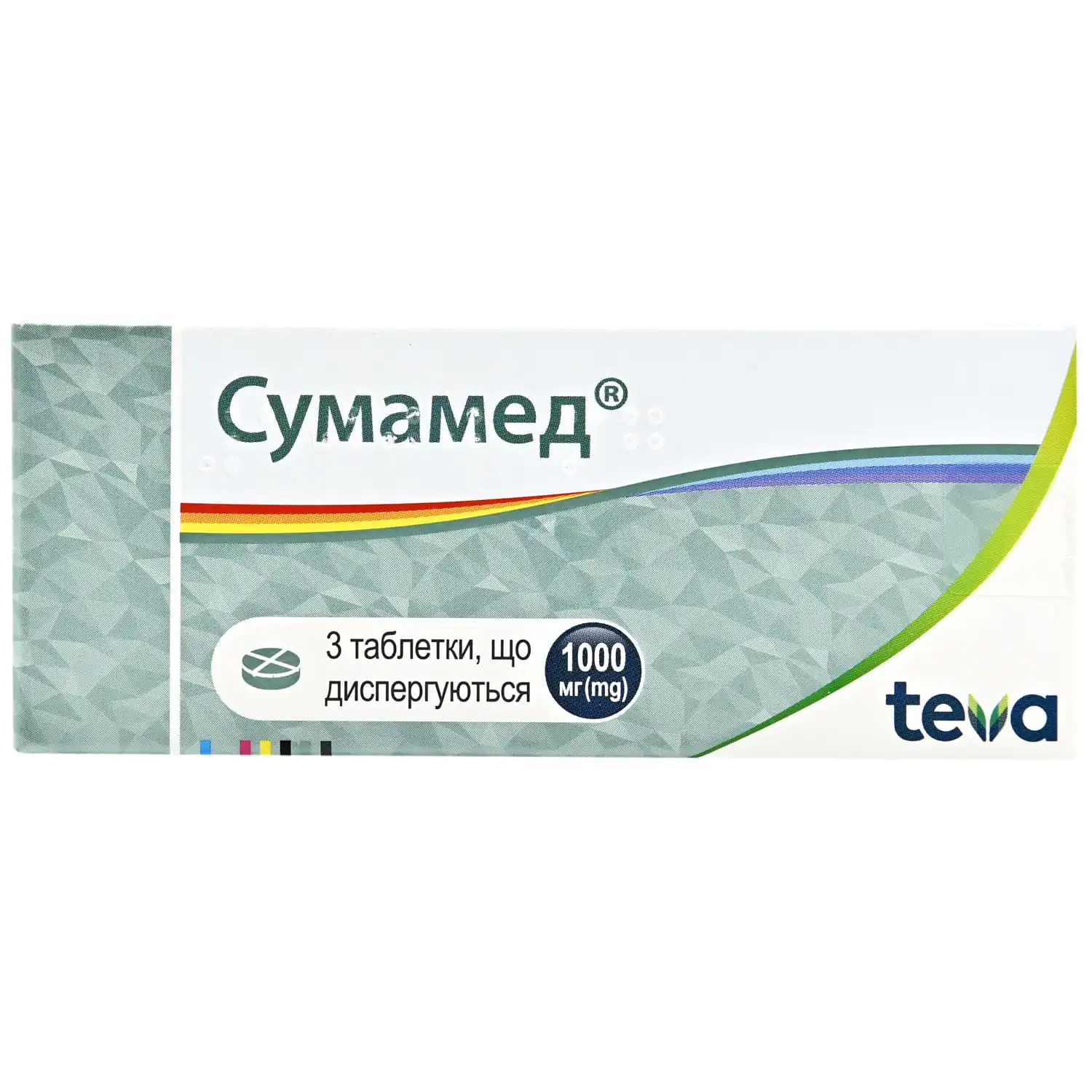
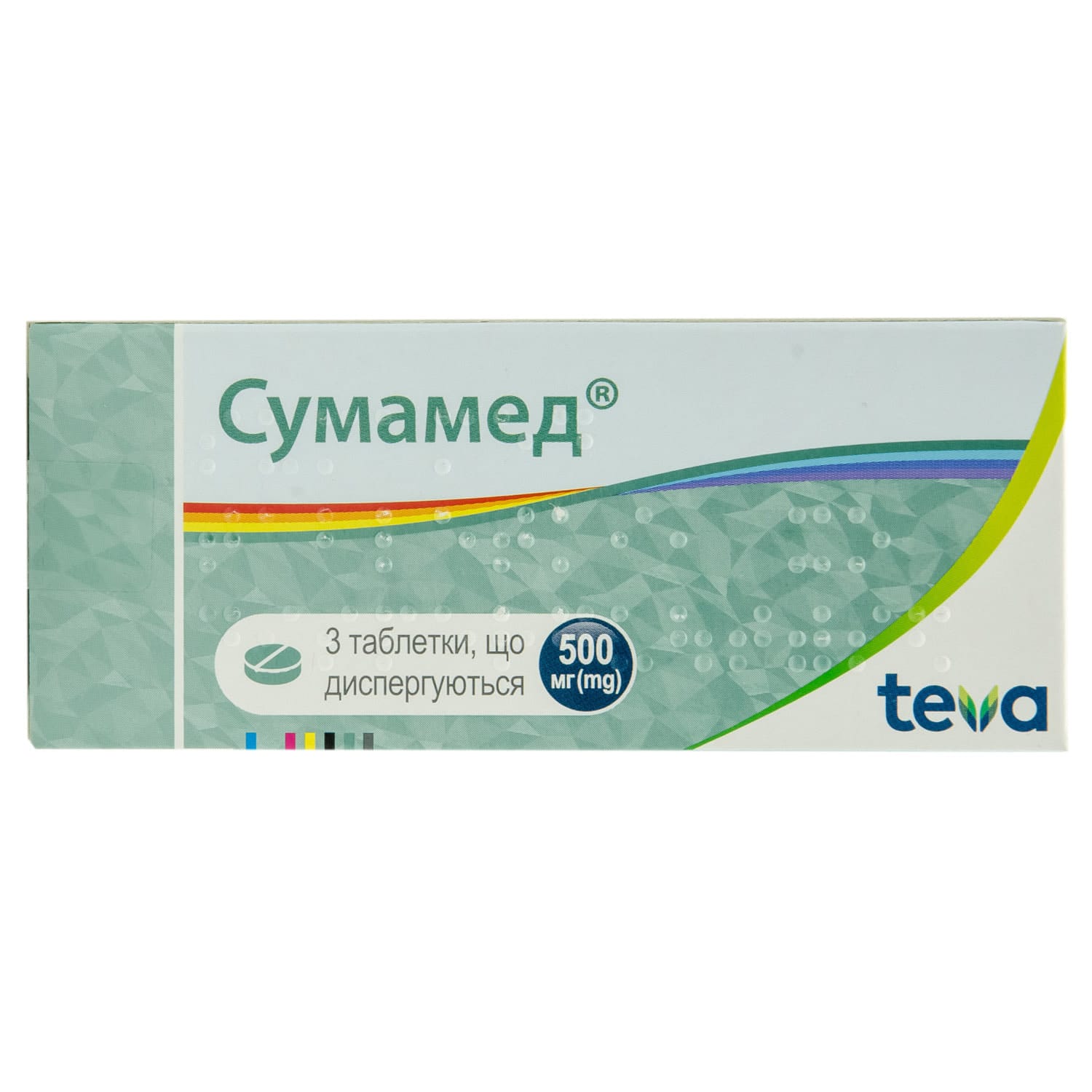
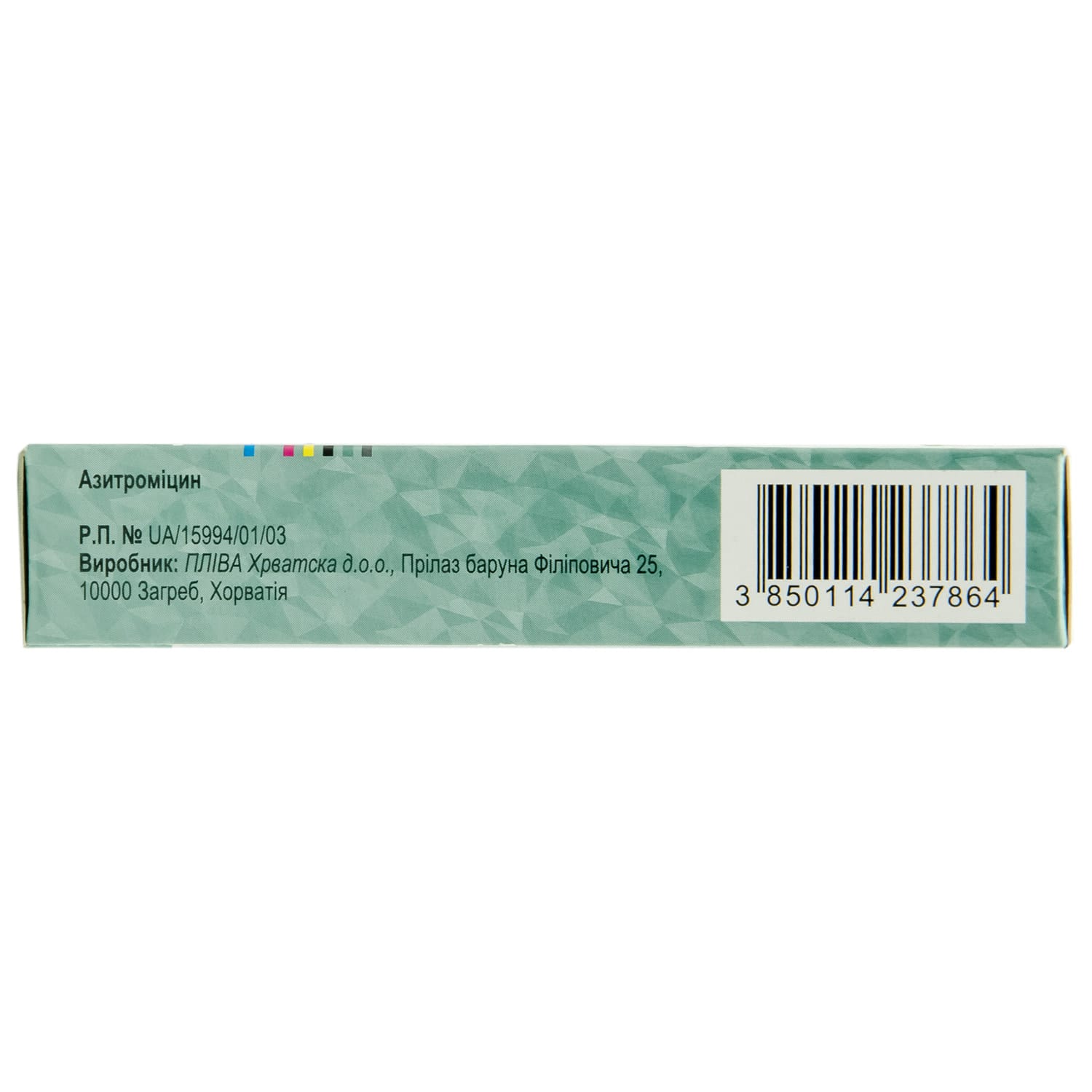
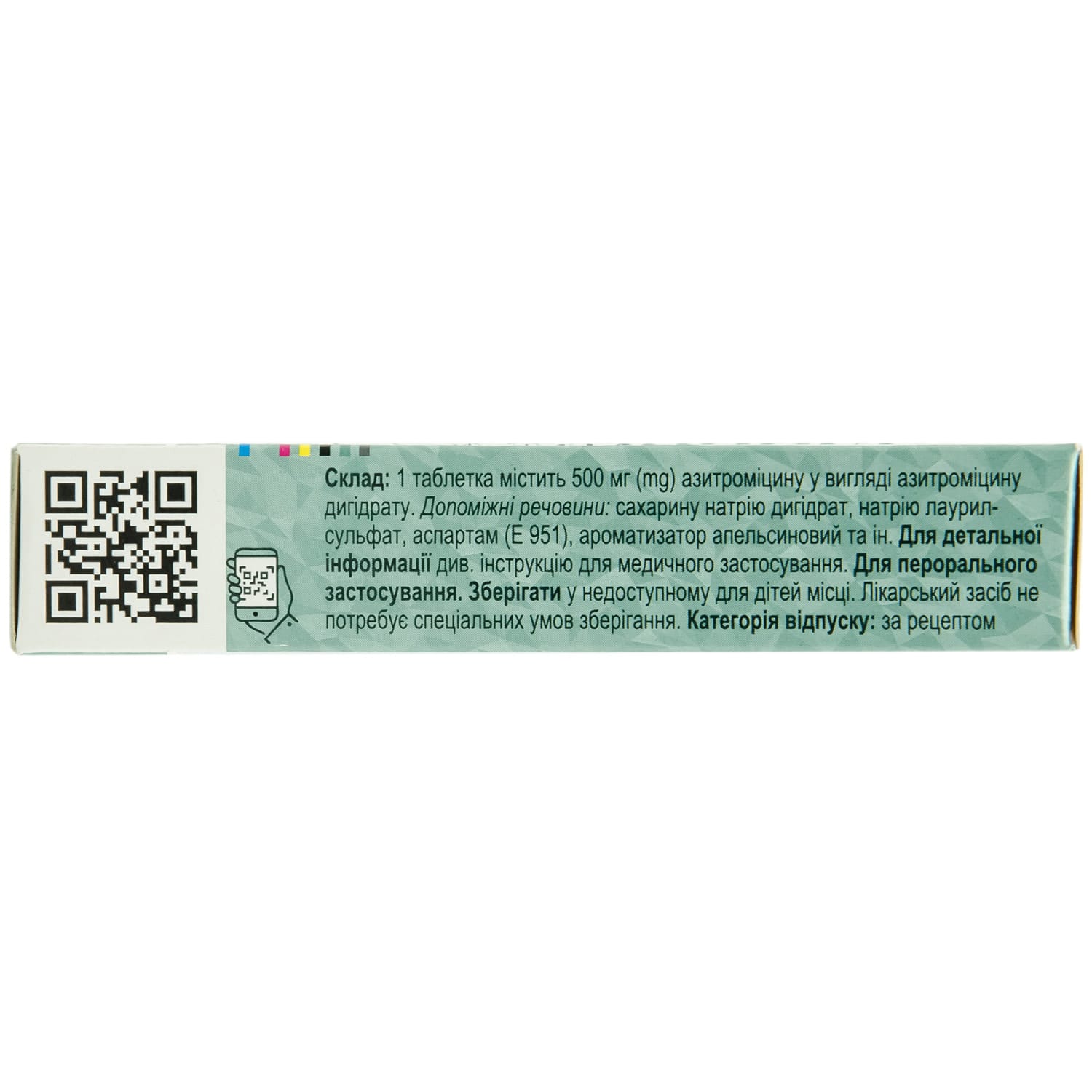
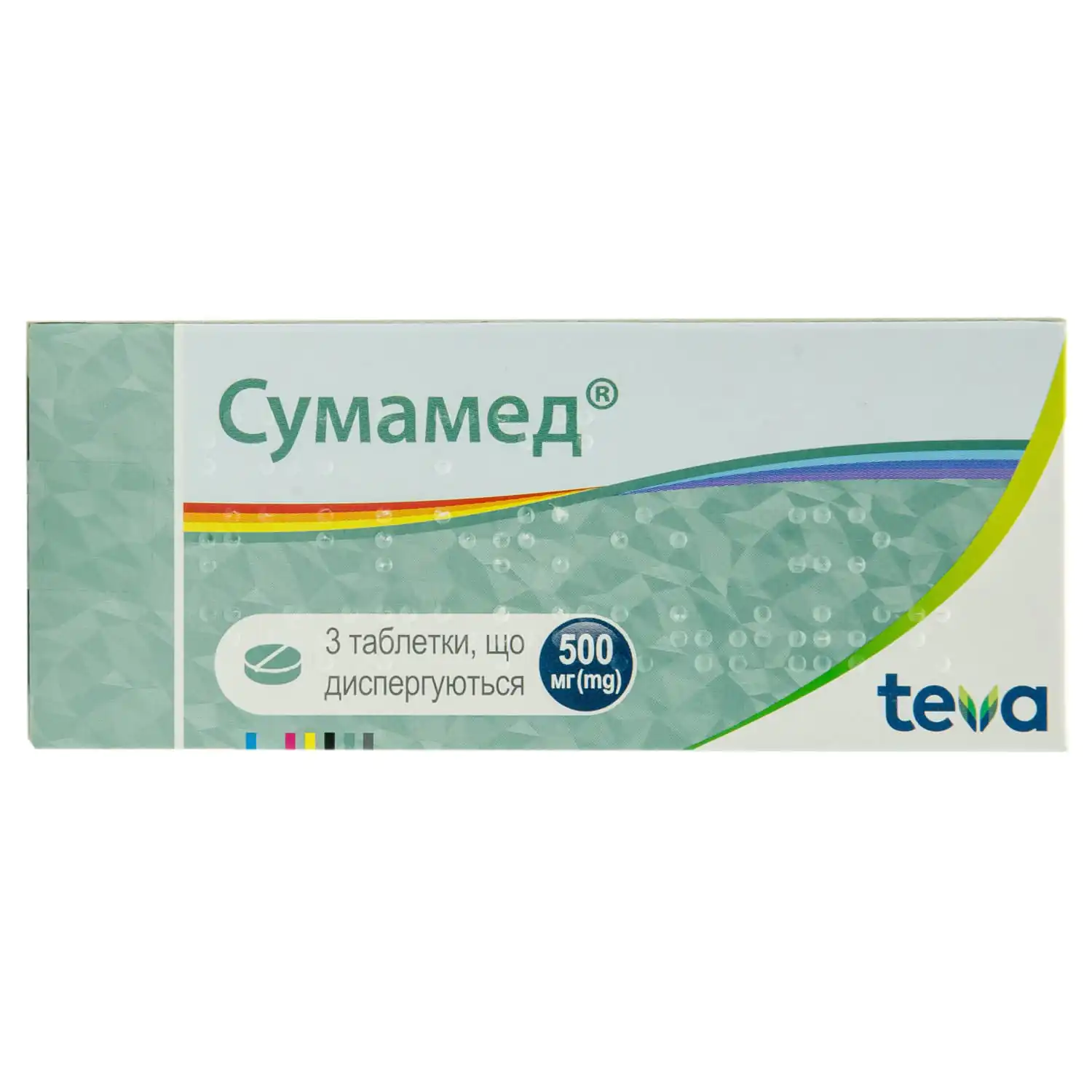
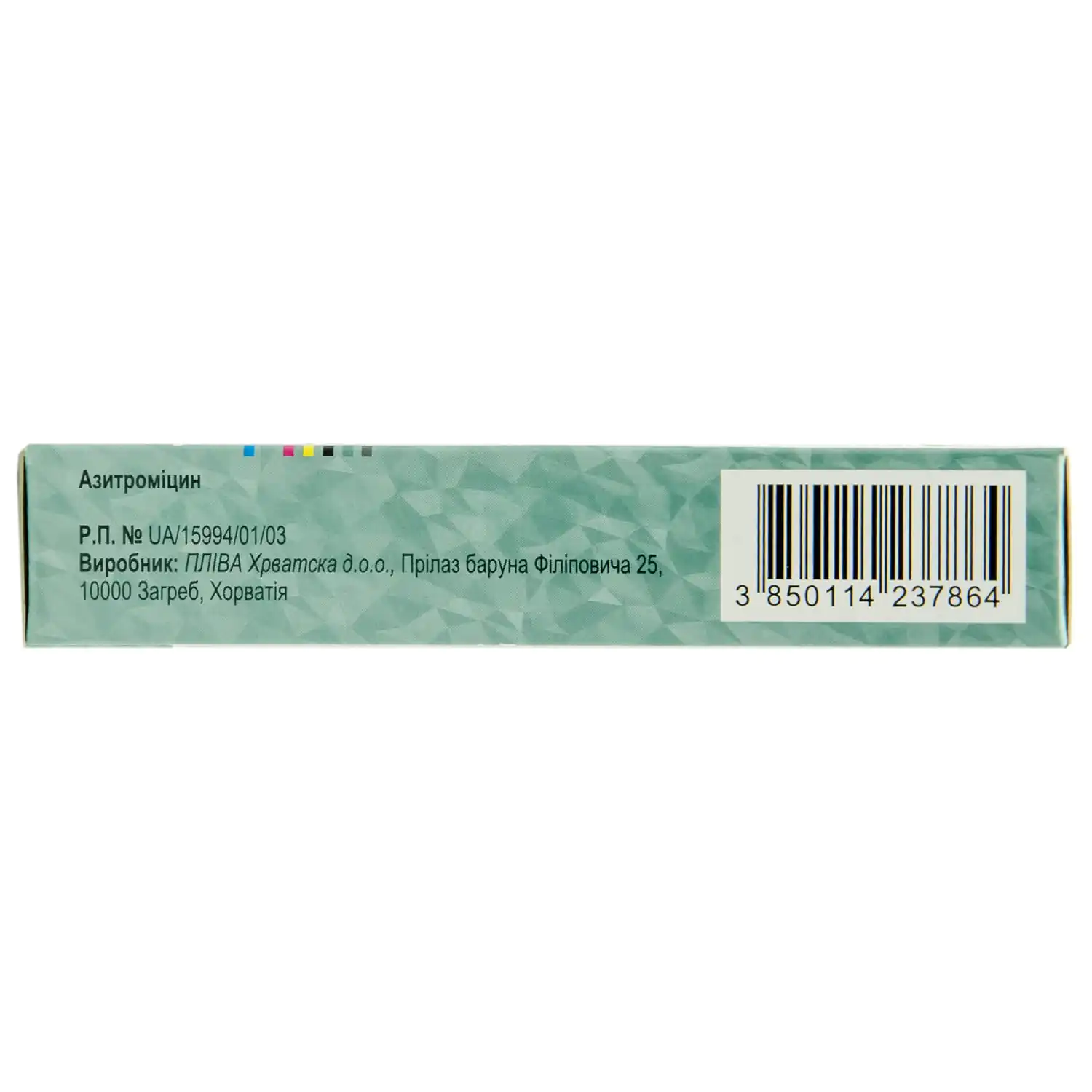
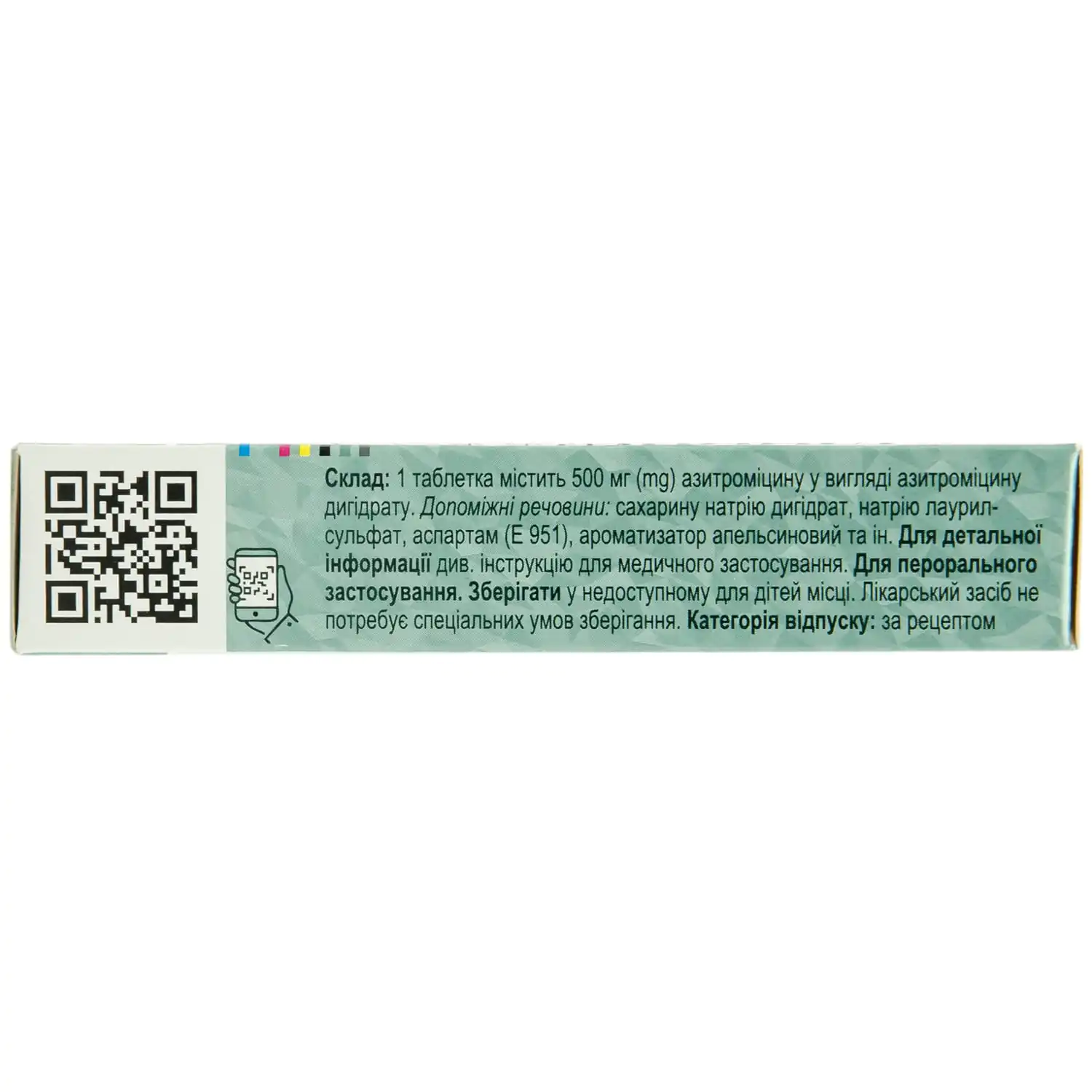
Sumamed dispersible tablets 500 mg blister 3 pcs.
$31.77
Free Worldwide Shipping
to: Australia, Belgium, Canada, Czechia, Denmark, Estonia, Finland, Greece, Hungary, Ireland, Israel, Italy, Japan, Kuwait, Latvia, Lithuania, Mexico, Moldova, Netherlands, Norway, Poland, Romania, Slovakia, South Korea, Switzerland, United Kingdom, United States and more
🏖️ Hello! We are on vacation!
We are still accepting orders on our website; however, order processing and shipping will resume after September 10. If you place an order during our vacation, we will contact you and remind you about the temporary shipping delay. Starting September 10, all orders received during this period will be processed and shipped in the order they were placed. If your order contains a product with less than one year remaining before its expiration date, we will notify you after September 10 and proceed according to your instructions. If you decide to cancel an order placed during our vacation, simply contact us through the contact form on our website, and we will be happy to assist you. Thank you for your understanding, and we apologize for any inconvenience caused.
In stock
Sumamed 500 mg tablets with azithromycin treat ENT, respiratory, skin and chlamydial infections, offering effective short-course antibiotic therapy.
Payment
PayPal, Debit or Credit card, Google Pay, Apple Pay
The drug “Sumamed” is used for infections caused by microorganisms sensitive to azithromycin:
- ENT organs (bacterial pharyngitis/tonsillitis, sinusitis, otitis media);
- respiratory tract infections (bacterial bronchitis, community-acquired pneumonia);
- Skin and soft tissue infections: erythema migrans (initial stage of Lyme disease), erysipelas, impetigo, secondary pyodermatoses;
- sexually transmitted infections: uncomplicated genital infections caused by Chlamydia trachomatis.
Composition
1 tablet contains 500 mg of azithromycin (active ingredient) in the form of azithromycin dihydrate.
Excipients: saccharin sodium dihydrate, microcrystalline cellulose, crospovidone (type A), povidone, sodium lauryl sulfate, colloidal anhydrous silica, magnesium stearate, aspartame (E 951), orange flavor.
Contraindication
Hypersensitivity to azithromycin, erythromycin, any macrolide or ketolide antibiotic, or to any other component of the drug.
Method of application
Administer orally 1 hour before or 2 hours after meals. If a dose is missed, the missed dose should be taken as soon as possible, and subsequent doses should be taken at 24-hour intervals.
Disperse the tablet in at least 50 ml of water. Stir the resulting suspension thoroughly before use.
Adults and children over 12 years of age with a body weight ≥ 45 kg.
For infections of the ENT organs, respiratory tract, skin and soft tissues (except chronic migratory erythema), the total dose of azithromycin is 1500 mg (500 mg 1 time per day). The duration of treatment is 3 days.
For erythema migrans, the total dose of azithromycin is 3 g, which should be taken according to the following scheme: 1000 mg on the first day, then 500 mg once a day from the 2nd to the 5th day.
For sexually transmitted infections, the recommended dose of azithromycin is 1000 mg once.
Children 3-12 years old with a body weight <45 kg.
For infections of the ENT organs, respiratory tract, skin and soft tissues (except chronic migratory erythema), azithromycin is used at the rate of 10 mg/kg of body weight once a day for 3 days (the total dose of azithromycin is 30 mg/kg).
Dose calculation for children weighing <45 kg.
| Body weight | Azithromycin dose in mg |
| 18-30 kg | 250 mg |
| 31-44 kg | 375 mg |
| at least 45 kg | Recommended doses for adults |
Children under 3 years of age are recommended to use “Sumamed”, powder for oral suspension (100 mg / 5 ml), or “Sumamed forte”, powder for oral suspension (200 mg / 5 ml). For pharyngitis / tonsillitis caused by Streptococcus pyogenes, the drug “Sumamed” is used at a dose of 20 mg / kg / day for 3 days (course dose 60 mg/kg). The maximum daily dose is 500 mg / day.
For erythema migrans, azithromycin is used at a dose of 20 mg/kg once a day on the first day, followed by 10 mg/kg once a day from the 2nd to the 5th day.
For the convenience of using a course dose of 60 mg/kg, children are recommended to use Sumamed® , powder for oral suspension (100 mg/5 ml), or Sumamed forte, powder for oral suspension (200 mg/5 ml).
Application features
Pregnant women
There are no adequate data on the use of azithromycin in pregnant women. In animal reproductive toxicity studies, azithromycin did not show teratogenic effects on the fetus, but the drug crossed the placenta. The safety of azithromycin during pregnancy has not been established. Therefore, azithromycin should be used during pregnancy only if the benefit outweighs the risk.
Azithromycin has been reported to pass into breast milk, but adequate and well-controlled clinical studies have not been conducted to characterize the pharmacokinetics of azithromycin excretion into breast milk.
Fertility studies have been performed in rats; pregnancy rates were reduced following administration of azithromycin. The relevance of these findings to humans is unknown.
Drivers
There is no evidence that azithromycin can impair the ability to drive or use other mechanisms, but the possibility of developing adverse reactions such as dizziness, drowsiness, and visual disturbances should be taken into account.
Overdose
Clinical experience with azithromycin suggests that adverse reactions occurring at higher than recommended doses are similar to those seen at usual therapeutic doses. These may include diarrhoea, nausea, vomiting, and reversible hearing loss. In the event of overdose, administration of activated charcoal and general symptomatic and supportive measures are recommended.
Adverse reactions
The following table lists adverse reactions identified from clinical trials and post-marketing surveillance with all formulations of azithromycin. Adverse reactions are listed by system organ class and frequency. Adverse reactions reported during post-marketing surveillance are in italics. Frequencies are defined as follows: very common (≥ 1/10); common (≥ 1/100 to <1/10); uncommon (≥ 1/1,000 to <1/100); rare (≥ 1/10,000 to <1/1,000), very rare (<1/10,000); not known (frequency cannot be estimated from the available data). Within each frequency grouping, adverse reactions are presented in order of decreasing seriousness.
Adverse reactions possibly related to azithromycin based on data obtained during clinical trials and during post-marketing surveillance.
| Class of systems and organs | adverse reaction | frequency |
| Infections and infestations | Candidiasis, oral candidiasis, vaginal infections, pneumonia, fungal infection, bacterial infection, pharyngitis, gastroenteritis, respiratory dysfunction, rhinitis | not often |
| pseudomembranous colitis | unknown | |
| Blood and lymphatic system disorders | Leukopenia, neutropenia, eosinophilia | not often |
| Thrombocytopenia, hemolytic anemia | unknown | |
| On the part of the immune system | Angioedema, hypersensitivity reactions | not often |
| anaphylactic reaction | unknown | |
| Metabolic | anorexia | not often |
| From the psyche | Nervousness, insomnia | not often |
| agitation | rarely | |
| Aggression, anxiety, delirium, hallucinations | unknown | |
| From the nervous system | Headache | often |
| Dizziness, drowsiness, dysgeusia, paresthesia | not often | |
| Syncope, convulsions, hypoesthesia, psychomotor hyperactivity, anosmia, ageusia, parosmia, myasthenia gravis | unknown | |
| From the organs of vision | visual impairment | not often |
| From the hearing organs | Hearing disorders, vertigo | not often |
| Hearing impairment, including deafness and/or tinnitus | unknown | |
| From the heart | increased heartbeat | not often |
| Torsade de pointes, arrhythmia including ventricular tachycardia, prolonged QT interval on ECG | unknown | |
| From the vascular side | tides | not often |
| arterial hypotension | unknown | |
| From the respiratory system | Dyspnea, epistaxis | not often |
| Gastrointestinal tract | diarrhea | very often |
| Vomiting, abdominal pain, nausea | often | |
| Constipation, flatulence, dyspepsia, gastritis, dysphagia, dry mouth, eructation, mouth ulcers, salivary hypersecretion | not often | |
| Pancreatitis, tongue discoloration | unknown | |
| Hepatobiliary system | Liver dysfunction, cholestatic jaundice | rarely |
| Hepatic failure (rarely fatal), fulminant hepatitis, necrotizing hepatitis | unknown | |
| Skin and subcutaneous tissue disorders | Rash, pruritus, urticaria, dermatitis, dry skin, hyperhidrosis | not often |
| Photosensitivity, acute generalized exanthematous pustulosis | rarely | |
| Stevens-Johnson syndrome, toxic epidermal necrolysis, erythema multiforme, drug reaction with eosinophilia and systemic symptoms | unknown | |
| Musculoskeletal system | Osteoarthritis, myalgia, back pain, neck pain | not often |
| arthralgia | unknown | |
| From the urinary system | Dysuria, kidney pain | not often |
| Acute renal failure, interstitial nephritis | unknown | |
| Reproductive system and breast disorders | Uterine bleeding, testicular disorders | not often |
| General disorders and local reactions | Oedema, asthenia, malaise, fatigue, facial oedema, chest pain, hyperthermia, pain, peripheral oedema | not often |
| laboratory indicators | Decreased lymphocyte count, increased eosinophil count, decreased blood bicarbonate, increased basophil count, increased monocyte count, increased neutrophil count | often |
| Increased AST, increased ALT, increased blood bilirubin, increased blood urea, increased blood creatinine, changes in blood potassium, increased alkaline phosphatase, increased chloride, increased glucose, increased platelets, decreased hematocrit, increased bicarbonate, abnormal sodium | not often | |
| Injuries and poisoning | Complications after the procedure | not often |
Information on adverse reactions possibly associated with the prevention and treatment of Mycobacterium Avium Complex is based on clinical trial data and post-marketing surveillance. These adverse reactions differ in type or frequency from those reported with the immediate-release and long-release formulations.
Adverse reactions possibly associated with the prevention and treatment of Mycobacterium Avium Complex.
| Class of systems and organs | adverse reaction | frequency |
| Metabolic | anorexia | often |
| From the nervous system | Dizziness, headache, paresthesia, dysgeusia | often |
| hypoesthesia | not often | |
| From the organs of vision | visual impairment | often |
| From the hearing organs | deafness | often |
| Hearing impairment, ringing in the ears | not often | |
| From the heart | increased heartbeat | not often |
| Gastrointestinal tract | Diarrhea, abdominal pain, nausea, flatulence, gastrointestinal discomfort, frequent loose stools | very often |
| From the digestive system | hepatitis | not often |
| Skin and subcutaneous tissue disorders | Rash, itching | often |
| Stevens-Johnson syndrome, photosensitivity | not often | |
| Musculoskeletal system | arthralgia | often |
| General disorders and local reactions | increased fatigue | often |
| Asthenia, malaise | not often |
Storage conditions
The drug does not require special storage conditions. Keep out of the reach of children.
Shelf life – 2 years.
You may also like

Reviews
There are no reviews yet.