Pantogar strengthens hair and nails, reduces hair loss, improves structure, and supports healthy growth with vitamins, keratin, and amino acids.

We deliver to:
🇦🇺 Australia
🇧🇪 Belgium
🇨🇦 Canada
🇨🇿 Czechia
🇩🇰 Denmark
🇪🇪 Estonia
🇫🇮 Finland
🇬🇷 Greece
🇭🇺 Hungary
🇮🇪 Ireland
🇮🇱 Israel
🇮🇹 Italy
🇯🇵 Japan
🇰🇼 Kuwait
🇱🇻 Latvia
🇱🇹 Lithuania
🇲🇽 Mexico
🇲🇩 Moldova
🇳🇱 Netherlands
🇳🇴 Norway
🇵🇱 Poland
🇷🇴 Romania
🇸🇰 Slovakia
🇰🇷 South Korea
🇨🇭 Switzerland
🇬🇧 United Kingdom
🇺🇸 United States of America
and more
We deliver to:
🇦🇺 Australia
🇧🇪 Belgium
🇨🇦 Canada
🇨🇿 Czechia
🇩🇰 Denmark
🇪🇪 Estonia
🇫🇮 Finland
🇬🇷 Greece
🇭🇺 Hungary
🇮🇪 Ireland
🇮🇱 Israel
🇮🇹 Italy
🇯🇵 Japan
🇰🇼 Kuwait
🇱🇻 Latvia
🇱🇹 Lithuania
🇲🇽 Mexico
🇲🇩 Moldova
🇳🇱 Netherlands
🇳🇴 Norway
🇵🇱 Poland
🇷🇴 Romania
🇸🇰 Slovakia
🇰🇷 South Korea
🇨🇭 Switzerland
🇬🇧 United Kingdom
🇺🇸 United States of America
and more
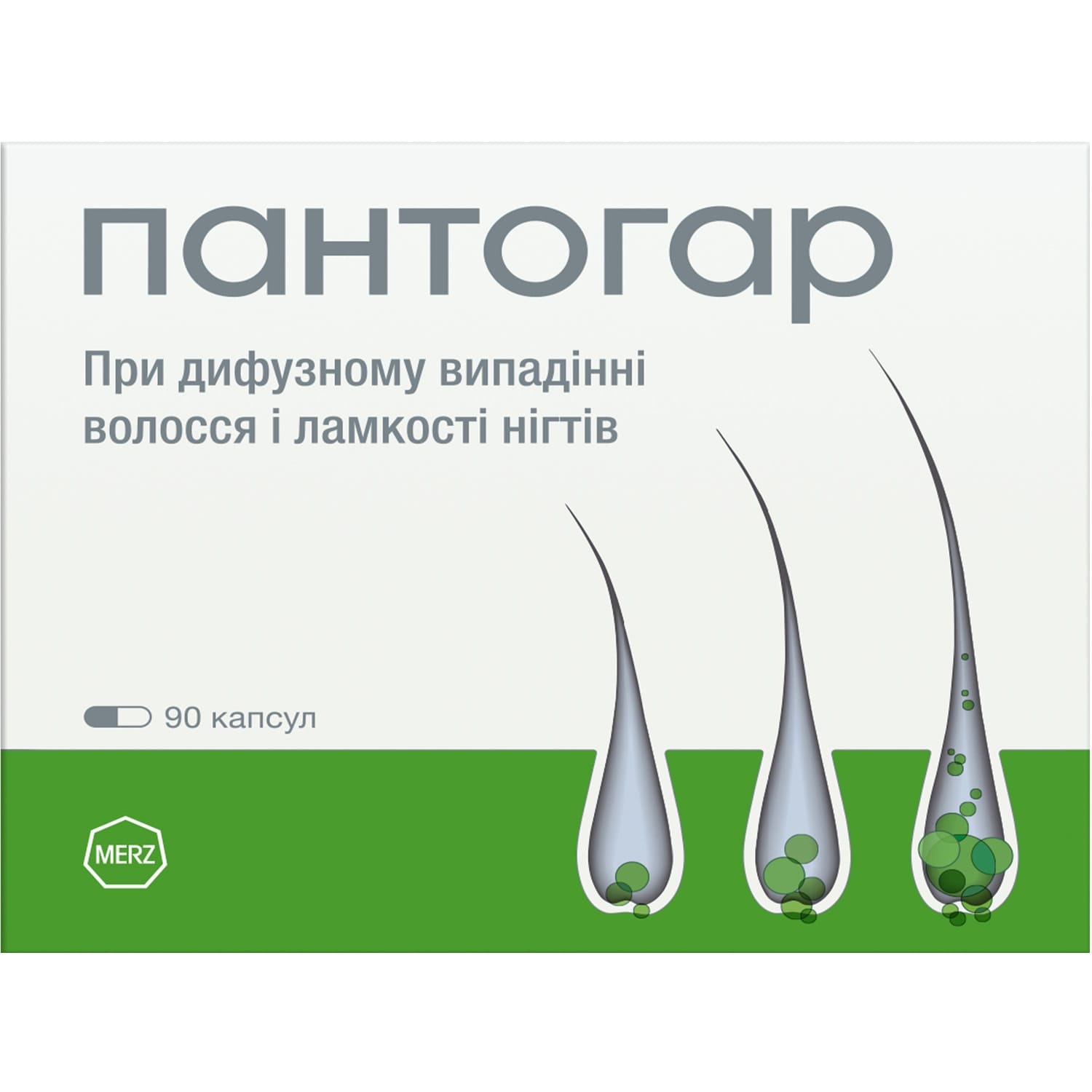
Please note: The product packaging may vary from the images shown. The contents, ingredients, and quality of the product remain unchanged.
Pantogar capsules 90 pcs
$96.13
Free Worldwide Shipping
to: Australia, Belgium, Canada, Czechia, Denmark, Estonia, Finland, Greece, Hungary, Ireland, Israel, Italy, Japan, Kuwait, Latvia, Lithuania, Mexico, Moldova, Netherlands, Norway, Poland, Romania, Slovakia, South Korea, Switzerland, United Kingdom, United States and more
🏖️ Hello! We are on vacation!
We are still accepting orders on our website; however, order processing and shipping will resume after September 10. If you place an order during our vacation, we will contact you and remind you about the temporary shipping delay. Starting September 10, all orders received during this period will be processed and shipped in the order they were placed. If your order contains a product with less than one year remaining before its expiration date, we will notify you after September 10 and proceed according to your instructions. If you decide to cancel an order placed during our vacation, simply contact us through the contact form on our website, and we will be happy to assist you. Thank you for your understanding, and we apologize for any inconvenience caused.
In stock
Categories: Vitamins and supplements
Brand: Merz
Payment
PayPal, Debit or Credit card, Google Pay, Apple Pay
Pharmacological properties
Pharmacodynamics. The active ingredients of the drug belong to the following therapeutic groups: vitamins, nutritional supplements, amino acids, proteins.
Thiamine nitrate, calcium pantothenate and other vitamins contained in medical yeast are necessary to maintain optimal regulation of metabolism in the body. Insufficient intake of these vitamins by the body causes symptoms of vitamin deficiency.
Keratin is the main component of hair and nails, cystine and 4-aminobenzoic acid are also substances for strengthening hair and nails.
Pantogar helps reduce hair loss caused by various causes, improving the hair structure and increasing its resistance to mechanical and chemical action. Pantogar promotes nail growth and increases their strength.
Pharmacokinetics. No pharmacokinetic studies of Pantogar have been conducted. Vitamins are absorbed in the upper gastrointestinal tract. Amino acid components obtained as a result of keratin hydrolysis, as well as cystine and 4-aminobenzoic acid, are absorbed by passive diffusion and/or through certain transport systems.
Indication
Diffuse hair loss (hair loss of unknown causes). Degenerative changes in hair structure (thin, hard, brittle, dull, colorless hair). Hair damage due to exposure to sunlight or ultraviolet radiation. Prevention of gray hair. Nail growth disorders (fragility, delamination, loss of plasticity).
Application
The drug is taken orally during meals, without chewing, with sufficient liquid. Adults are prescribed 1 capsule 3 times a day, children over 12 years old – 1 capsule 1-2 times a day.
The duration of treatment is determined individually. The average duration of treatment is 3-6 months. If necessary, the course of treatment can be extended or repeated.
Children: Due to the lack of sufficient experience in younger children, the drug should not be prescribed to children under 12 years of age.
Contraindication
Hypersensitivity to the components of the drug.
Side effects
The side effects listed below are classified by system organ class and frequency of occurrence. Frequency categories are: very common (≥1/10), common (≥1/100 to <1/10), uncommon (≥1/1000 to <1/100), rare (≥1/10,000 to <1/1000), very rare (<1/10,000) or not known if the frequency cannot be estimated from the available data.
From the nervous system: frequency unknown – headache and dizziness.
From the cardiovascular system: rarely – tachycardia, rapid pulse; frequency unknown – palpitations (increased heartbeat).
On the part of the digestive system: frequency unknown – nausea, vomiting, abdominal pain, flatulence, heartburn, diarrhea.
Skin and subcutaneous tissue disorders: rarely – urticaria, rash, itching; frequency unknown – skin redness.
Immune system disorders: Rare: hypersensitivity reactions such as increased sweating.
If any adverse reactions occur, discontinue use of the drug and consult a doctor.
Special instructions
Use during pregnancy and breastfeeding. The potential risk to humans is unknown. The drug can only be used from the second half of pregnancy if, in the opinion of the doctor, the benefit to the mother outweighs the potential risk to the fetus/child.
The ability to influence the reaction speed when driving vehicles or working with other mechanisms. Does not affect.
Interactions
When using drugs containing sulfonamides at the same time, it is necessary to consult a doctor.
Overdose
Symptoms of overdose are unknown. Treatment is symptomatic.
Storage conditions
At a temperature not exceeding 25 °C.
You may also like


Vitamin complex succinic (amber) acid Pharmacom tablets 80 pcs