
🇦🇺 Australia
🇧🇪 Belgium
🇨🇦 Canada
🇨🇿 Czechia
🇩🇰 Denmark
🇪🇪 Estonia
🇫🇮 Finland
🇬🇷 Greece
🇭🇺 Hungary
🇮🇪 Ireland
🇮🇱 Israel
🇮🇹 Italy
🇯🇵 Japan
🇰🇼 Kuwait
🇱🇻 Latvia
🇱🇹 Lithuania
🇲🇽 Mexico
🇲🇩 Moldova
🇳🇱 Netherlands
🇳🇴 Norway
🇵🇱 Poland
🇷🇴 Romania
🇸🇰 Slovakia
🇰🇷 South Korea
🇨🇭 Switzerland
🇬🇧 United Kingdom
🇺🇸 United States of America
and more
🇦🇺 Australia
🇧🇪 Belgium
🇨🇦 Canada
🇨🇿 Czechia
🇩🇰 Denmark
🇪🇪 Estonia
🇫🇮 Finland
🇬🇷 Greece
🇭🇺 Hungary
🇮🇪 Ireland
🇮🇱 Israel
🇮🇹 Italy
🇯🇵 Japan
🇰🇼 Kuwait
🇱🇻 Latvia
🇱🇹 Lithuania
🇲🇽 Mexico
🇲🇩 Moldova
🇳🇱 Netherlands
🇳🇴 Norway
🇵🇱 Poland
🇷🇴 Romania
🇸🇰 Slovakia
🇰🇷 South Korea
🇨🇭 Switzerland
🇬🇧 United Kingdom
🇺🇸 United States of America
and more

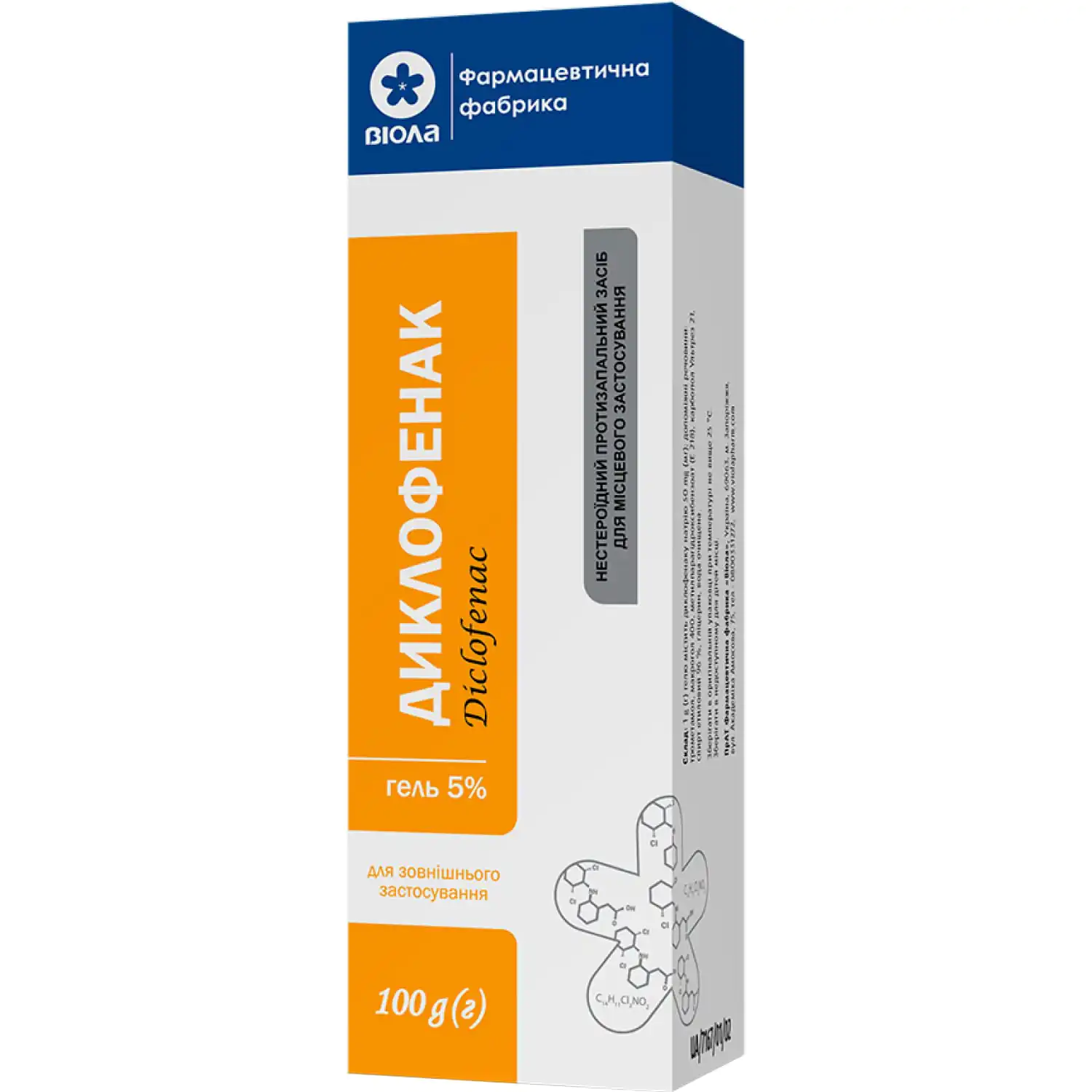
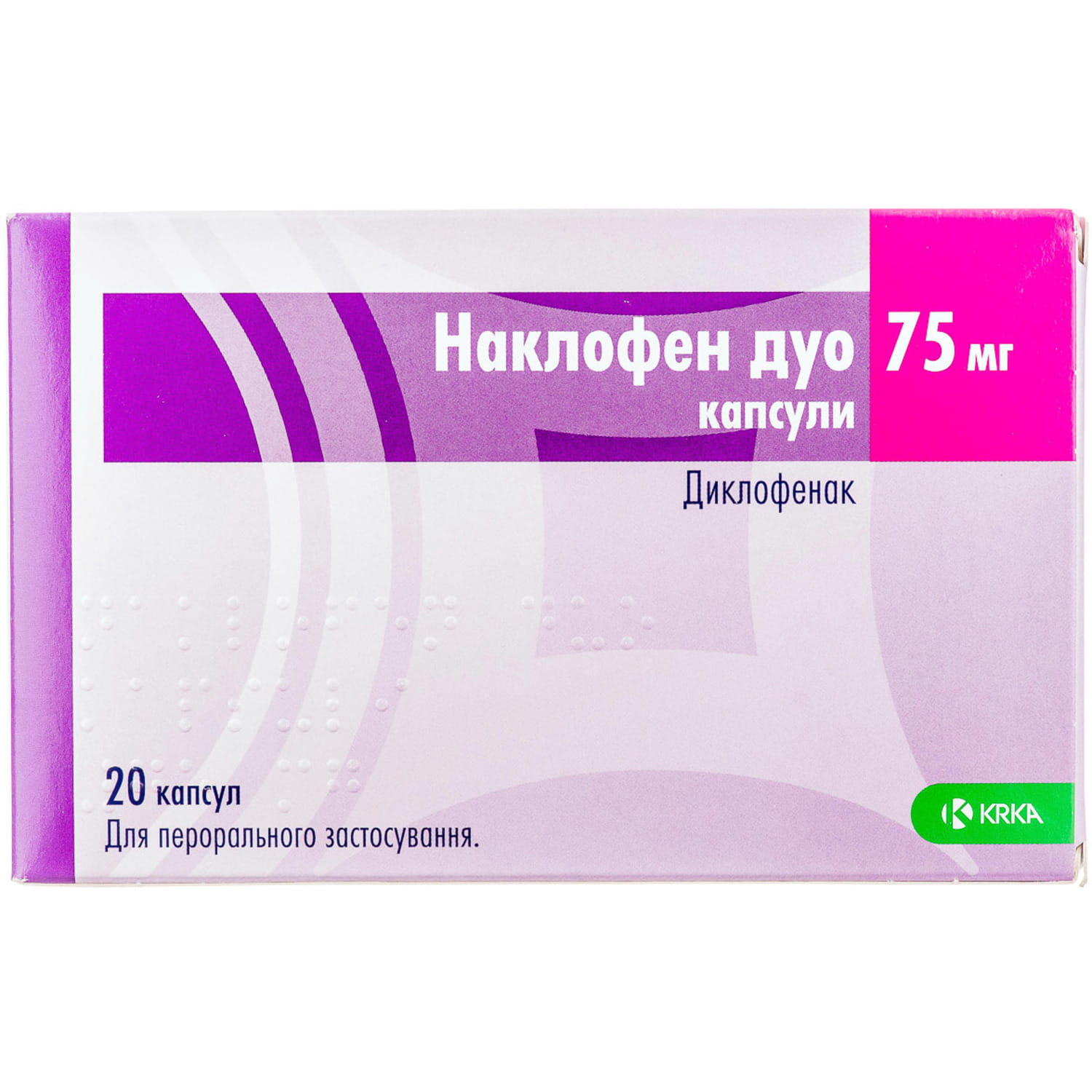
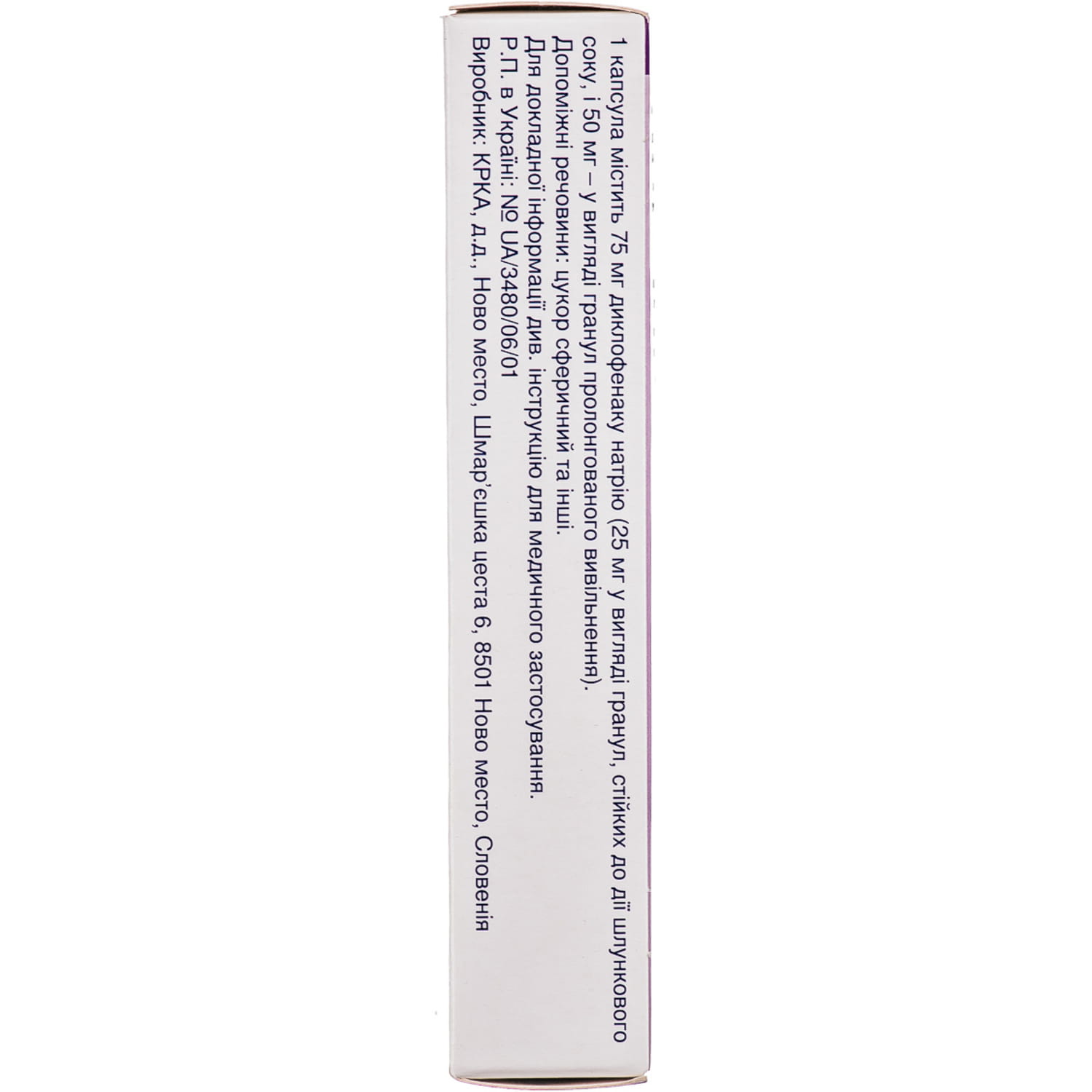
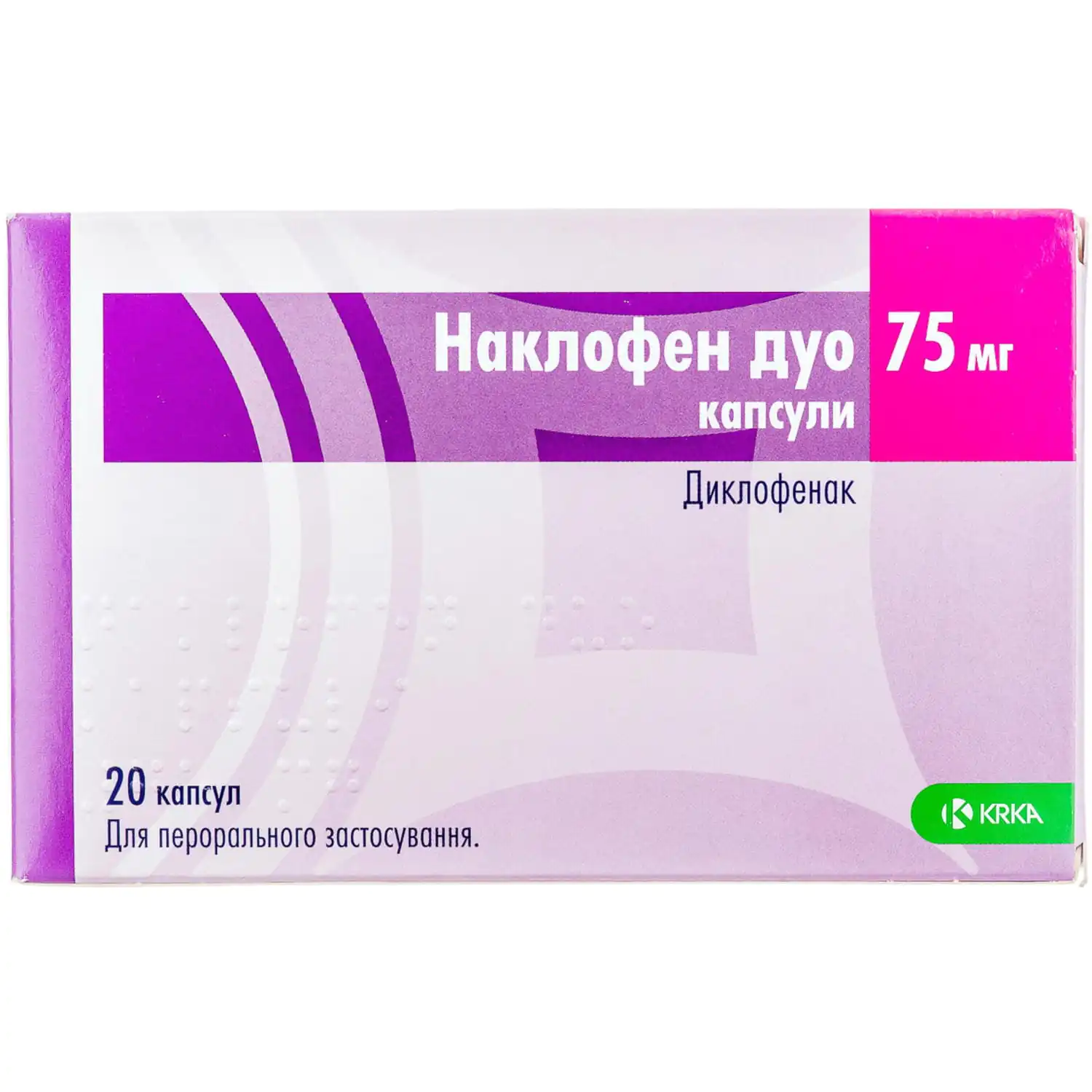
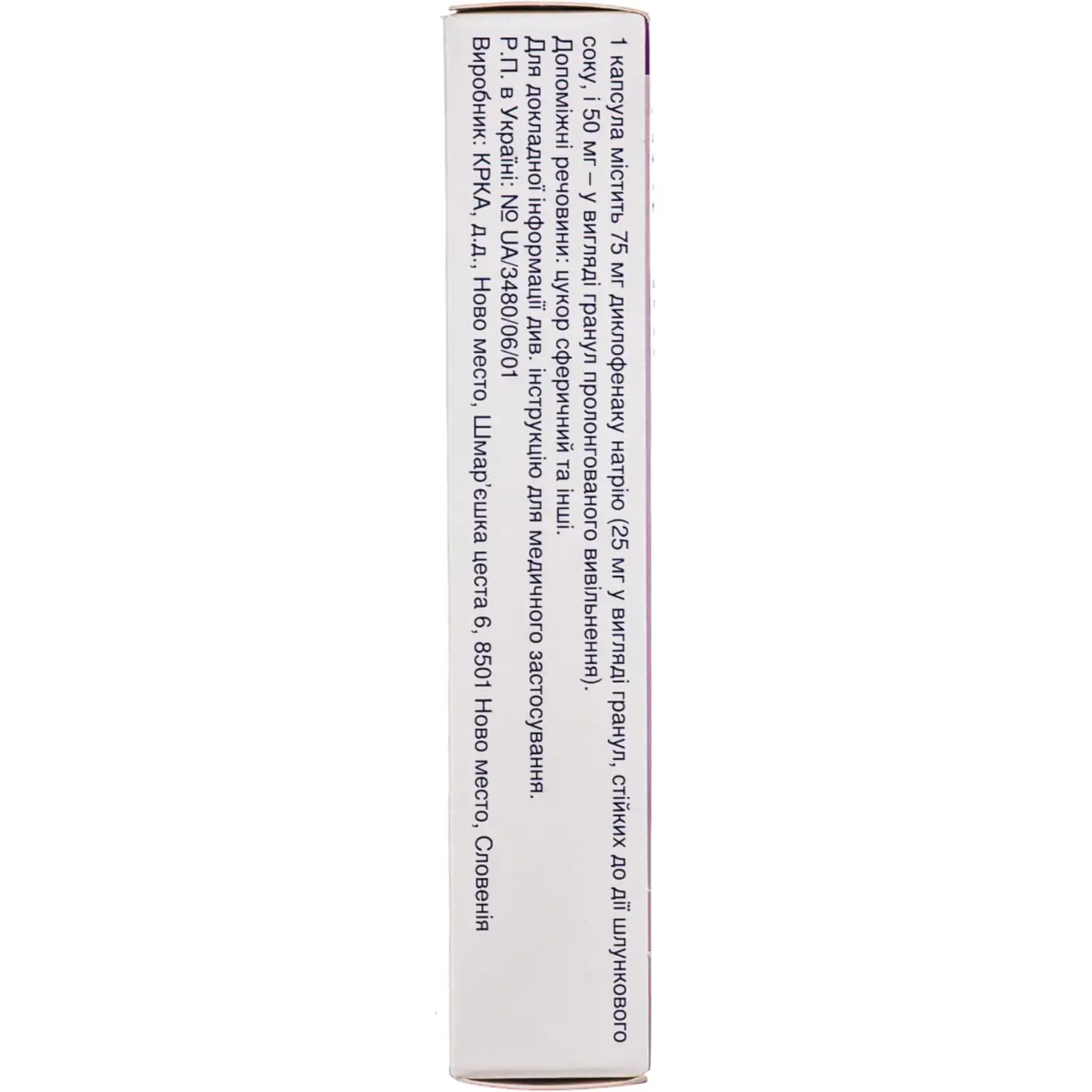
Naklofen Duo capsules 75 mg 2 blisters of 10 pcs.
$22.35
Free Worldwide Shipping
to: Australia, Belgium, Canada, Czechia, Denmark, Estonia, Finland, Greece, Hungary, Ireland, Israel, Italy, Japan, Kuwait, Latvia, Lithuania, Mexico, Moldova, Netherlands, Norway, Poland, Romania, Slovakia, South Korea, Switzerland, United Kingdom, United States and more
🏖️ Hello! We are on vacation!
We are still accepting orders on our website; however, order processing and shipping will resume after September 10. If you place an order during our vacation, we will contact you and remind you about the temporary shipping delay. Starting September 10, all orders received during this period will be processed and shipped in the order they were placed. If your order contains a product with less than one year remaining before its expiration date, we will notify you after September 10 and proceed according to your instructions. If you decide to cancel an order placed during our vacation, simply contact us through the contact form on our website, and we will be happy to assist you. Thank you for your understanding, and we apologize for any inconvenience caused.
In stock
Naklofen is a diclofenac-based NSAID for pain, inflammation, rheumatic diseases, injuries, migraine, and postoperative pain relief.
Payment
PayPal, Debit or Credit card, Google Pay, Apple Pay
Orders Temporarily Unavailable
Due to temporary postal service disruptions, we are currently unable to accept orders.
Pharmacological properties
Pharmacodynamics
The active ingredient of the drug Naklofen is diclofenac – an NSAID with pronounced antirheumatic, antipyretic, analgesic and anti-inflammatory properties. The main mechanism of action of diclofenac, established in experimental conditions, is considered to be inhibition of prostaglandin synthesis. Prostaglandins play an important role in the genesis of inflammation, pain and fever.
In vitro, diclofenac sodium at concentrations equivalent to those achieved in the treatment of patients does not inhibit the biosynthesis of cartilage proteoglycans.
In rheumatic diseases, the anti-inflammatory and analgesic effect of Naklofen leads to a significant reduction in the severity of pain (both at rest and during movement), morning stiffness, swelling of the joints, and thereby an improvement in the patient’s functional status.
In the presence of inflammation caused by trauma or surgery, Naklofen quickly eliminates both spontaneous pain and pain during movement, and also reduces inflammatory tissue swelling and edema in the surgical wound area. When used together with ointments to eliminate postoperative pain, Naklofen significantly reduces the need for opioids.
Clinical studies have shown that Naklofen also has a strong analgesic effect in moderate to severe pain of non-rheumatic origin. Clinical studies have shown that Naklofen is able to eliminate pain and reduce the severity of blood loss in primary dysmenorrhea.
Naklofen tablets are coated with an acid-resistant shell and dissolve after entering the intestines.
Pharmacokinetics
Absorption. After oral administration, diclofenac is rapidly absorbed. Absorption exceeds 90%, but as a result of primary metabolism in the liver, bioavailability is 60%. In oral forms, C max in serum is achieved after 1-4 hours, depending on the type of drug.
Since diclofenac is absorbed in the duodenum and small intestine, food slows down the rate of absorption, which leads to a delay and a decrease in C max of the active substance in the blood serum. Although food intake reduces the rate of absorption, it does not reduce its extent. After repeated administration, food has no effect on the level of diclofenac in the blood serum.
Percutaneous absorption of a single dose of Naklofen in gel form was determined based on the excretion of metabolites in the urine. When topically applied gel containing 2.5 g of diclofenac per 500 cm 2 skin, 6-7% of the absorbed active substance was detected in the general bloodstream.
Distribution: 99% of diclofenac binds to plasma proteins, mainly albumin.
Diclofenac readily penetrates into the synovial fluid, where its concentration is 60-70% of the serum level. After 3-6 hours, the concentration of the drug and its metabolites in the synovial fluid is higher than the concentration in the serum. Diclofenac is eliminated from the synovial fluid much more slowly than from the serum.
Metabolism and excretion. T½ of diclofenac is 1-2 hours. It does not change in case of minor renal or hepatic insufficiency.
Virtually all diclofenac is metabolized in the liver, mainly by hydroxylation and methoxylation. Approximately 70% of diclofenac is excreted in the urine as pharmacologically inactive metabolites. Only 1% is excreted unchanged. The remaining metabolites are excreted in the bile and feces.
Naklofen gel. In healthy volunteers, it was found that after repeated external application of therapeutic doses, stability was achieved on the second day and maintained throughout the study.
The metabolites determined in urine were very similar to those detected after oral administration. After discontinuation of administration, plasma concentrations decreased in the same way as after a single dose. This means that no depots of diclofenac are formed in the skin after repeated administration.
There are no significant changes in the absorption, distribution, metabolism and excretion of diclofenac in the elderly.
Indication
When administered orally:
- inflammatory rheumatic diseases: rheumatoid arthritis, ankylosing spondylitis, osteoarthritis, spondyloarthritis, pain syndrome of various localization, extra-articular rheumatism;
- post-traumatic and postoperative pain, inflammation and swelling;
- painful and/or inflammatory conditions in gynecology (e.g. primary dysmenorrhea, adnexitis).
Naklofen is also effective for migraine attacks.
Locally. Local treatment of pain and inflammation of joints, muscles, ligaments and tendons of rheumatic or traumatic origin.
The drug for intramuscular administration is intended for the treatment of:
- inflammatory and degenerative forms of rheumatism, rheumatoid arthritis, ankylosing spondylitis, osteoarthritis, spondyloarthritis, vertebral pain syndrome, extra-articular rheumatism;
- acute attacks of gout;
- renal and hepatic colic;
- pain and swelling after injuries and surgeries;
- severe migraine attacks.
The drug, when administered as an intravenous infusion, is intended for the treatment or prevention of postoperative pain.
Application
Naklofen tablets are gastro-resistant. In order to minimize side effects, the minimum effective dose should be used for the shortest period necessary to control symptoms. It is advisable to take the tablets before meals, with liquid, and they should not be divided or chewed.
The initial dose is usually 100-150 mg/day. With mild symptoms, as well as with long-term therapy, a dose of 75-100 mg/day is sufficient. The daily dose is divided into 2-3 doses. To avoid night pain or morning stiffness of the joints, treatment with gastro-resistant tablets Naklofen can be supplemented with the appointment of rectal suppositories Naklofen before bedtime. The daily dose should not exceed 150 mg.
In primary dysmenorrhea, the daily dose should be selected individually, in general it is 50-150 mg. The initial dose may be 50-100 mg/day, if necessary, it can be increased over several menstrual cycles to the maximum, which is 200 mg/day. The use of the drug should begin after the first pain symptoms appear and continue for several days, depending on the dynamics of symptom regression.
Elderly patients. Although the pharmacokinetics of Naklofen are not impaired to a clinically significant extent in elderly patients, NSAIDs should be used with caution in elderly patients, who are generally more prone to developing adverse reactions. In particular, the lowest effective dose is recommended for debilitated elderly patients or patients with low body mass; patients should also be monitored for gastrointestinal bleeding during treatment with NSAIDs.
Naklofen suppositories. The initial dose is 100-150 mg of diclofenac per day depending on the severity of the disease, i.e. 1 suppository 2-3 times a day. The maintenance dose is 100 mg of diclofenac per day, i.e. 1 suppository 2 times a day.
In primary dysmenorrhea, the daily dose should be selected individually, it ranges from 50 to 150 mg. The initial dose may be 50-100 mg/day, but if necessary it can be increased over several menstrual cycles to a maximum of 200 mg/day. The drug should be started after the first pain symptoms appear and continued for several days depending on the dynamics of symptom regression.
For the treatment of migraine attacks, the course should be started at a dose of 100 mg at the first signs of an attack. If necessary, a second suppository (100 mg of diclofenac) can be used on the same day. If necessary, the treatment can be continued on the following days (the daily dose should not exceed 150 mg, the dose should be divided into 2-3 doses).
In the treatment of juvenile rheumatoid arthritis, the daily dose may be increased to 3 mg/kg body weight, which is the maximum daily dose, and should not exceed 150 mg/day.
Method of administration of suppositories. Suppositories should be inserted into the rectum as deeply as possible, preferably after bowel cleansing. Suppositories should not be divided into parts, as such a change in the method of administration of the drug may lead to a violation of the distribution of the active substance.
Naklofen gel. Apply a strip of gel 5-10 cm long to the affected area 3-4 times a day and gently rub into the skin. Wash your hands after applying the drug, except when this area is to be treated. The duration of treatment is usually 7 days without consulting a doctor.
The drug should not be used for more than 14 consecutive days in soft tissue injuries or rheumatic diseases of soft tissues or for more than 21 days in case of pain caused by arthritis, unless otherwise prescribed by a doctor. Naklofen gel can be used as an adjunct to oral forms of NSAIDs, but with caution.
Naklofen Duo. The recommended initial dose for adults is 75-150 mg/day (1-2 capsules of Naklofen Duo) depending on the severity of the symptoms of the disease. With long-term therapy, it is usually sufficient to use 1 capsule of Naklofen Duo per day. If the symptoms of the disease are most pronounced during the night or in the morning, Naklofen Duo should be used in the evening.
The capsules should be swallowed whole with a small amount of liquid during or immediately after a meal.
Naklofen Retard. The recommended initial dose for adults is 100 mg/day (1 tablet of Naklofen Retard). With long-term therapy, as a rule, the use of 1 tablet of Naklofen Retard is also sufficient. If the symptoms of the disease are most pronounced during the night or in the morning, Naklofen Retard should be used in the evening.
When prescribing a daily dose of 150 mg of diclofenac, you can combine the use of Naklofen Retard with Naklofen tablets of 50 mg or Naklofen suppositories of 50 mg.
The daily dose should not exceed 150 mg.
The tablets should be swallowed whole with a little liquid, during or immediately after a meal. To minimize side effects, the drug should be used in the most effective dose for the shortest period of time to control symptoms, taking into account the treatment objectives of each individual patient.
Children. Naklofen Retard is not recommended for use in children.
Elderly patients. No clinically significant changes in pharmacokinetics were observed when using Naklofen Retard in elderly patients. However, NSAIDs should be used with special caution in elderly patients, as they are more prone to the development of adverse reactions. It is recommended to use the minimum effective dose in elderly patients or those with low body weight, as well as patients who require constant monitoring for possible gastrointestinal bleeding when using NSAIDs.
Naklofen solution for injection. General recommendation – the dose should be selected individually, starting with the minimum effective dose, and taken for the shortest possible time. The drug Naklofen solution for injection should not be used for more than 2 days; if necessary, treatment can be continued with oral forms of the drug.
Intramuscular injection. To prevent damage to nerves or other tissues at the site of intramuscular injection, the following rules should be followed.
The usual dose is 75 mg/day (1 ampoule), administered by deep injection into the upper outer quadrant of the gluteal muscle. In severe cases (e.g. colic), the daily dose may be increased to 2 injections of 75 mg, with an interval of several hours between them (1 injection into each buttock).
Adults with severe pain syndrome are prescribed Naklofen intramuscularly at 75 mg (contents of 1 ampoule) 1-2 times a day for a short time, followed by a transition to oral administration or rectal administration of the drug until the total maximum daily dose of 150 mg is reached.
For patients with pain syndrome due to renal colic, a repeated injection of 75 mg should be performed at intervals of several hours (1 injection in each buttock).
In migraine attacks, clinical experience is limited to cases of initial use of 1 ampoule of 75 mg. The dose, if necessary, is administered immediately after the use of suppositories of 100 mg. The total daily dose should not exceed 175 mg on the 1st day.
Intravenous infusion. The drug should be used in the most effective doses for the shortest period of time, taking into account the treatment objectives of each individual patient.
The drug Naklofen, solution for injection, should not be used for more than 2 days; if necessary, treatment can be continued with Naklofen tablets or suppositories.
Intramuscular injection. To prevent damage to nerves or other tissues at the injection site, the following rules must be followed.
The usual dose is 75 mg (1 ampoule) per day, administered by deep injection into the upper outer sector of the gluteus maximus muscle. In severe cases (e.g. colic), the daily dose can be increased to 2 injections of 75 mg, with an interval of several hours between them (1 injection in each buttock). Alternatively, 75 mg of the solution for injection can be combined with other dosage forms of Naklofen (e.g. tablets or suppositories) up to a maximum total daily dose of 150 mg of diclofenac sodium.
In the setting of a migraine attack, clinical experience is limited to cases with the initial use of 1 ampoule of 75 mg, the dose should be administered if possible immediately after the use of 100 mg suppositories on the same day (if necessary). The total daily dose should not exceed 175 mg on the 1st day.
There are no data available on the use of Naklofen for the treatment of migraine attacks lasting more than 1 day.
In / in infusion. Immediately before the start of the infusion, Naklofen should be diluted in 100-500 ml of 0.9% sodium chloride solution or 5% glucose solution. Both solutions must be buffered with sodium bicarbonate solution (0.5 ml of 8.4% solution or 1 ml of 4.2%). Only clear solutions can be used.
Naklofen, solution for injection, should not be administered as a bolus injection.
Two alternative dosing regimens for Naklofen, solution for injection, are recommended:
- For the treatment of moderate to severe postoperative pain, 75 mg should be administered continuously for 30 minutes to 2 hours; if necessary, treatment can be repeated after 4-6 hours, but the dose should not exceed 150 mg/day;
- For the prevention of postoperative pain, a loading dose of 25-50 mg should be administered 15 minutes to 1 hour after surgery, followed by a continuous infusion of approximately 5 mg/h up to a maximum daily dose of 150 mg.
Elderly patients. Although the pharmacokinetics of Naklofen are not impaired to a clinically significant extent in elderly patients, NSAIDs should be used with caution in patients who are generally more prone to developing adverse reactions. In particular, the lowest effective dose is recommended for debilitated elderly patients or patients with low body weight (see Precautions); patients should also be monitored for gastrointestinal bleeding during treatment with NSAIDs.
The recommended maximum daily dose of Naklofen is 150 mg.
It is not recommended to mix this drug with other medications in the same syringe.
Contraindication
Hypersensitivity to the active substance, sodium metabisulfite or any other components of the drug.
- History of gastrointestinal bleeding or perforation related to previous NSAID treatment.
- Active gastrointestinal ulcer/bleeding or history of recurrent gastrointestinal ulcer/bleeding (two or more separate episodes of established ulceration or bleeding).
- Liver failure.
- Kidney failure.
- Congestive heart failure (NYHA II-IV).
- Third trimester of pregnancy.
- Like other non-steroidal anti-inflammatory drugs, diclofenac is also contraindicated in patients in whom the use of ibuprofen, acetylsalicylic acid or other non-steroidal anti-inflammatory drugs provokes attacks of bronchial asthma, angioedema, urticaria or acute rhinitis.
- Inflammatory bowel diseases (such as Crohn’s disease or ulcerative colitis).
- High risk of developing postoperative bleeding, blood clotting, hemostasis disorders, hematopoietic disorders, or cerebrovascular bleeding.
- Treatment of perioperative pain in coronary artery bypass grafting (or the use of a cardiopulmonary bypass machine).
- Coronary heart disease in patients with angina or previous myocardial infarction.
- Cerebrovascular disease in patients who have had a stroke or have episodes of transient ischemic attacks.
- Peripheral artery disease.
The drug in the form of a solution for injection is contraindicated for use in children.
Contraindications for intravenous use.
- Concomitant use of NSAIDs or anticoagulants (including low-dose heparin).
- History of hemorrhagic diathesis, confirmed or suspected history of cerebrovascular bleeding.
- Surgeries associated with a high risk of bleeding.
- History of asthma.
- Moderate or severe renal impairment (plasma creatinine 160 μmol/l).
- Hypovolemia or dehydration from any cause.
Side effects
Side effects that may occur during the use of diclofenac are classified into the following groups according to their frequency: very common (10%), common (1-10%), uncommon (0.1-1%), rare (0.01-0.1%), very rare (0.01%), including isolated cases.
Gastrointestinal tract: infrequently – nausea, diarrhea, constipation, abdominal pain, dyspepsia, flatulence; rarely – gastrointestinal bleeding (hemorrhage, melena, diarrhea with blood); gastric and intestinal ulcers, with or without bleeding or perforation; vomiting; anorexia; gastritis; isolated cases – colitis (including hemorrhagic colitis and exacerbation of ulcerative colitis or Crohn’s disease), stomatitis, glossitis, impaired esophageal function, diaphragmatic stenosis of the intestine, pancreatitis.
From the hepatobiliary system: rarely – jaundice, asymptomatic hepatitis, acute hepatitis, chronic active hepatitis, hepatocellular necrosis and cholestasis, increased transaminase levels, liver disorders, hepatic failure; isolated cases – fulminant hepatitis.
From the nervous system: infrequently – headache, dizziness; rarely – disorientation, nightmares, psychotic disorders, paresthesia, memory impairment, convulsions, anxiety, tremor, aseptic meningitis, taste disturbance, stroke, asthma (including shortness of breath), depression, insomnia, fatigue, anxiety, irritability, drowsiness.
From the kidneys and urinary tract: rarely – renal failure, acute renal failure, hematuria, fluid retention; isolated cases – interstitial nephritis, nephrotic syndrome, renal medullary necrosis, proteinuria, papillary necrosis.
On the part of the immune system: rarely – rash, exanthema; very rarely – itching, urticaria; isolated cases – phototoxic reactions, hypersensitivity, anaphylactic reactions (including bronchospasm), angioedema (including facial edema and anaphylactic shock) and anaphylactoid reactions.
From the cardiovascular system: infrequently – palpitations, chest pain, heart failure, myocardial infarction, hypertension, vasculitis.
Edema, hypertension, and heart failure have been reported with concomitant NSAID therapy.
Clinical trial and epidemiological data indicate that the use of diclofenac, especially at high doses (150 mg daily) and with long-term treatment, may be associated with a slightly increased risk of arterial thrombotic events (e.g. risk of myocardial infarction or stroke).
From the blood and lymphatic system: isolated cases – hemolytic anemia and aplastic anemia, thrombocytopenia, leukopenia, agranulocytosis.
On the part of the organ of vision: infrequently – visual impairment, blurred vision, diplopia.
On the part of the organ of hearing: very often – vertigo; infrequently – tinnitus, hearing impairment.
Skin and subcutaneous tissue disorders: very common – skin rash; common – urticaria; uncommon – bullous eruptions, eczema, erythema, erythema multiforme, Stevens-Johnson syndrome, toxic epidermal necrolysis (Lyell’s syndrome), exfoliative dermatitis, hair loss, photosensitivity reactions, purpura, allergic purpura, itching.
From the respiratory system, chest organs and mediastinum: rarely – pneumonitis.
If severe side effects occur, treatment should be discontinued.
Special instructions
Undesirable effects can be minimized by using Naklofen at the most effective dose for the shortest period and controlling the onset of symptoms (see Gastrointestinal and Cardiovascular Risks below).
General. Placebo-controlled studies have shown an increased risk of thrombotic, cardiovascular and cerebrovascular complications in association with the use of certain selective COX-1/COX-2 inhibitors and some NSAIDs. There are currently no data available on long-term treatment with the maximum dose of diclofenac, the possibility of a similar increased risk cannot be excluded. Until such data become available, a careful risk-benefit assessment should be made regarding the use of diclofenac in patients with clinically confirmed coronary artery disease, cerebrovascular disorders, occlusive peripheral arterial disease or significant risk factors (e.g. hypertension, hyperlipidemia, diabetes mellitus, smoking). In this regard, the lowest effective dose should be used for the shortest possible period of treatment.
The concomitant use of Naklofen and systemic NSAIDs, such as selective COX-2 inhibitors, should be avoided due to the lack of any evidence of a synergistic effect and due to potential additive side effects.
Caution should be exercised in prescribing treatment to elderly patients in accordance with the recommendations for this patient group. Use with caution in patients over 65 years of age. In particular, the use of the minimum effective dose is recommended in debilitated elderly patients or patients with low body weight.
As with other non-steroidal anti-inflammatory drugs, including diclofenac, allergic reactions, including anaphylactic/anaphylactoid reactions, may rarely occur, even without prior use of the drug.
Like other non-steroidal anti-inflammatory drugs, diclofenac, due to its pharmacodynamic properties, may mask the signs and symptoms of infection.
Gastrointestinal effects. Gastrointestinal bleeding (hematemesis, melena), ulceration or perforation, which can be fatal, have been reported with NSAIDs, including diclofenac, and may occur at any time during treatment, with or without warning symptoms or a history of serious gastrointestinal events. In elderly patients, such complications are usually more serious. If gastrointestinal bleeding or ulceration occurs in patients receiving diclofenac, the drug should be discontinued.
As with all NSAIDs, including diclofenac, close medical supervision and special caution are necessary when prescribing diclofenac to patients with symptoms suggestive of gastrointestinal disorders or with a history of suspected gastric or intestinal ulcer, bleeding or perforation. The risk of gastrointestinal bleeding, ulceration or perforation increases with increasing doses of NSAIDs, including diclofenac, and in patients with a history of ulcer, particularly complicated by bleeding or perforation.
Elderly patients have an increased incidence of adverse reactions to NSAIDs, especially gastrointestinal bleeding and perforation, which can be fatal.
To reduce the risk of gastrointestinal toxicity in patients with a history of ulcer, especially with bleeding or perforation, and the elderly, treatment should be initiated at the lowest effective dose and maintained.
Combination therapy with protective agents (e.g. misoprostol or proton pump inhibitors) should be considered for patients who require concomitant use of low-dose acetylsalicylic acid-containing medicinal products or other medicinal products that may increase gastrointestinal risk.
Patients with a history of gastrointestinal toxicity, especially the elderly, should be monitored for unusual abdominal symptoms (especially gastrointestinal bleeding).
Caution should be exercised in patients receiving concomitant treatment with drugs that may increase the risk of ulceration or bleeding, such as systemic corticosteroids, anticoagulants such as warfarin, selective serotonin reuptake inhibitors (SSRIs), or antiplatelet drugs such as acetylsalicylic acid.
Close medical supervision and caution are required in patients with ulcerative colitis or Crohn’s disease, as these conditions may be exacerbated.
Effects on the liver. Careful medical supervision is necessary if Naklofen is prescribed to patients with impaired liver function, as their condition may worsen.
As with all NSAIDs, including diclofenac, elevations of one or more liver enzymes may occur. During long-term treatment with diclofenac, regular monitoring of liver function is indicated as a precautionary measure.
If changes in liver function tests persist or worsen, clinical signs or symptoms of liver disease or other manifestations (eosinophilia, rash) appear, the use of Naklofen should be discontinued.
Hepatitis can develop when taking diclofenac without prodromal symptoms.
Diclofenac should be used with caution in patients with hepatic porphyria, as it may cause exacerbation.
Renal effects. Since fluid retention and oedema have been reported with NSAIDs, including diclofenac, special caution should be exercised in patients with impaired cardiac or renal function, a history of hypertension, the elderly, patients receiving concomitant treatment with diuretics or drugs that may significantly affect renal function, and patients with a significant decrease in extracellular fluid volume for any reason, such as before or after major surgery. In such cases, monitoring of renal function is recommended as a precautionary measure when using diclofenac. After discontinuation of therapy, the patient’s condition usually returns to pre-treatment levels.
Skin Effects: Serious skin reactions, some fatal, including exfoliative dermatitis, Stevens-Johnson syndrome and toxic epidermal necrolysis, have been reported very rarely with NSAIDs, including Naklofen. The risk of these reactions is highest at the beginning of therapy, and the development of these reactions is noted in most cases in the first month of treatment. Naklofen should be discontinued at the first appearance of skin rash, mucosal ulceration or any other signs of hypersensitivity.
Systemic lupus erythematosus and mixed connective tissue diseases: Patients with systemic lupus erythematosus and mixed connective tissue diseases may be at increased risk of developing aseptic meningitis.
Cardiovascular and cerebrovascular events: Appropriate medical supervision and advice are required in patients with arterial hypertension and/or a history of mild to moderate congestive heart failure, as fluid retention and oedema have been reported with the use of NSAIDs, including diclofenac.
Clinical trial results and epidemiological data suggest that the use of diclofenac, especially at high doses (150 mg/day) and in long-term treatment, may be associated with a small increased risk of arterial thrombosis (e.g. myocardial infarction or stroke).
Diclofenac should only be prescribed to patients with significant risk factors for cardiovascular events (e.g. hypertension, hyperlipidemia, diabetes mellitus, smoking) after careful clinical evaluation. Since the cardiovascular risks of diclofenac may increase with increasing dose and duration of treatment, it should be used for the shortest possible period and at the most effective dose. The patient’s need for diclofenac to reduce symptoms and the response to therapy should be periodically assessed.
Hematological manifestations. During long-term treatment with diclofenac, as with other nonsteroidal anti-inflammatory drugs, control blood tests with determination of the number of formed elements are recommended.
Naklofen retard may reversibly inhibit platelet aggregation. Patients with impaired hemostasis, hemorrhagic diathesis or hematological abnormalities require careful observation.
Use in the presence of asthma. In patients with bronchial asthma, seasonal allergic rhinitis, swelling of the nasal mucosa (i.e. polyps), COPD or chronic respiratory tract infections (especially if associated with symptoms similar to allergic rhinitis), reactions to NSAIDs, similar exacerbations of asthma (so-called aspirin asthma with intolerance to analgesics), angioedema and urticaria are observed more often than in other patients. In this regard, special measures are recommended for such patients (readiness to provide emergency care). This also applies to patients with allergic reactions to other substances, such as rash, itching, urticaria.
Like other agents that inhibit prostaglandin synthetase activity, diclofenac sodium and other nonsteroidal anti-inflammatory drugs may cause bronchospasm when administered to patients with current or history of asthma.
Female fertility. Naklofen may affect female fertility and is therefore not recommended for women attempting to conceive. Discontinuation of Naklofen should be considered in women who are unable to conceive or in women undergoing investigation for infertility.
Use during pregnancy or breastfeeding
Pregnancy. Diclofenac can be used during the first and second trimesters of pregnancy only if the potential benefit to the mother outweighs the risk to the fetus. The drug is contraindicated during the third trimester of pregnancy.
Breastfeeding. The drug is contraindicated during breastfeeding.
Children. Naklofen Duo capsules are not prescribed to children due to the high content of the active substance in the capsule. Naklofen gel is prescribed to children over 12 years of age.
Ability to influence the reaction rate when driving vehicles or working with other mechanisms. Patients who experience dizziness or other unpleasant sensations from the central nervous system, including visual disturbances, while taking diclofenac are not recommended to drive vehicles or other mechanisms.
Interactions
Naklofen should not be administered in the same syringe with other drugs.
Diclofenac may increase the plasma concentrations of lithium and digoxin. Monitoring of lithium or digoxin levels is recommended when diclofenac is used concomitantly with lithium or digoxin, respectively.
Diclofenac, like other NSAIDs, may inhibit the activity of diuretics. Concomitant use of potassium-sparing diuretics may lead to an increase in serum potassium (this indicator should be regularly monitored). Concomitant use of diclofenac with diuretics or antihypertensive agents (e.g. β-blockers, ACE inhibitors) should be carried out with caution, and patients, especially the elderly, should be closely monitored for blood pressure. Patients should be adequately hydrated; monitoring of renal function is also recommended after initiation of concomitant therapy and regularly thereafter, especially with diuretics and ACE inhibitors due to the increased risk of nephrotoxicity. Concomitant treatment with potassium supplements may be associated with an increase in serum potassium, which requires close monitoring of patients.
Concomitant systemic use of NSAIDs may increase the frequency of adverse drug reactions.
Although clinical studies have not shown an effect of diclofenac on the action of anticoagulants, there have been isolated reports of an increased risk of bleeding in patients taking diclofenac and these drugs concomitantly. Therefore, close monitoring of such patients is recommended.
Concomitant use of NSAIDs and selective serotonin reuptake inhibitors may increase the risk of gastrointestinal bleeding.
Clinical studies have shown that diclofenac can be used together with oral hypoglycemic agents without affecting their therapeutic effect. However, there are isolated reports of the development in such cases of both hypoglycemia and hyperglycemia, which required a change in the dose of sugar-lowering drugs during the use of diclofenac. It is recommended to monitor blood glucose levels during therapy.
Caution is required when prescribing NSAIDs less than 24 hours before or after taking methotrexate, as in such cases the concentration of methotrexate in the blood may increase and its toxic effects may increase.
The effect of NSAIDs, including diclofenac, on prostaglandin synthesis in the kidney may enhance the nephrotoxicity of cyclosporine. In patients taking cyclosporine, diclofenac should be used in lower doses than in patients not taking cyclosporine.
There are isolated reports of the development of seizures in patients receiving quinoline derivatives and NSAIDs simultaneously.
Overdose
Clinical signs of acute overdose are manifested by the gastrointestinal tract, kidneys, liver and central nervous system, namely: nausea, vomiting, diarrhea, epigastric pain, dizziness, tinnitus and agitation, sometimes – vomiting with blood, melena, impaired consciousness, difficulty breathing, convulsions and renal failure; liver damage is possible in case of severe intoxication.
There is no specific antidote. Treatment of acute NSAID poisoning consists of supportive and symptomatic therapy. This includes the treatment of manifestations such as arterial hypotension, renal failure, convulsions, gastrointestinal disorders, respiratory depression. It is unlikely that such specific therapeutic measures as forced diuresis, hemodialysis or hemoperfusion will be effective in removing NSAIDs, including diclofenac, since the active substances of these drugs are largely bound to blood proteins and undergo intensive metabolism. Activated charcoal may be used after ingestion of potentially toxic doses, and gastric decontamination (e.g., induction of vomiting, gastric lavage) may be used after ingestion of potentially life-threatening doses.
Storage conditions
In the original packaging at a temperature not exceeding 30°C.
You may also like

Reviews
There are no reviews yet.