
🇦🇺 Australia
🇧🇪 Belgium
🇨🇦 Canada
🇨🇿 Czechia
🇩🇰 Denmark
🇪🇪 Estonia
🇫🇮 Finland
🇬🇷 Greece
🇭🇺 Hungary
🇮🇪 Ireland
🇮🇱 Israel
🇮🇹 Italy
🇯🇵 Japan
🇰🇼 Kuwait
🇱🇻 Latvia
🇱🇹 Lithuania
🇲🇽 Mexico
🇲🇩 Moldova
🇳🇱 Netherlands
🇳🇴 Norway
🇵🇱 Poland
🇷🇴 Romania
🇸🇰 Slovakia
🇰🇷 South Korea
🇨🇭 Switzerland
🇬🇧 United Kingdom
🇺🇸 United States of America
and more
🇦🇺 Australia
🇧🇪 Belgium
🇨🇦 Canada
🇨🇿 Czechia
🇩🇰 Denmark
🇪🇪 Estonia
🇫🇮 Finland
🇬🇷 Greece
🇭🇺 Hungary
🇮🇪 Ireland
🇮🇱 Israel
🇮🇹 Italy
🇯🇵 Japan
🇰🇼 Kuwait
🇱🇻 Latvia
🇱🇹 Lithuania
🇲🇽 Mexico
🇲🇩 Moldova
🇳🇱 Netherlands
🇳🇴 Norway
🇵🇱 Poland
🇷🇴 Romania
🇸🇰 Slovakia
🇰🇷 South Korea
🇨🇭 Switzerland
🇬🇧 United Kingdom
🇺🇸 United States of America
and more
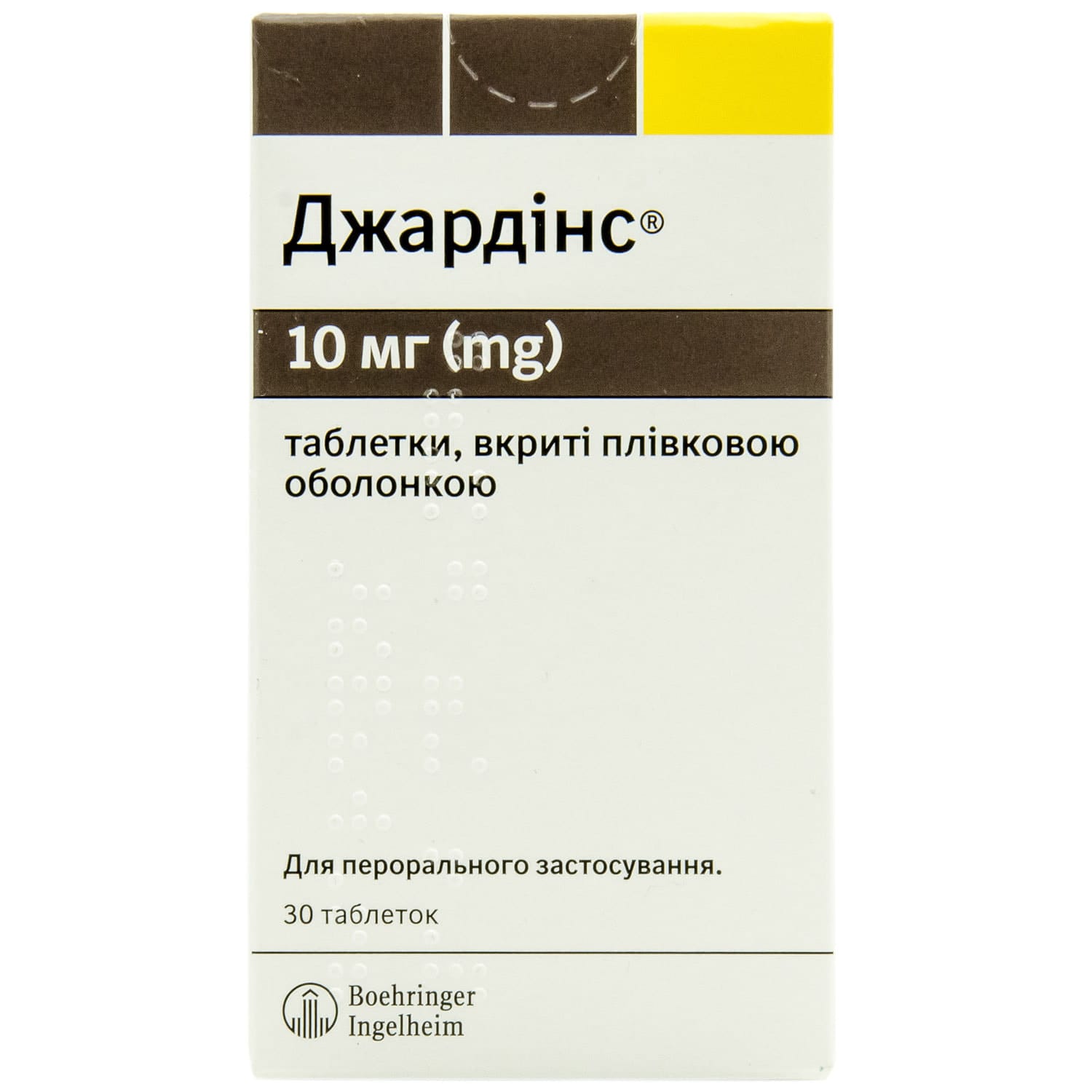
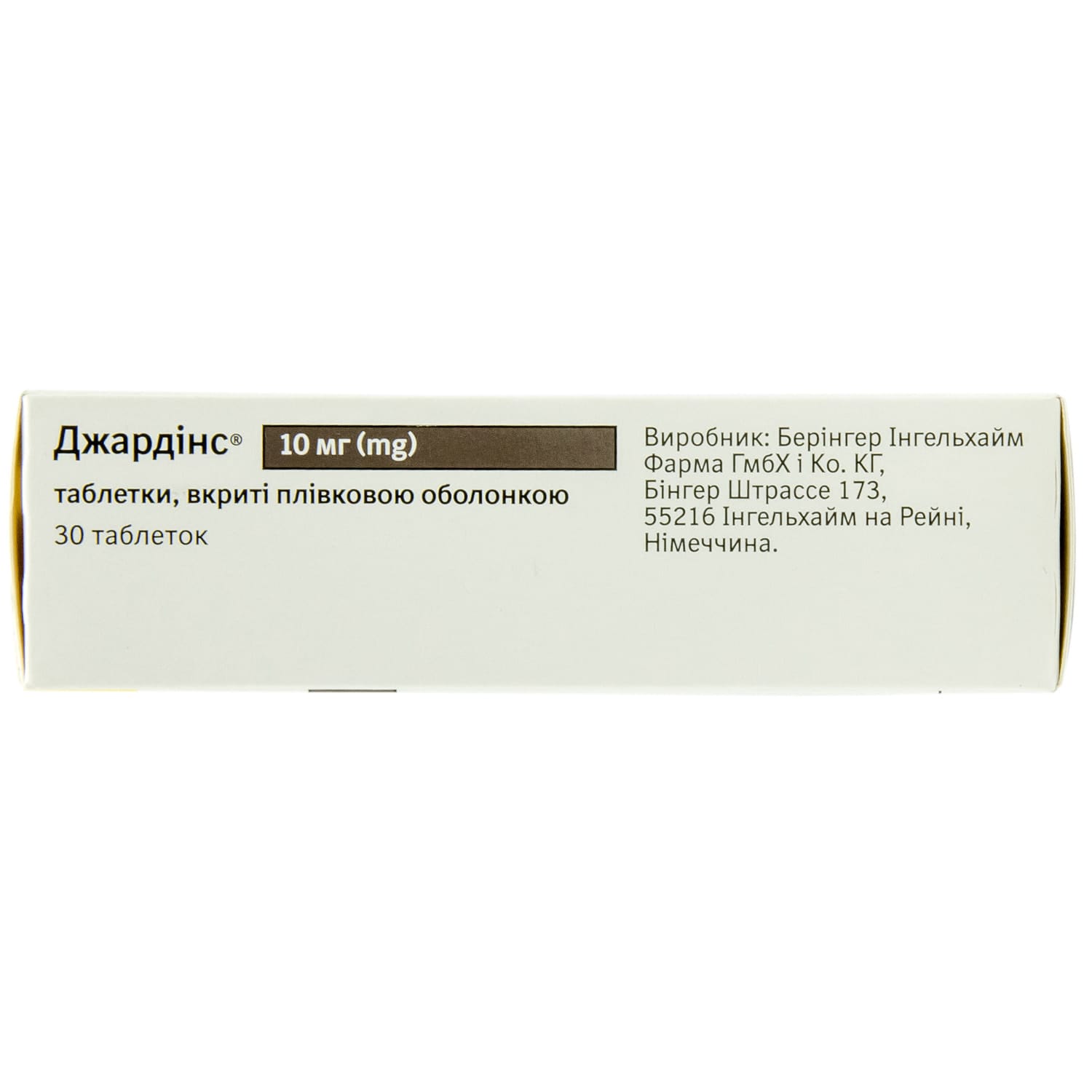
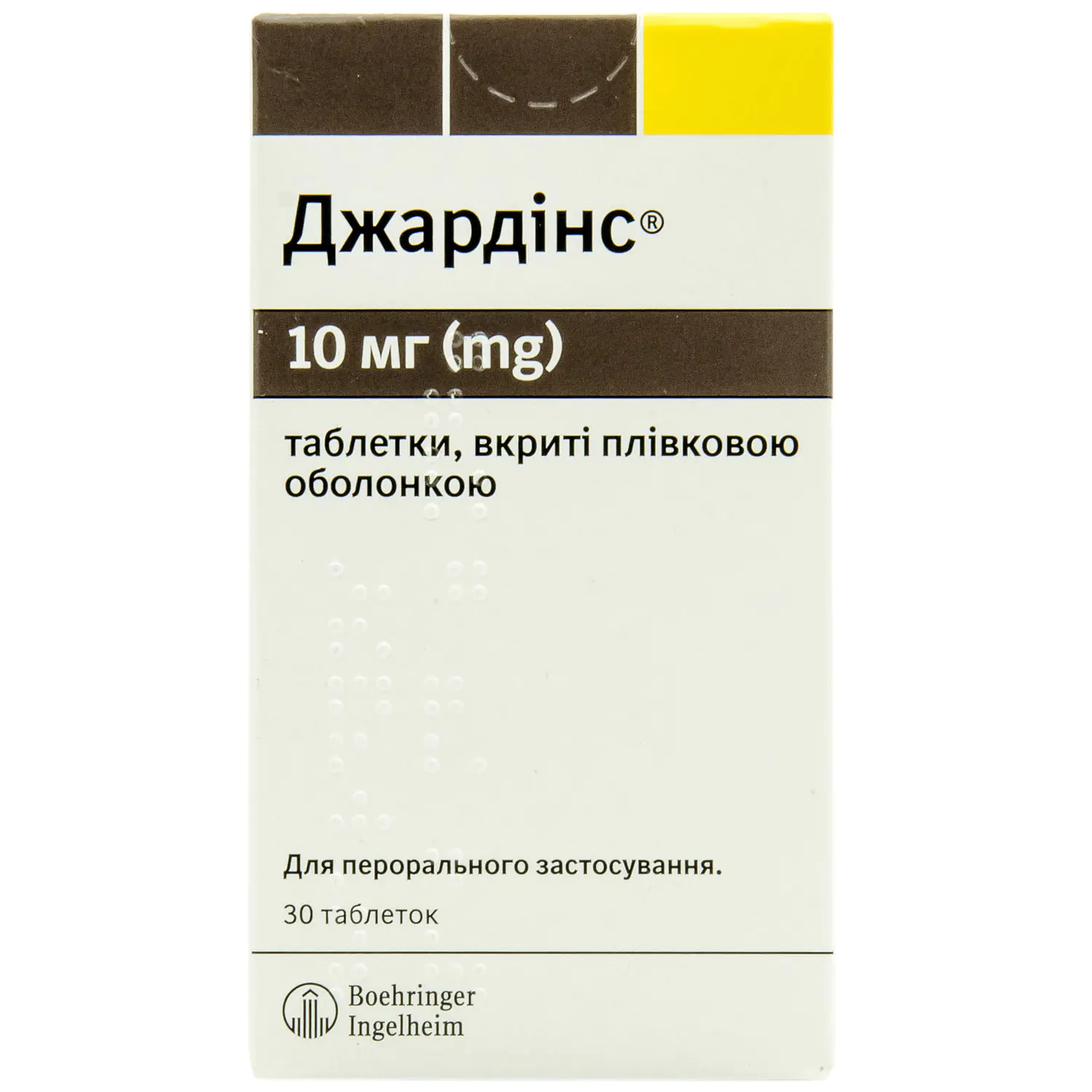
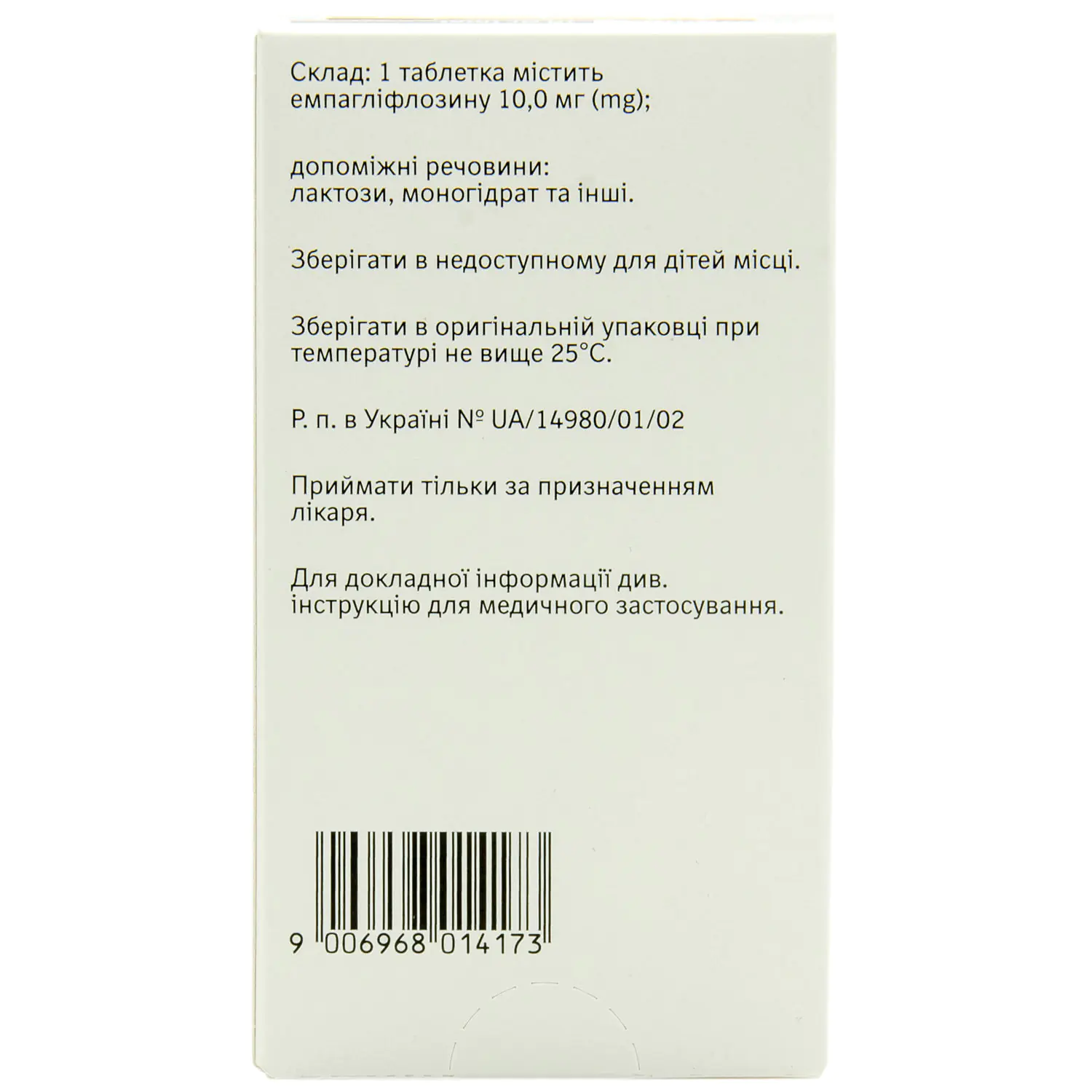
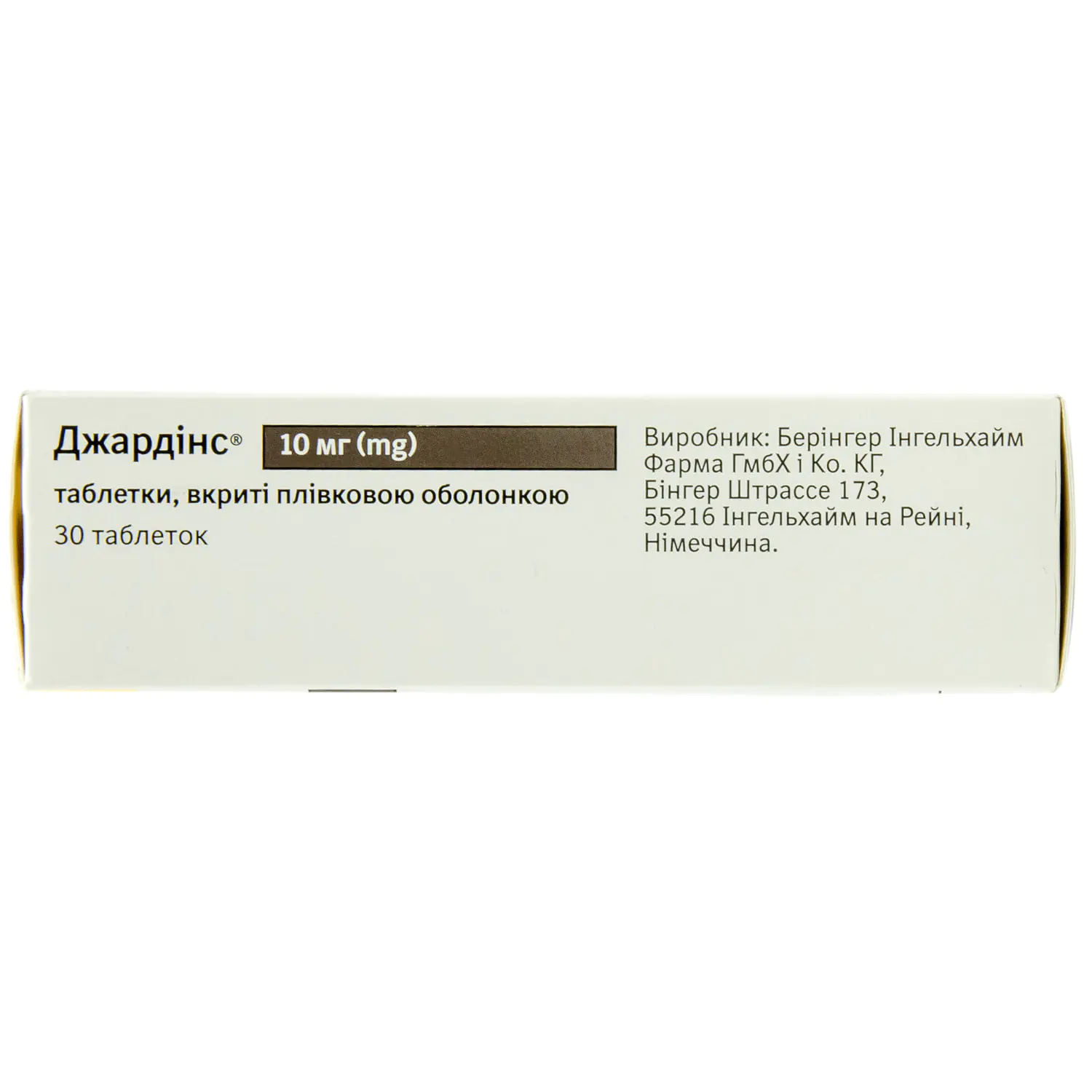
Jardiance film-coated tablets 10 mg 3 blisters of 10 pcs.
$52.14
Free Worldwide Shipping
to: Australia, Belgium, Canada, Czechia, Denmark, Estonia, Finland, Greece, Hungary, Ireland, Israel, Italy, Japan, Kuwait, Latvia, Lithuania, Mexico, Moldova, Netherlands, Norway, Poland, Romania, Slovakia, South Korea, Switzerland, United Kingdom, United States and more
🏖️ Hello! We are on vacation!
We are still accepting orders on our website; however, order processing and shipping will resume after September 10. If you place an order during our vacation, we will contact you and remind you about the temporary shipping delay. Starting September 10, all orders received during this period will be processed and shipped in the order they were placed. If your order contains a product with less than one year remaining before its expiration date, we will notify you after September 10 and proceed according to your instructions. If you decide to cancel an order placed during our vacation, simply contact us through the contact form on our website, and we will be happy to assist you. Thank you for your understanding, and we apologize for any inconvenience caused.
In stock
Jardiance tablets help control type 2 diabetes and treat heart failure. Supports blood sugar reduction and improves cardiovascular outcomes in adults.
Payment
PayPal, Debit or Credit card, Google Pay, Apple Pay
Orders Temporarily Unavailable
Due to temporary postal service disruptions, we are currently unable to accept orders.
Jardiance is a drug used for diabetes, a sodium-dependent glucose co-transporter type 2 inhibitor (SDG2i).
Indicated for the treatment of type 2 diabetes mellitus in adults when diet and exercise alone do not provide adequate glycemic control:
- as monotherapy in case of intolerance to metformin;
- in combination with other hypoglycemic drugs.
Heart failure
Jardiance is indicated in adult patients for the treatment of symptomatic chronic heart failure with reduced ejection fraction.
Composition
- active ingredient: empagliflozin;
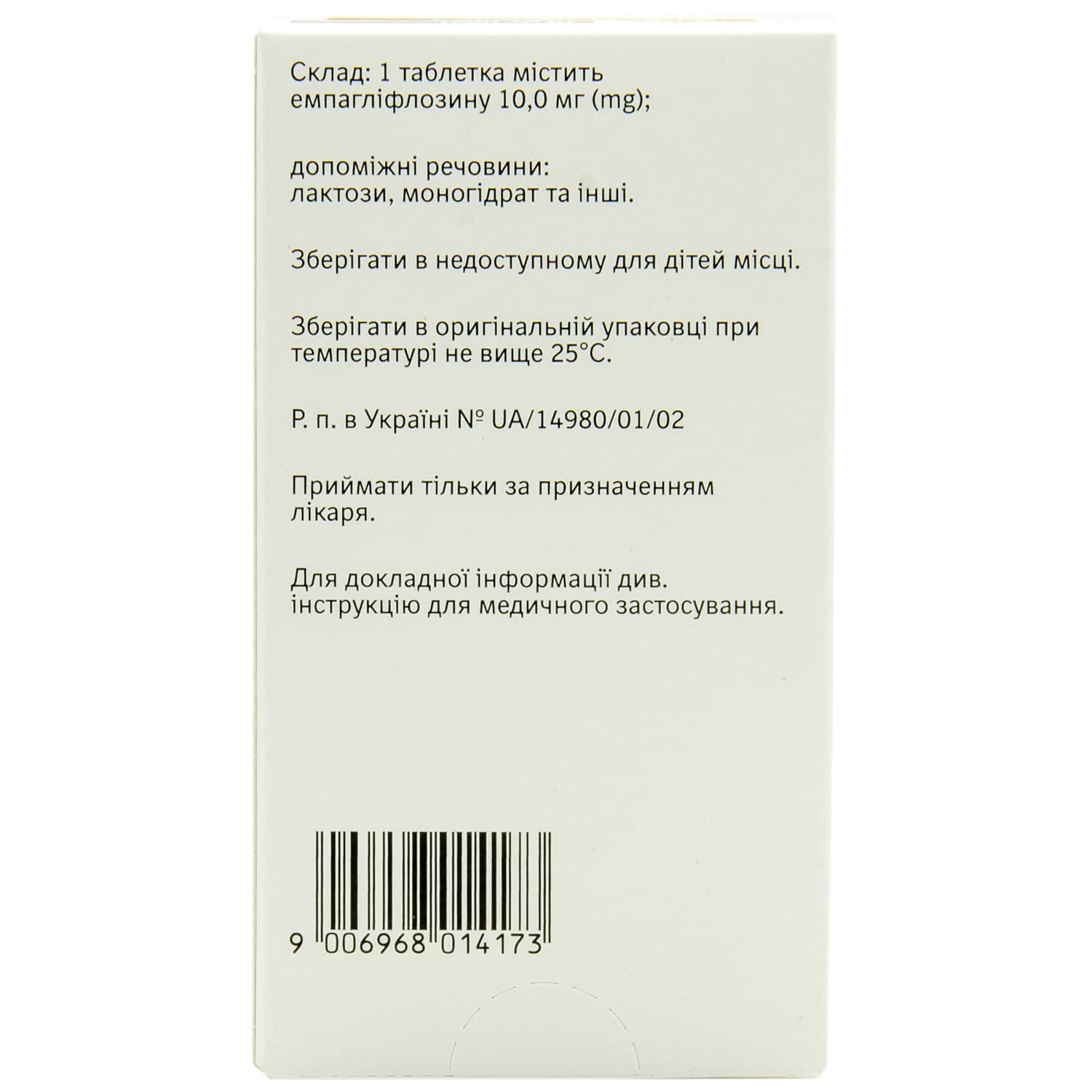
- 1 tablet contains empagliflozin 10 mg;
- excipients: lactose monohydrate; microcrystalline cellulose; hydroxypropylcellulose; croscarmellose sodium; colloidal anhydrous silica; magnesium stearate; Opadry Yellow 02B38190 coating (hypromellose 2910, titanium dioxide (E171), talc, macrogol 400, iron oxide yellow (E172)).
Contraindication
Hypersensitivity to the active substance or to any of the excipients.
Method of application
Dosage
Type 2 diabetes
The recommended starting dose is 10 mg empagliflozin once daily as monotherapy or in combination with other antidiabetic medicinal products. For patients who tolerate empagliflozin 10 mg once daily and who have an eGFR ≥ 60 mL/min/1.73 m2 and require tighter glycaemic control, the dose may be increased to 25 mg once daily. The maximum daily dose is 25 mg.
Heart failure
The recommended dose is 10 mg of empagliflozin once daily.
All indications (type 2 diabetes and/or heart failure)
When empagliflozin is used in combination with a sulfonylurea or insulin, a lower dose of the sulfonylurea or insulin should be considered to reduce the risk of hypoglycemia.
If a dose is missed, it should be taken as soon as the patient remembers, but a double dose should not be taken on the same day.
The tablets can be taken with or without food, washed down with water, without chewing.
Application features
Use during pregnancy or breastfeeding
Pregnancy
There are no data from the use of empagliflozin in pregnant women. As a precautionary measure, it is preferable to avoid the use of Jardiance during pregnancy.
Breastfeeding period
It is not known whether empagliflozin is excreted in human milk. Jardiance should not be used during breast-feeding.
Reproductive function
Studies on the effect of Jardiance on human fertility have not been conducted.
Children
The safety and efficacy of empagliflozin in children (under 18 years of age) with type 2 diabetes have not been studied and the drug is not used in this category of patients. Empagliflozin has not been used in children for the treatment of heart failure.
Ability to influence reaction speed when driving vehicles or other mechanisms
Jardiance has minor influence on the ability to drive and use machines. However, patients should be informed of the risk of hypoglycemia when Jardiance is used in combination with sulfonylureas and/or insulin.
Overdose
Symptoms
In controlled clinical studies, single doses of up to 800 mg empagliflozin in healthy volunteers and multiple daily doses of up to 100 mg empagliflozin in patients with type 2 diabetes mellitus were not associated with any toxicity. Empagliflozin increased urinary glucose excretion, resulting in increased urine volume. The observed increase in urine volume was not dose-related and was not clinically relevant. There is no human experience with doses above 800 mg.
Treatment
In the event of overdose, treatment should be initiated according to the patient’s clinical condition. The removal of empagliflozin by hemodialysis has not been studied.
Adverse reactions
The most common adverse reaction was hypoglycemia when used with a sulfonylurea or insulin.
Storage conditions
Store in original packaging at a temperature not exceeding 25°C. Keep out of the reach of children.
You may also like



Reviews
There are no reviews yet.