No products in the cart.

We deliver to:
🇦🇺 Australia
🇨🇦 Canada
🇨🇿 Czechia
🇩🇰 Denmark
🇪🇪 Estonia
🇮🇪 Ireland
🇮🇱 Israel
🇮🇹 Italy
🇯🇵 Japan
🇲🇽 Mexico
🇵🇱 Poland
🇸🇰 Slovakia🇰🇷 South Korea
🇨🇭 Switzerland
🇬🇧 United Kingdom
🇺🇸 United States of America
and more
We deliver to:
🇦🇺 Australia
🇨🇦 Canada
🇨🇿 Czechia
🇩🇰 Denmark
🇪🇪 Estonia
🇮🇪 Ireland
🇮🇱 Israel
🇮🇹 Italy
🇯🇵 Japan
🇲🇽 Mexico
🇵🇱 Poland
🇸🇰 Slovakia🇰🇷 South Korea
🇨🇭 Switzerland
🇬🇧 United Kingdom
🇺🇸 United States of America
and more

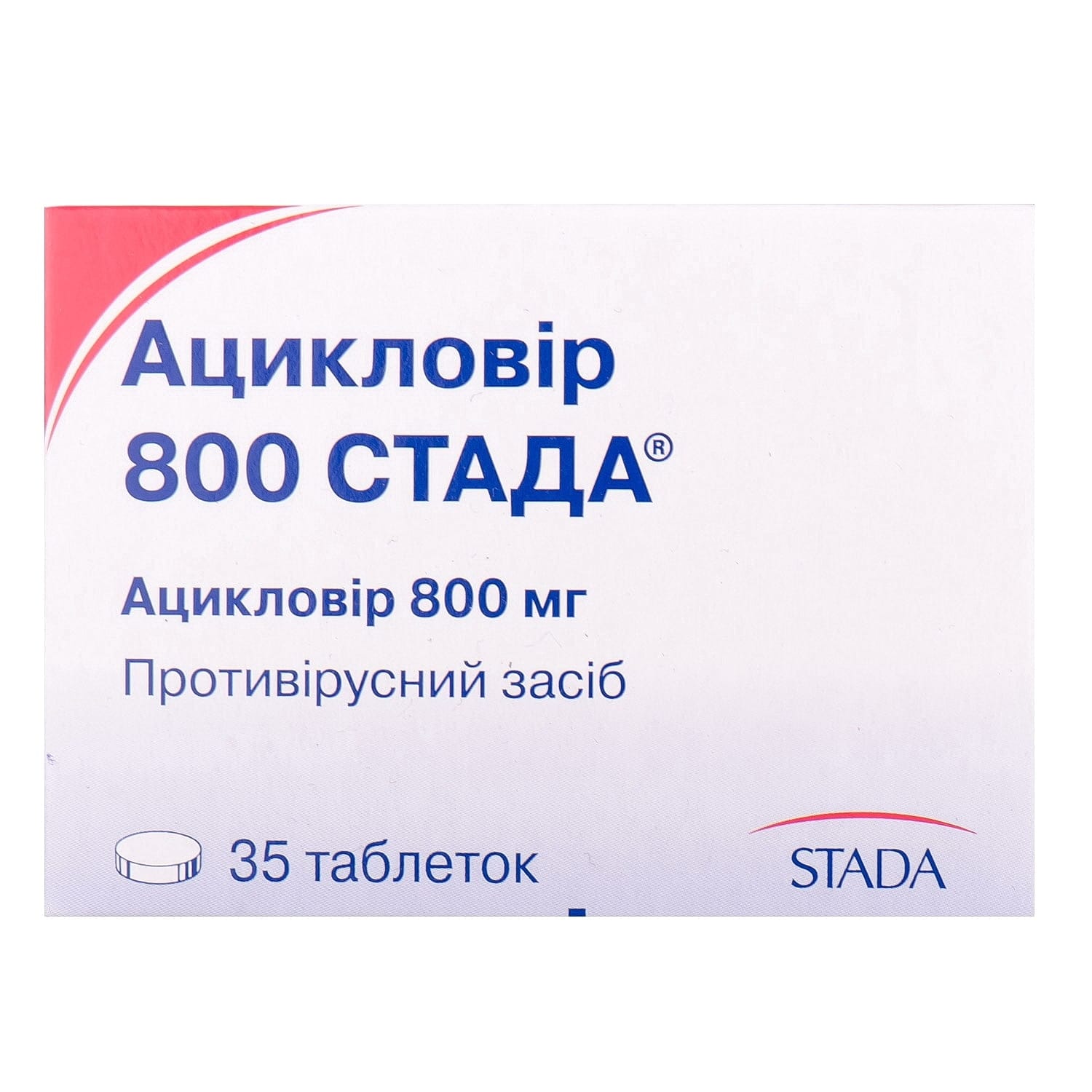
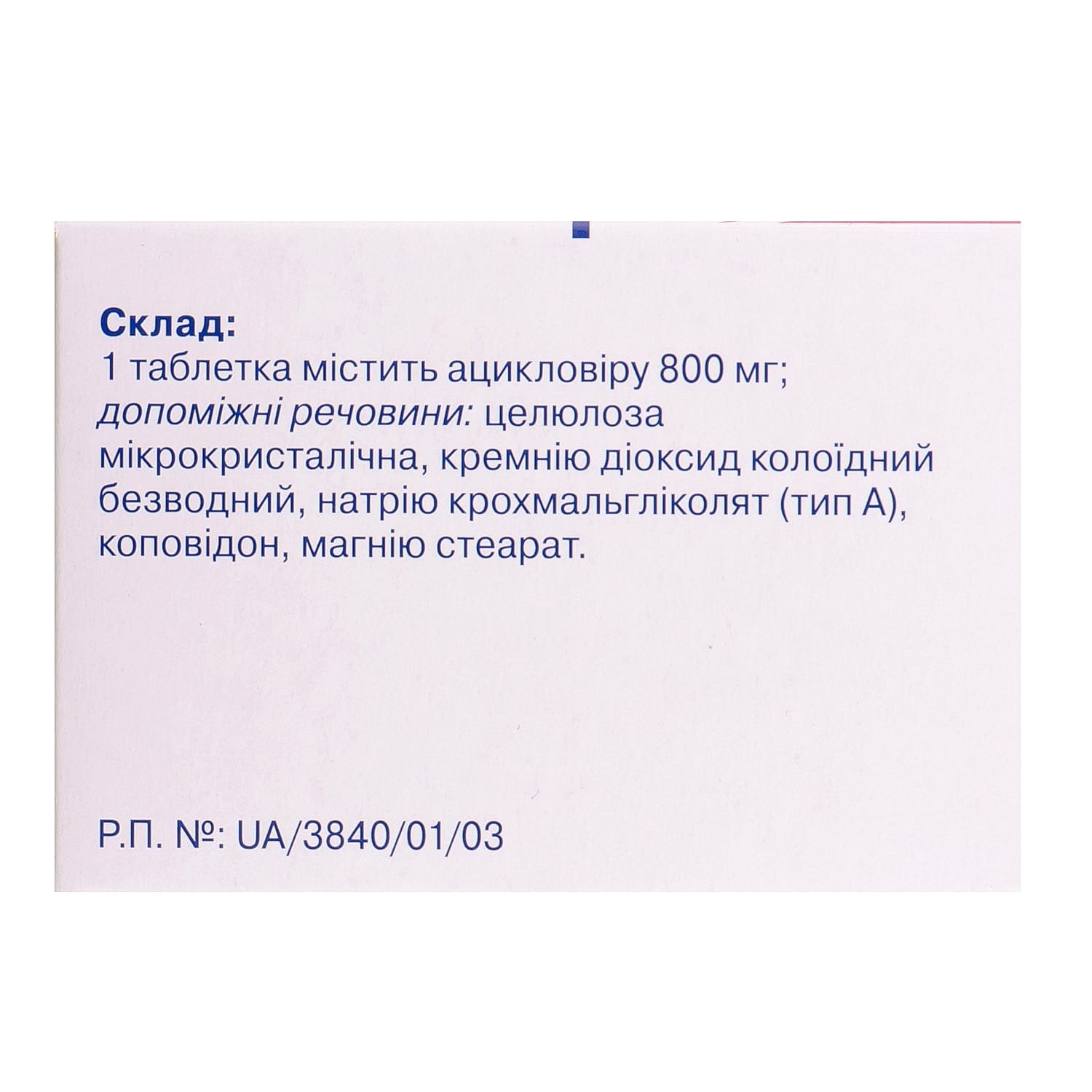

Please note: The product packaging may vary from the images shown. The contents, ingredients, and quality of the product remain unchanged.
Acyclovir 800 Stada tablets 800 mg 35 pcs.
$44.71
Free Worldwide Shipping
to: Australia, Canada, Czechia, Denmark, Estonia, Ireland, Israel, Italy, Japan, Mexico, Poland, Slovakia, South Korea, Switzerland, United Kingdom, United States and more
In stock
Acyclovir 800 STADA tablets treat herpes simplex and shingles, prevent recurrences, and are used for chickenpox with proven antiviral action use.
Categories: Antimicrobials, Cold and flu
Brand: Stada
Payment
PayPal, Debit or Credit card, Google Pay, Apple Pay
Acyclovir 800 Stada tablets are used for the following indications:
- treatment of viral infections of the skin and mucous membranes caused by the herpes simplex virus, including primary and recurrent genital herpes;
- suppression (prevention of recurrence) of infections caused by the herpes simplex virus in patients with normal immunity;
- prevention of infections caused by the herpes simplex virus in patients with immunodeficiency;
- treatment of infections caused by the Varicella zoster virus (chickenpox and shingles).
Composition
Active ingredient: acyclovir;
1 tablet contains acyclovir 800 mg;
Excipients: microcrystalline cellulose, colloidal silicon dioxide, sodium starch (type A), copolyvidone, magnesium stearate.
Contraindication
Hypersensitivity to acyclovir, valacyclovir or any other component of the drug.
Method of application
The tablet should be taken whole with water. When using high doses of acyclovir, adequate hydration should be maintained.
Application features
Pregnant women
There has been no increase in the number of birth defects in children whose mothers used acyclovir during pregnancy compared with the general population. However, acyclovir tablets should be used only if the potential benefit of the drug to the mother outweighs the possible risk to the fetus.
Children
Tablets should be used in immunocompromised children aged 2 years and older.
Overdose
Symptoms. The drug is only partially absorbed from the gastrointestinal tract. Accidental ingestion of up to 20 g of acyclovir by patients without toxic effects has been reported. Accidental repeated oral overdose of oral acyclovir produces gastroenterological (such as nausea and vomiting) and neurological symptoms (headache and confusion) over several days. Overdose of intravenous acyclovir increases serum creatinine and blood urea nitrogen, leading to renal failure. Neurological manifestations of overdose may include confusion, hallucinations, agitation, convulsions and coma.
Treatment. The patient should be carefully examined for symptoms of intoxication. Since acyclovir is well removed from the blood by hemodialysis, the latter should be used in case of overdose.
Side effects
Blood and lymphatic system disorders: anemia, thrombocytopenia, leukopenia.
Immune system disorders: anaphylaxis.
Mental and nervous system disorders: headache, dizziness, agitation, confusion, tremor, ataxia, dysarthria, hallucinations, psychotic symptoms, convulsions, drowsiness, encephalopathy, coma.
The above neurological reactions are generally reversible and usually occur in patients with renal insufficiency or other risk factors.
Respiratory and thoracic disorders: shortness of breath.
On the part of the digestive system: nausea, vomiting, diarrhea, abdominal pain.
From the hepatobiliary system: reversible increase in bilirubin and liver enzymes, jaundice, hepatitis.
Skin and subcutaneous tissue disorders: itching, rash (including photosensitivity), urticaria, accelerated diffuse hair loss (since hair loss can be associated with a large number of diseases and drugs, a clear relationship with acyclovir has not been identified), angioedema.
Kidney and urinary system: increased blood urea and creatinine levels, acute renal failure, kidney pain.
Kidney pain may be associated with renal failure and crystalluria.
Interaction
No clinically significant interactions of acyclovir with other drugs have been identified.
Storage conditions
Does not require special storage conditions.
Keep out of reach of children.
Shelf life – 5 years.
Be the first to review “Acyclovir 800 Stada tablets 800 mg 35 pcs.” Cancel reply
You may also like


Reviews
There are no reviews yet.