No products in the cart.

We deliver to:
🇦🇺 Australia
🇨🇦 Canada
🇨🇿 Czechia
🇩🇰 Denmark
🇪🇪 Estonia
🇮🇪 Ireland
🇮🇱 Israel
🇮🇹 Italy
🇯🇵 Japan
🇲🇽 Mexico
🇵🇱 Poland
🇸🇰 Slovakia🇰🇷 South Korea
🇨🇭 Switzerland
🇬🇧 United Kingdom
🇺🇸 United States of America
and more
We deliver to:
🇦🇺 Australia
🇨🇦 Canada
🇨🇿 Czechia
🇩🇰 Denmark
🇪🇪 Estonia
🇮🇪 Ireland
🇮🇱 Israel
🇮🇹 Italy
🇯🇵 Japan
🇲🇽 Mexico
🇵🇱 Poland
🇸🇰 Slovakia🇰🇷 South Korea
🇨🇭 Switzerland
🇬🇧 United Kingdom
🇺🇸 United States of America
and more

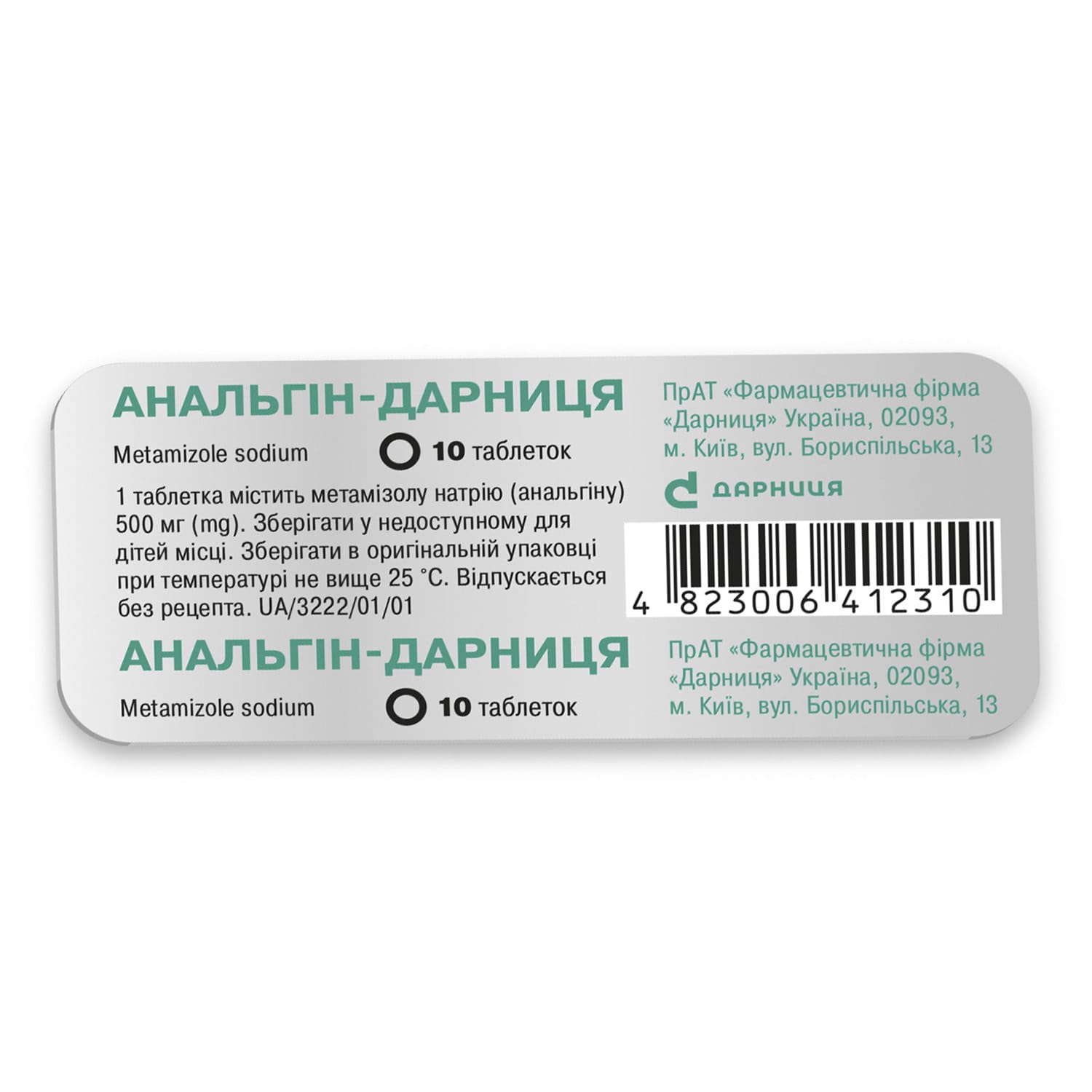
Please note: The product packaging may vary from the images shown. The contents, ingredients, and quality of the product remain unchanged.
Analgin Darnytsia tablets 500 mg 10 pcs.
$12.04
Free Worldwide Shipping
to: Australia, Canada, Czechia, Denmark, Estonia, Ireland, Israel, Italy, Japan, Mexico, Poland, Slovakia, South Korea, Switzerland, United Kingdom, United States and more
In stock
Analgin Darnytsia is an analgesic and antipyretic used for headaches, toothache, muscle and joint pain, menstrual pain, and fever in infectious conditions.
Categories: Cold and flu, Nervous system, Pain relief
Brand: Darnytsia
Payment
PayPal, Debit or Credit card, Google Pay, Apple Pay
Analgin Darnytsia – analgesic and antipyretic. Indications for use – pain syndrome of various origins: headache, toothache, neuralgia, radiculitis, muscle pain, joint pain, pain during menstruation. As an auxiliary agent for reducing pain after surgical and diagnostic interventions. Hyperthermic syndrome in infectious and inflammatory diseases.
Composition
- active ingredient: metamizole sodium;
- 1 tablet contains metamizole sodium (analgin) 500 mg;
- excipients: potato starch, talc, calcium stearate.
Contraindication
- Hypersensitivity to the components of the drug, pyrazolone derivatives.
- Changes in the composition of peripheral blood: agranulocytosis, leukopenia.
- Blood diseases: anemia of any etiology, cytostatic or infectious neutropenia.
- Pronounced changes in liver and kidney functions (porphyrin metabolism).
- Congenital deficiency of glucose-6-phosphate dehydrogenase.
- Bronchial asthma.
- Suspicion of acute surgical pathology.
Adverse reactions
Liver and biliary tract: hepatitis, drug-induced liver injury, including acute hepatitis, jaundice, increased liver enzyme levels.
On the part of the kidneys and urinary system: oliguria, anuria, proteinuria, interstitial nephritis, red urine color.
From the cardiovascular system: decreased blood pressure, tachycardia.
From the blood and lymphatic system: agranulocytosis, leukopenia, thrombocytopenia, anemia, granulocytopenia.
On the part of the immune system: hypersensitivity reactions, including rashes on the skin and mucous membranes, skin hyperemia, itching, urticaria, conjunctivitis, angioedema; bronchospastic syndrome, anaphylactoid reactions, anaphylactic shock.
Skin and subcutaneous tissue disorders: rarely – Stevens-Johnson syndrome, Lyell’s syndrome; frequency unknown – drug-induced eosinophilia with systemic symptoms (DRESS).
General disorders and administration site conditions: injection site infiltrates (with intramuscular administration), hyperemia, edema, local rashes and itching of the skin at the injection site.
Method of application
Adults and children over 14 years of age should take 250–500 mg (½–1 tablet) orally 1–2 times a day. Take the tablets after meals, do not chew or dissolve them, and drink plenty of water.
The maximum daily dose is 1 g.
Children aged 12 to 14 years – 250 mg 1–2 times a day.
Analgin is intended for symptomatic short-term use. The course of treatment is no more than 3 days.
If the symptoms of the disease do not disappear within 3 days, you should consult a doctor regarding further use of the medicine.
Application features
Use during pregnancy or breastfeeding
The drug is contraindicated during pregnancy. Breastfeeding should be discontinued during treatment.
Children
The medicine should not be used in children under 12 years of age.
Ability to influence reaction speed when driving vehicles or other mechanisms
Does not affect.
Overdose
Symptoms: hypothermia, palpitations, pronounced decrease in blood pressure, tachycardia, dysphagia, shortness of breath, tinnitus, nausea, vomiting, gastralgia/gastritis, weakness, drowsiness, delirium, impaired consciousness, convulsive syndrome; possible development of acute agranulocytosis, hemorrhagic syndrome, oliguria, anuria, acute renal and hepatic failure, paralysis of the respiratory muscles.
Treatment: drug withdrawal, induction of vomiting, gastric lavage, administration of saline laxatives, enterosorbents, forced diuresis, symptomatic therapy aimed at supporting vital functions. In severe cases, hemodialysis, hemoperfusion, peritoneal dialysis are possible.
At the first symptoms of overdose, you should immediately seek medical help!
Interaction with other medicinal products and other types of interactions
Ethanol – the sedative effect of ethanol is enhanced.
Chlorpromazine or other phenothiazine derivatives – simultaneous use may lead to the development of severe hypothermia.
Radiocontrast agents, colloidal blood substitutes and penicillin should not be used during treatment with metamizole sodium.
Cyclosporine – simultaneous use reduces the concentration of cyclosporine in the blood.
Oral hypoglycemic drugs, indirect anticoagulants, glucocorticosteroids, phenytoin, ibuprofen and indomethacin – metamizole sodium increases the activity of these drugs by displacing them from their connection with blood proteins.
Phenylbutazone, glutethimide, barbiturates and other inducers of liver microsomal enzymes – when used simultaneously, reduce the effectiveness of metamizole sodium.
Non-narcotic analgesics, tricyclic antidepressants, hormonal contraceptives and allopurinol – simultaneous use of metamizole sodium with these drugs may lead to increased toxicity.
Other nonsteroidal anti-inflammatory drugs – their analgesic and antipyretic effects are potentiated and the likelihood of additive undesirable side effects increases.
Sedatives and tranquilizers (sibazon, trioxazine, valocordin) – enhance the analgesic effect of metamizole sodium.
Sarcolysin, mercazolil, thiamazole, drugs that suppress bone marrow activity, including gold drugs – the likelihood of hematotoxicity, including the development of leukopenia, increases.
Codeine, histamine H2 blockers and propranolol enhance the effect of metamizole sodium.
Caution is required when using the drug simultaneously with sulfonamide-type hypoglycemic drugs (increased hypoglycemic effect) and diuretics (furosemide).
Myelotoxic drugs lead to increased hematotoxicity.
Methotrexate – metamizole in high doses can lead to an increase in the concentration of methotrexate in the blood plasma and an increase in its toxic effects (on the digestive system and the hematopoietic system).
Storage conditions
Store in the original packaging at a temperature not exceeding 25 °C.
Keep out of reach of children.
Be the first to review “Analgin Darnytsia tablets 500 mg 10 pcs.” Cancel reply
You may also like

Lasolvan solution for inhalation and oral use 15 mg/2 ml dropper bottle 100 ml with measuring cap
Rated 4.00 out of 5
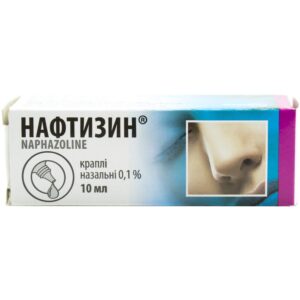
Naphthyzin nasal drops 0.1% 10 ml polyethylene bottle with opening contro
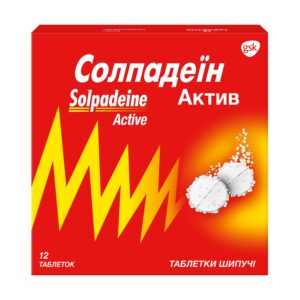
Solpadeine Active tablets effervescent strip 12 pcs
Rated 4.00 out of 5
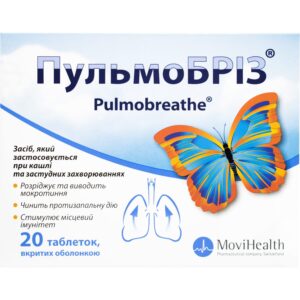
Reviews
There are no reviews yet.