No products in the cart.

We deliver to:
🇦🇺 Australia
🇨🇦 Canada
🇨🇿 Czechia
🇩🇰 Denmark
🇪🇪 Estonia
🇮🇪 Ireland
🇮🇱 Israel
🇮🇹 Italy
🇯🇵 Japan
🇱🇹 Lithuania🇲🇽 Mexico
🇳🇱 Netherlands🇵🇱 Poland
🇸🇰 Slovakia
🇰🇷 South Korea
🇨🇭 Switzerland
🇬🇧 United Kingdom
🇺🇸 United States of America
and more
We deliver to:
🇦🇺 Australia
🇨🇦 Canada
🇨🇿 Czechia
🇩🇰 Denmark
🇪🇪 Estonia
🇮🇪 Ireland
🇮🇱 Israel
🇮🇹 Italy
🇯🇵 Japan
🇱🇹 Lithuania🇲🇽 Mexico
🇳🇱 Netherlands🇵🇱 Poland
🇸🇰 Slovakia
🇰🇷 South Korea
🇨🇭 Switzerland
🇬🇧 United Kingdom
🇺🇸 United States of America
and more
Ascoril tablets 20 pieces
$22.69
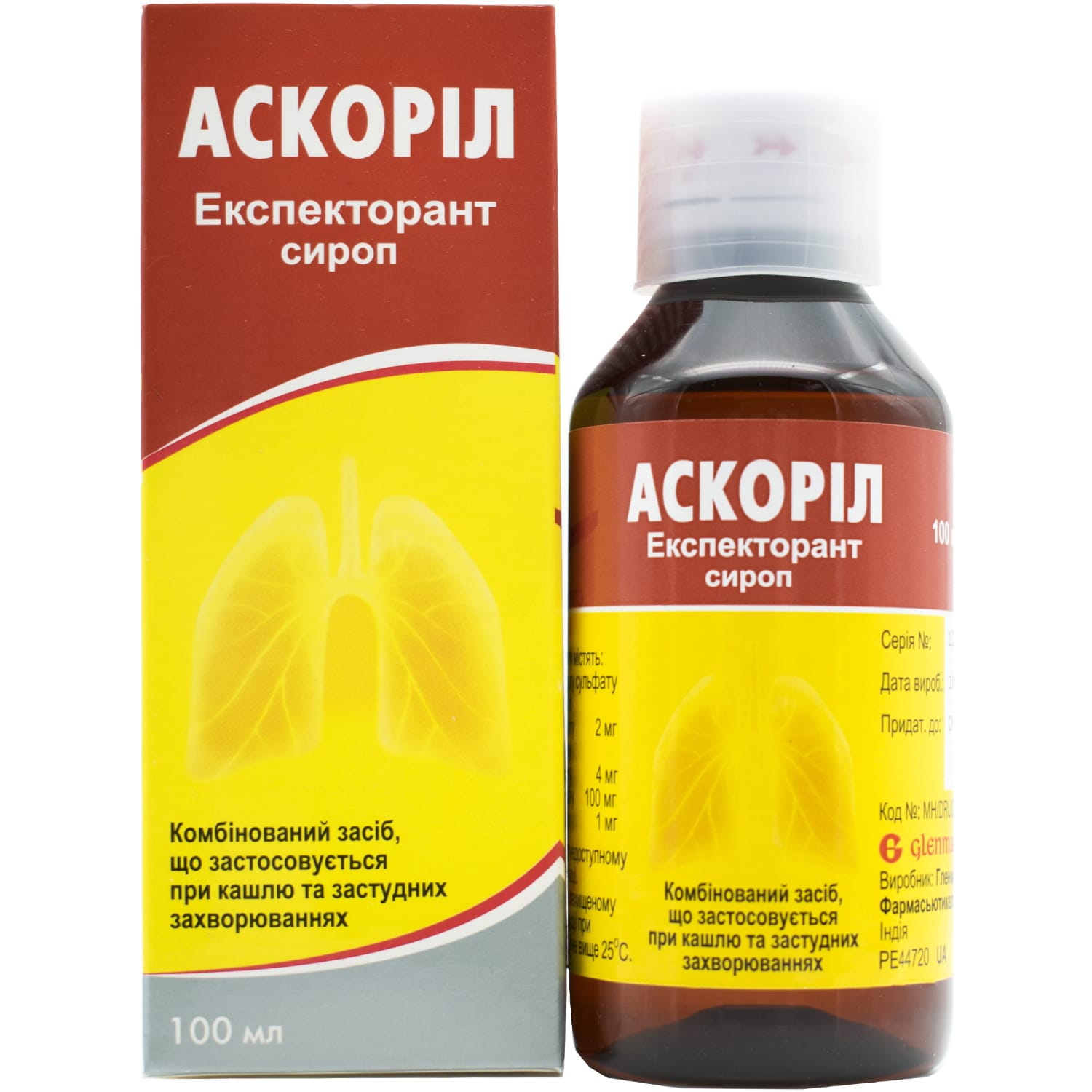
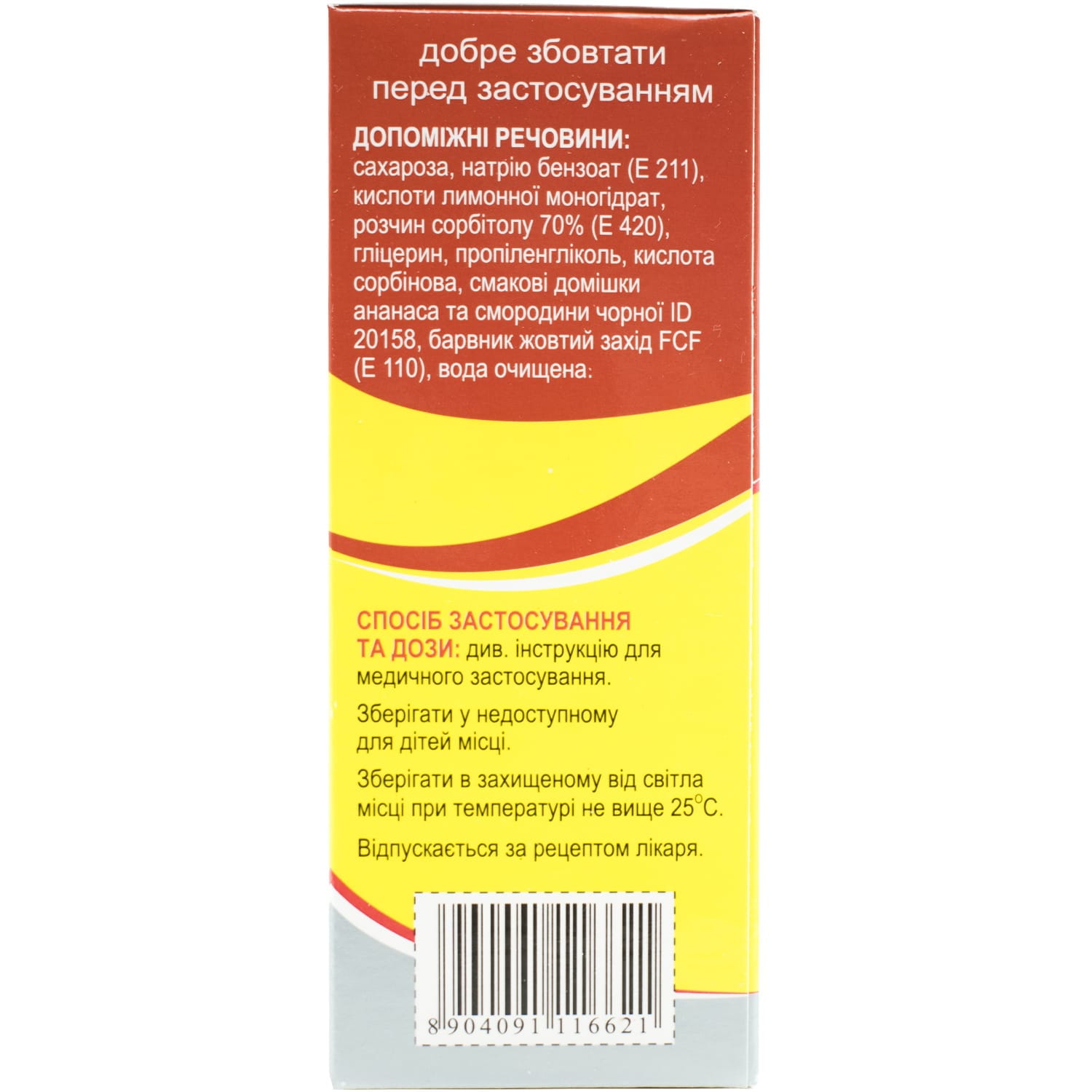
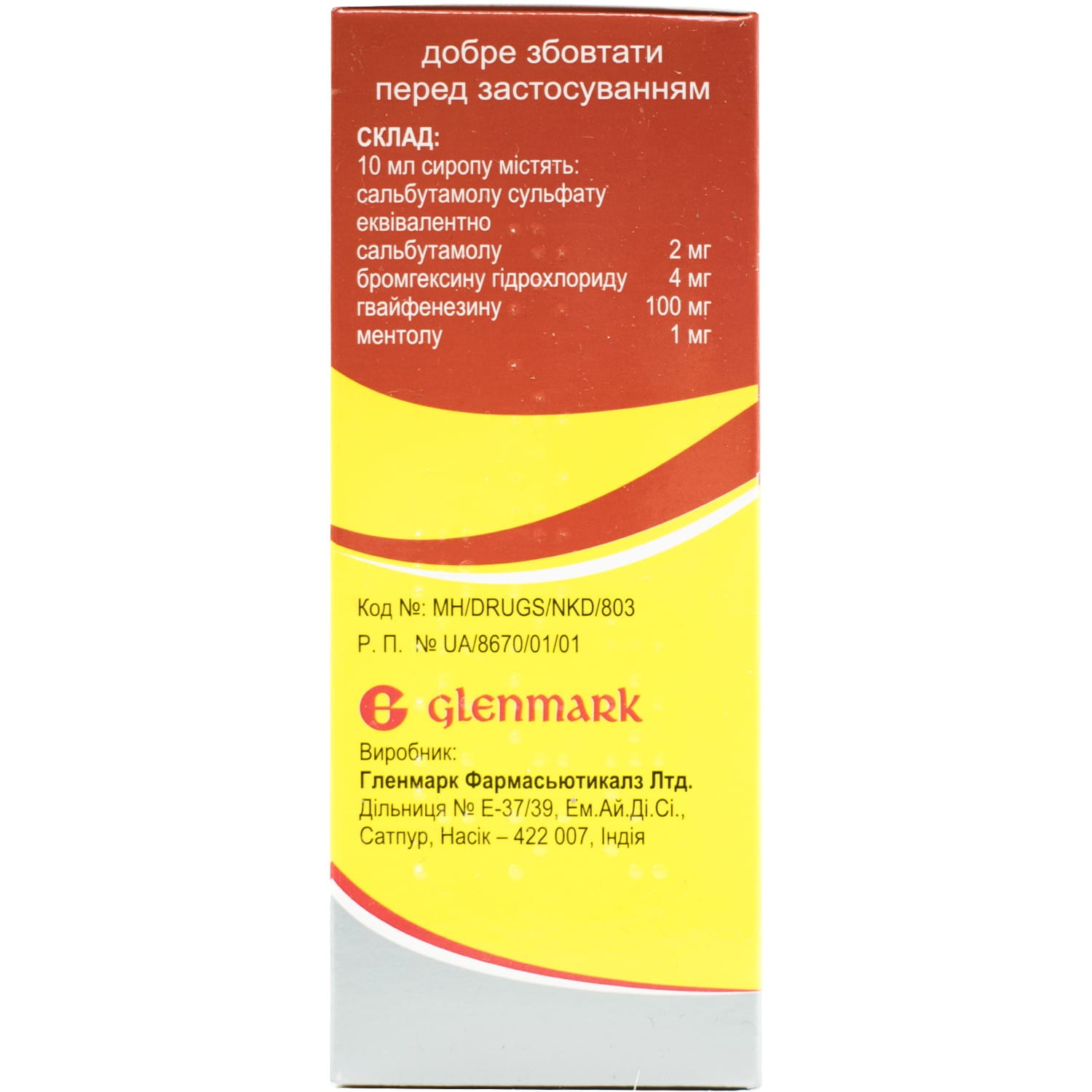
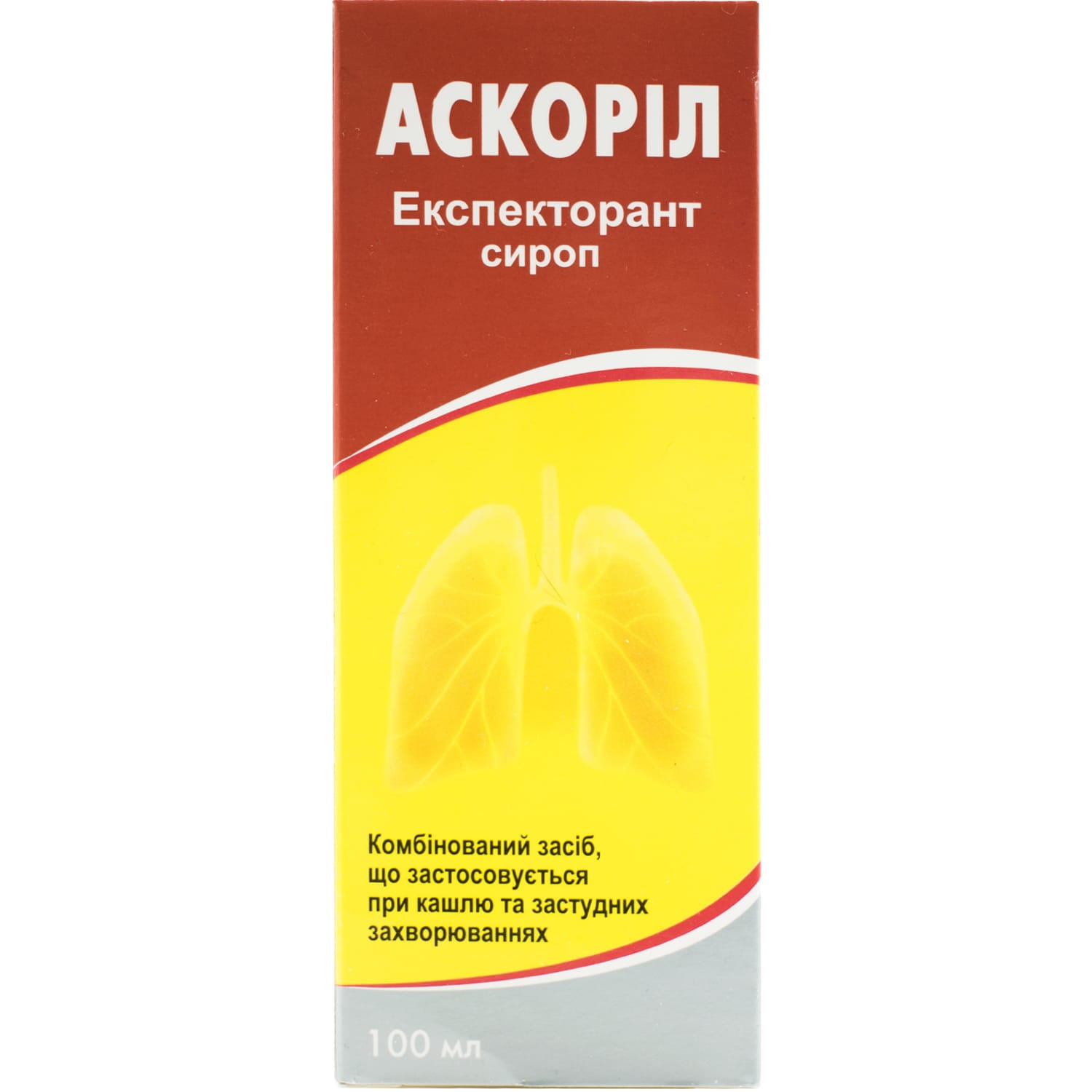
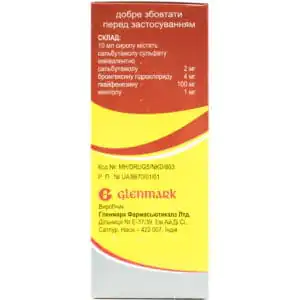
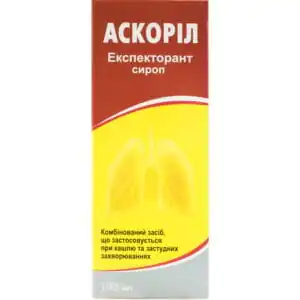
Please note: The product packaging may vary from the images shown. The contents, ingredients, and quality of the product remain unchanged.
Ascoril Expectorant syrup bottle 100 ml
$24.54
Free Worldwide Shipping
to: Australia, Canada, Czechia, Denmark, Estonia, Ireland, Israel, Italy, Japan, Lithuania, Mexico, Netherlands, Poland, Slovakia, South Korea, Switzerland, United Kingdom, United States and more
In stock
Ascoril Expectorant relieves cough, thins mucus and improves breathing. Combines salbutamol, bromhexine, guaifenesin and menthol for respiratory support.
Categories: Cold and flu
Brand: Glenmark
Payment
PayPal, Debit or Credit card, Google Pay, Apple Pay
Pharmacological properties
Ascoril Expectorant is a combined drug with bronchodilator, mucolytic and expectorant effects. Thanks to the rational combination of salbutamol, bromhexine hydrochloride, guaifenesin and menthol, it effectively and quickly reduces the severity of functional disorders of the respiratory system.
Salbutamol is a selective β2-adrenergic agonist that effectively and for a long time dilates the bronchi. In therapeutic doses, it does not cause stimulation of cardiac activity.
Bromhexine hydrochloride reduces the viscosity of sputum and promotes its evacuation from the bronchi.
Guaifenesin promotes expectoration and secretion removal. Menthol reduces the severity of irritation and inflammation of the respiratory tract mucosa.
Indication
Respiratory tract diseases accompanied by the formation of viscous, difficult-to-separate secretions – tracheobronchitis, chronic obstructive bronchitis, bronchiectasis, pulmonary emphysema, pulmonary tuberculosis, pneumonia.
Application
Adults and children over 12 years old – 10 ml (2 teaspoons) of syrup 3 times a day, children aged 6-12 years old – 5-10 ml (1-2 teaspoons) of syrup 3 times a day, 2-6 years old – 5 ml (1 teaspoon) of syrup 3 times a day. The duration of treatment is determined individually.
Contraindication
Hypersensitivity to salbutamol and other sympathomimetics, bromhexine, guaifenesin, menthol or other components of the drug, age up to 2 years.
Side effects
The most common side effects associated with the use of salbutamol are: they do not differ from those for other β2-adrenergic agonists and include muscle tremor (mainly of the hands), painful muscle spasms. Sometimes, moderate tachycardia, anxiety, headache, and peripheral vasodilation may develop. In patients sensitive to the action of β2-adrenergic agonists, a compensatory increase in heart rate may develop against the background of a decrease in heart rate. Sometimes, when using Ascoril Expectorant, digestive tract disorders (nausea, vomiting, diarrhea, abdominal pain) may develop, which are associated with the effects of guaifenesin, bromhexine hydrochloride, and menthol.
Some patients may develop a transient increase in the activity of aminotransferases in the blood caused by bromhexine.
Special instructions
It is prescribed with caution for hyperthyroidism, diabetes mellitus, diseases of the cardiovascular system (CHD, angina pectoris, arrhythmia) and gastric or duodenal ulcer.
The safety of the drug during pregnancy or breastfeeding has not been sufficiently documented, therefore, when prescribing the drug to these categories of patients, the benefits obtained from using the drug should be carefully weighed against the potential risk to the fetus or infant. Breastfeeding is recommended to be discontinued during the use of the drug.
While taking the drug, it is better to refrain from driving and other activities that require precise coordination, speed of reaction, and concentration.
Interactions
Hypokalemia, which develops as a result of the use of drugs containing salbutamol, may be exacerbated by the simultaneous administration of diuretics. As a result, the risk of developing arrhythmias increases when using cardiac glycosides against the background of such treatment.
The severity of the effects of salbutamol may be reduced with the simultaneous use of β-adrenergic blockers, especially non-selective ones (propranolol), and may also increase with the simultaneous use of xanthines (theophylline).
Overdose
In case of overdose, agitation, confusion and respiratory depression may develop. Treatment is symptomatic.
Storage conditions
In a dry, dark place at a temperature not exceeding 25 °C.
Be the first to review “Ascoril Expectorant syrup bottle 100 ml” Cancel reply
You may also like

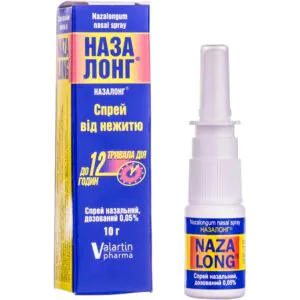
Nasalong nasal spray dosed 0.05% bottle of 10 g
Reviews
There are no reviews yet.