No products in the cart.
Bilobil Intense ginkgo biloba capsules improve cerebral circulation, memory and attention, support vascular health, and reduce dizziness and tinnitus.

🇦🇺 Australia
🇨🇦 Canada
🇨🇿 Czechia
🇩🇰 Denmark
🇪🇪 Estonia
🇮🇪 Ireland
🇮🇱 Israel
🇮🇹 Italy
🇯🇵 Japan
🇲🇽 Mexico
🇵🇱 Poland
🇸🇰 Slovakia🇰🇷 South Korea
🇨🇭 Switzerland
🇬🇧 United Kingdom
🇺🇸 United States of America
and more
🇦🇺 Australia
🇨🇦 Canada
🇨🇿 Czechia
🇩🇰 Denmark
🇪🇪 Estonia
🇮🇪 Ireland
🇮🇱 Israel
🇮🇹 Italy
🇯🇵 Japan
🇲🇽 Mexico
🇵🇱 Poland
🇸🇰 Slovakia🇰🇷 South Korea
🇨🇭 Switzerland
🇬🇧 United Kingdom
🇺🇸 United States of America
and more
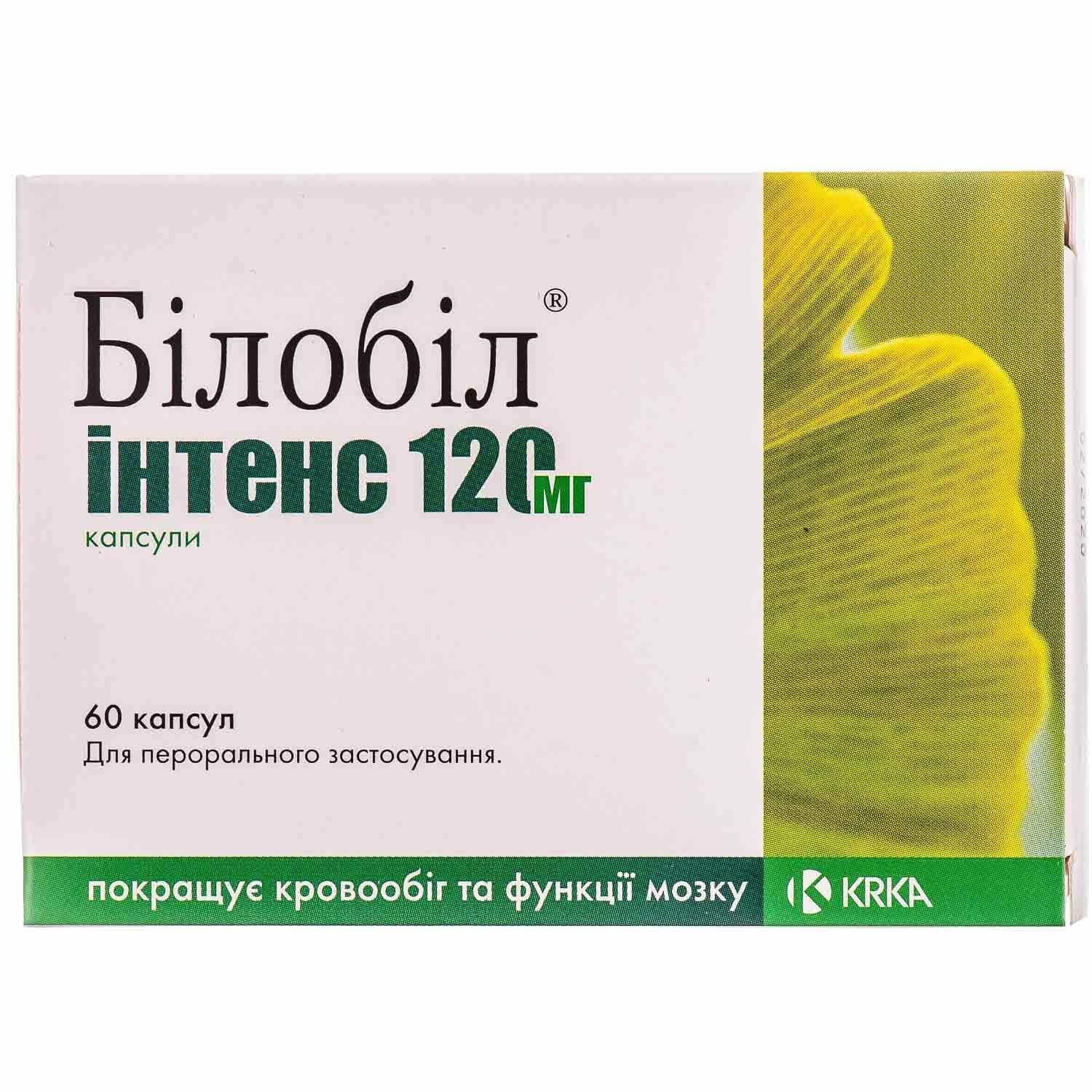
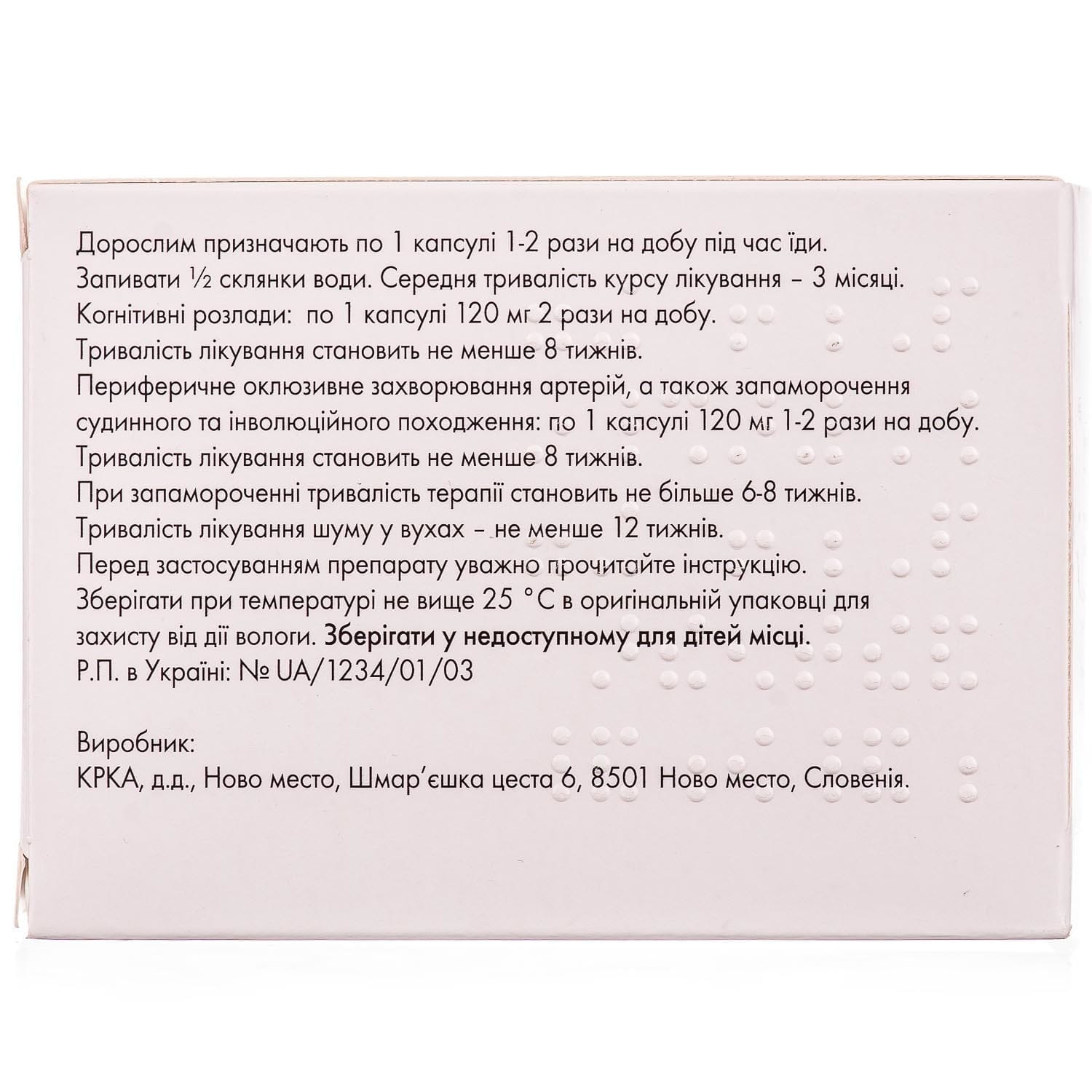
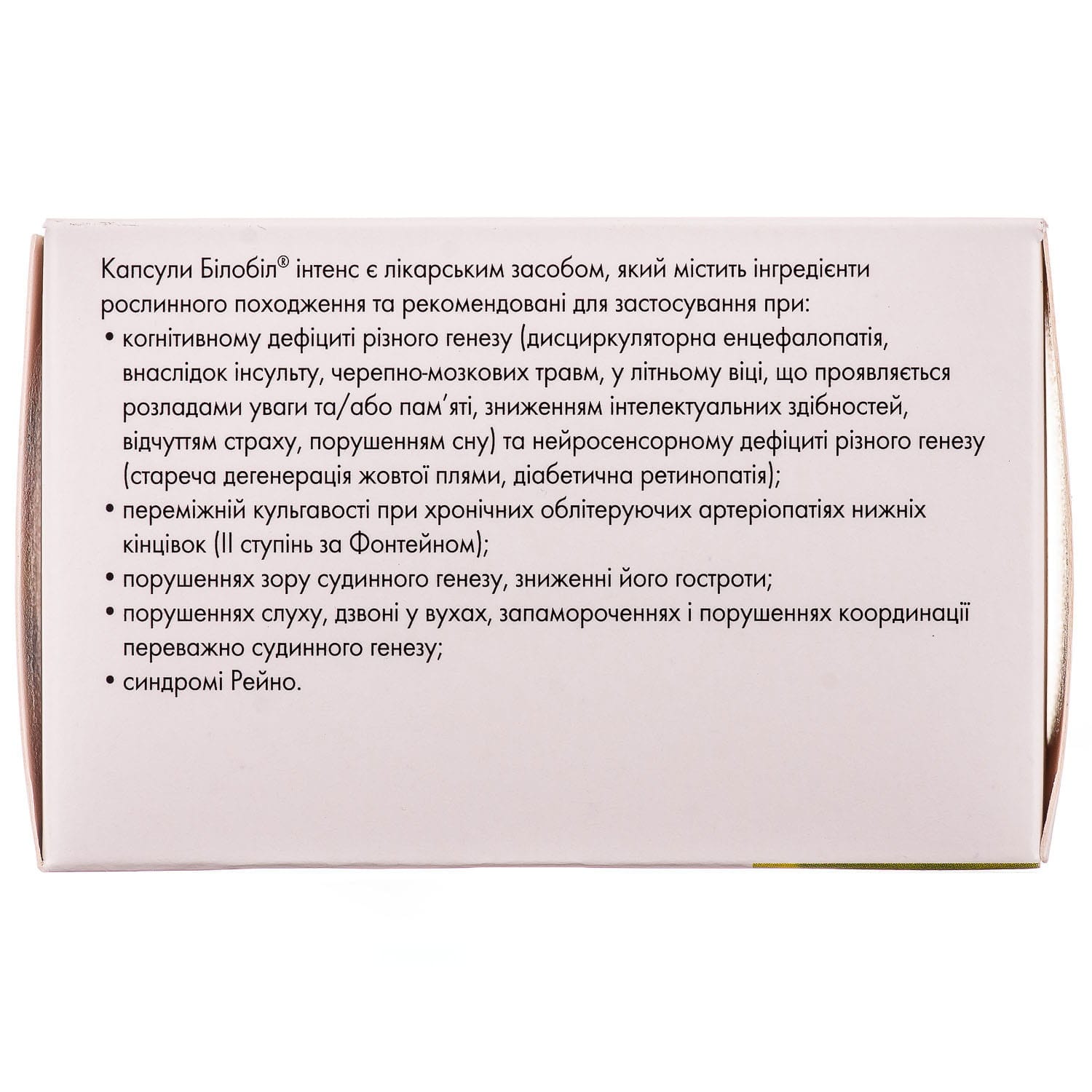
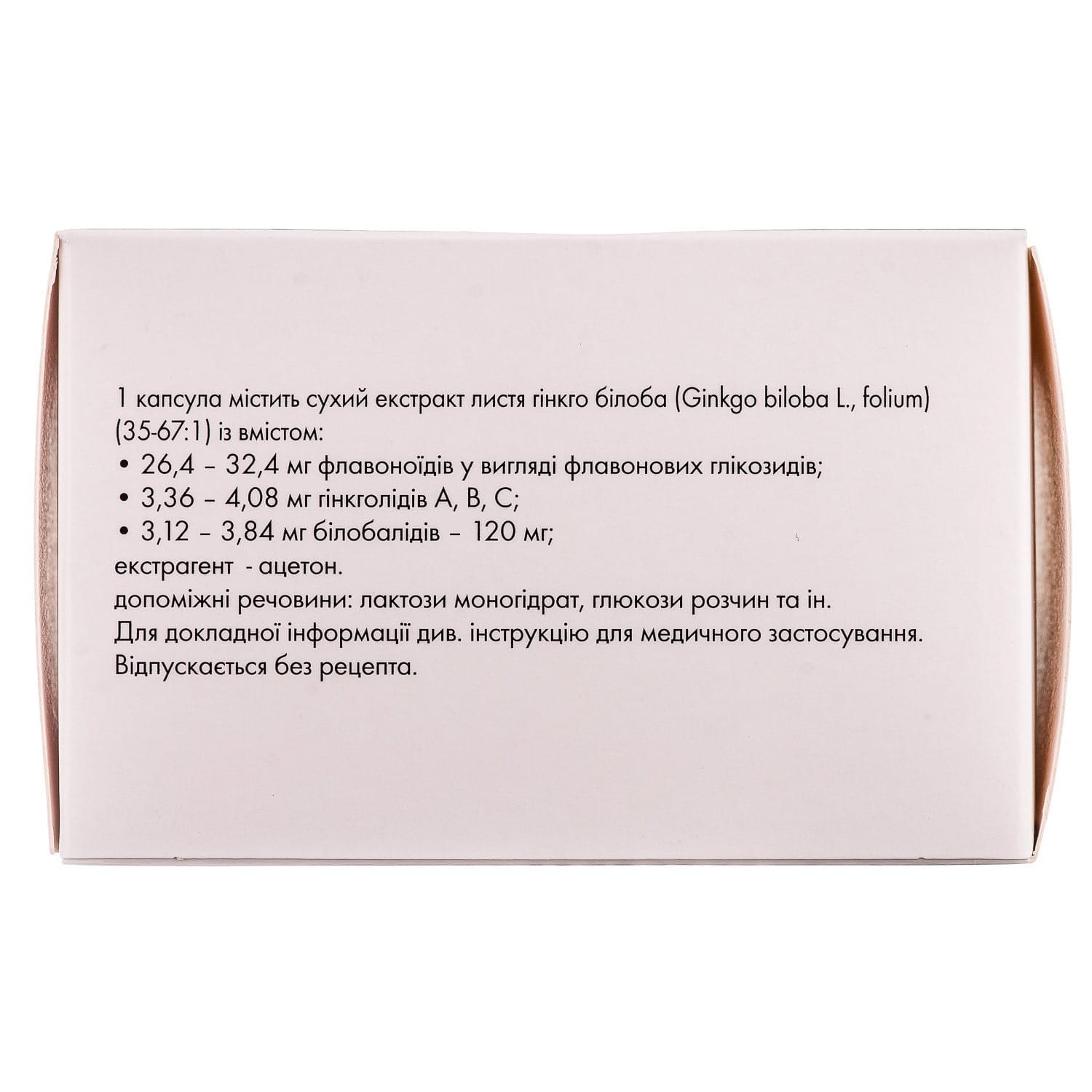
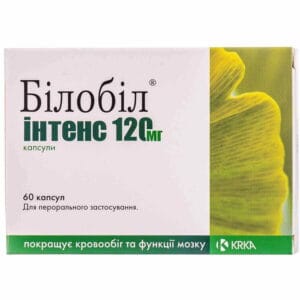
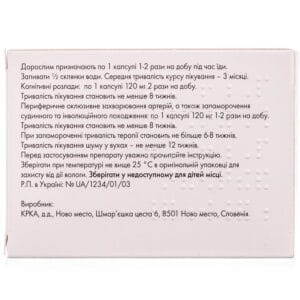
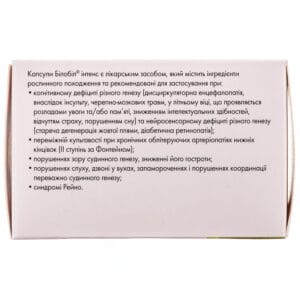
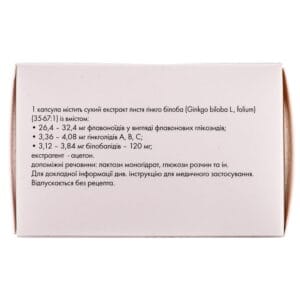
Please note: The product packaging may vary from the images shown. The contents, ingredients, and quality of the product remain unchanged.
$53.51
to: Australia, Canada, Czechia, Denmark, Estonia, Ireland, Israel, Italy, Japan, Mexico, Poland, Slovakia, South Korea, Switzerland, United Kingdom, United States and more
In stock
Bilobil Intense ginkgo biloba capsules improve cerebral circulation, memory and attention, support vascular health, and reduce dizziness and tinnitus.
PayPal, Debit or Credit card, Google Pay, Apple Pay
active ingredients: 1 capsule contains dry extract of ginkgo biloba leaves (Ginkgo biloba L., folium) (35-67:1) containing:
excipients: lactose monohydrate, corn starch, talc, colloidal anhydrous silicon dioxide, magnesium stearate, glucose solution;
shell: gelatin, titanium dioxide (E 171), black iron oxide (E 172), red iron oxide (E 172), yellow iron oxide (E 172).
Pharmacodynamics. a drug of plant origin, normalizes metabolism in cells, rheological properties of blood and microcirculation. improves cerebral blood circulation and delivery of oxygen and glucose to the brain, prevents aggregation of erythrocytes, inhibits platelet activation factor. has a dose-dependent regulatory effect on the vascular system, stimulates the synthesis of endothelium-dependent dilating factor (nitric oxide – NO), dilates small arteries, increases venous tone, thereby regulating blood filling of vessels. reduces the permeability of the vascular wall (anti-edematous effect – both at the brain level and at the peripheral level). has an antithrombotic effect (due to stabilization of platelet and erythrocyte membranes, influence on the synthesis of prostaglandins, reduction of the action of biologically active substances and platelet-activating factor). Bilobil prevents the formation of free radicals and the floor of cell membranes. normalizes the release, reabsorption and catabolism of neurotransmitters (norepinephrine, dopamine, acetylcholine) and their ability to bind to receptors. The drug has an antihypoxic effect, improves metabolism in organs and tissues, promotes the accumulation of macroergs in cells, increases the utilization of oxygen and glucose, and normalizes mediator processes in the CNS.
Pharmacokinetics. Active ingredient – standardized dry extract of ginkgo biloba: 24% heterosides and 6% ginkgolides-bilobalides (ginkgolides A, B and bilobalide C).
When administered orally, the bioavailability of ginkgolide A, B and bilobalide C is 80-90%. Cmax is reached 1-2 hours after taking the drug. T½ is about 4 hours (bilobalide, ginkgolide A) and 10 hours (ginkgolide B).
When taken orally, the bioavailability of ginkgolide A, B and bilobalide C is 80-90%. The maximum concentration is reached 1-2 hours after taking the drug. The half-life is approximately 4 hours (bilobalide, ginkgolide A) and 10 hours (ginkgolide B).
These substances do not break down in the body, are almost completely excreted in the urine, and a small amount is excreted in the feces.
Cognitive deficits of various genesis (dyscirculatory encephalopathy due to stroke, traumatic brain injury, in old age, manifested by impaired attention and/or memory, decreased intellectual abilities, feelings of fear, sleep disturbances) and neurosensory deficits of various genesis (senile macular degeneration, diabetic retinopathy);
Take 1 capsule 1-2 times a day during meals. Wash down with ½ glass of water. The average duration of the course of treatment is 3 months.
Cognitive disorders: prescribe 1 capsule of 120 mg 1-2 times a day. The duration of treatment is at least 8 weeks. After 3 months of therapy, the doctor should review the need for further use of the drug.
Peripheral arterial occlusive disease, as well as dizziness of vascular and involutional origin: prescribe 1 capsule of 120 mg 1 time per day. The duration of treatment is at least 8 weeks.
For dizziness, the duration of therapy is no more than 6-8 weeks.
The duration of tinnitus treatment is at least 12 weeks.
Hypersensitivity to ginkgo biloba extract or any inactive component of the drug.
From the nervous system: headache, dizziness, fainting (including vasovagal).
Gastrointestinal tract: dyspeptic phenomena, nausea, vomiting, gastrointestinal disorders, diarrhea, abdominal pain.
Immune system disorders: hypersensitivity reactions or allergic reactions, including angioedema, urticaria, shortness of breath.
Skin: skin inflammation, redness, swelling, rash, itching, eczema.
In rare cases, when using drugs containing ginkgo biloba extract, hemorrhages occur (gastrointestinal, eye, brain).
There is an increased likelihood of these side effects in case of concomitant therapy with anticoagulants (e.g. phenprocoumon, acetylsalicylic acid, coumarin anticoagulants) and non-steroidal anti-inflammatory drugs.
If any adverse reactions occur, you should stop using the drug and be sure to consult a doctor.
The first signs of improvement appear 1 month after the start of treatment.
In case of a pathologically increased tendency to bleed (hemorrhagic diathesis), as well as in the case of simultaneous use of anticoagulants, the drug should be taken only after consulting a doctor.
If an allergic reaction occurs, the patient should stop taking the drug.
Since there is evidence that preparations containing ginkgo biloba extract increase the tendency to bleed, taking Biloba Intens should be discontinued before surgical operations.
The drug contains lactose and glucose. Patients with rare hereditary forms of galactose intolerance, hereditary disorders – lactase deficiency or glucose-galactose malabsorption syndrome should not take this drug.
Use during pregnancy and breastfeeding. Due to the lack of clinical data, the drug is not recommended for use during pregnancy and breastfeeding.
Children. Since there is no sufficient experience with the use of the drug in children, treatment of children with Bilobil Intense is not recommended.
Ability to influence the reaction rate when driving vehicles or working with other mechanisms. During treatment, caution should be exercised when driving vehicles and engaging in other potentially hazardous activities that require increased concentration and speed of psychomotor reactions.
Concomitant use of NSAIDs is not recommended.
The drug should not be taken if the patient is taking acetylsalicylic acid, warfarin, or thiazide diuretics for a long time.
When used simultaneously with drugs that inhibit blood coagulation (such as phenprocoumon and acetylsalicylic acid), the effect of the latter may be enhanced – the risk of bleeding increases.
The simultaneous use of ginkgo biloba extract with the following drugs requires special supervision:
In case of overdose or R, dyspeptic disorders, impaired consciousness and headache may occur. Treatment is symptomatic.
Store at a temperature not exceeding 25 °C in the original packaging in order to protect from moisture. Keep out of the reach of children.

UApothecary combines medicine search, online ordering, and pharmaceutical consultations. We provide up-to-date information about medications, updating data several times a day. We collaborate with doctors, pharmacists, and medical organizations to offer professional support. We guarantee the quality of medicines and convenient worldwide delivery. Our mission is to make quality medicines accessible to everyone.
This site is protected by reCAPTCHA and the Google
Privacy Policy and
Terms of Service apply.