No products in the cart.
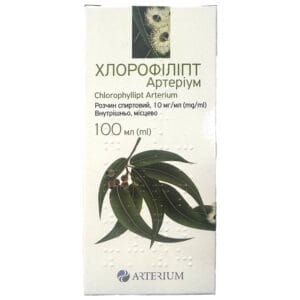
Chlorophyllipt is an antibacterial eucalyptus-based antiseptic effective against staphylococci, used for throat infections, wounds and skin care.

🇦🇺 Australia
🇨🇦 Canada
🇨🇿 Czechia
🇩🇰 Denmark
🇪🇪 Estonia
🇮🇪 Ireland
🇮🇱 Israel
🇮🇹 Italy
🇯🇵 Japan
🇲🇽 Mexico
🇵🇱 Poland
🇸🇰 Slovakia🇰🇷 South Korea
🇨🇭 Switzerland
🇬🇧 United Kingdom
🇺🇸 United States of America
and more
🇦🇺 Australia
🇨🇦 Canada
🇨🇿 Czechia
🇩🇰 Denmark
🇪🇪 Estonia
🇮🇪 Ireland
🇮🇱 Israel
🇮🇹 Italy
🇯🇵 Japan
🇲🇽 Mexico
🇵🇱 Poland
🇸🇰 Slovakia🇰🇷 South Korea
🇨🇭 Switzerland
🇬🇧 United Kingdom
🇺🇸 United States of America
and more
$19.79 Original price was: $19.79.$17.99Current price is: $17.99.
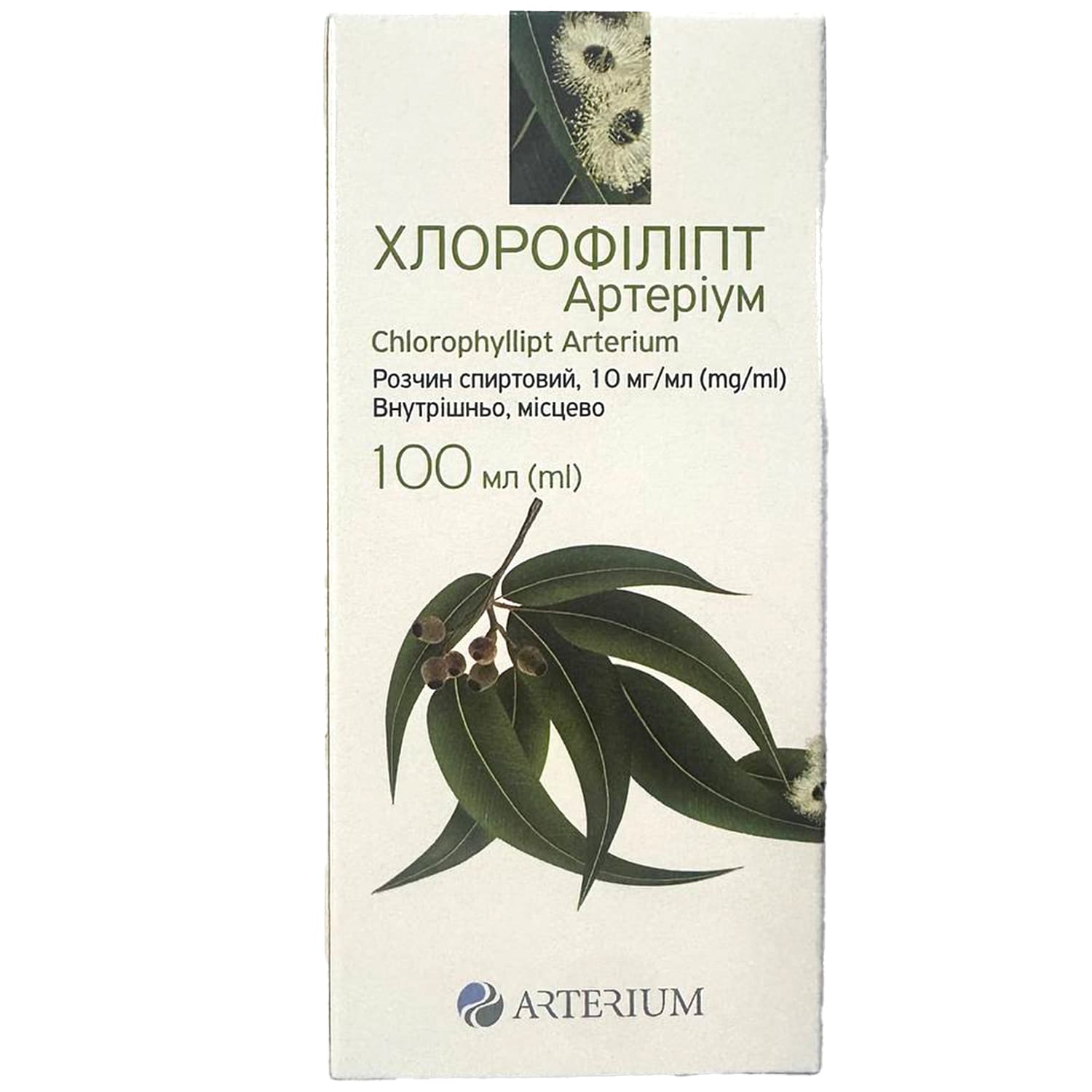
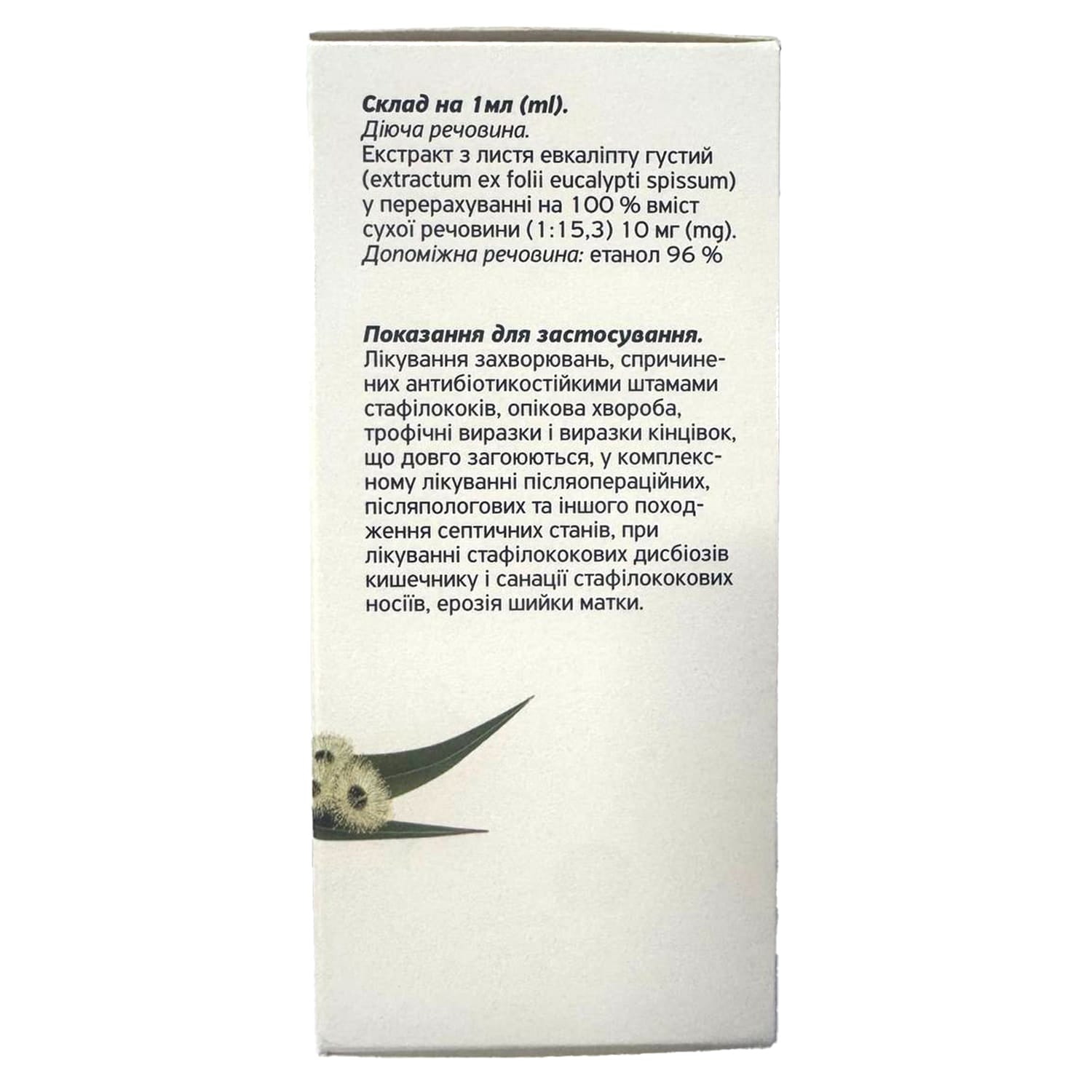
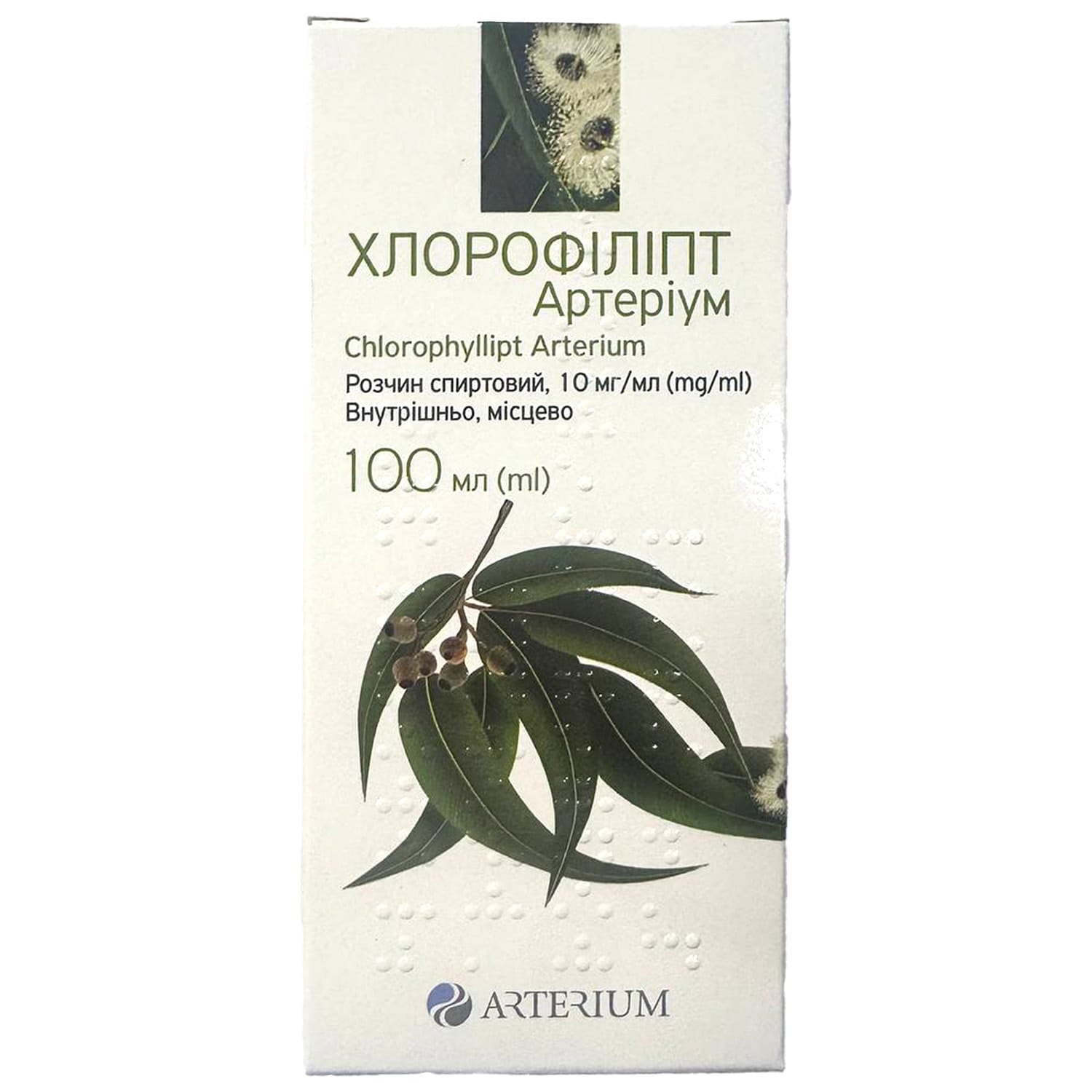
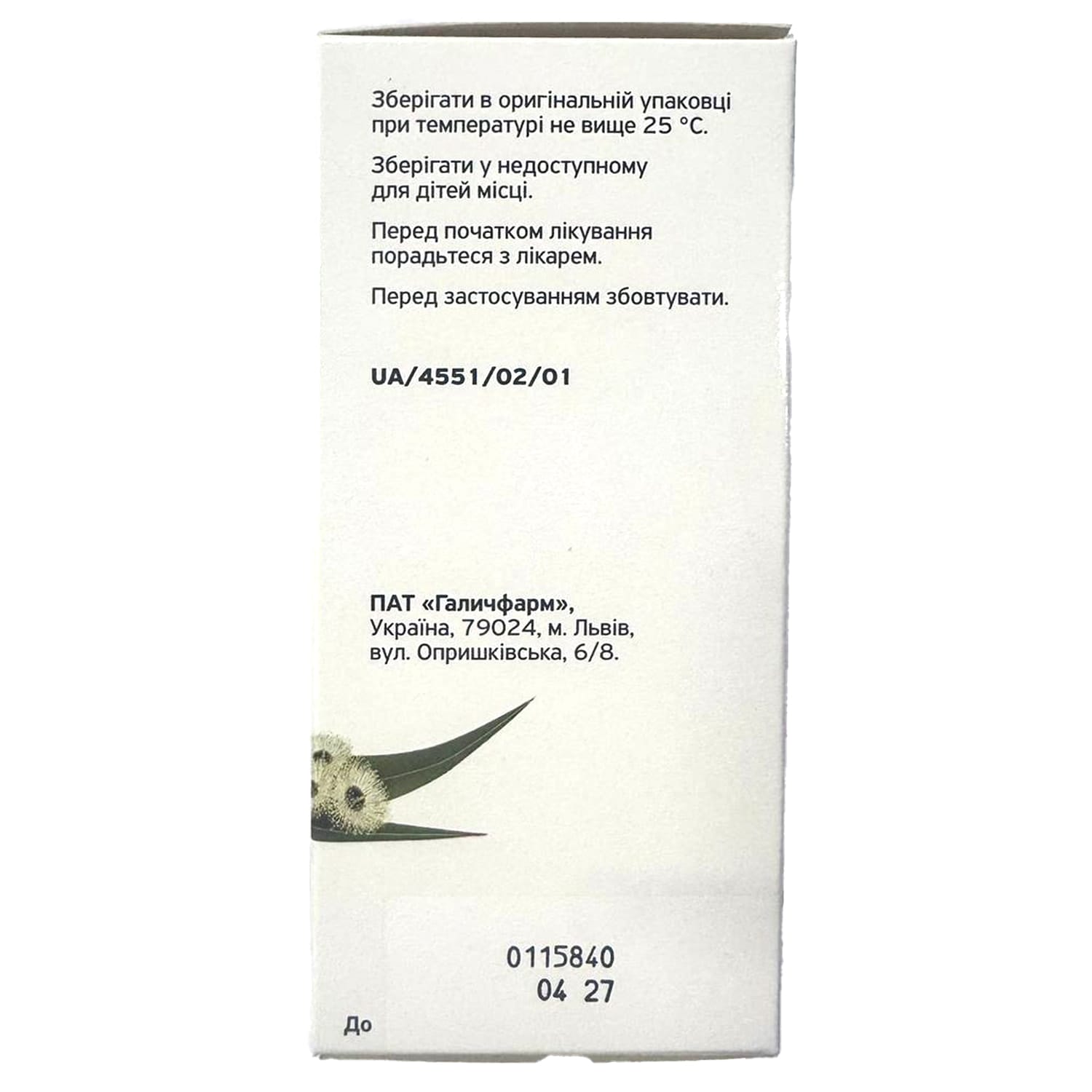
Please note: The product packaging may vary from the images shown. The contents, ingredients, and quality of the product remain unchanged.
$17.30
to: Australia, Canada, Czechia, Denmark, Estonia, Ireland, Israel, Italy, Japan, Mexico, Poland, Slovakia, South Korea, Switzerland, United Kingdom, United States and more
In stock
Chlorophyllipt is an antibacterial eucalyptus-based antiseptic effective against staphylococci, used for throat infections, wounds and skin care.
PayPal, Debit or Credit card, Google Pay, Apple Pay
Pharmacodynamics. Has antibacterial effect against staphylococci, including antibiotic-resistant strains.
Pharmacokinetics: Not studied.
Treatment of diseases caused by antibiotic-resistant strains of staphylococci, burn disease, trophic ulcers and long-term non-healing ulcers of the extremities, complex treatment of septic conditions of postoperative, postpartum and other genesis, treatment of staphylococcal intestinal dysbiosis and sanitation of staphylococcal carriers, cervical erosion.
Adults and children over 12 years of age are prescribed the drug orally, topically, in enemas. In children over 12 years of age, the drug is used as prescribed by a doctor.
Inside Chlorophyllipt is used for staphylococcal carriage in the intestines and for the prevention of postoperative complications. Adults and children over 12 years old take 5 ml of 1% alcohol solution diluted in 30 ml of water 3 times a day 40 minutes before meals daily. The duration of treatment is determined individually depending on the effectiveness of therapy and the severity of the disease.
In the treatment of staphylococcal carriage in the intestine, Chlorophyllipt is also prescribed in an enema (20 ml of a 1% alcohol solution is diluted in 1 liter of water – a dose for one enema). The procedure is carried out once a day. An enema with the drug is carried out every 2 days. The course of treatment consists of 10 procedures.
For topical use (treatment of burns and trophic ulcers), a 1% alcohol solution is diluted with 0.25% novocaine solution in a ratio of 1: 5.
When treating cervical erosion, all folds of the vaginal mucosa and the vaginal part of the cervix are first dried with a swab and the cervical canal is lubricated with a 1% alcohol solution of chlorophyllipt. For vaginal douching, 15 ml of a 1% alcohol solution is diluted in 1 liter of water.
The duration of the course of treatment depends on the course of the disease and is determined by the doctor individually.
Hypersensitivity to chlorophyllipt or to other components of the drug.
On the part of the immune system: when using the drug, allergic reactions are possible, including swelling of the mucous membranes, hyperemia, itching, rash.
Use during pregnancy and breastfeeding. The efficacy and safety of the drug during pregnancy and breastfeeding have not been studied, so the drug should not be used in this category of patients.
Children. The drug is used in children over 12 years of age as prescribed by a doctor.
The ability to influence the reaction rate when driving vehicles or working with other mechanisms. Since the drug contains 96% ethyl alcohol, caution should be exercised when driving vehicles or working with other mechanisms.
It should be taken into account that if there are hydrogen peroxide residues in the wound, chlorophyllipt precipitates. Therefore, after washing the wound with hydrogen peroxide, its residues should be removed with a sterile 0.9% sodium chloride solution. Enhances the effect of antiseptic drugs.
Possible increase in adverse reactions. Treatment is symptomatic.
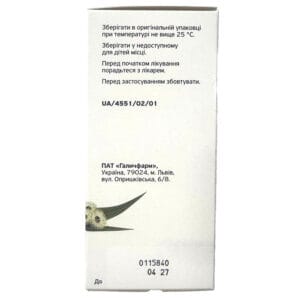
In the original packaging at a temperature not exceeding 25 °C.
Chlorophyllipt is a popular antibacterial drug, it is widely and actively used. It is available in several dosage forms. This is a concentrate for injection solution, an oil solution, an alcohol solution, an aqueous spray and lozenges. Each of the described forms of release has its own specifics of use, but the active substance is the same and, therefore, the mechanism of action is the same. Let’s figure out where the use of chlorophyllipt is justified and really necessary, and where it is useless, harmful or even contrary to common sense.
Chlorophyllipt is an antiseptic drug. What does this mean?
Drugs that have antimicrobial effects are divided into two groups. The first is antiseptics and disinfectants. It includes drugs that affect most microorganisms and do not act selectively. They are usually used externally, applied to the skin or mucous membranes. Some antiseptic drugs can be used to treat diseases of the gastrointestinal tract or urinary tract caused by pathological microflora. The effect of using such drugs is quite fast. The second group is antibiotics. They, like the first group, have a detrimental effect on microorganisms, but have a targeted effect (i.e., the effect of antibiotics is directed at certain types of microorganisms – pathogens) (Kharkevych D.A., 2010).
The annotation describes that the drug consists of a mixture of chlorophylls A and B obtained from eucalyptus leaves.
What is chlorophyll?
From school biology courses, we all remember that this is a green pigment in plant leaves that participates in the process of photosynthesis.
In terms of chemical structure, chlorophyll is very similar to heme, only instead of an iron ion, it contains a magnesium ion.
Chlorophyll is found in the leaves of most plants, some bacteria, and algae. It is also worth noting that it is not a single substance, but a group of several substances with similar composition and functions.
How long has this substance been known?
Scientist Joseph Bieneme Cavantu, together with Pierre Joseph Pelletier, isolated a green substance from plant leaves, which they decided to call chlorophyll. Later, it was studied by many famous scientists, including Mikhail Koller, Richard Wiltstetter, Hans Fischer and Rudolf Woodworm. In the twentieth century. scientists received the Nobel Prize twice for the study of chlorophyll. In 1915 Wiltstetter and in 1930 Fischer. The final stereochemical structure of this substance was established only in 1967.
A few more words about this unique substance. Plants contain two main types of chlorophyll – chlorophyll A and chlorophyll B, as well as auxiliary pigments – carotenes and xanthophyll, which give leaves yellow and orange shades in autumn, and provide photosynthesis. Why is this process so important? The carbohydrates accumulated by plants are its products, and the reserves of combustible minerals that formed millions of years ago are also products of photosynthesis. And even oxygen is released by plants due to this process (and carbon dioxide, on the contrary, is absorbed) (Sytnik K.M., 1998). You can imagine how vital a substance it is. Chlorophyll is worth talking about – this substance plays a crucial role in the life of our planet and all living things on it. For example, the annual need for oxygen for one person will be provided by the chlorophyll contained in the leaves of 10 medium-sized trees.
Chlorophyll is used in the food industry, where it is known under the code E140. It is used as a natural green pigment in confectionery. But more often as a food coloring, a derivative of chlorophyll is used – chlorophyllin, which is coded as E141. Chlorophyll is also a part of some dietary supplements. It is believed that it increases immunity, is used for anemia, increases the ability of tissues to regenerate, improves overall well-being and helps the body cope with various viral and bacterial infections. However, these properties require scientific confirmation and research.
Let’s return to Chlorophyllipt.
According to the ATC classification, the drug belongs to disinfectants and antiseptics. The instructions indicate its antibacterial properties, primarily for antibiotic-resistant staphylococci.
Indications for the appointment of Chlorophyllipt
Among the diseases in which the use of Chlorophyllipt is advisable, burn disease is mentioned. Also in surgical practice, Chlorophyllipt is prescribed in the treatment of trophic ulcers that do not heal for a long time.
It can be used internally for staphylococcal intestinal infections, staphylococcal gastroenteritis. It is recommended for use in persons who are carriers of staphylococcus. It is even used for treatment of cervical erosion, when necessary. The oil solution has the same indications for use.
Tablets are typically indicated for ENT diseases – various inflammatory diseases of the tonsils, pharyngitis, laryngitis, stomatitis (both aphthous and ulcerative), and tonsillitis.
Application. doses
The drug is prescribed to adult patients and children over 12 years of age. Depending on the type of dosage form, it is taken externally, orally, rectally, vaginally, or as an intravenous injection.
Chlorophyllipt solution is taken orally for staphylococcal gastroenteritis, to prevent complications after surgery, and for staphylococcal carriage (intestinal). Prescribe 1 teaspoon of 1% Chlorophyllipt solution, diluting it in 2 tablespoons of water, and take 3 times a day, 40 minutes before meals.
It is also possible to prescribe a solution of chlorophyllipt orally for chronic cholecystitis to suppress concomitant inflammatory processes in the intestine (Okorokov A.N., 2005) due to its antimicrobial effect. It is prescribed in this case in the form of a 1% alcohol solution of 20-25 drops three times a day. The drops are taken with water. The duration of the course and the appropriateness of its appointment is determined by the attending physician.
In dentistry, the drug is used in the treatment of periodontitis for root canal treatment (Mashkovsky M.D., 2005).
A medicinal enema with a solution of the drug may be recommended for intestinal carriage of Staphylococcus aureus. For 1 enema, take 1 liter of warm water and add 20 ml or 4 tsp. 1% alcohol solution of chlorophyllipt. Chlorophyllipt should not be administered into the rectum more often than once every 3 days, and the administration should be repeated up to 10 times.
During the treatment of trophic ulcers and burns, Chlorophyllipt solution is diluted in a ratio of 1: 5, 0.25% novocaine solution is added and applied externally to the affected skin.
Therapy of cervical erosion with the drug Chlorophyllipt is carried out only by a doctor/midwife.
In ENT practice, Chlorophyllipt water spray is most often used to irrigate the tonsils and pharynx for antiseptic purposes. Due to its ability to kill bacteria and inhibit their further reproduction, Chlorophyllipt can be used in combination with other agents to treat acute respiratory infections, tonsillitis, pharyngitis, and even angina.
An overdose of the drug leads to the manifestation and intensification of side effects.
Side effects
They include allergic manifestations, including rash, urticaria, itching, redness, swelling of the mucous membranes, possible development of angioedema, the appearance of headache or dizziness.
After using Chlorophyllipt for the first time, it is necessary to take a short break, up to 6-8 hours, to detect the possible development of adverse reactions.
The instructions do not contain information about the use of an alcohol solution for gargling or washing the tonsils, as well as about lubricating the throat with an oil solution. Therefore, before deciding on such treatment, you should discuss its possibility and feasibility with your doctor. It is possible to use the drug in combination with other drugs for septic conditions, for example, after childbirth. It can be used for washing purulent cavities in surgery (naturally, in dilution).
Precautions when using Chlorophyllipt
This drug should definitely not be used for self-medication in young children or people prone to hypersensitivity reactions.
There are many cases of using Chlorophyllipt in childhood for diarrhea, but it should be noted that the drug is most active against staphylococci, but may be powerless against infections caused by E. coli, rotaviruses, enteroviruses, harmful fungi, and, losing time, you will aggravate the child’s condition. Also, do not hope that one local application of Chlorophyllipt can cure acute angina. Wasting time on self-treatment, you can allow the development of complications and worsen the course of the disease. It is inappropriate to treat the umbilical wound of infants with CHLOROPHILLIPT, this substance is not included in any recommendations of pediatricians on this issue.
You can read reviews about the use of Chlorophyllipt for vaginal sanitation before medical examinations, but keep in mind that Chlorophyllipt is unable to kill pathogenic flora that may be present in a woman’s genitals, even masking vaginosis, you will not be cured. It is better to spend 10 days on treatment with a qualified gynecologist than to mask the problem and then pay with chronic infections. It can be used to treat gynecological diseases, but the feasibility and potential effect can only be assessed by a doctor after a detailed examination and examinations.
Chlorophyllipt does not have a systemic effect when taken orally, that is, it, getting into the stomach and intestines, affects the flora, without affecting the infection in remote foci. Therefore, one should not overestimate the capabilities of this drug.
Chlorophyllipt is used externally to treat a wound or purulent cavity that has led to sepsis, and complements, but does not replace, the action of antibiotics and other drugs used to treat such a condition. There is nothing wrong with the desire to use herbal preparations when possible. But only the attending physician, sometimes a council of doctors, can adequately assess the possibilities and rationality of using any drugs, and one should not abandon the achievements of medicine and pharmacy.
When applied externally, the drug enhances the effect of other antibacterial drugs. It should be remembered that the solution contains alcohol, so it can enhance the effect of various psychotropic drugs, as well as drugs that reduce muscle tone. When prescribing Chlorophyllipt and H 2 O 2 , a precipitate is formed; they should not be applied to the wound simultaneously or sequentially. If it is necessary to use these drugs simultaneously, the wound or trophic ulcer should be washed with 0.9% NaCl solution between their applications. Do not take the alcohol solution of the drug before driving a car due to the fact that it contains alcohol. Also, taking into account the alcohol content, the drug should not be used by people with alcohol addiction, drug addicts, people with severe liver damage, epilepsy, diabetes mellitus. Do not use in pregnant and breastfeeding women, since any amount of alcohol can harm the fetus or infant.
It is worth taking seriously the recommendation to keep this drug away from children, at least given that Chlorophyllipt has pronounced coloring properties.
Chlorophyllipt is an inexpensive but effective drug. Side effects rarely develop, staphylococci are not resistant to Chlorophyllipt, which is why it is widely prescribed by doctors of various specialties, primarily surgeons and otolaryngologists, and their patients have been successfully using this drug for many years.

UApothecary combines medicine search, online ordering, and pharmaceutical consultations. We provide up-to-date information about medications, updating data several times a day. We collaborate with doctors, pharmacists, and medical organizations to offer professional support. We guarantee the quality of medicines and convenient worldwide delivery. Our mission is to make quality medicines accessible to everyone.
This site is protected by reCAPTCHA and the Google
Privacy Policy and
Terms of Service apply.
Reviews
There are no reviews yet.