No products in the cart.

Ciprofloxacin Euro 500 mg tablets for bacterial infections, fluoroquinolone antibiotic. Dosage, contraindications, side effects and storage details.

🇦🇺 Australia
🇨🇦 Canada
🇨🇿 Czechia
🇩🇰 Denmark🇪🇪 Estonia
🇮🇪 Ireland
🇮🇱 Israel
🇮🇹 Italy
🇯🇵 Japan
🇲🇽 Mexico
🇵🇱 Poland
🇰🇷 South Korea
🇨🇭 Switzerland
🇬🇧 United Kingdom
🇺🇸 United States of Americaand more
🇦🇺 Australia
🇨🇦 Canada
🇨🇿 Czechia
🇩🇰 Denmark🇪🇪 Estonia
🇮🇪 Ireland
🇮🇱 Israel
🇮🇹 Italy
🇯🇵 Japan
🇲🇽 Mexico
🇵🇱 Poland
🇰🇷 South Korea
🇨🇭 Switzerland
🇬🇧 United Kingdom
🇺🇸 United States of Americaand more
$17.59 Original price was: $17.59.$15.99Current price is: $15.99.
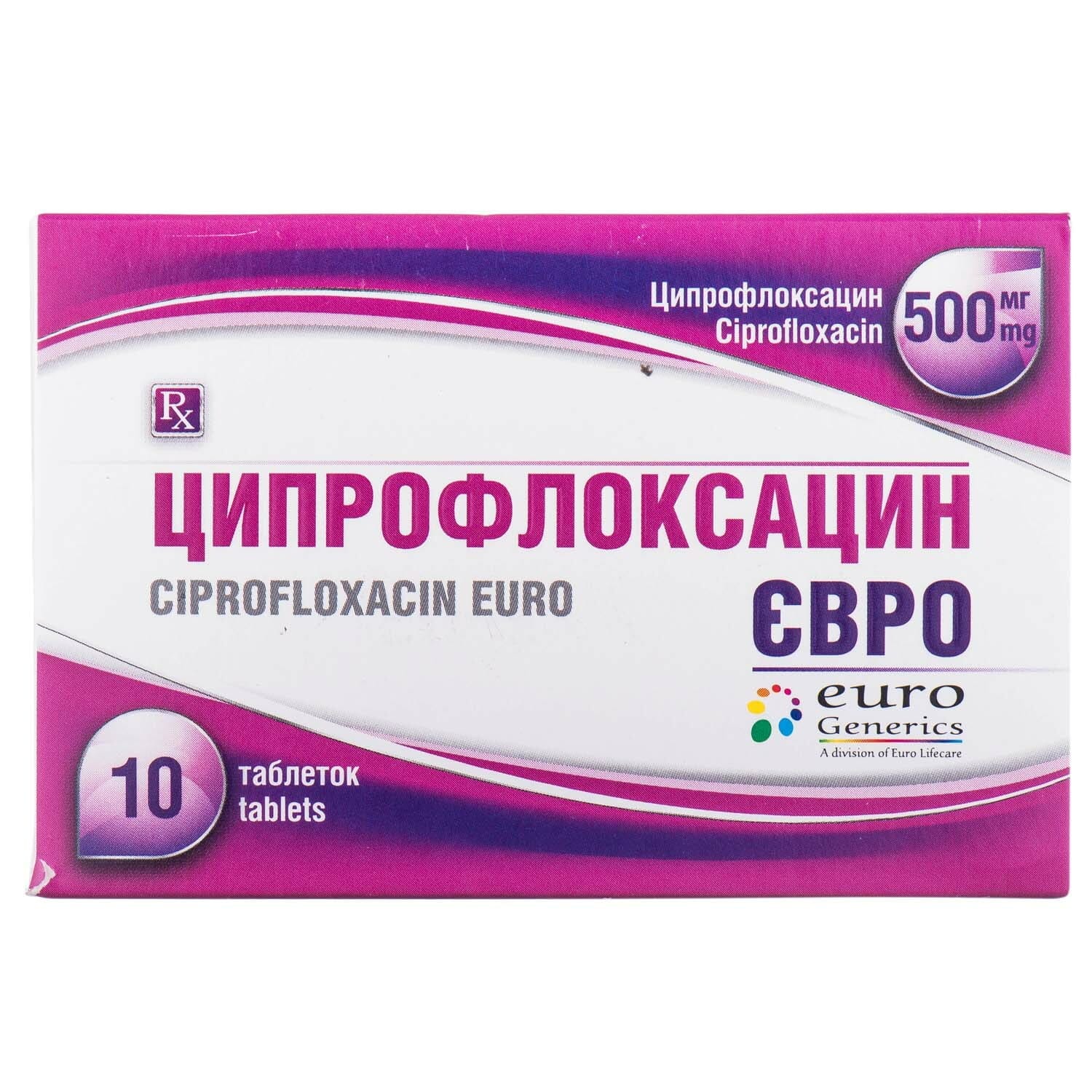
Please note: The product packaging may vary from the images shown. The contents, ingredients, and quality of the product remain unchanged.
$15.38
to: Australia, Canada, Czechia, Denmark, Estonia, Ireland, Israel, Italy, Japan, Mexico, Poland, South Korea, Switzerland, United Kingdom, United States and more
In stock
Ciprofloxacin Euro 500 mg tablets for bacterial infections, fluoroquinolone antibiotic. Dosage, contraindications, side effects and storage details.
PayPal, Debit or Credit card, Google Pay, Apple Pay
Ciprofloxacin Euro is indicated for the treatment of various infections in both adults and children.
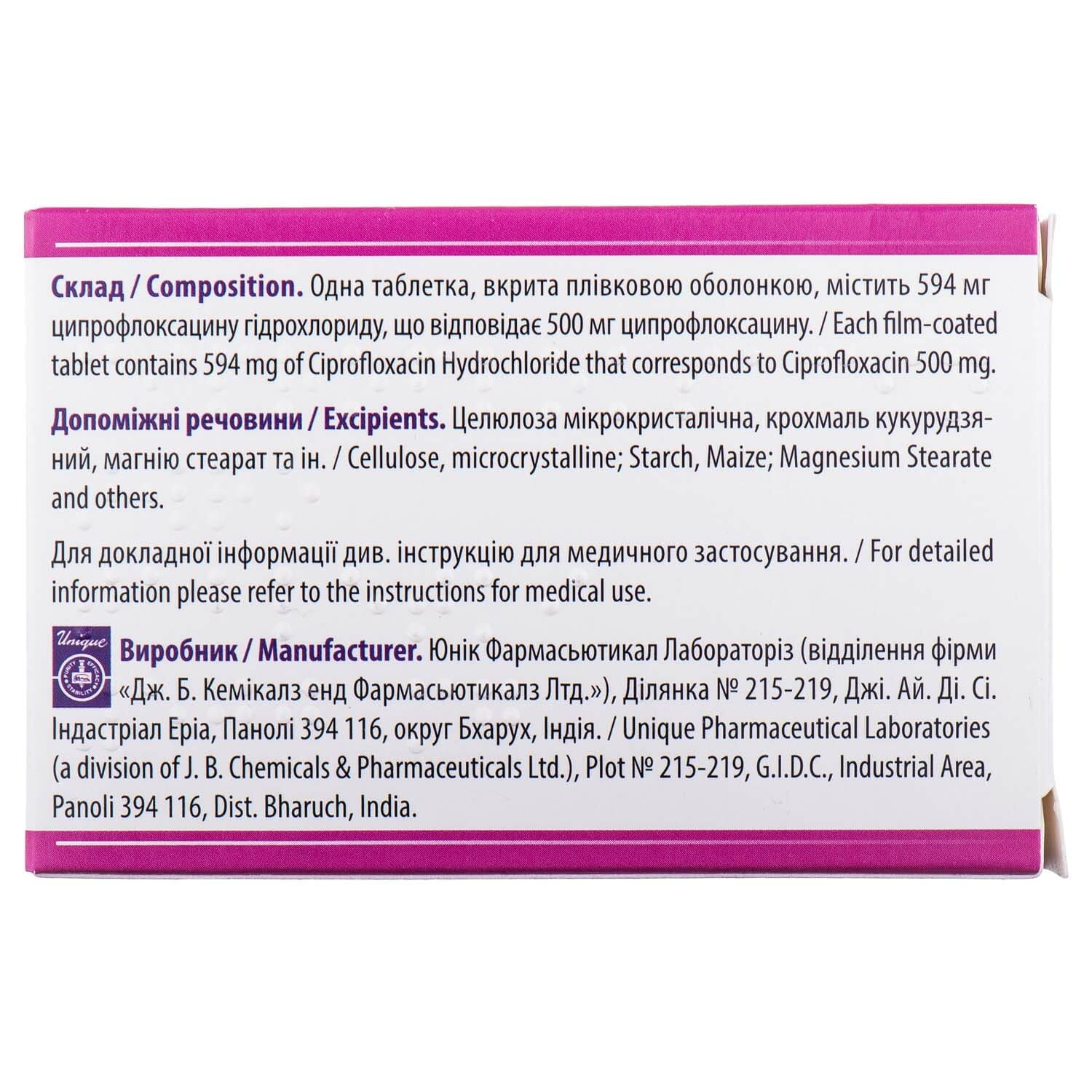
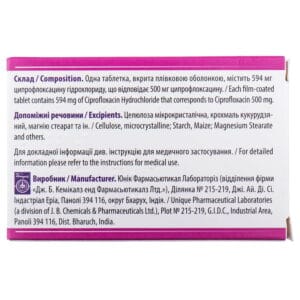
Active ingredient: ciprofloxacin, 1 tablet of 500 mg contains 594 mg of ciprofloxacin hydrochloride, which corresponds to 500 mg of ciprofloxacin.
Excipients: microcrystalline cellulose, colloidal silicon dioxide, sodium starch type A, corn starch, magnesium stearate, talc, Opadry white 33G28707.
The drug should not be used in case of hypersensitivity to the active substance, ciprofloxacin or to other drugs of the fluoroquinolone group, or to any of the excipients of the drug.
The simultaneous use of ciprofloxacin and tizanidine is contraindicated.
The tablets should be swallowed whole with liquid. They can be taken regardless of meals.
When taken on an empty stomach, the active ingredient is absorbed faster.
Ciprofloxacin tablets should not be taken with dairy products or fruit juices with added minerals.
More details about dosages and time of use are in the instructions for the drug.
Data on the use of ciprofloxacin in pregnant women demonstrate the absence of malformations or feto-neonatal toxicity.
Animal studies do not indicate direct or indirect toxic effects with respect to reproductive function.
In young animals exposed to quinolones before birth, effects on immature cartilage tissue have been observed, so the possibility that the drug may be harmful to the articular cartilage of newborns cannot be excluded.
Therefore, as a precaution, it is better to avoid taking ciprofloxacin during pregnancy.
Ciprofloxacin passes into breast milk.
Due to the potential risk of damage to articular cartilage in newborns, ciprofloxacin should not be used during breastfeeding.
Fluoroquinolones, which include ciprofloxacin, may affect the patient’s ability to drive and operate machinery due to reactions from the central nervous system.
Therefore, the ability to drive and use machines may be impaired.
The use of ciprofloxacin in children and adolescents should be in accordance with current official guidelines. Treatment with ciprofloxacin should only be initiated by a physician experienced in the management of children and adolescents with cystic fibrosis and/or severe infections. Ciprofloxacin has been shown to cause arthropathy of the supporting joints in immature animals.
Overdose due to drug administration has been reported to result in symptoms of moderate toxicity.
Acute overdose of 16 g resulted in acute renal failure.
Symptoms of overdose included dizziness, tremor, headache, fatigue, convulsions, hallucinations, confusion, abdominal discomfort, renal and hepatic failure, as well as crystalluria and hematuria.
Reversible renal toxicity has also been reported. In addition to the usual emergency measures taken in case of overdose, it is recommended to monitor renal function, in particular determining the pH of the urine and, if necessary, increasing its acidity to prevent crystalluria.
Patients should receive sufficient fluids.
Antacids containing calcium or magnesium should theoretically reduce the absorption of ciprofloxacin in case of overdose.
Infections and infestations: fungal superinfections, antibiotic-associated colitis.
Psychiatric disorders: psychomotor agitation or anxiety, confusion and disorientation, anxiety, abnormal dreams, depression, hallucinations, psychotic reactions.
General disorders and administration site reactions: asthenia, fever, edema, increased sweating.
Laboratory indicators: increased activity of alkaline phosphatase in the blood, deviation from the norm of prothrombin level, increased activity of amylase.
Arthropathy is more common in children than in adults.
Shelf life 3 years.
Store at a temperature not exceeding 30°C.
Keep out of reach of children.

UApothecary combines medicine search, online ordering, and pharmaceutical consultations. We provide up-to-date information about medications, updating data several times a day. We collaborate with doctors, pharmacists, and medical organizations to offer professional support. We guarantee the quality of medicines and convenient worldwide delivery. Our mission is to make quality medicines accessible to everyone.
This site is protected by reCAPTCHA and the Google
Privacy Policy and
Terms of Service apply.



Reviews
There are no reviews yet.