No products in the cart.

We deliver to:
🇦🇺 Australia
🇨🇦 Canada
🇨🇿 Czechia
🇩🇰 Denmark🇪🇪 Estonia
🇮🇪 Ireland
🇮🇱 Israel
🇮🇹 Italy
🇯🇵 Japan
🇲🇽 Mexico
🇵🇱 Poland
🇰🇷 South Korea
🇨🇭 Switzerland
🇬🇧 United Kingdom
🇺🇸 United States of Americaand more
We deliver to:
🇦🇺 Australia
🇨🇦 Canada
🇨🇿 Czechia
🇩🇰 Denmark🇪🇪 Estonia
🇮🇪 Ireland
🇮🇱 Israel
🇮🇹 Italy
🇯🇵 Japan
🇲🇽 Mexico
🇵🇱 Poland
🇰🇷 South Korea
🇨🇭 Switzerland
🇬🇧 United Kingdom
🇺🇸 United States of Americaand more
Corneregel eye gel 50 mg/g tub...
$27.99 Original price was: $27.99.$25.39Current price is: $25.39.
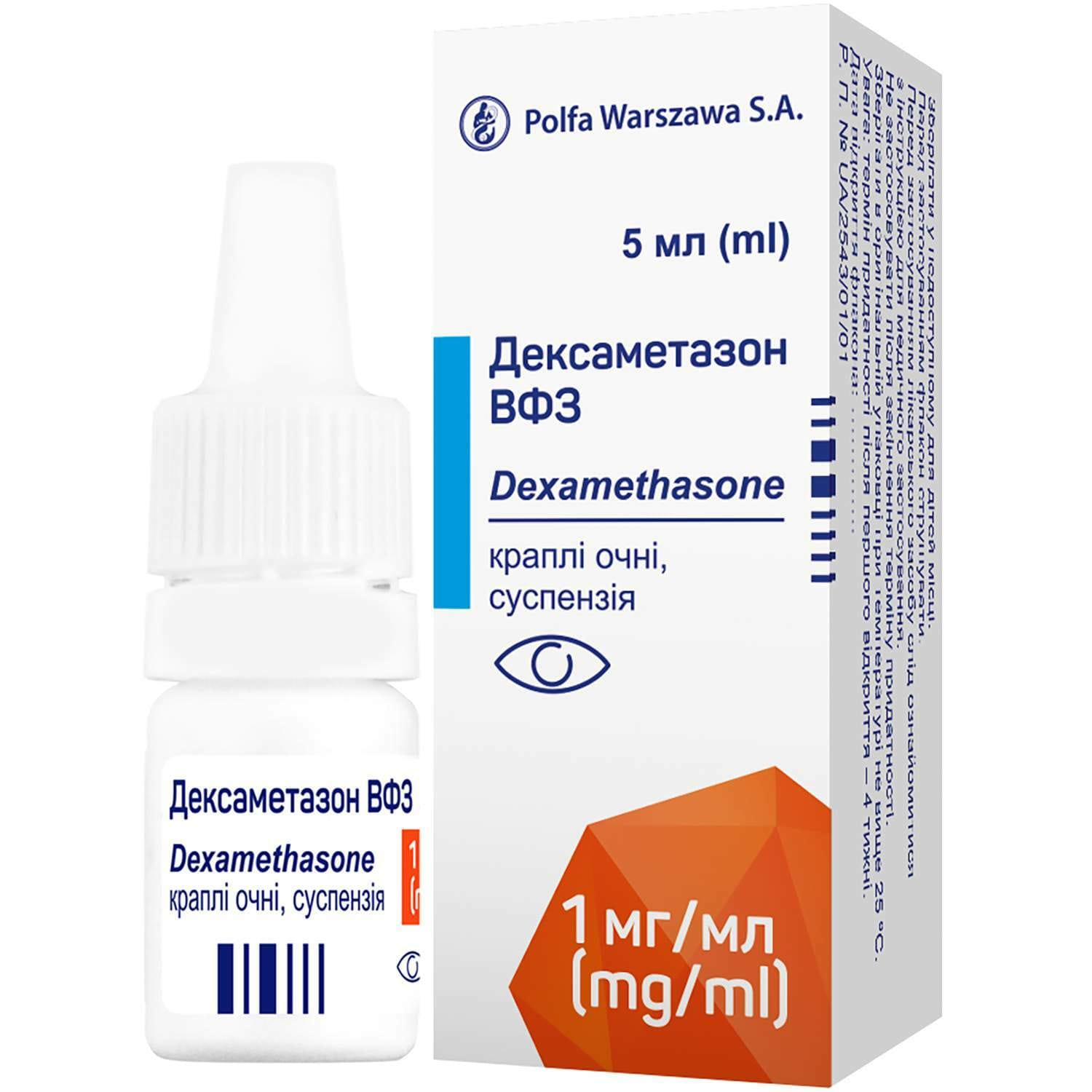
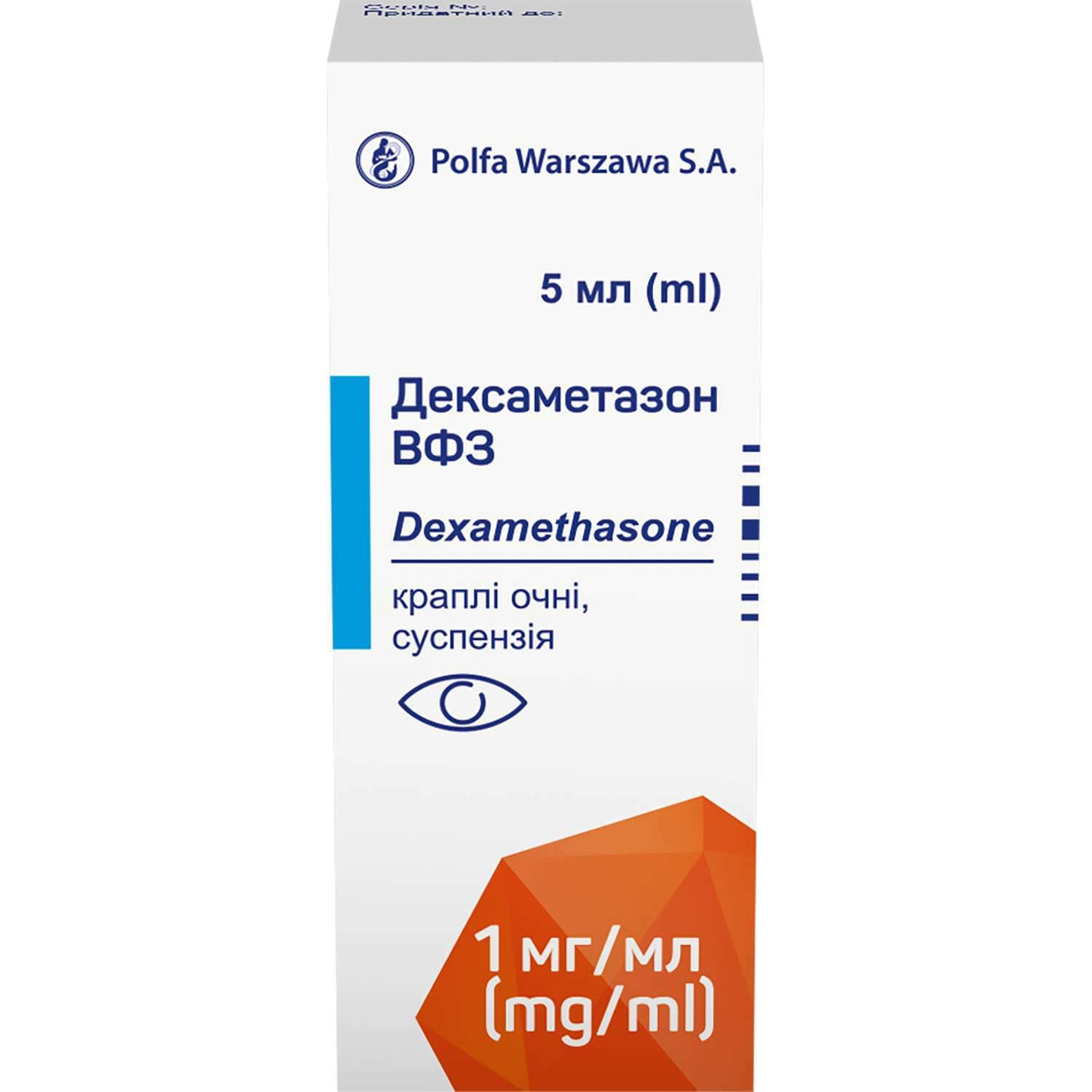
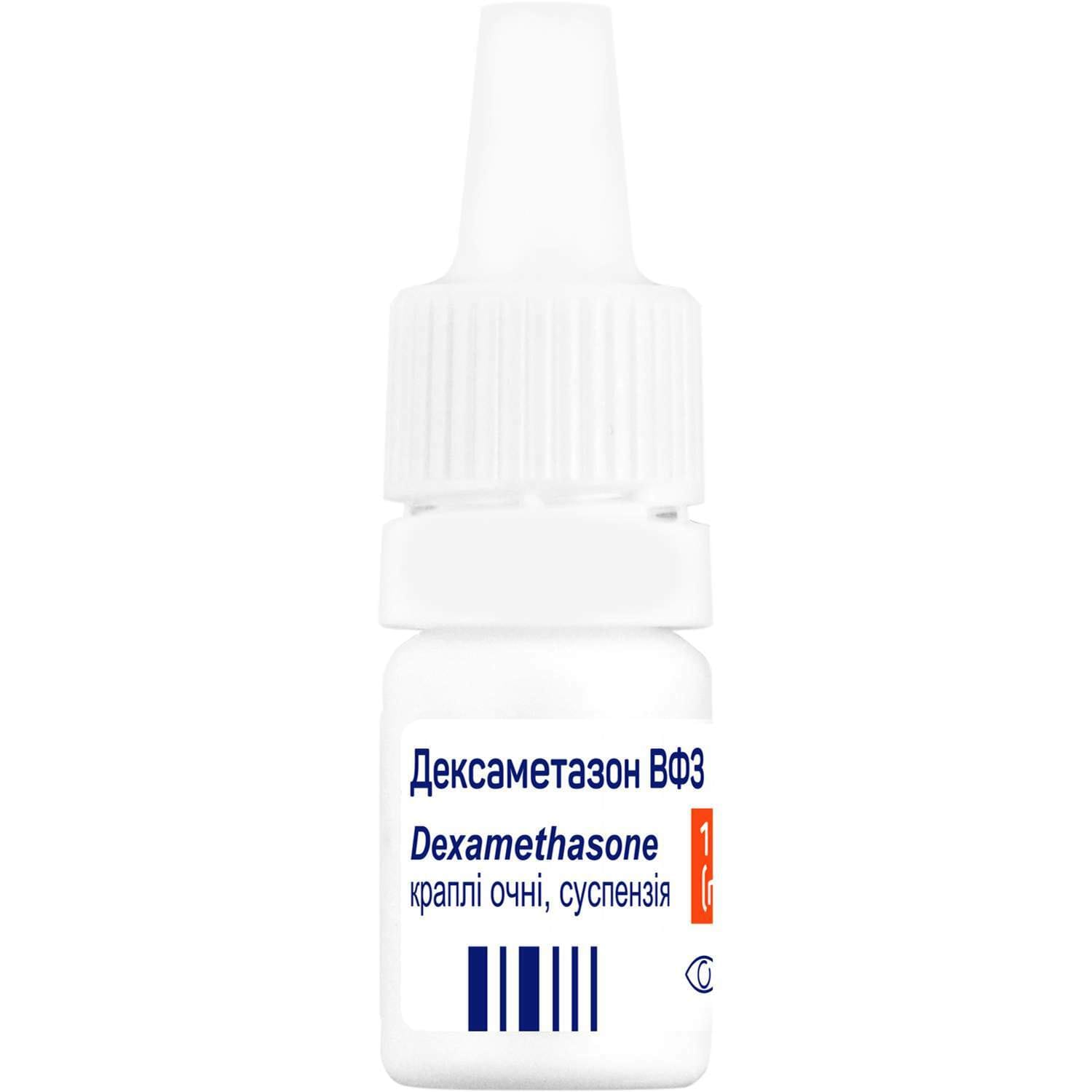
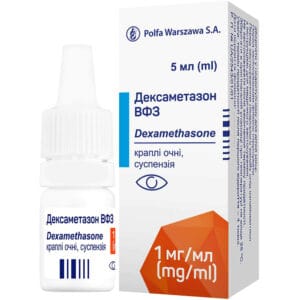
Please note: The product packaging may vary from the images shown. The contents, ingredients, and quality of the product remain unchanged.
Dexamethasone WFZ eye drops suspension 1 mg/ml dropper bottle 5 ml
$17.74
Free Worldwide Shipping
to: Australia, Canada, Czechia, Denmark, Estonia, Ireland, Israel, Italy, Japan, Mexico, Poland, South Korea, Switzerland, United Kingdom, United States and more
In stock
Dexamethasone eye drops reduce inflammation and allergies, treating steroid-sensitive eye conditions and postoperative reactions.
Categories: Eye and ear
Brand: Polfa
Payment
PayPal, Debit or Credit card, Google Pay, Apple Pay
Pharmacological properties
Pharmacodynamics. Dexamethasone is a synthetic GCS with moderate activity, has anti-inflammatory, antiallergic and immunosuppressive effects. affects all phases of the inflammatory process. reduces the permeability of blood vessels, inhibits leukocyte migration, phagocytosis, the release of kinins and the formation of antibodies.
Pharmacokinetics. Dexamethasone, introduced into the conjunctival sac, is absorbed into the aqueous humor of the eye, cornea, iris and choroid, ciliary body, retina. A small amount of the active substance is absorbed from the conjunctival sac, so the drug has no systemic effect.
Indication
Treatment of steroid-sensitive non-infectious inflammatory and allergic conditions of the conjunctiva, cornea, anterior segment of the eye, including inflammatory reactions in the postoperative period.
Application
Use only in ophthalmology. Shake the bottle before use!
Adults, including the elderly, – in acute inflammatory processes, 1-2 drops are instilled into the conjunctival sac every 30-60 minutes as initial therapy, if the treatment effect is positive, the dose is reduced to 1-2 drops every 2-4 hours, the dose can be reduced to 1 drop 3-4 times a day, if it is sufficient to control the inflammatory process. If the desired result is not achieved within 3-4 days, additional systemic or subconjunctival therapy may be prescribed.
In the case of chronic inflammation, 1-2 drops are instilled into the conjunctival sac every 3-6 hours or more often if necessary.
For allergies or minor inflammation, 1-2 drops are instilled into the conjunctival sac every 3-4 hours until the desired effect is achieved.
Do not stop therapy prematurely.
After application, careful eyelid closure or nasolacrimal occlusion is recommended. This reduces systemic absorption of drugs administered into the eye, which reduces the likelihood of systemic side effects.
In case of concomitant therapy with other topical ophthalmic drugs, an interval of 10-15 minutes should be observed between their use.
Contraindication
Hypersensitivity to dexamethasone or to any of the components of the drug. Acute superficial keratitis caused by herpes simplex; Cowpox, chickenpox and other viral diseases of the cornea and conjunctiva; Bacterial eye infection. Mycobacterial infections of the eye caused by, but not limited to, acid-fast bacteria such as Mycobacterium tuberculosis, Mycobacterium leprae or Mycobacterium avium. Fungal diseases of the structures of the eye. Acute purulent eye infection, which, like other diseases caused by microorganisms, may be masked or exacerbated by the presence of corticosteroids. Corticosteroids should not be used after uncomplicated removal of a foreign body from the eye, in the presence of infection or injury limited to the superficial epithelium of the cornea.
Side effects
Adverse reactions have been reported with the use of the drug and are classified as follows: very common (≥1/10), common (≥1/100 to <1/10), uncommon (≥1/1,000 to <1/100), rare (≥1/10,000 to <1/1,000), very rare (≥1/10,000 to <1/1,000) or not known (frequency cannot be estimated from the available data). Within each group, adverse reactions are presented in order of decreasing seriousness:
Investigations: uncommon – increased intraocular pressure.
Central nervous system disorders: unknown – dizziness.
Ophthalmological disorders: often – thinning of the cornea, pain when moving the eyeball; infrequently – eye irritation; rare – corneal perforation (visual impairment, tearing), glaucoma, changes in the optic nerve, posterior subcapsular cataract, visual acuity disorder and narrowing of the visual fields (blurred vision, loss of vision), manifestations of allergy localized in the eyes, itching, mydriasis; very rarely – keratitis, eyelid ptosis, discomfort and unusual sensation in the eyes; unknown – corneal erosion, corneal discoloration, abnormal vision (clouding), eye hyperemia.
Infectious and parasitic diseases – eye infection (exacerbation or occurrence of secondary infection).
Immediately after using the drug, burning, tingling, slight conjunctival hyperemia, and tearing may occur, which disappear after 5-15 seconds.
Special instructions
The drug is intended for topical use only. When using, do not touch the dropper with your hands to prevent contamination of the contents of the bottle. Corticosteroids reduce resistance to bacterial, viral or fungal infection, which prevents its detection. Corticosteroids can mask clinical signs of infection, preventing the detection of antibiotic ineffectiveness, or suppress hypersensitivity reactions to any of the components of the drug. In case of persistent corneal ulcers, it is necessary to consider the possibility of fungal infection in patients who have been treated or are being treated with corticosteroids. In case of fungal infection, corticosteroid treatment should be discontinued.
Long-term corticosteroid therapy may cause or accelerate the development of cataracts, increase intraocular pressure in susceptible patients, and in some cases cause glaucoma. Patients with diabetes are more susceptible to such complications.
If the drug is used in patients with glaucoma, treatment should be limited to 2 weeks, except in cases where prolongation of treatment is justified (however, constant monitoring of the patient’s intraocular pressure is necessary).
Corticosteroids applied topically to the eye, when used frequently for a long time, can slow the healing of corneal wounds.
During long-term treatment with dexamethasone, it is necessary to check the condition of the cornea with a fluorescence test and monitor intraocular pressure. In case of a positive fluorescence test or increased intraocular pressure, treatment with the drug should be discontinued.
The drug should be prescribed with caution to patients who have had a disease of the cornea with its thinning and sclera, as perforation may occur.
Since the drug contains benzalkonium chloride as a preservative, it can cause irritation and discolor soft contact lenses. Therefore, during therapy with the drug, it is not recommended to wear contact lenses, which the patient should be warned about, or informed about the need to remove contact lenses before using the drug and wait 30 minutes after instillation before putting them on.
Avoid contact of the drug with soft contact lenses.
Do not stop therapy prematurely, as sudden cessation of local treatment with high doses of steroids may lead to a relapse of the disease.
Ocular Herpes simplex has been reported in patients receiving systemic or topical corticosteroids for other conditions. The use of corticosteroids in the treatment of Herpes simplex, except for epithelial keratitis caused by Herpes simplex, for which corticosteroids are contraindicated, requires special caution; periodic conjunctival biomicroscopy using a slit lamp is necessary. In the treatment of stromal keratitis or uveitis caused by Herpes simplex, the drug should be used with special caution and only in combination with antiviral therapy, with periodic slit lamp biomicroscopy.
Use during pregnancy and breastfeeding. The drug should be used for treatment during pregnancy only if the benefit to the mother outweighs the potential risk to the fetus.
Do not use dexamethasone during breastfeeding, as there is a possibility that the drug will pass into breast milk. If treatment with the drug is necessary, breastfeeding should be discontinued.
Children: The efficacy and safety of the drug in children have not been established.
Ability to influence the reaction rate when driving vehicles or working with other mechanisms. Dexamethasone does not affect the ability to drive vehicles or work with other mechanisms. However, due to possible tearing after instillation, the drug should not be used immediately before driving vehicles or working with mechanical equipment until vision is restored.
Interactions
Do not prescribe dexamethasone simultaneously with drugs used to treat glaucoma, especially such a combination should not be used for a long time and in high doses – this can lead to an increase in intraocular pressure.
Prolonged use of the drug with anticholinergic agents (especially with atropine and chemicals of a similar structure) causes an increase in intraocular pressure.
The simultaneous use of dexamethasone with drugs that impair accommodation of the eye or dilate the pupil increases the risk of increased intraocular pressure (especially in patients prone to the development of closed filtration angle).
Wearing contact lenses increases the risk of infections.
Overdose
In case of overdose with topical application, wash the excess drug from the eye(s) with warm water. Accidental ingestion of the drug into the gastrointestinal tract does not cause serious side effects, it is recommended to take a sufficient amount of fluid.
Storage conditions
In a place protected from light at a temperature not exceeding 25 °C.
Be the first to review “Dexamethasone WFZ eye drops suspension 1 mg/ml dropper bottle 5 ml” Cancel reply
You may also like


Reviews
There are no reviews yet.