No products in the cart.

We deliver to:
🇦🇺 Australia
🇨🇦 Canada
🇨🇿 Czechia
🇩🇰 Denmark
🇪🇪 Estonia
🇮🇪 Ireland
🇮🇱 Israel
🇮🇹 Italy
🇯🇵 Japan
🇱🇹 Lithuania🇲🇽 Mexico
🇳🇱 Netherlands🇵🇱 Poland
🇸🇰 Slovakia
🇰🇷 South Korea
🇨🇭 Switzerland
🇬🇧 United Kingdom
🇺🇸 United States of America
and more
We deliver to:
🇦🇺 Australia
🇨🇦 Canada
🇨🇿 Czechia
🇩🇰 Denmark
🇪🇪 Estonia
🇮🇪 Ireland
🇮🇱 Israel
🇮🇹 Italy
🇯🇵 Japan
🇱🇹 Lithuania🇲🇽 Mexico
🇳🇱 Netherlands🇵🇱 Poland
🇸🇰 Slovakia
🇰🇷 South Korea
🇨🇭 Switzerland
🇬🇧 United Kingdom
🇺🇸 United States of America
and more

Activated charcoal tablets of ...
$19.19 Original price was: $19.19.$17.39Current price is: $17.39.
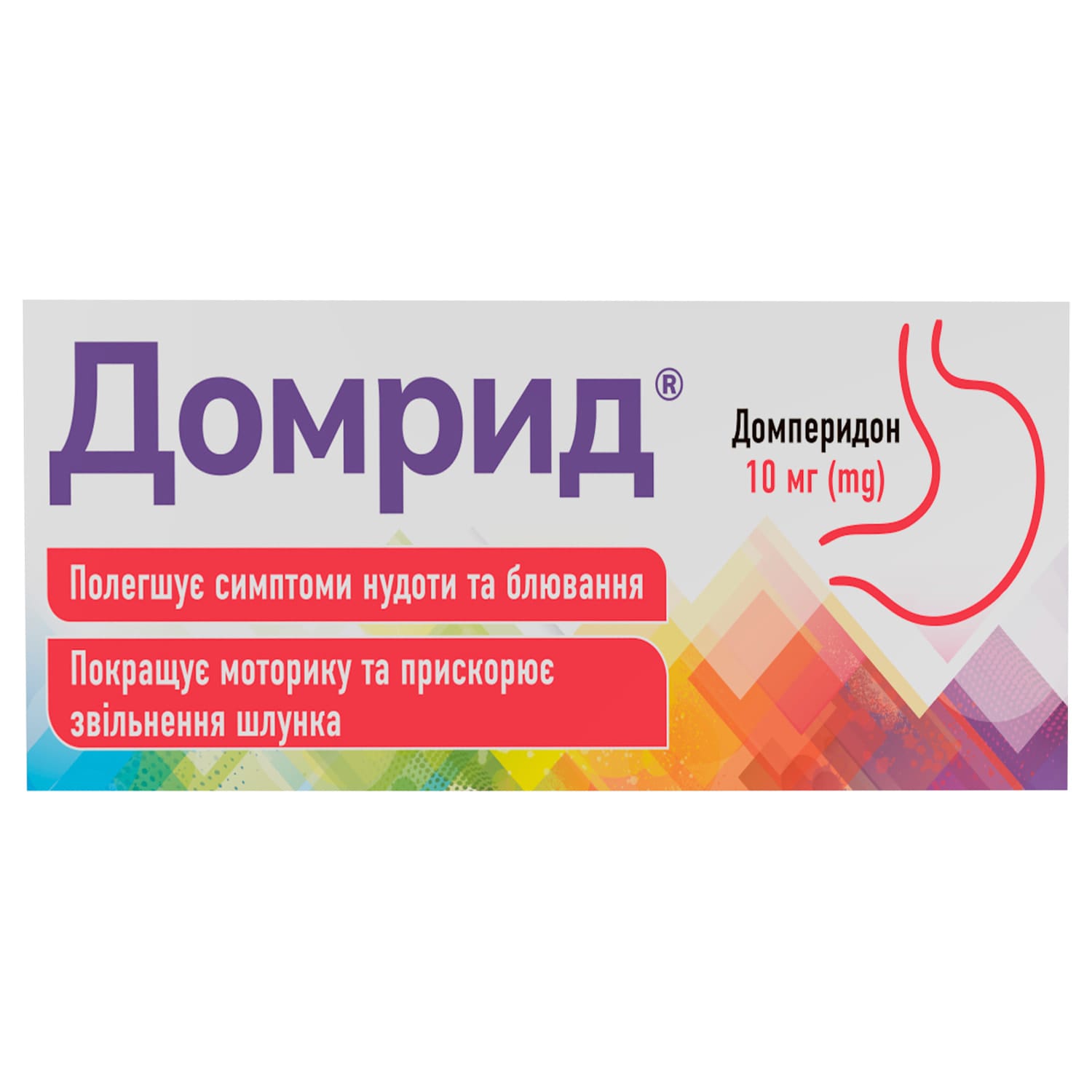
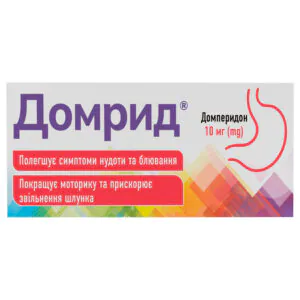
Please note: The product packaging may vary from the images shown. The contents, ingredients, and quality of the product remain unchanged.
Domrid film-coated tablets 10 mg 3 blisters of 10 pcs
$17.84
Free Worldwide Shipping
to: Australia, Canada, Czechia, Denmark, Estonia, Ireland, Israel, Italy, Japan, Lithuania, Mexico, Netherlands, Poland, Slovakia, South Korea, Switzerland, United Kingdom, United States and more
In stock
Domrid (domperidone) relieves nausea and vomiting by improving gastric motility. Dosage, indications, contraindications, and safety information.
Categories: Gastrointestinal tract and liver
Brand: Kusum Healthcare
Payment
PayPal, Debit or Credit card, Google Pay, Apple Pay
Domrid is a peristalsis stimulant to relieve symptoms of nausea and vomiting.
Composition
- active ingredient: domperidone maleate;
- 1 tablet contains domperidone maleate equivalent to domperidone 10 mg;
- excipients: microcrystalline cellulose, croscarmellose sodium, colloidal anhydrous silicon dioxide, magnesium stearate, Opadry II 31 G 58920 white*.
*Opadry II 31 G 58920 white: hypromellose, lactose monohydrate, titanium dioxide (E 171), polyethylene glycol, talc.
Contraindication
Domrid® is contraindicated:
- patients with established hypersensitivity to the drug or excipients;
- patients with a prolactin-secreting pituitary tumor (prolactinoma);
- patients with severe or moderate liver and/or kidney dysfunction (see section “Special warnings and precautions for use”);
- patients with known prolongation of cardiac conduction intervals, particularly QTc, patients with significant electrolyte imbalances or underlying heart disease such as congestive heart failure;
- patients with liver failure;
- if stimulation of gastric motor function may be dangerous, for example in case of gastrointestinal bleeding, mechanical obstruction or perforation;
- Concomitant use of ketoconazole, erythromycin, or other potent CYP3A4 inhibitors is contraindicated;
- Concomitant use of drugs that prolong the QT interval, such as fluconazole, erythromycin, itraconazole, oral ketoconazole, posaconazole, ritonavir, saquinavir, telaprevir, voriconazole, clarithromycin, amiodarone, telithromycin, etc. is contraindicated.
Adverse reactions
Immune system disorders: allergic reactions, including anaphylaxis, anaphylactic shock, hypersensitivity.
On the part of the endocrine system: increased prolactin levels.
Mental disorders: nervousness, irritability, agitation, depression, anxiety, decreased or absent libido.
From the nervous system: extrapyramidal disorders, insomnia, dizziness, thirst, convulsions, lethargy, headache, drowsiness, akathisia.
Cardiovascular system: edema, palpitations, heart rate and rhythm disturbances, QT interval prolongation (frequency unknown), serious ventricular arrhythmias, ventricular arrhythmias such as “torsade de pointes”), sudden cardiac death.
Gastrointestinal: dry mouth, short-term intestinal spasms, diarrhea, gastrointestinal disorders, including abdominal pain, regurgitation, changes in appetite, nausea, heartburn, constipation.
On the part of the organs of vision: oculogyric crises.
Skin and subcutaneous tissue disorders: itching, rash, urticaria, angioedema.
Reproductive system and breast disorders: galactorrhea, breast enlargement/gynecomastia, breast tenderness, breast discharge, amenorrhea, breast swelling, breast pain, lactation disorder, irregular menstrual cycle.
Musculoskeletal and connective tissue disorders: leg pain.
From the urinary system: urinary retention, dysuria, frequent urination.
Method of application
Adults and children over 12 years of age and weighing at least 35 kg: 1 tablet (10 mg) 3 times a day.
The maximum daily dose is 3 tablets (30 mg per day).
It is recommended to take Domrid® before meals. Absorption of the drug is somewhat delayed if taken after meals. The duration of treatment should not exceed 1 week.
Application features
Use during pregnancy or breastfeeding
Domrid should be prescribed during pregnancy only if, in the opinion of the doctor, the expected positive effect for the mother outweighs the potential risk to the fetus.
The amount of domperidone that can enter the infant through breast milk is extremely low. The maximum relative dose for infants (%) is estimated to be about 0.1% of the maternal dose adjusted for body weight. It is not known whether it is harmful to the infant, therefore mothers taking Domrid should refrain from breastfeeding. Caution should be exercised in the presence of risk factors for prolongation of the QTc interval in breast-fed infants. After exposure as a result of the drug entering breast milk, the occurrence of side effects, including cardiological effects, cannot be excluded.
Children
The drug should be used to treat children aged 12 years and over and weighing at least 35 kg.
Domperidone should be given to children at the lowest effective dose for the shortest period of time.
Ability to influence reaction speed when driving vehicles or other mechanisms
Given the side effects on the nervous system, patients need to be careful when driving or working with other mechanisms.
Overdose
Symptoms: Symptoms of overdose may include agitation, impaired consciousness, convulsions, drowsiness, disorientation, and extrapyramidal reactions, especially in children.
Treatment. There is no specific antidote for domperidone, but in the event of a significant overdose, gastric lavage within 1 hour of ingestion and administration of activated charcoal are recommended, as well as close observation of the patient and supportive therapy. Anticholinergic drugs, agents for the treatment of Parkinson’s disease may be effective in controlling extrapyramidal reactions.
Storage conditions
Store in the original packaging at a temperature not exceeding 25 °C.
Keep out of reach of children.
Be the first to review “Domrid film-coated tablets 10 mg 3 blisters of 10 pcs” Cancel reply
You may also like

Loperamide tablets of 2 mg, 20 pcs
Chamomile flowers pack with an inner bag of 40 g
Reviews
There are no reviews yet.