No products in the cart.
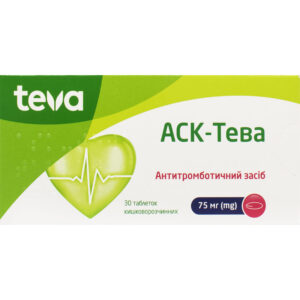
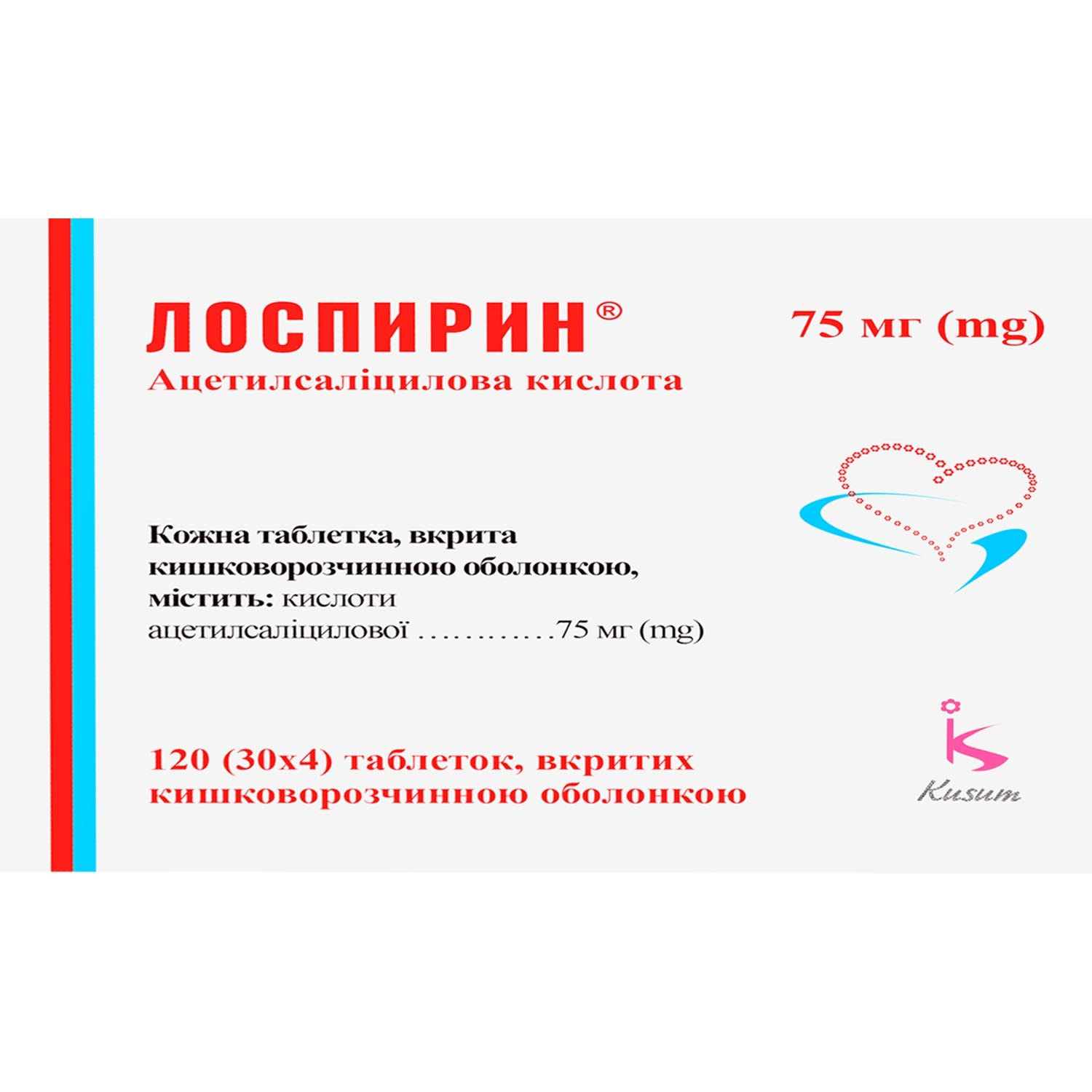
Lospirin is a low-dose acetylsalicylic acid used to reduce risk of myocardial infarction, stroke, TIA, thrombosis and embolism.

🇦🇺 Australia
🇨🇦 Canada
🇨🇿 Czechia
🇩🇰 Denmark
🇪🇪 Estonia
🇮🇪 Ireland
🇮🇱 Israel
🇮🇹 Italy
🇯🇵 Japan
🇱🇹 Lithuania🇲🇽 Mexico
🇳🇱 Netherlands🇵🇱 Poland
🇸🇰 Slovakia
🇰🇷 South Korea
🇨🇭 Switzerland
🇬🇧 United Kingdom
🇺🇸 United States of America
and more
🇦🇺 Australia
🇨🇦 Canada
🇨🇿 Czechia
🇩🇰 Denmark
🇪🇪 Estonia
🇮🇪 Ireland
🇮🇱 Israel
🇮🇹 Italy
🇯🇵 Japan
🇱🇹 Lithuania🇲🇽 Mexico
🇳🇱 Netherlands🇵🇱 Poland
🇸🇰 Slovakia
🇰🇷 South Korea
🇨🇭 Switzerland
🇬🇧 United Kingdom
🇺🇸 United States of America
and more
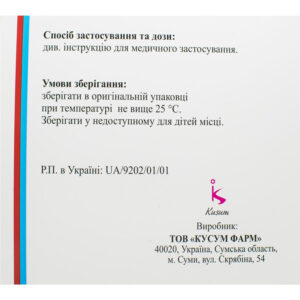
Please note: The product packaging may vary from the images shown. The contents, ingredients, and quality of the product remain unchanged.
$15.92
to: Australia, Canada, Czechia, Denmark, Estonia, Ireland, Israel, Italy, Japan, Lithuania, Mexico, Netherlands, Poland, Slovakia, South Korea, Switzerland, United Kingdom, United States and more
In stock
Lospirin is a low-dose acetylsalicylic acid used to reduce risk of myocardial infarction, stroke, TIA, thrombosis and embolism.
PayPal, Debit or Credit card, Google Pay, Apple Pay
Lospirin is used:
To reduce risk:
For prevention:
For secondary prevention of strokes.
Active ingredient: acetylsalicylic acid.
1 tablet contains 75 mg of acetylsalicylic acid.
Excipients: microcrystalline cellulose, pregelatinized starch, colloidal anhydrous silicon dioxide, stearic acid, Opadry Y-1-7000 white, Acryl-Eze 93O18359 white.
The drug should be taken orally, 30-60 minutes before meals, without chewing, with sufficient liquid.
Salicylates should be used with caution in the first and second trimesters of pregnancy. Salicylates are contraindicated in the third trimester of pregnancy.
Do not use on children.
No research was conducted.
Symptoms of severe poisoning may develop slowly, for example within 12–24 hours after administration. After oral administration of ASA doses up to 150 mg/kg body weight, moderate intoxication may develop, and at doses > 300 mg/kg body weight, severe intoxication may develop.
Chronic salicylate poisoning can be latent because its symptoms are nonspecific. Moderate chronic intoxication usually occurs only after repeated ingestion of large doses.
Immune system: hypersensitivity reactions, including asthmatic status, skin reactions, respiratory, gastrointestinal and cardiovascular disorders, rash, edema, pruritus, cardiorespiratory failure, anaphylactic shock; erythematous/eczematous skin reactions, severe skin reactions, including exudative erythema multiforme, Stevens-Johnson syndrome, toxic epidermal necrolysis; angioedema, allergic edema, rhinitis, nasal congestion, shock-like hypotension.
Metabolic disorders: hyperuricemia with corresponding laboratory indicators and clinical manifestations (gout attacks), hypoglycemia, acid-base imbalance.
From the nervous system: headache, dizziness, disorientation, confusion.
On the part of the organs of vision: visual impairment.
On the part of the auditory organs: hearing impairment, ringing in the ears (tinnitus).
The use of acetylsalicylic acid and methotrexate in doses of 15 mg/week or more increases the hematological toxicity of methotrexate (due to a decrease in the renal clearance of methotrexate by anti-inflammatory agents and displacement of methotrexate from plasma protein binding by salicylates).
Salicylates reduce the therapeutic efficacy of uricosuric agents for the excretion of uric acid. This may provoke the development of gout in patients with reduced uric acid excretion. The combined use of acetylsalicylic acid and uricosuric agents should be avoided.
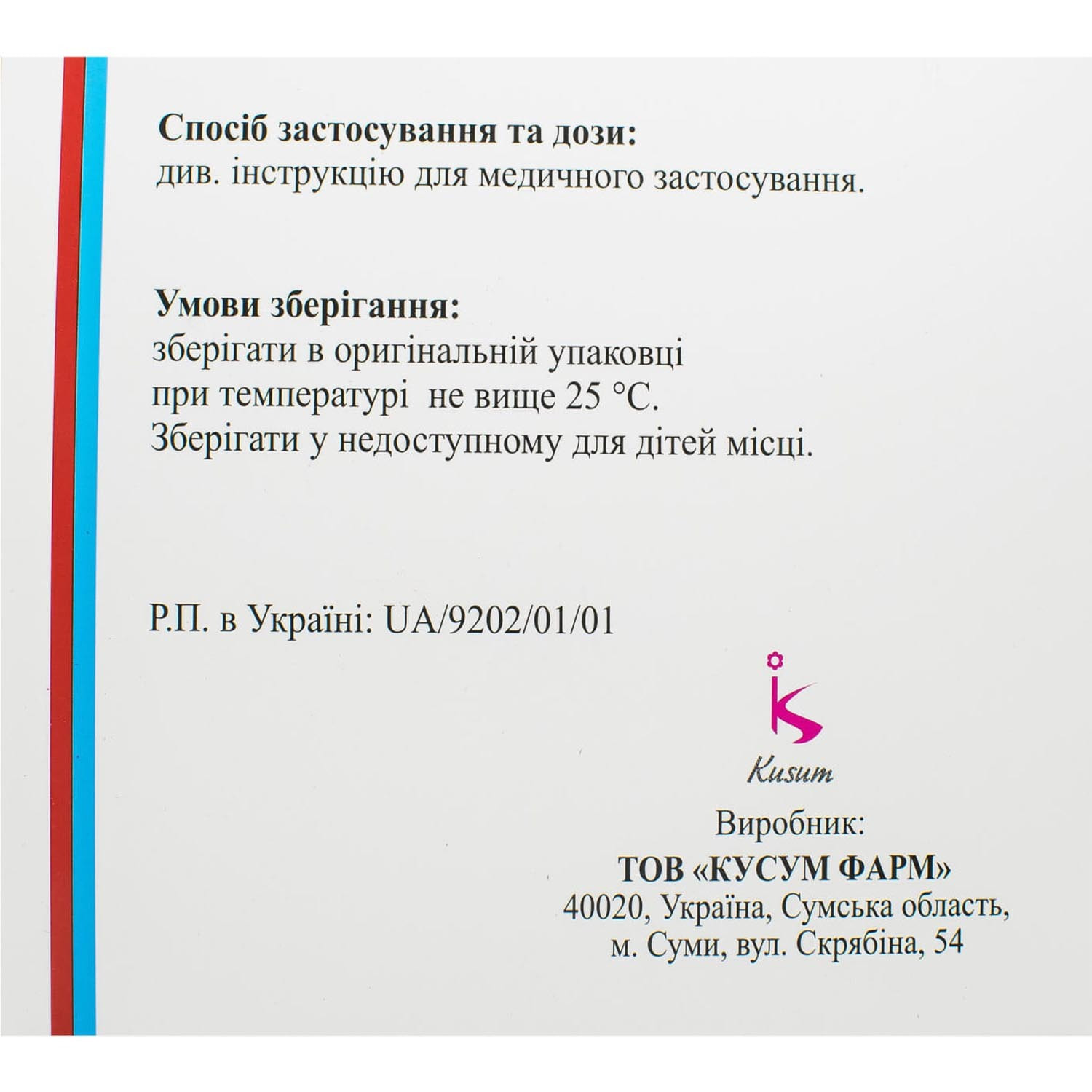
Store in original packaging at a temperature not exceeding 25°C. Keep out of the reach of children.

UApothecary combines medicine search, online ordering, and pharmaceutical consultations. We provide up-to-date information about medications, updating data several times a day. We collaborate with doctors, pharmacists, and medical organizations to offer professional support. We guarantee the quality of medicines and convenient worldwide delivery. Our mission is to make quality medicines accessible to everyone.
This site is protected by reCAPTCHA and the Google
Privacy Policy and
Terms of Service apply.