No products in the cart.
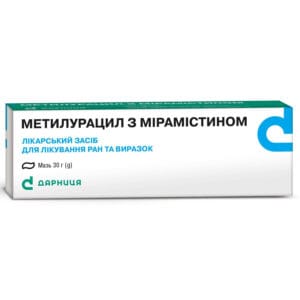
Methyluracil stimulates tissue regeneration, leukopoiesis, and immunity; used for ulcers, wounds, leukopenia, and inflammatory conditions.

🇦🇺 Australia
🇨🇦 Canada
🇨🇿 Czechia
🇩🇰 Denmark
🇪🇪 Estonia
🇮🇪 Ireland
🇮🇱 Israel
🇮🇹 Italy
🇯🇵 Japan
🇱🇹 Lithuania🇲🇽 Mexico
🇳🇱 Netherlands🇵🇱 Poland
🇸🇰 Slovakia
🇰🇷 South Korea
🇨🇭 Switzerland
🇬🇧 United Kingdom
🇺🇸 United States of America
and more
🇦🇺 Australia
🇨🇦 Canada
🇨🇿 Czechia
🇩🇰 Denmark
🇪🇪 Estonia
🇮🇪 Ireland
🇮🇱 Israel
🇮🇹 Italy
🇯🇵 Japan
🇱🇹 Lithuania🇲🇽 Mexico
🇳🇱 Netherlands🇵🇱 Poland
🇸🇰 Slovakia
🇰🇷 South Korea
🇨🇭 Switzerland
🇬🇧 United Kingdom
🇺🇸 United States of America
and more
$20.99 Original price was: $20.99.$19.09Current price is: $19.09.
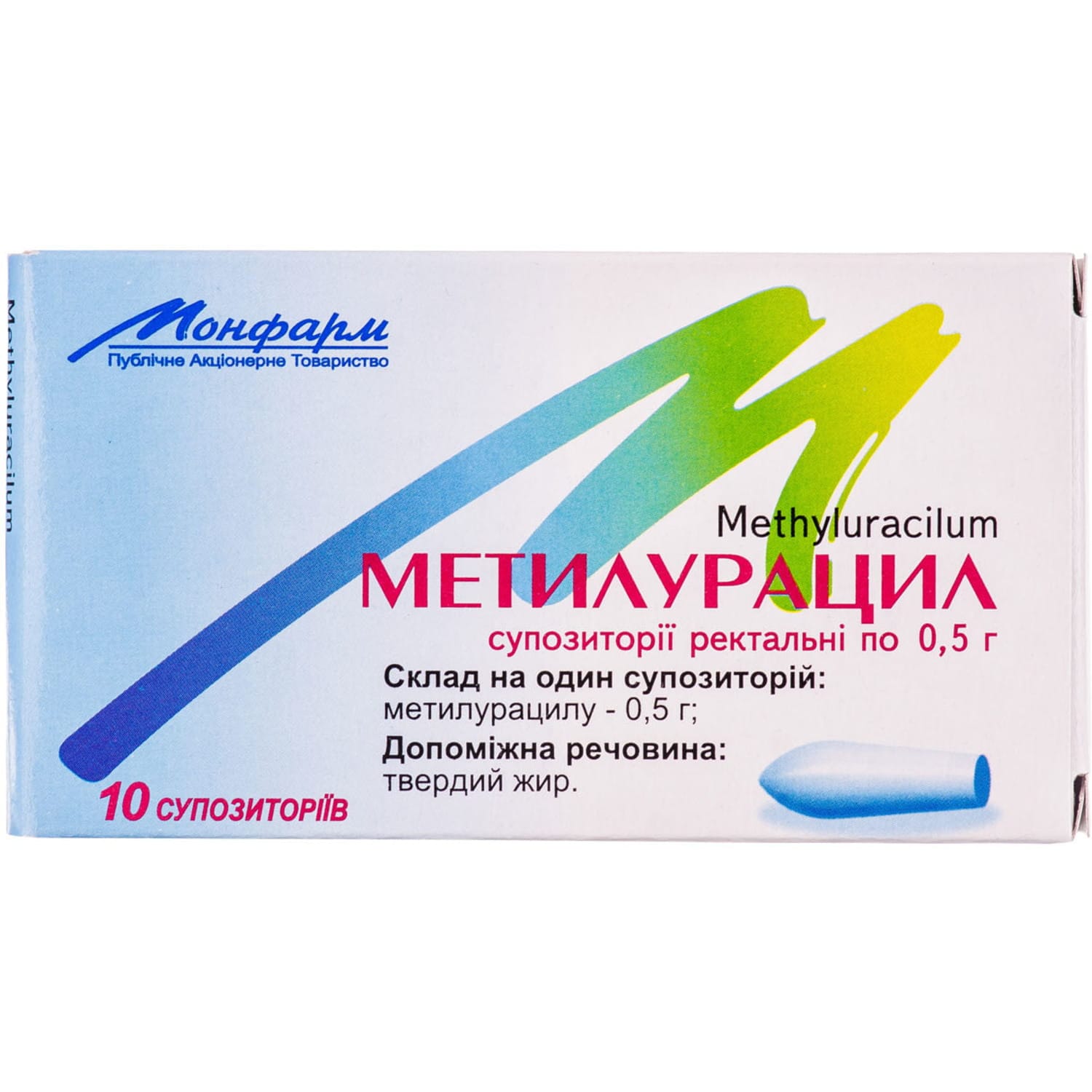
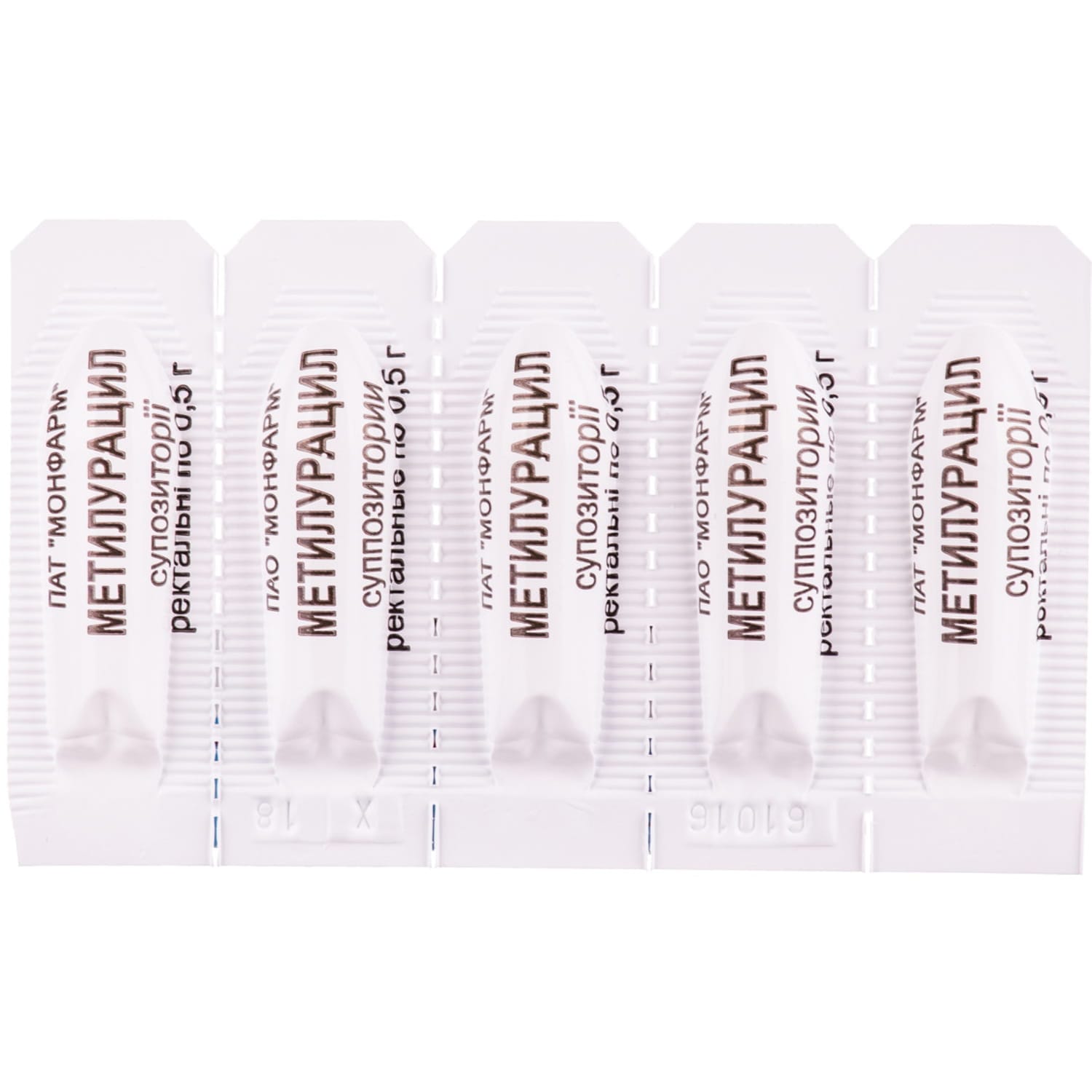
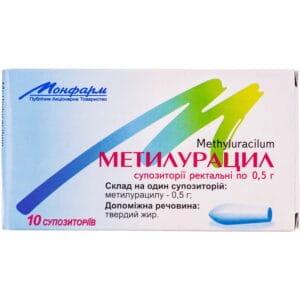
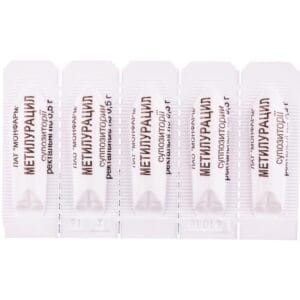
Please note: The product packaging may vary from the images shown. The contents, ingredients, and quality of the product remain unchanged.
$11.96
to: Australia, Canada, Czechia, Denmark, Estonia, Ireland, Israel, Italy, Japan, Lithuania, Mexico, Netherlands, Poland, Slovakia, South Korea, Switzerland, United Kingdom, United States and more
In stock
Methyluracil stimulates tissue regeneration, leukopoiesis, and immunity; used for ulcers, wounds, leukopenia, and inflammatory conditions.
PayPal, Debit or Credit card, Google Pay, Apple Pay
Methyluracil (2,4 – dioxo-6 – methyl-1,2,3,4 – tetrahydropyrimidine) has an anabolic effect. accelerates the processes of regeneration, wound healing, stimulates the cellular and humoral links of immunity, has an anti-inflammatory effect. a specific property of the drug is the stimulation of leukopoiesis.
Agranulocyte angina, alimentary toxic aleukia, chronic benzene intoxication, leukopenia due to tumor chemotherapy, X-ray and radiotherapy, slow-healing wounds, burns, trophic ulcers, bone fractures, gastric and duodenal ulcers, chronic gastritis, inflammatory bowel diseases, hepatitis, pancreatitis. Methyluracil has a photoprotective effect in photodermatoses.
Inside during or after meals.
Adults are prescribed a dose of 0.5 g 4 times a day (if necessary up to 6 times a day). Doses for children aged 3 to 8 years – 0.25 g, over 8 years – 0.25-0.5 g 3 times a day.
The course of treatment for diseases of the gastrointestinal tract is usually 30-40 days, in other cases it may be shorter. For local radiation lesions of the skin, intestinal tract, the drug is taken orally and topically. In micro-enemas, 20-25 ml of starch paste with 0.2-0.4 g of methyluracil is administered.
Acute and chronic leukemia, lymphogranulomatosis, malignant bone marrow diseases.
Skin allergic reactions (urticaria), headache, dizziness.
Methyluracil is advisable to prescribe for mild forms of leukopenia; methyluracil is not prescribed for severe forms of leukopoiesis disorders.
In a dry, cool place.

UApothecary combines medicine search, online ordering, and pharmaceutical consultations. We provide up-to-date information about medications, updating data several times a day. We collaborate with doctors, pharmacists, and medical organizations to offer professional support. We guarantee the quality of medicines and convenient worldwide delivery. Our mission is to make quality medicines accessible to everyone.
This site is protected by reCAPTCHA and the Google
Privacy Policy and
Terms of Service apply.
Reviews
There are no reviews yet.