No products in the cart.
Metronidazole 250 mg tablets treat protozoal and anaerobic infections including amebiasis, trichomoniasis, giardiasis and vaginitis.

🇦🇺 Australia
🇨🇦 Canada
🇨🇿 Czechia
🇩🇰 Denmark
🇪🇪 Estonia
🇮🇪 Ireland
🇮🇱 Israel
🇮🇹 Italy
🇯🇵 Japan
🇱🇹 Lithuania🇲🇽 Mexico
🇳🇱 Netherlands🇵🇱 Poland
🇸🇰 Slovakia
🇰🇷 South Korea
🇨🇭 Switzerland
🇬🇧 United Kingdom
🇺🇸 United States of America
and more
🇦🇺 Australia
🇨🇦 Canada
🇨🇿 Czechia
🇩🇰 Denmark
🇪🇪 Estonia
🇮🇪 Ireland
🇮🇱 Israel
🇮🇹 Italy
🇯🇵 Japan
🇱🇹 Lithuania🇲🇽 Mexico
🇳🇱 Netherlands🇵🇱 Poland
🇸🇰 Slovakia
🇰🇷 South Korea
🇨🇭 Switzerland
🇬🇧 United Kingdom
🇺🇸 United States of America
and more
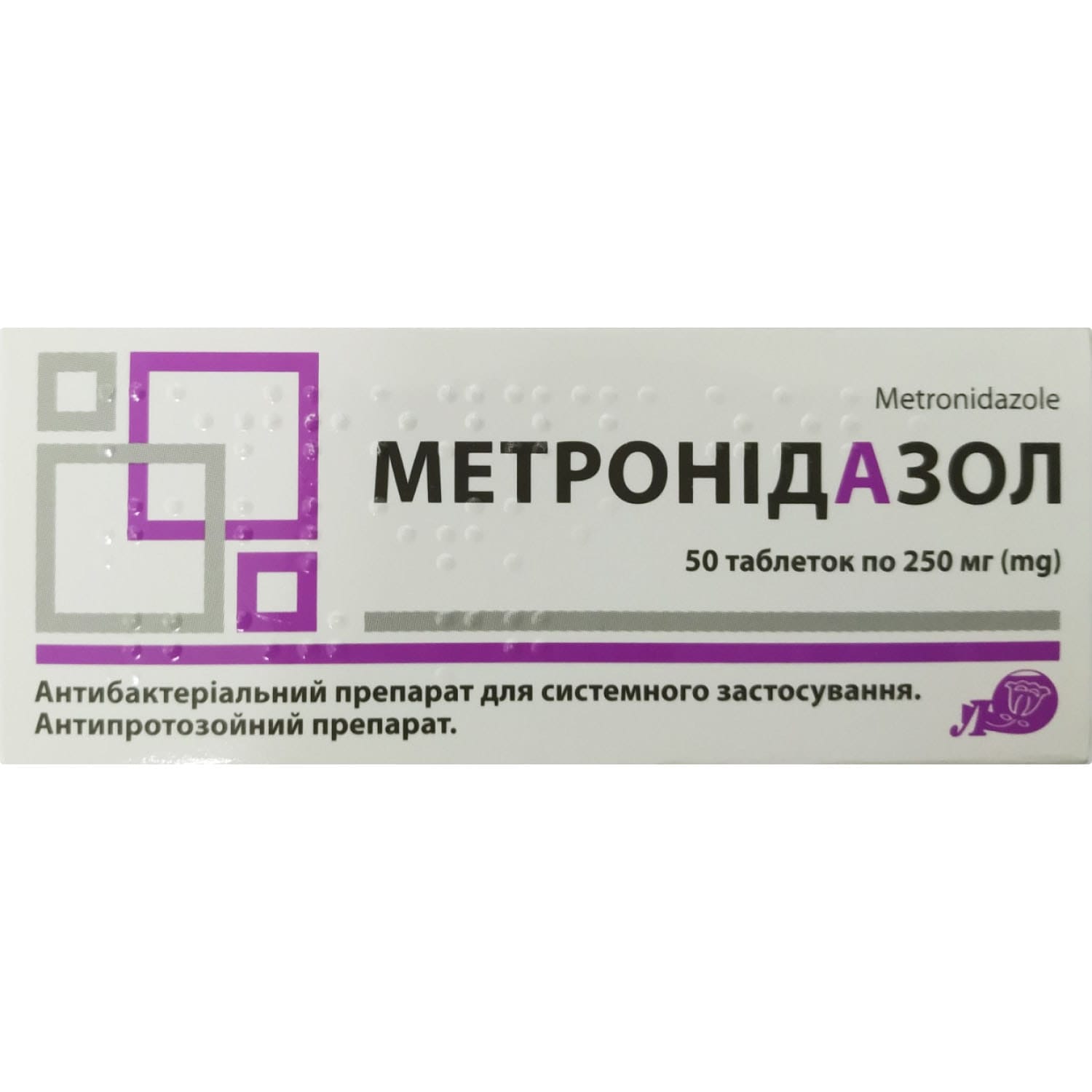
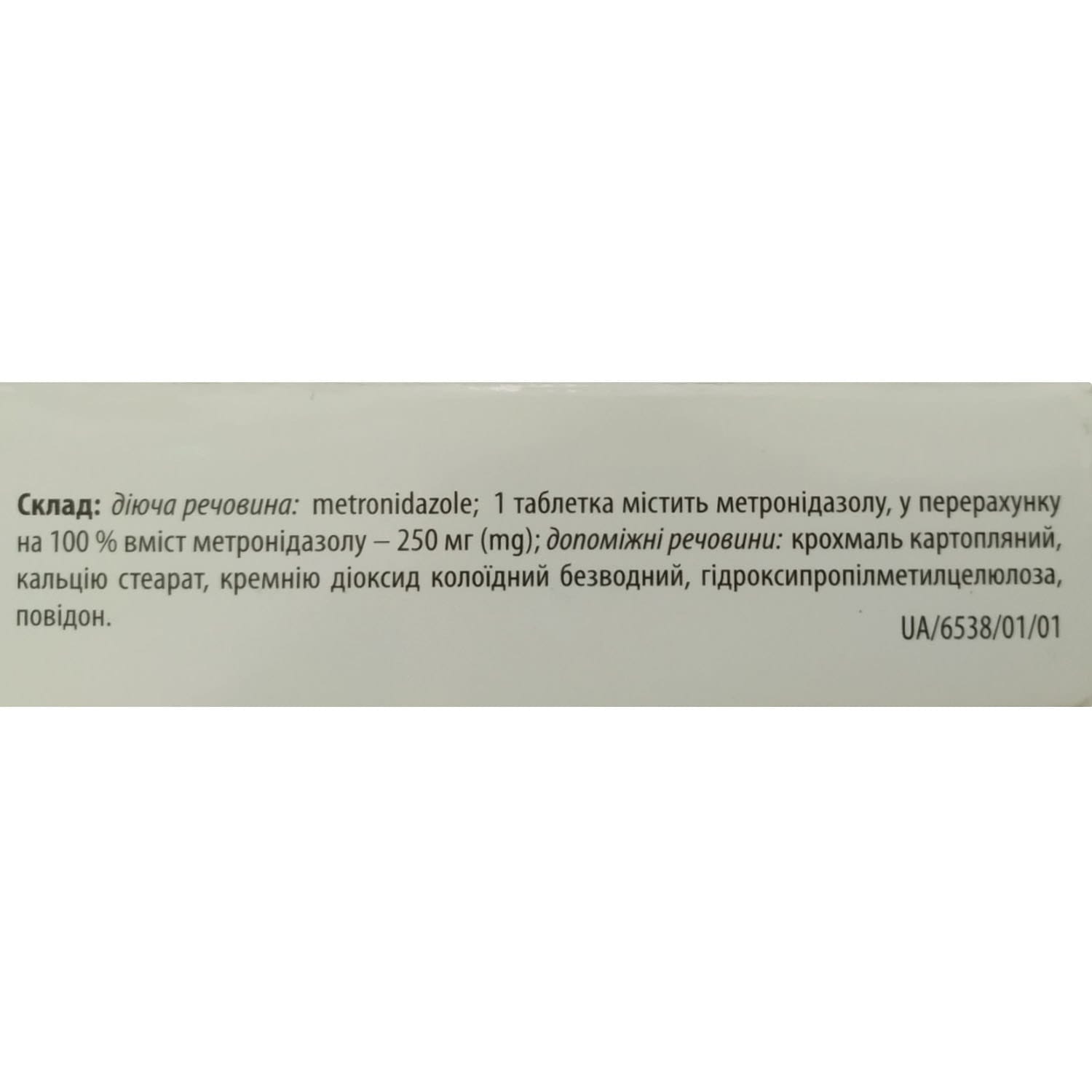

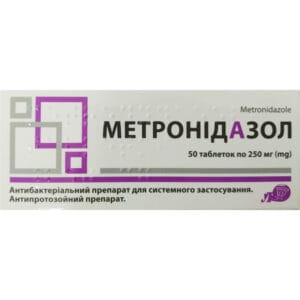
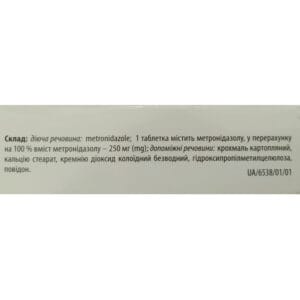

Please note: The product packaging may vary from the images shown. The contents, ingredients, and quality of the product remain unchanged.
$19.50
to: Australia, Canada, Czechia, Denmark, Estonia, Ireland, Israel, Italy, Japan, Lithuania, Mexico, Netherlands, Poland, Slovakia, South Korea, Switzerland, United Kingdom, United States and more
In stock
Metronidazole 250 mg tablets treat protozoal and anaerobic infections including amebiasis, trichomoniasis, giardiasis and vaginitis.
PayPal, Debit or Credit card, Google Pay, Apple Pay
Metronidazole is an antibacterial agent for systemic use.
Infections caused by microorganisms sensitive to the drug: amebiasis; urogenital trichomoniasis; nonspecific vaginitis; giardiasis; surgical infections caused by anaerobic microorganisms sensitive to metronidazole. As a replacement for intravenous treatment of infections caused by anaerobic microorganisms sensitive to metronidazole.
Hypersensitivity to metronidazole or to drugs of the imidazole group, as well as to other components of the drug. Children’s age up to 6 years (which is due to the dosage form).
From the digestive tract:
On the part of the skin and its appendages:
From the nervous system:
For amebiasis, take Metronidazole continuously for 7 days. Adults: 1.5 g per day, i.e. 500 mg (2 tablets) 3 times a day.
Children over 6 years of age: 30-40 mg/kg of body weight per day in 3 divided doses.
In the event of a liver abscess due to amebiasis, drainage or aspiration of pus should be performed simultaneously with metronidazole therapy.
Giardiasis should be treated for 5 days. Adults should be prescribed 750 mg-1 g of Metronidazole per day. Children aged 6-10 years – 375 mg/day, 10-15 years – 500 mg per day. To achieve the prescribed dosage, use metronidazole in the appropriate dosage or other dosage forms.
For trichomoniasis in women (urethritis and vaginitis caused by Trichomonas), Metronidazole is prescribed for a course of treatment for 10 days, combining 250 mg (1 tablet) 2 times a day and 1 vaginal suppository (500 mg) per day. The sexual partner should be treated at the same time, regardless of the presence or absence of clinical signs of Trichomonas infection, even if the result of laboratory tests is negative.
For trichomoniasis in men (urethritis caused by Trichomonas), Metronidazole is prescribed for a course of treatment for 10 days: 250 mg (1 tablet) 2 times a day.
In exceptional cases, it may be necessary to increase the daily dose to 750 mg or 1 g.
For nonspecific vaginitis, prescribe 500 mg (2 tablets) of the drug 2 times a day for 7 days. The sexual partner should be treated at the same time.
For the treatment of anaerobic infections (first-line therapy or replacement therapy), adults should be prescribed 1-1.5 g (4-6 tablets) of Metronidazole per day, and children over 6 years of age should be prescribed 20-30 mg/kg of body weight per day in 2 divided doses.
Metronidazole should be prescribed during pregnancy only if clearly needed, when the benefits of using the drug outweigh the potential risks.
Metronidazole passes into breast milk. Metronidazole should not be used during breastfeeding.
The drug in the form of 250 mg tablets can be used in children aged 6 years and older.
Patients should be aware of the possible occurrence of confusion, dizziness, hallucinations, seizures, or visual disturbances while taking the drug and should refrain from driving vehicles and operating other mechanisms during treatment.
Single doses of up to 12 g have been observed in suicide attempts and accidental overdose.
Symptoms included vomiting, ataxia, and mild disorientation.
Treatment: There is no specific antidote. In case of significant overdose, symptomatic therapy should be used.
Antabuse reaction
There are many medications that trigger an Antabuse reaction to alcohol, and their simultaneous use with alcohol is not recommended.
Store in the original packaging at a temperature not exceeding 25°C.
Keep out of reach of children.

UApothecary combines medicine search, online ordering, and pharmaceutical consultations. We provide up-to-date information about medications, updating data several times a day. We collaborate with doctors, pharmacists, and medical organizations to offer professional support. We guarantee the quality of medicines and convenient worldwide delivery. Our mission is to make quality medicines accessible to everyone.
This site is protected by reCAPTCHA and the Google
Privacy Policy and
Terms of Service apply.

Reviews
There are no reviews yet.