No products in the cart.

We deliver to:
🇦🇺 Australia
🇨🇦 Canada
🇨🇿 Czechia
🇩🇰 Denmark
🇪🇪 Estonia
🇮🇪 Ireland
🇮🇱 Israel
🇮🇹 Italy
🇯🇵 Japan
🇲🇽 Mexico
🇵🇱 Poland
🇸🇰 Slovakia🇰🇷 South Korea
🇨🇭 Switzerland
🇬🇧 United Kingdom
🇺🇸 United States of America
and more
We deliver to:
🇦🇺 Australia
🇨🇦 Canada
🇨🇿 Czechia
🇩🇰 Denmark
🇪🇪 Estonia
🇮🇪 Ireland
🇮🇱 Israel
🇮🇹 Italy
🇯🇵 Japan
🇲🇽 Mexico
🇵🇱 Poland
🇸🇰 Slovakia🇰🇷 South Korea
🇨🇭 Switzerland
🇬🇧 United Kingdom
🇺🇸 United States of America
and more
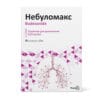
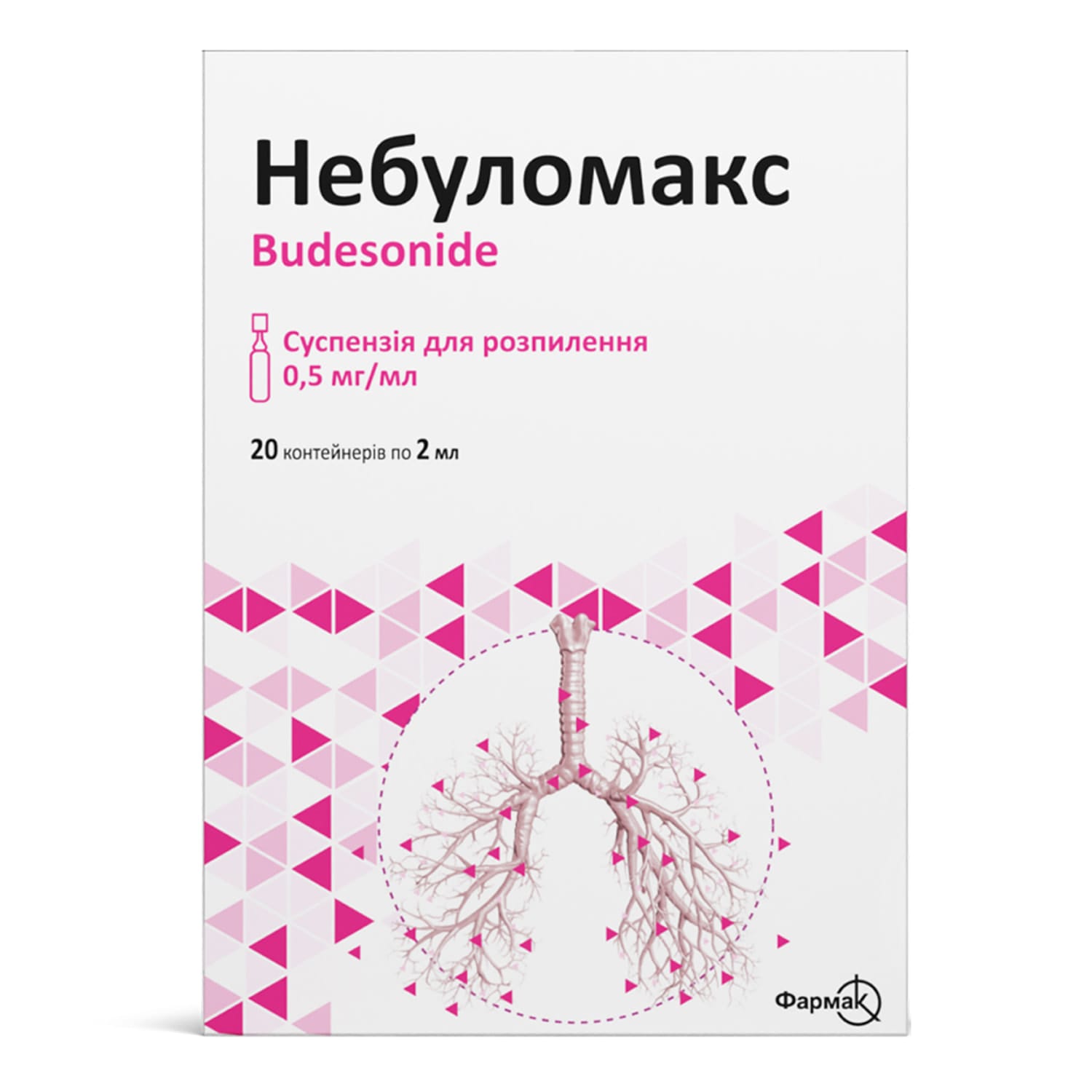
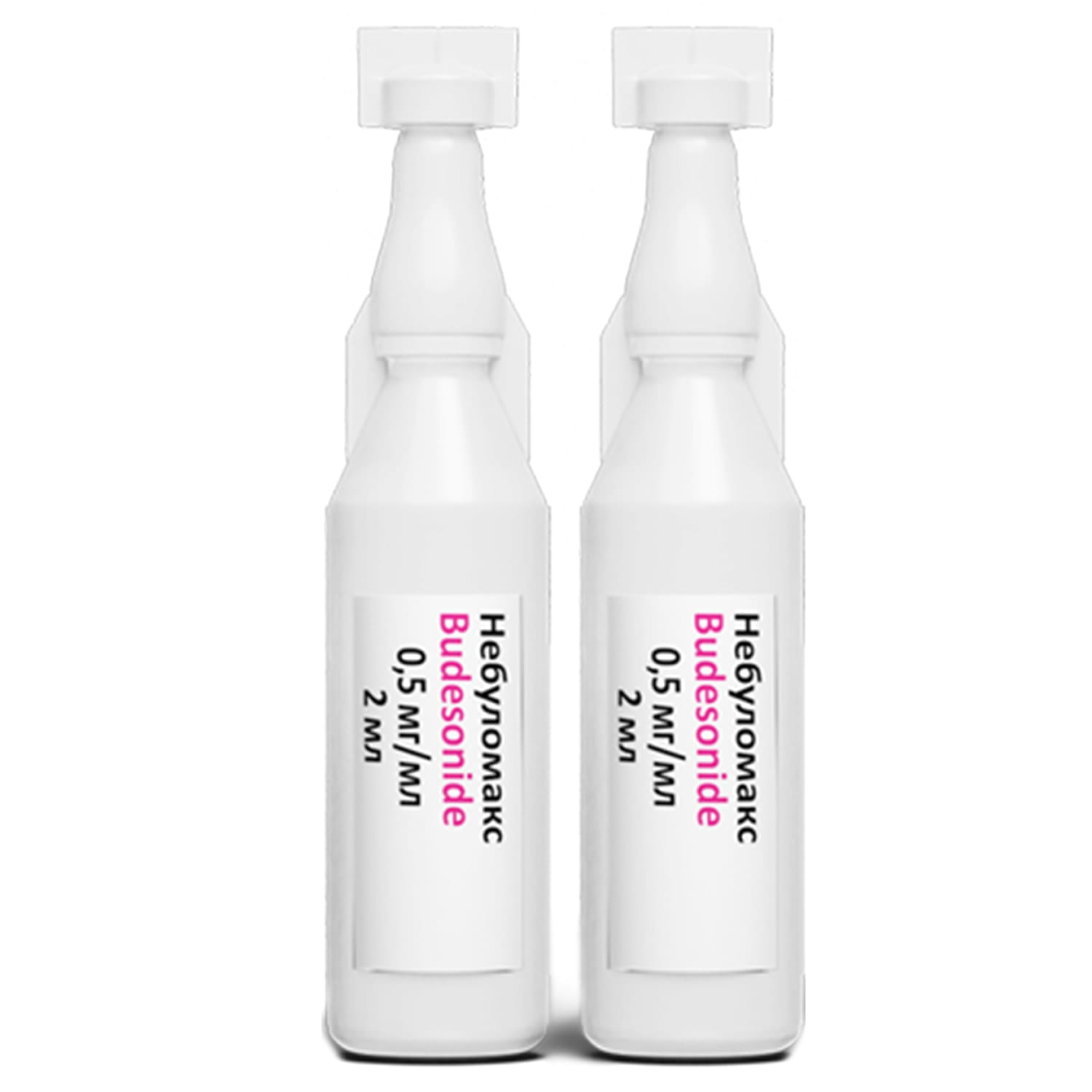
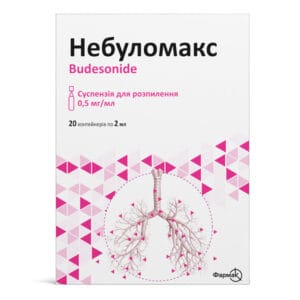
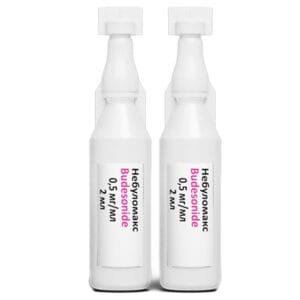
Please note: The product packaging may vary from the images shown. The contents, ingredients, and quality of the product remain unchanged.
Nebulomax suspension for nebulization 0.5 mg/ml in 2 ml containers 20 pcs.
$32.57
Free Worldwide Shipping
to: Australia, Canada, Czechia, Denmark, Estonia, Ireland, Israel, Italy, Japan, Mexico, Poland, Slovakia, South Korea, Switzerland, United Kingdom, United States and more
In stock
Nebulomax delivers effective budesonide inhalation therapy for asthma and croup, easing airway inflammation with precise dosing for children and adults.
Categories: Cold and flu
Brand: Farmak
Payment
PayPal, Debit or Credit card, Google Pay, Apple Pay
Nebulomax is an inhalation agent used to treat obstructive airway diseases. Glucocorticoids.
Nebulomax contains a potent non-halogenated corticosteroid, budesonide, intended for the treatment of bronchial asthma in patients for whom the use of inhalers with compressed air atomization of medicinal substances or in the form of a dry powder dosage form is ineffective or inappropriate.
Nebulomax is also recommended for use in infants and children with croup (a complication of acute viral upper respiratory tract infection, also known as laryngotracheobronchitis or subligamentous laryngitis), which is an indication for hospitalization.
Composition
- active ingredient: budesonide;
- 1 ml of suspension for nebulization contains 0.5 mg of budesonide;
- Excipients: sodium chloride, sodium citrate, disodium edetate, polysorbate 80, anhydrous citric acid, water for injections.
Contraindication
Hypersensitivity to the active substance or to any of the excipients of the drug Nebulomax.
Adverse reactions
Occasionally, signs or symptoms of systemic glucocorticosteroid side effects may occur with inhaled glucocorticosteroids, which is likely to depend on the dose, time of exposure, concomitant and previous exposure to corticosteroids, and individual sensitivity.
Oropharyngeal candidiasis is a potential risk due to drug deposition. The patient should be instructed to rinse the mouth with water after each maintenance dose inhalation to minimize this risk.
As with any inhalation therapy, paradoxical bronchospasm may very rarely develop.
Occasionally, when using a nebulizer with a breathing mask, a hypersensitivity reaction in the form of facial skin irritation has been reported. To prevent irritation, wash your face after using the mask.
Method of application
The dosage of Nebulomax should be adjusted depending on the individual needs of the patient.
The dose administered to the patient depends on the nebulization equipment used. The nebulization time and the dose delivered depend on the flow rate, the volume of the nebulizer chamber and the fill volume. The air flow rate through the nebulizer device used should be 6–8 liters per minute. The appropriate fill volume for most nebulizers is 2–4 ml. The dose should be reduced to the minimum necessary to maintain adequate control of bronchial asthma. The highest dose (2 mg per day) in children under 12 years of age should be prescribed only in case of severe asthma and for a limited period of time.
Method of application
Nebulomax should only be used with nebulizers suitable for this purpose.
The container must be detached from the strip, gently shaken and opened by breaking off the tip tab. Carefully squeeze the contents of the container into the nebulizer chamber. Discard the empty container and cover the nebulizer chamber with the cap.
Nebulomax should be administered using a jet nebulizer with a nozzle or a suitable breathing mask. The nebulizer should be connected to an air compressor that provides sufficient air flow (6–8 l/min) and the fill volume should be 2–4 ml.
Application features
Use during pregnancy or breastfeeding
During pregnancy, inhaled budesonide should be used at the lowest effective dose, taking into account the risk of exacerbation of bronchial asthma.
Budesonide passes into breast milk. However, when using therapeutic doses of Nebulomax, no effects on the breast-fed child are expected. Nebulomax can be used during breastfeeding.
Children
Nebulomax should be used in children according to indications.
Ability to influence reaction speed when driving vehicles or other mechanisms
Nebulomax does not affect the ability to drive vehicles and operate other mechanisms.
Overdose
Overdose of Nebulomax, even when used in excessive doses, will not pose a clinically significant problem. If Nebulomax is used for a long period in high doses, systemic glucocorticosteroid effects such as hypercortisolism and adrenal suppression may occur.
Interaction with other medicinal products and other types of interactions
Budesonide is mainly metabolised by CYP3A4. Concomitant use with CYP3A inhibitors, such as itraconazole, ketoconazole, and HIV protease inhibitors, is expected to increase the risk of systemic side effects of budesonide several-fold. Since no data are available on the dosage, it is recommended that these medicinal products be avoided. If this is not possible, the interval between administration of these medicinal products should be as long as possible and a reduction in the dose of budesonide should be considered.
Limited data on a similar interaction with high doses of inhaled budesonide demonstrate that with concomitant use of itraconazole at a dose of 200 mg once daily, administration of inhaled budesonide (single dose of 1000 mcg) leads to a significant increase in the concentration of the substance in the blood plasma (on average 4-fold).
Storage conditions
The medicine does not require any special storage conditions.
Do not freeze. Keep containers in the bag to protect from light.
Keep out of reach of children.
Be the first to review “Nebulomax suspension for nebulization 0.5 mg/ml in 2 ml containers 20 pcs.” Cancel reply
You may also like

Reviews
There are no reviews yet.