No products in the cart.
Nizoral cream and shampoo with ketoconazole for fungal skin infections, dandruff and seborrheic dermatitis. Treatment, dosage and safety info.

🇦🇺 Australia
🇨🇦 Canada
🇨🇿 Czechia
🇩🇰 Denmark🇪🇪 Estonia
🇮🇪 Ireland
🇮🇱 Israel
🇮🇹 Italy
🇯🇵 Japan
🇲🇽 Mexico
🇵🇱 Poland
🇰🇷 South Korea
🇨🇭 Switzerland
🇬🇧 United Kingdom
🇺🇸 United States of Americaand more
🇦🇺 Australia
🇨🇦 Canada
🇨🇿 Czechia
🇩🇰 Denmark🇪🇪 Estonia
🇮🇪 Ireland
🇮🇱 Israel
🇮🇹 Italy
🇯🇵 Japan
🇲🇽 Mexico
🇵🇱 Poland
🇰🇷 South Korea
🇨🇭 Switzerland
🇬🇧 United Kingdom
🇺🇸 United States of Americaand more
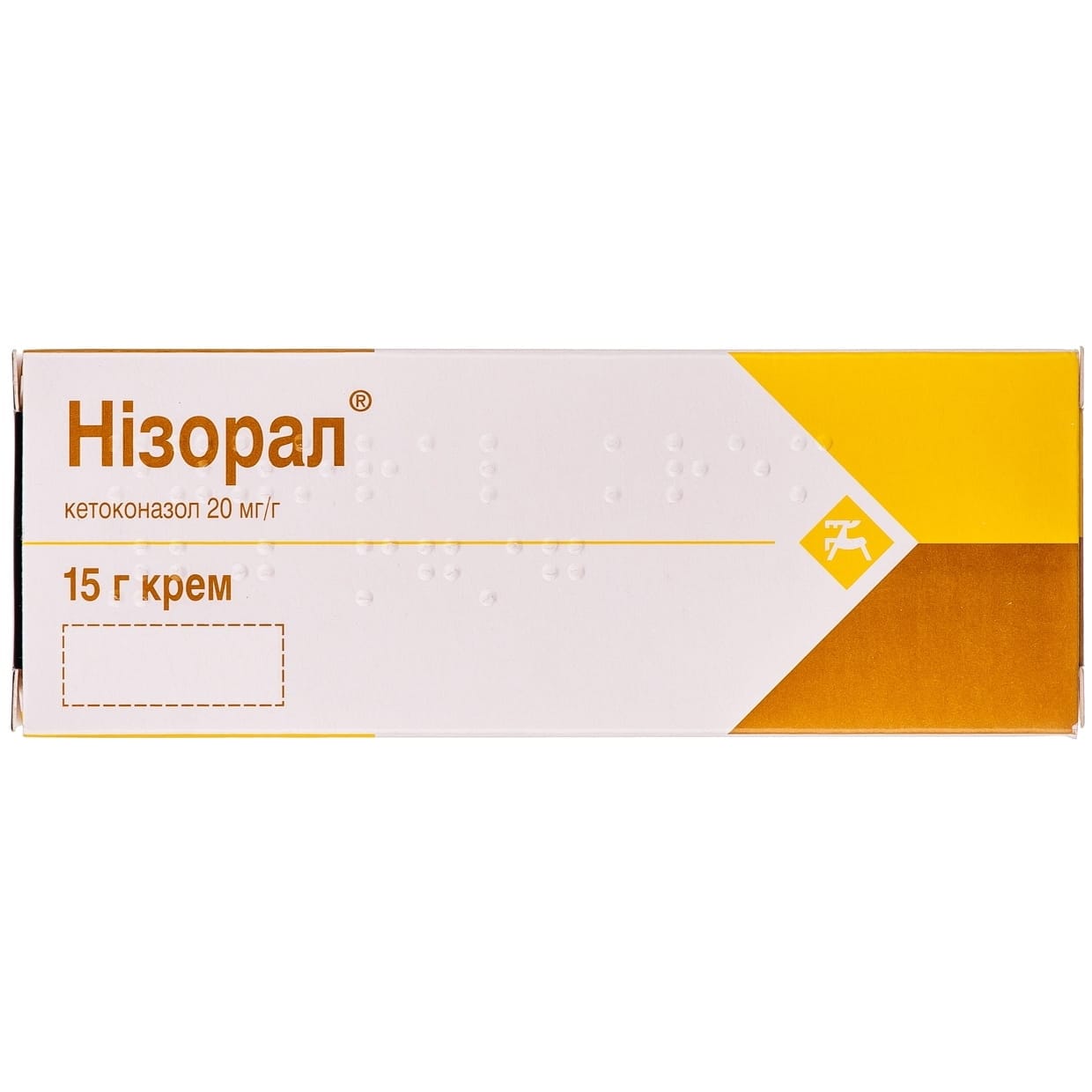
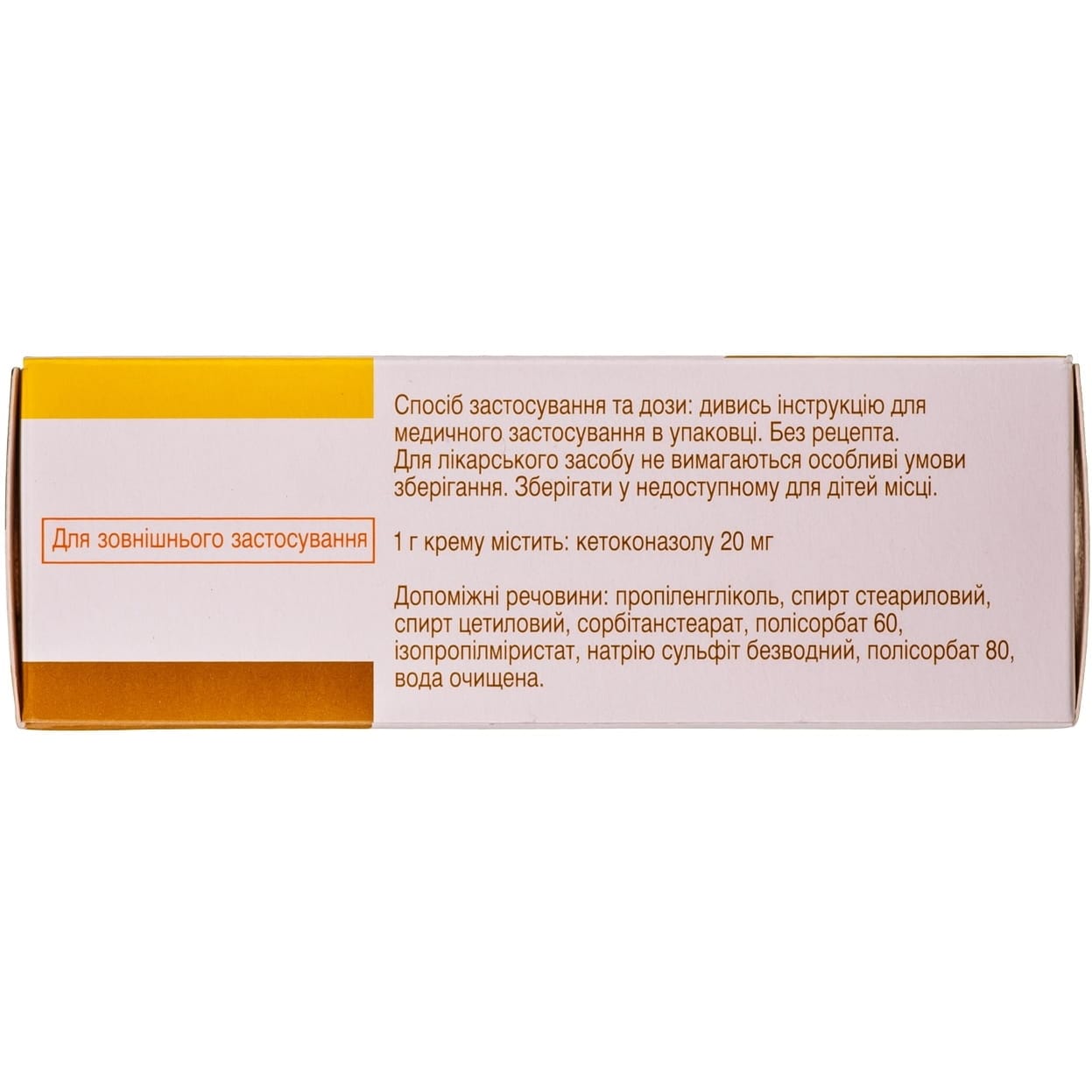
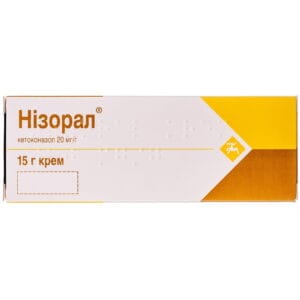
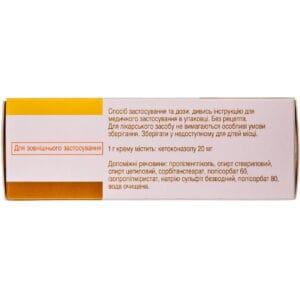
Please note: The product packaging may vary from the images shown. The contents, ingredients, and quality of the product remain unchanged.
$28.05
to: Australia, Canada, Czechia, Denmark, Estonia, Ireland, Israel, Italy, Japan, Mexico, Poland, South Korea, Switzerland, United Kingdom, United States and more
In stock
Nizoral cream and shampoo with ketoconazole for fungal skin infections, dandruff and seborrheic dermatitis. Treatment, dosage and safety info.
PayPal, Debit or Credit card, Google Pay, Apple Pay
Pharmacodynamics. Ketoconazole is a synthetic derivative of imidazoledioxolane, which has a pronounced fungicidal and fungistatic effect against dermatophytes, such as Trichophyton spp., Epidermophyton spp., Microsporum spp., and yeast fungi, such as Candida spp. and Malassezia furfur (Pityrosporum ovale). Ketoconazole cream very quickly eliminates itching, usually accompanying infections caused by dermatophytes and yeast fungi.
Ketoconazole shampoo quickly reduces the flaking and itching often associated with dandruff, seborrheic eczema, and tinea versicolor.
Pharmacokinetics: Ketoconazole plasma levels were not determined following topical application of Nizoral creams and shampoos. Plasma levels after topical application of Nizoral shampoo were determined only after application to the entire body surface.
Nizoral cream: treatment of fungal skin infections such as athlete’s foot, inguinal athlete’s foot, treatment of candidiasis of skin folds (intertrigo).
Nizoral Shampoo: treatment and prevention of skin and hair lesions caused by yeast microorganisms Malassezia (formerly known as Pityrosporum), such as dandruff, lichen planus (local), seborrheic dermatitis.
Cream: for the treatment of athlete’s foot, Nizoral cream is applied to the affected skin and adjacent areas 2 times a day. Usually, treatment of skin lesions should last for 1 week. In case of more severe skin lesions, treatment should be continued for another 2-3 days after the disappearance of all symptoms to avoid relapse of the disease.
For the treatment of inguinal epidermophytosis and candidiasis of skin folds, it is recommended to apply the cream to the affected skin and adjacent areas 2 times a day. Treatment should be continued for a sufficient period of time, at least for 2-3 days after the disappearance of all symptoms in order to avoid relapse of the disease. Treatment may last up to 6 weeks if necessary. If the symptoms of the disease do not disappear after 4 weeks of treatment, you should consult a doctor.
Shampoo: apply Nizoral shampoo to the affected areas for 3-5 minutes, then rinse with water.
Treatment: dandruff and seborrheic dermatitis (seborrheic eczema) – 2 times a week for 2-4 weeks; tinea versicolor – daily for 5 days.
Prevention: dandruff and seborrheic dermatitis (seborrheic eczema) – every week or once every 2 weeks; tinea versicolor – daily for 3 days (one-time course of treatment) before the start of the summer season.
Hypersensitivity to ketoconazole or any of the components of the drug.
Cream. The safety of Nizoral cream was determined in 30 clinical studies involving 1,079 patients in whom the drug was applied topically to the skin.
Adverse reactions occurring in ≥1% of patients:
general disorders and reactions in the area of application – erythema, itching;
Skin and subcutaneous tissue disorders – burning sensation.
Adverse reactions occurring in 1% of patients:
general disorders and reactions in the area of application – bleeding, discomfort, dryness, inflammation, irritation, paresthesia;
disorders of the immune system – hypersensitivity reactions;
Skin and subcutaneous tissue disorders – bullous eruptions, contact dermatitis, peeling or stickiness of the skin.
Post-marketing surveillance. Adverse reactions to Nizoral cream, which were first reported in the post-marketing period, are listed below. The frequency of adverse reactions is distributed as follows: very common ≥1/10; common ≥1/100 and 1/10; uncommon ≥1/1000 and 1/100; rare ≥1/10,000 and 1/1000; very rare 1/10,000, including isolated reports.
Skin and subcutaneous tissue disorders: very rarely – urticaria.
shampoo
Clinical trial data. The safety of Nizoral shampoo was determined in 22 clinical trials involving 2,890 patients in whom the drug was applied topically to the skin.
There were no adverse reactions occurring in ≥1% of patients.
Adverse reactions occurring in 1% of patients:
disorders of the organ of vision: eye irritation, increased tearing;
general disorders and reactions at the site of application: erythema, discomfort, hypersensitivity, irritation, itching, pustular rash at the site of application;
infections and invasions: folliculitis;
Nervous system: dysgeusia;
Skin and subcutaneous tissue disorders: acne, alopecia, contact dermatitis, dry skin, change in hair structure, rash, burning sensation of the skin, skin changes, increased skin peeling.
Post-marketing surveillance. Adverse reactions to Nizoral shampoo, which were first reported in the post-marketing period, are listed below. The frequency of adverse reactions is distributed as follows: very often ≥1/10; often ≥1/100 and 1/10; infrequently ≥1/1000 and 1/100; rarely ≥1/10,000 and 1/1000; very rarely 1/10,000, including isolated reports.
Skin and subcutaneous tissue disorders: very rarely – urticaria, hair color change (mainly in patients with chemically damaged or gray hair).
Nizoral cream is not used in ophthalmological practice. If Nizoral cream is applied to the affected areas immediately after prolonged treatment with ointments containing corticosteroids, irritation may occur. In such cases, it is recommended to continue applying local corticosteroids to the affected area in the morning, and Nizoral cream in the evening, and then gradually discontinue corticosteroid therapy over 2-3 weeks.
Propylene glycol may cause skin itching. Cetyl alcohol and stearyl alcohol may cause local skin reactions (e.g. contact dermatitis).
When using the shampoo, avoid getting the product in your eyes. If it gets into your eyes, rinse them with water.
To prevent withdrawal syndrome during long-term topical treatment with corticosteroids, it is recommended to continue topical application of corticosteroids in combination with Nizoral shampoo, followed by gradual withdrawal of corticosteroids over 2-3 weeks.
Pregnancy and lactation. Adequate and well-controlled studies in pregnant and lactating women have not been conducted. The risks associated with the use of the drug during pregnancy and lactation are unknown. After topical application of Nizoral shampoo to the skin in non-pregnant women, the concentration of ketoconazole in the blood plasma was not determined. Plasma levels after topical application of Nizoral shampoo were determined after its application to the entire body surface. Due to the absence of known risk factors, the use of the drug during pregnancy and lactation is not contraindicated.
Children. There is no experience with the use of Nizoral creams and shampoos in children.
Ability to influence the speed of reaction when driving vehicles or working with other mechanisms. Neither Nizoral cream nor Nizoral shampoo affect the ability to drive vehicles and work with other mechanisms.
Not noticeable.
Cream: topical application. When topically applying the cream in excessive amounts, erythema, edema, and a burning sensation of the skin may occur, which quickly disappear after discontinuation of therapy.
Accidental ingestion: In case of accidental ingestion, supportive and symptomatic treatment should be provided.
Shampoo. Since the drug is intended for external use only, overdose is not expected.
In case of overdose, the necessary treatment is to carry out supportive and symptomatic measures. To prevent aspiration, it is forbidden to induce vomiting or use gastric lavage.
Cream: at a temperature of 15 to 30 °C; shampoo: at a temperature not exceeding 25 °C.

UApothecary combines medicine search, online ordering, and pharmaceutical consultations. We provide up-to-date information about medications, updating data several times a day. We collaborate with doctors, pharmacists, and medical organizations to offer professional support. We guarantee the quality of medicines and convenient worldwide delivery. Our mission is to make quality medicines accessible to everyone.
This site is protected by reCAPTCHA and the Google
Privacy Policy and
Terms of Service apply.
Reviews
There are no reviews yet.