No products in the cart.
Nystatin ointment 100,000 IU/g treats Candida skin infections, providing antifungal action and reducing exudation in affected areas.

🇦🇺 Australia
🇨🇦 Canada
🇨🇿 Czechia
🇩🇰 Denmark🇪🇪 Estonia
🇮🇪 Ireland
🇮🇱 Israel
🇮🇹 Italy
🇯🇵 Japan
🇲🇽 Mexico
🇵🇱 Poland
🇰🇷 South Korea
🇨🇭 Switzerland
🇬🇧 United Kingdom
🇺🇸 United States of Americaand more
🇦🇺 Australia
🇨🇦 Canada
🇨🇿 Czechia
🇩🇰 Denmark🇪🇪 Estonia
🇮🇪 Ireland
🇮🇱 Israel
🇮🇹 Italy
🇯🇵 Japan
🇲🇽 Mexico
🇵🇱 Poland
🇰🇷 South Korea
🇨🇭 Switzerland
🇬🇧 United Kingdom
🇺🇸 United States of Americaand more
$19.79 Original price was: $19.79.$17.99Current price is: $17.99.
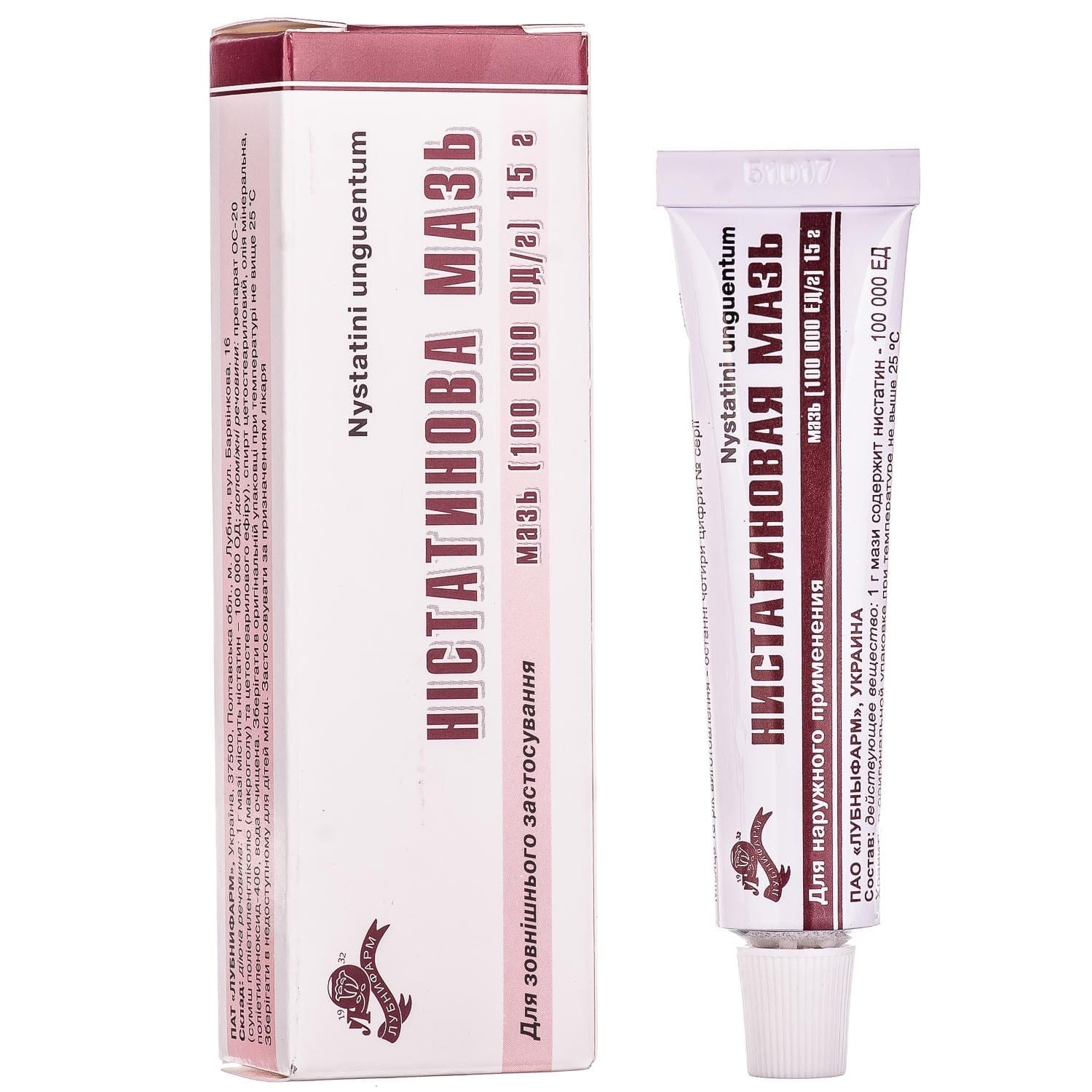
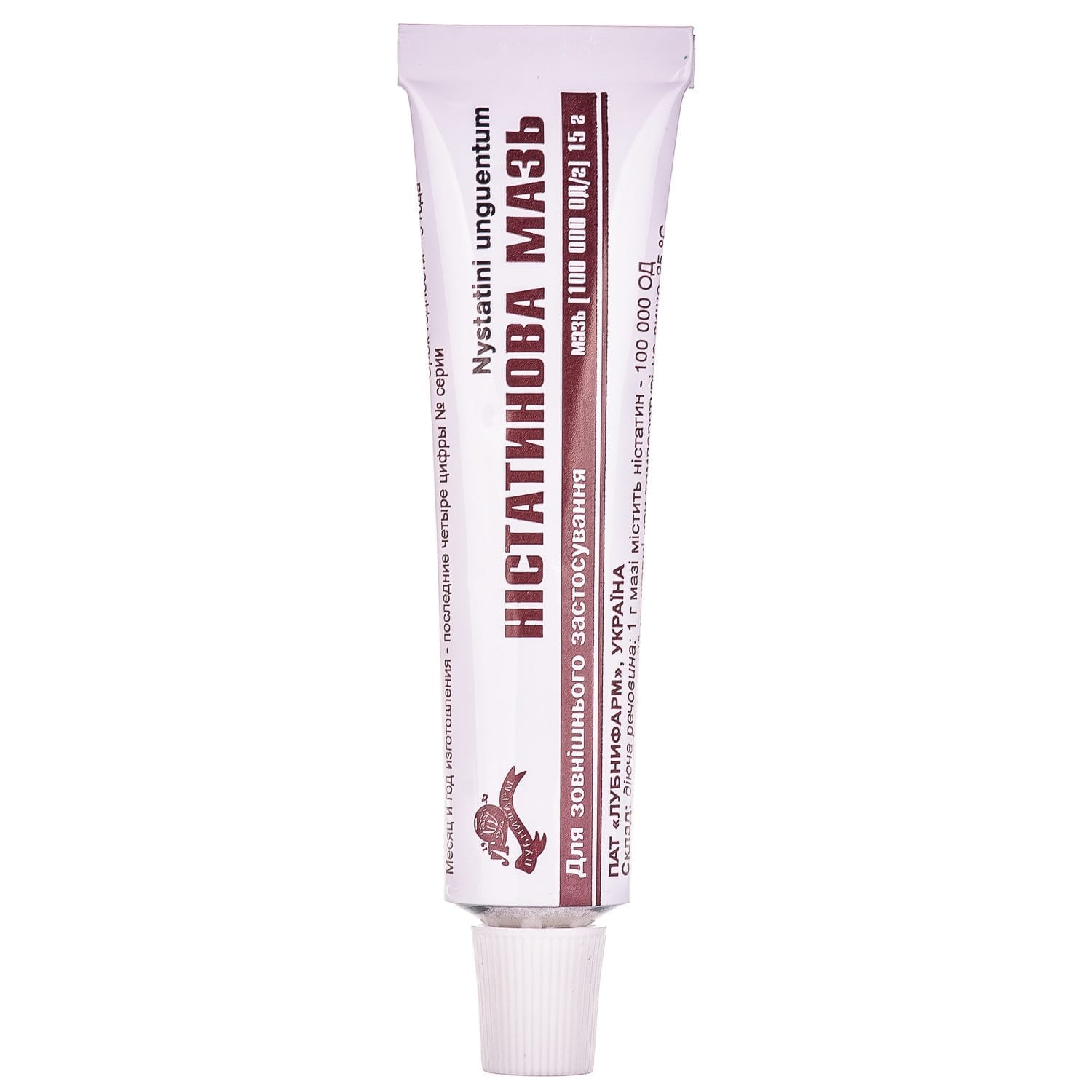
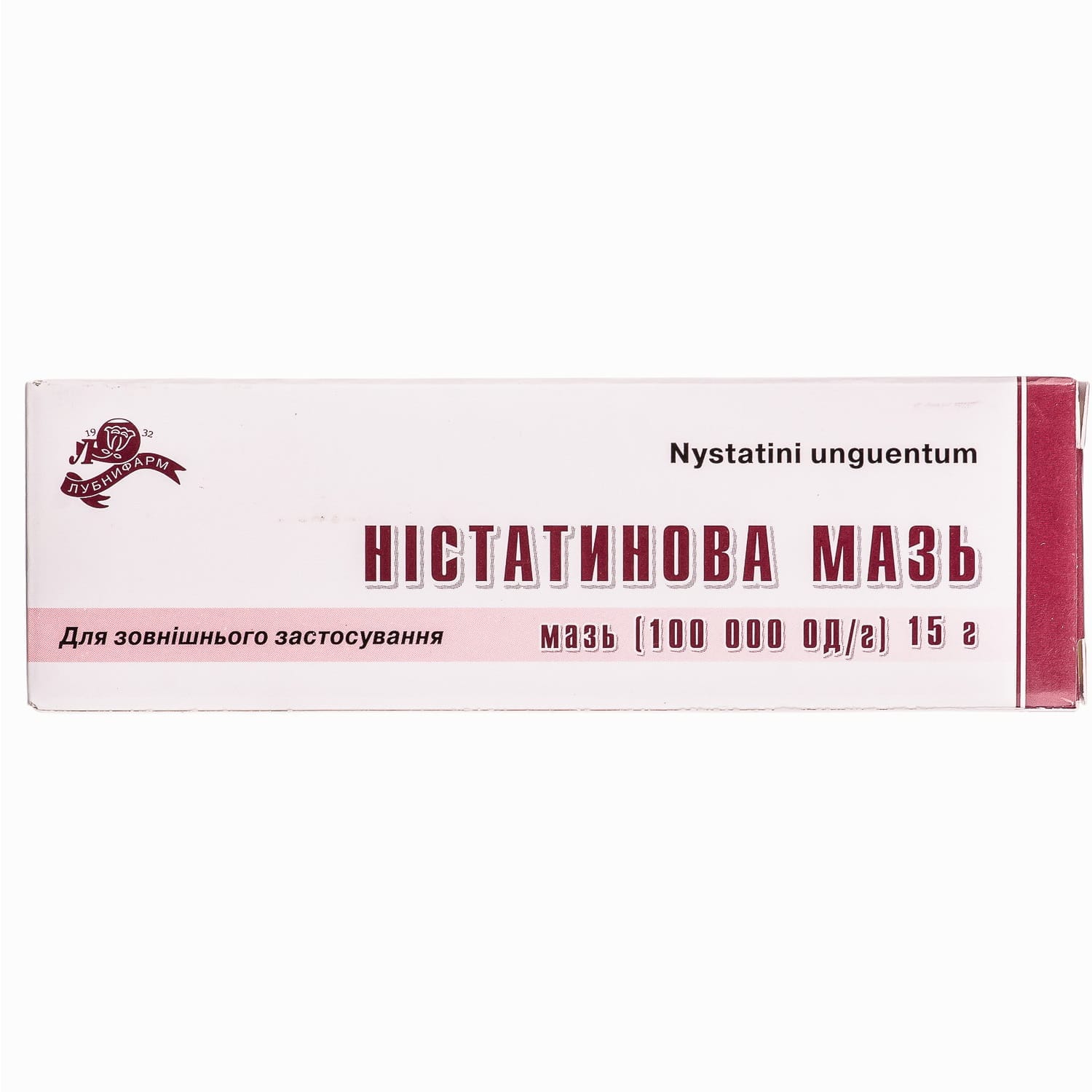
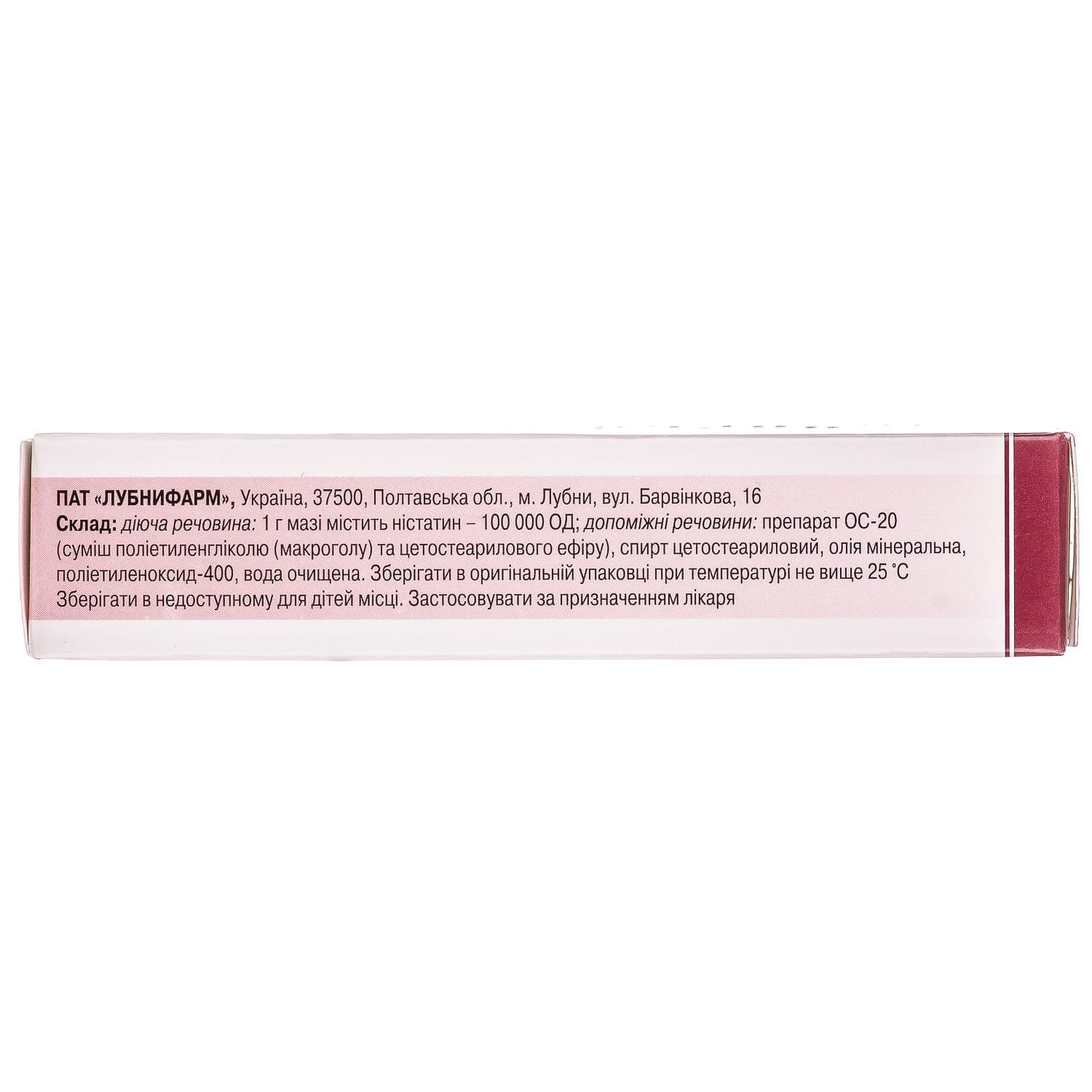
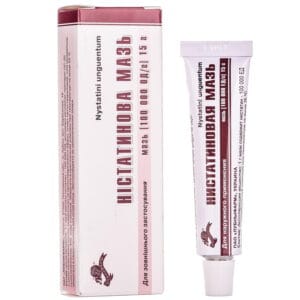
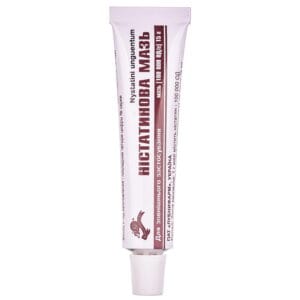
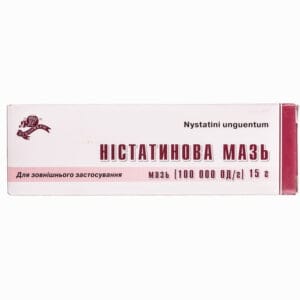
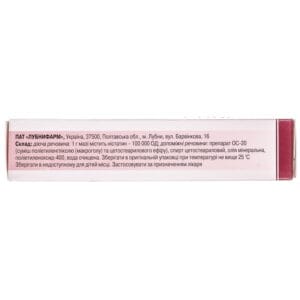
Please note: The product packaging may vary from the images shown. The contents, ingredients, and quality of the product remain unchanged.
$15.92
to: Australia, Canada, Czechia, Denmark, Estonia, Ireland, Israel, Italy, Japan, Mexico, Poland, South Korea, Switzerland, United Kingdom, United States and more
In stock
Nystatin ointment 100,000 IU/g treats Candida skin infections, providing antifungal action and reducing exudation in affected areas.
PayPal, Debit or Credit card, Google Pay, Apple Pay
Active ingredient: nystatin;
1 g of ointment contains nystatin 100,000 IU;
excipients: preparation OS-20 (a mixture of polyethylene glycol (macrogol) and cetostearyl ether), cetostearyl alcohol, mineral oil, polyethylene oxide-400, purified water.
Ointment.
Main physicochemical properties: homogeneous mass of yellow or slightly brown color with a faint specific odor.
Pharmacodynamics.
Nystatin is an antibiotic of the polyene group. Its activity is expressed in international units of activity (IU). Nystatin acts on pathogenic fungi, especially yeast-like fungi of the genus Candida, as well as on Aspergillus; it is inactive against bacteria.
The drug has moderate hyperosmolar activity, as a result of which it has an antiexudative effect.
Pharmacokinetics.
Didn’t study.
Skin diseases caused by fungi of the genus Candida.
Hypersensitivity to nystatin or to other components of the drug.
Nystatin ointment should be applied topically. Apply a thin layer of ointment to the affected skin surface 1-2 times a day for 7-10 days.
In case of chronic recurrent and generalized candidiasis, repeat courses of treatment should be carried out with breaks of 2-3 weeks between them.
Avoid getting the ointment in the eyes and other mucous membranes. If the ointment gets into the eyes, rinse them thoroughly with running water.
Do not use nystatin ointment for tuberculosis and viral skin lesions, staphylococcal pyoderma of the skin.
The medicinal product contains cetostearyl alcohol, which may lead to the development of local skin reactions such as contact dermatitis.
Do not use the medicine during pregnancy or breastfeeding.
No effect.
The drug is not prescribed for children.
Not described.
Allergic reactions, including itching, rash, fever, chills.
Cross-resistance is observed with a number of polyene antibiotics, for example with amphotericin B. The activity of the drug is reduced in the presence of divalent ions and fatty acids.
Store in original packaging at a temperature not exceeding 25 °C. Keep out of reach of children. Shelf life – 3 years.

UApothecary combines medicine search, online ordering, and pharmaceutical consultations. We provide up-to-date information about medications, updating data several times a day. We collaborate with doctors, pharmacists, and medical organizations to offer professional support. We guarantee the quality of medicines and convenient worldwide delivery. Our mission is to make quality medicines accessible to everyone.
This site is protected by reCAPTCHA and the Google
Privacy Policy and
Terms of Service apply.
Reviews
There are no reviews yet.