No products in the cart.

We deliver to:
🇦🇺 Australia
🇨🇦 Canada
🇨🇿 Czechia
🇩🇰 Denmark
🇪🇪 Estonia
🇮🇪 Ireland
🇮🇱 Israel
🇮🇹 Italy
🇯🇵 Japan
🇱🇹 Lithuania🇲🇽 Mexico
🇳🇱 Netherlands🇵🇱 Poland
🇸🇰 Slovakia
🇰🇷 South Korea
🇨🇭 Switzerland
🇬🇧 United Kingdom
🇺🇸 United States of America
and more
We deliver to:
🇦🇺 Australia
🇨🇦 Canada
🇨🇿 Czechia
🇩🇰 Denmark
🇪🇪 Estonia
🇮🇪 Ireland
🇮🇱 Israel
🇮🇹 Italy
🇯🇵 Japan
🇱🇹 Lithuania🇲🇽 Mexico
🇳🇱 Netherlands🇵🇱 Poland
🇸🇰 Slovakia
🇰🇷 South Korea
🇨🇭 Switzerland
🇬🇧 United Kingdom
🇺🇸 United States of America
and more
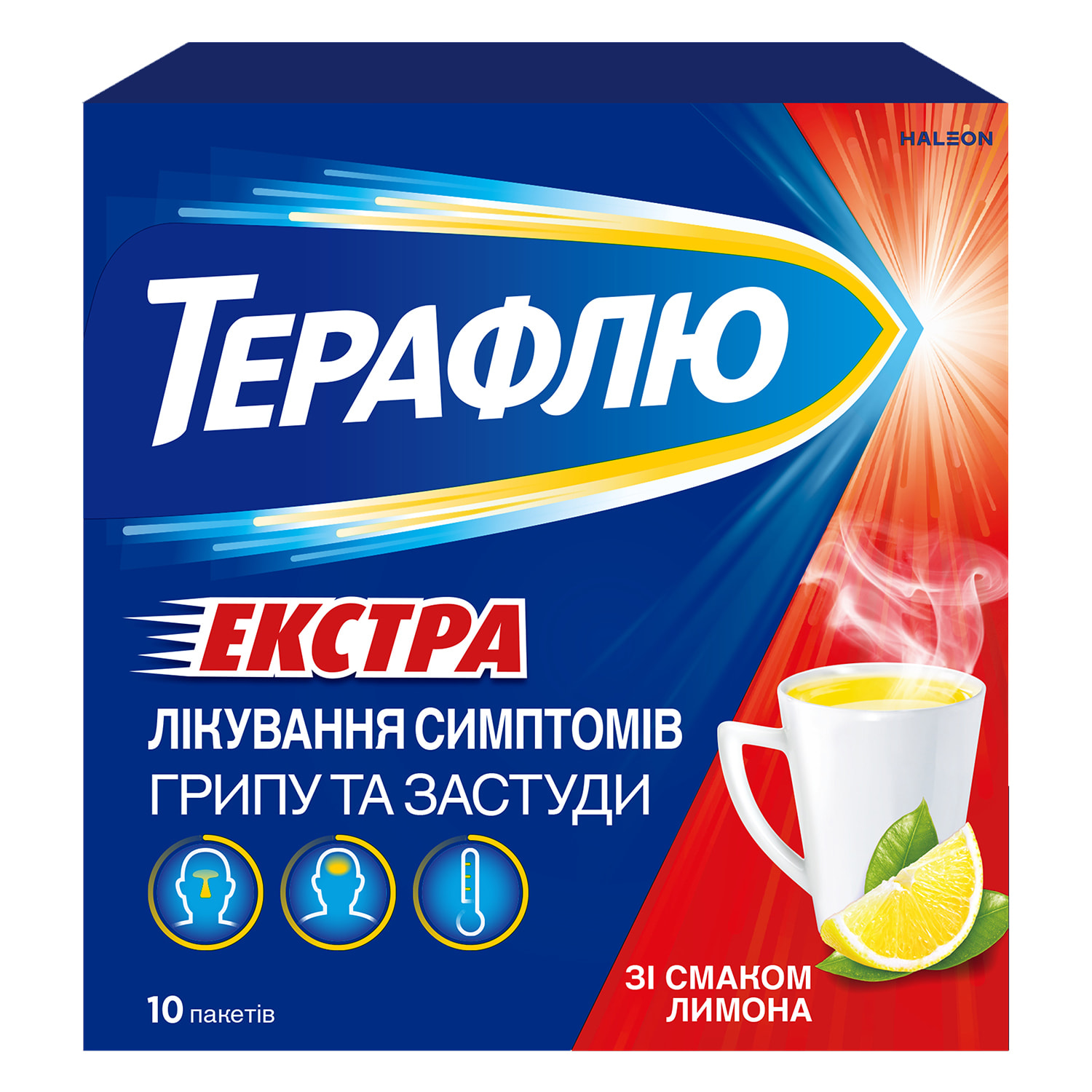

Please note: The product packaging may vary from the images shown. The contents, ingredients, and quality of the product remain unchanged.
TheraFlu Extra for flu and colds with lemon flavor, powder for oral solution, 10 sachets
$29.75
Free Worldwide Shipping
to: Australia, Canada, Czechia, Denmark, Estonia, Ireland, Israel, Italy, Japan, Lithuania, Mexico, Netherlands, Poland, Slovakia, South Korea, Switzerland, United Kingdom, United States and more
In stock
TheraFlu provides fast relief from flu and cold symptoms, including fever, headache, nasal congestion, runny nose, sneezing and body aches.
Categories: Cold and flu, Vitamins and supplements
Brand: Haleon
Payment
PayPal, Debit or Credit card, Google Pay, Apple Pay
“Teraflu Extra”, instructions for use
“Teraflu Extra” – powder for oral solution, intended for the symptomatic treatment of acute respiratory viral infections and influenza. Has antipyretic, analgesic and slight anti-inflammatory effect. Promotes faster elimination of symptoms of inflammatory and respiratory infectious diseases.
Composition of TheraFlu Extra
1 sachet of Theraflu Extra contains:
- active ingredients: 650 mg paracetamol, 20 mg pheniramine maleate, 10 mg phenylephrine hydrochloride;
- auxiliary components: citric acid, sodium dihydrate, acesulfame calcium, lemon flavoring, identical to natural, maltodextrin, silicon dioxide, yellow dye (E110, E104).
Dosage form
Powder for oral solution.
Main physicochemical properties
The powder is granular, large granules of white and yellow color. The presence of soft lumps is allowed. After dissolving the powder, the liquid becomes cloudy, with a yellow tint, a characteristic smell and taste of lemon.
Pharmacotherapeutic group
The drug “Teraflu Extra” belongs to the group “Analgesics and antipyretics. Paracetamol, combinations without psycholeptics.”
Pharmacological properties of TheraFlu Extra
Pharmacodynamics
A combined drug for the symptomatic treatment of flu and colds. It has antipyretic, decongestant, analgesic and antiallergic effects.
Paracetamol has analgesic, antipyretic and minor anti-inflammatory properties. It does not affect hemostasis and platelet function. The therapeutic effect is due to inhibition of COX enzymes. Phenylephrine hydrochloride is a sympathomimetic amine that acts mainly through direct action on α-adrenoreceptors. It causes vasoconstriction, reduces swelling and hyperemia of the mucous membrane of the nasal cavity and paranasal sinuses. Pheniramine maleate, an H1-receptor blocker, has an antiallergic effect, reduces the severity of local exudative manifestations, eliminates lacrimation, rhinorrhea.
Pharmacokinetics
After oral administration, paracetamol is rapidly absorbed from the gastrointestinal tract. Cmax in plasma is reached after 30-60 minutes. When used in a therapeutic dose, T½ is 1-4 hours. Paracetamol is metabolized in the liver mainly by conjugation. Depending on the concentration in plasma, it is partially deacetylated or hydroxylated. The main route of excretion is with urine (90-100% within 24 hours), in the form of glucuronide conjugates (60%), sulfates (35%) or cysteine (3%).
Paracetamol is evenly distributed in the body’s tissues. It has been shown to cross the placental barrier and penetrate into breast milk. When taking standard therapeutic doses, the ability of paracetamol to bind to blood proteins is insignificant, but with increasing concentration this property increases significantly.
Cmax of pheniramine maleate in plasma is reached after 1-2.5 hours; T½ is 16-19 hours. 70-83% of the administered dose is excreted in the urine in unchanged form or as metabolites.
Phenylephrine has limited bioavailability due to insufficient absorption in the gastrointestinal tract and presystemic effects in the intestine and liver, which are due to the action of MAO.
The maximum content of phenylephrine in the blood is noted 45-120 minutes after administration. T½ is 2-3 hours. Phenylephrine is completely excreted from the body with urine.
Clinical characteristics of TheraFlu Extra
Indication
Short-term symptomatic treatment of flu and colds, including fever and chills, headache, nasal congestion, sneezing and rhinorrhea, body aches.
Contraindication
Hypersensitivity to the components of the drug, severe cardiovascular, hepatic or renal failure, congenital hyperbilirubinemia, pheochromocytoma, thyrotoxicosis, prostatic adenoma with difficulty urinating, bladder neck obstruction, hemolytic anemia, pyloroduodenal obstruction, stenosing gastric and duodenal ulcers, diabetes mellitus, lung disease, angle-closure glaucoma, glucose-6-phosphate dehydrogenase deficiency, epilepsy, alcoholism, concomitant therapy with MAO inhibitors and within 2 weeks after discontinuation of their use.
Application features of TheraFlu Extra
Do not exceed the recommended dose and do not take the drug for more than 5-7 days in a row.
You should consult a doctor if the symptoms:
- do not disappear within 7 days;
- are accompanied by a fever that lasts more than 3 days;
- include a sore throat that lasts more than 3 days, accompanied by fever, headache, rash, nausea, or vomiting.
The simultaneous use of other medicines containing paracetamol should be avoided.
It is not recommended to drink alcoholic beverages while using the drug, since ethyl alcohol, when taken simultaneously with paracetamol, can cause liver dysfunction.
The drug should be used with caution in patients with prostatic hypertrophy, thyroid, liver and kidney diseases, bradycardia, acute pancreatitis, and in patients over 70 years of age with cardiovascular diseases.
The drug should not be used by patients undergoing treatment with other medications without a doctor’s prescription.
Phenylephrine may contribute to false-positive results in doping control in athletes.
The product contains sucrose. Patients with rare hereditary diseases, fructose intolerance or sucrase-isomaltase insufficiency should not take the drug.
Use during pregnancy and breastfeeding. The drug is contraindicated during pregnancy and breastfeeding.
Children. The drug is contraindicated in children under 12 years of age.
Interaction with other medicinal products and other types of interactions
Drug interactions with paracetamol are usually minor, but are increased when concomitant medications, such as anticoagulants (warfarin and coumarin) and anticonvulsants, have a low therapeutic index. Concomitant use of paracetamol with nonsteroidal anti-inflammatory drugs may increase their nephrotoxicity. Pharmacodynamic interactions may occur with other analgesics, such as caffeine, opiates; barbiturates reduce the antipyretic effect. T½ of chloramphenicol increases. Probenecid, colestyramine (inn – colestyraminum) inhibit the metabolism of paracetamol. Treatment of tuberculosis with rifampicin and isoniazid increases the hepatotoxicity of paracetamol. Antiepileptic drugs (phenobarbital, phenytoin, carbamazepine) do not increase the risk of hepatotoxicity.
Paracetamol reduces the effectiveness of diuretics. Concomitant use of zidovudine and paracetamol increases the risk of neutropenia.
Phenylephrine hydrochloride should not be used with MAO inhibitors, α- and β-adrenergic blockers, other antihypertensive agents, phenothiazine derivatives (e.g. promethazine), bronchodilator sympathomimetic agents, tricyclic antidepressants, guanethidine or atropine, digitalis, rauwolfia alkaloids, indomethacin, methyldopa, corticosteroids, drugs that affect appetite, amphetamine-like psychostimulants, stimulants of labor, anesthetics, ergot alkaloids.
Phenylephrine is known to potentiate the effects of monoamine oxidase inhibitors and increase the risk of developing hypertensive crisis.
In combination with tricyclic antidepressants, phenylephrine may increase the symptoms of side effects on the cardiovascular system. A similar effect is expected when phenylephrine is combined with cardiac glycosides and digoxin. It has also been found to be able to reduce the therapeutic effect of β-blockers and antihypertensive drugs.
Simultaneous administration with ergot alkaloids increases the likelihood of developing ergot poisoning – ergotism.
Pheniramine maleate potentiates the effects of CNS depressants (e.g. antiparkinsonian and antipsychotic drugs) and alcohol, inhibits the effects of anticoagulants, and interacts with progesterone, reserpine, and thiazide diuretics. Oral contraceptives may reduce the effectiveness of the antihistamine.
Use during pregnancy and breastfeeding
Contraindicated for use during pregnancy and breastfeeding due to insufficient knowledge of the safety of the drug for intrauterine development of the fetus and child. This prohibition is due to the content of the substance phenylephrine hydrochloride in the drug, which can lead to oxygen starvation of the fetus.
Ability to influence reaction speed when driving vehicles and other mechanisms
While using the drug, it is not recommended to drive vehicles and work with mechanisms that require increased concentration of attention and high speed of psychomotor reactions. With simultaneous use of sedatives, tranquilizers or alcohol, drowsiness may increase.
Method of administration and doses
Adults and children over 12 years of age are prescribed 1 packet every 4-6 hours (if necessary to reduce symptoms), but not more than 3 packets per day. A single dose should not exceed 1 packet. The drug is not recommended for use for more than 5-7 days. The contents of 1 packet should be dissolved in a glass of hot water, taken hot.
Overdose of TheraFlu Extra
Symptoms
Symptoms of paracetamol overdose: hepatotoxic effect, in severe cases liver necrosis develops. Accompanied by nausea, vomiting, abdominal pain, which may occur within 24-48 hours after overdose. Disorders of glucose metabolism and metabolic acidosis, acute renal failure with tubular necrosis, arrhythmia, pancreatitis, sulfhemoglobinemia, methemoglobinemia, anemia.
The risk of poisoning is especially high in elderly patients, young children, and those with a history of chronic liver disease.
Prolonged use of large doses of paracetamol can lead to the development of aplastic anemia, agranulocytosis, leukopenia, thrombocytopenia. Overdose of paracetamol also negatively affects the state of the central nervous system, causing psychomotor agitation, headache and dizziness, and disorientation. From the urinary system, paracetamol can cause nephrotoxicity, which manifests itself in such pathologies as capillary necrosis, interstitial nephritis or renal colic.
Symptoms of overdose associated with potentiation of the parasympatholytic action of the antihistamine component and the sympathomimetic action of phenylephrine: hemodynamic changes and cardiovascular failure with respiratory depression, drowsiness, followed by possible agitation (especially in children), depression, oral mucosal ulcers, visual disturbances, headache, dizziness, insomnia, coma, convulsions, behavioral changes, arterial hypertension, bradycardia, atropine-like psychosis.
Treatment
In case of paracetamol overdose, the patient needs emergency medical care. Treatment: gastric lavage, intravenous or oral administration of N-acetylcysteine as an antidote to paracetamol, administration of activated charcoal, osmotic laxative, monitoring of respiration and circulation (adrenaline (INN — epinephrine) is contraindicated). Symptomatic treatment and supportive therapy. In case of convulsions, diazepam is prescribed.
For arterial hypotension, α-adrenergic blockers or vasoconstrictors can be used.
Adverse reactions of TheraFlu Extra
Most often: dizziness, dry mouth or throat, increased fatigue, headache, feeling of anxiety, nervousness, tachycardia. Rarely, an excited state, sleep disturbances are noted, especially in children.
Rarely may detect:
- allergic reactions: itching, rash, urticaria, in some cases – erythematous and other severe skin reactions, petechiae, angioedema, bronchospasm, decreased blood pressure, up to shock, anaphylaxis;
- Gastrointestinal: digestive disorders, including constipation, nausea, vomiting, diarrhea or flatulence; epigastric pain; liver dysfunction;
- from the endocrine system: fluctuations in blood glucose levels;
- Nervous system: confusion, vestibular disorders.
Associated with the use of paracetamol: rarely – urticaria, in isolated cases – erythematous and other severe skin reactions, thrombocytopenia, leukopenia, hemolytic anemia, in isolated cases – agranulocytosis. Patients with intolerance to acetylsalicylic acid (5-10%) also react to paracetamol (for example, patients with bronchial asthma).
Associated with the use of phenylephrine: increased blood pressure (especially in patients with hypertension), cardiac arrhythmias, mydriasis, visual and accommodation disorders, increased intraocular pressure and potential effects on endocrine and other regulators of metabolic processes, urination disorders, stranguria.
Associated with the use of pheniramine: dry eye, insomnia, in some cases – coma, seizures, dyskinesia, behavioral changes.
Unlike second-generation antihistamines, the use of pheniramine is not associated with Q-Tc interval prolongation and cardiac arrhythmia.
Expiration date
24 months.
Storage conditions of TheraFlu Extra
At a temperature not exceeding 25°C.
Package
The powder is packaged in sachets. One cardboard pack contains 10 sachets along with instructions for use.
Be the first to review “TheraFlu Extra for flu and colds with lemon flavor, powder for oral solution, 10 sachets” Cancel reply
You may also like

Lasolvan solution for inhalation and oral use 15 mg/2 ml dropper bottle 100 ml with measuring cap
Rated 4.00 out of 5
Reviews
There are no reviews yet.