No products in the cart.

We deliver to:
🇦🇺 Australia
🇨🇦 Canada
🇨🇿 Czechia
🇩🇰 Denmark
🇪🇪 Estonia
🇮🇪 Ireland
🇮🇱 Israel
🇮🇹 Italy
🇯🇵 Japan
🇱🇹 Lithuania🇲🇽 Mexico
🇳🇱 Netherlands🇵🇱 Poland
🇸🇰 Slovakia
🇰🇷 South Korea
🇨🇭 Switzerland
🇬🇧 United Kingdom
🇺🇸 United States of America
and more
We deliver to:
🇦🇺 Australia
🇨🇦 Canada
🇨🇿 Czechia
🇩🇰 Denmark
🇪🇪 Estonia
🇮🇪 Ireland
🇮🇱 Israel
🇮🇹 Italy
🇯🇵 Japan
🇱🇹 Lithuania🇲🇽 Mexico
🇳🇱 Netherlands🇵🇱 Poland
🇸🇰 Slovakia
🇰🇷 South Korea
🇨🇭 Switzerland
🇬🇧 United Kingdom
🇺🇸 United States of America
and more
Acic cream 5% tube 2 g
$16.60
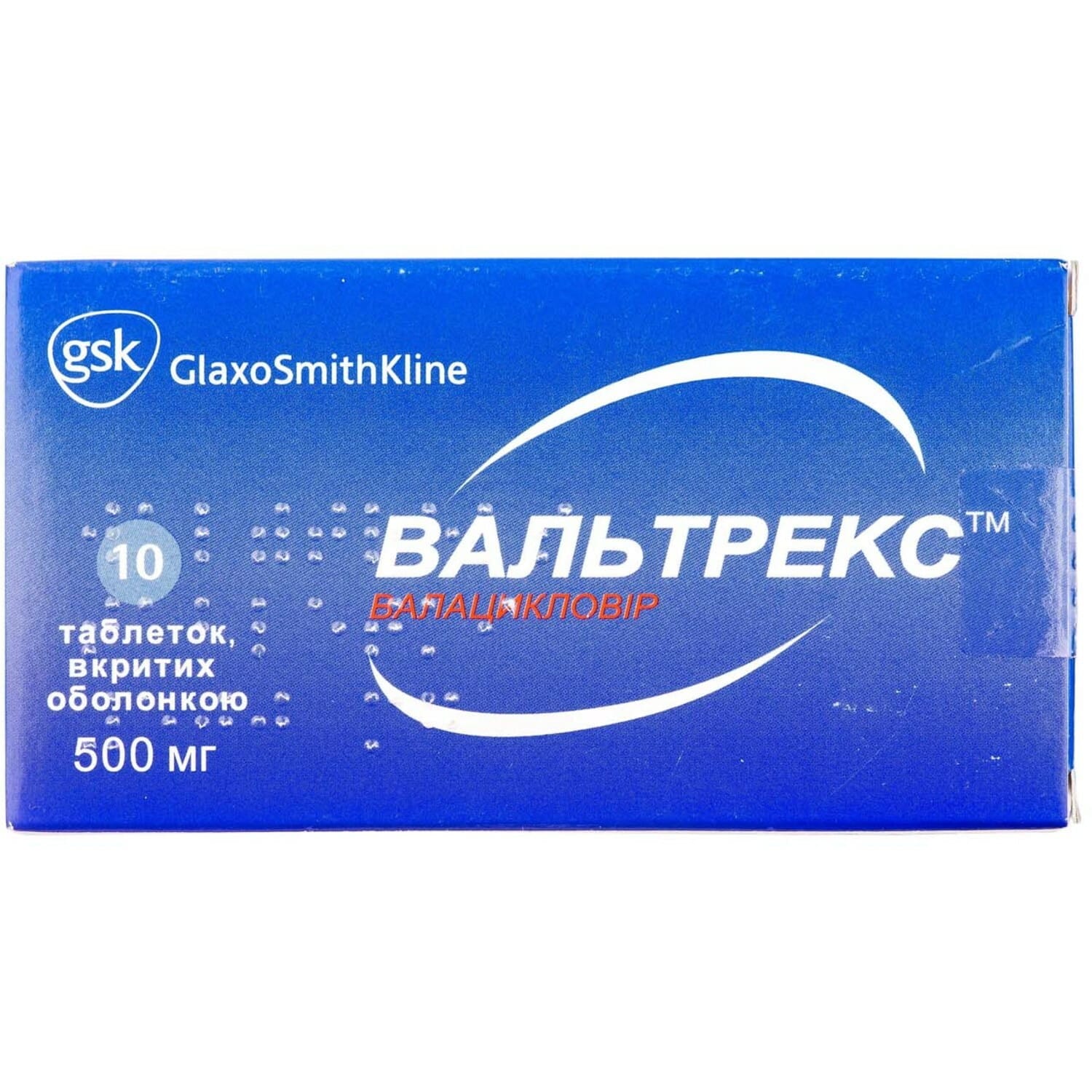
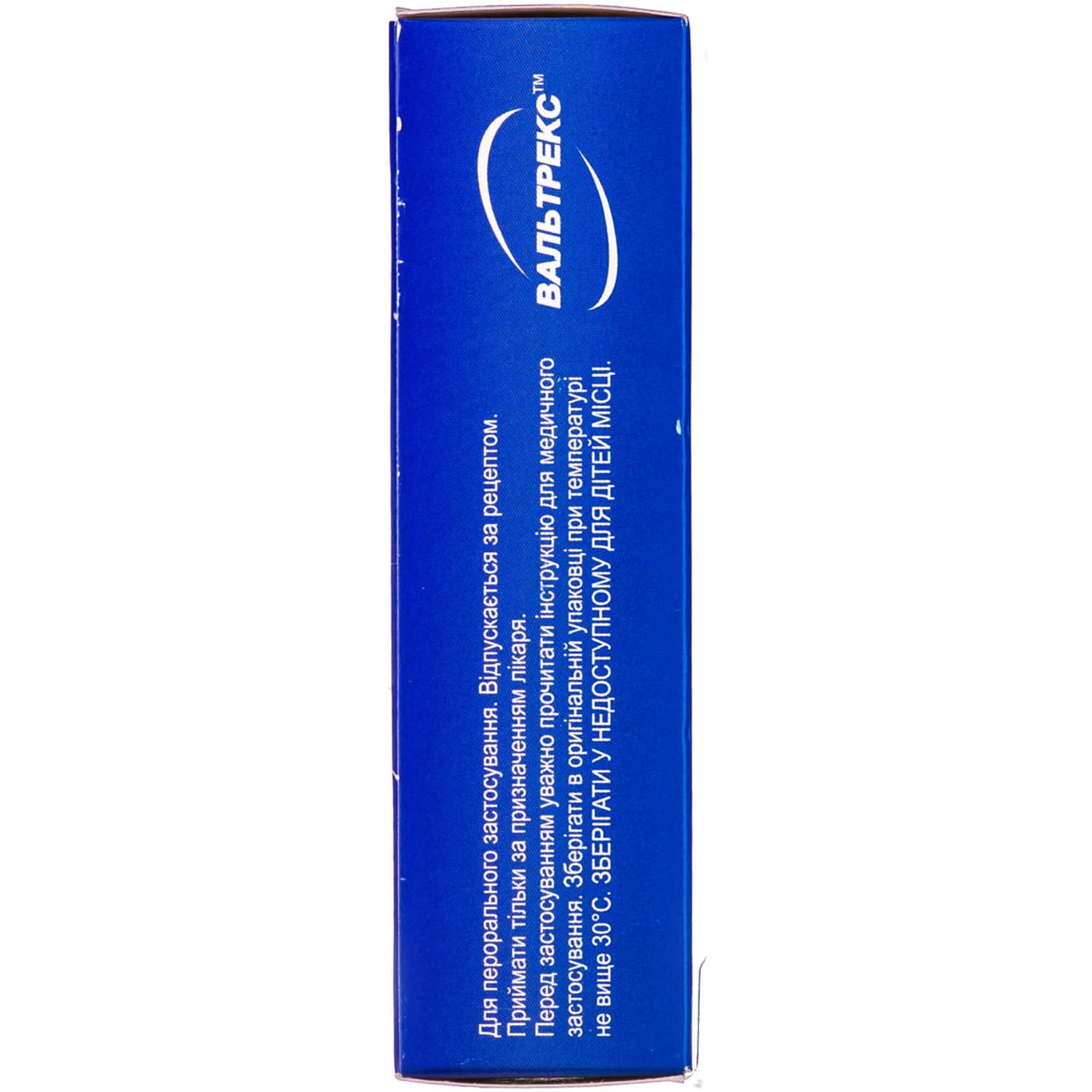
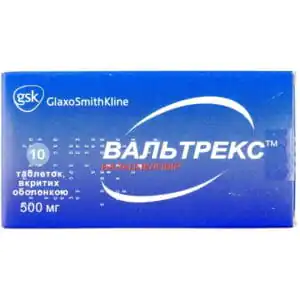
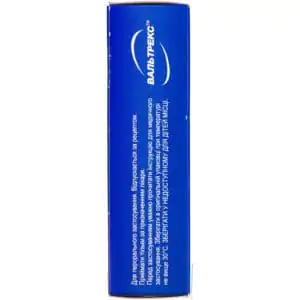
Please note: The product packaging may vary from the images shown. The contents, ingredients, and quality of the product remain unchanged.
Valtrex film-coated tablets 500 mg blister 10 pcs
$29.04
Free Worldwide Shipping
to: Australia, Canada, Czechia, Denmark, Estonia, Ireland, Israel, Italy, Japan, Lithuania, Mexico, Netherlands, Poland, Slovakia, South Korea, Switzerland, United Kingdom, United States and more
In stock
Valtrex treats herpes zoster, herpes simplex infections, and prevents cytomegalovirus post-transplant. Side effects include headache and nausea.
Categories: Antimicrobials
Brand: GSK
Payment
PayPal, Debit or Credit card, Google Pay, Apple Pay
Valtrex tablets are used for the following indications:
- Treatment of herpes zoster (Herpes zoster);
- Treatment of infections of the skin and mucous membranes caused by the herpes simplex virus, including primary and recurrent genital herpes;
- treatment of labial herpes (cold sores);
- preventive treatment (suppression) of recurrences of skin and mucous membrane infections caused by the herpes simplex virus, including genital herpes;
- reducing the risk of transmitting the genital herpes virus to a healthy partner when using Valtrex™ as suppressive therapy in combination with practicing safe sex;
- prevention of cytomegalovirus infection and disease after organ transplantation.
Composition
The active substance is valacyclovir (one tablet contains 500 mg of valacyclovir (as valacyclovir hydrochloride)).
Excipients: microcrystalline cellulose, crospovidone, povidone, magnesium stearate, colloidal anhydrous silica, carnauba wax, white dye concentrate (YS-1-18043): hypromellose, titanium dioxide (E 171), polyethylene glycol 400, polysorbate 80.
Contraindication
Valtrex is contraindicated in patients with hypersensitivity to valacyclovir, acyclovir, or any component of the drug.
Method of application
Treatment of herpes zoster
Adults should be prescribed 1000 mg (two tablets) 3 times a day for 7 days.
Treatment of infections caused by the herpes simplex virus
Patients with normal immunity (adults): 500 mg (one tablet) 2 times a day.
For relapses, treatment should last 3 or 5 days. In the case of a primary course, which may be more severe, treatment should be continued for 5 to 10 days. Treatment should be started as early as possible. For relapses of infections caused by the herpes simplex virus, the ideal would be to use the drug in the prodromal period or immediately after the first symptoms appear. The drug “Valtrex” can prevent the development of lesions in relapses of infections caused by the herpes simplex virus, provided that treatment is started immediately after the first symptoms of the disease appear.
Alternatively, for the treatment of cold sores (cold sores), the effective dose of Valtrex™ is 2000 mg (4 tablets) twice daily for one day. The second dose should be taken approximately 12 hours (but not less than 6 hours) after the first dose. With this dosing regimen, the duration of treatment should not exceed one day, as prolonged use has not been shown to increase clinical efficacy. Treatment should be initiated at the first early symptoms of cold sores (tingling, itching, or burning sensation in the lip area).
Preventive treatment (suppression) of recurrences of infections caused by the herpes simplex virus
Recommended dosage:
- Patients with normal immunity (adults) should be prescribed 500 mg (one tablet) once a day;
- Immunocompromised patients (adults) should be prescribed a dose of 500 mg (one tablet) 2 times a day.
Reducing transmission of genital herpes virus
For heterosexual adults with normal immunity who have 9 or fewer exacerbations per year, Valtrex™ should be prescribed to the infected partner at a dose of 500 mg once daily.
There is no data on the reduction of genital herpes virus transmission in other patient populations.
Prevention of cytomegalovirus infection and disease after organ transplantation
Adults and children over 12 years of age: Valtrex is prescribed at a dose of 2000 mg (4 tablets) 4 times a day as early as possible after transplantation. In case of renal failure, the dose is reduced. The duration of treatment is usually 90 days, but may be extended for patients with a high risk.
Application features
Pregnant women
Valtrex can be used to treat pregnant women only when the potential benefit of treatment for the mother outweighs the possible risk to the fetus.
Prescribe this drug to women during breastfeeding with caution, only in cases of clinical necessity.
Clinical studies to study the effect of Valtrex on human fertility have not been conducted, however, after 6 months of daily use of acyclovir at a dose of 400 mg to 1 g, no changes in the number, morphology, and motility of sperm were observed.
Children
The drug is used in children over 12 years of age to prevent cytomegalovirus infection and disease after organ transplantation.
Drivers
There are no clinical trial data on this issue, and the pharmacology of valacyclovir does not suggest any adverse effects. However, when assessing the patient’s ability to drive or operate machinery, the patient’s clinical condition and the side-effect profile of Valtrex should be taken into account.
Overdose
Symptoms
Acute renal failure and neurological symptoms, including confusion, hallucinations, agitation, decreased mental capacity, and coma, have been reported with valacyclovir overdose. Nausea and vomiting may occur. Caution should be exercised to avoid accidental overdose. Many cases of overdose have been associated with the use of the drug in patients with renal insufficiency and in the elderly, in whom the dose was not reduced accordingly.
Treatment
Patients should be closely monitored for signs of toxicity. Hemodialysis significantly accelerates the removal of acyclovir from the blood and may therefore be considered the optimal treatment for symptomatic overdose.
Side effects
The most common adverse reactions reported in clinical trials were headache and nausea. More serious adverse reactions included reports of thrombotic thrombocytopenic purpura/hemolytic uremic syndrome, acute renal failure, and neurological disorders.
Storage conditions
Store in the original packaging at a temperature not exceeding 30 °C, out of the reach of children.
Shelf life – 3 years.
Be the first to review “Valtrex film-coated tablets 500 mg blister 10 pcs” Cancel reply
You may also like

Reviews
There are no reviews yet.