No products in the cart.
Yaz tablets are a combined hormonal contraceptive with ethinylestradiol and drospirenone for effective pregnancy prevention.

🇦🇺 Australia
🇨🇦 Canada
🇨🇿 Czechia
🇩🇰 Denmark
🇪🇪 Estonia
🇮🇪 Ireland
🇮🇱 Israel
🇮🇹 Italy
🇯🇵 Japan
🇱🇹 Lithuania🇲🇽 Mexico
🇳🇱 Netherlands🇵🇱 Poland
🇸🇰 Slovakia
🇰🇷 South Korea
🇨🇭 Switzerland
🇬🇧 United Kingdom
🇺🇸 United States of America
and more
🇦🇺 Australia
🇨🇦 Canada
🇨🇿 Czechia
🇩🇰 Denmark
🇪🇪 Estonia
🇮🇪 Ireland
🇮🇱 Israel
🇮🇹 Italy
🇯🇵 Japan
🇱🇹 Lithuania🇲🇽 Mexico
🇳🇱 Netherlands🇵🇱 Poland
🇸🇰 Slovakia
🇰🇷 South Korea
🇨🇭 Switzerland
🇬🇧 United Kingdom
🇺🇸 United States of America
and more
$31.20 Original price was: $31.20.$24.96Current price is: $24.96.
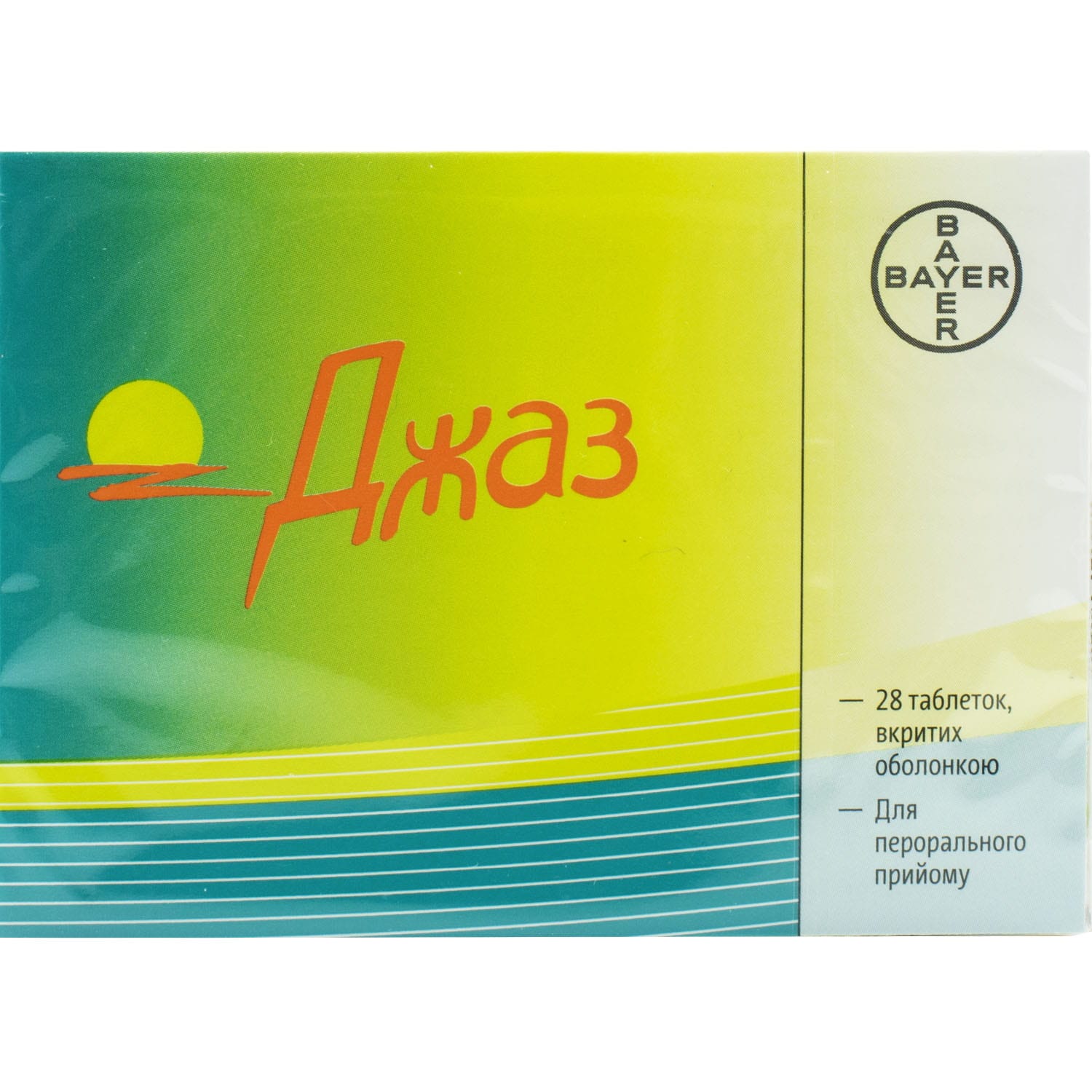
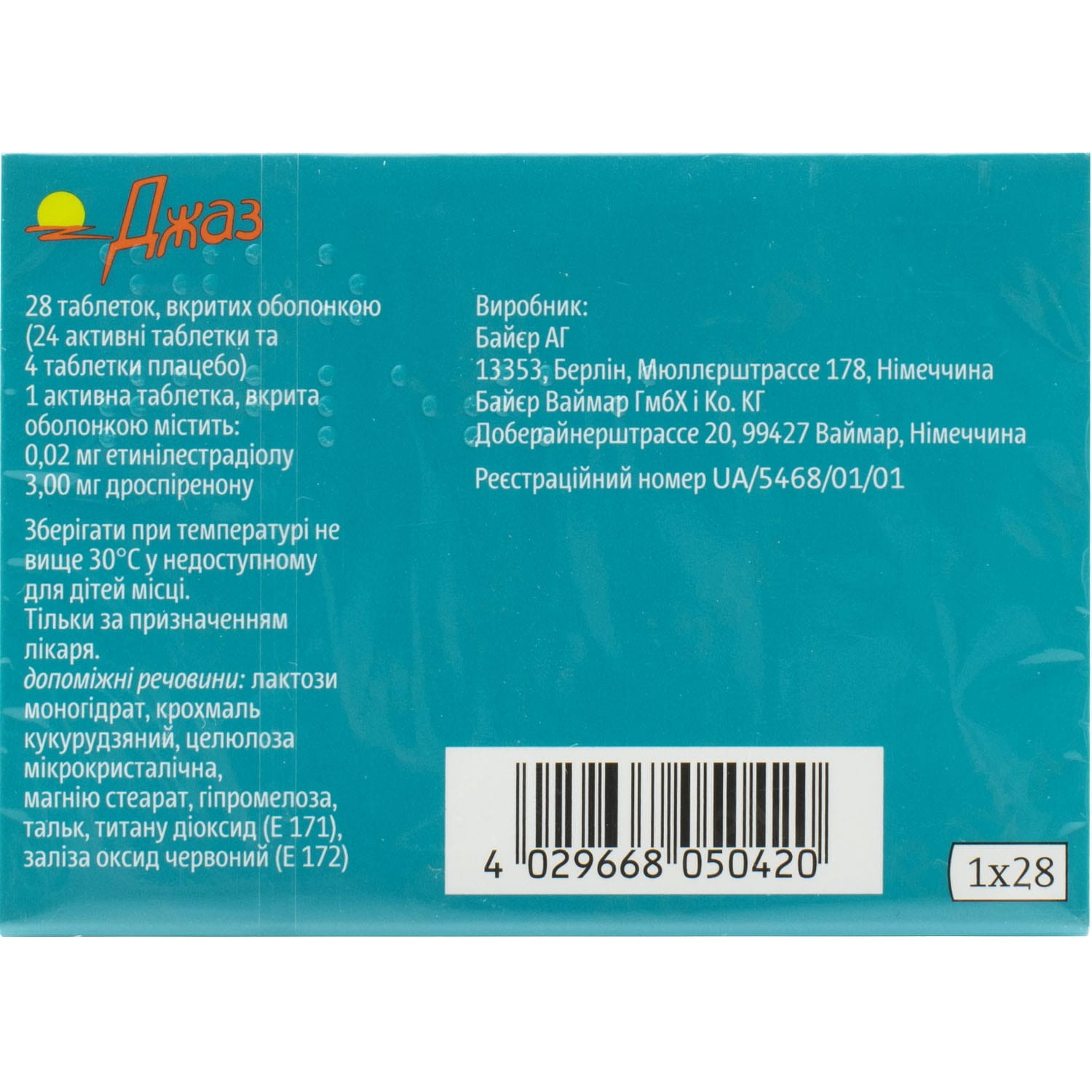
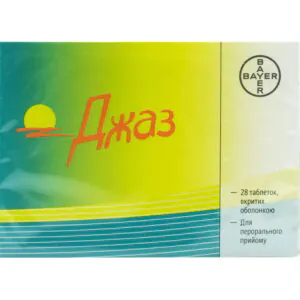
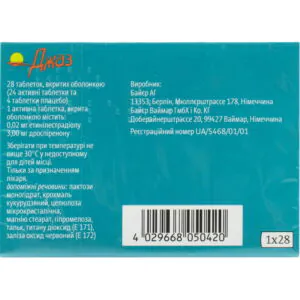
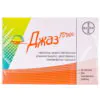
Please note: The product packaging may vary from the images shown. The contents, ingredients, and quality of the product remain unchanged.
$29.89
to: Australia, Canada, Czechia, Denmark, Estonia, Ireland, Israel, Italy, Japan, Lithuania, Mexico, Netherlands, Poland, Slovakia, South Korea, Switzerland, United Kingdom, United States and more
In stock
Yaz tablets are a combined hormonal contraceptive with ethinylestradiol and drospirenone for effective pregnancy prevention.
PayPal, Debit or Credit card, Google Pay, Apple Pay
Yaz tablets are used for oral contraception.
One pack contains 28 tablets (24 light pink tablets and 4 white (placebo) tablets).
One light pink tablet contains:
One white placebo tablet contains the following excipients: lactose, microcrystalline cellulose, magnesium stearate, hypromellose, talc, titanium dioxide (E 171).
Combined hormonal contraceptives (CHCs) should not be used if any of the following conditions are present. If any of these conditions appear for the first time during CHC use, the drug should be discontinued immediately.
Presence or risk of venous thromboembolism (VTE):
Presence or risk of arterial thromboembolism (ATE):
Presence of severe liver disease, current or history, until liver function tests return to normal.
Severe renal failure or acute renal failure.
Presence of liver tumors now or in history (benign or malignant).
Known or suspected malignant tumors (e.g., of the genital organs or mammary glands) that are dependent on sex hormones.
Vaginal bleeding of unknown etiology.
Hypersensitivity to the active substances or to any of the components of the drug.
The drug “Yaz” is contraindicated when used simultaneously with drugs containing ombitasvir / paritaprevir / ritonavir and dasabuvir.
The tablets should be taken daily in the order indicated on the package, at about the same time, washed down with a small amount of liquid if necessary. The tablets should be taken continuously. The drug is taken one tablet / day for 28 consecutive days. Taking the tablets from each subsequent package should begin the day after the end of the previous package. As a rule, withdrawal bleeding begins on the 2nd-3rd day after starting the placebo tablets (the last row) and may not end before starting the tablets from the next package.
The drug is contraindicated for use during pregnancy.
COCs are not recommended for use during breastfeeding.
The drug is indicated for use as prescribed by a doctor only after the onset of stable menstruation.
No studies have been conducted on the effect of Yaz on the ability to drive or use machines. No effects on the ability to drive or use machines have been observed in women taking COCs.
There are no clinical data on overdose of Yaz tablets. As the general experience of using COCs shows, nausea, vomiting and withdrawal bleeding may occur in case of overdose. Withdrawal bleeding may occur in girls even before menarche in case of unintentional/accidental use of the drug. There is no specific antidote, treatment should be symptomatic.
Mental disorders: emotional lability.
Nervous system: headache.
Gastrointestinal: nausea.
Reproductive system and breast disorders: breast tenderness, metrorrhagia, amenorrhea.
Store at a temperature not exceeding 30 °C, out of the reach of children.
Shelf life – 5 years.

UApothecary combines medicine search, online ordering, and pharmaceutical consultations. We provide up-to-date information about medications, updating data several times a day. We collaborate with doctors, pharmacists, and medical organizations to offer professional support. We guarantee the quality of medicines and convenient worldwide delivery. Our mission is to make quality medicines accessible to everyone.
This site is protected by reCAPTCHA and the Google
Privacy Policy and
Terms of Service apply.




Reviews
There are no reviews yet.