
🇦🇺 Australia
🇧🇪 Belgium
🇨🇦 Canada
🇨🇿 Czechia
🇩🇰 Denmark
🇪🇪 Estonia
🇫🇮 Finland
🇬🇷 Greece
🇭🇺 Hungary
🇮🇪 Ireland
🇮🇱 Israel
🇮🇹 Italy
🇯🇵 Japan
🇰🇼 Kuwait
🇱🇻 Latvia
🇱🇹 Lithuania
🇲🇽 Mexico
🇲🇩 Moldova
🇳🇱 Netherlands
🇳🇴 Norway
🇵🇱 Poland
🇷🇴 Romania
🇸🇰 Slovakia
🇰🇷 South Korea
🇨🇭 Switzerland
🇬🇧 United Kingdom
🇺🇸 United States of America
and more
🇦🇺 Australia
🇧🇪 Belgium
🇨🇦 Canada
🇨🇿 Czechia
🇩🇰 Denmark
🇪🇪 Estonia
🇫🇮 Finland
🇬🇷 Greece
🇭🇺 Hungary
🇮🇪 Ireland
🇮🇱 Israel
🇮🇹 Italy
🇯🇵 Japan
🇰🇼 Kuwait
🇱🇻 Latvia
🇱🇹 Lithuania
🇲🇽 Mexico
🇲🇩 Moldova
🇳🇱 Netherlands
🇳🇴 Norway
🇵🇱 Poland
🇷🇴 Romania
🇸🇰 Slovakia
🇰🇷 South Korea
🇨🇭 Switzerland
🇬🇧 United Kingdom
🇺🇸 United States of America
and more
$25.94

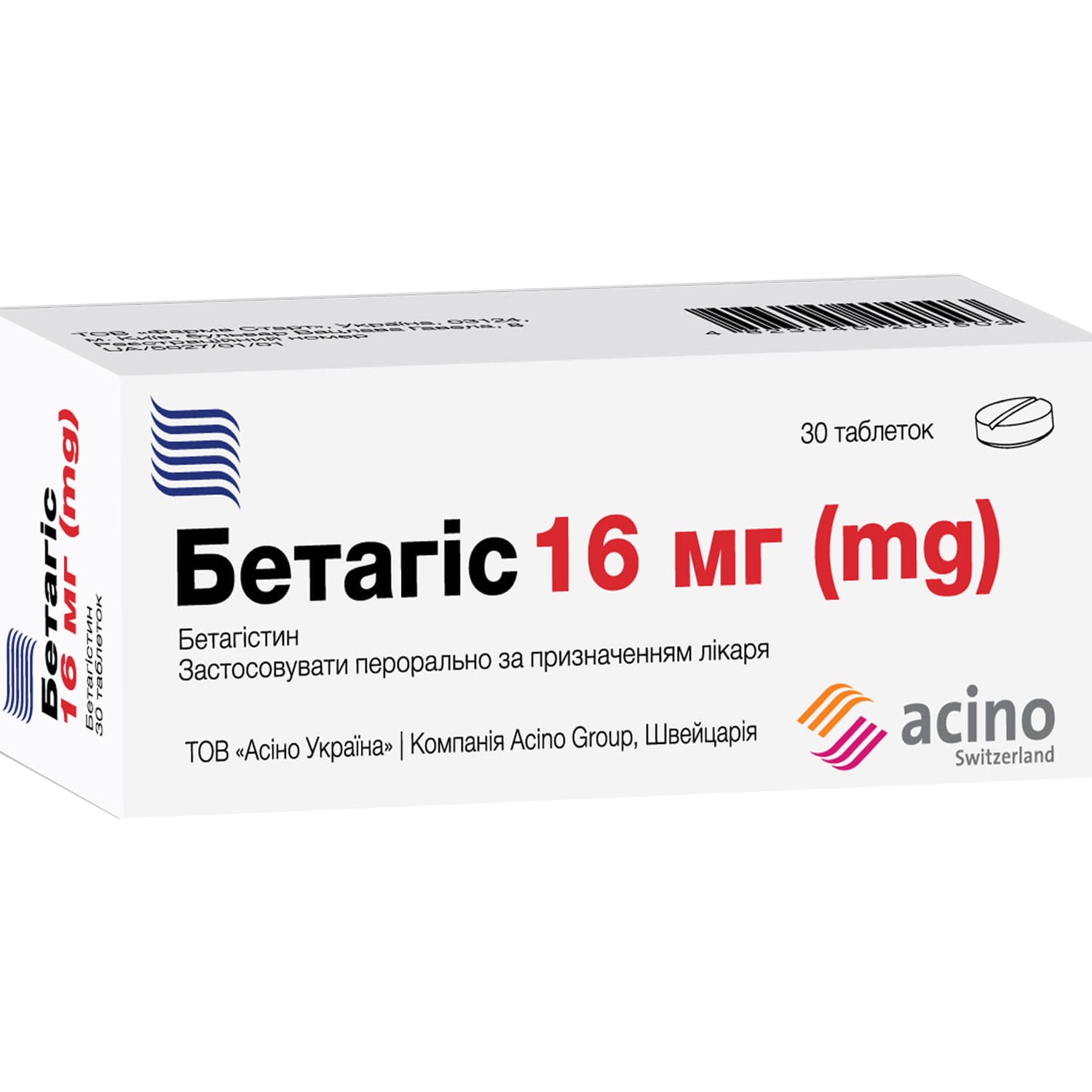
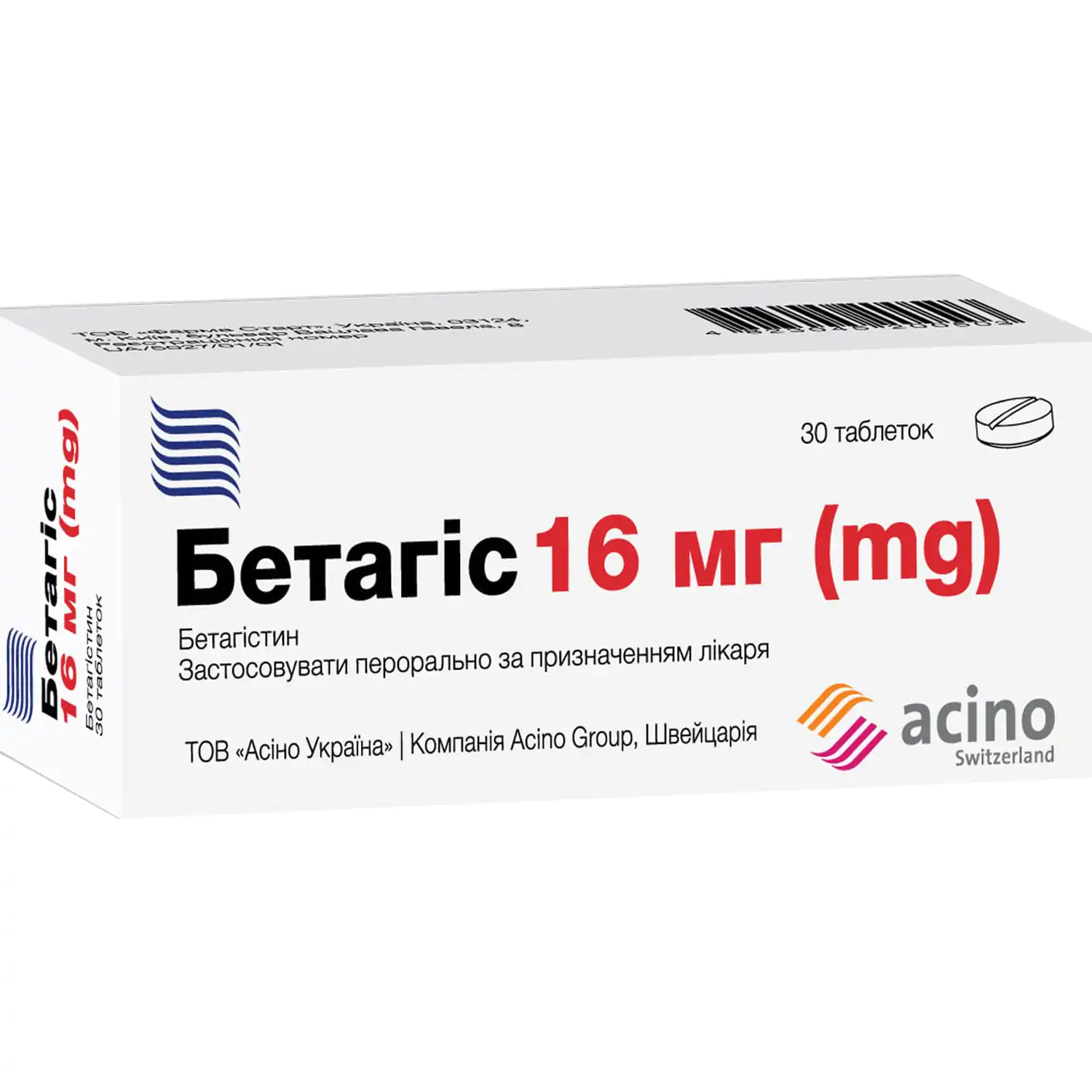
Betagis tablets 16 mg 30 pcs.
$24.43
Free Worldwide Shipping
to: Australia, Belgium, Canada, Czechia, Denmark, Estonia, Finland, Greece, Hungary, Ireland, Israel, Italy, Japan, Kuwait, Latvia, Lithuania, Mexico, Moldova, Netherlands, Norway, Poland, Romania, Slovakia, South Korea, Switzerland, United Kingdom, United States and more
🏖️ Hello! We are on vacation!
We are still accepting orders on our website; however, order processing and shipping will resume after September 10. If you place an order during our vacation, we will contact you and remind you about the temporary shipping delay. Starting September 10, all orders received during this period will be processed and shipped in the order they were placed. If your order contains a product with less than one year remaining before its expiration date, we will notify you after September 10 and proceed according to your instructions. If you decide to cancel an order placed during our vacation, simply contact us through the contact form on our website, and we will be happy to assist you. Thank you for your understanding, and we apologize for any inconvenience caused.
In stock
Betagis treats vestibular disorders including Meniere’s disease, vertigo, tinnitus, hearing loss. Betahistine tablets reduce dizziness and improve balance.
Payment
PayPal, Debit or Credit card, Google Pay, Apple Pay
Betagis is a remedy for the treatment of vestibular disorders.
Indications for use
Meniere’s disease and syndrome, which are characterized by three main symptoms:
- dizziness, sometimes accompanied by nausea and vomiting;
- hearing loss (hearing loss);
- tinnitus.
Symptomatic treatment of vestibular vertigo of various origins.
Composition
- active ingredient: betahistine dihydrochloride;
- 1 tablet contains betahistine dihydrochloride 16 mg;
- Excipients: microcrystalline cellulose; mannitol (E 421); citric acid monohydrate; colloidal anhydrous silicon dioxide; potato starch; talc.
Contraindication
- Increased individual sensitivity to betahistine or to any of the components of the drug.
- Pheochromocytoma.
Adverse reactions
Immune system disorders: Hypersensitivity reactions (including anaphylaxis).
Gastrointestinal: Common: nausea and dyspepsia. In some cases, minor stomach upset (vomiting, abdominal pain, bloating and flatulence) may occur. These side effects usually disappear when the drug is taken with food or after reducing the dose.
Nervous system disorders: Common: headache. In addition to clinical trial data, the following undesirable effects are known from post-marketing experience and the scientific literature.
Skin and subcutaneous tissue disorders: Frequency unknown: hypersensitivity reactions of the skin and subcutaneous tissue, including angioedema, rash, pruritus and urticaria.
Method of application
Betagis tablets should be taken orally during or after meals. Minor gastrointestinal upset may occur during treatment, which can be avoided by taking the medicine with food.
The dose of the drug and the duration of the course of treatment are determined by the doctor individually for each patient, depending on the indications and severity of the disease.
Adults are usually prescribed 24 mg to 48 mg of betahistine per day (½-1 tablet 3 times a day).
Improvement is noted after 2–3 weeks. The best results are achieved with a course of treatment with Betahistine for several months. Available data indicate that prescribing the drug at the beginning of the disease prevents its progression and/or hearing loss in the later stages.
Application features
Use during pregnancy or breastfeeding
Betahistine should not be used during pregnancy unless clearly necessary.
Breastfeeding. It is not known whether betahistine is excreted in human milk. Betahistine is excreted in rat milk. Effects observed in postnatal animal studies only occurred after very high doses.
The benefit of using the drug for the mother should be weighed against the benefits of breastfeeding and the potential risk to the child.
Children
Due to insufficient data on the safety and efficacy of betahistine in pediatric practice, it is not recommended to prescribe the drug to children (under 18 years of age).
Ability to influence reaction speed when driving vehicles or other mechanisms
Betahistine is indicated for the treatment of Ménière’s syndrome, characterized by a triad of main symptoms: dizziness, hearing loss, tinnitus, and for the symptomatic treatment of vestibular vertigo. Both conditions may adversely affect the ability to drive and use machines. According to clinical studies, betahistine had no or negligible influence on the patient’s ability to perform activities requiring increased attention and psychomotor speed.
Overdose
Several cases of betahistine overdose have been described. Some patients experienced mild to moderate symptoms (nausea, epigastric pain, drowsiness) after taking the drug in doses up to 640 mg. Serious complications – convulsions, cardiopulmonary disorders – are possible with intentional administration of increased doses of betahistine, especially in combination with an overdose of other drugs.
Treatment: Treatment of overdose should include standard supportive measures.
Storage conditions
Store out of the reach of children, in the original packaging at a temperature not exceeding 25 ºС.
You may also like


Reviews
There are no reviews yet.