
🇦🇺 Australia
🇧🇪 Belgium
🇨🇦 Canada
🇨🇿 Czechia
🇩🇰 Denmark
🇪🇪 Estonia
🇫🇮 Finland
🇬🇷 Greece
🇭🇺 Hungary
🇮🇪 Ireland
🇮🇱 Israel
🇮🇹 Italy
🇯🇵 Japan
🇰🇼 Kuwait
🇱🇻 Latvia
🇱🇹 Lithuania
🇲🇽 Mexico
🇲🇩 Moldova
🇳🇱 Netherlands
🇳🇴 Norway
🇵🇱 Poland
🇷🇴 Romania
🇸🇰 Slovakia
🇰🇷 South Korea
🇨🇭 Switzerland
🇬🇧 United Kingdom
🇺🇸 United States of America
and more
🇦🇺 Australia
🇧🇪 Belgium
🇨🇦 Canada
🇨🇿 Czechia
🇩🇰 Denmark
🇪🇪 Estonia
🇫🇮 Finland
🇬🇷 Greece
🇭🇺 Hungary
🇮🇪 Ireland
🇮🇱 Israel
🇮🇹 Italy
🇯🇵 Japan
🇰🇼 Kuwait
🇱🇻 Latvia
🇱🇹 Lithuania
🇲🇽 Mexico
🇲🇩 Moldova
🇳🇱 Netherlands
🇳🇴 Norway
🇵🇱 Poland
🇷🇴 Romania
🇸🇰 Slovakia
🇰🇷 South Korea
🇨🇭 Switzerland
🇬🇧 United Kingdom
🇺🇸 United States of America
and more
Dear Customers! Due to temporary issues affecting postal carriers, delivery times may be longer than usual!
Dear Customers! Due to temporary issues affecting postal carriers, delivery times may be longer than usual!
Dear Customers! Due to temporary issues affecting postal carriers, delivery times may be longer than usual!
Dear Customers! Due to temporary issues affecting postal carriers, delivery times may be longer than usual!
Dear Customers! Due to temporary issues affecting postal carriers, delivery times may be longer than usual!
Dear Customers! Due to temporary issues affecting postal carriers, delivery times may be longer than usual!
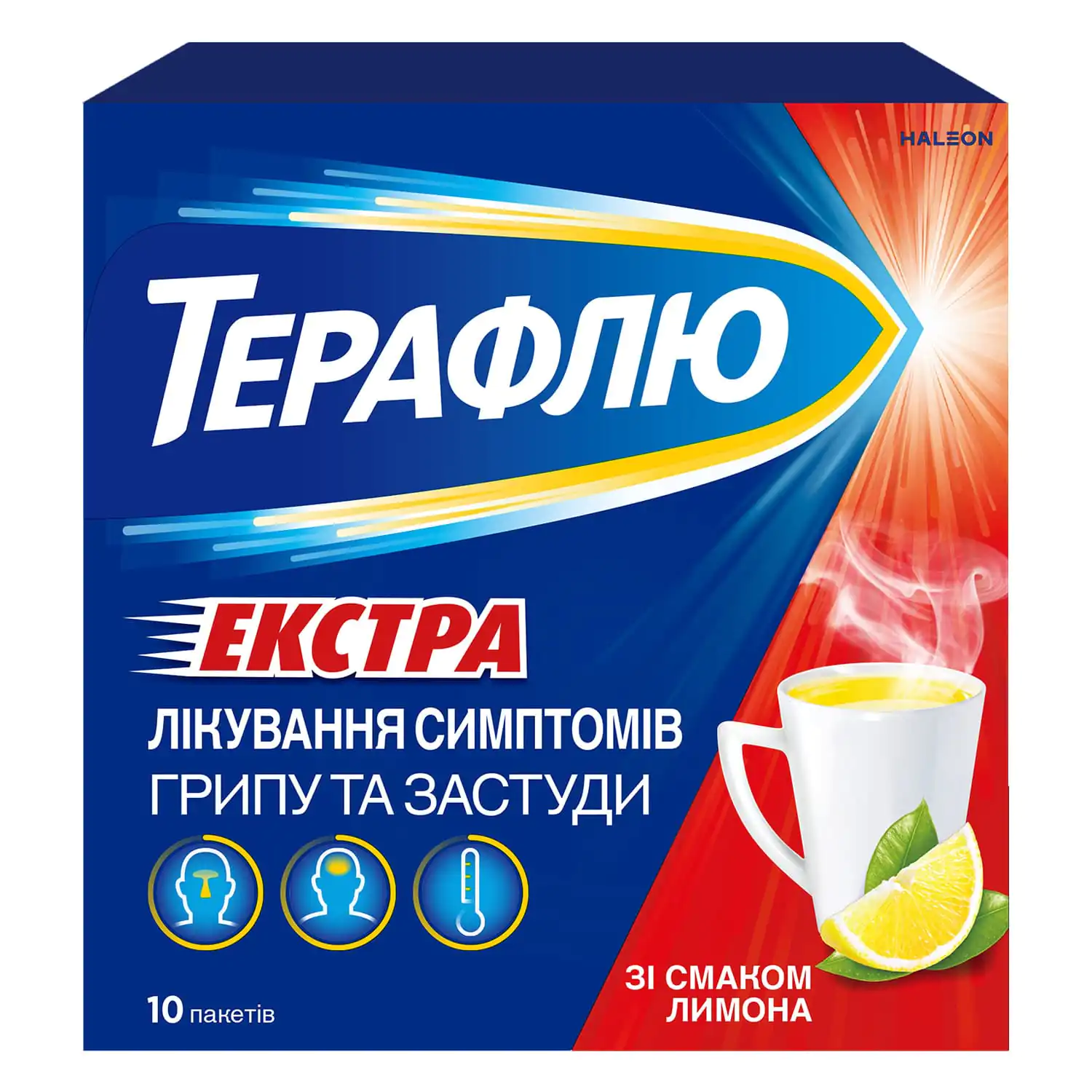
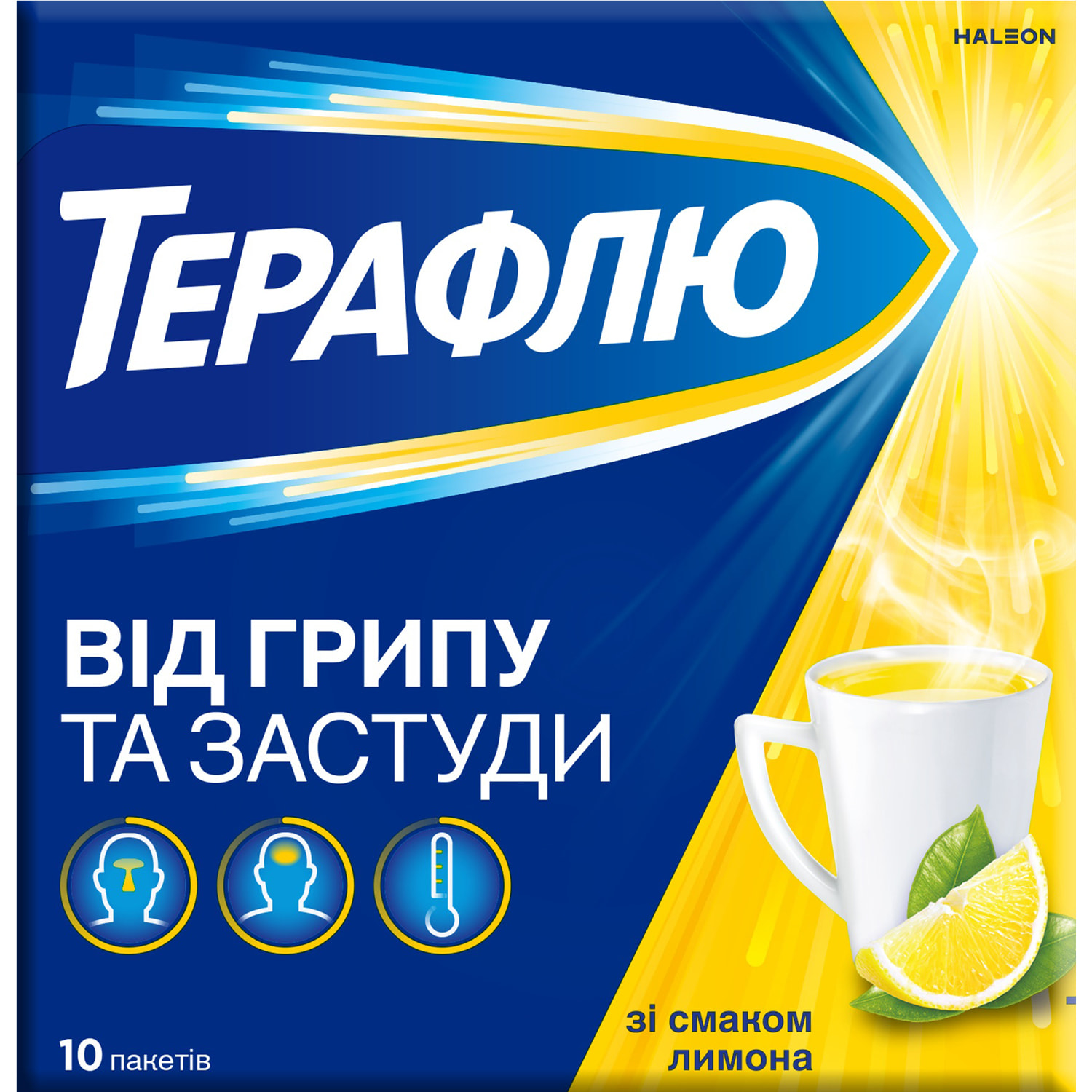

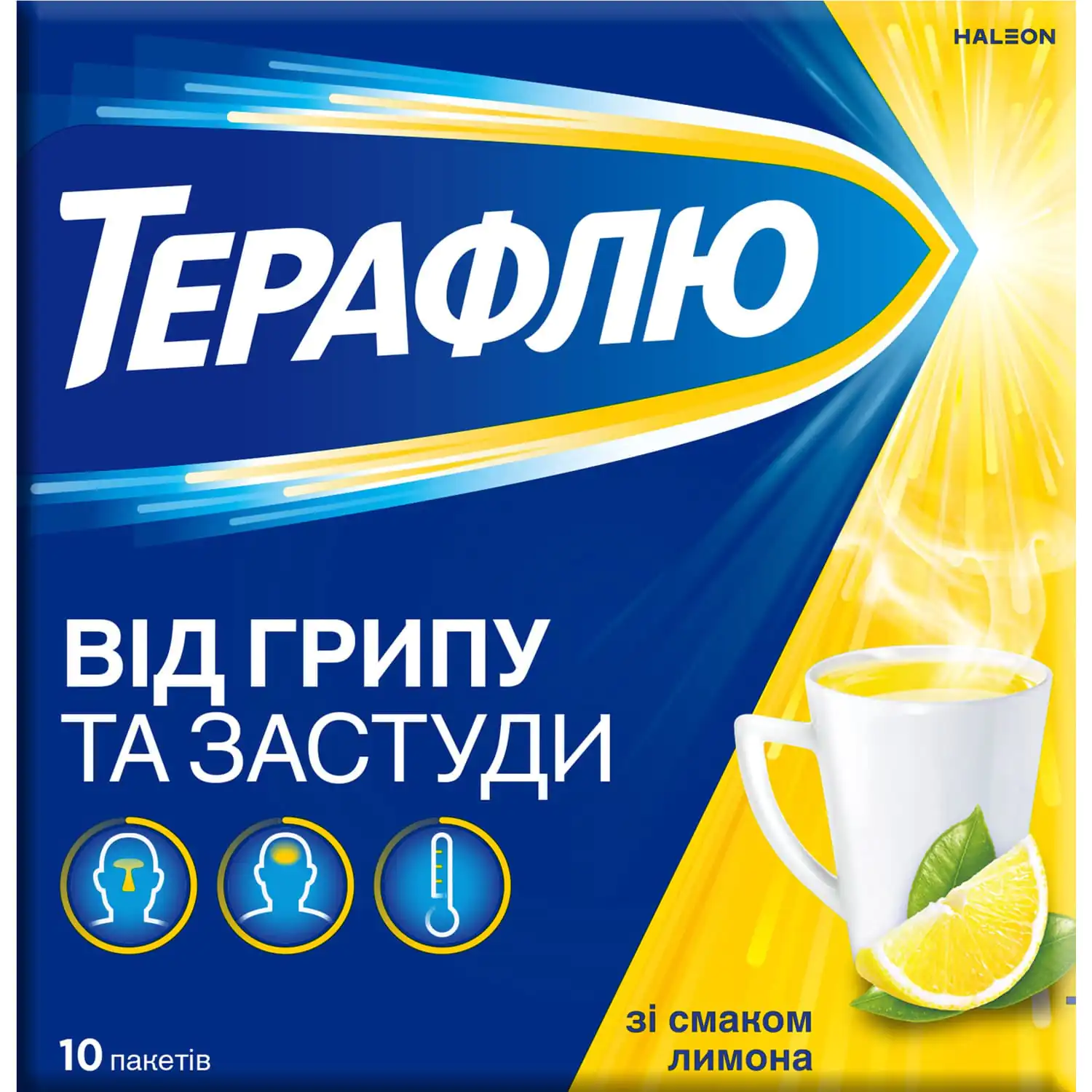

TheraFlu for flu and colds with lemon flavor, powder for oral solution, 10 sachets
$29.68
Free Worldwide Shipping
to: Australia, Belgium, Canada, Czechia, Denmark, Estonia, Finland, Greece, Hungary, Ireland, Israel, Italy, Japan, Kuwait, Latvia, Lithuania, Mexico, Moldova, Netherlands, Norway, Poland, Romania, Slovakia, South Korea, Switzerland, United Kingdom, United States and more
🏖️ Hello! We are on vacation!
We are still accepting orders on our website; however, order processing and shipping will resume after September 10. If you place an order during our vacation, we will contact you and remind you about the temporary shipping delay. Starting September 10, all orders received during this period will be processed and shipped in the order they were placed. If your order contains a product with less than one year remaining before its expiration date, we will notify you after September 10 and proceed according to your instructions. If you decide to cancel an order placed during our vacation, simply contact us through the contact form on our website, and we will be happy to assist you. Thank you for your understanding, and we apologize for any inconvenience caused.
In stock
TheraFlu provides fast relief from flu and cold symptoms, including fever, headache, nasal congestion, runny nose, sneezing and body aches.
Payment
PayPal, Debit or Credit card, Google Pay, Apple Pay
Orders Temporarily Unavailable
Due to temporary postal service disruptions, we are currently unable to accept orders.
Pharmacological properties
A combined drug for the treatment of flu and cold symptoms. It has antipyretic, decongestant, analgesic and antiallergic effects.
Paracetamol has analgesic, antipyretic and weak anti-inflammatory effects. Phenylephrine hydrochloride has a sympathomimetic effect, causes vasoconstriction, reduces swelling and hyperemia of the mucous membrane of the nasal cavity and paranasal sinuses. Pheniramine maleate, an H1-receptor blocker, which has an antiallergic effect, reduces the severity of local exudative manifestations, reduces lacrimation, rhinorrhea, itching in the eyes and nose.
After oral administration, paracetamol is absorbed in the gastrointestinal tract. C max in blood plasma is reached after 30-60 min. When used in therapeutic doses, T ½ is 1-4 h. Paracetamol is metabolized in the liver mainly by the conjugation reaction. Depending on the concentration in blood plasma, it is partially deacetylated or hydroxylated. The main route of excretion is with urine (90-100% within 24 hours), in the form of glucuronide conjugates (60%), sulfates (35%) or cysteine (3%).
C max of pheniramine maleate in blood plasma is reached after 1-2.5 hours; T ½ is 16-19 hours. 70-83% of the dose taken is excreted in the urine in unchanged form or in the form of metabolites.
Phenylephrine has limited bioavailability due to insufficient absorption in the gastrointestinal tract and presystemic effects in the intestine and liver, which are caused by the action of monoamine oxidase.
Indication
Short-term symptomatic treatment of flu and colds, including fever and chills, headache, rhinitis, nasal congestion, sneezing and body aches.
Application
Adults and children over 12 years of age are prescribed 1 packet every 4-6 hours (as needed to relieve symptoms), but not more than 3 packets per day. A single dose should not exceed 1 packet. It is not recommended to use the drug for more than 7 days. Before use, the contents of 1 packet must be dissolved in a glass of boiled hot water. Take hot.
Contraindication
Hypersensitivity to the components of the drug. severe cardiovascular, hepatic or renal failure, congenital hyperbilirubinemia, ag; pheochromocytoma, thyrotoxicosis, prostate adenoma with difficulty urinating; bladder neck obstruction, blood diseases, pyloroduodenal obstruction, stenosing gastric and duodenal ulcers, diabetes mellitus, lung diseases (including BA), angle-closure glaucoma, glucose-6-phosphate dehydrogenase deficiency, epilepsy, alcoholism, concomitant therapy with MAO inhibitors and within 2 weeks after discontinuation of their use.
Side effects of TheraFlu
Most often: dizziness, dry mouth or throat, increased fatigue, headache, feeling of anxiety, nervousness, tachycardia, palpitations. rarely, an excited state, sleep disturbances, edema are noted.
Rarely may be detected:
allergic reactions: itching, rash, urticaria, in some cases – erythematous and other severe skin reactions, petechiae, angioedema, bronchospasm, decrease in blood pressure up to shock, anaphylaxis;
Gastrointestinal: digestive disorders, including constipation, nausea, vomiting, diarrhea or flatulence, epigastric pain, liver dysfunction;
from the endocrine system: fluctuations in blood glucose levels;
Nervous system: confusion, vestibular disorders.
Associated with the use of paracetamol: thrombocytopenia, leukopenia, hemolytic anemia, in some cases – agranulocytosis. In patients with intolerance to acetylsalicylic acid (5-10%), reactions to paracetamol are possible (for example, patients with asthma).
Associated with the use of phenylephrine: increased blood pressure, pain in the heart area, mydriasis, impaired vision and accommodation, increased intraocular pressure and potential effects on endocrine and other regulators of metabolic processes, impaired urination.
Associated with the use of pheniramine: dry eye, insomnia, in some cases – coma, seizures, dyskinesia, behavioral changes.
Unlike second-generation antihistamines, the use of pheniramine is not associated with Q-Tc interval prolongation and cardiac arrhythmia.
Special instructions
You should not exceed the recommended dose or take the drug for more than 7 days in a row.
A doctor’s consultation is necessary if the symptoms:
- do not disappear within 7 days,
- are accompanied by a fever that lasts more than 3 days,
- include a sore throat that lasts more than 3 days, accompanied by fever, headache, rash, nausea, or vomiting.
The simultaneous use of other medicines containing paracetamol should be avoided.
It is not recommended to drink alcoholic beverages when using the drug, since ethyl alcohol, when taken simultaneously with paracetamol, can cause liver dysfunction.
The drug should be used with caution in patients with prostatic hypertrophy, thyroid, liver and kidney diseases, bradycardia, acute pancreatitis, thrombosis, thrombophlebitis, and patients over 70 years of age with cardiovascular diseases.
The drug should not be used by patients undergoing treatment with other medications without a doctor’s prescription.
Phenylephrine may contribute to false-positive results in doping control in athletes.
Use during pregnancy and breastfeeding. The drug is contraindicated during pregnancy and breastfeeding.
Effects on ability to drive and use machines. During the use of the drug, it is not recommended to drive or use complex mechanisms that require increased concentration and high speed of psychomotor reactions. With simultaneous use of sedatives, tranquilizers or alcohol, drowsiness may increase.
Children. The drug is contraindicated in children under 12 years of age.
Interactions of TheraFlu
Drug interactions with paracetamol are usually minor, but are increased when concomitant medications, such as anticoagulants (warfarin and coumarin) and anticonvulsants, have a low therapeutic index. Concomitant use of paracetamol with nonsteroidal anti-inflammatory drugs may increase their nephrotoxicity. Pharmacodynamic interactions may occur with other analgesics, such as caffeine, opiates; barbiturates reduce the antipyretic effect. The half-life of chloramphenicol is increased. Probenecid, cholestyramine (inn – colestyraminum) inhibit the metabolism of paracetamol. Treatment of tuberculosis with rifampicin and isoniazid increases the hepatotoxicity of paracetamol. Antiepileptic drugs (phenobarbital, phenytoin, carbamazepine) do not increase the risk of hepatotoxicity.
Phenylephrine hydrochloride should not be used with MAO inhibitors, α- and β-blockers, other antihypertensive agents, phenothiazine derivatives (e.g. promethazine), bronchodilator sympathomimetic agents, tricyclic antidepressants, guanethidine or atropine, digitalis, rauwolfia alkaloids, indomethacin, methyldopa, corticosteroids; drugs that affect appetite, amphetamine-like psychostimulants, stimulants of labor, anesthetics, ergot alkaloids.
Pheniramine maleate enhances the effect of drugs that depress the central nervous system (for example, antiparkinsonian and antipsychotic drugs), as well as alcohol, inhibits the effect of anticoagulants and interacts with progesterone, reserpine, thiazide diuretics. Oral contraceptives can reduce the effectiveness of antihistamines and the absorption of vitamin C (which is part of Theraflu from flu and colds with lemon flavor). Ascorbic acid enhances the absorption of penicillin, iron, reduces the effectiveness of heparin and indirect anticoagulants, increases the risk of crystalluria during treatment with salicylates.
Overdose
Symptoms of paracetamol overdose: hepatotoxic effect, in severe cases, liver necrosis develops. accompanied by nausea, vomiting, abdominal pain, which may appear within 24-48 hours after overdose. impaired glucose metabolism and metabolic acidosis, acute renal failure with tubular necrosis; arrhythmia, pancreatitis, sulfhemoglobinemia, methemoglobinemia, anemia.
Symptoms of overdose associated with potentiation of the parasympatholytic action of the antihistamine component and the sympathomimetic action of phenylephrine: hemodynamic changes and cardiovascular failure with respiratory depression, drowsiness, after which a seizure is possible (especially in children); depression, ulcers of the oral mucosa, visual impairment, headache; dizziness, insomnia, coma, convulsions; behavioral changes; hypertension; bradycardia; atropine-like psychosis.
Symptoms of an overdose of ascorbic acid (which is part of Theraflu for flu and colds with lemon flavor): when taking more than 2 g – flatulence, diarrhea, renal colic, impaired zinc and copper metabolism, crystalluria, urolithiasis.
Treatment: gastric lavage, intravenous or oral administration of N-acetylcysteine as an antidote to paracetamol, administration of activated charcoal, mineral laxative, monitoring of respiration and circulation (adrenaline (INN – epinephrine) is contraindicated). Symptomatic treatment and supportive therapy. In case of convulsions, diazepam is prescribed.
For hypotension, α-receptor blockers or vasoconstrictors can be used.
Storage conditions of TheraFlu
At a temperature not exceeding 25 °C.
You may also like

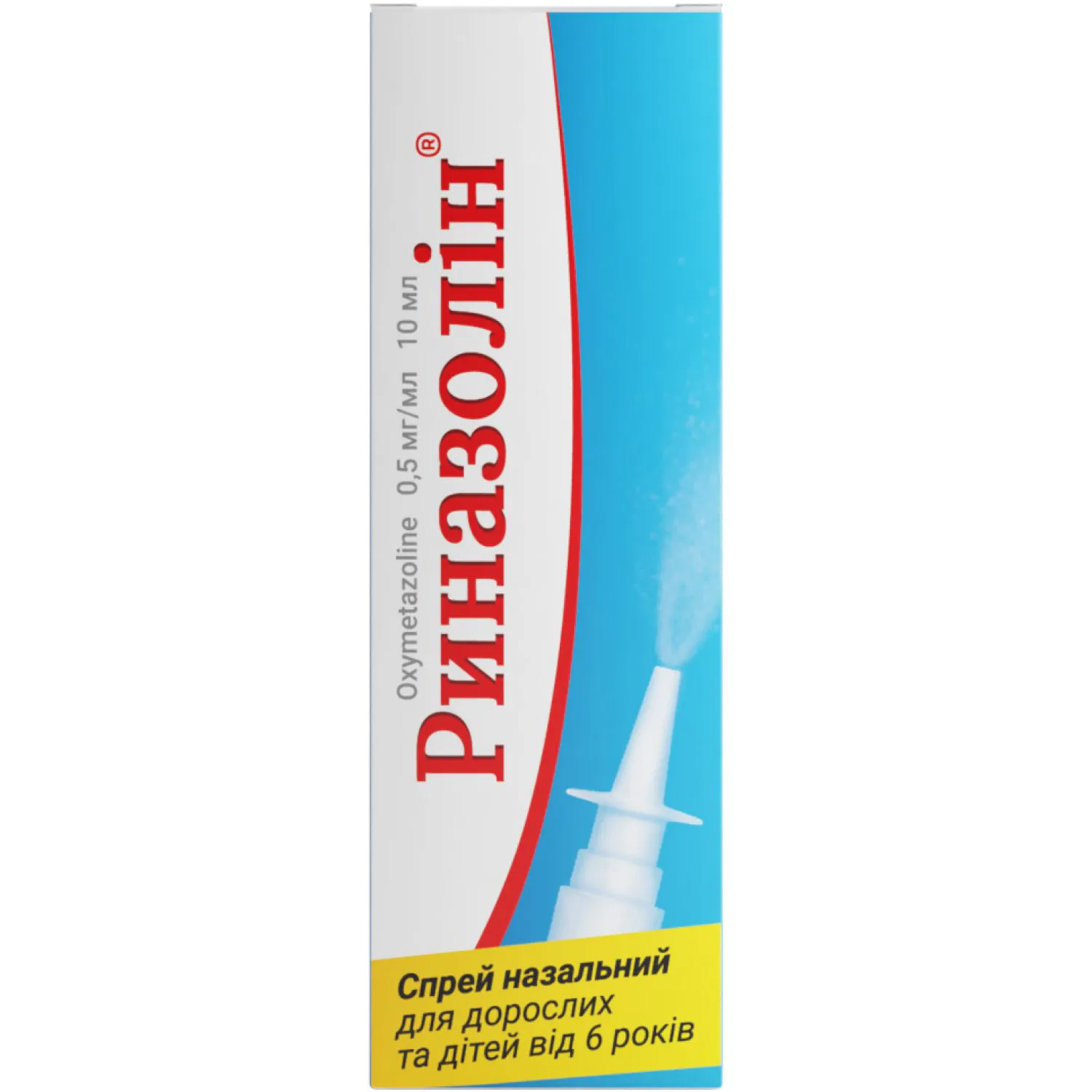
Rinazoline nasal spray 0.5 mg/ml bottle of 10 ml
Reviews
There are no reviews yet.