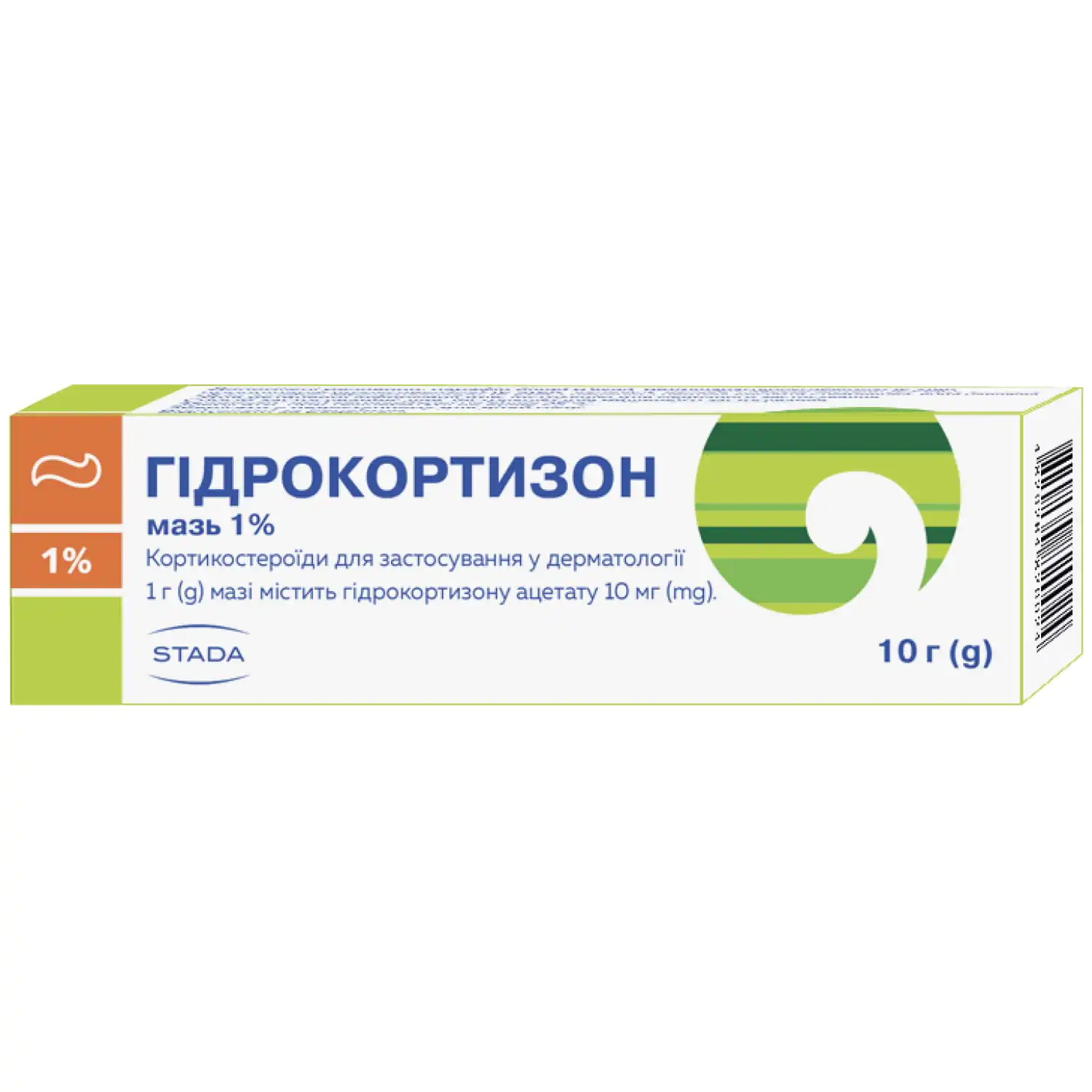
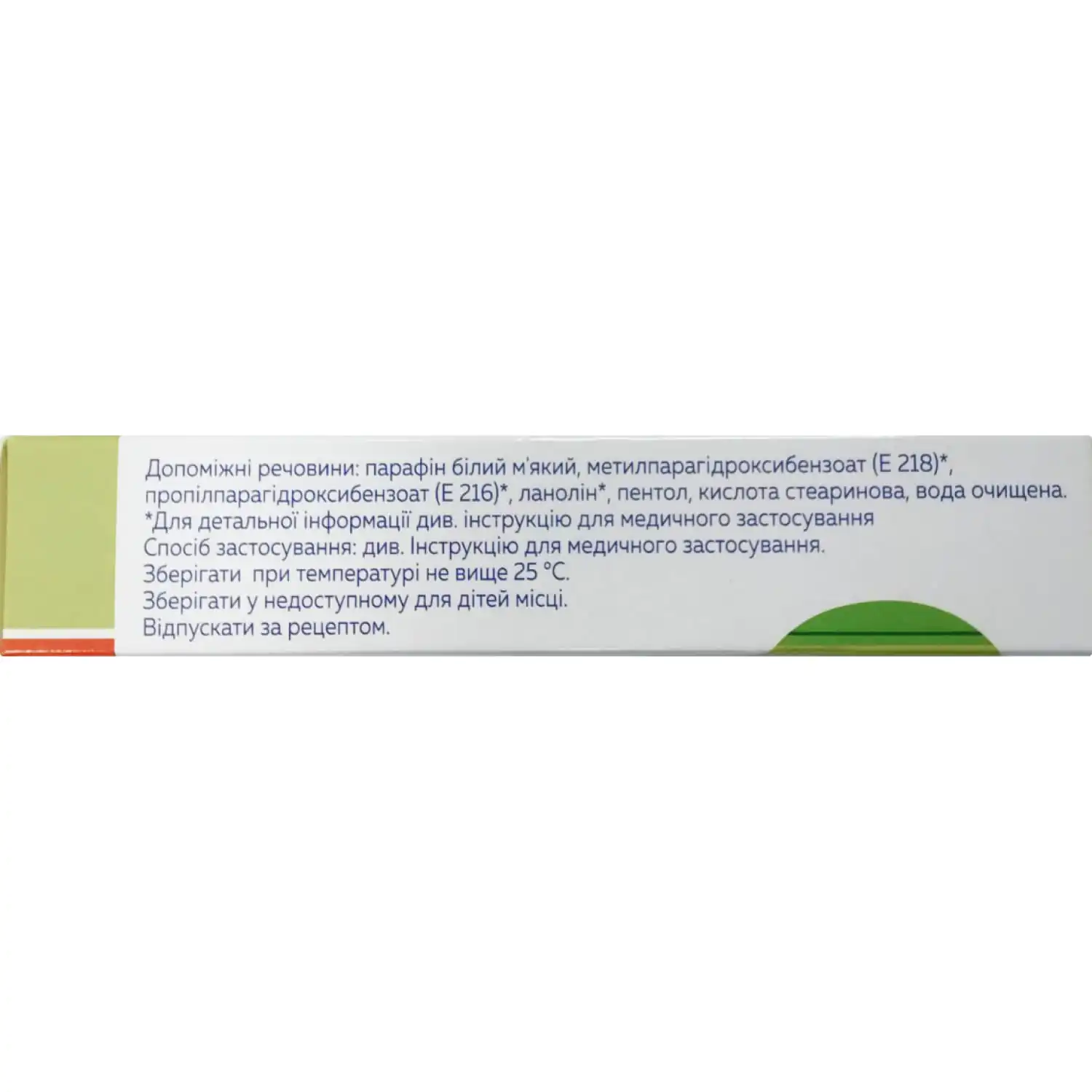
Hydrocortisone ointment is a topical corticosteroid that relieves inflammation, itching and redness in skin conditions such as eczema, dermatitis.

We deliver to:
🇦🇺 Australia
🇧🇪 Belgium
🇨🇦 Canada
🇨🇿 Czechia
🇩🇰 Denmark
🇪🇪 Estonia
🇫🇮 Finland
🇬🇷 Greece
🇭🇺 Hungary
🇮🇪 Ireland
🇮🇱 Israel
🇮🇹 Italy
🇯🇵 Japan
🇰🇼 Kuwait
🇱🇻 Latvia
🇱🇹 Lithuania
🇲🇽 Mexico
🇲🇩 Moldova
🇳🇱 Netherlands
🇳🇴 Norway
🇵🇱 Poland
🇷🇴 Romania
🇸🇰 Slovakia
🇰🇷 South Korea
🇨🇭 Switzerland
🇬🇧 United Kingdom
🇺🇸 United States of America
and more
We deliver to:
🇦🇺 Australia
🇧🇪 Belgium
🇨🇦 Canada
🇨🇿 Czechia
🇩🇰 Denmark
🇪🇪 Estonia
🇫🇮 Finland
🇬🇷 Greece
🇭🇺 Hungary
🇮🇪 Ireland
🇮🇱 Israel
🇮🇹 Italy
🇯🇵 Japan
🇰🇼 Kuwait
🇱🇻 Latvia
🇱🇹 Lithuania
🇲🇽 Mexico
🇲🇩 Moldova
🇳🇱 Netherlands
🇳🇴 Norway
🇵🇱 Poland
🇷🇴 Romania
🇸🇰 Slovakia
🇰🇷 South Korea
🇨🇭 Switzerland
🇬🇧 United Kingdom
🇺🇸 United States of America
and more
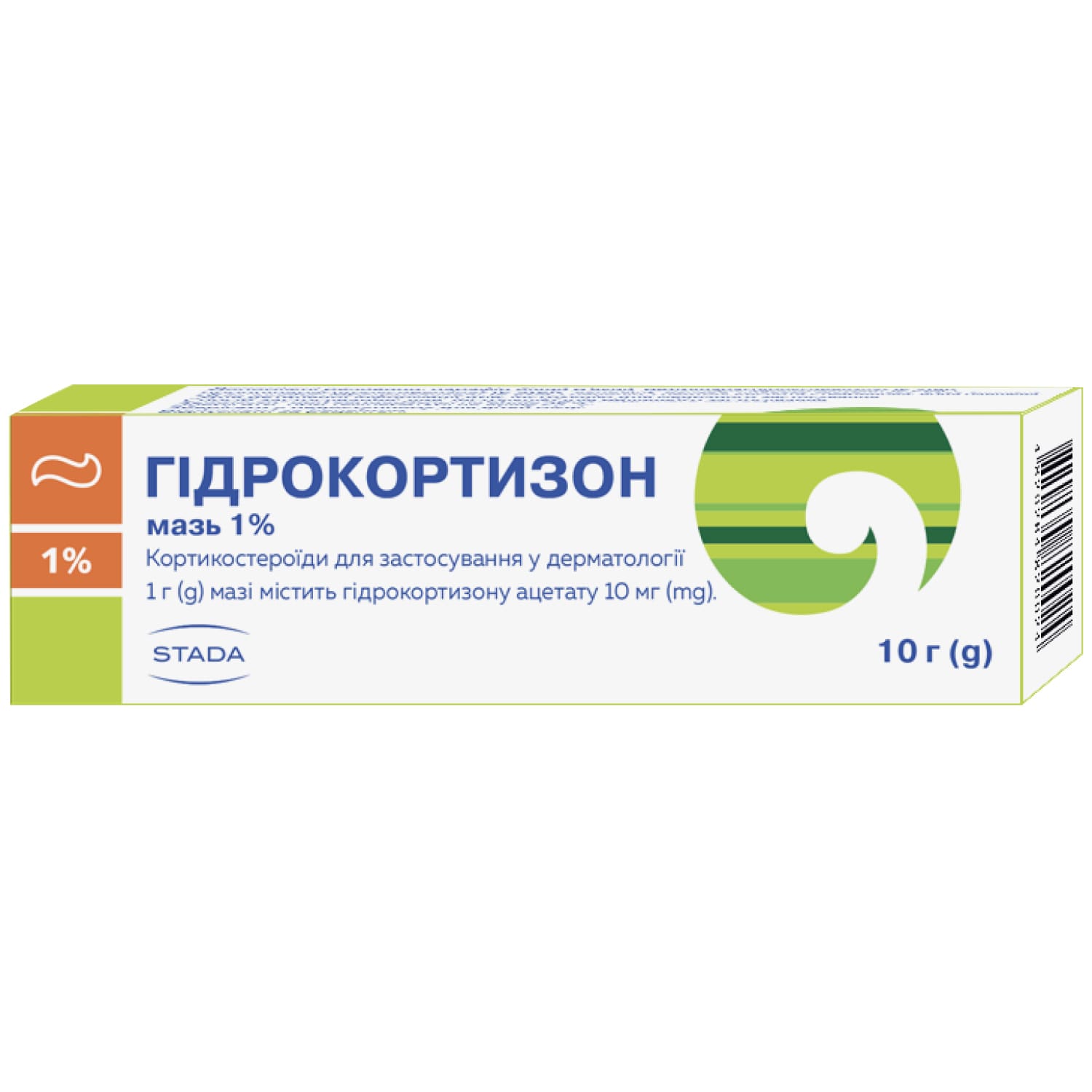
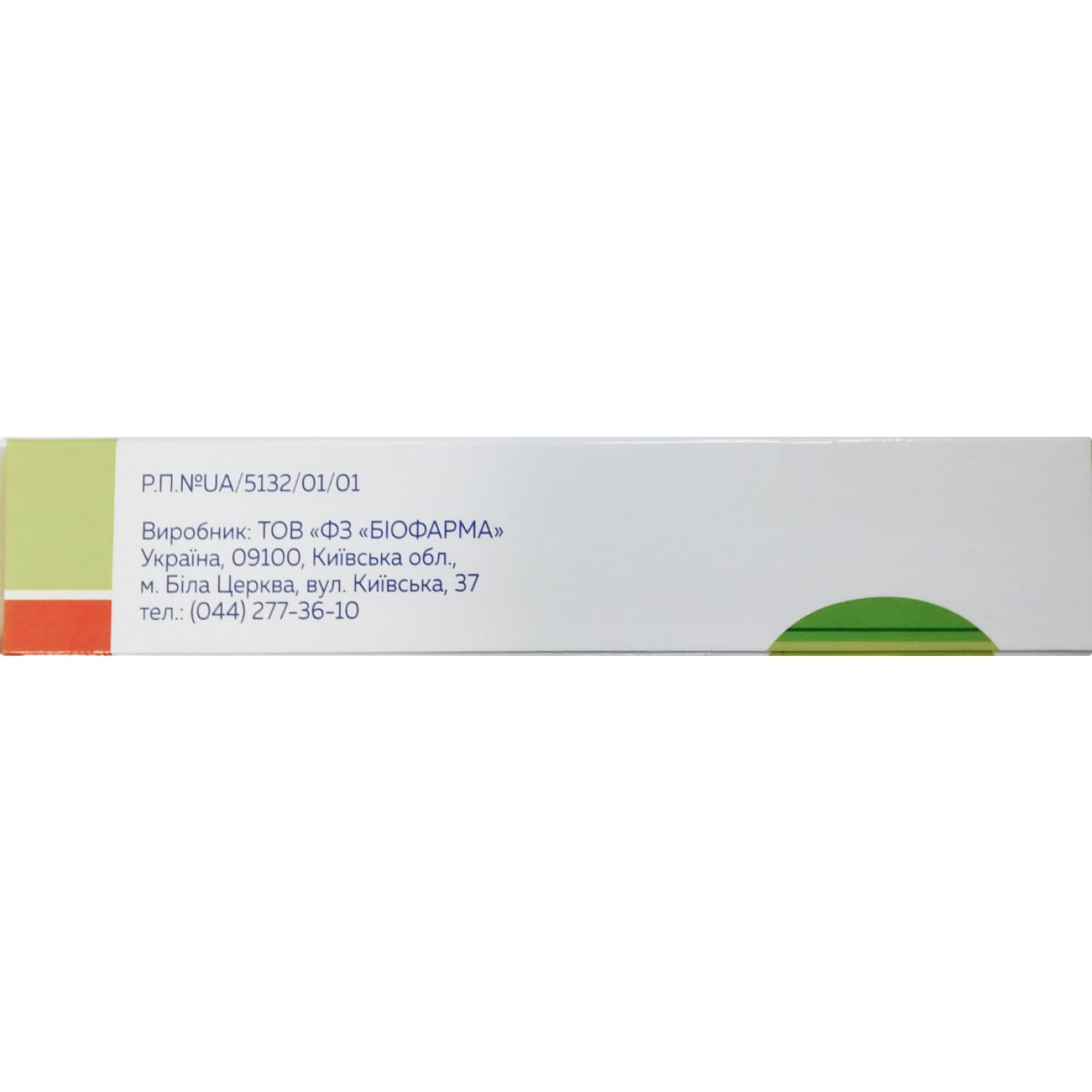
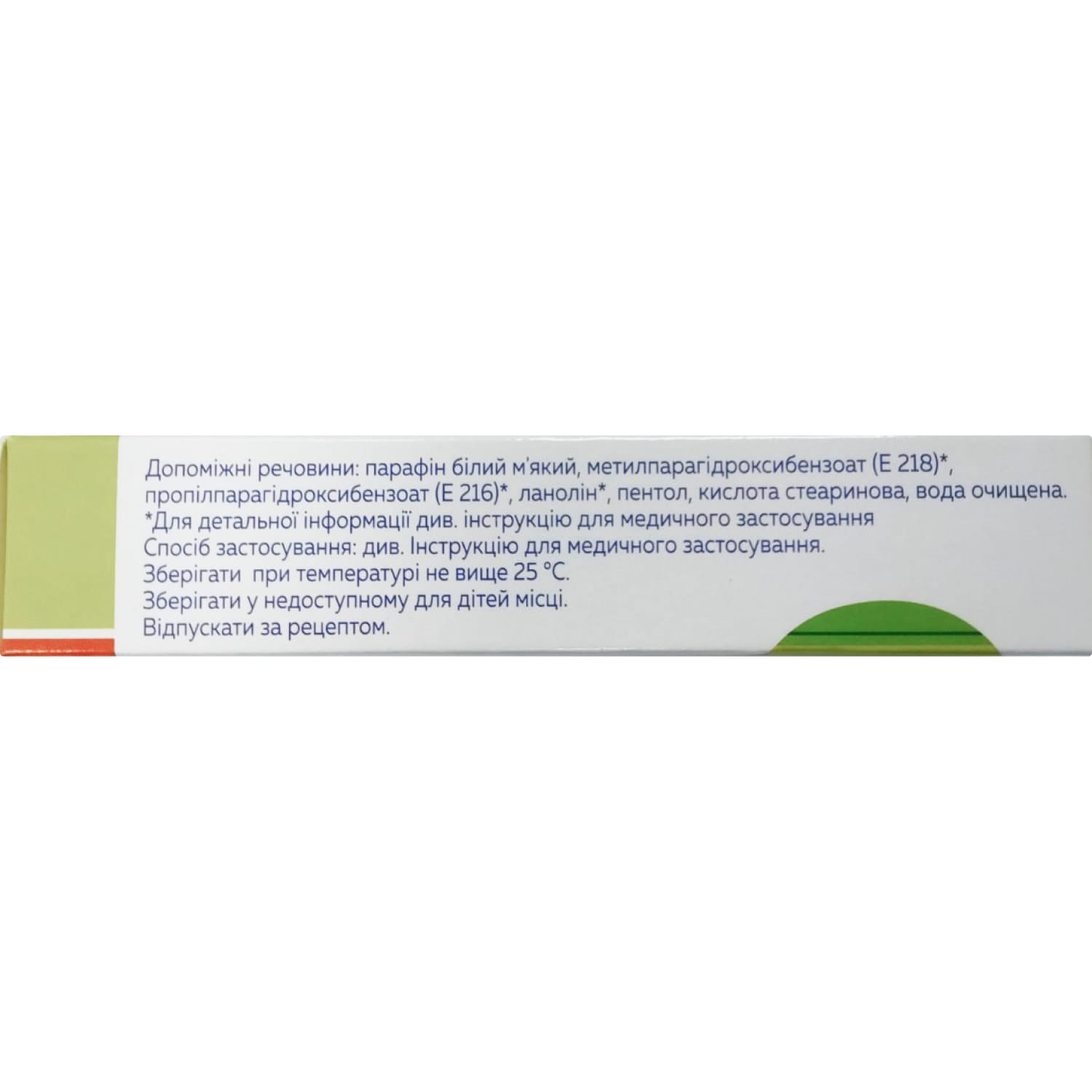
Please note: The product packaging may vary from the images shown. The contents, ingredients, and quality of the product remain unchanged.
Hydrocortisone ointment 1% tube 10 g
$16.41
Free Worldwide Shipping
to: Australia, Belgium, Canada, Czechia, Denmark, Estonia, Finland, Greece, Hungary, Ireland, Israel, Italy, Japan, Kuwait, Latvia, Lithuania, Mexico, Moldova, Netherlands, Norway, Poland, Romania, Slovakia, South Korea, Switzerland, United Kingdom, United States and more
🏖️ Hello! We are on vacation!
We are still accepting orders on our website; however, order processing and shipping will resume after September 10. If you place an order during our vacation, we will contact you and remind you about the temporary shipping delay. Starting September 10, all orders received during this period will be processed and shipped in the order they were placed. If your order contains a product with less than one year remaining before its expiration date, we will notify you after September 10 and proceed according to your instructions. If you decide to cancel an order placed during our vacation, simply contact us through the contact form on our website, and we will be happy to assist you. Thank you for your understanding, and we apologize for any inconvenience caused.
In stock
Categories: Dermatology
Brand: Stada
Payment
PayPal, Debit or Credit card, Google Pay, Apple Pay
Hydrocortisone – corticosteroids for use in dermatology.
Indications for use
Superficial non-infected dermatoses treated with topical corticosteroids (eczema, allergic and contact dermatitis, neurodermatitis, psoriasis).
Continuation of treatment or maintenance therapy for dermatoses that have been treated with stronger corticosteroids in the past.
Composition
- active ingredient: hydrocortisone acetate;
- 1 g of ointment contains hydrocortisone acetate 10 mg;
- excipients: white soft paraffin, methyl parahydroxybenzoate (E 218), propyl parahydroxybenzoate (E 216), lanolin, pentol, purified water, stearic acid.
Contraindication
- skin lesions caused by bacterial infections (e.g. pyoderma, syphilitic or tuberculous lesions), viral infections (e.g. chickenpox, herpes simplex, herpes zoster, common warts, flat warts, condyloma, molluscum contagiosum); infections caused by fungi and yeasts; parasitic infections (e.g. scabies);
- ulcerative skin lesions and wounds;
- adverse reactions caused by corticosteroids (e.g. perioral dermatitis, striae);
- ichthyosis, juvenile plantar dermatosis, acne vulgaris, rosacea, skin vascular fragility, skin atrophy;
- allergic hypersensitivity reactions to the components of the drug or corticosteroids (the latter occur rarely);
- skin neoplasm.
Adverse reactions
In the case of topical use of corticosteroids in diseases that lead to thinning of the cornea or sclera, perforation may occur. There is information about delayed wound healing, ptosis, mydriasis, blurred vision. In the case of long-term treatment, the development of secondary infectious skin lesions, atrophic changes, hypertrichosis is also possible. With prolonged use of the ointment, especially on large affected areas of the skin, the development of hypercorticism is possible as a manifestation of the resorptive effect of hydrocortisone. In such cases, the drug should be discontinued.
Systemic adverse reactions to topical corticosteroids in adults are rare but can be serious, especially adrenocortical suppression with prolonged use.
Method of application
Apply a small amount of the drug to the skin 1–3 times a day. When the condition improves, it is usually sufficient to use the drug once a day or 2–3 times a week.
The duration of use is determined by the doctor.
Hydrocortisone should be applied in a thin, even layer to the affected skin. The product can be gently rubbed into the skin to accelerate its penetration. An occlusive dressing can be applied to ensure a better therapeutic effect.
Application features
Use during pregnancy or breastfeeding
Pregnancy. Contraindicated.
Breastfeeding. Hydrocortisone ointment should only be used by breastfeeding women for short-term treatment and on small areas of skin. Breastfeeding should be discontinued for long-term treatment or application to large areas of affected skin.
Children
Use for children over 2 years of age.
Ability to influence reaction speed when driving vehicles or other mechanisms
There is no data on the effect of Hydrocortisone ointment on the ability to drive or use machines. No effects are expected.
Overdose
In case of chronic overdose or inappropriate use, side effects may occur.
If symptoms of hypercorticism occur, treatment should be discontinued.
Interaction with other medicinal products and other types of interactions
There are no data on interactions with other drugs.
Storage conditions
Keep out of the reach of children. Store at a temperature not exceeding 25 ºС.
Be the first to review “Hydrocortisone ointment 1% tube 10 g” Cancel reply
You may also like


Reviews
There are no reviews yet.