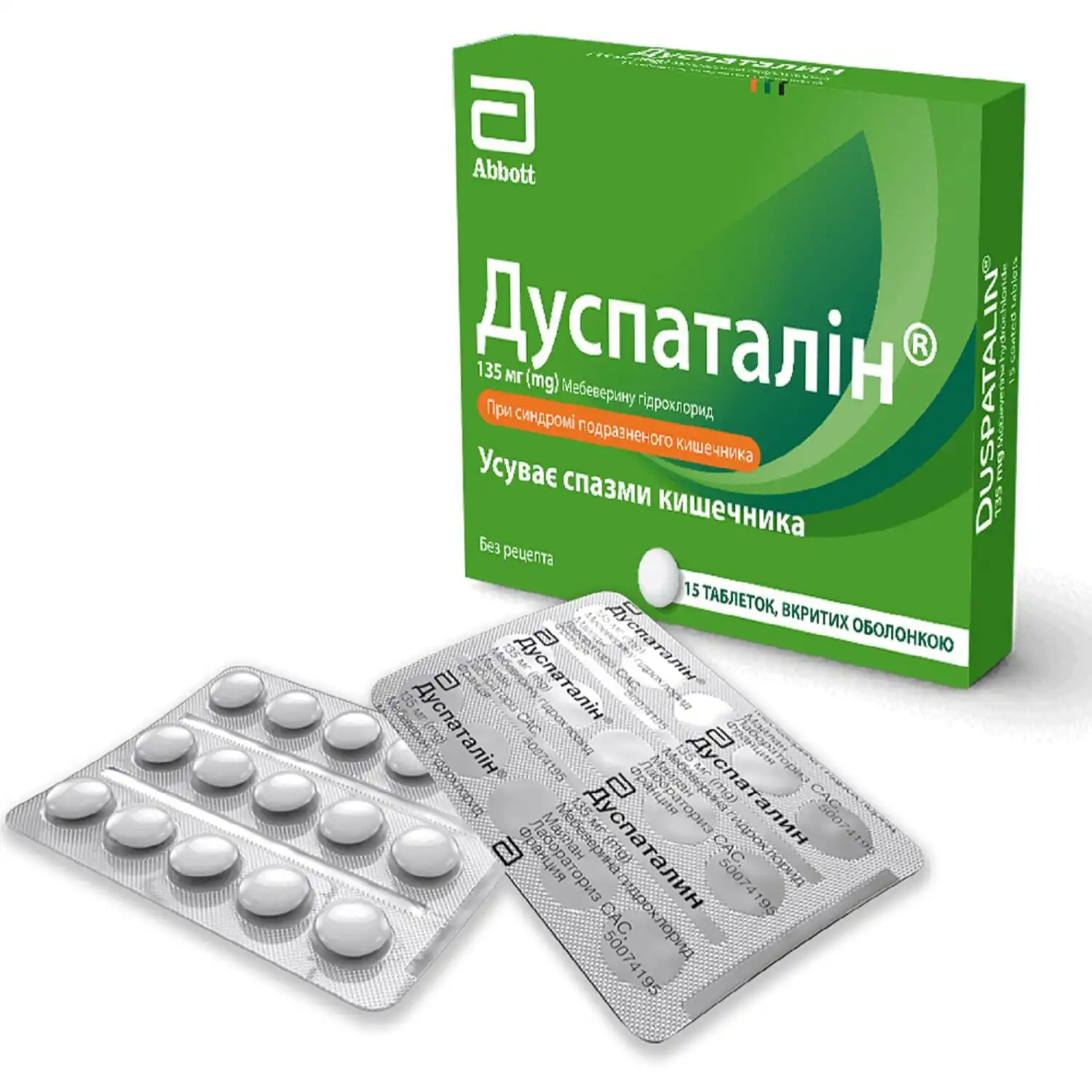
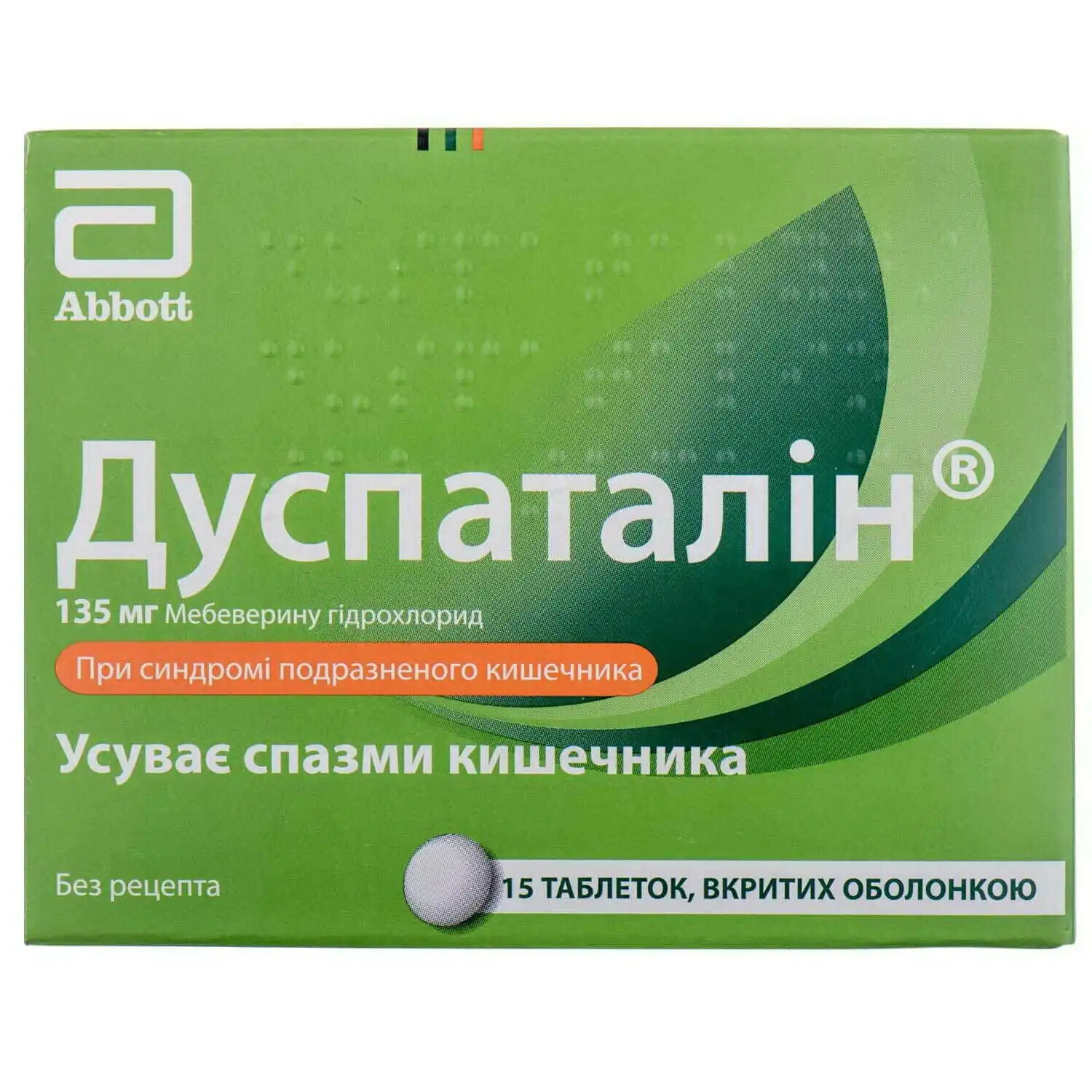
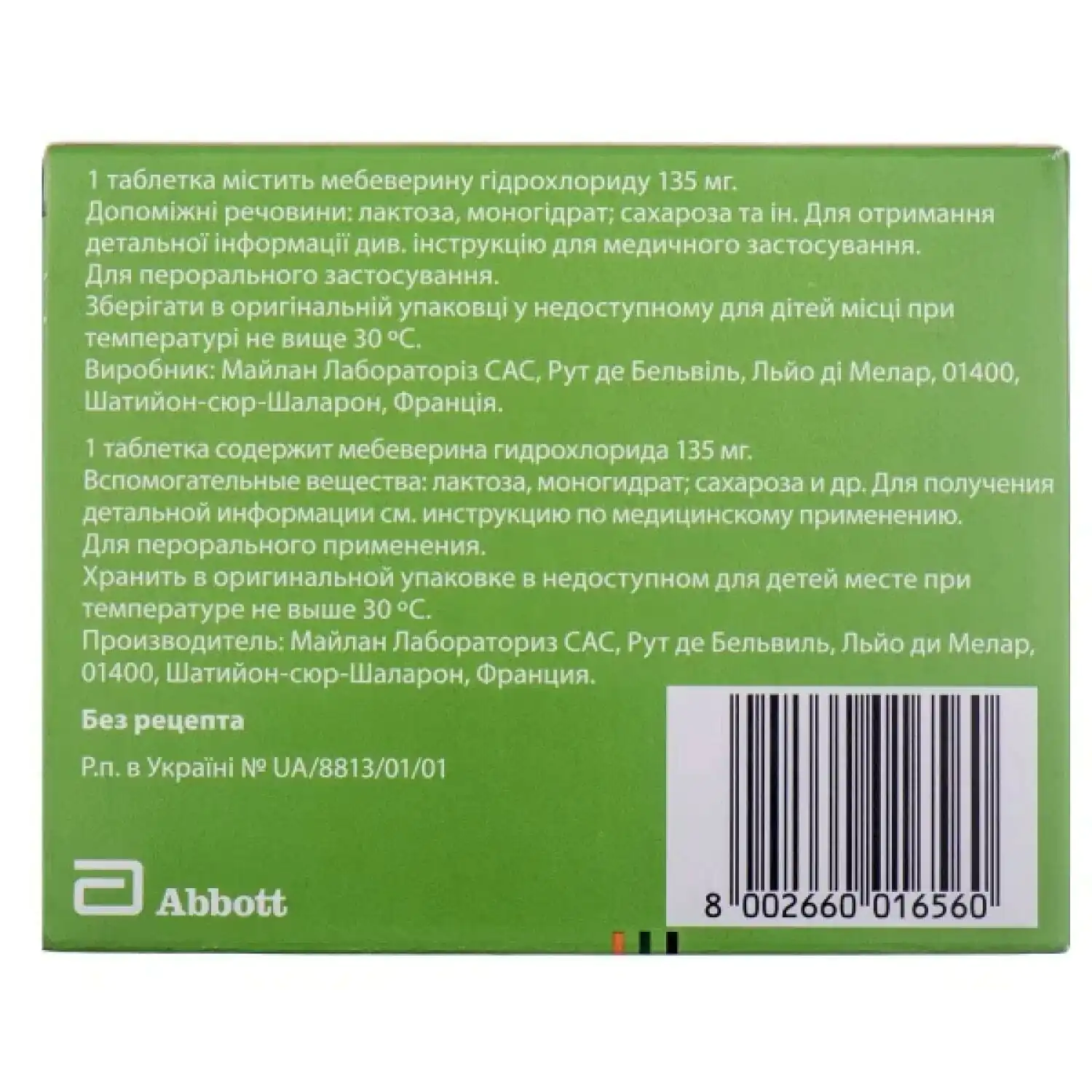
Duspatalin 135 mg film-coated tablets are a mebeverine-based antispasmodic used to relieve abdominal pain and spasms in irritable bowel syndrome.

We deliver to:
🇦🇺 Australia
🇧🇪 Belgium
🇨🇦 Canada
🇨🇿 Czechia
🇩🇰 Denmark
🇪🇪 Estonia
🇫🇮 Finland
🇬🇷 Greece
🇭🇺 Hungary
🇮🇪 Ireland
🇮🇱 Israel
🇮🇹 Italy
🇯🇵 Japan
🇰🇼 Kuwait
🇱🇻 Latvia
🇱🇹 Lithuania
🇲🇽 Mexico
🇲🇩 Moldova
🇳🇱 Netherlands
🇳🇴 Norway
🇵🇱 Poland
🇷🇴 Romania
🇸🇰 Slovakia
🇰🇷 South Korea
🇨🇭 Switzerland
🇬🇧 United Kingdom
🇺🇸 United States of America
and more
We deliver to:
🇦🇺 Australia
🇧🇪 Belgium
🇨🇦 Canada
🇨🇿 Czechia
🇩🇰 Denmark
🇪🇪 Estonia
🇫🇮 Finland
🇬🇷 Greece
🇭🇺 Hungary
🇮🇪 Ireland
🇮🇱 Israel
🇮🇹 Italy
🇯🇵 Japan
🇰🇼 Kuwait
🇱🇻 Latvia
🇱🇹 Lithuania
🇲🇽 Mexico
🇲🇩 Moldova
🇳🇱 Netherlands
🇳🇴 Norway
🇵🇱 Poland
🇷🇴 Romania
🇸🇰 Slovakia
🇰🇷 South Korea
🇨🇭 Switzerland
🇬🇧 United Kingdom
🇺🇸 United States of America
and more
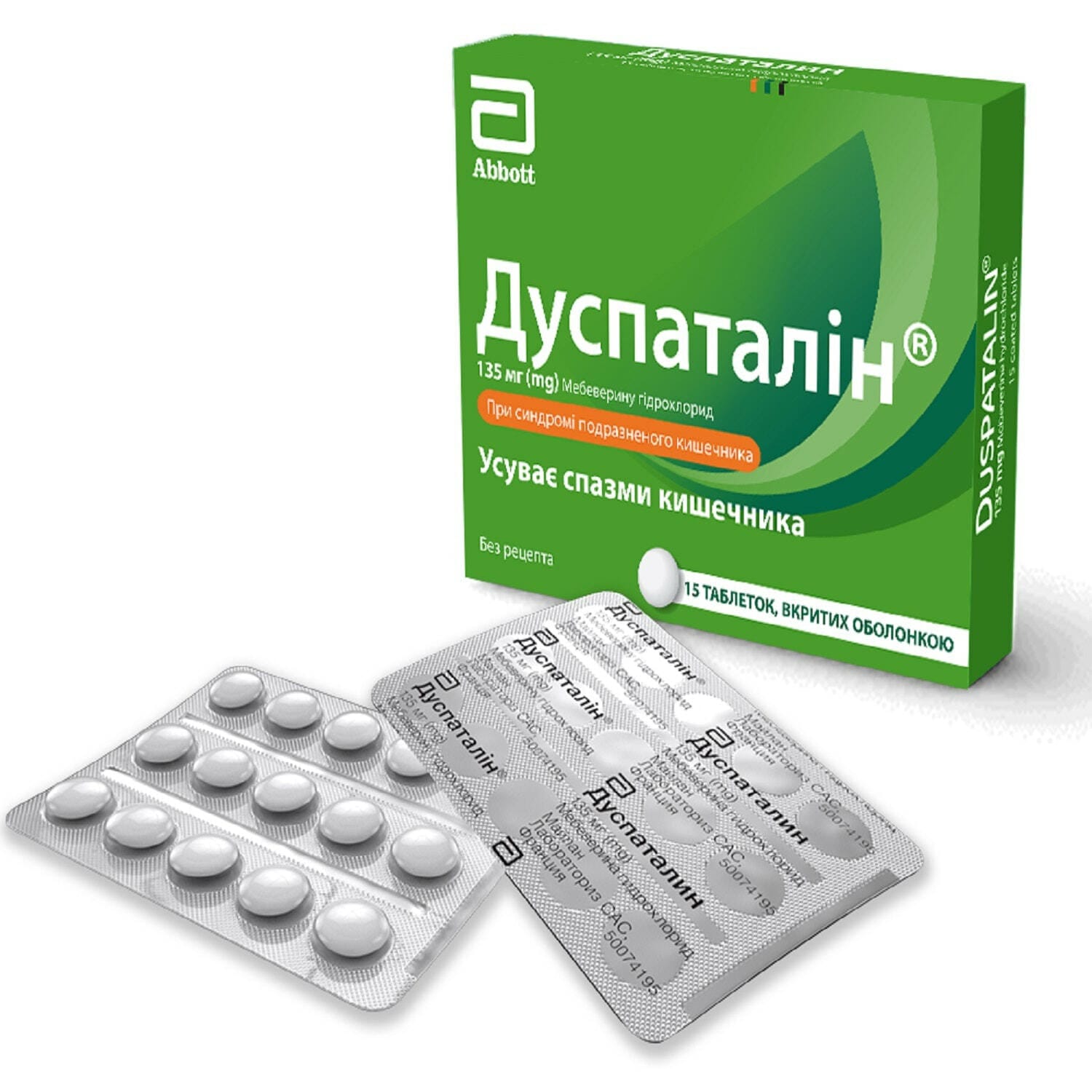
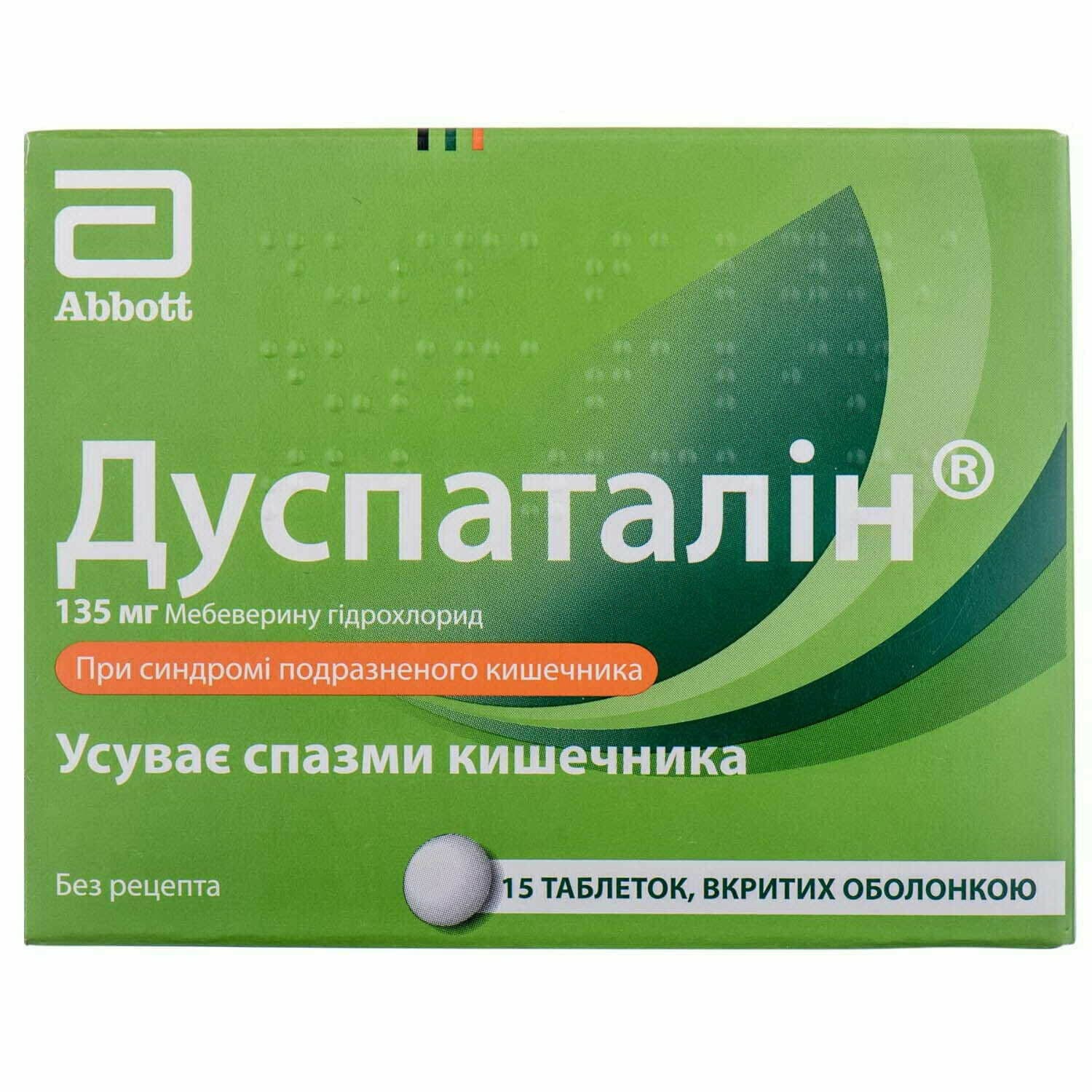
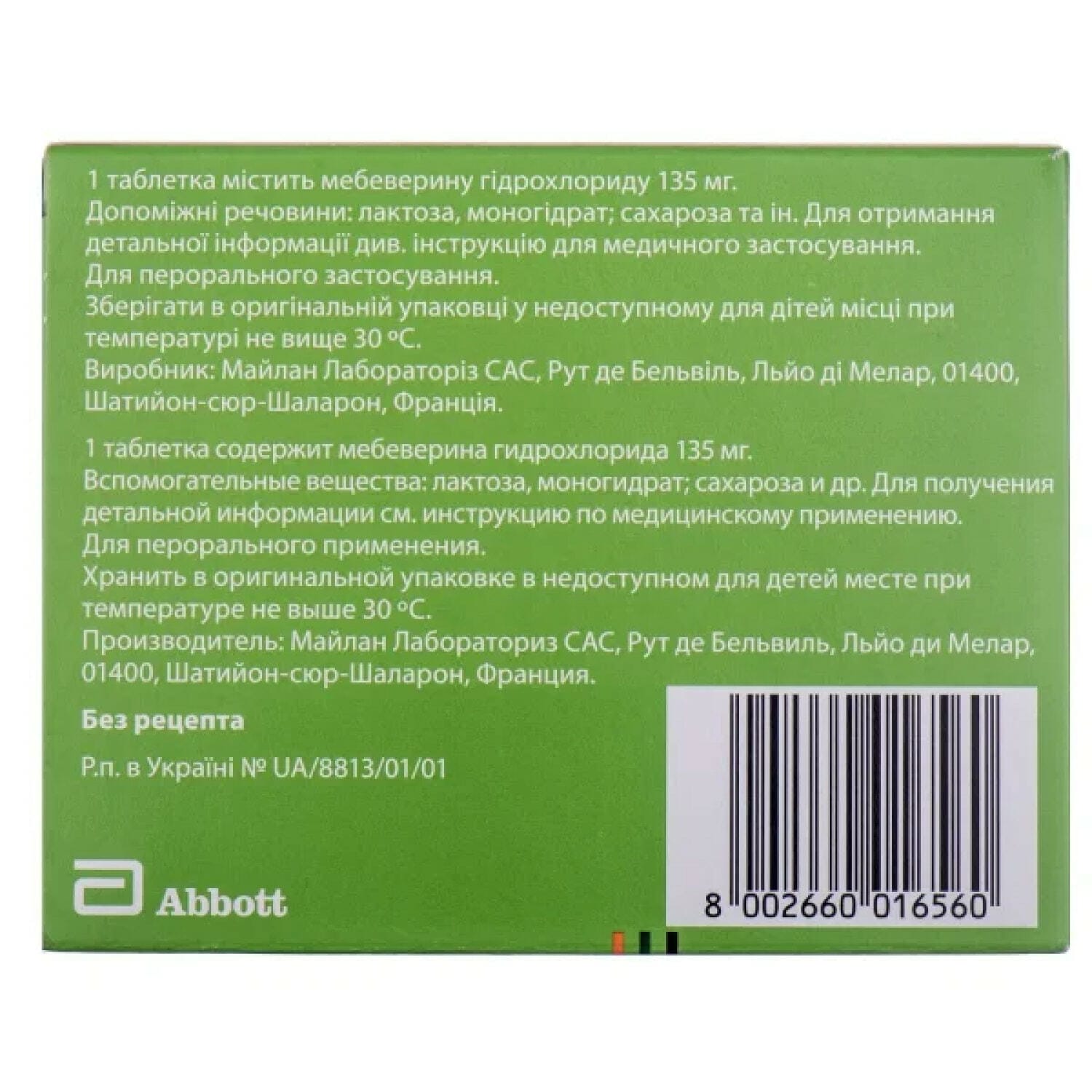
Please note: The product packaging may vary from the images shown. The contents, ingredients, and quality of the product remain unchanged.
Duspatalin film-coated tablets 135 mg blister 15 pcs.
$21.66
Free Worldwide Shipping
to: Australia, Belgium, Canada, Czechia, Denmark, Estonia, Finland, Greece, Hungary, Ireland, Israel, Italy, Japan, Kuwait, Latvia, Lithuania, Mexico, Moldova, Netherlands, Norway, Poland, Romania, Slovakia, South Korea, Switzerland, United Kingdom, United States and more
🏖️ Hello! We are on vacation!
We are still accepting orders on our website; however, order processing and shipping will resume after September 10. If you place an order during our vacation, we will contact you and remind you about the temporary shipping delay. Starting September 10, all orders received during this period will be processed and shipped in the order they were placed. If your order contains a product with less than one year remaining before its expiration date, we will notify you after September 10 and proceed according to your instructions. If you decide to cancel an order placed during our vacation, simply contact us through the contact form on our website, and we will be happy to assist you. Thank you for your understanding, and we apologize for any inconvenience caused.
In stock
Categories: Gastrointestinal tract and liver, Pain relief
Brand: Abbott
Payment
PayPal, Debit or Credit card, Google Pay, Apple Pay
Composition and form of release
Composition
active ingredient: mebeverine hydrochloride;
1 tablet contains mebeverine hydrochloride 135 mg;
excipients: lactose monohydrate; potato starch; povidone; talc; magnesium stearate;
shell: talc, sucrose, gelatin, acacia, carnauba wax.
Release form
Film-coated tablets.
Pharmacological properties
Pharmacodynamics. Mechanism of action and pharmacodynamic effects. Mebeverine is a myotropic antispasmodic with a selective effect on the smooth muscles of the gastrointestinal tract. It eliminates spasms without suppressing normal intestinal motility. Since this action is not mediated by the autonomic nervous system, typical anticholinergic side effects are absent.
Clinical efficacy and safety. The clinical efficacy and safety of different dosage forms of mebeverine have been studied in more than 1500 patients. A significant reduction in the severity of the predominant symptoms of irritable bowel syndrome (e.g. abdominal pain, stool pattern) was usually observed in reference and controlled clinical studies according to the main significance.
All dosage forms of mebeverine were generally safe and well tolerated at the recommended dosage regimen.
Children. Clinical studies of mebeverine in tablet or capsule form have been conducted only in adults. Clinical efficacy and safety data from clinical trials, as well as post-marketing experience with mebeverine pamoate suspension in patients older than 3 years of age, have demonstrated that mebeverine is an effective, safe, and well-tolerated drug.
Clinical trials of mebeverine suspension have shown it to be effective in relieving symptoms of irritable bowel syndrome in children. Further open-label, placebo-controlled trials of mebeverine suspension have confirmed its efficacy.
The dosage regimen of tablets or capsules is calculated based on the safety and tolerability of mebeverine.
Pharmacokinetics
Absorption: Mebeverine is rapidly and completely absorbed after oral administration in tablet form. Due to the prolonged release of the drug from the capsule, it can be taken twice a day.
Distribution: With repeated use of Duspatalin, no significant cumulation occurs.
Biotransformation. Mebeverine hydrochloride is mainly metabolized by esterases, which in the first stage of metabolism cleave the ester bonds with the formation of veratric acid and mebeverine alcohol. In blood plasma, demethylcarboxylic acid (DMCA) is the main metabolite. T ½ DMCA in the equilibrium state is 2.45 h for tablets and 5.77 h for capsules. With repeated use of tablets, C max and T max DMCA are 1670 ng / ml and 1 h, respectively. With repeated use of capsules (200 mg 2 times a day), C max for DMCA was 804 ng / ml, and T max – about 3 h. The relative bioavailability of prolonged-release capsules was optimal with an average ratio of 97%.
Excretion. Mebeverine is NOT excreted unchanged, it is completely metabolized, and the metabolites are excreted almost completely. Veratric acid is excreted in the urine. Mebeverine alcohol is also excreted by the kidneys in the form of the corresponding carboxylic acid (CC) or DMCC.
Indication
Symptomatic relief of irritable bowel syndrome.
Contraindication
Hypersensitivity to the active substance or any of the inactive components of the drug.
Application
For oral use.
The tablets should be taken with a sufficient amount of water (at least 100 ml). It is not recommended to chew them due to the unpleasant taste.
The duration of use is not limited.
If one or more doses are missed, the patient should take the next dose as scheduled. The missed dose(s) should not be taken in addition to the regular dose.
Adults (including elderly patients).
It is advisable to take 1 tablet 3 times a day, preferably 20 minutes before meals.
If symptoms persist for more than 2 weeks, you should consult a doctor.
Special instructions
Since Duspatalin film-coated tablets contain lactose and sucrose, patients with rare hereditary problems of galactose or fructose intolerance, the Lapp lactase deficiency, glucose-galactose malabsorption or sucrase-isomaltase insufficiency should not take this medicine.
Use during pregnancy and breastfeeding
Pregnancy. There are only very limited data on the use of mebeverine in pregnant women. Animal reproductive toxicity studies are insufficient. Duspatalin is not recommended for use during pregnancy.
Breastfeeding. It is not known whether mebeverine or its metabolites are excreted in human breast milk. The excretion of mebeverine in animal breast milk has not been studied. Duspatalin should not be taken during breastfeeding.
There is no clinical data on the effect on male or female fertility, but animal studies do not indicate such side effects of Duspatalin.
Children. The drug should not be used in children under 3 years of age due to the lack of clinical data for this age group. It is also not recommended to use the drug in children aged 3-10 years due to the high content of the active substance.
Drivers
Studies on the effects on the ability to drive and use machines have not been conducted. The pharmacodynamic and pharmacokinetic profile, as well as post-marketing experience, do not indicate any negative effect on the ability to drive or use machines.
Overdose
In case of overdose, excitation of the central nervous system may theoretically occur. In case of overdose with mebeverine, symptoms were either absent or mild and disappeared quickly. The symptoms of overdose that were observed were of neurological or cardiovascular origin. A specific antidote is unknown. Symptomatic treatment is recommended. Gastric lavage is recommended only in case of intoxication with multiple drugs, which was diagnosed within 1 hour from the moment of taking the drugs. Measures to reduce absorption are not necessary.
Side effects
The following adverse reactions have been reported spontaneously during post-marketing use. The frequency cannot be accurately estimated from the available data.
Allergic reactions were observed, mainly on the skin.
Skin and subcutaneous tissue disorders: urticaria, angioedema, facial edema, and rash.
Immune system disorders: hypersensitivity (anaphylactic reactions).
Interactions
Interaction studies were conducted only with alcohol. In vitro and in vivo studies on animals demonstrated the absence of any interaction between Duspatalin and ethanol.
Storage conditions
Store the tablets in their original packaging out of the reach of children at a temperature not exceeding 30°C.
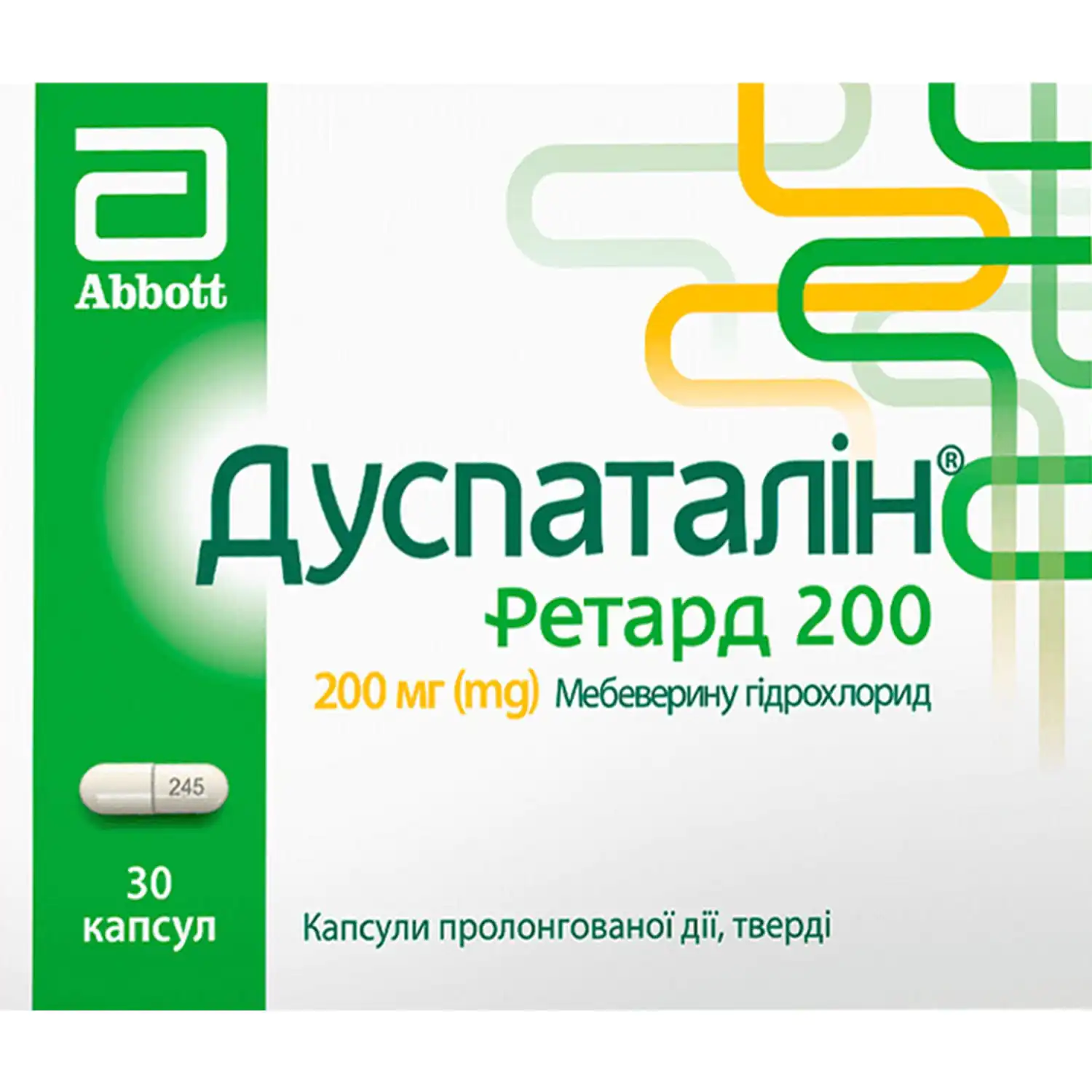
Store capsules in their original packaging at a temperature not exceeding 25 °C. Do not store below 5 °C. Keep out of the reach of children.
Be the first to review “Duspatalin film-coated tablets 135 mg blister 15 pcs.” Cancel reply
You may also like


Enterosgel paste for oral use container 135 g
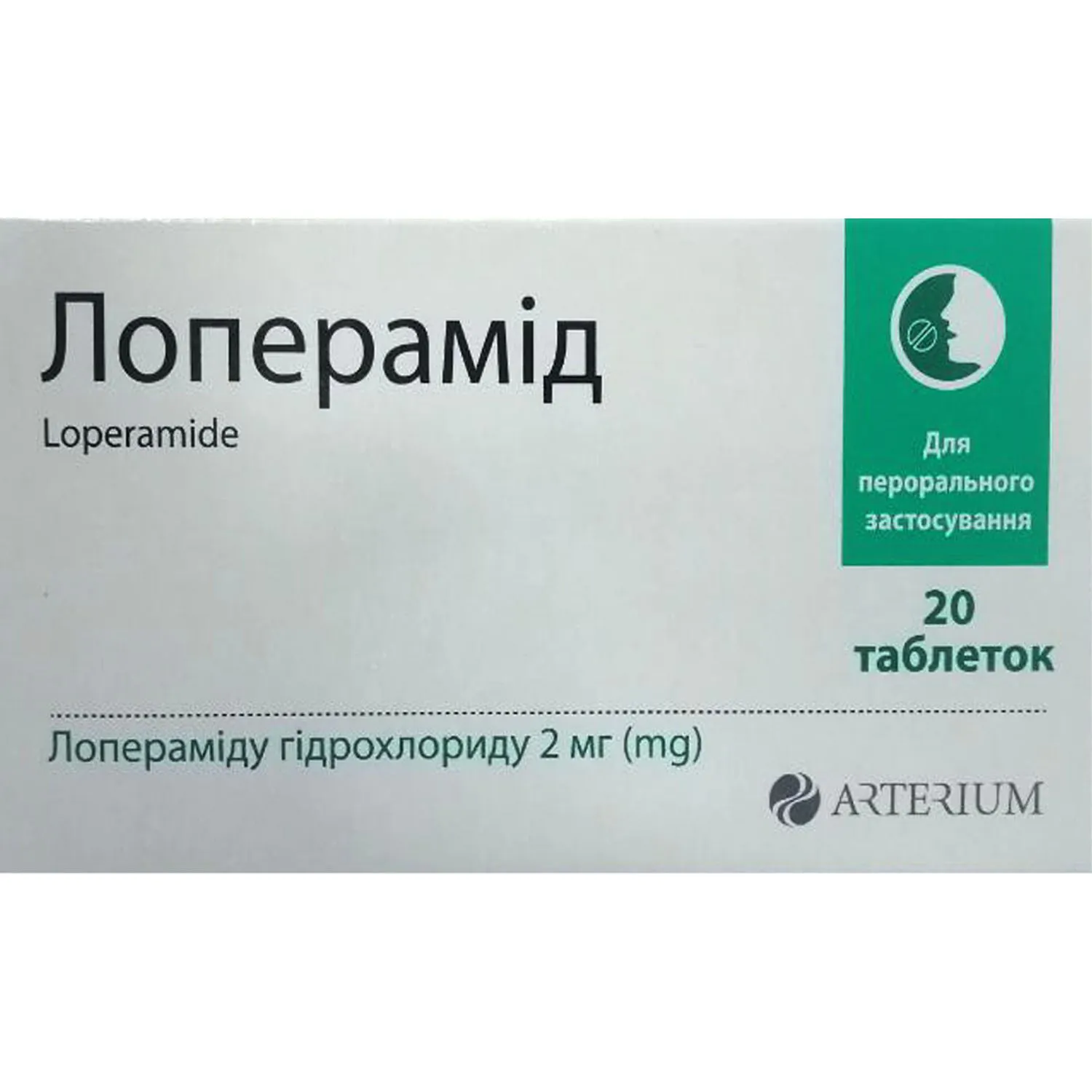
Loperamide tablets of 2 mg, 20 pcs
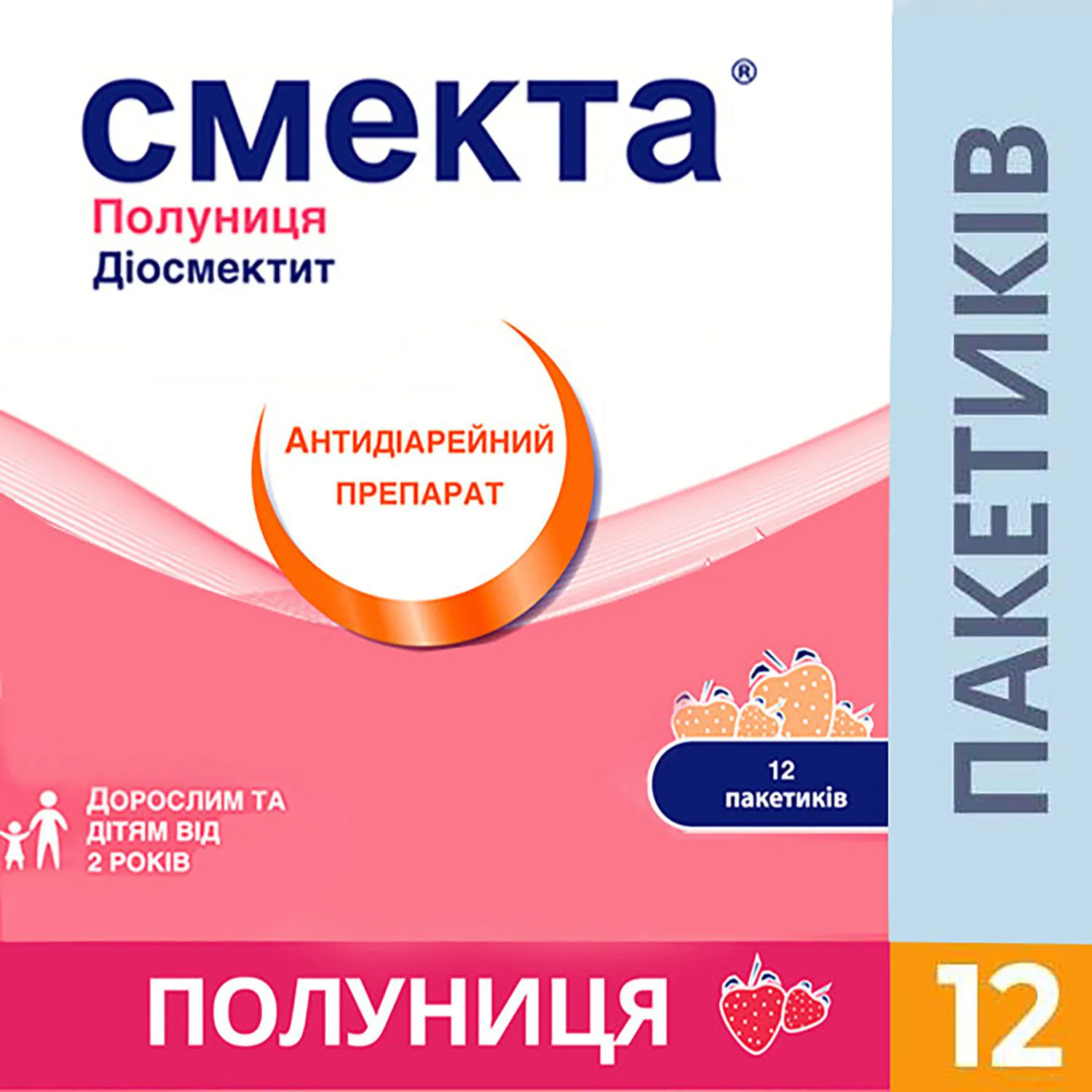
Smecta Strawberry powder for oral suspension in sachets of 3 g 12 pcs
Reviews
There are no reviews yet.