Ketanov (ketorolac) relieves moderate to severe pain, including postoperative, with strong analgesic and anti-inflammatory effects for short-term use.

We deliver to:
🇦🇺 Australia
🇧🇪 Belgium
🇨🇦 Canada
🇨🇿 Czechia
🇩🇰 Denmark
🇪🇪 Estonia
🇫🇮 Finland
🇬🇷 Greece
🇭🇺 Hungary
🇮🇪 Ireland
🇮🇱 Israel
🇮🇹 Italy
🇯🇵 Japan
🇰🇼 Kuwait
🇱🇻 Latvia
🇱🇹 Lithuania
🇲🇽 Mexico
🇲🇩 Moldova
🇳🇱 Netherlands
🇳🇴 Norway
🇵🇱 Poland
🇷🇴 Romania
🇸🇰 Slovakia
🇰🇷 South Korea
🇨🇭 Switzerland
🇬🇧 United Kingdom
🇺🇸 United States of America
and more
We deliver to:
🇦🇺 Australia
🇧🇪 Belgium
🇨🇦 Canada
🇨🇿 Czechia
🇩🇰 Denmark
🇪🇪 Estonia
🇫🇮 Finland
🇬🇷 Greece
🇭🇺 Hungary
🇮🇪 Ireland
🇮🇱 Israel
🇮🇹 Italy
🇯🇵 Japan
🇰🇼 Kuwait
🇱🇻 Latvia
🇱🇹 Lithuania
🇲🇽 Mexico
🇲🇩 Moldova
🇳🇱 Netherlands
🇳🇴 Norway
🇵🇱 Poland
🇷🇴 Romania
🇸🇰 Slovakia
🇰🇷 South Korea
🇨🇭 Switzerland
🇬🇧 United Kingdom
🇺🇸 United States of America
and more
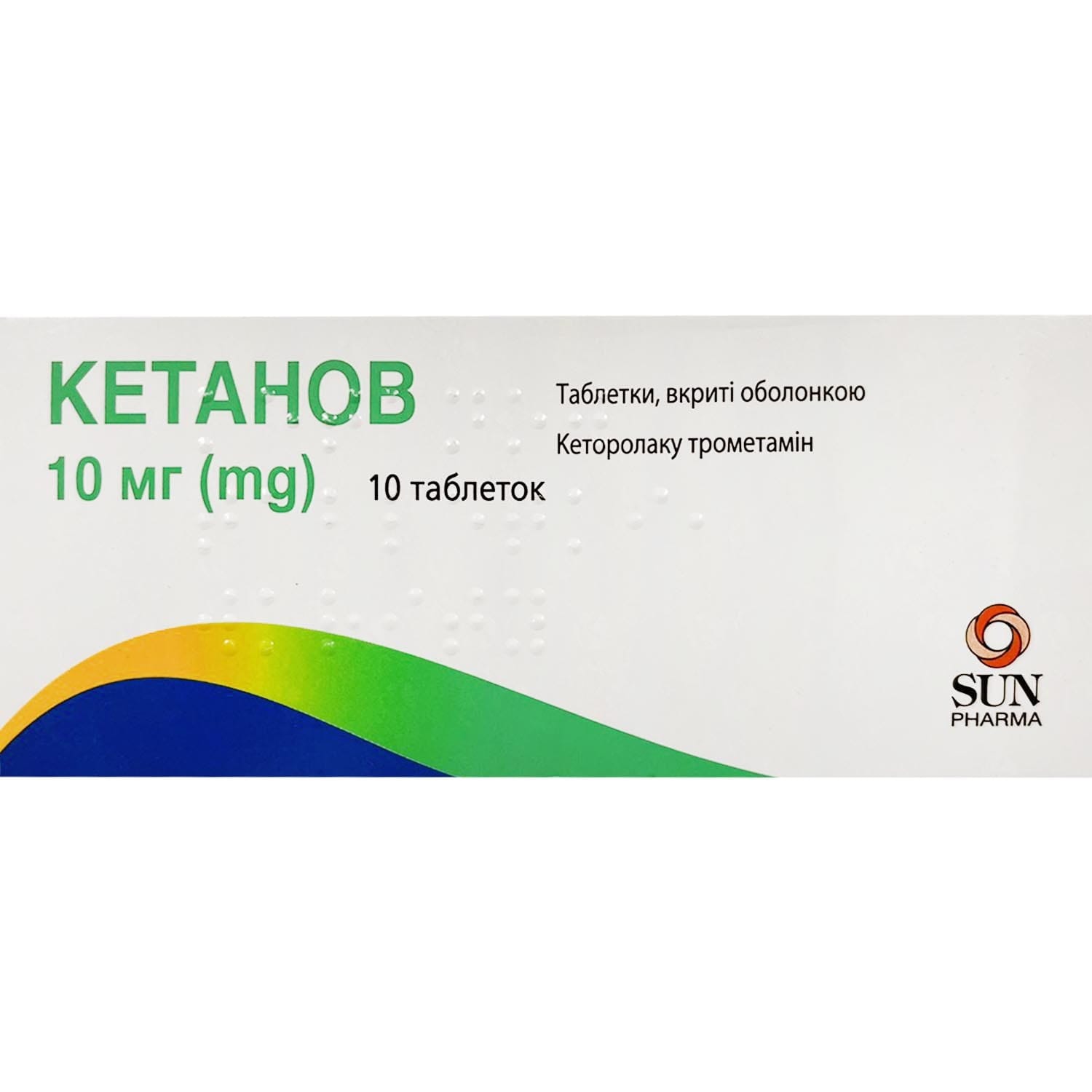
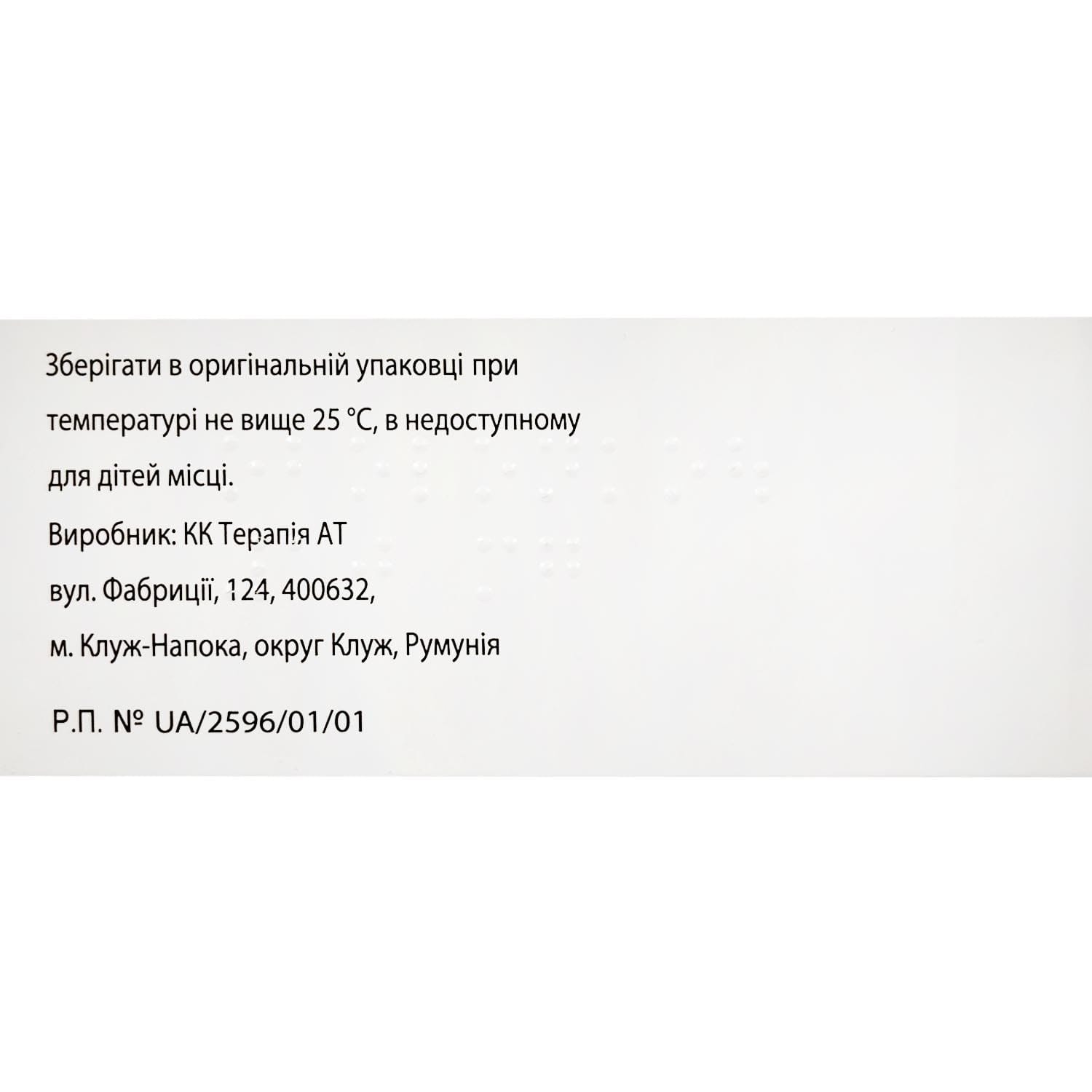
Please note: The product packaging may vary from the images shown. The contents, ingredients, and quality of the product remain unchanged.
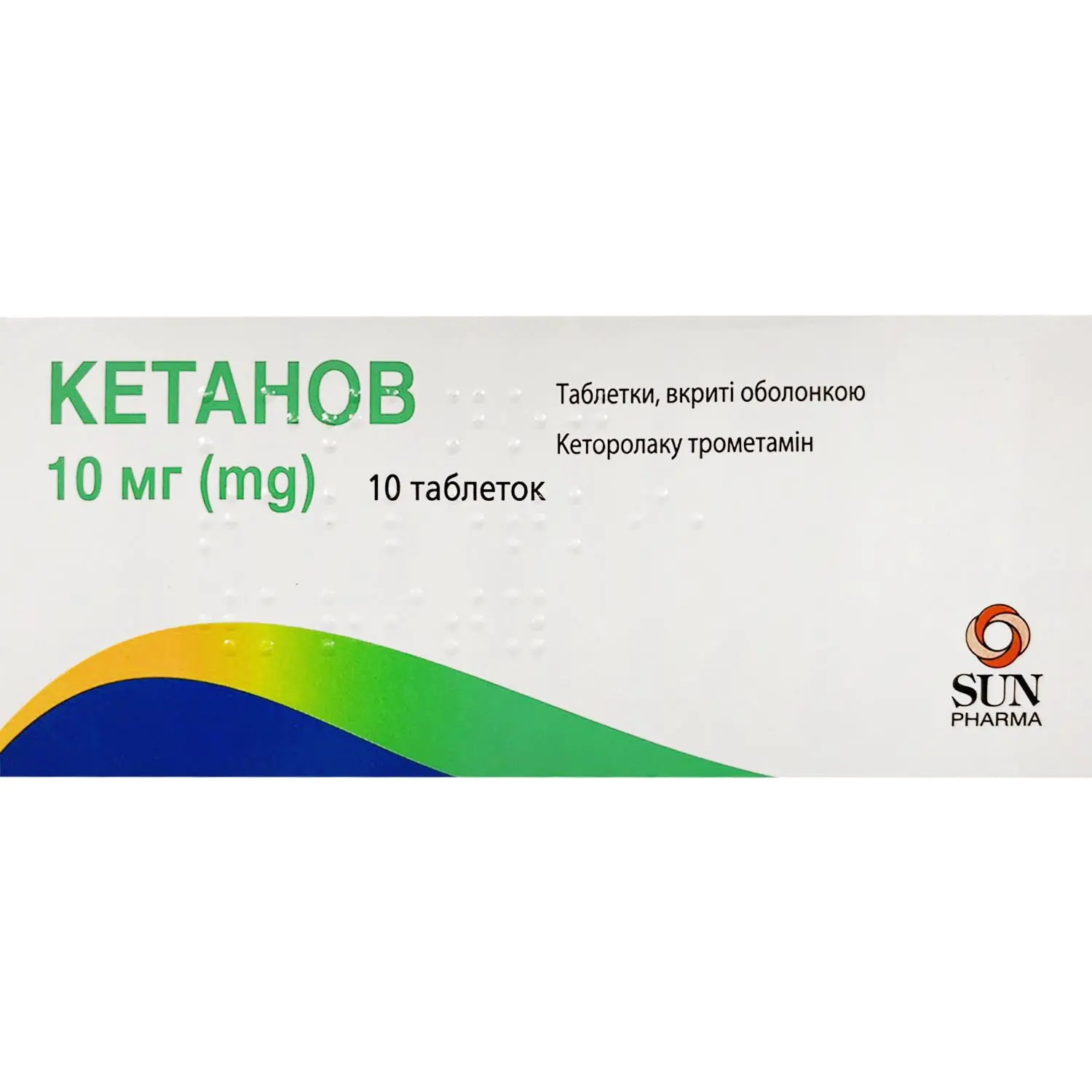
Ketanov film-coated tablets blister pack of 10 pcs.
$17.82
Free Worldwide Shipping
to: Australia, Belgium, Canada, Czechia, Denmark, Estonia, Finland, Greece, Hungary, Ireland, Israel, Italy, Japan, Kuwait, Latvia, Lithuania, Mexico, Moldova, Netherlands, Norway, Poland, Romania, Slovakia, South Korea, Switzerland, United Kingdom, United States and more
🏖️ Hello! We are on vacation!
We are still accepting orders on our website; however, order processing and shipping will resume after September 10. If you place an order during our vacation, we will contact you and remind you about the temporary shipping delay. Starting September 10, all orders received during this period will be processed and shipped in the order they were placed. If your order contains a product with less than one year remaining before its expiration date, we will notify you after September 10 and proceed according to your instructions. If you decide to cancel an order placed during our vacation, simply contact us through the contact form on our website, and we will be happy to assist you. Thank you for your understanding, and we apologize for any inconvenience caused.
In stock
Categories: Pain relief
Brand: Sun Pharma
Payment
PayPal, Debit or Credit card, Google Pay, Apple Pay
Orders Temporarily Unavailable
Due to temporary postal service disruptions, we are currently unable to accept orders.
Pharmacological properties
Pharmacodynamics. Ketorolac tromethamine is a non-narcotic analgesic. It is an NSAID that exhibits anti-inflammatory and weak antipyretic activity. Ketorolac tromethamine inhibits prostaglandin synthesis and is a peripherally acting analgesic. Ketorolac has no known effect on opiate receptors. No phenomena indicative of respiratory depression were observed after the use of ketorolac tromethamine in controlled clinical studies. Ketorolac tromethamine does not cause mydriasis.
Pharmacokinetics. After oral administration of ketorolac tromethamine, it is rapidly and completely absorbed from the gastrointestinal tract with a Cmax of 0.87 mg/kg in plasma 50 min after a single 10 mg dose. In healthy volunteers, the terminal T½ from plasma averages 5.4 h. In the elderly (mean age 72 years) it is 6.2 h. More than 99% of ketorolac in plasma is bound to plasma proteins. In humans, after single or multiple doses, the pharmacokinetics of ketorolac are linear. Steady-state plasma levels are achieved within 1 day when administered 4 times daily. No changes were observed with prolonged dosing. After a single intravenous dose, the volume of distribution is 0.25 l/kg, T½ is 5 h, and clearance is 0.55 ml/min/kg. The main route of excretion of ketorolac and its metabolites (conjugates and p-hydroxymetabolites) is urine (91.4%), with the remainder excreted in feces. A high-fat diet reduces the rate of absorption, but not the extent, while antacids do not affect the absorption of ketorolac.
Indication
Short-term treatment of moderate pain, including postoperative pain.
Application
It is advisable to take the tablets during or after meals. The drug is recommended for short-term use only (up to 5 days). In order to minimize side effects, the drug should be used in the minimum effective dose for the shortest period of time necessary to control symptoms. Before starting treatment, normovolemia must be achieved. Adults are prescribed 10 mg of Ketanov every 4-6 hours if necessary. It is not recommended to use the drug in doses exceeding 40 mg/day. Opioid analgesics (e.g. morphine, pethidine) can be used in parallel, ketorolac does not affect the binding of opioid drugs and does not enhance respiratory depression or sedative effects caused by precipitation. It has been demonstrated that in cases of postoperative pain, the simultaneous use of ketorolac with opioid analgesics reduced the need for the latter. For patients receiving parenteral ketorolac and assigned to oral ketorolac tablets, the total combined daily dose should not exceed 90 mg (60 mg for the elderly, patients with renal impairment, and patients weighing 50 kg), and the oral dosage should not exceed 40 mg/day if the dosage form is changed. Patients should be switched to oral administration as soon as possible.
Elderly patients. Elderly patients are at higher risk of developing serious complications, particularly from the digestive tract. During treatment with NSAIDs, the patient’s condition should be regularly monitored, and a longer interval between doses, such as 6-8 hours, is usually recommended.
Contraindication
Hypersensitivity to ketorolac or any component of the drug; patients with active ulcer, recent gastrointestinal bleeding or perforation; history of ulcer or gastrointestinal bleeding; urticaria, rhinitis, angioedema or urticaria caused by the use of acetylsalicylic acid or other non-steroidal anti-inflammatory drugs (due to the possibility of severe anaphylactic reactions); history of urticaria; do not use as an analgesic agent before and during major surgery and after manipulations on the coronary vessels; severe heart failure; complete or partial nasal polyps, angioedema or bronchospasm syndrome; do not use in patients who have had surgery with a high risk of hemorrhage or incomplete cessation of bleeding, and patients receiving anticoagulants, including low doses of heparin (2500-5000 units every 12 hours); hepatic or moderate and severe renal failure (creatinine clearance in blood plasma 160 μmol/l); suspected or confirmed cerebrovascular bleeding, hemorrhagic diathesis, including blood clotting disorders and high risk of bleeding; simultaneous treatment with other nonsteroidal anti-inflammatory drugs (including selective COX inhibitors), acetylsalicylic acid, warfarin, pentoxifylline, probenecid or lithium salts; hypovolemia, dehydration; pregnancy, labor, childbirth and breastfeeding; children under 16 years of age.
Side effects
On the part of the digestive system: peptic ulcer, perforation or gastrointestinal bleeding, sometimes fatal (especially in the elderly), nausea, dyspepsia, abdominal pain, feeling of discomfort in the abdomen, spasm or burning in the epigastric region, gastritis, esophagitis, diarrhea, belching, constipation, flatulence, feeling of fullness of the stomach, melena, intestinal bleeding, ulcerative stomatitis, vomiting, hemorrhages, perforation, pancreatitis, exacerbation of colitis and Crohn’s disease.
From the side of the central nervous system: anxiety, drowsiness, dizziness, headache, nervousness, paresthesia, functional disorders, depression, euphoria, convulsions, inability to concentrate, insomnia, malaise, increased fatigue, agitation, vertigo, taste and vision disorders, myalgia, unusual dreams, confusion, hallucinations, hyperkinesia, aseptic meningitis with corresponding symptoms, psychotic reactions, thinking disorders.
On the part of the organ of vision: visual impairment, blurred vision, optic neuritis.
On the part of the organ of hearing: hearing loss, tinnitus.
From the urinary system: increased urinary frequency, oliguria, acute renal failure, hyponatremia, hyperkalemia, hemolytic uremic syndrome, flank pain (with / without hematuria), increased urea and creatinine in blood plasma, interstitial nephritis, urinary retention, nephrotic syndrome, renal failure.
From the reproductive system: female infertility.
Hepatobiliary system: liver dysfunction, hepatitis, jaundice and liver failure, hepatomegaly.
On the part of the cardiovascular system: flushing of the face, bradycardia, pallor, arterial hypertension, palpitations, chest pain, edema, heart failure.
Clinical and epidemiological data suggest that the use of some NSAIDs, especially in high doses and for long periods, may be associated with an increased risk of arterial thromboembolic complications (myocardial infarction or stroke).
From the respiratory system: shortness of breath, asthma, pulmonary edema.
From the blood system: purpura, thrombocytopenia, neutropenia, agranulocytosis, aplastic and hemolytic anemia, eosinophilia.
Skin: itching, urticaria, skin photosensitivity, Lyell’s syndrome, bullous reactions, including Stevens-Johnson syndrome and toxic epidermal necrolysis (very rare), exfoliative dermatitis, maculopapular rashes.
Hypersensitivity: Hypersensitivity reactions have been reported, including non-specific allergic reactions and anaphylaxis, respiratory tract reactivity including asthma, worsening of asthma, bronchospasm, laryngeal edema or dyspnea, and various skin disorders including rashes of various types, pruritus, urticaria, purpura, angioedema, and in rare cases, exfoliative and bullous dermatitis (including epidermal necrolysis and erythema multiforme).
Such reactions may occur in patients with/without known hypersensitivity to ketorolac or other NSAIDs. They may also occur in individuals with a history of angioedema, bronchospastic reactivity (e.g. asthma or adenoid vegetations). Anaphylactoid reactions, such as anaphylaxis, may be fatal.
Others: postoperative bleeding from the wound, hematoma, nosebleed, increased bleeding time, asthenia, edema, weight gain, increased body temperature, increased sweating, dry mouth, increased thirst, taste disturbance, muscle pain.
Special instructions
The maximum duration of oral administration of the drug should not exceed 5 days.
Effects on Fertility: Ketorolac, as with any drug that inhibits cyclooxygenase/prostaglandin synthesis, may impair fertility and is not recommended for use in women attempting to conceive. For women who are unable to conceive or are undergoing investigation of fertility, discontinuation of ketorolac should be considered.
Gastrointestinal effects. Gastrointestinal bleeding, ulceration or perforation, which can be fatal, have been reported with NSAIDs during treatment with or without warning symptoms or a history of severe gastrointestinal disorders. The risk of serious gastrointestinal bleeding is dose-dependent. This is particularly true in elderly patients taking ketorolac at an average daily dose of 60 mg. For these patients, as well as for patients taking low-dose acetylsalicylic acid or other drugs that may increase the risk of gastrointestinal bleeding, combination therapy with protective agents (e.g. misoprostol or proton pump inhibitors) should be considered. Ketanov should be used with caution in patients receiving concomitant medication that increases the risk of ulceration or bleeding (e.g. oral corticosteroids, selective serotonin reuptake inhibitors or antiplatelet agents such as acetylsalicylic acid). If gastrointestinal bleeding or ulceration occurs in patients receiving Ketanov, treatment should be discontinued.
Respiratory function impairment: Caution is required when using the drug in patients with bronchial asthma (or a history of bronchial asthma), since NSAIDs have been reported to precipitate bronchospasm in such patients.
Effects on the kidneys. Prostaglandin biosynthesis inhibitors (including NSAIDs) have been reported to have nephrotoxic effects. The drug should be administered with caution to patients with impaired renal, cardiac, or hepatic function, as NSAIDs may worsen renal function. Patients with mild renal impairment should be given ketorolac at lower doses (not exceeding 60 mg/day IM or IV) and renal function should be closely monitored in such patients. As with other drugs that inhibit prostaglandin synthesis, increases in plasma urea, creatinine, and potassium have been reported with ketorolac tromethamine, which may occur after a single dose.
Cardiovascular, renal and hepatic impairment. Use with caution in patients with conditions that result in decreased BCC and/or renal blood flow, where renal prostaglandins play a supporting role in maintaining renal perfusion. Renal function should be monitored in these patients. Volume depletion should be corrected and plasma urea and creatinine levels and urine output closely monitored until the patient achieves normovolemia. In patients on renal dialysis, ketorolac clearance was reduced approximately 2-fold compared to normal, and terminal T½ was increased approximately 3-fold.
Patients with hepatic impairment due to cirrhosis did not have any clinically significant changes in ketorolac clearance or terminal T½ . Borderline elevations in one or more liver function tests may occur. These abnormalities may be transient, may remain unchanged, or may progress with continued treatment. If clinical signs and symptoms suggestive of liver disease or if systemic manifestations occur, Ketanov should be discontinued.
Ketorolac should be administered with caution to patients with a history of cardiovascular disorders.
Fluid retention and edema: Fluid retention and edema have been reported with ketorolac, so it should be administered with caution to patients with cardiac decompensation, hypertension, or similar conditions.
Cardiovascular and cerebrovascular effects. There is currently insufficient information to assess this risk for ketorolac tromethamine. Patients with uncontrolled hypertension, congestive heart failure, diagnosed coronary artery disease, peripheral arterial disease, and/or cerebrovascular disease should be monitored by a physician.
Systemic lupus erythematosus and mixed connective tissue diseases. Patients with systemic lupus erythematosus and various mixed connective tissue diseases are at increased risk of developing aseptic meningitis.
Dermatological disorders: Ketanov should be discontinued at the first signs of skin rash, mucosal lesions, or any other signs of hypersensitivity.
Hematological effects. Patients with bleeding disorders should not be given Ketanov. Patients receiving anticoagulant therapy may be at increased risk of bleeding if ketorolac is used concomitantly. Patients receiving other drugs that may affect the rate of bleeding should be carefully monitored when ketorolac is prescribed to them. In controlled clinical trials, the incidence of major postoperative bleeding was 1%. Ketorolac inhibits platelet aggregation and prolongs bleeding time. In patients with normal bleeding times, bleeding time was increased, but did not exceed the normal range of 2-11 minutes. In contrast to the prolonged effect resulting from the use of acetylsalicylic acid, platelet function returns to normal within 24-48 hours after discontinuation of ketorolac. Ketorolac should not be prescribed to patients who have undergone surgery with a high risk of bleeding or incomplete bleeding. Caution should be exercised if mandatory control of bleeding is critical. Hypovolemia should be corrected before initiating ketorolac.
Increasing the dose of ketorolac tablets above the daily dose of 40 mg does not increase its effectiveness, but increases the risk of adverse reactions.
Ketorolac is not addictive; no withdrawal syndrome has been reported when the drug is discontinued.
Pregnancy and lactation. The safety of ketorolac during human pregnancy has not been established. Given the certain effect of NSAIDs on the cardiovascular system of the fetus (risk of premature closure of the ductus arteriosus), ketorolac is contraindicated during pregnancy, labor and delivery. The onset of labor may be delayed and the duration prolonged with an increased tendency to hemorrhage in both mother and child.
Ketorolac penetrates into breast milk in low concentrations, so Ketanov is contraindicated during breastfeeding.
Children: Do not use in children under 16 years of age.
Ability to influence the reaction speed when driving or operating other mechanisms. Some patients may experience drowsiness, dizziness, vertigo, insomnia, increased fatigue, visual disturbances or depression when using ketorolac. If patients experience the above or other similar side effects, they should not drive or operate complex mechanisms.
Interactions
Ketorolac binds readily to plasma proteins (mean value 99.2%), and the extent of binding is concentration dependent.
Drugs that should not be used concomitantly with ketorolac. Due to the possibility of side effects, ketorolac should not be prescribed to patients taking other NSAIDs, including selective COX-2 inhibitors, or to patients receiving acetylsalicylic acid, warfarin, lithium, probenecid, cyclosporine. NSAIDs should not be prescribed within 8-12 days after the use of mifepristone, since NSAIDs may weaken the effect of mifepristone.
Drugs that should be prescribed with caution in combination with ketorolac. In healthy individuals with normovolemia, ketorolac reduces the diuretic effect of furosemide by approximately 20%. The drug is prescribed with particular caution to patients with cardiac decompensation. NSAIDs can aggravate heart failure, reduce glomerular filtration rate and increase the level of cardiac glycosides in the blood plasma when administered simultaneously with cardiac glycosides. Ketorolac and other NSAIDs can weaken the effect of antihypertensive drugs. In the case of simultaneous use of ketorolac with ACE inhibitors, there is an increased risk of impaired renal function, especially in patients with reduced circulating blood volume in the body. There is a possible risk of nephrotoxicity if NSAIDs are prescribed in combination with tacrolimus. Concomitant use with diuretics may result in a weakening of the diuretic effect and an increased risk of nephrotoxicity of NSAIDs. As with all NSAIDs, caution should be exercised when corticosteroids are administered concomitantly due to the increased risk of gastrointestinal ulceration or bleeding. There is an increased risk of gastrointestinal bleeding when NSAIDs are administered in combination with antiplatelet agents and selective serotonin reuptake inhibitors. Caution should be exercised when used with methotrexate, as some prostaglandin synthesis inhibitors have been reported to reduce the clearance of methotrexate and are therefore likely to increase its toxicity. Patients receiving concomitant NSAIDs and quinolones are at increased risk of convulsions.
Concomitant use of NSAIDs with zidovudine increases the risk of hematological toxicity. There is an increased risk of hemarthrosis and hematoma in HIV-infected patients with hemophilia receiving zidovudine and ibuprofen concomitantly.
It is unlikely that these drugs will interact with ketorolac. Ketorolac did not affect the binding of digoxin to plasma proteins. In vitro studies indicate that at therapeutic concentrations of salicylate (300 mcg/mL) and higher, ketorolac binding was reduced by approximately 99.2 to 97.5%. Therapeutic concentrations of digoxin, warfarin, paracetamol, phenytoin, and tolbutamide did not affect the binding of ketorolac to plasma proteins. Since ketorolac is a highly active drug and its available plasma concentrations are low, it is not expected to significantly displace other drugs that are bound to plasma proteins. In animal and human studies, there was no evidence that ketorolac tromethamine induces or inhibits hepatic enzymes that are capable of metabolizing it or other drugs. Therefore, ketorolac is not expected to alter the pharmacokinetics of other drugs through enzyme induction or inhibition.
Antiepileptics: Isolated cases of epileptic seizures have been reported during concomitant use of ketorolac and antiepileptics (phenytoin, carbamazepine).
Psychotropic drugs: With the simultaneous use of ketorolac and psychotropic drugs (fluoxetine, thiotexene, alprazolam), hallucinations have been reported.
Laboratory Test Effects: Ketorolac inhibits platelet aggregation and may prolong bleeding time.
Overdose
Symptoms: headache, nausea, vomiting, epigastric pain, gastrointestinal bleeding; rarely – diarrhea, disorientation, agitation, coma, drowsiness, fainting, tinnitus, loss of consciousness, sometimes convulsions. In cases of severe poisoning, the development of acute respiratory distress syndrome and liver damage is possible.
Treatment: gastric lavage, activated charcoal. Sufficient diuresis should be ensured. Kidney and liver function should be closely monitored. Patients should be observed for 4 hours after ingestion of a potentially toxic amount. Frequent or prolonged convulsions should be treated with diazepam. Other measures may be prescribed depending on the clinical condition of the patient. Treatment is symptomatic. Dialysis does not remove ketorolac from the circulatory system.
Storage conditions
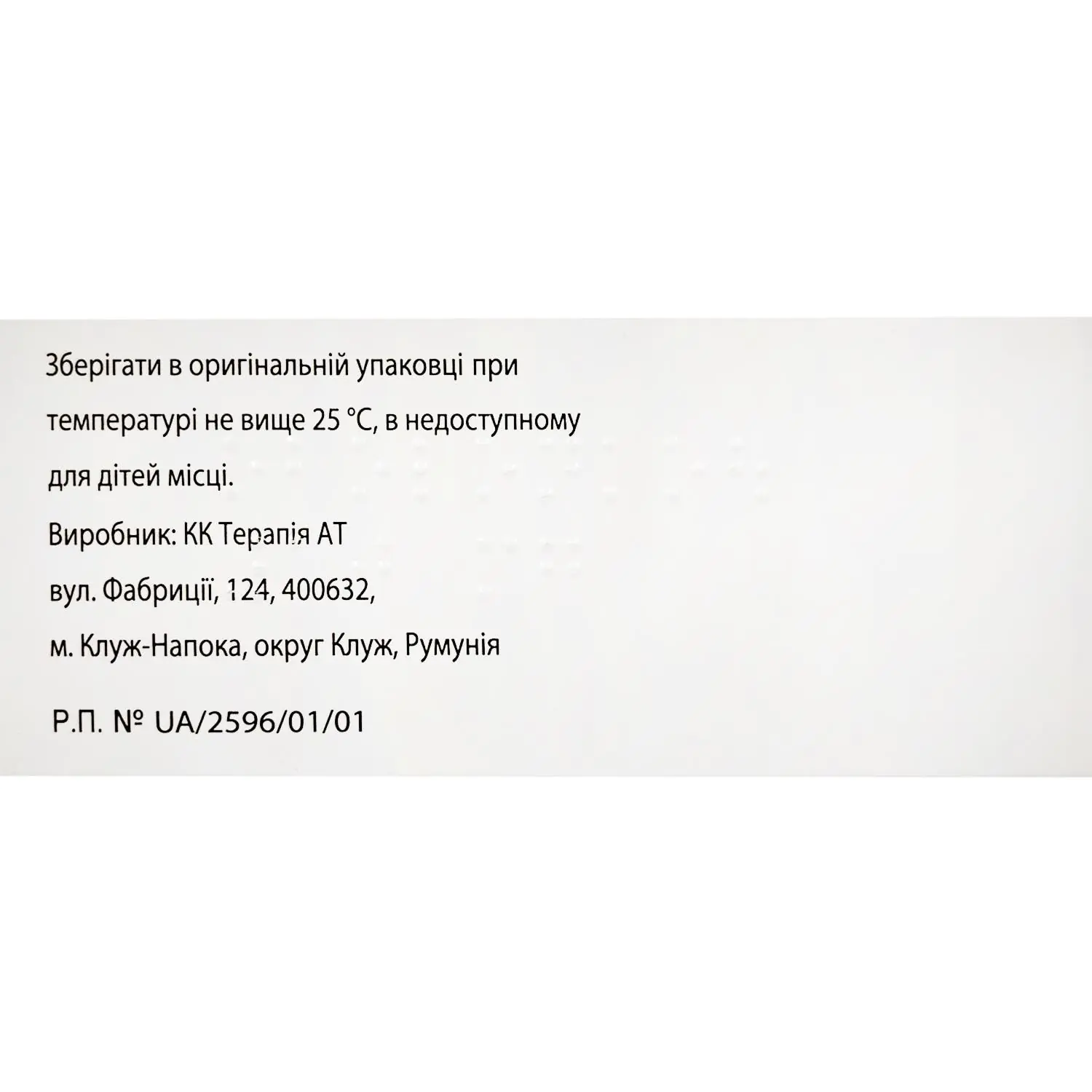
In the original packaging at a temperature not exceeding 25 °C, out of the reach of children.
Be the first to review “Ketanov film-coated tablets blister pack of 10 pcs.” Cancel reply
You may also like

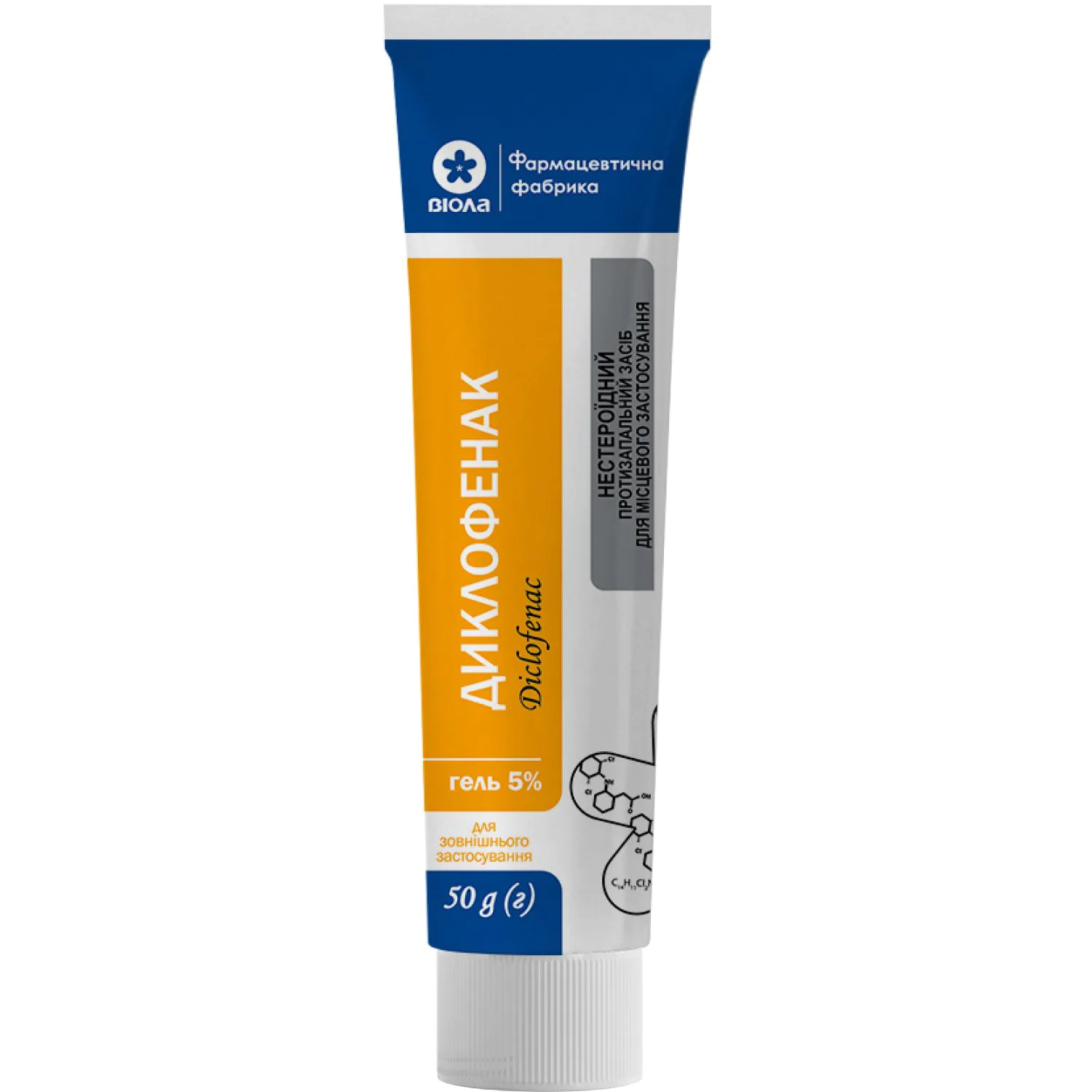
Diclofenac gel 5% tube in a pack of 50 g
Reviews
There are no reviews yet.