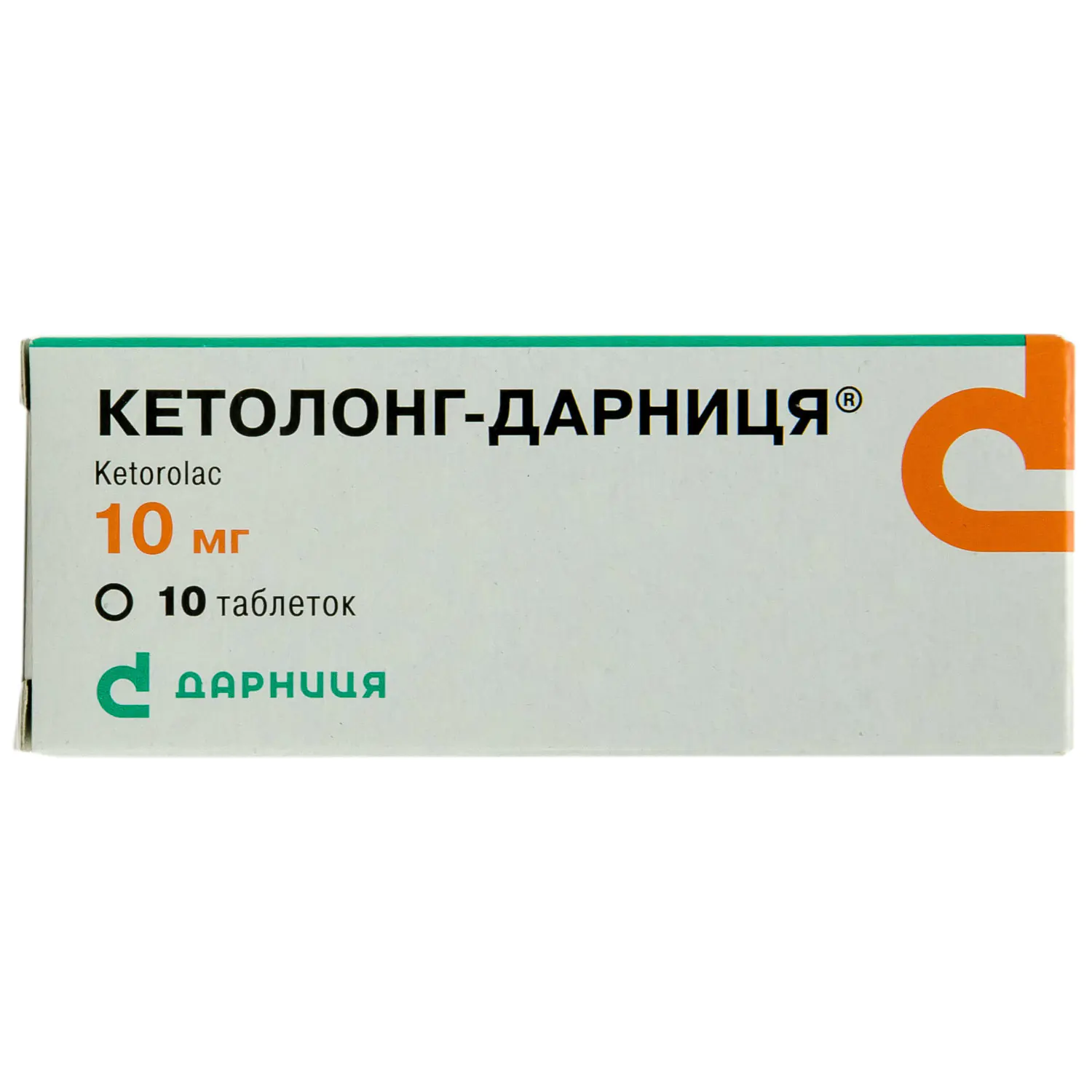
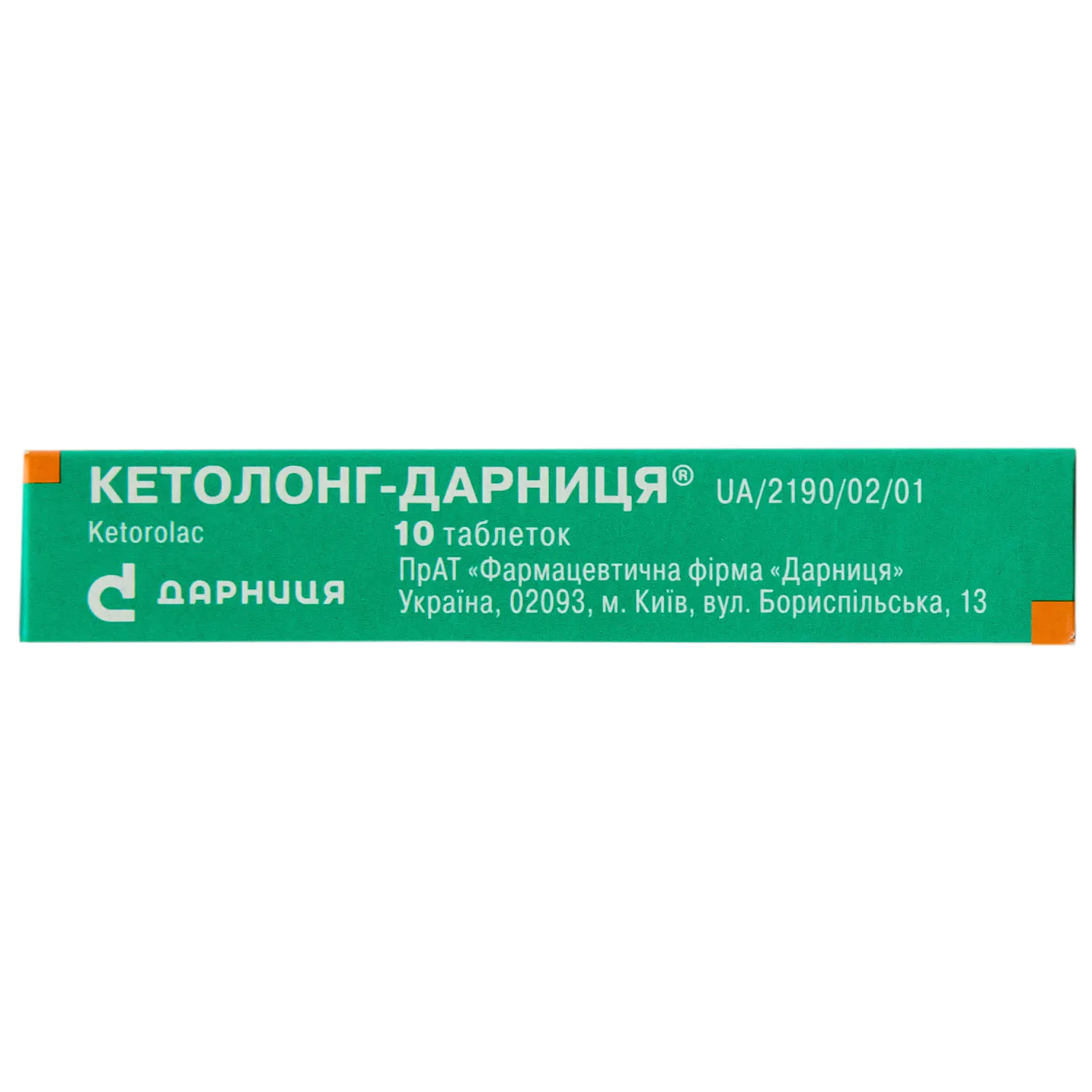
Ketolong Darnytsia (ketorolac) is an NSAID for short-term relief of moderate pain, including postoperative pain. Dosage, side effects, and precautions.

We deliver to:
🇦🇺 Australia
🇧🇪 Belgium
🇨🇦 Canada
🇨🇿 Czechia
🇩🇰 Denmark
🇪🇪 Estonia
🇫🇮 Finland
🇬🇷 Greece
🇭🇺 Hungary
🇮🇪 Ireland
🇮🇱 Israel
🇮🇹 Italy
🇯🇵 Japan
🇰🇼 Kuwait
🇱🇻 Latvia
🇱🇹 Lithuania
🇲🇽 Mexico
🇲🇩 Moldova
🇳🇱 Netherlands
🇳🇴 Norway
🇵🇱 Poland
🇷🇴 Romania
🇸🇰 Slovakia
🇰🇷 South Korea
🇨🇭 Switzerland
🇬🇧 United Kingdom
🇺🇸 United States of America
and more
We deliver to:
🇦🇺 Australia
🇧🇪 Belgium
🇨🇦 Canada
🇨🇿 Czechia
🇩🇰 Denmark
🇪🇪 Estonia
🇫🇮 Finland
🇬🇷 Greece
🇭🇺 Hungary
🇮🇪 Ireland
🇮🇱 Israel
🇮🇹 Italy
🇯🇵 Japan
🇰🇼 Kuwait
🇱🇻 Latvia
🇱🇹 Lithuania
🇲🇽 Mexico
🇲🇩 Moldova
🇳🇱 Netherlands
🇳🇴 Norway
🇵🇱 Poland
🇷🇴 Romania
🇸🇰 Slovakia
🇰🇷 South Korea
🇨🇭 Switzerland
🇬🇧 United Kingdom
🇺🇸 United States of America
and more
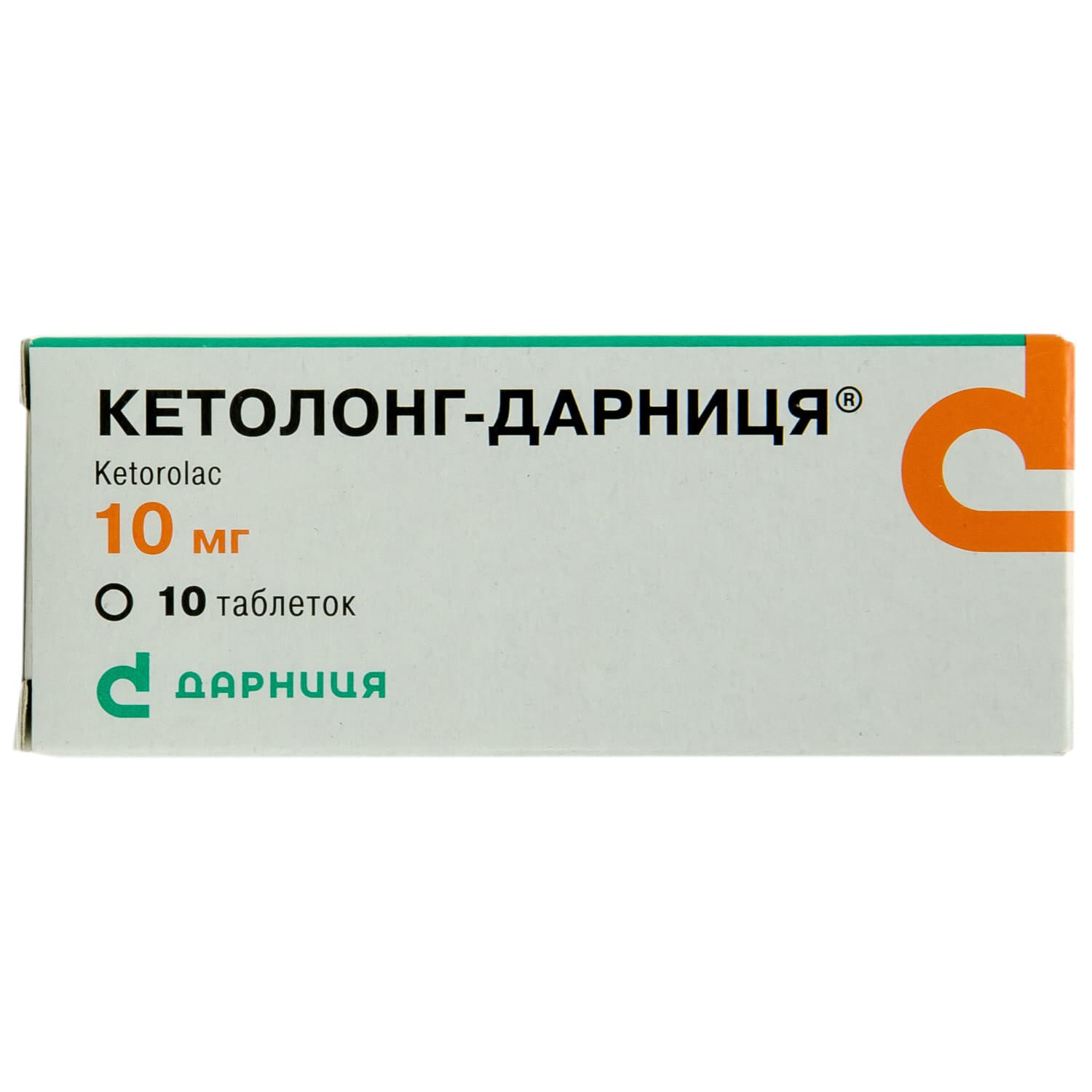
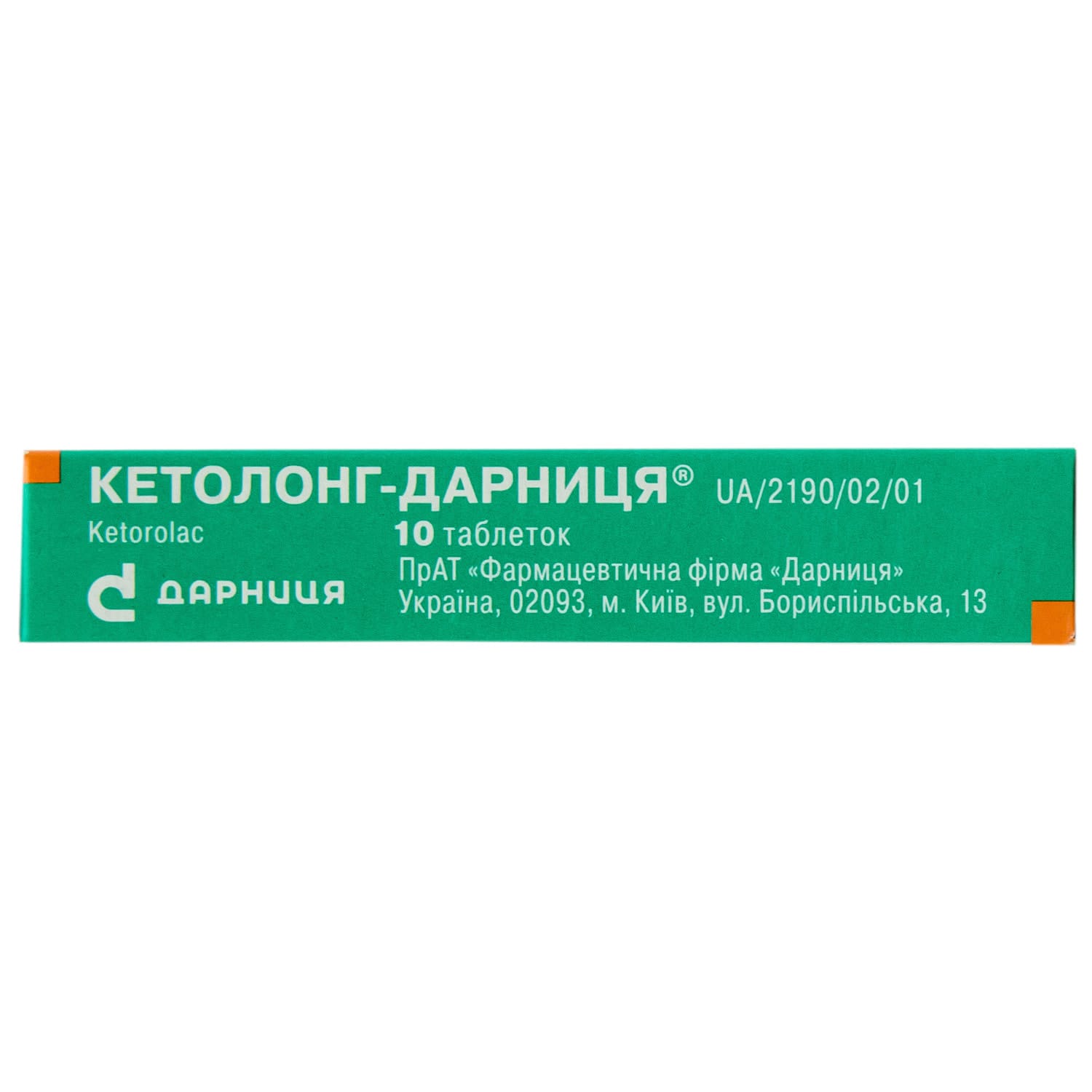
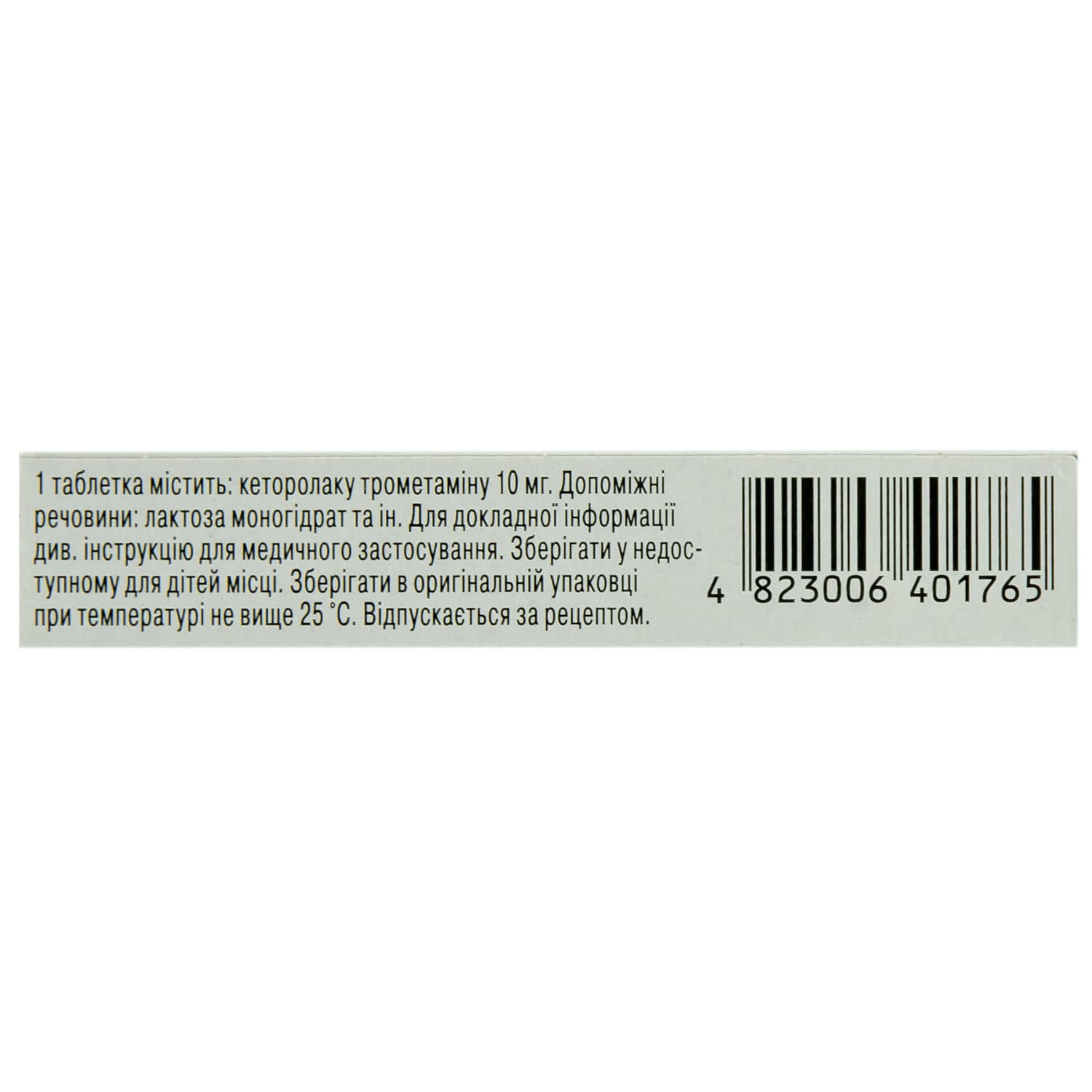
Please note: The product packaging may vary from the images shown. The contents, ingredients, and quality of the product remain unchanged.
Ketolong Darnytsia tablets 10 mg 10 pcs
$15.17
Free Worldwide Shipping
to: Australia, Belgium, Canada, Czechia, Denmark, Estonia, Finland, Greece, Hungary, Ireland, Israel, Italy, Japan, Kuwait, Latvia, Lithuania, Mexico, Moldova, Netherlands, Norway, Poland, Romania, Slovakia, South Korea, Switzerland, United Kingdom, United States and more
🏖️ Hello! We are on vacation!
We are still accepting orders on our website; however, order processing and shipping will resume after September 10. If you place an order during our vacation, we will contact you and remind you about the temporary shipping delay. Starting September 10, all orders received during this period will be processed and shipped in the order they were placed. If your order contains a product with less than one year remaining before its expiration date, we will notify you after September 10 and proceed according to your instructions. If you decide to cancel an order placed during our vacation, simply contact us through the contact form on our website, and we will be happy to assist you. Thank you for your understanding, and we apologize for any inconvenience caused.
In stock
Categories: Pain relief
Brand: Darnytsia
Payment
PayPal, Debit or Credit card, Google Pay, Apple Pay
Orders Temporarily Unavailable
Due to temporary postal service disruptions, we are currently unable to accept orders.
Ketolong Darnitsa is a nonsteroidal anti-inflammatory and antirheumatic agent.
Indications for use
Short-term treatment of moderate pain, including postoperative pain.
Composition
- active ingredient: ketorolac tromethamine;
- 1 tablet contains ketorolac tromethamine 10 mg;
- Excipients: lactose monohydrate, microcrystalline cellulose, crospovidone, magnesium stearate.
Contraindication
- hypersensitivity to ketorolac or other NSAIDs or to any component of the drug;
- patients with active and/or recurrent peptic ulcer, with a recent history of gastrointestinal bleeding or perforation associated with NSAID use, with ulcer disease or gastrointestinal bleeding (two or more episodes) in the acute stage or in history;
- Hypersensitivity reactions such as bronchial asthma, rhinitis, angioedema or urticaria caused by the use of acetylsalicylic acid or other NSAIDs (due to the possibility of severe anaphylactic reactions);
- history of bronchial asthma;
- do not use as an analgesic before and during surgery and after manipulations on coronary vessels due to inhibition of platelet aggregation, which may cause bleeding;
- severe heart failure;
- complete or partial syndrome of nasal polyps, angioedema or bronchospasm;
- do not use in patients who have had surgery with a high risk of hemorrhage or incomplete bleeding and in patients receiving anticoagulants, including low-dose heparin (2500–5000 units every 12 hours);
- hepatic or moderate/severe renal failure (serum creatinine clearance above 160 μmol/l);
- suspected or confirmed cerebrovascular bleeding, hemorrhagic diathesis, including blood clotting disorders and high risk of bleeding;
- simultaneous treatment with other NSAIDs (including selective cyclooxygenase inhibitors), acetylsalicylic acid, warfarin, pentoxifylline, probenecid or lithium salts;
- violation of hematopoiesis of unknown etiology;
- hypovolemia, dehydration;
- risk of kidney failure due to fluid depletion;
- the drug is contraindicated during pregnancy, labor and delivery, and during breastfeeding;
- children and adolescents under 16 years of age.
Adverse reactions
On the part of the organs of vision: optic neuritis, visual impairment, blurred vision.
From the side of the organs of hearing and vestibular apparatus: hearing loss, tinnitus, possible hearing loss.
Respiratory, thoracic and mediastinal disorders: shortness of breath, bronchial asthma, pulmonary edema.
Gastrointestinal: peptic ulcer, perforation or gastrointestinal bleeding, sometimes fatal (especially in the elderly), nausea, dyspepsia, gastrointestinal pain, abdominal discomfort, dry mouth, vomiting, vomiting with blood, gastritis, esophagitis, diarrhea, constipation, belching, flatulence, feeling of fullness of the stomach, melena, rectal bleeding, stomatitis, ulcerative stomatitis, hemorrhages, perforation, pancreatitis, exacerbation of colitis and Crohn’s disease, pain, spasm or burning in the epigastric region.
Liver and biliary tract disorders: liver dysfunction, hepatitis, jaundice and liver failure, hepatomegaly, abnormal laboratory values.
On the part of the kidneys and urinary system: increased urinary frequency, oliguria, renal failure (including acute), hyponatremia, hyperkalemia, hemolytic uremic syndrome, flank pain (with/without hematuria), increased serum urea and creatinine, interstitial nephritis, urinary retention, nephrotic syndrome.
Metabolism: anorexia.
Nervous system: drowsiness, dizziness, fainting, headache, dry mouth, increased thirst, nervousness, paresthesia, functional disorders, depression, euphoria, convulsions, inability to concentrate, sleep disorders, insomnia, unusual dreams, malaise, increased fatigue, weakness, agitation, vertigo, confusion, hallucinations, hyperkinesia, aseptic meningitis with corresponding symptoms (rigidity of the neck muscles, headache, nausea, vomiting, fever or disorientation).
On the part of the psyche: hyperactivity (mood swings, restlessness), anxiety, psychotic reactions, thinking disorders.
Method of application
It is advisable to take the tablets during or after meals. The drug is recommended for short-term use only. The total duration of treatment (parenteral administration followed by oral administration) should not exceed 5 days.
To minimize side effects, the drug should be used at the lowest effective dose for the shortest period of time necessary to control symptoms. Normovolemia should be achieved before starting treatment.
Ketolong Darnitsa is prescribed at 10 mg every 4–6 hours as needed. It is not recommended to use the drug in doses exceeding 40 mg per day.
If the treatment is a continuation of injection treatment:
- patients aged 16 to 64 years, with a body weight of at least 50 kg and with normal kidney function – initially prescribe 20 mg once, then 10 mg a maximum of 4 times a day with an interval of 4 to 6 hours if necessary, but not more than 40 mg per day;
- Elderly patients or patients with impaired renal function, patients weighing less than 50 kg – prescribe 10 mg a maximum of 4 times a day with an interval of 4 to 6 hours if necessary, but not more than 40 mg per day.
Application features
Use during pregnancy or breastfeeding
Given the known effects of NSAIDs on the fetal cardiovascular system (risk of premature closure of the ductus arteriosus), the drug is contraindicated during pregnancy, labor, and delivery.
Ketorolac passes into breast milk in small amounts, so the drug is contraindicated during breastfeeding.
Children
The efficacy and safety of the drug in children under 16 years of age have not been established, therefore it should not be prescribed to this category of patients.
Ability to influence reaction speed when driving vehicles or other mechanisms
Some patients may experience drowsiness, dizziness, vertigo, insomnia, fatigue, visual disturbances, headache, or depression when taking ketorolac. If patients experience these or similar effects, they should not drive or operate machinery.
Overdose
Symptoms: headache, nausea, vomiting, epigastric pain, peptic ulcers, erosive gastritis, gastrointestinal bleeding, hyperventilation, hypertension; rarely – diarrhea, disorientation, agitation, respiratory depression, coma, drowsiness, lethargy, dizziness, tinnitus, loss of consciousness, other convulsions. In cases of severe poisoning, acute renal failure and liver damage are possible. Anaphylactoid reactions have been reported, which can also occur with overdose.
Treatment: gastric lavage, administration of activated charcoal. Adequate diuresis should be ensured. Renal and hepatic function should be closely monitored. Patients should be observed for at least 4 hours after ingestion of a potentially toxic amount. Frequent or prolonged convulsions should be treated with intravenous diazepam. Other measures may be prescribed depending on the clinical condition of the patient. Treatment is symptomatic. There is no specific antidote. Dialysis does not remove ketorolac from the circulation.
Interaction with other medicinal products and other types of interactions
Ketorolac binds readily to plasma proteins (mean 99.2%), and the extent of binding is concentration dependent.
Cannot be used simultaneously with ketorolac.
Due to the possibility of side effects, ketorolac should not be prescribed with other NSAIDs, including selective cyclooxygenase-2 inhibitors, or to patients receiving acetylsalicylic acid due to the risk of severe adverse reactions.
Thromboxane: Ketorolac inhibits platelet aggregation, reduces thromboxane concentrations, and prolongs bleeding time. In contrast to the long-term effects of acetylsalicylic acid, platelet function is restored within 24–48 hours after discontinuation of ketorolac.
Anticoagulants: Although studies have not shown a significant interaction between ketorolac and warfarin or heparin, concomitant use of ketorolac and therapies that affect hemostasis, including therapeutic doses of anticoagulants (warfarin), prophylactic low-dose heparin (2500–5000 units 12 hourly), and dextrans, may increase the risk of bleeding. Concomitant use with anticoagulants (such as warfarin) is contraindicated.
Lithium salts. Possible inhibition of renal clearance of lithium by some drugs that inhibit prostaglandin synthesis leads to increased plasma lithium concentrations. Cases of increased plasma lithium concentrations have been reported during ketorolac therapy.
Probenecid: Probenecid should not be administered concomitantly with ketorolac due to a decrease in the plasma clearance and volume of distribution of ketorolac, an increase in the plasma concentration of ketorolac, and an increase in its half-life.
Mifepristone: NSAIDs should not be administered for 8–12 days after mifepristone administration, as NSAIDs may reduce the effect of mifepristone.
Pentoxifylline (oxpentifylline). Not recommended due to increased risk of bleeding.
Storage conditions
Store in original packaging at a temperature not exceeding 25 ° C. Keep out of the reach of children.
Be the first to review “Ketolong Darnytsia tablets 10 mg 10 pcs” Cancel reply
You may also like

Tempalgin coated tablets 20 pcs
Farmadol Max tablets covered with a film cover blister 10 pcs
Reviews
There are no reviews yet.