Neurorubin Forte (vitamins B1, B6, B12) supports nerve health and relieves neuralgia and neuropathy pain. Dosage, uses, and safety information.

We deliver to:
🇦🇺 Australia
🇧🇪 Belgium
🇨🇦 Canada
🇨🇿 Czechia
🇩🇰 Denmark
🇪🇪 Estonia
🇫🇮 Finland
🇬🇷 Greece
🇭🇺 Hungary
🇮🇪 Ireland
🇮🇱 Israel
🇮🇹 Italy
🇯🇵 Japan
🇰🇼 Kuwait
🇱🇻 Latvia
🇱🇹 Lithuania
🇲🇽 Mexico
🇲🇩 Moldova
🇳🇱 Netherlands
🇳🇴 Norway
🇵🇱 Poland
🇷🇴 Romania
🇸🇰 Slovakia
🇰🇷 South Korea
🇨🇭 Switzerland
🇬🇧 United Kingdom
🇺🇸 United States of America
and more
We deliver to:
🇦🇺 Australia
🇧🇪 Belgium
🇨🇦 Canada
🇨🇿 Czechia
🇩🇰 Denmark
🇪🇪 Estonia
🇫🇮 Finland
🇬🇷 Greece
🇭🇺 Hungary
🇮🇪 Ireland
🇮🇱 Israel
🇮🇹 Italy
🇯🇵 Japan
🇰🇼 Kuwait
🇱🇻 Latvia
🇱🇹 Lithuania
🇲🇽 Mexico
🇲🇩 Moldova
🇳🇱 Netherlands
🇳🇴 Norway
🇵🇱 Poland
🇷🇴 Romania
🇸🇰 Slovakia
🇰🇷 South Korea
🇨🇭 Switzerland
🇬🇧 United Kingdom
🇺🇸 United States of America
and more
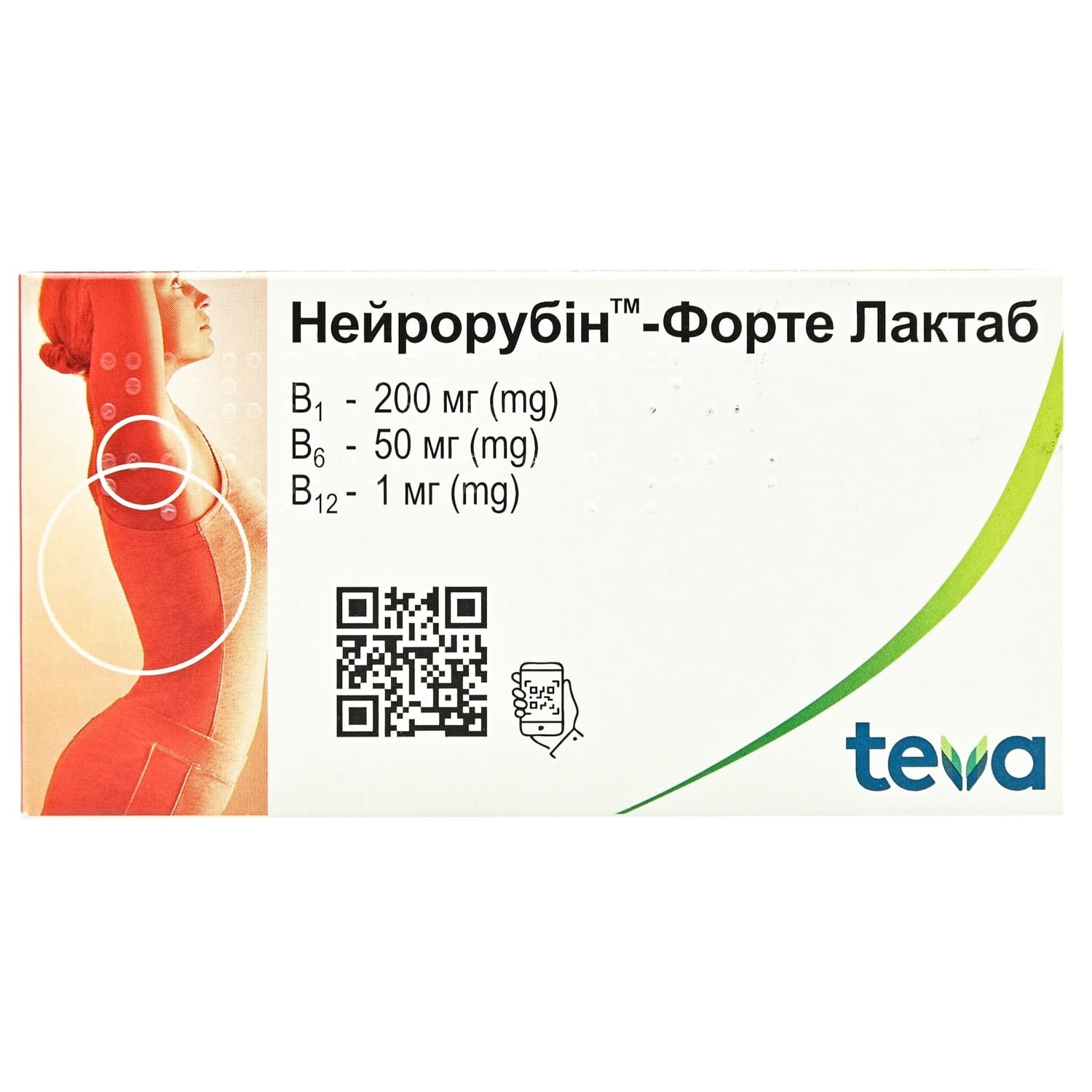
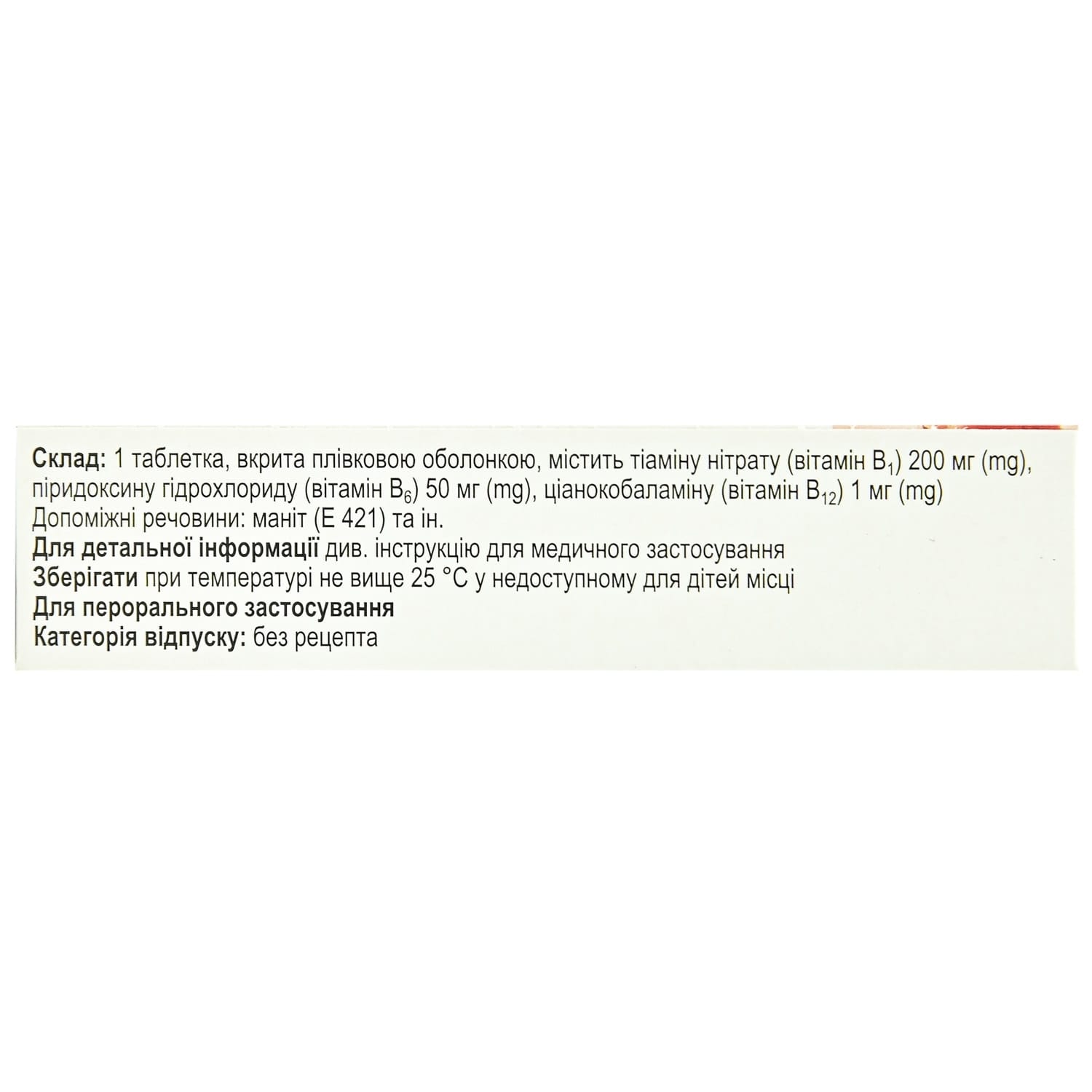
Please note: The product packaging may vary from the images shown. The contents, ingredients, and quality of the product remain unchanged.
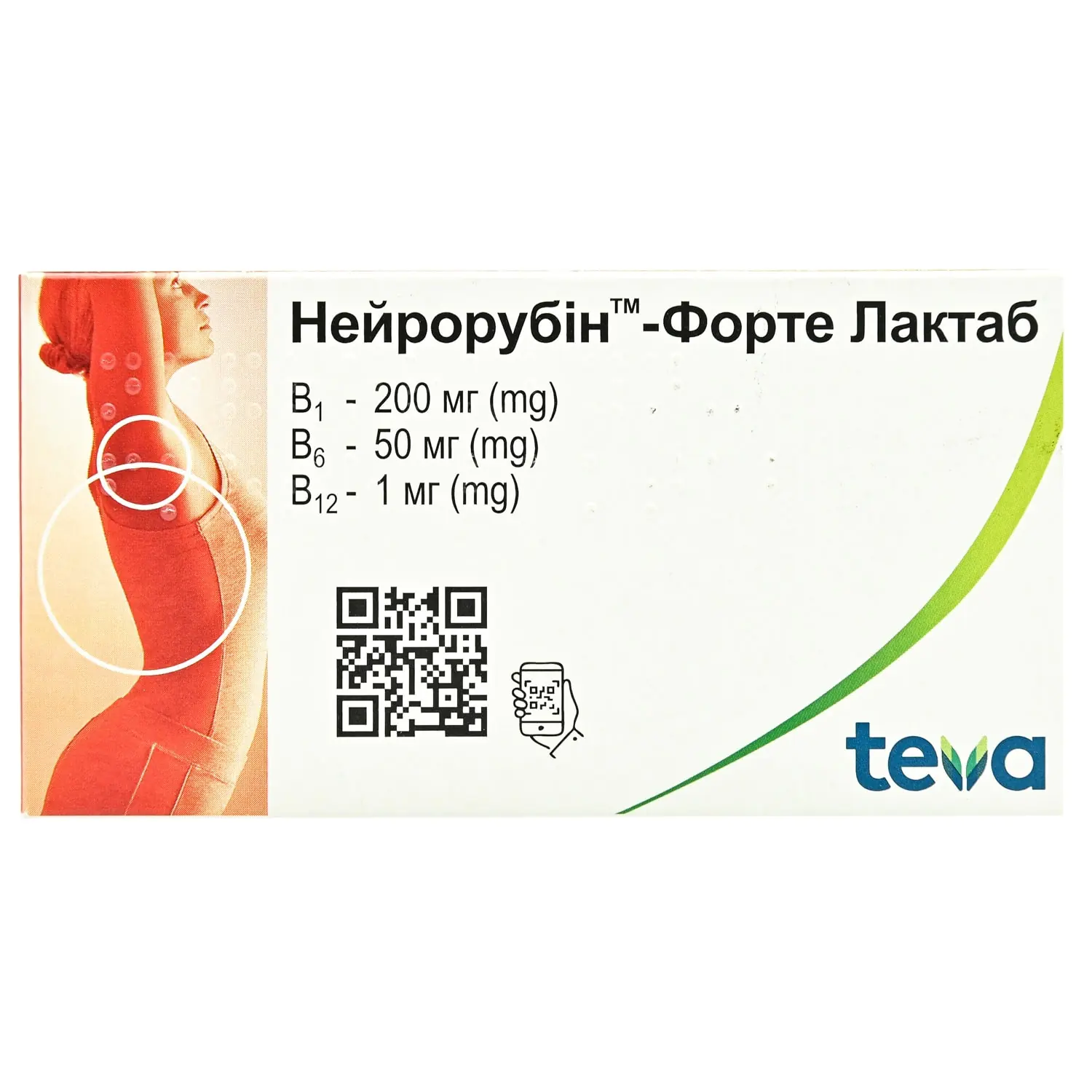
Neurorubin forte lactab film-coated tablets 20 pieces
$39.26
Free Worldwide Shipping
to: Australia, Belgium, Canada, Czechia, Denmark, Estonia, Finland, Greece, Hungary, Ireland, Israel, Italy, Japan, Kuwait, Latvia, Lithuania, Mexico, Moldova, Netherlands, Norway, Poland, Romania, Slovakia, South Korea, Switzerland, United Kingdom, United States and more
🏖️ Hello! We are on vacation!
We are still accepting orders on our website; however, order processing and shipping will resume after September 10. If you place an order during our vacation, we will contact you and remind you about the temporary shipping delay. Starting September 10, all orders received during this period will be processed and shipped in the order they were placed. If your order contains a product with less than one year remaining before its expiration date, we will notify you after September 10 and proceed according to your instructions. If you decide to cancel an order placed during our vacation, simply contact us through the contact form on our website, and we will be happy to assist you. Thank you for your understanding, and we apologize for any inconvenience caused.
In stock
Categories: Vitamins and supplements
Brand: Teva
Payment
PayPal, Debit or Credit card, Google Pay, Apple Pay
Orders Temporarily Unavailable
Due to temporary postal service disruptions, we are currently unable to accept orders.
Composition
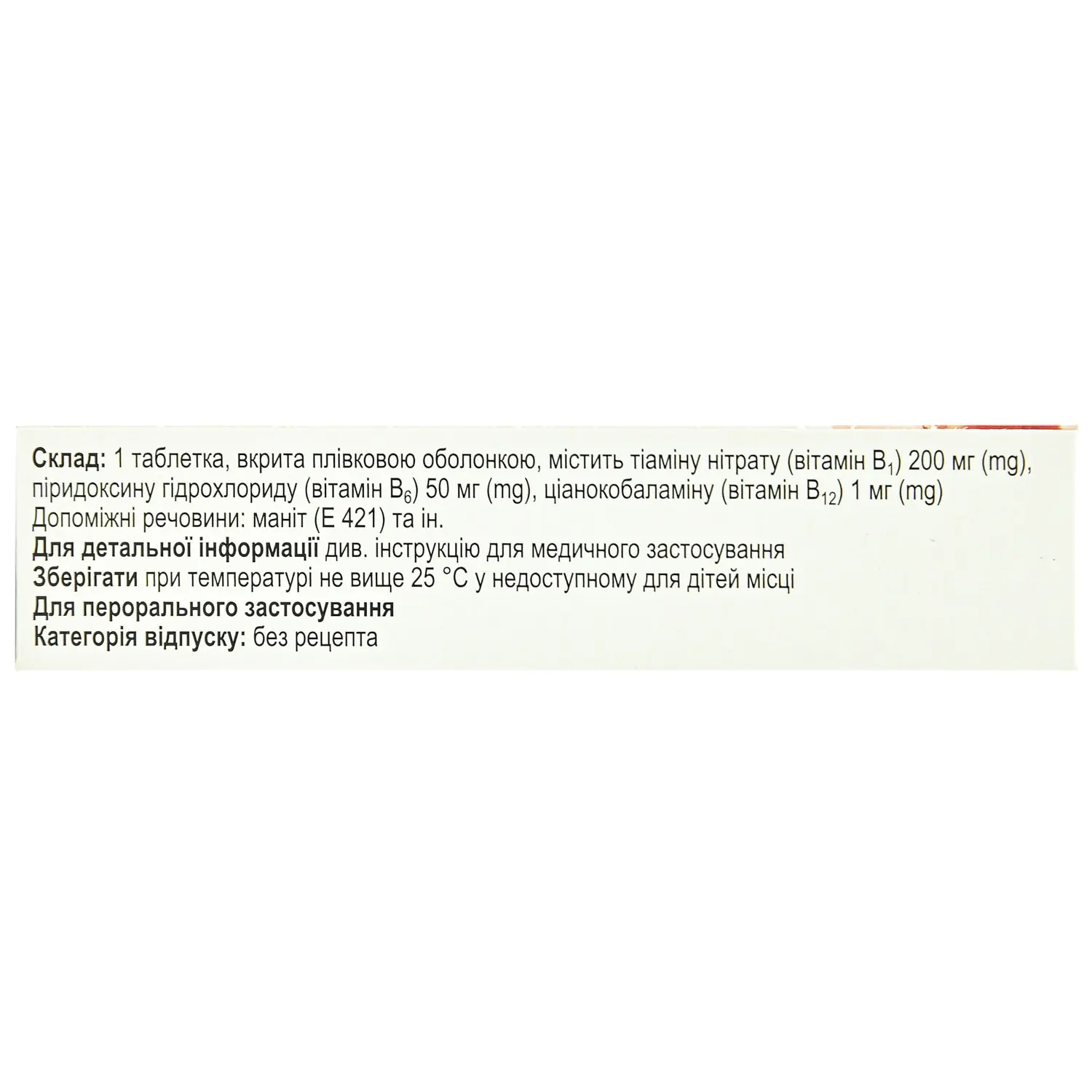
active substances: thiamine nitrate (vitamin B1), pyridoxine hydrochloride (vitamin B6), cyanocobalamin (vitamin B12);
1 film-coated tablet contains thiamine nitrate (vitamin B1) 200 mg, pyridoxine hydrochloride (vitamin B6) 50 mg, cyanocobalamin (vitamin B12) 1 mg;
Excipients: methylcellulose, mannitol (E 421), powdered cellulose, microcrystalline cellulose, corn starch, magnesium stearate, colloidal silicon dioxide, hypromellose, macrogol 6000, talc, titanium 17E2.
Dosage form
Film-coated tablets.
Main physicochemical properties: pink, round, biconvex tablets, film-coated, embossed with “TR” on one side.
Pharmacotherapeutic group
Vitamin B1 preparations in combination with vitamin B6 and/or vitamin B12. ATX code A11D B.
Pharmacological properties
Pharmacodynamics. Neurorubin-forte Lactab contains high doses of 3 vitamins: B1, B6, B12, which play an important role in the normal functioning of the nervous system. Each of them is necessary to ensure optimal metabolism in nerve cells. In addition, when used in high doses, these vitamins have an analgesic effect.
Like all other vitamins, they are essential nutrients that cannot be synthesized directly in the body.
Therapeutic administration of vitamins B1, B6 and B12 into the body replenishes the insufficient intake of vitamins with food, which ensures the presence of the necessary amount of coenzymes in the body. B vitamins are components of enzyme systems that regulate protein, lipid and carbohydrate metabolism. Each of the B vitamins plays a specific biological role. Their presence in the body in a balanced amount is necessary for normal metabolism.
The therapeutic use of these vitamins in various diseases of the nervous system is aimed, on the one hand, at compensating for the simultaneously existing deficiency (possibly due to an increase in the body’s need caused directly by the disease) and, on the other hand, at stimulating natural recovery mechanisms.
Vitamins B1, B6 and B12 have very low toxicity and pose no potential risk to humans. To date, there is no evidence of carcinogenic, mutagenic or teratogenic properties of these vitamins.
Pharmacokinetics.
Thiamine nitrate (vitamin B 1) is absorbed in the small intestine, duodenum and colon with the participation of an active transport system. After use, the active substance penetrates the intestinal mucosa, and then enters the liver via the portal vein. Part of the absorbed thiamine participates in the enterohepatic circulation. The main metabolites of thiamine excretion are thiaminecarboxylic acid and pyramine (2,5-dimethyl-4-aminopyrimidine).
Pyridoxine hydrochloride (vitamin B 6) is rapidly absorbed in the intestine. In the body, pyridoxine is oxidized to pyridoxal and aminated to pyridoxamine. The condition for its functioning as a coenzyme is phosphorylation at the CH 2 OH group in the 5th position, i.e. the formation of pyridoxal-5-phosphate (PALP). In the blood, about 80% of PALP is bound to proteins. Pyridoxine accumulates mainly in the muscles in the form of PALP. The main metabolite that is excreted is 4-pyridoxic acid.
Cyanocobalamin (vitamin B 12). In a healthy person, the absorption of cyanocobalamin is limited and depends on the concentration of “Castle’s intrinsic factor”. Some amount of vitamin B12 is absorbed in a free state, but the bulk is absorbed only after binding to “Castle’s intrinsic factor”.
After absorption, vitamin B 12 binds in the blood plasma to specific B 12 -binding β (transcobalamin) and B 12 -binding α 1-globulin.
The accumulation of vitamin B12 occurs mainly in the liver. T½ from blood plasma is approximately 5 days, and from the liver – about 1 year.
After absorption in the intestine, vitamin B12 binds in the blood serum to specific proteins B12-binding-beta (transcobalamin) and B12-binding alpha1globulin. Vitamin B12 is accumulated mainly in the liver. The half-life from plasma is 5 days, from the liver – about a year.
Indication
Concomitant therapy of pain syndromes caused by:
- acute or chronic neuritis, polyneuritis and neuralgia;
- toxic lesions of nervous tissue in alcoholism, drug intoxication, diabetic polyneuropathy.
Application
Take orally before or during meals, without chewing, with sufficient water. The usual dose for adults is 1-2 tablets per day. The course of treatment is 4 weeks. Treatment may be continued at the discretion of the doctor.
Contraindication
Hypersensitivity to any component of the drug.
Vitamin B1 is contraindicated in allergic diseases.
Vitamin B6 is contraindicated in cases of gastric and duodenal ulcers in the acute stage, as it may increase the acidity of gastric juice.
Vitamin B12 is contraindicated in erythremia, erythrocytosis, and thromboembolism.
Side effects
On the part of the immune system: hypersensitivity reactions, anaphylactic shock, anaphylaxis. Allergic reactions occur very rarely.
On the part of the endocrine system: suppression of prolactin secretion.
Nervous system: anxiety; long-term use (over 6-12 months) of vitamin B6 in doses of 50 mg daily can lead to peripheral sensory neuropathy, nervous excitement, malaise, headache, dizziness.
Cardiovascular system: tachycardia, collapse.
Respiratory, thoracic and mediastinal disorders: cyanosis, pulmonary edema, respiratory distress.
Gastrointestinal tract: gastrointestinal disorders, including nausea, vomiting, diarrhea, abdominal pain, increased acidity of gastric juice, hemorrhage.
On the part of the hepatobiliary system: high doses may lead to an increase in AST levels in blood plasma.
Skin and subcutaneous tissue disorders: rash, skin reactions, including itching, urticaria, acne, acne.
Renal and urinary disorders: chromaturia.
Other disorders: increased sweating, feeling of weakness, dizziness, malaise, feeling of tightness in the throat.
Special instructions
As a result of hypersensitivity to vitamins B1, B6 and B12, skin and subcutaneous tissue reactions may occur during treatment.
Pyridoxine may cause acne or acne breakouts or worsen existing acne.
When vitamin B12 is administered , the clinical picture, as well as laboratory tests in funicular myelosis or pernicious anemia, may lose their specificity.
Drinking alcohol and black tea reduces the absorption of thiamine.
Consumption of beverages containing sulfites (e.g. wine) enhances thiamine degradation.
Since the drug contains vitamin B6, it should be used with caution in patients with a history of gastric and duodenal ulcers, severe renal and hepatic dysfunction.
The drug should not be used in patients with neoplasms, except in cases accompanied by megaloblastic anemia and vitamin B12 deficiency .
Do not take the drug in severe or acute forms of cardiac decompensation and angina pectoris.
Use during pregnancy and breastfeeding.
The drug should only be prescribed after a careful assessment of the benefit-risk ratio, as there is insufficient data on the safety of the drug during pregnancy.
Vitamins B1, B6 and B12 are excreted in breast milk. High concentrations of vitamin B6 may suppress milk production.
Studies on the degree of excretion of vitamins into breast milk have not been conducted. The decision to discontinue breastfeeding or use of the drug should be made taking into account the need for the mother to use the drug. If necessary, breastfeeding should be discontinued for this period.
Children. The instructions for Neurorubin Forte tablets state that the drug should not be prescribed to children, as there is no experience of use in pediatric practice.
The ability to influence the reaction speed when driving or working with other mechanisms.
The drug does not affect the ability to drive vehicles or operate complex mechanisms.
If dizziness occurs during treatment, you should refrain from driving or operating machinery.
Interactions
The action of thiamine is inactivated by 5-fluorouracil, as the latter competitively inhibits the phosphorylation of thiamine to thiamine pyrophosphate.
Isoniazid toxicity may increase.
Antacids, alcohol, and tea slow down the absorption of vitamin B1 .
Loop diuretics, such as furosemide, which inhibit tubular reabsorption, may increase thiamine excretion and, therefore, reduce its level during long-term therapy.
Concomitant use with pyridoxine antagonists (e.g. isoniazid, hydralazine, penicillamine or cycloserine) or oral contraceptives may increase the need for vitamin B6 .
Pyridoxine may decrease the effectiveness of altretamine.
Concomitant use with levodopa is contraindicated, as vitamin B6 may reduce the antiparkinsonian effect of levodopa. Concomitant use with pyridoxine antagonists (e.g. isoniazid, hydralazine, penicillamine or cycloserine), oral contraceptives may increase the need for vitamin B6 .
Overdose
Vitamin B1: has a wide therapeutic range. Very high doses (more than 10 g) have a curare-like effect, inhibiting the conduction of nerve impulses.
Vitamin B6 : has very low toxicity.
Neuropathies have been observed with long-term use (more than 6-12 months) of daily doses exceeding 50 mg of vitamin B6 , as well as with short-term use (more than 2 months) of more than 1 g of vitamin B6 per day.
Neuropathies with ataxia and sensory disturbances, cerebral convulsions with EEG changes, and in isolated cases hypochromic anemia and seborrheic dermatitis have been described after administration of more than 2 g/day.
Vitamin B12 : after parenteral administration (in some cases – after oral administration) of the drug in doses exceeding the recommended ones, allergic reactions, eczematous skin disorders and a benign form of acne were observed.
With prolonged use in high doses, liver enzyme activity disorders, pain in the heart area, and hypercoagulation are possible.
Therapy for oral intoxication: removal of the toxic substance (induce vomiting, rinse the stomach), measures to reduce absorption (use of activated charcoal).
Expiration date
2 years.
Storage conditions
Neurorubin forte tablets state that the drug should be stored at temperatures up to 25 °C.
Be the first to review “Neurorubin forte lactab film-coated tablets 20 pieces” Cancel reply
You may also like

Reviews
There are no reviews yet.