
🇦🇺 Australia
🇧🇪 Belgium
🇨🇦 Canada
🇨🇿 Czechia
🇩🇰 Denmark
🇪🇪 Estonia
🇫🇮 Finland
🇬🇷 Greece
🇭🇺 Hungary
🇮🇪 Ireland
🇮🇱 Israel
🇮🇹 Italy
🇯🇵 Japan
🇰🇼 Kuwait
🇱🇻 Latvia
🇱🇹 Lithuania
🇲🇽 Mexico
🇲🇩 Moldova
🇳🇱 Netherlands
🇳🇴 Norway
🇵🇱 Poland
🇷🇴 Romania
🇸🇰 Slovakia
🇰🇷 South Korea
🇨🇭 Switzerland
🇬🇧 United Kingdom
🇺🇸 United States of America
and more
🇦🇺 Australia
🇧🇪 Belgium
🇨🇦 Canada
🇨🇿 Czechia
🇩🇰 Denmark
🇪🇪 Estonia
🇫🇮 Finland
🇬🇷 Greece
🇭🇺 Hungary
🇮🇪 Ireland
🇮🇱 Israel
🇮🇹 Italy
🇯🇵 Japan
🇰🇼 Kuwait
🇱🇻 Latvia
🇱🇹 Lithuania
🇲🇽 Mexico
🇲🇩 Moldova
🇳🇱 Netherlands
🇳🇴 Norway
🇵🇱 Poland
🇷🇴 Romania
🇸🇰 Slovakia
🇰🇷 South Korea
🇨🇭 Switzerland
🇬🇧 United Kingdom
🇺🇸 United States of America
and more
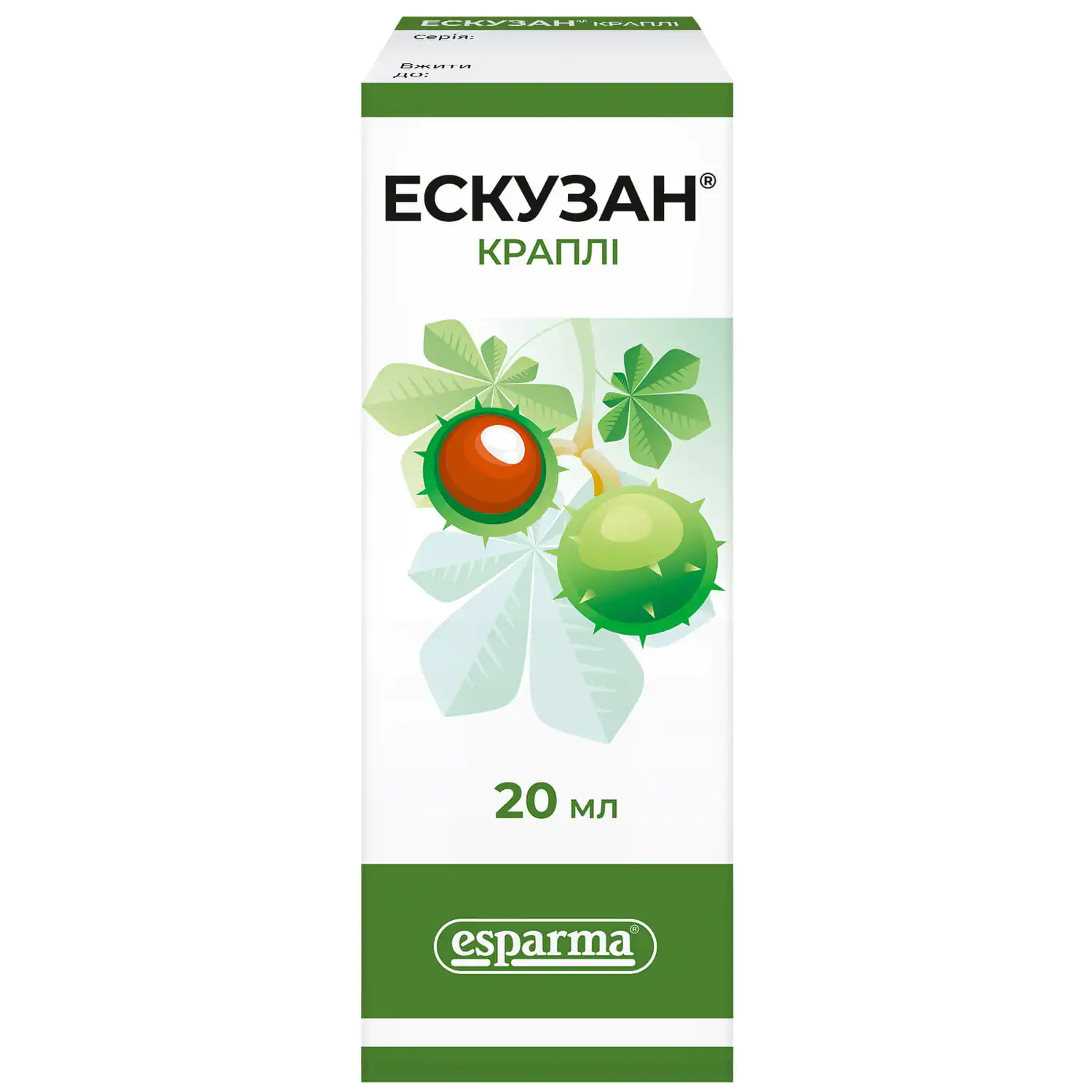
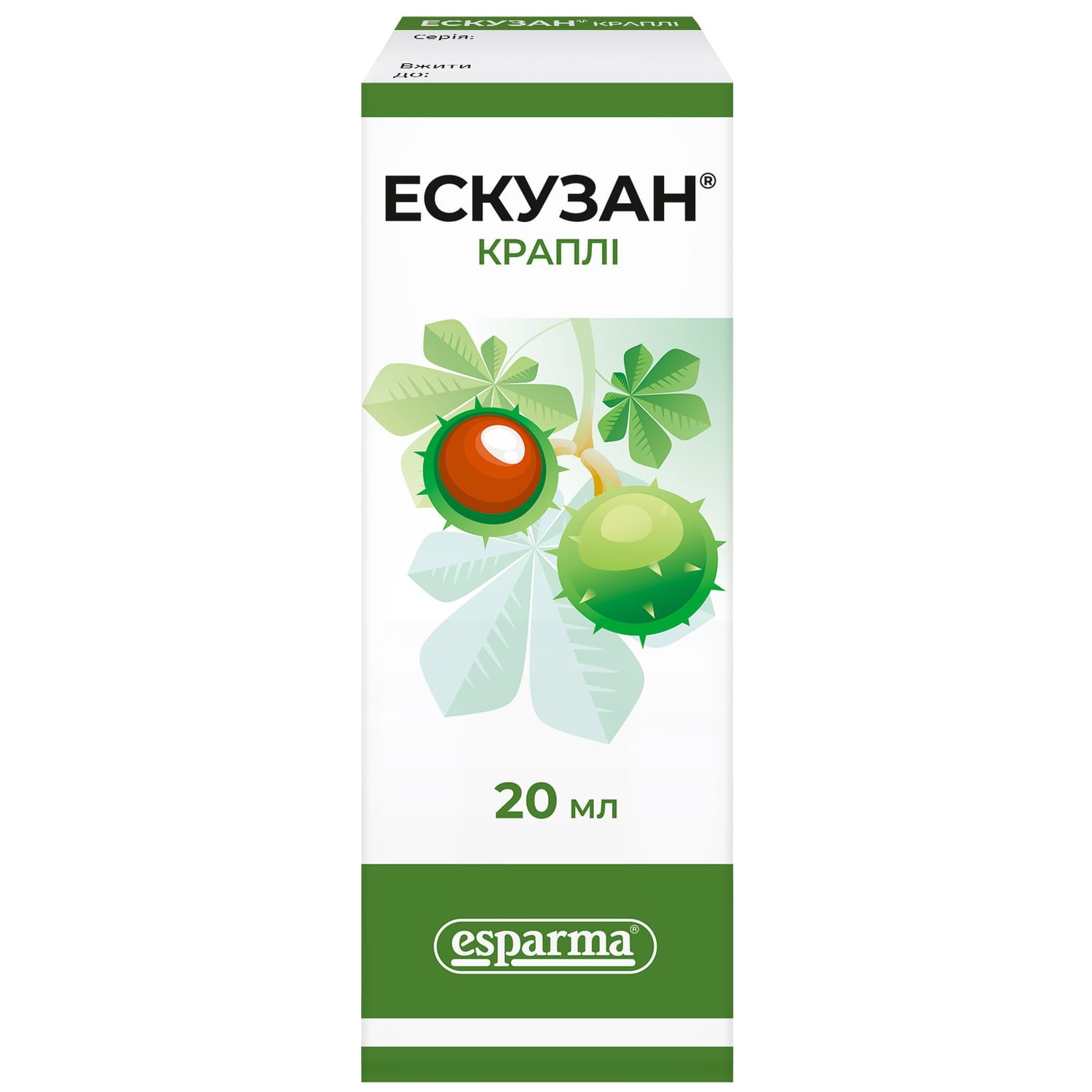
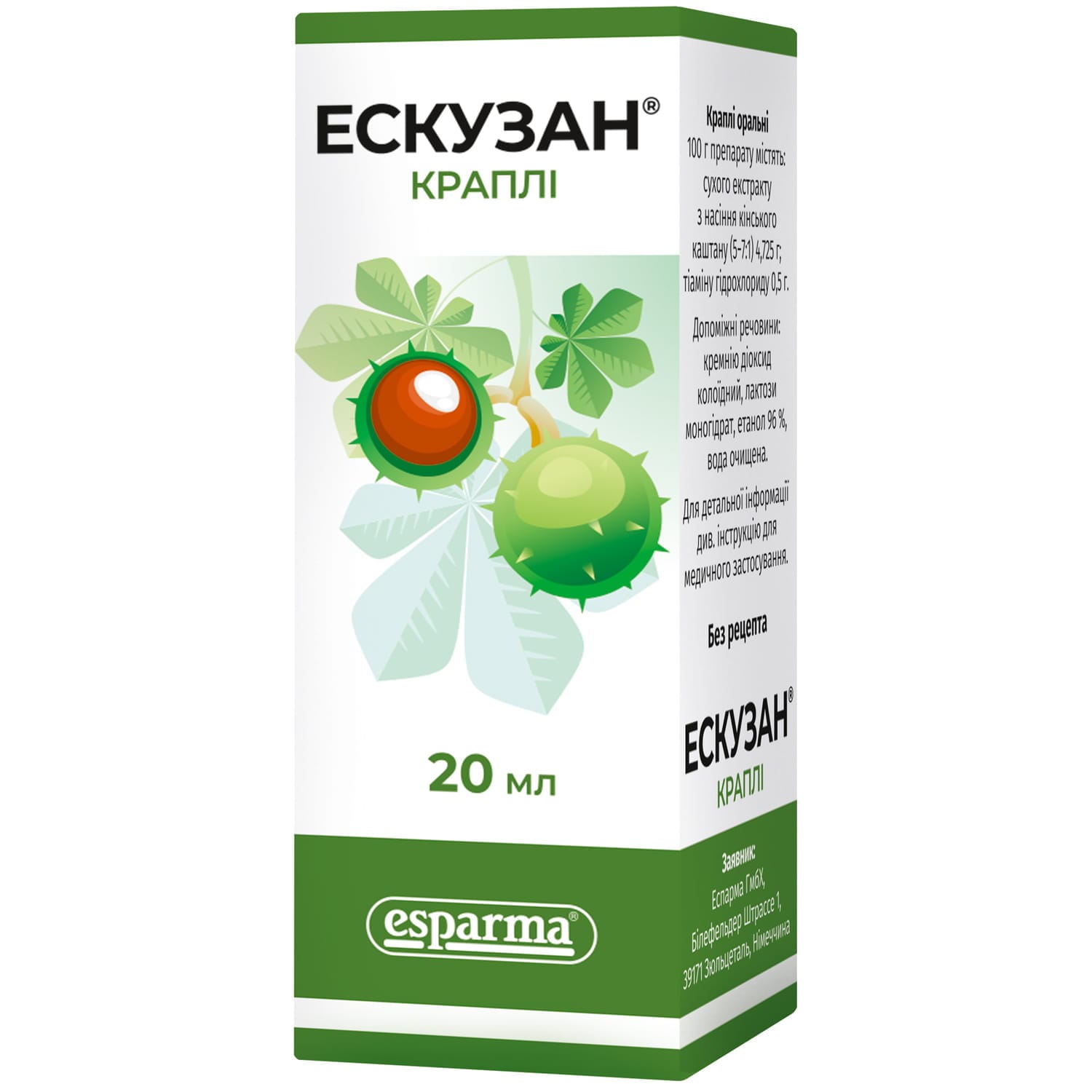
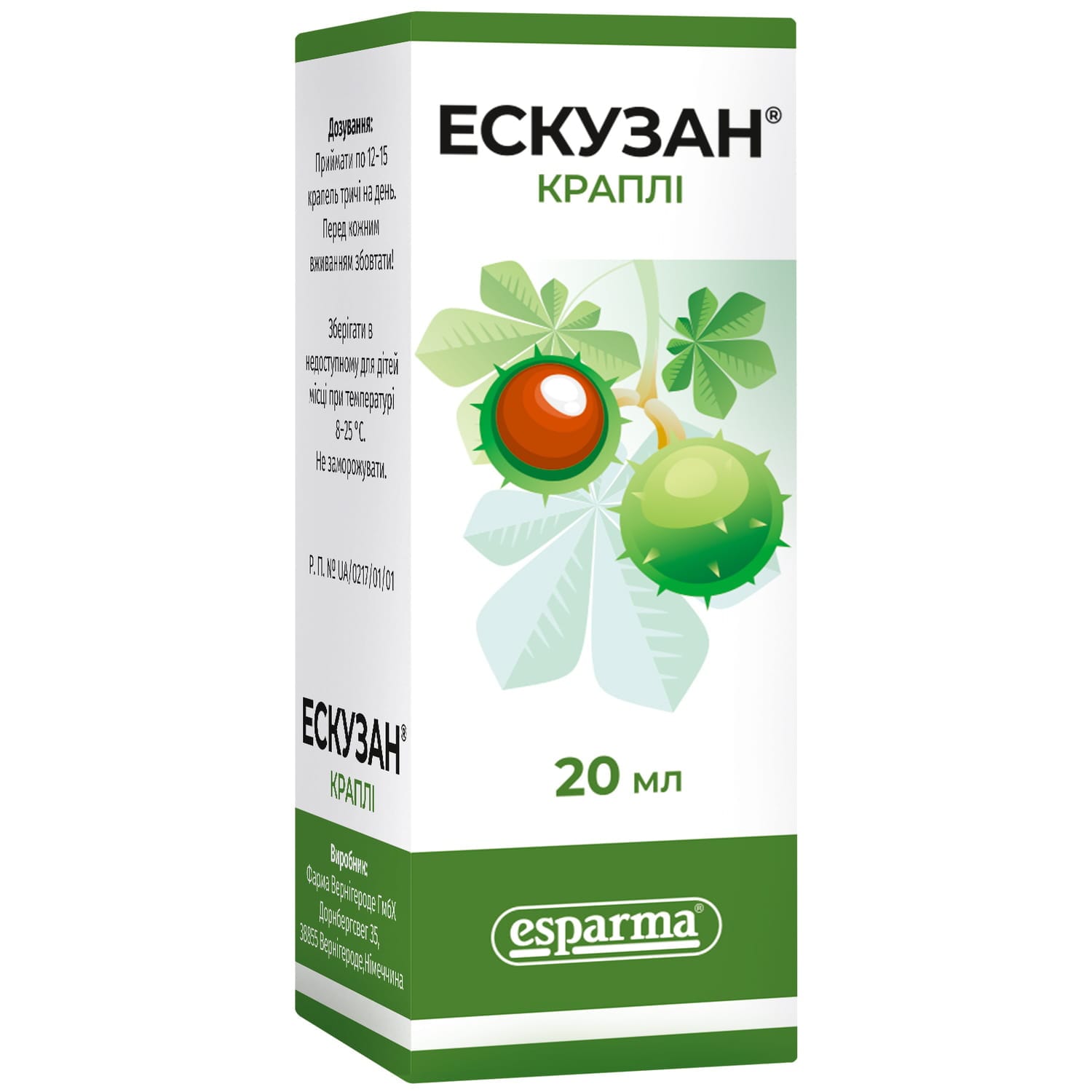
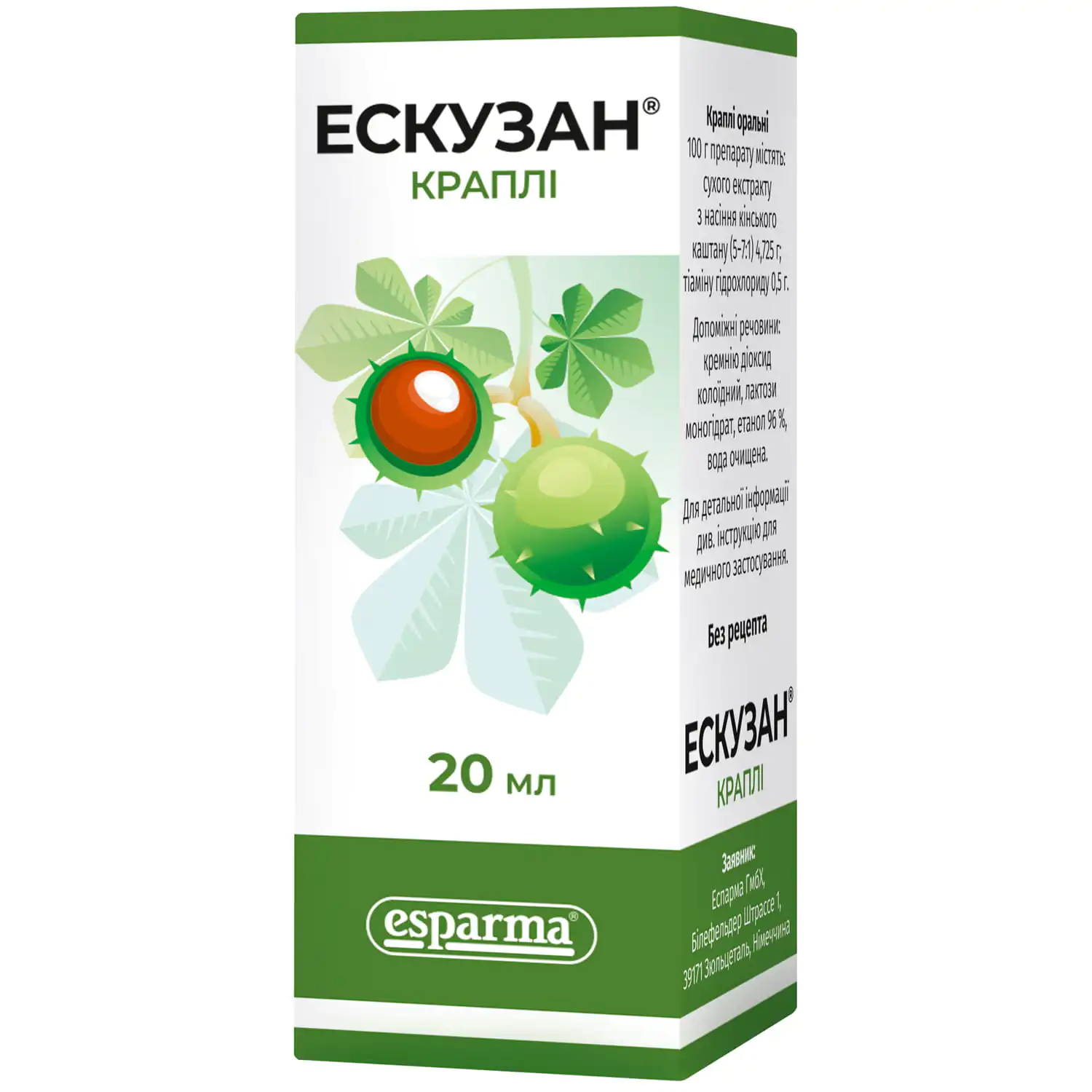
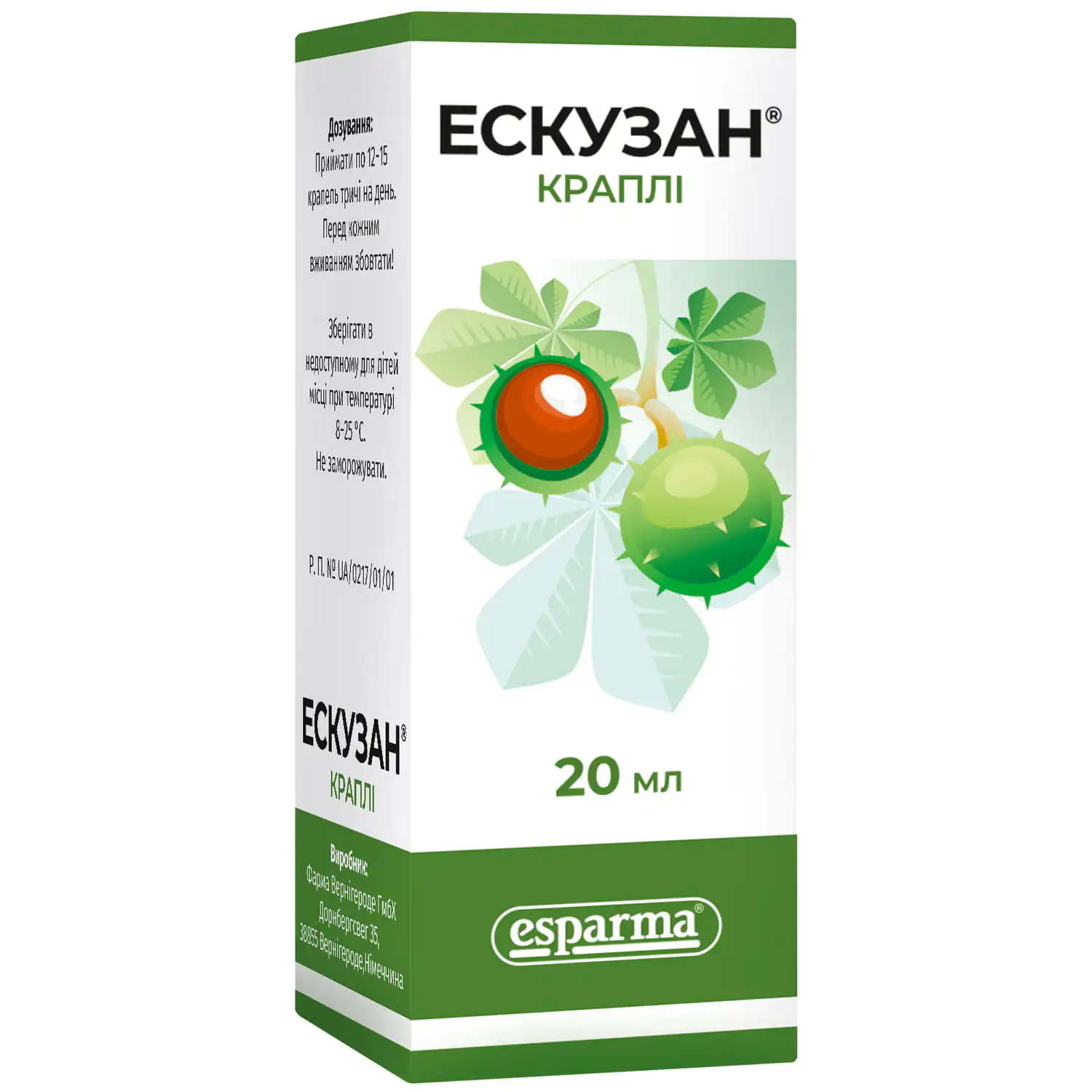
Aescusan oral drops dropper bottle 20 ml
$19.27
Free Worldwide Shipping
to: Australia, Belgium, Canada, Czechia, Denmark, Estonia, Finland, Greece, Hungary, Ireland, Israel, Italy, Japan, Kuwait, Latvia, Lithuania, Mexico, Moldova, Netherlands, Norway, Poland, Romania, Slovakia, South Korea, Switzerland, United Kingdom, United States and more
🏖️ Hello! We are on vacation!
We are still accepting orders on our website; however, order processing and shipping will resume after September 10. If you place an order during our vacation, we will contact you and remind you about the temporary shipping delay. Starting September 10, all orders received during this period will be processed and shipped in the order they were placed. If your order contains a product with less than one year remaining before its expiration date, we will notify you after September 10 and proceed according to your instructions. If you decide to cancel an order placed during our vacation, simply contact us through the contact form on our website, and we will be happy to assist you. Thank you for your understanding, and we apologize for any inconvenience caused.
In stock
Aescusan oral drops with horse chestnut extract help relieve venous insufficiency, leg swelling, varicose veins, and heaviness. Dosage and uses.
Payment
PayPal, Debit or Credit card, Google Pay, Apple Pay
Orders Temporarily Unavailable
Due to temporary postal service disruptions, we are currently unable to accept orders.
Composition
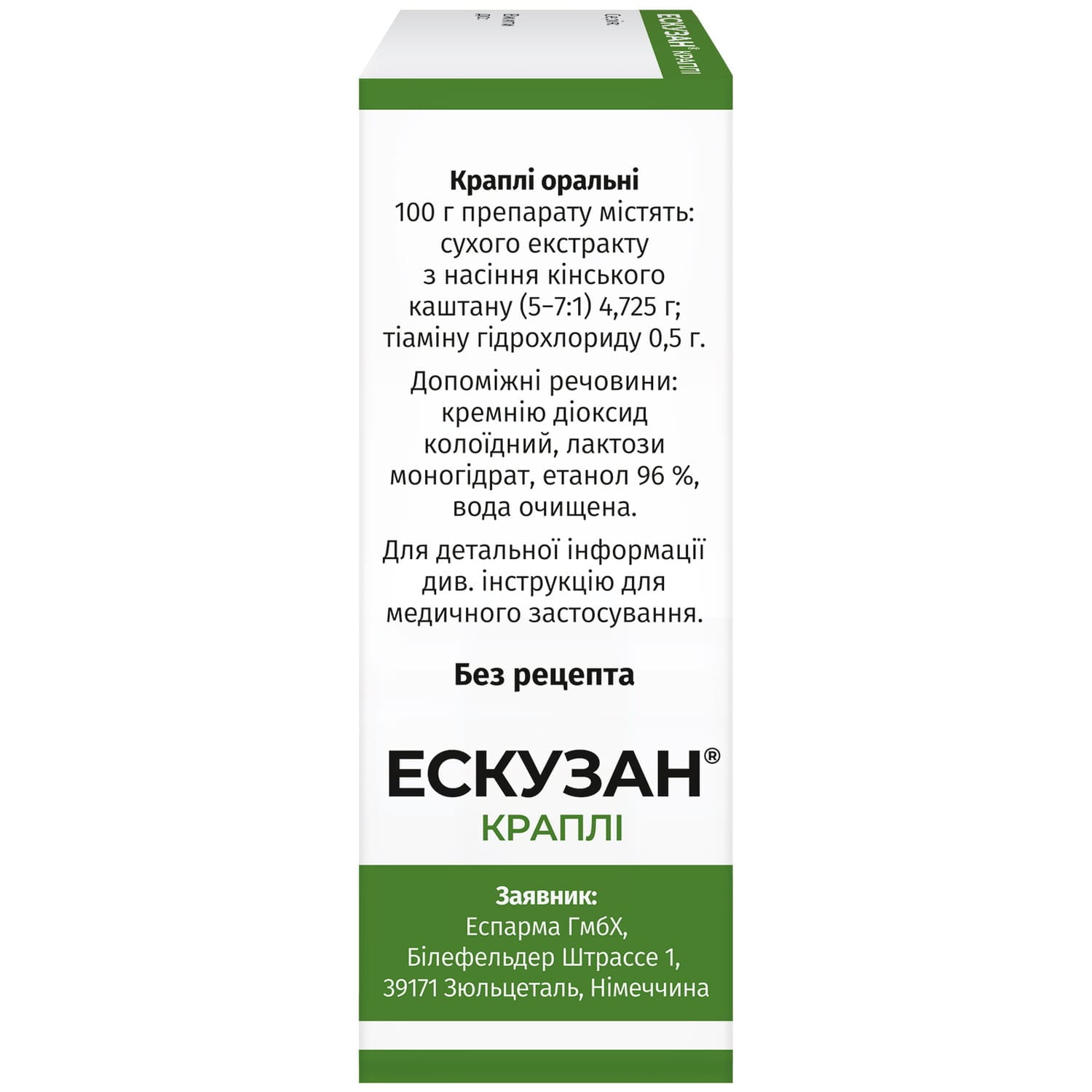
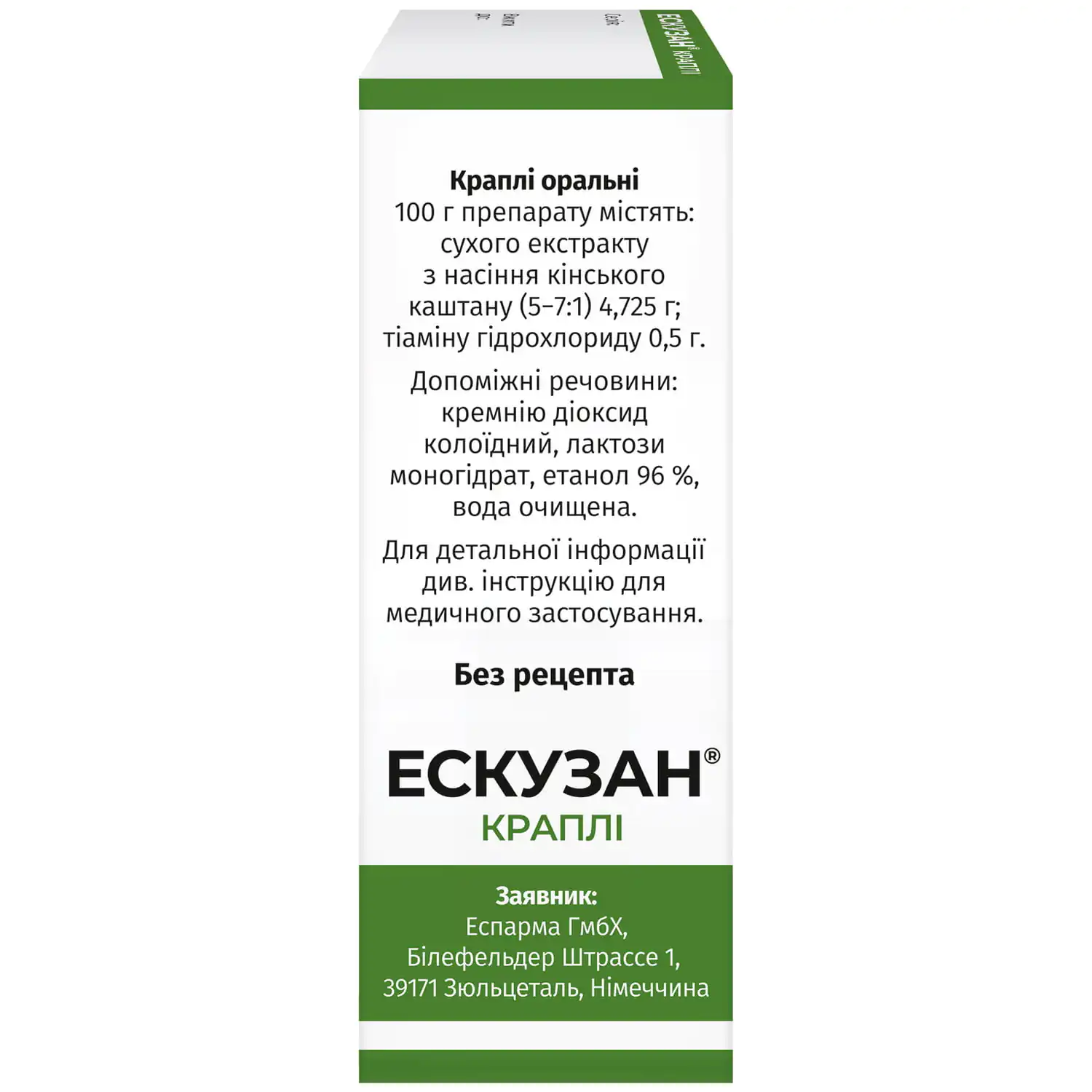
active ingredients: 100 g of solution contain 4.725 g of dry extract from horse chestnut seeds (Hippocastani extractum siccum normatum) (5-7:1) [extractant ethanol 60% (v/v)], 0.5 g of thiamine hydrochloride;
excipients: ethanol 96%, purified water, lactose monohydrate, colloidal silicon dioxide.
Release form
Oral drops.
Pharmacological properties
The mechanism of action of escin, contained in horse chestnut seeds, is due to the stabilization of lysosomal membranes, inhibition of the release of autolytic cellular enzymes, as a result of which the breakdown of mucopolysaccharides is reduced and trophic processes in the walls of venous vessels and the surrounding connective tissue are improved. The drug Aescusan drops reduces pathologically increased vascular-tissue permeability, preventing transcapillary filtration of low-molecular proteins, electrolytes and water into the intercellular space, increases the tone of the venous wall, eliminates venous congestion (especially in the lower extremities), reduces peripheral edema, reduces the feeling of heaviness in the legs, fatigue, tension, itching, pain. When administered orally, escin is rapidly absorbed, mainly from the duodenum. It is subject to a pronounced first-pass effect through the liver. In tissue fluid and blood plasma, escin binds to proteins (approximately 84%) and xc. Metabolized in the liver. Excreted from the body with urine and bile in the form of metabolites.
Thiamine hydrochloride in the body is converted into active thiamine diphosphate, participates in carbohydrate and energy metabolism, and is a coenzyme in many enzyme reactions.
Indication
Chronic venous insufficiency: edema; calf muscle cramps; itching, as well as pain and a feeling of heaviness in the legs; varicose veins. post-thrombotic syndrome. trophic changes in the veins of the lower extremities, such as shin ulcers. hemorrhoids. prevention and treatment of post-traumatic and postoperative edema and hematomas.
Contraindication
Hypersensitivity to the components of the drug. renal failure, allergic diseases.
Application
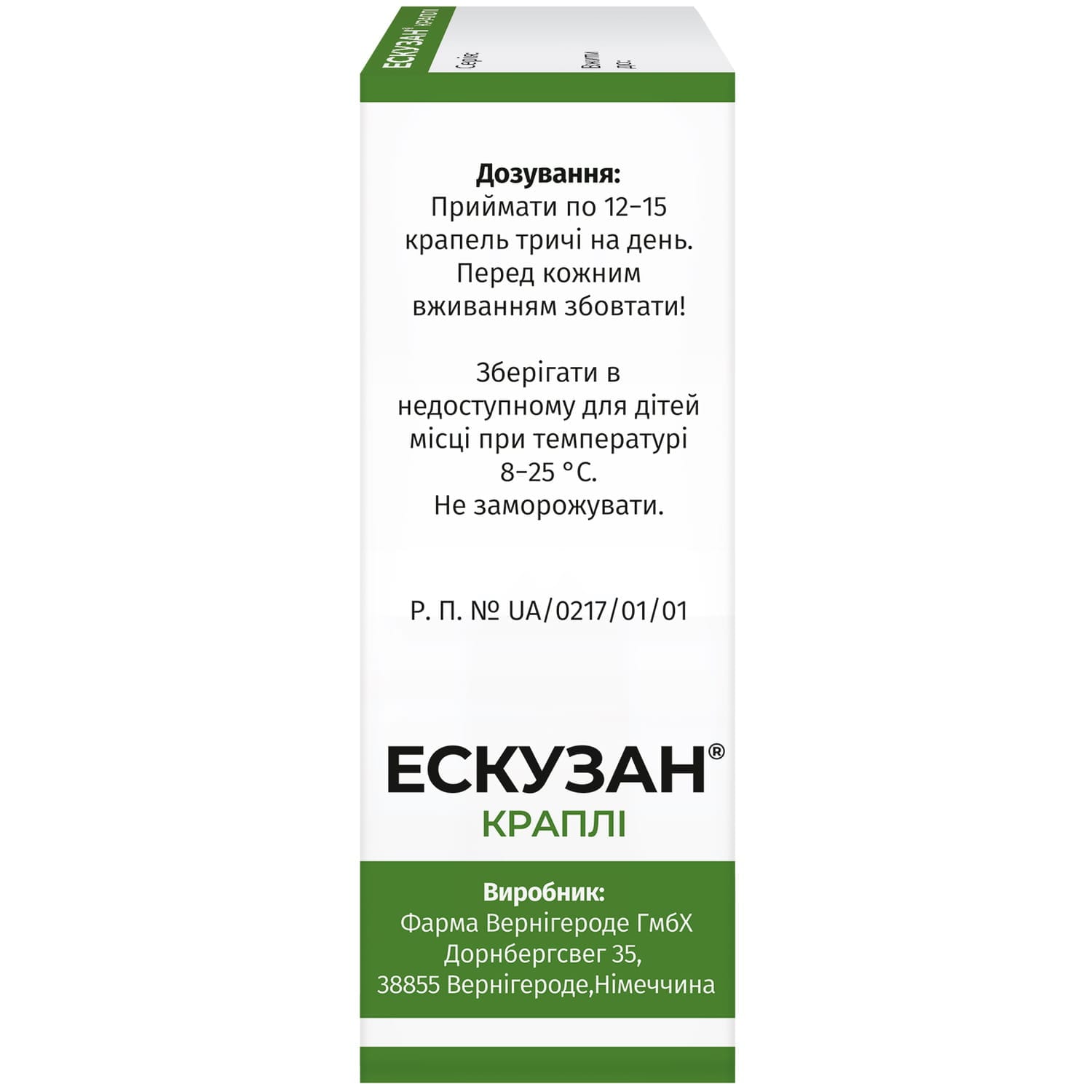
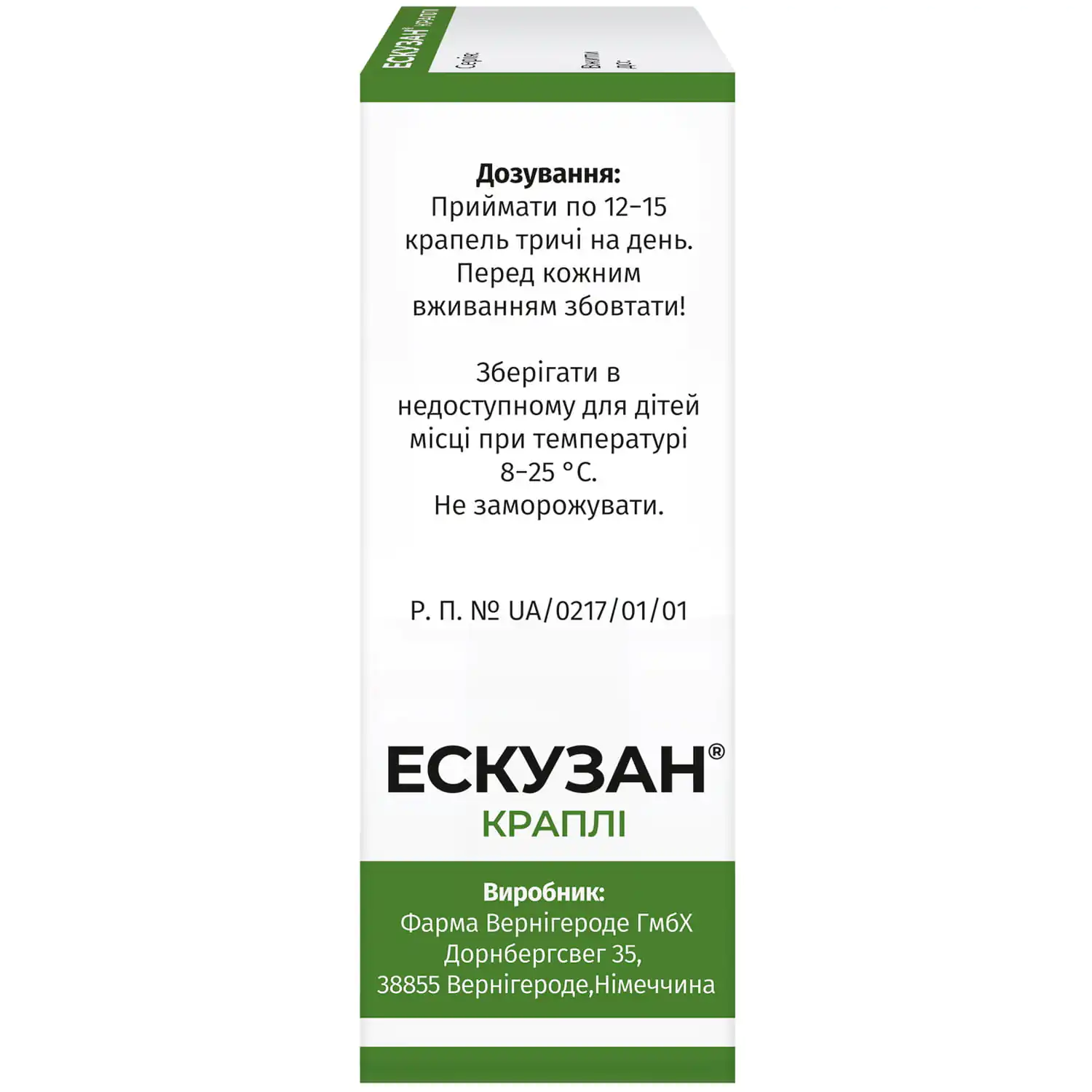
It is recommended to take 12-15 drops 3 times a day before meals, with a small amount of liquid. The course of treatment is from 2 weeks to 2-3 months.
Due to the possible presence of sediment of plant origin, it is recommended to shake the product before use.
Children: Do not use in children.
Special instructions
If you experience unusual symptoms in your legs (swelling, discoloration, feeling of tightness or heat) or pain, you should stop using the drug and consult a doctor, as this may indicate serious medical complications (leg vein thrombosis). You should definitely follow the non-invasive treatment methods prescribed by your doctor (applying compresses, wearing supportive elastic stockings, pouring cold water).
The drug contains a small amount of ethanol (less than 100 mg/dose).
This medicine contains lactose. If you have been told by your doctor that you have an intolerance to some sugars, contact your doctor before taking this medicine.
When using the drug, kidney function should be monitored.
The use of thiamine in high doses may distort the results of the determination of theophylline in blood plasma by the spectrophotometric method and urobilinogen using Ehrlich’s reagent.
Use during pregnancy or breastfeeding
The drug is not recommended for use during pregnancy and breastfeeding due to insufficient data on the safety of its use in this category of patients.
The ability to influence the reaction speed when driving or working with other mechanisms
No effect.
Overdose
There have been no reports of overdose. Side effects may be exacerbated. Symptoms of poisoning observed after taking a large amount of horse chestnut fruit extract: restlessness, severe diarrhea, vomiting, mydriasis, drowsiness, delirium, possible death as a result of respiratory paralysis after 24-48 hours.
Treatment: symptomatic. If a large amount of horse chestnut fruit extract has been ingested and there is no vomiting, gastric lavage (e.g. 0.02% potassium permanganate solution) and administration of activated charcoal are recommended.
Side effects
From the cardiovascular system: tachycardia, palpitations, arterial hypotension.
From the nervous system: headache, dizziness.
Gastrointestinal tract: dyspeptic phenomena, epigastric pain, nausea, diarrhea, vomiting.
Immune system disorders: hypersensitivity reactions, including urticaria, rash, itching, feeling of heat, angioedema, shock.
If the drug is used in high doses, nephrotoxic reactions and thrombosis are possible.
Interactions
The drug may enhance the effect of antithrombotic agents. Cephalosporin antibiotics increase the concentration of free escin in the blood and the risk of side effects. The simultaneous use of the drug with aminoglycoside antibiotics should be avoided due to the increased toxic effect of aminoglycosides on the kidneys.
Thiosemicarbazone and 5-fluorouracil, as well as simultaneous infusion of solutions containing sulfites, inhibit the activity of thiamine.
Storage conditions
At a temperature of 8-25 °C. Do not freeze. Shelf life – 3 years.
You may also like



Reviews
There are no reviews yet.