
🇦🇺 Australia
🇧🇪 Belgium
🇨🇦 Canada
🇨🇿 Czechia
🇩🇰 Denmark
🇪🇪 Estonia
🇫🇮 Finland
🇬🇷 Greece
🇭🇺 Hungary
🇮🇪 Ireland
🇮🇱 Israel
🇮🇹 Italy
🇯🇵 Japan
🇰🇼 Kuwait
🇱🇻 Latvia
🇱🇹 Lithuania
🇲🇽 Mexico
🇲🇩 Moldova
🇳🇱 Netherlands
🇳🇴 Norway
🇵🇱 Poland
🇷🇴 Romania
🇸🇰 Slovakia
🇰🇷 South Korea
🇨🇭 Switzerland
🇬🇧 United Kingdom
🇺🇸 United States of America
and more
🇦🇺 Australia
🇧🇪 Belgium
🇨🇦 Canada
🇨🇿 Czechia
🇩🇰 Denmark
🇪🇪 Estonia
🇫🇮 Finland
🇬🇷 Greece
🇭🇺 Hungary
🇮🇪 Ireland
🇮🇱 Israel
🇮🇹 Italy
🇯🇵 Japan
🇰🇼 Kuwait
🇱🇻 Latvia
🇱🇹 Lithuania
🇲🇽 Mexico
🇲🇩 Moldova
🇳🇱 Netherlands
🇳🇴 Norway
🇵🇱 Poland
🇷🇴 Romania
🇸🇰 Slovakia
🇰🇷 South Korea
🇨🇭 Switzerland
🇬🇧 United Kingdom
🇺🇸 United States of America
and more
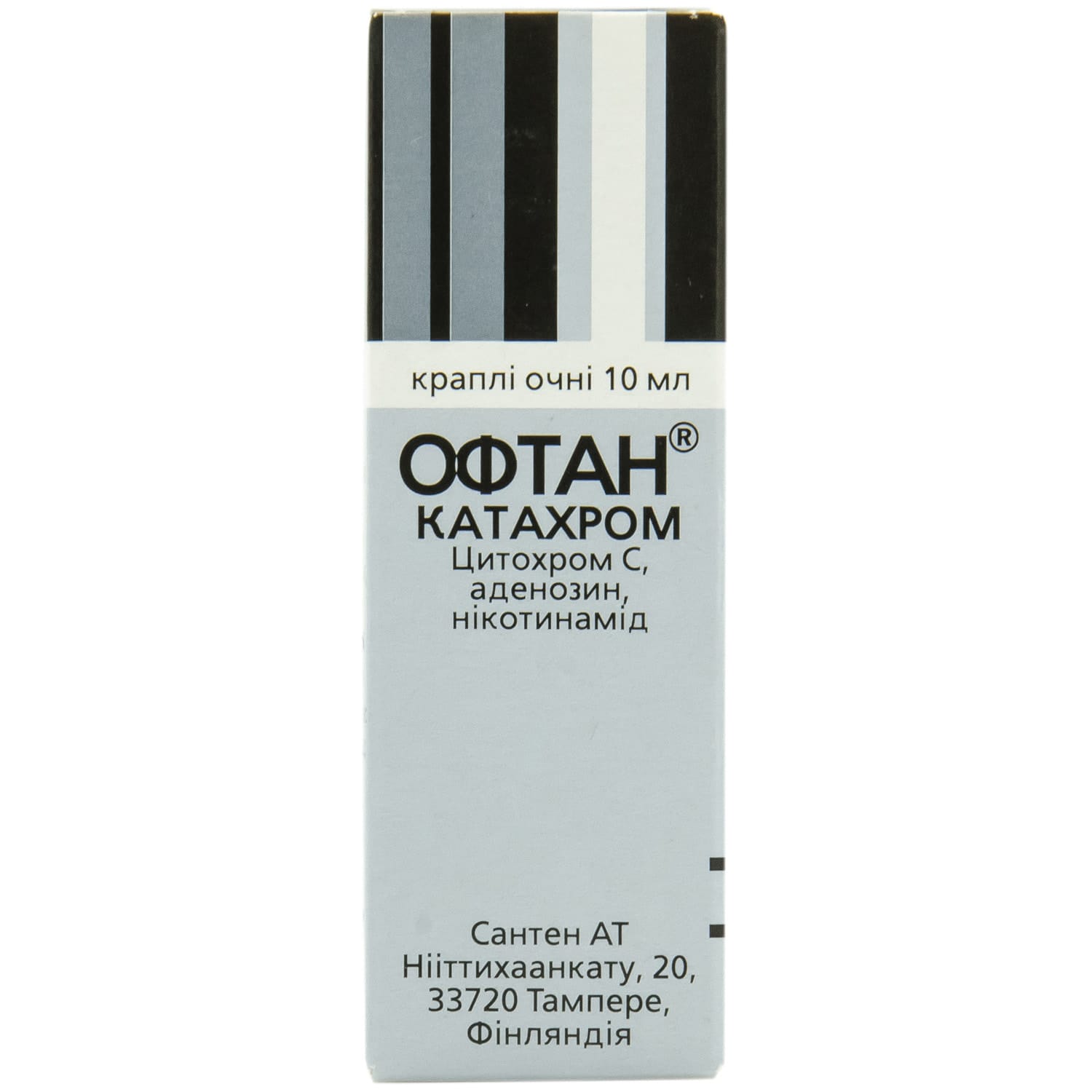
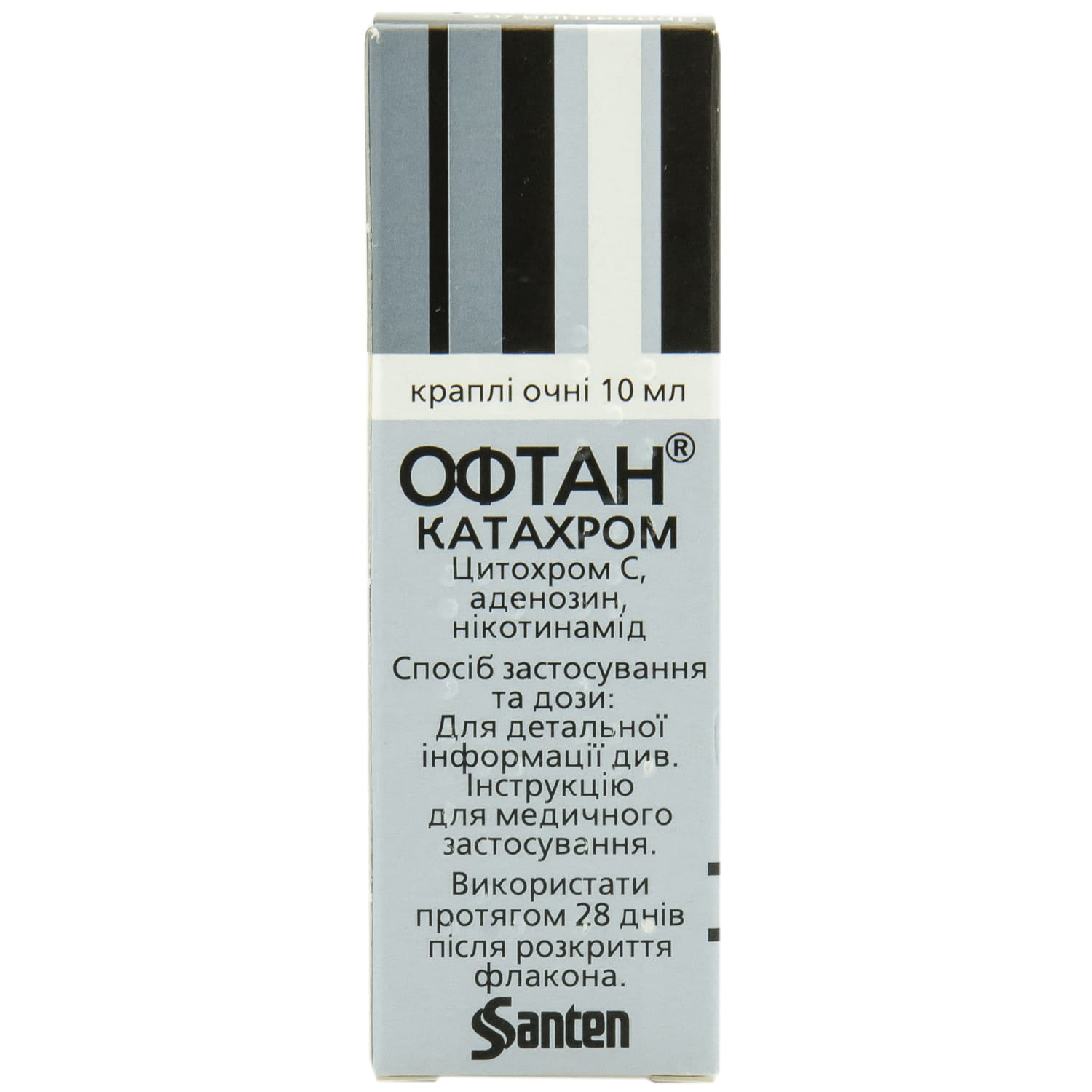
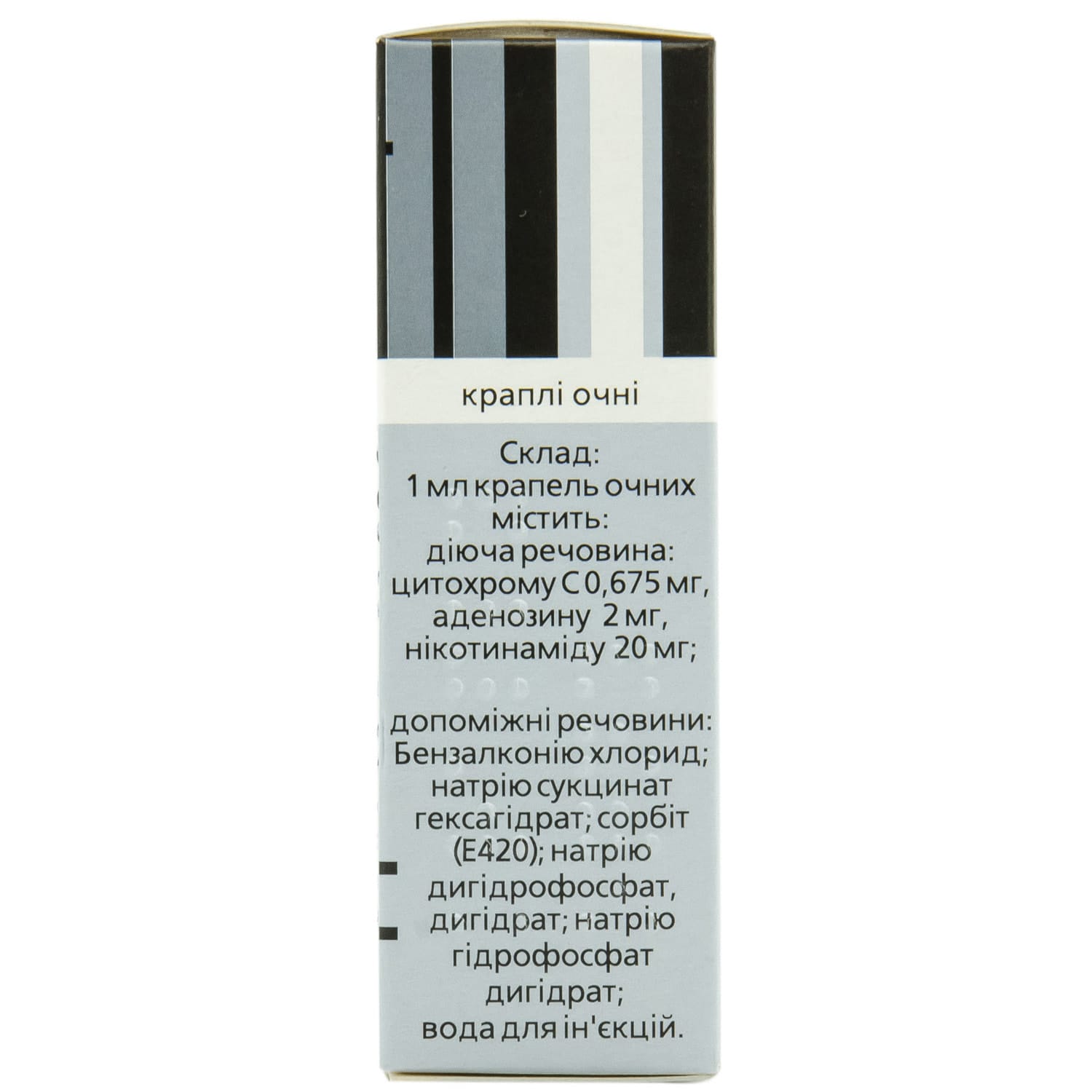
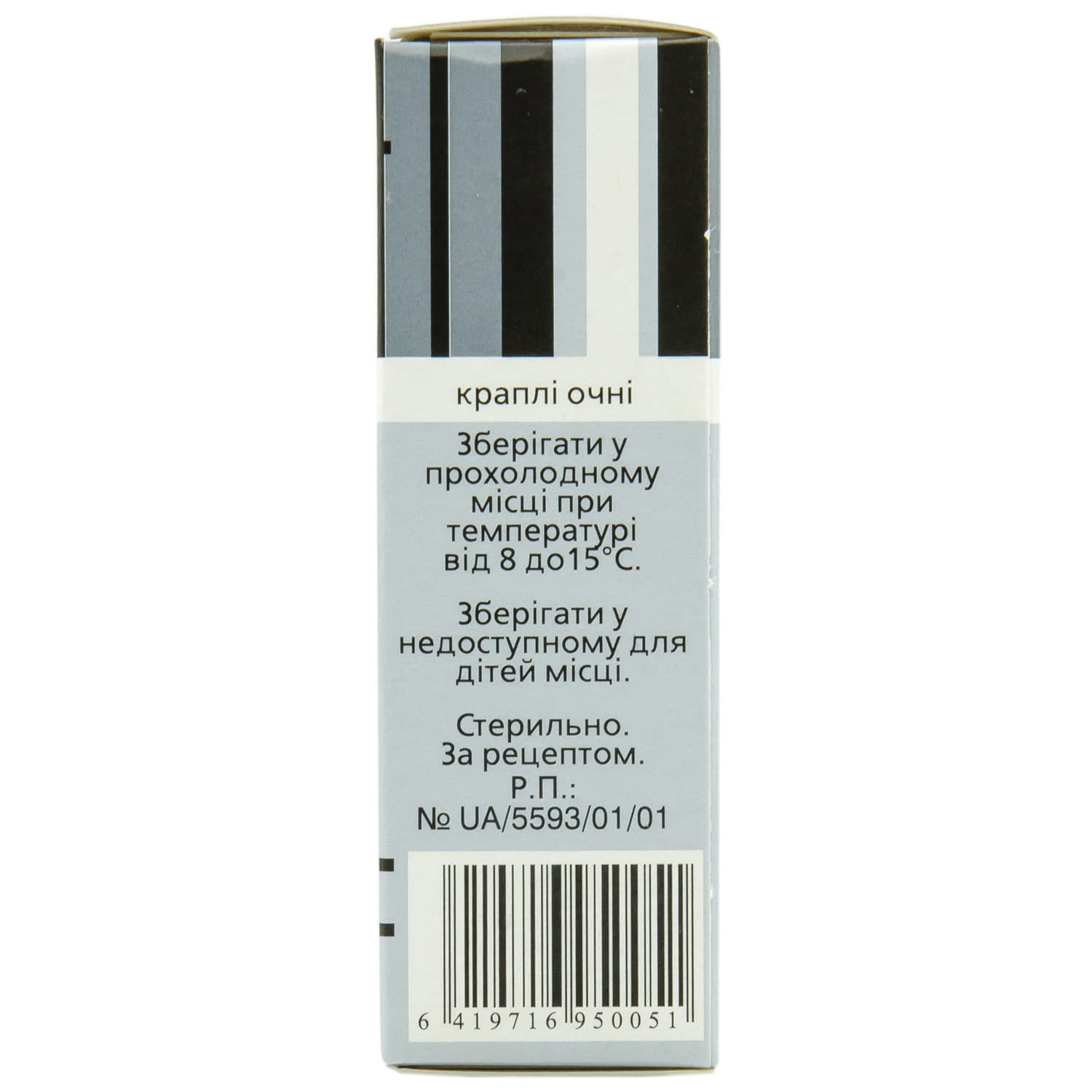
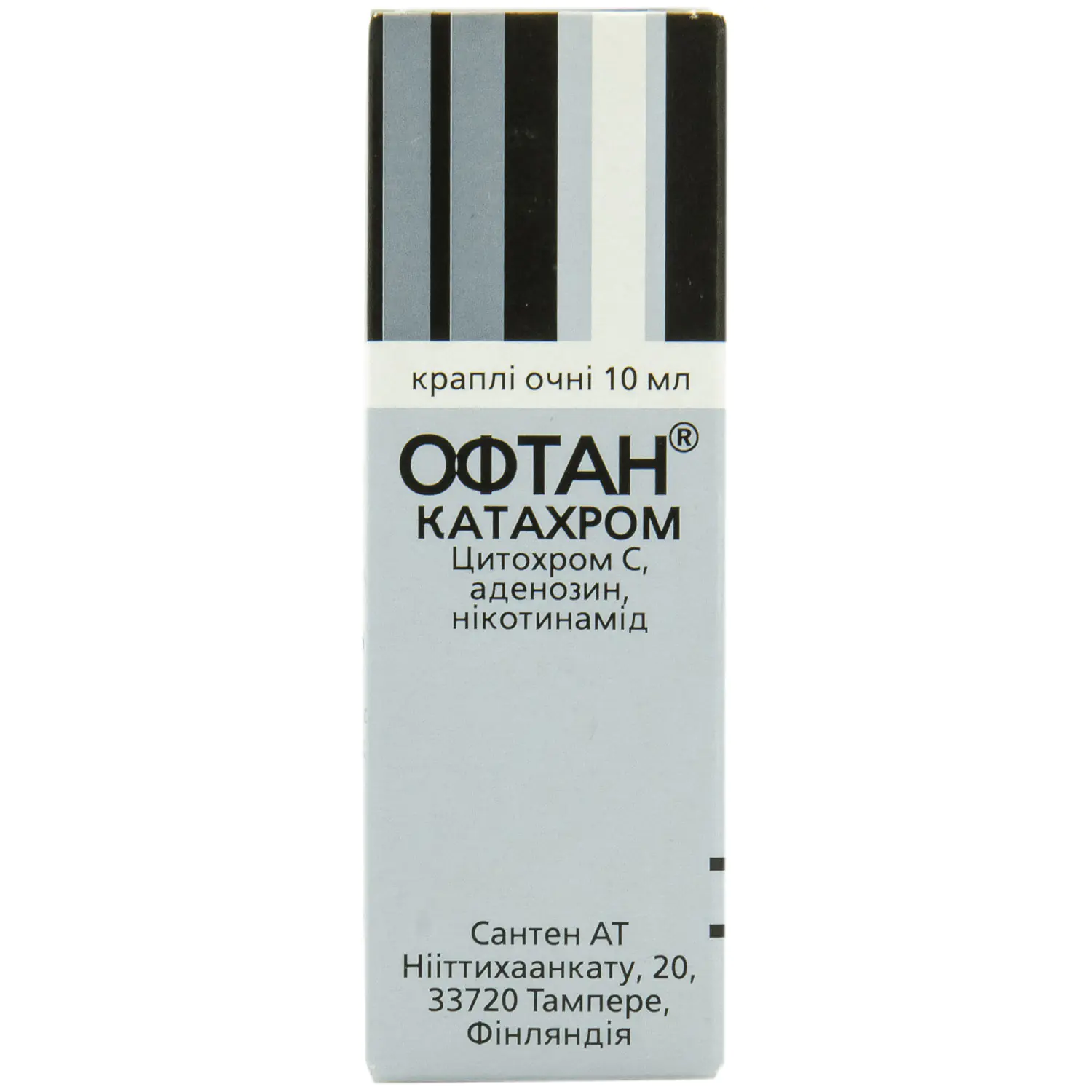
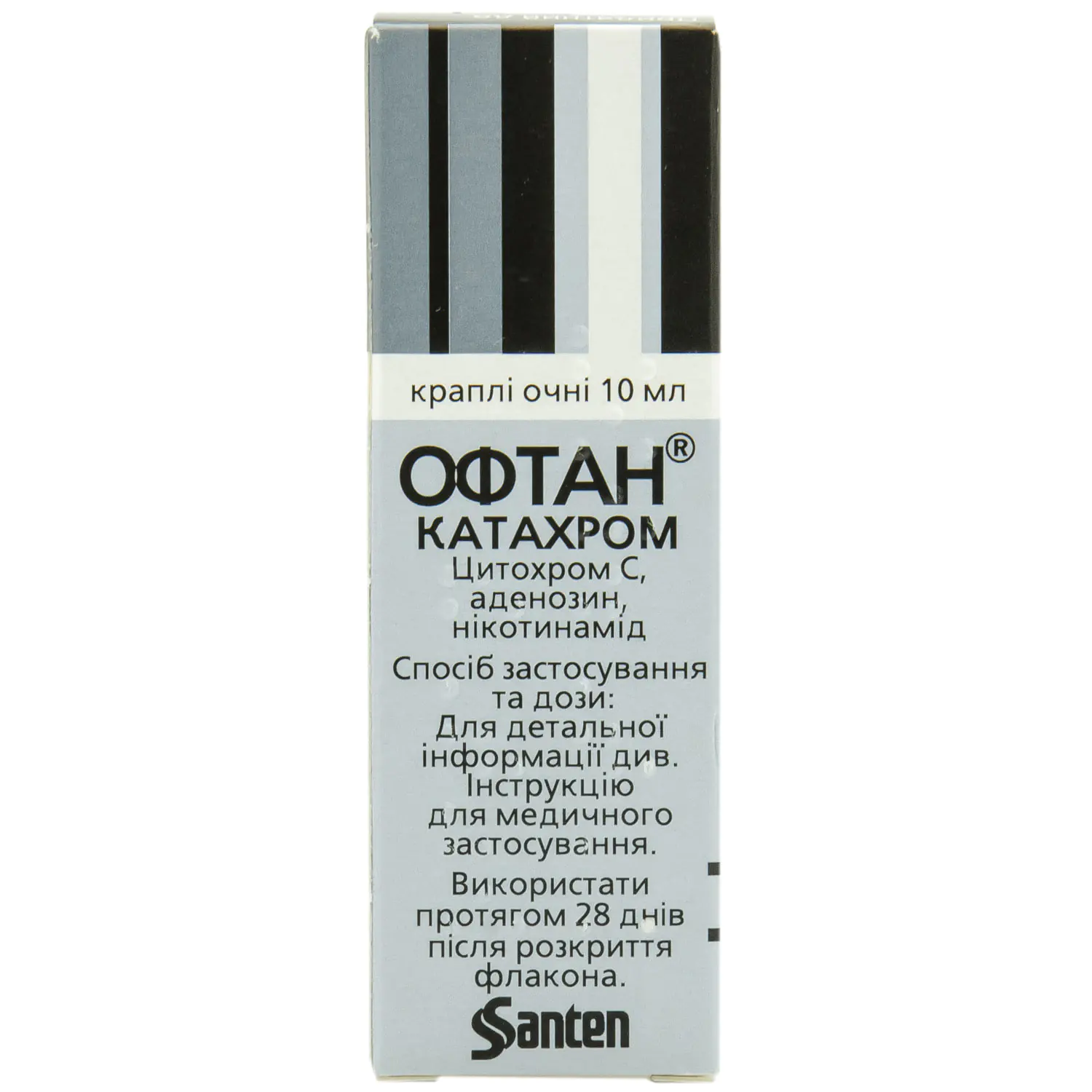
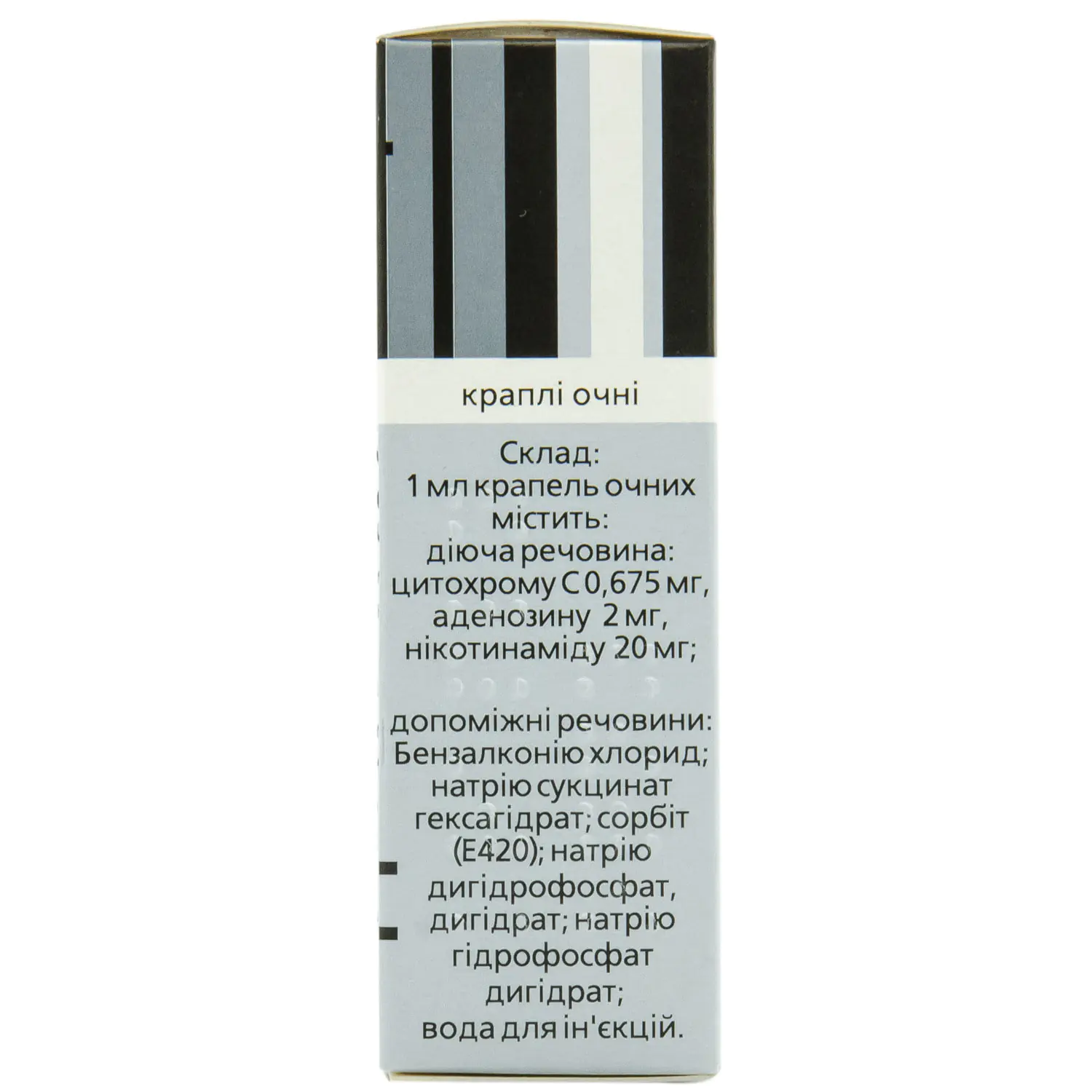
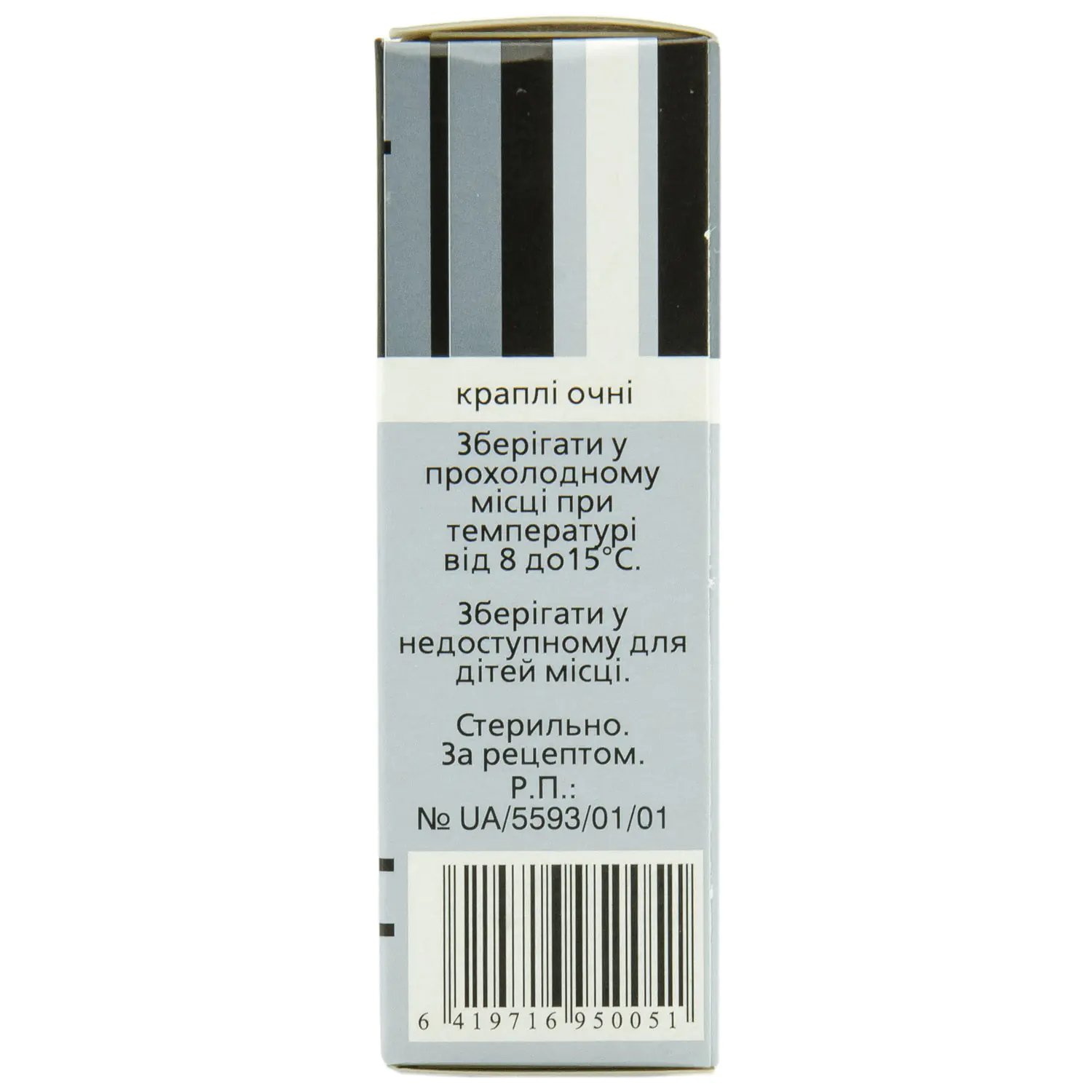
Oftan Catachrom eye drops bottle 10 ml
$22.86
Free Worldwide Shipping
to: Australia, Belgium, Canada, Czechia, Denmark, Estonia, Finland, Greece, Hungary, Ireland, Israel, Italy, Japan, Kuwait, Latvia, Lithuania, Mexico, Moldova, Netherlands, Norway, Poland, Romania, Slovakia, South Korea, Switzerland, United Kingdom, United States and more
🏖️ Hello! We are on vacation!
We are still accepting orders on our website; however, order processing and shipping will resume after September 10. If you place an order during our vacation, we will contact you and remind you about the temporary shipping delay. Starting September 10, all orders received during this period will be processed and shipped in the order they were placed. If your order contains a product with less than one year remaining before its expiration date, we will notify you after September 10 and proceed according to your instructions. If you decide to cancel an order placed during our vacation, simply contact us through the contact form on our website, and we will be happy to assist you. Thank you for your understanding, and we apologize for any inconvenience caused.
In stock
Payment
PayPal, Debit or Credit card, Google Pay, Apple Pay
Orders Temporarily Unavailable
Due to temporary postal service disruptions, we are currently unable to accept orders.
Pharmacological properties
A remedy for the treatment of cataracts. The mechanism of action of the drug is primarily due to the antioxidant and trophic effects of the active components that make up its composition – cytochrome c, adenosine and nicotinamide.
Cytochrome C is a high-molecular iron porphyrin compound. It is a conjugated protein, the structure of which is close to that of hemoglobin. Cytochrome C plays a major role in redox processes in almost all aerobic organisms due to the reversible change in the valence of iron contained in cytochrome – from Fe 2+ to Fe 3+ and back. These reactions occur with the participation of two mitochondrial enzymes – cytochrome oxidase and cytochrome reductase. Heme – the active component of cytochrome C – can act as an electron donor or acceptor. It has a high scavenging activity against free oxygen radicals. It has been established that in cataracts, the concentration of cytochrome C in the lens decreases. Cytochrome C cannot penetrate the cornea in sufficient quantities as a whole molecule; this becomes possible only after the peptide chain is cleaved. Heme-containing nonapeptide freely penetrates the cornea. Inhibition of oxidative processes in all tissues located anterior to the lens (cornea and intraocular fluid) is important for suppressing the development of cataracts, since ultraviolet radiation causes chain reactions in these tissues with the formation of radicals, which, as a rule, can lead to clouding of the lens. Heme-containing cytochrome C, which is part of the eye drops Oftan Catachrom, has the ability to neutralize oxygen radicals in certain redox reactions and thus can prevent the development of cataracts caused by free radicals.
Adenosine consists of adenine and D-ribose and is the main component of ATP. Adenosine is also a part of the cAMP molecule, the coenzyme molecules FAD (flavin adenine dinucleotide), NAD (nicotinamide adenine dinucleotide) and NADP (nicotinamide adenine dinucleotide phosphate). In most cases, the development of cataracts is due to degeneration of the lens. DNA repair in the lens epithelium is necessary to restore the disorders caused by the harmful effects of oxidation processes. Adenosine is a necessary component for the synthesis and repair of DNA and RNA, as well as a structural element of these molecules. In addition, adenosine acts as a paracrine regulator.
Thus, adenosine, which is part of the Oftan Catachrom eye drops, has many effects: it is a trophic agent and the main element for DNA repair and energy metabolism; it promotes the washing out of toxic decay products, stimulating the production and exchange of intraocular fluid due to vasodilation and increased blood supply to the eye; it reduces inflammation in the conjunctiva, cornea and other tissues of the eye, and also indirectly affects the restoration of glutathione, as it is a structural element of the glutathione reductase enzyme and reduced NADP, which provide antioxidant protection.
Nicotinamide is a structural element of the vital coenzymes NAD and NADP. The action of this component is aimed at enhancing the regeneration of endothelial cells of the lens. In the body, it is broken down by nicotinamidase with the formation of nicotinic acid.
The active components of the drug are substances of endogenous origin. Cytochrome C consists of heme and a single peptide chain (apocytochrome C). The cytochrome C molecule penetrates the cornea only after the peptide chain is cleaved to a heme-containing nanopeptide. When applied topically, it does not enter the systemic bloodstream. Heme, after penetrating the cornea, is evenly distributed in the tissues. Characterized by lipophilicity and hydrophobicity, when bound to a peptide chain or globin (hemoglobin), it acquires hydrophilic properties. Cytochrome C is completely metabolized in the body. Apocytochrome C is metabolized in the same ways as amino acids, and heme is cleaved to bilirubin, which is excreted in the bile.
Adenosine consists of purine (adenine) and sugar (D-ribose). When applied topically, it freely penetrates the cornea and is distributed in tissues. The half-life is less than 1 hour. It is metabolized in almost all tissues of the body to form inosine, xanthine and ultimately urate, which is excreted in the urine. Ribose is metabolized with the participation of transketolase to glyceraldehyde-3-phosphate, and then to pyruvate, which is used in the Krebs cycle.
Indication
Cataract.
Application
1-2 drops 3 times a day in the affected eye.
Contraindication
Hypersensitivity to any of the components of the drug.
Side effects
Short-term burning sensation in the eye, rarely – contact allergic conjunctivitis and blepharitis. Possible systemic side effects of the drug include nausea, arterial hypotension, dizziness and shortness of breath.
Special instructions
The drug contains benzalkonium chloride as a preservative, which can deposit on soft contact lenses, so they should be removed before instilling the drug and put back on no earlier than 15 minutes later.
Clinical data on the efficacy and safety of the drug in children, as well as during pregnancy and breastfeeding are insufficient.
Overdose
The drug contains endogenous substances that are rapidly metabolized in the body, so overdose is unlikely. If necessary, symptomatic therapy is prescribed.
Storage conditions
At a temperature of 2-8 °C. after opening the vial, the solution must be used within 1 month.
You may also like


Reviews
There are no reviews yet.