
🇦🇺 Australia
🇧🇪 Belgium
🇨🇦 Canada
🇨🇿 Czechia
🇩🇰 Denmark
🇪🇪 Estonia
🇫🇮 Finland
🇬🇷 Greece
🇭🇺 Hungary
🇮🇪 Ireland
🇮🇱 Israel
🇮🇹 Italy
🇯🇵 Japan
🇰🇼 Kuwait
🇱🇻 Latvia
🇱🇹 Lithuania
🇲🇽 Mexico
🇲🇩 Moldova
🇳🇱 Netherlands
🇳🇴 Norway
🇵🇱 Poland
🇷🇴 Romania
🇸🇰 Slovakia
🇰🇷 South Korea
🇨🇭 Switzerland
🇬🇧 United Kingdom
🇺🇸 United States of America
and more
🇦🇺 Australia
🇧🇪 Belgium
🇨🇦 Canada
🇨🇿 Czechia
🇩🇰 Denmark
🇪🇪 Estonia
🇫🇮 Finland
🇬🇷 Greece
🇭🇺 Hungary
🇮🇪 Ireland
🇮🇱 Israel
🇮🇹 Italy
🇯🇵 Japan
🇰🇼 Kuwait
🇱🇻 Latvia
🇱🇹 Lithuania
🇲🇽 Mexico
🇲🇩 Moldova
🇳🇱 Netherlands
🇳🇴 Norway
🇵🇱 Poland
🇷🇴 Romania
🇸🇰 Slovakia
🇰🇷 South Korea
🇨🇭 Switzerland
🇬🇧 United Kingdom
🇺🇸 United States of America
and more


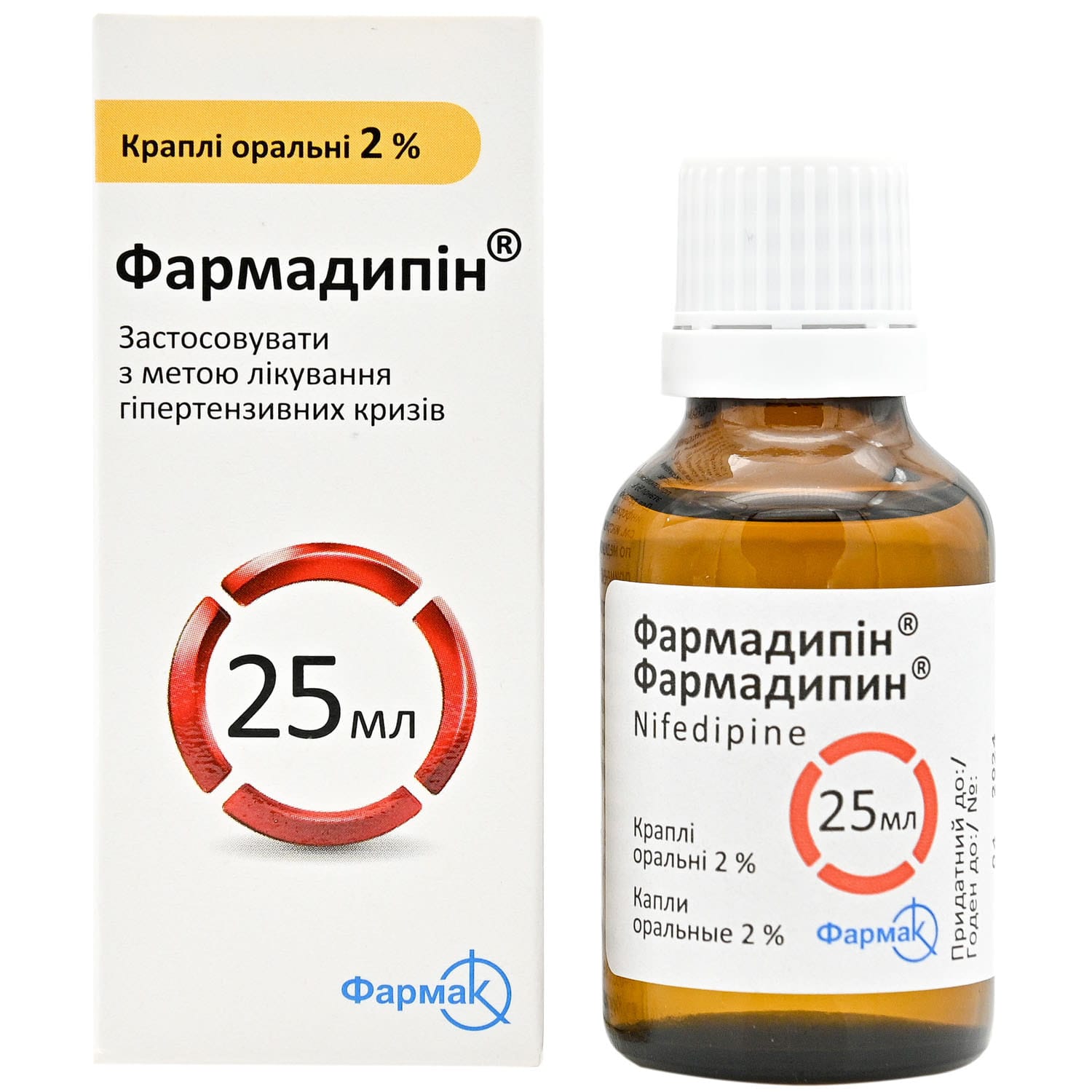
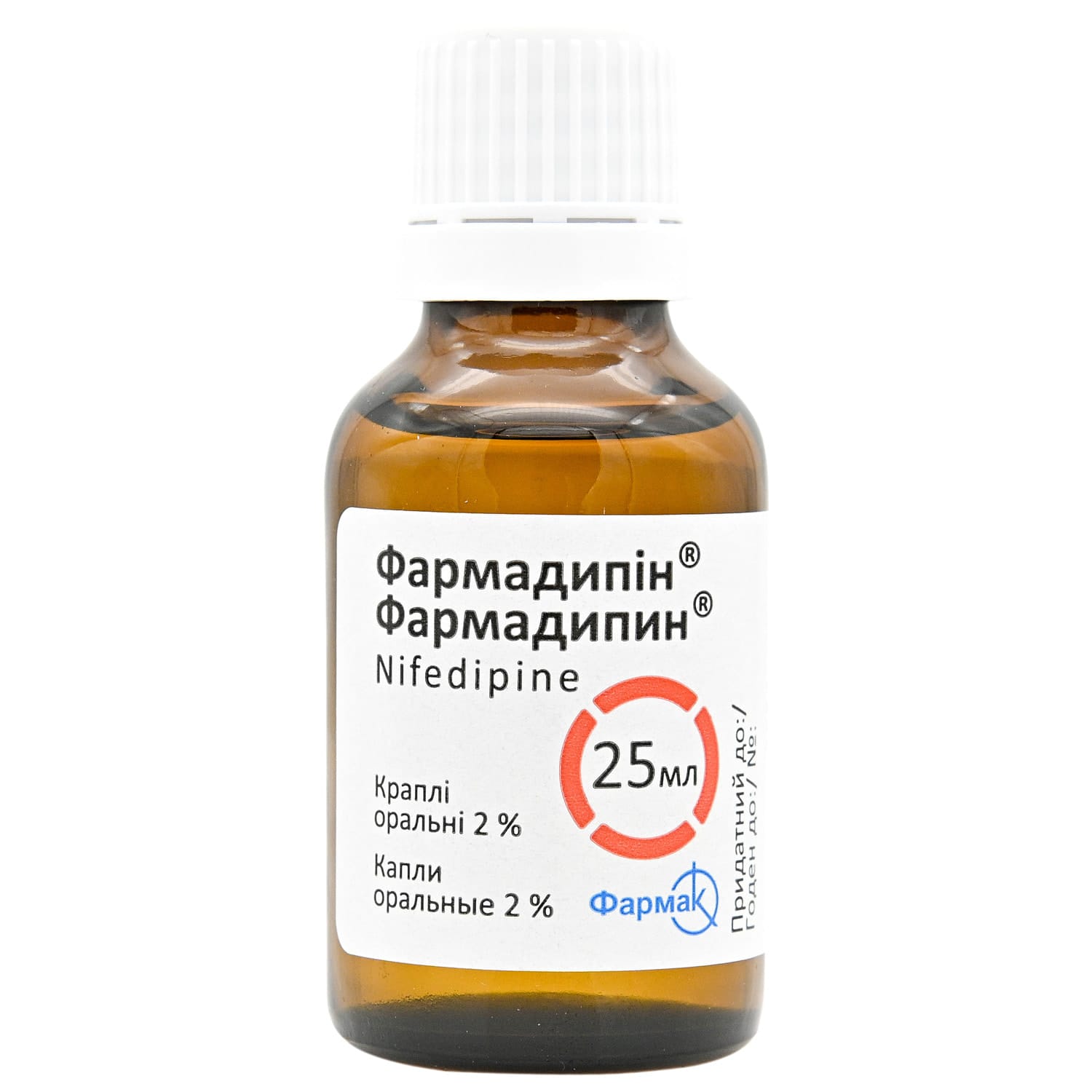
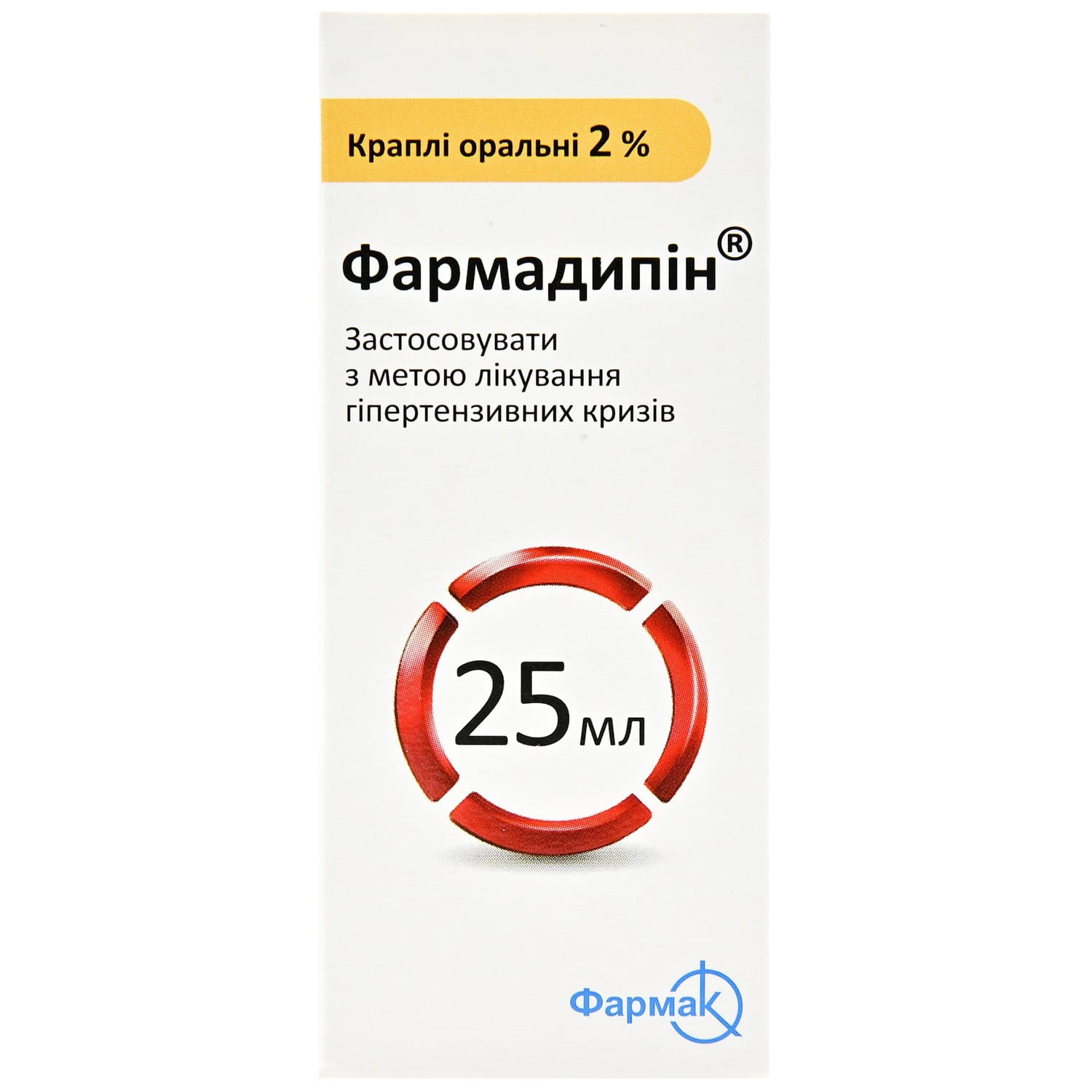
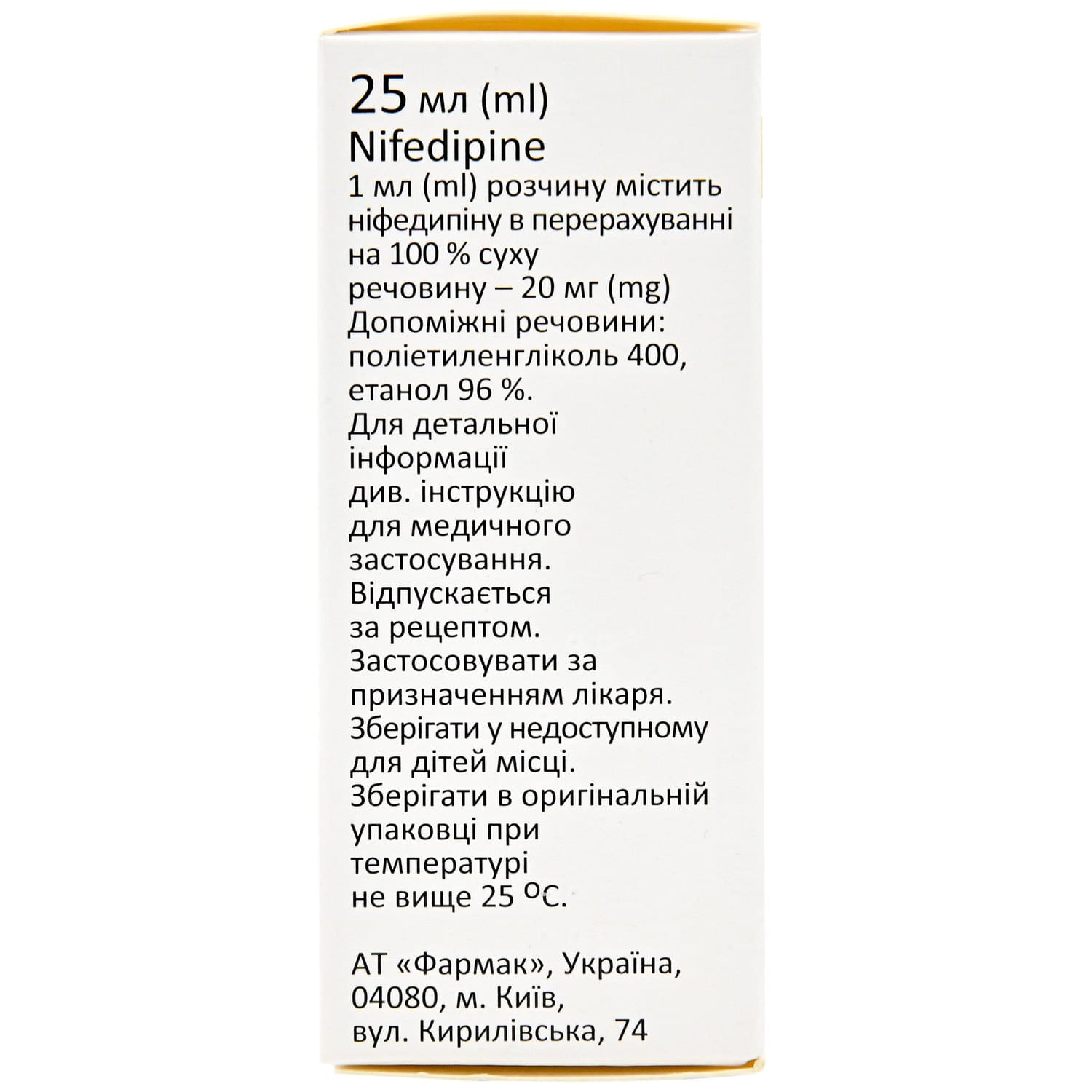


Farmadipine oral drops 2% bottle 25 ml
$19.18
Free Worldwide Shipping
to: Australia, Belgium, Canada, Czechia, Denmark, Estonia, Finland, Greece, Hungary, Ireland, Israel, Italy, Japan, Kuwait, Latvia, Lithuania, Mexico, Moldova, Netherlands, Norway, Poland, Romania, Slovakia, South Korea, Switzerland, United Kingdom, United States and more
🏖️ Hello! We are on vacation!
We are still accepting orders on our website; however, order processing and shipping will resume after September 10. If you place an order during our vacation, we will contact you and remind you about the temporary shipping delay. Starting September 10, all orders received during this period will be processed and shipped in the order they were placed. If your order contains a product with less than one year remaining before its expiration date, we will notify you after September 10 and proceed according to your instructions. If you decide to cancel an order placed during our vacation, simply contact us through the contact form on our website, and we will be happy to assist you. Thank you for your understanding, and we apologize for any inconvenience caused.
In stock
Farmadipine provides fast antihypertensive and antianginal effects, lowering blood pressure and vascular resistance, used mainly for hypertensive crises
Payment
PayPal, Debit or Credit card, Google Pay, Apple Pay
Pharmacological properties
Pharmacodynamics. Farmadipine exhibits antianginal and antihypertensive effects. Blocks the influx of calcium ions into cardiomyocytes and smooth muscle cells of coronary and peripheral arteries through slow voltage-dependent calcium channels of cell membranes. Relaxes vascular smooth muscle, eliminates spasms and dilates coronary and peripheral arteries, reducing peripheral resistance, blood pressure, afterload and myocardial oxygen demand; slightly reduces myocardial contractility, slightly reduces platelet aggregation.
Pharmacokinetics. When taken orally, it is well absorbed in the digestive tract, bioavailability is 40-60%. The effect develops especially quickly (after 5-10 minutes) when taken sublingually. Usually, the maximum effect is recorded after 30-40 minutes. Food intake does not significantly affect the rate of absorption of the drug. The hemodynamic effect persists for 4-6 hours. Up to 90% of nifedipine binds to blood plasma proteins. It is metabolized in the liver and excreted from the body mainly in the form of inactive metabolites. The total clearance of nifedipine is 0.4-0.6 l/kg/h. T ½ is 2-4 hours. In the elderly and patients with cirrhosis of the liver, the metabolism of nifedipine slows down, so in them T ½ of the drug can be extended almost 2 times, which requires a dose reduction and an increase in the intervals between doses of the drug. Nifedipine does not accumulate in the body. In small quantities, it penetrates the blood-brain barrier and the placental barrier, and is excreted in breast milk.
Indication
Ag (for the treatment of hypertensive crises).
Application
Farmadipine is used to treat hypertensive crisis as an emergency drug. It is not recommended to use the drug in this dosage form for course administration.
If a course of antihypertensive therapy is necessary, the doctor selects the drug and dosage form.
In case of a sudden and significant increase in blood pressure, the initial single dose for adults is 3-5 drops (2-3.35 mg), for the elderly – no more than 3 drops (2 mg) under the tongue or drip onto a piece of cracker or sugar, keeping it in the mouth as long as possible. In case of insufficient effectiveness, the dose can be gradually increased to a clinically significant effect. In the future, in cases of increased blood pressure, it is necessary to focus on this dose. If necessary (increased blood pressure to 190 / 100-220 / 110 mm Hg.) The single dose can be gradually increased in individual cases to 10-15 drops (6.7-10 mg), taking into account individual changes in blood pressure in the patient.
It is necessary to take into account the individual sensitivity of individual patients to Farmadipine. In such cases, the dose is selected individually, starting with 3 drops, and gradually increased by 2-3 drops (1.34-2 mg) until the clinical effect is achieved.
Exceeding the initial dose of the drug can lead to a sharp decrease in blood pressure!
Contraindication
- Acute myocardial infarction (first 4 weeks); cardiogenic shock; severe aortic and mitral stenosis; unstable angina; do not use for the treatment of angina attacks, secondary prevention of myocardial infarction; heart failure in the stage of decompensation; arterial hypotension (systolic blood pressure 90 mm Hg); ventricular tachycardia with an expanded QRS complex; sick sinus syndrome; Wolff-Parkinson-White syndrome (WPW), Laun-Guenong-Levine syndrome (LGL); AV block II and III degree; porphyria; ileostomy established after proctocolectomy; pregnancy; breastfeeding; children’s age; hypersensitivity to nifedipine and other components of the drug; hypersensitivity to other dihydropyridines; do not take simultaneously with rifampicin.
Side effects
When following the recommendations for using the drug, side effects are minor and transient, and as a rule do not require discontinuation of therapy.
With frequent and uncontrolled use, adverse reactions typical of drugs of this pharmacological group are possible.
From the cardiovascular system: often – edema, vasodilation, infrequently – tachycardia, palpitations, arterial hypotension, syncope.
From the side of the central and peripheral nervous system: often – headache; infrequently – vertigo, migraine, dizziness, tremor, sleep disorder, anxiety; rarely – short-term visual impairment, agitation, paresthesia, dysesthesia.
On the part of the endocrine system: hyperglycemia (should be considered in patients with diabetes mellitus).
On the part of the digestive system: often – constipation; infrequently – when using high doses, abdominal pain, dyspeptic phenomena, flatulence, nausea, vomiting (very rarely), gingival hyperplasia (with prolonged use), dry mouth, transient increase in liver enzymes.
From the urinary system: infrequently – polyuria, dysuria.
From the hematopoietic system: rarely – anemia, leukopenia, thrombocytopenia.
Allergic reactions: infrequently – allergic reaction, allergic edema / angioedema (including laryngeal edema); rarely – itching, urticaria, rash; very rarely – anaphylactic / anaphylactoid reactions.
Other: often – malaise; infrequently – nosebleeds, nasal congestion, erythema; rarely – leg swelling, muscle cramps, joint swelling, erectile dysfunction, nonspecific pain, fever, shortness of breath.
Special instructions
The drug should be used only under careful clinical observation of the patient: in unstable angina, severe heart failure and severe aortic stenosis, severe pulmonary hypertension, hypertrophic cardiomyopathy, severe cerebral circulation disorders, diabetes mellitus, impaired liver and kidney function, as well as in elderly patients. Elderly patients are more likely to experience a decrease in cerebral blood flow due to a sharp peripheral vasodilation. In patients with malignant hypertension and hypovolemia on hemodialysis, a significant decrease in blood pressure may be observed while taking nifedipine. Especially at the beginning of treatment and with the simultaneous use of β-receptor blockers, hypotension may develop, which some patients do not tolerate well. The condition of such patients requires careful monitoring. In patients taking β-receptor blockers, signs of congestive heart failure may appear at the beginning of treatment. In patients with severe coronary insufficiency, the course of coronary artery disease may worsen due to reflex tachycardia, and with it, angina attacks may become more frequent. Nifedipine should be prescribed with caution to patients with angina pectoris or after a previous heart attack. If chest pain occurs during treatment, nifedipine should be discontinued. Alcohol and smoking should not be consumed during treatment with nifedipine.
The doses of other drugs used with nifedipine should be set individually. Cardiac glycosides can also be used during treatment with nifedipine. When using nifedipine, a false increase in the results of spectrophotometric determination of the concentration of vanillylmandelic acid in urine is possible.
When using nifedipine with simultaneous intravenous administration of magnesium sulfate, careful monitoring of blood pressure is necessary in pregnant women due to the possibility of its decrease, which can harm the mother and fetus.
Patients with impaired liver function require careful monitoring, and in severe cases, a dose reduction.
Nifedipine is metabolized via the cytochrome P450 3A4 system. Therefore, drugs that inhibit or induce this enzyme system may alter the first-pass effect or clearance of nifedipine (see Interactions).
When nifedipine is used concomitantly with these drugs, blood pressure should be monitored and, if necessary, a reduction in the nifedipine dose should be considered.
Some in vitro experiments have shown an association between the use of calcium antagonists, in particular nifedipine, and reversible biochemical changes in spermatozoa, which impair their ability to fertilize. In cases where in vitro fertilization attempts have failed in the absence of other explanations, calcium antagonists, in particular nifedipine, may be considered as a possible cause of this phenomenon.
Ability to influence the reaction rate when driving vehicles or working with other mechanisms. When using the drug, you should refrain from potentially dangerous activities that require increased attention (driving vehicles, working with other mechanisms, etc.).
Use during pregnancy and breastfeeding. Nifedipine is contraindicated during pregnancy. Nifedipine passes into breast milk, so breastfeeding should be discontinued during use of the drug.
Children. The drug is not used to treat children.
Interactions
Nifedipine may increase the antihypertensive effect of concomitantly used antihypertensive drugs, such as diuretics, β-blockers, ACE inhibitors, AT1 receptor antagonists, other calcium antagonists, α-adrenoblockers, PDE5 inhibitors, α-methyldopa.
When combined with β-receptor blockers, along with increased hypotensive effect, in some cases the development of heart failure is possible.
Diltiazem slows down the elimination of nifedipine from the body (if necessary, the dose of nifedipine is reduced).
Amiodarone and quinidine may enhance the negative inotropic effect of nifedipine. In some cases, the combination of nifedipine and quinidine when taken orally leads to a decrease in the concentration of quinidine in the blood plasma.
Combinations of nifedipine with cardiac glycosides and theophylline are usually well tolerated by patients; in very rare cases, an increase in the level of digoxin and theophylline in the blood plasma is possible (the content of the latter in the blood plasma should be monitored).
Nifedipine increases the plasma concentration of carbamazepine and phenytoin. Concomitant use of nifedipine and cimetidine may lead to an increase in nifedipine plasma levels.
Rifampicin induces the activity of liver enzymes, accelerating the metabolism of nifedipine, which may lead to a decrease in the clinical effect of nifedipine (such a combination is contraindicated).
Nifedipine treatment should be discontinued 36 hours before planned anesthesia with fentanyl. Nifedipine is compatible with radiocontrast agents.
Nifedipine in combination with intravenous magnesium sulfate in pregnant women can cause neuromuscular blockade.
Nifedipine is metabolized by the cytochrome P450 3A4 system, which is located in the intestinal mucosa and liver. Therefore, drugs that inhibit or induce this enzyme system may alter the first-pass effect (after oral administration) or clearance of nifedipine. Concomitant use of macrolide antibiotics (e.g. erythromycin), anti-HIV protease inhibitors (e.g. ritonavir), azole antifungals (e.g. ketoconazole), nefazodone, fluoxetine, quinupristin/dalfopristin, cimetidine, cisapride and nifedipine may lead to increased plasma concentrations of nifedipine.
Valproic acid is known to increase the plasma concentration of the structurally similar calcium channel blocker nimodipine due to enzyme inhibition. Therefore, an increase in the plasma concentration and efficacy of nifedipine cannot be excluded.
Tacrolimus is known to be metabolized via the cytochrome P450 3A4 system.
Published data suggest that in some cases the dose of tacrolimus may need to be reduced when co-administered with nifedipine. When the two drugs are co-administered, tacrolimus plasma concentrations should be monitored and a reduction in the tacrolimus dose should be considered if necessary.
Grapefruit juice inhibits the cytochrome P450 3A4 system. The use of grapefruit juice while taking nifedipine leads to an increase in the concentration of the drug in the blood plasma and an increase in the duration of action of nifedipine due to a decrease in first-pass metabolism or a decrease in clearance. This may increase the antihypertensive effect of the drug. After regular consumption of grapefruit juice, this effect may last for 3 days after the last consumption of the juice.
Therefore, grapefruit/grapefruit juice should be avoided during nifedipine therapy.
The use of nifedipine may lead to erroneous results in the spectrophotometric determination of the concentration of vanillylmandelic acid in urine (this effect was not observed when using the high-performance liquid chromatography method).
Overdose
Symptoms of acute nifedipine intoxication: impaired consciousness up to coma, decreased blood pressure, tachycardia/bradycardia, hyperglycemia, metabolic acidosis, hypoxia, cardiogenic shock, which is accompanied by pulmonary edema.
Treatment. Emergency care measures should primarily be aimed at removing the drug from the body and restoring stable hemodynamics.
After oral administration, it is recommended to completely empty the stomach, if necessary – in combination with washing the small intestine.
Since nifedipine is characterized by a high degree of binding to plasma proteins and a relatively low volume of distribution, hemodialysis is ineffective, but plasmapheresis is recommended.
Bradycardia can be treated with β-sympathomimetics. In life-threatening bradycardia, the use of an artificial pacemaker is recommended.
Hypotension resulting from cardiogenic shock and vasodilation can be treated with calcium preparations (10-20 ml of a 10% solution of calcium chloride or gluconate is administered slowly intravenously, then repeated if necessary). As a result, the level of calcium in the blood plasma may reach the upper limit of normal or be slightly elevated. If calcium administration is not effective enough, it is advisable to use sympathomimetics such as dopamine or noradrenaline. The doses of these preparations are selected taking into account the achieved therapeutic effect.
Additional fluid administration should be approached very carefully, as it increases the risk of cardiac overload.
Storage conditions
In a dry place, protected from light, at a temperature not exceeding 25 ° C. After opening the bottle, the drug is stored for 28 days.
You may also like

Reviews
There are no reviews yet.