
🇦🇺 Australia
🇧🇪 Belgium
🇨🇦 Canada
🇨🇿 Czechia
🇩🇰 Denmark
🇪🇪 Estonia
🇫🇮 Finland
🇬🇷 Greece
🇭🇺 Hungary
🇮🇪 Ireland
🇮🇱 Israel
🇮🇹 Italy
🇯🇵 Japan
🇰🇼 Kuwait
🇱🇻 Latvia
🇱🇹 Lithuania
🇲🇽 Mexico
🇲🇩 Moldova
🇳🇱 Netherlands
🇳🇴 Norway
🇵🇱 Poland
🇷🇴 Romania
🇸🇰 Slovakia
🇰🇷 South Korea
🇨🇭 Switzerland
🇬🇧 United Kingdom
🇺🇸 United States of America
and more
🇦🇺 Australia
🇧🇪 Belgium
🇨🇦 Canada
🇨🇿 Czechia
🇩🇰 Denmark
🇪🇪 Estonia
🇫🇮 Finland
🇬🇷 Greece
🇭🇺 Hungary
🇮🇪 Ireland
🇮🇱 Israel
🇮🇹 Italy
🇯🇵 Japan
🇰🇼 Kuwait
🇱🇻 Latvia
🇱🇹 Lithuania
🇲🇽 Mexico
🇲🇩 Moldova
🇳🇱 Netherlands
🇳🇴 Norway
🇵🇱 Poland
🇷🇴 Romania
🇸🇰 Slovakia
🇰🇷 South Korea
🇨🇭 Switzerland
🇬🇧 United Kingdom
🇺🇸 United States of America
and more


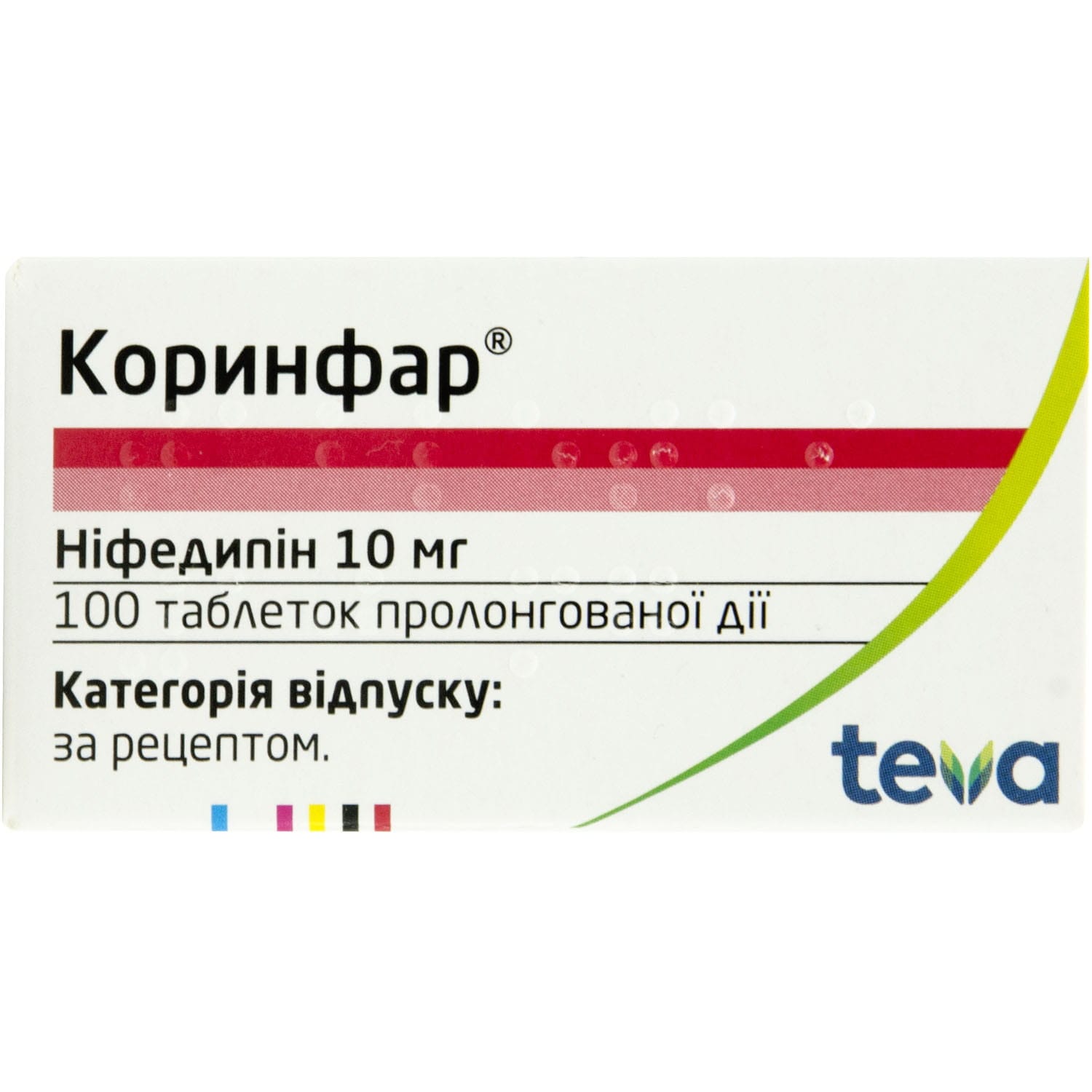
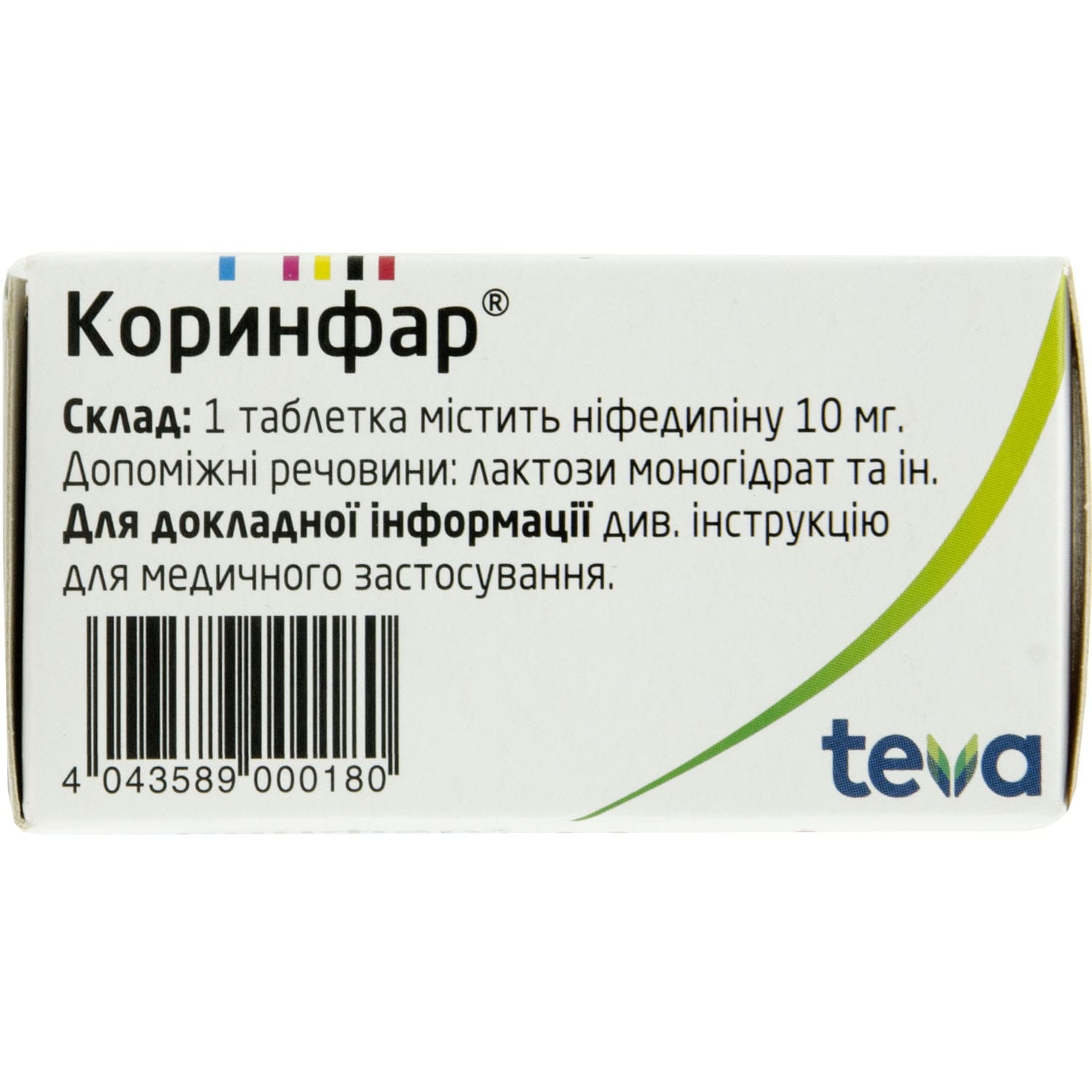
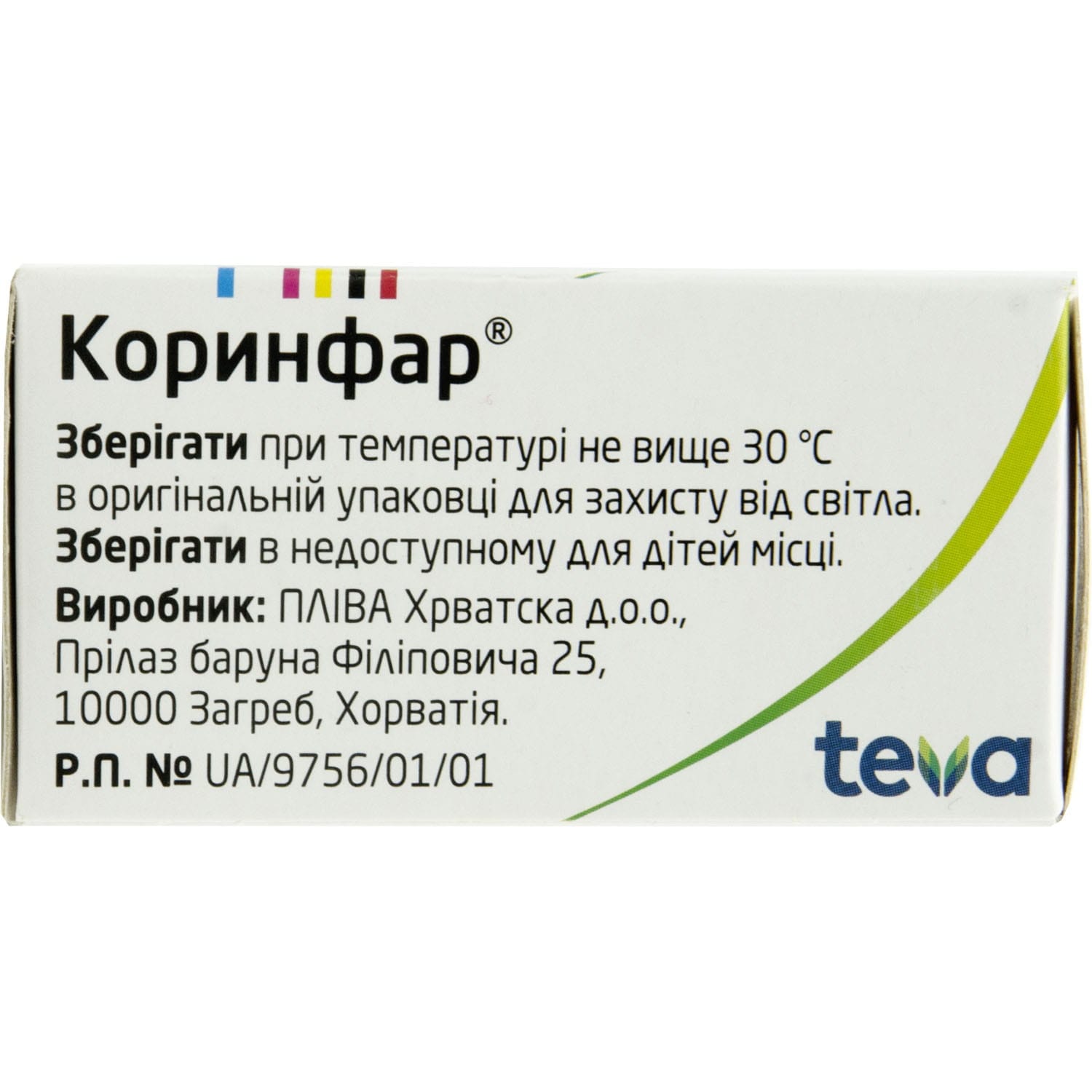


Corinfar prolonged-release tablets 10 mg bottle 100 pcs
$31.34
Free Worldwide Shipping
to: Australia, Belgium, Canada, Czechia, Denmark, Estonia, Finland, Greece, Hungary, Ireland, Israel, Italy, Japan, Kuwait, Latvia, Lithuania, Mexico, Moldova, Netherlands, Norway, Poland, Romania, Slovakia, South Korea, Switzerland, United Kingdom, United States and more
🏖️ Hello! We are on vacation!
We are still accepting orders on our website; however, order processing and shipping will resume after September 10. If you place an order during our vacation, we will contact you and remind you about the temporary shipping delay. Starting September 10, all orders received during this period will be processed and shipped in the order they were placed. If your order contains a product with less than one year remaining before its expiration date, we will notify you after September 10 and proceed according to your instructions. If you decide to cancel an order placed during our vacation, simply contact us through the contact form on our website, and we will be happy to assist you. Thank you for your understanding, and we apologize for any inconvenience caused.
In stock
Corinfar prolonged-release tablets 10 mg for hypertension and angina. Provides long-lasting blood pressure control and improved heart oxygen supply.
Payment
PayPal, Debit or Credit card, Google Pay, Apple Pay
Pharmacological properties
Pharmacodynamics. nifedipine is a calcium antagonist, inhibits the influx of calcium into myocardial cells, smooth muscles of the coronary artery and peripheral capillaries. nifedipine dilates the coronary arteries and reduces the muscle tone of the coronary arteries, thereby increasing the inflow of oxygen. at the same time, it reduces the OPSS (afterload), thereby unloading the heart. by weakening the work of the heart, it reduces the need for oxygen. normalization of blood pressure occurs due to the expansion of systemic arteries and arterioles, as well as due to a decrease in OPSS.
Especially at the initial stage of treatment, heart rate and cardiac output may increase due to activation of the baroreceptor reflex. During long-term treatment with nifedipine, heart rate and cardiac output return to pre-therapeutic values.
Pharmacokinetics. Absorption. After ingestion, nifedipine is rapidly and almost completely absorbed. The absorption of nifedipine is 50-60%.
The release of nifedipine from prolonged-release tablets occurs more slowly and reaches C max in blood plasma 2-4 hours after administration, its effect lasts 10-12 hours.
Distribution. Nifedipine is 94-99% bound to plasma proteins, mainly albumin. Animal studies have shown that released nifedipine is distributed to all organs and tissues. The concentration in cardiac muscle was higher than in skeletal muscle.
Neither nifedipine nor its metabolites accumulate in tissues.
Metabolism: Nifedipine is almost completely metabolized in the liver by the cytochrome P450 isoenzyme CYP 3A4. The metabolites are pharmacologically inactive. In patients with impaired liver function, metabolism is somewhat slowed down.
Excretion: 80% of the metabolites are excreted in the urine, the rest in the feces. Only a small amount of unchanged nifedipine is excreted in the urine.
T½ after oral administration of the prolonged-release tablet is 8-10 hours; it may be somewhat prolonged in patients with renal insufficiency.
Indication
Ag, angina pectoris (mainly vasospastic and chronic stable).
Application
The dosage regimen should be determined individually, taking into account the severity of the disease and the patient’s response to the treatment used.
Depending on the individual clinical picture, the recommended dose should be increased gradually.
The initial and maintenance dose in all cases is 1 tablet 2 times a day. If necessary, the dose can be increased to 2 tablets 2 times a day. In patients with Prinzmetal’s angina (vasospastic), the daily dose can be increased to a maximum of 60 mg.
Patients with hepatic insufficiency require constant monitoring, and a dose reduction may be necessary.
The drug should be taken without chewing, after meals, with sufficient liquid (except grapefruit juice), preferably in the morning and evening at the same time.
Taking food with the tablet slows down, but does not reduce, absorption.
Therapy with the drug should be discontinued gradually, especially in cases of taking the drug in high doses.
Prolonged-release tablets should not be divided into parts, as in this case the protection against light guaranteed by the protective coating is no longer provided.
Contraindication
Hypersensitivity to nifedipine or any other component of the drug; cardiogenic shock; high-grade aortic stenosis; unstable angina; acute myocardial infarction (within the first 4 weeks); simultaneous administration of rifampicin (due to the inability to achieve effective levels of nifedipine in the blood plasma due to enzyme induction); ileostomy or colostomy.
Side effects
From the side of the hematopoietic and lymphatic systems: changes in blood counts, anemia, leukopenia, thrombocytopenia and thrombotic microangiopathy, agranulocytosis, thrombocytopenic purpura.
Immune system disorders: allergic reactions, allergic edema (including laryngeal edema), pruritus, urticaria, rash, anaphylactic/anaphylactoid reactions, angioedema, facial edema.
Metabolic: hyperglycemia (especially in patients with diabetes).
From the nervous system: headache, dizziness, headache, tremor, paresthesia, dysesthesia, hypoesthesia, drowsiness, vertigo.
On the part of the psyche: anxiety reactions, sleep disorders, mood changes, nervousness.
On the part of the organ of vision: slight temporary change in visual perception, visual impairment, eye pain, excessive tearing.
Cardiovascular: hot flashes, palpitations, tachycardia, angina pectoris, edema, vasodilation, loss of consciousness, hypotension, symptomatic hypotension, orthostatic hypotension, myocardial infarction, chest pain, erythromegaly, especially at the beginning of treatment. In patients with malignant hypertension and hypovolemia on hemodialysis, a significant decrease in blood pressure due to vasodilation may occur.
On the part of the respiratory system: nosebleeds, nasal congestion, shortness of breath, pulmonary edema (when used in pregnant women as a tocolytic agent), cough, spasticity of the bronchial muscles up to life-threatening shortness of breath, which passes after discontinuation of treatment.
Gastrointestinal tract: constipation, digestive tract dysfunction such as dyspepsia, diarrhea, abdominal pain, flatulence, nausea, vomiting, dry mouth, gingival hyperplasia, gastroesophageal sphincter insufficiency, feeling of fullness of the stomach, belching, lack of appetite, gastrointestinal pain, bezoar, dysphagia, intestinal ulcer, intestinal obstruction.
On the part of the hepatobiliary system: transient increase in transaminase activity, jaundice, cholestasis.
Skin and subcutaneous tissue disorders: erythema, Mitchell’s disease, skin hypersensitivity reactions such as itching, exanthema, swelling of the skin and mucous membranes, increased sweating, urticaria, photodermatitis, purpura, toxic dermal necrolysis, exfoliative dermatitis, photosensitivity reaction.
Musculoskeletal system: muscle pain, joint pain, muscle cramps, joint swelling.
On the part of the kidneys and urinary tract: temporary decrease in kidney function in cases of renal failure, increased frequency of urination, increased daily urine output, polyuria, dysuria, nocturia.
From the reproductive system and mammary glands: gynecomastia (the process is reversible, symptoms disappear after stopping nifedipine), erectile dysfunction.
General disorders: increased fatigue, malaise, fever, nonspecific pain.
Special instructions
In case of severe arterial hypotension (systolic blood pressure 90 mm Hg), severe heart failure, the drug should be used with caution.
Patients with impaired liver function require careful monitoring, and in severe cases, a dose reduction.
Nifedipine is metabolized by the cytochrome P450 3A4 system, therefore drugs that inhibit or induce this enzyme system may alter the first-pass or clearance of nifedipine.
Drugs that are weak or moderate inhibitors of the cytochrome P450 3A4 system and may lead to increased plasma concentrations of nifedipine include:
- macrolide antibiotics (e.g. erythromycin);
- anti-HIV protease inhibitors (e.g. ritonavir);
- azole antifungals (ketoconazole);
- antidepressants (nefazodone and fluoxetine);
- quinupristin/dalfopristin;
- valproic acid;
- cimetidine.
When nifedipine is used concomitantly with these drugs, blood pressure should be monitored and, if necessary, a reduction in the nifedipine dose should be considered.
As with other non-deformable materials, caution should be exercised when using the drug in patients with existing narrowing of the gastrointestinal tract due to the possibility of obstructive symptoms.
Very rarely, a bezoar may occur, which may require surgical intervention.
In rare cases, obstructive symptoms have been described in the absence of a history of gastrointestinal disorders.
The drug should not be used in patients with an ileal reservoir (ileostomy after proctocolectomy).
The use of the drug may lead to false-positive results during X-ray examination using barium contrast medium (for example, filling defects are interpreted as a polyp).
The drug should not be used if there is a possible connection between previous use of nifedipine and coronary heart disease. In patients with angina pectoris, attacks may occur more frequently, and their duration and intensity may increase, especially at the beginning of treatment.
It should be administered with extreme caution to patients on hemodialysis, in conditions of malignant hypertension or hypovolemia, since dilation of blood vessels can cause a significant decrease in blood pressure.
Some in vitro experiments have shown an association between the use of calcium antagonists, particularly nifedipine, and reversible biochemical changes in spermatozoa that impair their ability to fertilize. In cases where in vitro fertilization attempts are unsuccessful, in the absence of other explanations, calcium antagonists, particularly nifedipine, may be considered as a possible cause of this phenomenon.
Patients with rare hereditary problems of galactose intolerance, the Lapp lactase deficiency or glucose-galactose malabsorption should not take this medicine.
Grapefruit juice inhibits the metabolism of nifedipine, which leads to an increase in its concentration in the blood plasma.
Use during pregnancy and breastfeeding. The use of nifedipine is contraindicated during pregnancy (up to the 20th week).
The use of nifedipine during pregnancy after the 20th week requires a careful assessment of the risk/benefit ratio, and the question of therapy with the drug should be considered only when all other treatment tactics are either not indicated or have been ineffective. There are no results of adequate and well-controlled studies of the use of the drug in pregnant women.
Animal studies have shown embryotoxicity, fetotoxicity, and teratogenicity of the drug.
With the intravenous use of calcium channel blockers, including nifedipine, to reduce labor and/or with the simultaneous use of β2-adrenoceptor agonists, acute pulmonary edema has been reported (especially in the case of multiple pregnancy).
When using the drug simultaneously with intravenous administration of magnesium sulfate, careful monitoring of blood pressure is necessary due to the possibility of its significant decrease, which can harm the mother and fetus.
Nifedipine passes into breast milk, so breastfeeding should be discontinued if the drug must be used during lactation.
Children: The safety and efficacy of nifedipine in children have not been adequately studied; therefore, nifedipine should not be prescribed to children.
Ability to influence the reaction rate when driving vehicles or other mechanisms. Therapy with this drug requires constant medical supervision. Due to the difference in the individual reaction of the body to the drug, the ability to drive vehicles, mechanisms, and perform operations related to the position of the body without support is impaired. To a greater extent, these warnings relate to the initial period of therapy, the time of increasing the dose of the drug and switching to another drug.
Interactions
Drugs affecting the efficacy of nifedipine. Nifedipine is metabolized via the cytochrome P450 3A4 system located in the intestinal mucosa and liver. Therefore, drugs that inhibit or induce this enzyme system may alter the first pass (after oral administration) or clearance of nifedipine.
When using nifedipine together with the following drugs, the degree and duration of interaction should be taken into account.
Rifampicin. Rifampicin significantly induces the cytochrome P450 3A4 system. When used simultaneously with rifampicin, the bioavailability of nifedipine is significantly reduced and thus its efficacy is weakened. Despite this, the combination of nifedipine with rifampicin is contraindicated.
When using such weak or moderate inhibitors of the cytochrome P450 3A4 system simultaneously, blood pressure should be monitored and, if necessary, a reduction in the nifedipine dose should be considered.
Macrolide antibiotics (e.g. erythromycin). No interaction studies have been conducted between nifedipine and macrolide antibiotics. Certain macrolide antibiotics inhibit the cytochrome P450 3A4-mediated metabolism of other drugs. However, the possibility of an increase in nifedipine plasma concentrations cannot be excluded when these drugs are used concomitantly.
Azithromycin, structurally similar to members of the macrolide class of antibiotics, does not inhibit CYP 3A4.
Anti-HIV protease inhibitors (e.g. ritonavir). Clinical studies investigating the potential for interaction between nifedipine and certain anti-HIV protease inhibitors have not yet been conducted. Drugs of this class are known to inhibit the cytochrome P450 3A4 system. In addition, drugs of this class inhibit the cytochrome P450 3A4-mediated metabolism of nifedipine in vitro. When co-administered with nifedipine, a significant increase in nifedipine plasma concentrations cannot be excluded due to a decrease in first-pass metabolism and a decrease in the rate of elimination from the body.
Azole antifungals (ketoconazole). Formal clinical studies investigating the potential for interactions between nifedipine and certain azole antifungals have not yet been conducted. Drugs of this class are known to inhibit the cytochrome P450 3A4 system. When administered orally with nifedipine, a significant increase in the systemic bioavailability of nifedipine due to reduced first-pass metabolism cannot be excluded.
Fluoxetine. A clinical study to investigate the possibility of an interaction between nifedipine and fluoxetine has not yet been conducted. Fluoxetine is known to inhibit the cytochrome P450 3A4-mediated metabolism of nifedipine in vitro. With simultaneous use of these drugs, an increase in nifedipine plasma concentrations cannot be excluded.
Nefazodone. No clinical studies have been conducted to investigate the potential for interaction between nifedipine and nefazodone. Nefazodone is known to inhibit the cytochrome P450 3A4-mediated metabolism of other drugs in vitro. When both drugs are used simultaneously, an increase in nifedipine plasma concentrations cannot be excluded.
Quinupristin/dalfopristin. Concomitant use of quinupristin/dalfopristin and nifedipine may lead to increased plasma concentrations of nifedipine.
Valproic acid. A formal clinical study investigating the potential for interaction between nifedipine and valproic acid has not yet been conducted. Valproic acid is known to increase the plasma concentration of the structurally similar calcium channel blocker nimodipine due to enzyme inhibition, however, an increase in nifedipine plasma concentration and efficacy cannot be ruled out.
Cimetidine, ranitidine. Due to inhibition of cytochrome P450 3A4, cimetidine/ranitidine increases the plasma concentration of nifedipine and may enhance the antihypertensive effect. Cimetidine acts on the cytochrome isoenzyme CYP 3A4 as an inhibitor. Nifedipine should be administered with caution to patients already taking cimetidine, and its dose should be increased gradually.
additional research
Cisapride. Concomitant use of cisapride and nifedipine may lead to an increase in the concentration of nifedipine in the blood plasma.
Antiepileptic drugs that induce the cytochrome P450 3A4 system, such as phenytoin, carbamazepine and phenobarbital. Phenytoin induces the cytochrome P450 3A4 system. When used simultaneously with phenytoin, the bioavailability of nifedipine is reduced and the efficacy is weakened. When these drugs are used simultaneously, the clinical response to nifedipine therapy should be monitored and, if necessary, an increase in the nifedipine dose should be considered. In the case of an increase in the nifedipine dose with the simultaneous use of these drugs, a decrease in the nifedipine dose should be considered when phenytoin is discontinued.
No formal clinical studies have been conducted to investigate the potential for interactions between nifedipine and carbamazepine or phenobarbital. Both drugs are known to reduce the plasma concentration of the structurally similar calcium channel blocker nifedipine due to enzyme induction. However, a decrease in nifedipine plasma concentration and efficacy cannot be ruled out.
Diltiazem reduces the metabolism of nifedipine, which may require a dose reduction.
Effect of nifedipine on other drugs
Antihypertensive drugs: Nifedipine may enhance the hypotensive effect of concomitantly used antihypertensive drugs, such as:
- diuretics;
- β-adrenergic blockers;
- ACE inhibitors;
- AT1 receptor antagonists ;
- other calcium antagonists;
- α-blockers;
- phosphodiesterase-5 inhibitors;
- α-methyldopa;
- magnesium sulfate.
When using glyceryl trinitrate and prolonged-release isosorbide, the synergistic effect of nifedipine should be taken into account.
Concomitant use of nifedipine and tricyclic antidepressants may lead to an increase in the concentration of these drugs in the blood plasma and an increase in the antihypertensive effect of nifedipine.
Fentanyl may cause hypotension in patients treated with nifedipine. Nifedipine should be withheld for at least 36 hours prior to elective surgery using fentanyl-based anesthesia.
Nifedipine may lead to magnesium sulfate toxicity, which causes neuromuscular blockade. The simultaneous use of nifedipine and magnesium sulfate is not recommended because it is dangerous and can threaten the patient’s life.
In patients taking coumarin-based anticoagulants, an increase in prothrombin time has been observed after taking nifedipine. The significance of this interaction has not been fully investigated.
Nifedipine may alter bronchial reactivity to methacholine. Before a nonspecific bronchoprovocation test with methacholine, nifedipine should be discontinued (if possible).
When nifedipine is used concomitantly with β-adrenergic blockers, careful monitoring of the patient’s condition is necessary, as isolated cases of exacerbation of heart failure are known.
Digoxin, theophylline. When nifedipine is taken simultaneously with theophylline or digoxin, the concentration of theophylline or digoxin in the blood plasma may increase. It is recommended to monitor the concentration of theophylline or digoxin in the blood plasma and, if necessary, adjust the dose.
Quinidine. When nifedipine and quinidine are used simultaneously, in some cases a decrease in quinidine levels has been observed, and when nifedipine is discontinued, a sharp increase in quinidine plasma concentrations has been observed. Despite this, when nifedipine is used simultaneously or discontinued, it is recommended to monitor quinidine plasma concentrations and, if necessary, adjust the quinidine dose. Increased nifedipine plasma concentrations have been reported with the simultaneous use of these drugs, but no changes in nifedipine pharmacokinetics have been observed.
Despite this, blood pressure should be closely monitored when quinidine is included in the nifedipine regimen. If necessary, the nifedipine dose should be reduced.
Tacrolimus: Tacrolimus is known to be metabolised by the cytochrome P450 3A4 system. Published data suggest that in some cases the dose of tacrolimus may need to be reduced when co-administered with nifedipine. Plasma tacrolimus concentrations should be monitored during concomitant use and a reduction in the tacrolimus dose should be considered if necessary.
With simultaneous use of vincristine, a decrease in the excretion of vincristine was observed, and with a decrease in the dose of cephalosporins, an increase in the level of cephalosporin in the blood plasma was observed.
Other types of interactions
Grapefruit juice. Grapefruit juice inhibits the cytochrome P450 3A4 system. The use of grapefruit juice with nifedipine leads to an increase in the concentration of the drug in the blood plasma and an increase in the duration of action of nifedipine due to a decrease in first-pass metabolism or a decrease in clearance. As a result, the antihypertensive effect of the drug may be enhanced. After regular consumption of grapefruit juice, this effect may persist for at least 3 days after the last consumption of the juice.
Despite this, grapefruit/grapefruit juice should be avoided during nifedipine therapy.
The use of nifedipine may lead to falsely elevated results in spectrophotometric determination of the concentration of vanillylmandelic acid in urine (however, this effect is not observed when using the high-performance liquid chromatography method).
Overdose
Symptoms of acute nifedipine intoxication: impaired consciousness, up to the development of coma, arterial hypotension, tachycardia/bradycardia, hyperglycemia, metabolic acidosis, hypoxia, cardiogenic shock accompanied by pulmonary edema.
Treatment. The most important therapeutic measures are to remove the drug from the body and restore stable functioning of the cardiovascular system.
After oral administration, it is recommended to completely empty the stomach, if necessary – in combination with washing the small intestine. In case of intoxication caused by drugs with a prolonged release of the active substance, the drug should be removed from the body as completely as possible, including from the small intestine, to prevent absorption of the active substance.
When using laxatives, it should be borne in mind that calcium antagonists lead to a decrease in intestinal muscle tone up to intestinal atony. Since nifedipine is characterized by a high degree of binding to blood plasma proteins and a relatively small volume of distribution, hemodialysis is ineffective, but plasmapheresis is recommended.
Bradycardia can be treated with β-blockers. In life-threatening bradycardia, the use of an artificial pacemaker is recommended.
Hypotension resulting from cardiogenic shock and vasodilation can be treated with calcium preparations (10-20 ml of 10% calcium chloride or calcium gluconate solution is administered slowly i.v., then repeated if necessary). As a result, serum calcium levels may reach the upper limit of normal or be elevated. If calcium administration is not effective enough, it is advisable to use dopamine, dobutamine, adrenaline or noradrenaline. The doses of these drugs are determined taking into account the achieved therapeutic effect. Additional fluid administration should be approached very carefully, since this increases the risk of cardiac overload.
Storage conditions
In the original packaging to protect from light at a temperature not exceeding 30 °C.
You may also like

Reviews
There are no reviews yet.