
🇦🇺 Australia
🇧🇪 Belgium
🇨🇦 Canada
🇨🇿 Czechia
🇩🇰 Denmark
🇪🇪 Estonia
🇫🇮 Finland
🇬🇷 Greece
🇭🇺 Hungary
🇮🇪 Ireland
🇮🇱 Israel
🇮🇹 Italy
🇯🇵 Japan
🇰🇼 Kuwait
🇱🇻 Latvia
🇱🇹 Lithuania
🇲🇽 Mexico
🇲🇩 Moldova
🇳🇱 Netherlands
🇳🇴 Norway
🇵🇱 Poland
🇷🇴 Romania
🇸🇰 Slovakia
🇰🇷 South Korea
🇨🇭 Switzerland
🇬🇧 United Kingdom
🇺🇸 United States of America
and more
🇦🇺 Australia
🇧🇪 Belgium
🇨🇦 Canada
🇨🇿 Czechia
🇩🇰 Denmark
🇪🇪 Estonia
🇫🇮 Finland
🇬🇷 Greece
🇭🇺 Hungary
🇮🇪 Ireland
🇮🇱 Israel
🇮🇹 Italy
🇯🇵 Japan
🇰🇼 Kuwait
🇱🇻 Latvia
🇱🇹 Lithuania
🇲🇽 Mexico
🇲🇩 Moldova
🇳🇱 Netherlands
🇳🇴 Norway
🇵🇱 Poland
🇷🇴 Romania
🇸🇰 Slovakia
🇰🇷 South Korea
🇨🇭 Switzerland
🇬🇧 United Kingdom
🇺🇸 United States of America
and more


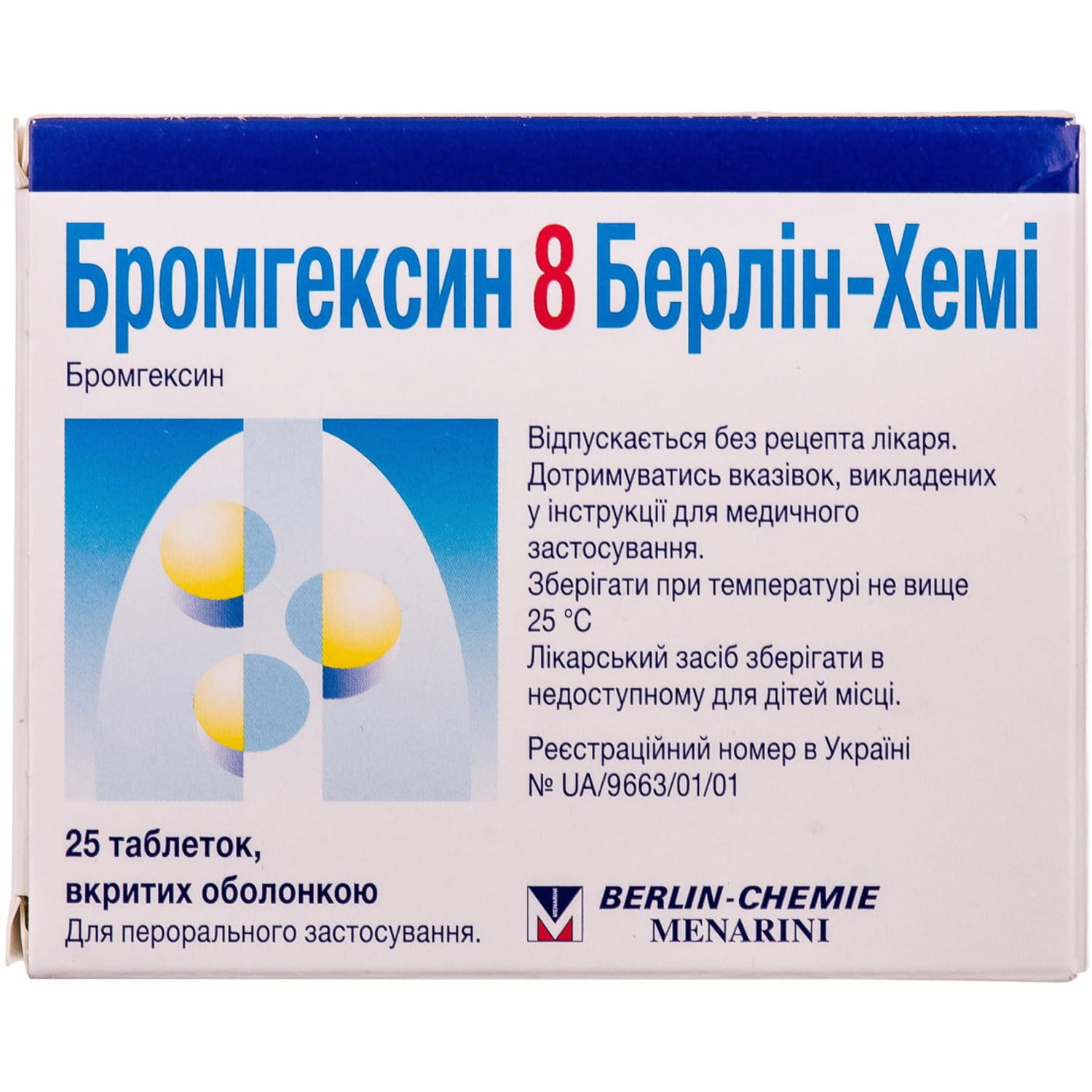
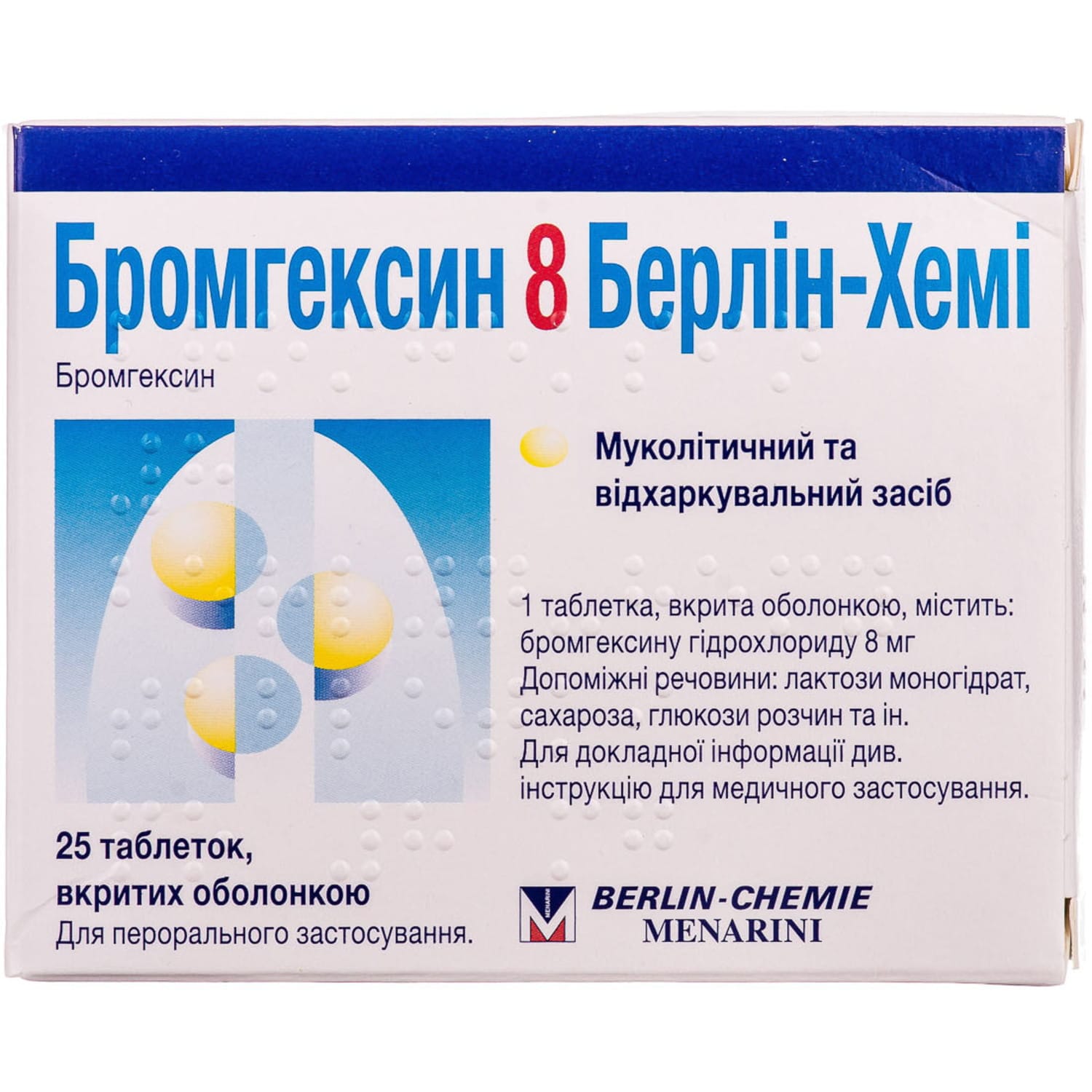


Bromhexine film-coated tablets 8 mg blister 25 pcs
$12.86
Free Worldwide Shipping
to: Australia, Belgium, Canada, Czechia, Denmark, Estonia, Finland, Greece, Hungary, Ireland, Israel, Italy, Japan, Kuwait, Latvia, Lithuania, Mexico, Moldova, Netherlands, Norway, Poland, Romania, Slovakia, South Korea, Switzerland, United Kingdom, United States and more
🏖️ Hello! We are on vacation!
We are still accepting orders on our website; however, order processing and shipping will resume after September 10. If you place an order during our vacation, we will contact you and remind you about the temporary shipping delay. Starting September 10, all orders received during this period will be processed and shipped in the order they were placed. If your order contains a product with less than one year remaining before its expiration date, we will notify you after September 10 and proceed according to your instructions. If you decide to cancel an order placed during our vacation, simply contact us through the contact form on our website, and we will be happy to assist you. Thank you for your understanding, and we apologize for any inconvenience caused.
In stock
Bromhexine is a mucolytic that thins mucus, improves airway clearance, and helps treat acute and chronic respiratory conditions effectively and safely.
Payment
PayPal, Debit or Credit card, Google Pay, Apple Pay
Orders Temporarily Unavailable
Due to temporary postal service disruptions, we are currently unable to accept orders.
Pharmacological properties
Pharmacodynamics. Bromhexine is a synthetic derivative of the active substance of plant origin, vasicidin. It has a secretolytic and secretomotor effect in the bronchial tract, as a result of which bronchial secretion increases, the viscosity of mucus (sputum) decreases and the activity of the ciliated epithelium is stimulated, which promotes the movement of mucus (sputum) through the respiratory tract.
Pharmacokinetics. After oral administration, bromhexine is almost completely absorbed, with a half-life of about 0.4 hours. The first-pass effect is about 80%, with the formation of biologically active metabolites. Binding to plasma proteins is 99%. The decrease in plasma concentration is multiphasic. The half-life, which limits the duration of action, is about 1 hour. The final T ½ is about 16 hours. This is due to the redistribution of a small amount of bromhexine from tissues. The volume of distribution is about 7 liters per 1 kg of body weight. Bromhexine does not accumulate. Bromhexine penetrates the placenta, into cerebrospinal fluid and breast milk. It is excreted mainly by the kidneys in the form of metabolites. In acute liver diseases, a decrease in the clearance of the active substance is possible. In acute renal failure, the possibility of an increase in T½ of bromhexine metabolites cannot be ruled out . Under physiological conditions, nitrosation of bromhexine is possible in the stomach.
Preclinical safety data
Chronic toxicity: Animal studies using various doses and durations of treatment have not revealed any significant toxic potential for humans under normal therapeutic use.
Mutagenic and carcinogenic potential. In vitro (Ames test) and in vivo/in vitro (mutagenicity test with a mammalian mediator) studies did not reveal a mutagenic effect. Carcinogenicity studies conducted in animals did not reveal a carcinogenic potential of bromhexine.
Reproductive toxicity. Bromhexine crosses the placenta. Animal studies have not shown any signs of teratogenic effects on animals. Bromhexine in therapeutic doses did not affect the development and behavior of offspring. No effect on fertility was found.
Indication
Secretolytic therapy for acute and chronic bronchopulmonary diseases accompanied by impaired sputum formation and movement.
Application
R-r
Children under 6 years of age: 1 measuring spoon 3 times a day, which corresponds to 12 mg of bromhexine hydrochloride per day.
Children aged 6-14 years and patients with a body weight of 50 kg: 2 measuring spoons 3 times a day, which corresponds to 24 mg of bromhexine hydrochloride per day.
Adults and children over 14 years of age: 2-4 measuring spoons 3 times a day, which corresponds to 24-48 mg of bromhexine hydrochloride per day.
It is recommended to drink sufficient amounts of fluids while using the drug.
The duration of treatment depends on the indications and course of the disease and is determined individually.
The drug should not be used for more than 4-5 days without consulting a doctor.
Bromhexine 4 Berlin-Chemie should be used with caution (in lower doses and/or at longer intervals) in patients with impaired renal function or severe liver disease.
The film-coated tablets should be taken after meals with plenty of liquid.
Adults and children over 14 years of age: 1-2 film-coated tablets 3 times a day, corresponding to 24-48 mg/day of bromhexine hydrochloride.
Children aged 6-14 years, as well as patients with a body weight of 50 kg: 1 film-coated tablet 3 times a day, which corresponds to 24 mg/day of bromhexine hydrochloride.
The duration of treatment is determined individually depending on the indications and dynamics of the disease, but it should not exceed 4-5 days without the appropriate recommendation of a doctor. In the presence of impaired renal function or severe liver disease, the dose of the drug should be reduced accordingly.
Contraindication
Hypersensitivity to the active substance or other components of the drug. Bromhexine is contraindicated in patients with hereditary intolerance to galactose or fructose, Lapp lactase deficiency, glucose-galactose malabsorption syndrome or sucrose-isomaltose insufficiency. Bromhexine should not be used in patients with gastric and duodenal ulcers or with a history of peptic ulcer disease, since bromhexine may affect the mucous membrane of the gastrointestinal tract.
Bromhexine 8 Berlin-Chemie is contraindicated in children under 6 years of age due to the high content of the active substance.
Side effects
The frequency of events is defined as follows: very common (≥1/10), common (≥1/100 to 1/10), uncommon (≥1/1000 to 1/100), rare (≥1/10,000 to 1/1000), very rare (1/10,000), unknown (frequency cannot be estimated from the available data).
On the part of the immune system: rarely – hypersensitivity reactions; unknown – anaphylactic reactions, including anaphylactic shock, angioedema, itching.
Gastrointestinal: exacerbation of gastric or duodenal ulcer, nausea, stomach pain, vomiting, diarrhea.
Skin and subcutaneous tissue disorders: rare – rash, urticaria; not known – severe skin reactions (including erythema multiforme, Stevens-Johnson syndrome/toxic epidermal necrolysis and acute generalized exanthematous pustulosis).
General disorders: respiratory disorders, dizziness, respiratory distress, headache, increased sweating, transient increase in serum AST, fever, chills.
If hypersensitivity reactions, anaphylactic reactions or any skin and mucous membrane disorders occur, you should immediately discontinue use of bromhexine and consult a doctor.
Reporting of suspected adverse reactions .. Reporting of suspected adverse reactions after the registration of a medicinal product plays an important role. This allows for continued monitoring of the benefit-risk balance of the medicinal product. Healthcare professionals should report any suspected adverse reactions through the national reporting system.
Special instructions
Skin reactions. Skin reactions associated with the use of bromhexine have been reported: erythema multiforme, Stevens-Johnson syndrome/toxic epidermal necrolysis and acute generalized exanthematous pustulosis. If symptoms or signs of progression of skin rashes (sometimes with blisters or lesions of the mucous membranes) appear, you should immediately consult a doctor and stop using bromhexine.
Gastric and duodenal ulcers. The drug should not be used in patients with gastric and duodenal ulcers or in patients with a history of peptic ulcer disease, since bromhexine may affect the barrier function of the gastrointestinal mucosa.
Lungs and respiratory tract. In cases of impaired bronchial motility accompanied by the formation of a large amount of bronchial secretion (for example, in such a rare disease as primary ciliary dyskinesia), bromhexine should be used with caution due to the possible accumulation of secretion.
On the part of the liver and kidneys. Bromhexine Berlin-Chemie should be used with caution (in lower doses and/or at longer intervals) in patients with impaired renal function or severe liver disease.
In severe renal failure, accumulation of bromhexine metabolites formed in the liver is possible. Periodic monitoring of liver function is recommended, especially with prolonged use.
Propylene glycol, sorbitol. Propylene glycol, which is part of the drug Bromhexine 4 Berlin-Chemie, can cause symptoms in children that resemble those caused by alcohol consumption.
Bromhexine 4 Berlin-Chemie should not be used in patients with rare hereditary fructose intolerance.
The calorie content is 2.6 kcal per 1 g of sorbitol. 1 measuring spoon (5 ml of the drug) contains 2 g of sorbitol, which is 0.5 g of fructose and corresponds to about 0.17 XE (XO).
Sorbitol may have a mild laxative effect.
Lactose, glucose, sucrose. Lactose, glucose and sucrose are part of the drug Bromhexine 8 Berlin-Chemie. Therefore, Bromhexine 8 Berlin-Chemie is contraindicated in patients with hereditary diseases such as galactose or fructose intolerance, lactase deficiency, glucose-galactose malabsorption or sucrose-isomaltose insufficiency.
Use during pregnancy and breastfeeding
Pregnancy. Bromhexine has not been used in clinical practice during pregnancy to date, therefore Bromhexine Berlin-Chemie should be prescribed only after a careful assessment of the risk/benefit ratio by a doctor. It is not recommended to use Bromhexine Berlin-Chemie in the first trimester of pregnancy.
Breastfeeding period. During breastfeeding, the use of Bromhexine Berlin-Chemie is contraindicated because it penetrates into breast milk.
Fertility: Animal studies have not shown harmful effects of bromhexine on fertility (see Preclinical Safety Data).
Children. Bromhexine Berlin-Chemie in the form of 8 mg tablets is not intended for use in children under 6 years of age due to the content of a large amount of active substance. Bromhexine 4 Berlin-Chemie is used in pediatric practice. The drug is prescribed to children under 2 years of age only on prescription and under the supervision of a doctor.
Ability to influence the reaction rate when driving vehicles or working with other mechanisms. Bromhexine Berlin-Chemie does not affect or has a negligible effect on the reaction rate when driving vehicles or working with other mechanisms.
Interactions
With the combined use of bromhexine and antitussives that suppress the cough reflex, a threatening stagnation of secretion may occur. Therefore, the feasibility of such a combination should be carefully weighed and special caution should be observed during therapy. Simultaneous administration with antibiotics (amoxicillin, erythromycin, cefuroxime, doxycycline), sulfonamide drugs contributes to an increase in their concentration in the bronchial secretion. With the simultaneous use of drugs that irritate the digestive tract, a mutual increase in the irritating effect on the gastric mucosa is possible. Simultaneous administration with bronchodilators is possible.
Overdose
So far, no one has heard of reports of overdoses that posed a threat to human life. There have been reports of casuistic cases of overdose of bromhexine hydrochloride in toddlers, as a result of which 4 out of 25 children experienced vomiting, and 3 children experienced impaired consciousness, ataxia, diplopia, mild metabolic acidosis, and rapid breathing. When 40 mg of bromhexine was administered to young children, no symptoms were observed even without decontamination. No chronic toxic effects on humans have been identified.
Treatment. In case of significant overdose, cardiovascular function should be monitored and, if necessary, symptomatic therapy should be prescribed. Due to the low toxicity of bromhexine, more invasive measures to reduce the absorption of the drug or to accelerate the elimination of bromhexine from the body are generally not indicated. Moreover, given the pharmacokinetic characteristics of bromhexine (large volume of distribution, slow reverse distribution and high level of binding to plasma proteins), a significant increase in the rate of drug excretion during hemodialysis or forced diuresis should not be expected.
Since in children over 2 years of age, even with a significant overdose of the drug, only mild symptoms are expected to develop, measures to reduce absorption and accelerate the elimination of bromhexine when taking doses up to 80 mg of bromhexine hydrochloride (corresponding to 10 tablets of 8 mg) may not be carried out; the corresponding limit in children under 2 years of age is 60 mg of bromhexine hydrochloride (6 mg/kg body weight).
Storage conditions
Tablets – at a temperature not exceeding 25 °C. Oral solution – no special storage conditions are required.
You may also like

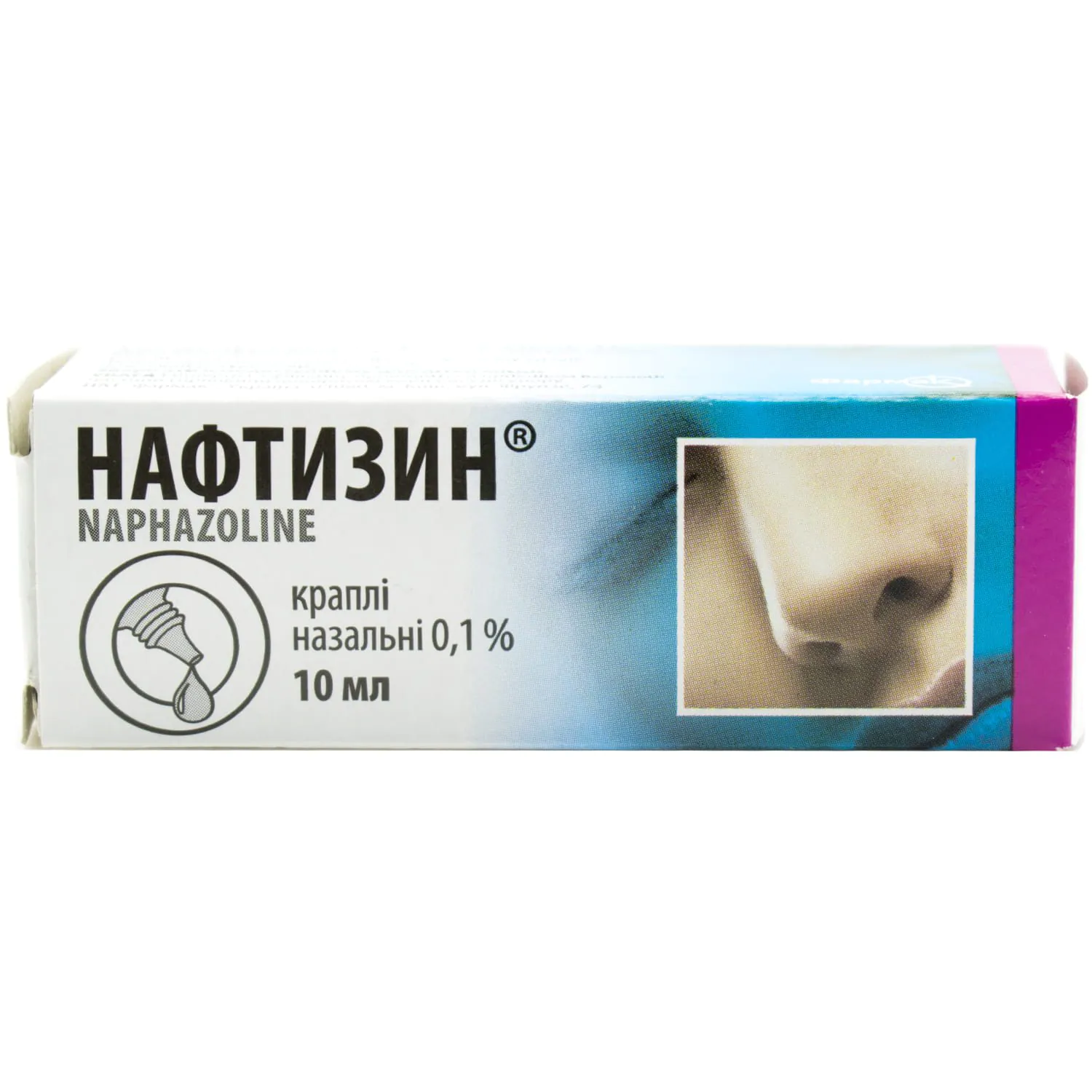
Naphthyzin nasal drops 0.1% 10 ml polyethylene bottle with tamper-evident closure
Reviews
There are no reviews yet.