
🇦🇺 Australia
🇧🇪 Belgium
🇨🇦 Canada
🇨🇿 Czechia
🇩🇰 Denmark
🇪🇪 Estonia
🇫🇮 Finland
🇬🇷 Greece
🇭🇺 Hungary
🇮🇪 Ireland
🇮🇱 Israel
🇮🇹 Italy
🇯🇵 Japan
🇰🇼 Kuwait
🇱🇻 Latvia
🇱🇹 Lithuania
🇲🇽 Mexico
🇲🇩 Moldova
🇳🇱 Netherlands
🇳🇴 Norway
🇵🇱 Poland
🇷🇴 Romania
🇸🇰 Slovakia
🇰🇷 South Korea
🇨🇭 Switzerland
🇬🇧 United Kingdom
🇺🇸 United States of America
and more
🇦🇺 Australia
🇧🇪 Belgium
🇨🇦 Canada
🇨🇿 Czechia
🇩🇰 Denmark
🇪🇪 Estonia
🇫🇮 Finland
🇬🇷 Greece
🇭🇺 Hungary
🇮🇪 Ireland
🇮🇱 Israel
🇮🇹 Italy
🇯🇵 Japan
🇰🇼 Kuwait
🇱🇻 Latvia
🇱🇹 Lithuania
🇲🇽 Mexico
🇲🇩 Moldova
🇳🇱 Netherlands
🇳🇴 Norway
🇵🇱 Poland
🇷🇴 Romania
🇸🇰 Slovakia
🇰🇷 South Korea
🇨🇭 Switzerland
🇬🇧 United Kingdom
🇺🇸 United States of America
and more
Dear Customers! Due to temporary issues affecting postal carriers, delivery times may be longer than usual!
Dear Customers! Due to temporary issues affecting postal carriers, delivery times may be longer than usual!
Dear Customers! Due to temporary issues affecting postal carriers, delivery times may be longer than usual!
Dear Customers! Due to temporary issues affecting postal carriers, delivery times may be longer than usual!
Dear Customers! Due to temporary issues affecting postal carriers, delivery times may be longer than usual!
Dear Customers! Due to temporary issues affecting postal carriers, delivery times may be longer than usual!


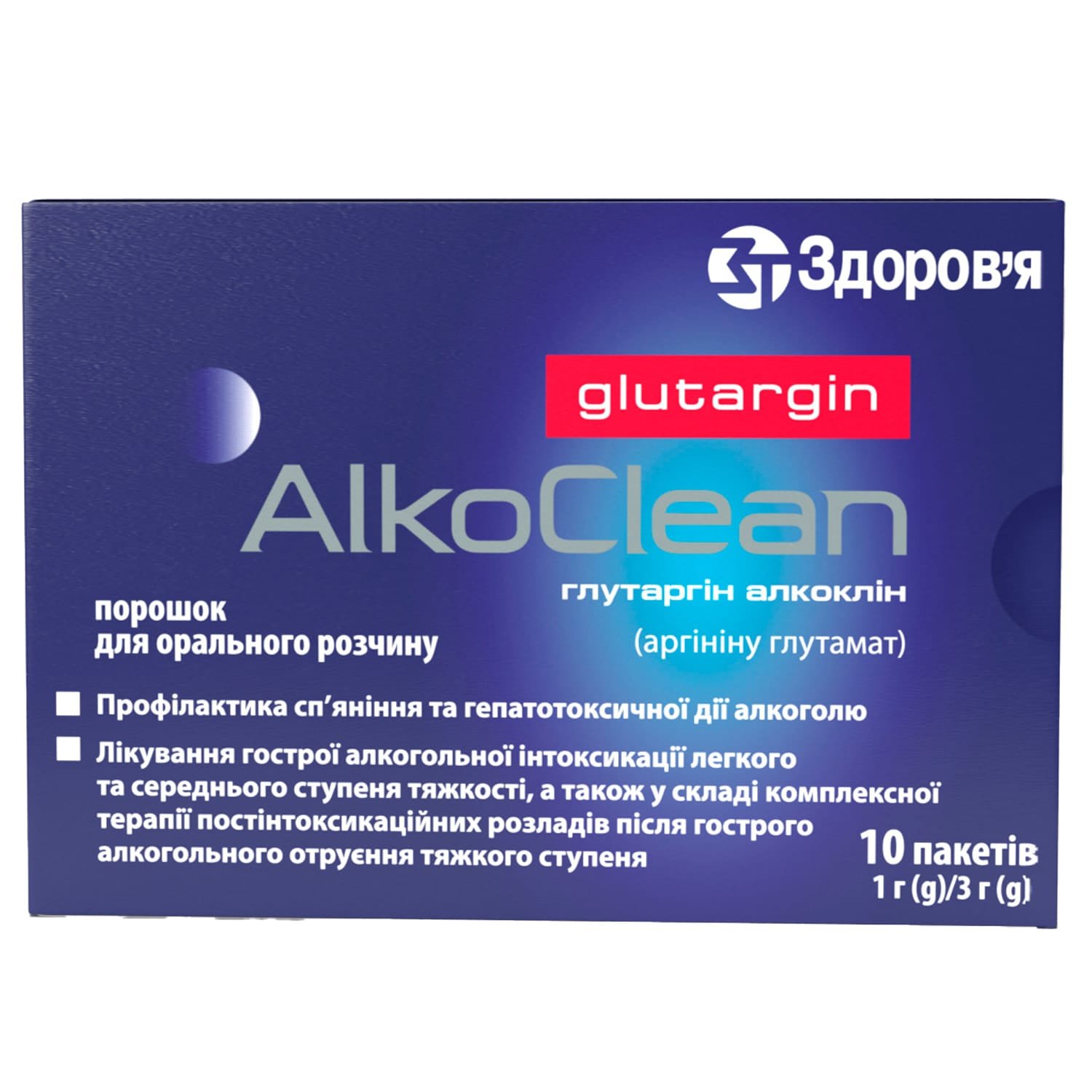
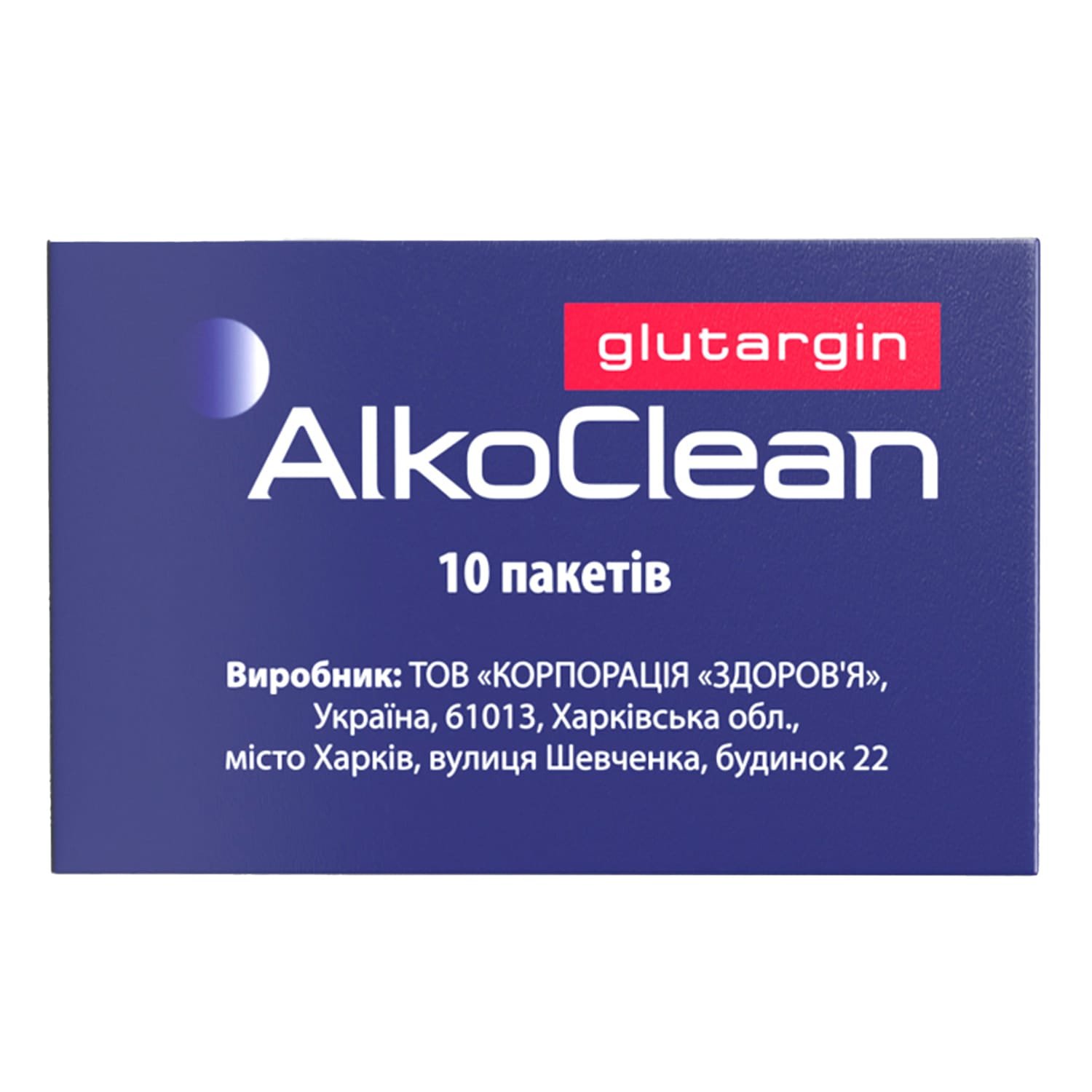
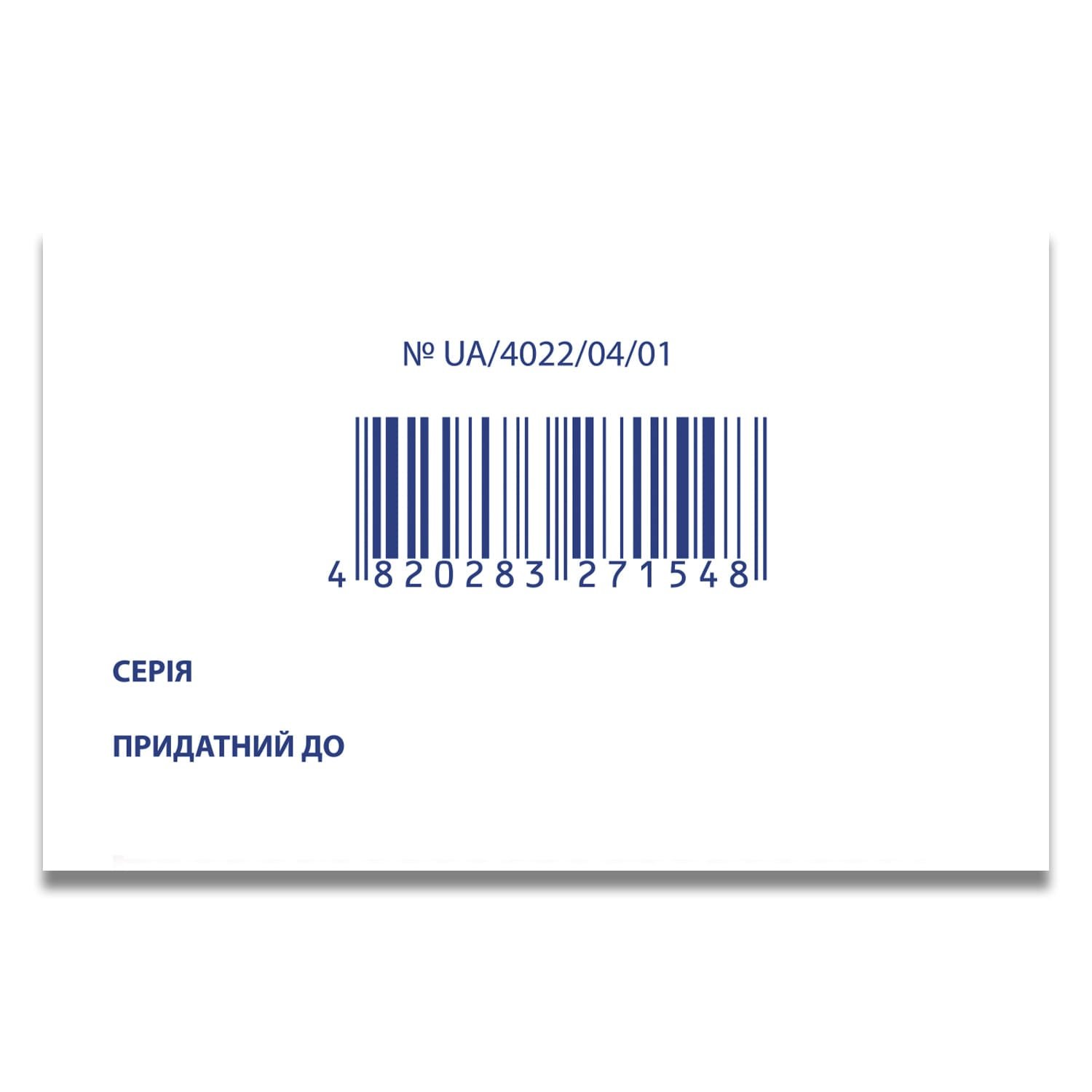


Glutargin Alkoclean powder for oral solution in bags of 3 g 10 pcs.
$24.45
Free Worldwide Shipping
to: Australia, Belgium, Canada, Czechia, Denmark, Estonia, Finland, Greece, Hungary, Ireland, Israel, Italy, Japan, Kuwait, Latvia, Lithuania, Mexico, Moldova, Netherlands, Norway, Poland, Romania, Slovakia, South Korea, Switzerland, United Kingdom, United States and more
🏖️ Hello! We are on vacation!
We are still accepting orders on our website; however, order processing and shipping will resume after September 10. If you place an order during our vacation, we will contact you and remind you about the temporary shipping delay. Starting September 10, all orders received during this period will be processed and shipped in the order they were placed. If your order contains a product with less than one year remaining before its expiration date, we will notify you after September 10 and proceed according to your instructions. If you decide to cancel an order placed during our vacation, simply contact us through the contact form on our website, and we will be happy to assist you. Thank you for your understanding, and we apologize for any inconvenience caused.
In stock
Glutargin Alkoclean powder with arginine glutamate helps reduce alcohol intoxication effects, supports liver function and recovery after drinking.
Payment
PayPal, Debit or Credit card, Google Pay, Apple Pay
Orders Temporarily Unavailable
Due to temporary postal service disruptions, we are currently unable to accept orders.
Composition of the medicinal product.
Active ingredients: arginine glutamate;
1 packet contains arginine glutamate (calculated as 100% substance) 1.0 g;
excipients: glycine, mannitol (E 421), anhydrous citric acid, aspartame (E 951), lemon flavoring.
Dosage form.
Powder for oral solution.
Physical and chemical properties: white or white with a yellowish tinge powder with a lemon odor.
Name and location of the manufacturer.
Drugs used in liver diseases. Hepatotropic drugs. Arginine glutamate. AO5 BA01. Pharmacological properties
Glutargin is a salt of arginine and glutamic acid. In case of alcohol intoxication, it stimulates the utilization of alcohol in the monooxygenase system of the liver, prevents the inhibition of the key enzyme for ethanol utilization – alcohol dehydrogenase; accelerates the inactivation and excretion of toxic products of ethanol metabolism as a result of increased formation and oxidation of succinic acid; reduces the depressing effect of alcohol on the CNS due to the neurotransmitter properties of the excitatory glutamic acid. Due to these properties, Glutargin exhibits antitoxic and sobering effects.
Glutargin also has hypoammonemic and hepatoprotective properties due to the activation of ammonia neutralization processes in the body, antioxidant, antihypoxic and membrane-stabilizing effects, and has a positive effect on energy supply processes in hepatocytes.
Glutargin does not exhibit embryotoxic, gonadotoxic, mutagenic and teratogenic effects, does not cause allergic and immunotoxic reactions.
Indications for use.
Prevention of intoxication and hepatotoxic effects of alcohol. Treatment of acute alcohol intoxication of mild and moderate severity, as well as as part of complex therapy of post-intoxication disorders after acute severe alcohol poisoning.
Contraindications.
Relative contraindications are fever, increased excitability, severe disorders of the filtration (nitrogen-splitting) function of the kidneys.
Special precautions.
– Use during pregnancy or breastfeeding. The safety of clinical use of the drug in the I and II trimesters of pregnancy and during breastfeeding has not been studied.
– The ability to influence the reaction rate when driving vehicles or other mechanisms. Does not affect.
– Children. The effectiveness and safety of the drug in childhood and adolescence have not been studied.
Method of administration and doses.
The drug is prescribed to adults orally, having previously dissolved the packet in ¼-½ glass of water.
For the prevention of intoxication and hepatotoxic effects of alcohol, 2 g (2 packets) are prescribed 1-2 hours before drinking alcohol or 1 g (1 packet) 1 hour before drinking alcohol and 1 g (1 packet) within 0.5 hours after drinking alcohol. For the treatment of acute alcohol intoxication of mild and moderate severity, 1 g (1 packet) is prescribed 4 times a day with intervals of 1-2.5 hours, in the next 2-3 days – 1 g (1 packet) 2 times a day. For severe alcohol intoxication, Glutargin powder is prescribed 1 g (1 packet) 2 times a day for 20 days as part of complex therapy after a course of treatment with Glutargin injections.
Overdose.
Symptoms: nausea, vomiting, abdominal pain, loose stools, allergic reactions, chills, short-term hyperthermia and/or hypotension, central nervous system excitation, insomnia.
Treatment: depending on the severity of clinical symptoms – administration of activated charcoal, symptomatic treatment, if necessary, antihistamine therapy.
Adverse reactions.
Occasionally, a feeling of mild discomfort in the gastrointestinal tract and nausea may occur immediately after using the drug, which resolve on their own.
Interaction with other drugs.
The effect of Glutargin on insulin secretion increases with simultaneous administration of aminophylline. Glutargin can enhance the effect of antiplatelet agents (dipyridamole, etc.). Prevents and attenuates neurotoxic phenomena that may occur with the use of isoniazid. Weakens the effect of vinblastine.
Shelf life:
2 years.
Storage conditions.
Store in original packaging at a temperature not exceeding 25 °C. Keep out of the reach of children.
Packaging.
3 g of powder (1 g of arginine glutamate) in a bag (No. 1) or in paired bags (No. 2); two, five or ten bags (No. 1) or five paired bags (No. 2) in a box.
You may also like


Enterosgel paste for oral use container 135 g
Reviews
There are no reviews yet.