
🇦🇺 Australia
🇧🇪 Belgium
🇨🇦 Canada
🇨🇿 Czechia
🇩🇰 Denmark
🇪🇪 Estonia
🇫🇮 Finland
🇬🇷 Greece
🇭🇺 Hungary
🇮🇪 Ireland
🇮🇱 Israel
🇮🇹 Italy
🇯🇵 Japan
🇰🇼 Kuwait
🇱🇻 Latvia
🇱🇹 Lithuania
🇲🇽 Mexico
🇲🇩 Moldova
🇳🇱 Netherlands
🇳🇴 Norway
🇵🇱 Poland
🇷🇴 Romania
🇸🇰 Slovakia
🇰🇷 South Korea
🇨🇭 Switzerland
🇬🇧 United Kingdom
🇺🇸 United States of America
and more
🇦🇺 Australia
🇧🇪 Belgium
🇨🇦 Canada
🇨🇿 Czechia
🇩🇰 Denmark
🇪🇪 Estonia
🇫🇮 Finland
🇬🇷 Greece
🇭🇺 Hungary
🇮🇪 Ireland
🇮🇱 Israel
🇮🇹 Italy
🇯🇵 Japan
🇰🇼 Kuwait
🇱🇻 Latvia
🇱🇹 Lithuania
🇲🇽 Mexico
🇲🇩 Moldova
🇳🇱 Netherlands
🇳🇴 Norway
🇵🇱 Poland
🇷🇴 Romania
🇸🇰 Slovakia
🇰🇷 South Korea
🇨🇭 Switzerland
🇬🇧 United Kingdom
🇺🇸 United States of America
and more


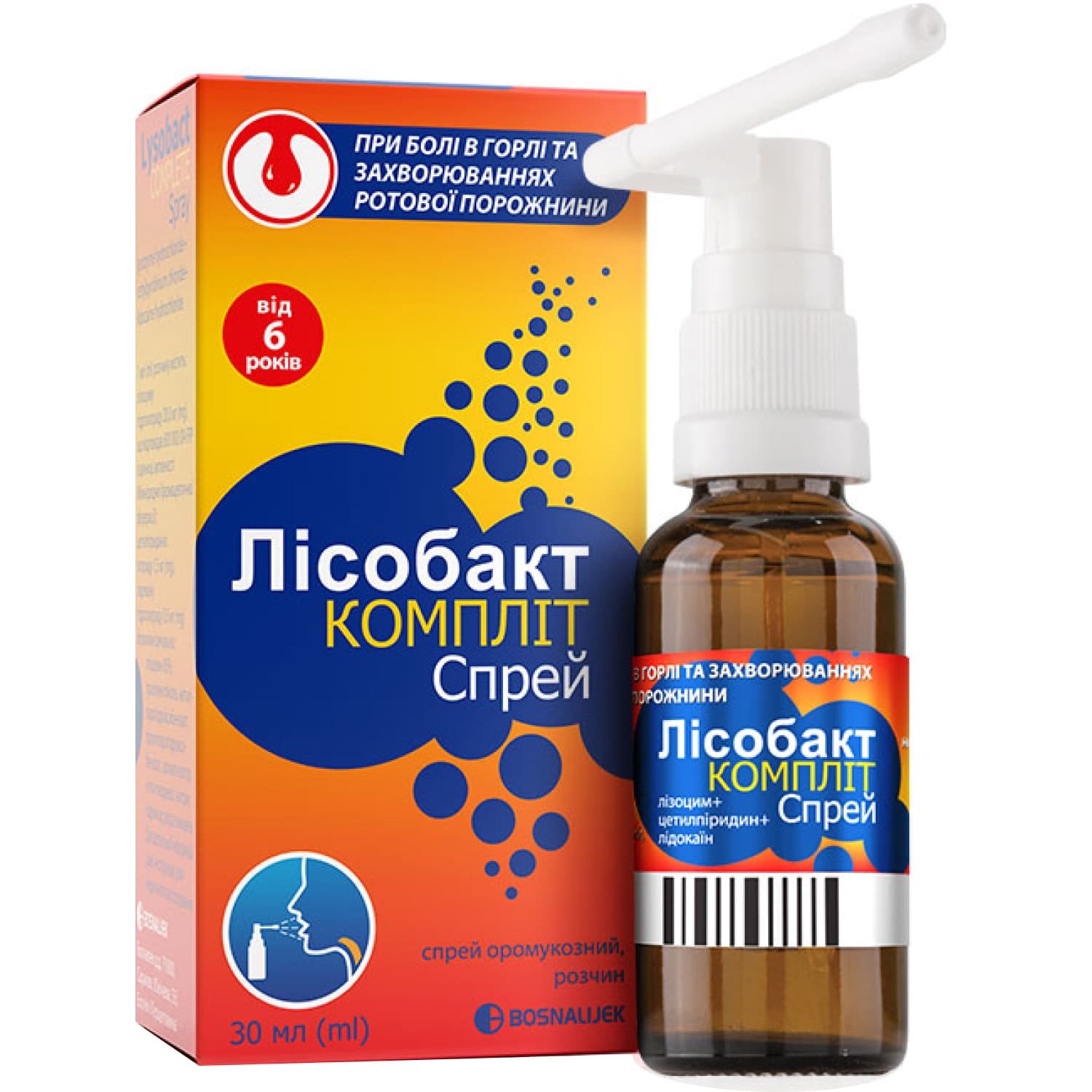

Lysobact Complete oromucosal spray bottle 30 ml
$24.97
Free Worldwide Shipping
to: Australia, Belgium, Canada, Czechia, Denmark, Estonia, Finland, Greece, Hungary, Ireland, Israel, Italy, Japan, Kuwait, Latvia, Lithuania, Mexico, Moldova, Netherlands, Norway, Poland, Romania, Slovakia, South Korea, Switzerland, United Kingdom, United States and more
🏖️ Hello! We are on vacation!
We are still accepting orders on our website; however, order processing and shipping will resume after September 10. If you place an order during our vacation, we will contact you and remind you about the temporary shipping delay. Starting September 10, all orders received during this period will be processed and shipped in the order they were placed. If your order contains a product with less than one year remaining before its expiration date, we will notify you after September 10 and proceed according to your instructions. If you decide to cancel an order placed during our vacation, simply contact us through the contact form on our website, and we will be happy to assist you. Thank you for your understanding, and we apologize for any inconvenience caused.
In stock
Lysobact Complete Spray with lysozyme, cetylpyridinium, and lidocaine treats oral and throat inflammation, stomatitis, and gingivitis in adults and children
Payment
PayPal, Debit or Credit card, Google Pay, Apple Pay
Orders Temporarily Unavailable
Due to temporary postal service disruptions, we are currently unable to accept orders.
Lysobact Complete Spray is indicated for
- local treatment of acute inflammatory diseases of the mucous membrane of the mouth and throat, such as gingivitis, stomatitis, including aphthous;
- as part of complex therapy for local treatment of pain, irritation and inflammation of the throat and larynx;
- on the recommendation of a doctor in the pre- and postoperative periods for tonsillectomy, surgical intervention on the larynx, for injuries or abscesses, as well as after tooth extraction.
Composition
- active ingredients: lysozyme hydrochloride, cetylpyridinium chloride, lidocaine hydrochloride
- 1 ml of solution contains lysozyme hydrochloride – 20.0 mg, which corresponds to 800,000 OA FIP (International Pharmaceutical Federation activity units); cetylpyridinium chloride – 1.5 mg, lidocaine hydrochloride – 0.5 mg;
- excipients: glycerin 85%, propylene glycol, methyl parahydroxybenzoate, propyl parahydroxybenzoate, peppermint flavor, sodium hydroxide, purified water
Contraindication
Hypersensitivity to lysozyme hydrochloride, cetylpyridinium chloride, lidocaine and other amide-type local anesthetics or to any of the excipients.
Hypersensitivity to chicken egg protein.
Children’s age up to 6 years.
Adverse reactions
Immune system disorders: allergic reactions1 (anaphylactic shock, anaphylactic reactions, angioedema). Allergic reactions including allergic oedema, skin rash, urticaria, bronchospasm, circulatory complications.
1 In extremely rare cases, the use of local anesthetics has been associated with allergic reactions. Hypersensitivity reactions to lidocaine hydrochloride following topical administration have been reported as localized edema with mild difficulty breathing or generalized rash.
Skin and subcutaneous tissue disorders: erythema multiforme and Stevens-Johnson syndrome.
On the part of the gastrointestinal tract: irritation of the oral mucosa, which is mainly associated with exceeding the recommended doses.
Method of application
The medicine is recommended to be used individually.
Before using the spray for the first time, remove the plastic cap from the spray pump, put the applicator on the spray pump and press lightly. The applicator can move sideways and turn upwards at a right angle to the bottle, which ensures correct application of the spray. Before using for the first time, you must first press the spray pump several times until a uniform spray cloud forms. With your mouth wide open, direct the applicator towards the affected area and press the spray pump as many times as indicated in the dosage of the product. During the injection procedure, you must hold your breath. Do not swallow. After using the product, turn the applicator down to block the spray pump in order to avoid spraying the spray when accidentally pressed.
One press releases 0.20 ml of solution containing 4 mg lysozyme hydrochloride, 0.3 mg cetylpyridinium chloride and 0.1 mg lidocaine hydrochloride.
Adults and children aged 6 and over.
To obtain a single dose, press the spray 5 times. The procedure can be repeated 3-6 times a day with a minimum interval of 2 hours between doses.
Application features
In order to prevent disruption of the normal microflora of the oral cavity, the drug should not be used for more than 5 days.
If the symptoms of the disease do not disappear within 5 days and/or the elevated body temperature persists, you should consult a doctor.
Use during pregnancy or breastfeeding
Clinical experience with the drug on the fetus is insufficient. Therefore, as a precautionary measure, the drug is not recommended for use during pregnancy.
Lidocaine passes into breast milk, but in very small amounts, so generally no effects on the infant are expected when the drug is used in therapeutic doses.
Since there is insufficient data on the excretion of cetylpyridinium chloride into breast milk, the use of the drug during breastfeeding is not recommended.
Children
The medicine should not be used in children under 6 years of age.
Ability to influence reaction speed when driving vehicles or other mechanisms
Data on exposure are not available.
Overdose
Signs and symptoms: The use of local anesthetics may impair swallowing function and thus pose a risk of aspiration of food and drink into the respiratory tract. Overdose of the drug may cause a risk of very strong local anesthesia in the glottis and, as a result, a significant impairment of swallowing function.
Interaction with other medicinal products and other types of interactions
Interactions of other drugs with lidocaine are theoretically possible, but such interactions will be clinically insignificant with topical use of Lysobact COMPLETE SPRAY. Concomitant use with drugs that reduce hepatic blood flow (e.g. propranolol, cimetidine) may result in a decrease in lidocaine clearance. Long-term use with drugs metabolized by microsomal enzymes (e.g. phenytoin, barbiturates) may require a change in the dosage of lidocaine. The cardiodepressive effect of lidocaine enhances the effect of beta-blockers and other antiarrhythmic drugs (e.g. mexiletine).
Lidocaine is a weak inhibitor of pseudocholinesterase and may prolong the action of suxamethonium. Hypokalemia caused by acetazolamide, loop diuretics, and thiazide diuretics may reduce the effect of lidocaine.
Lysobact COMPLETE SPRAY should not be used simultaneously with other local antiseptics for the oral cavity and/or throat.
Storage conditions
Store at a temperature not exceeding 25C. Do not freeze.
Keep out of reach of children.
You may also like

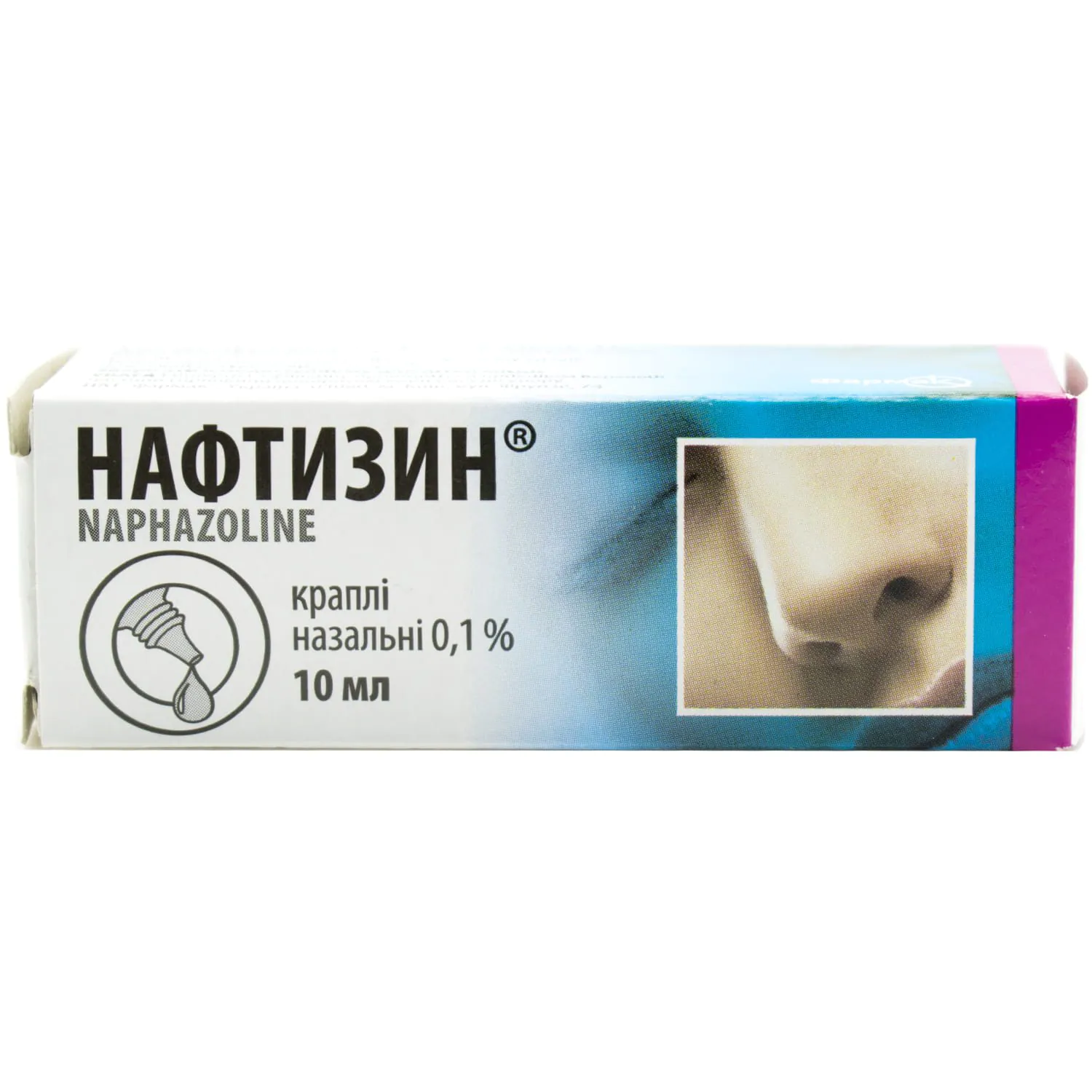
Naphthyzin nasal drops 0.1% 10 ml polyethylene bottle with tamper-evident closure
Reviews
There are no reviews yet.