
🇦🇺 Australia
🇧🇪 Belgium
🇨🇦 Canada
🇨🇿 Czechia
🇩🇰 Denmark
🇪🇪 Estonia
🇫🇮 Finland
🇬🇷 Greece
🇭🇺 Hungary
🇮🇪 Ireland
🇮🇱 Israel
🇮🇹 Italy
🇯🇵 Japan
🇰🇼 Kuwait
🇱🇻 Latvia
🇱🇹 Lithuania
🇲🇽 Mexico
🇲🇩 Moldova
🇳🇱 Netherlands
🇳🇴 Norway
🇵🇱 Poland
🇷🇴 Romania
🇸🇰 Slovakia
🇰🇷 South Korea
🇨🇭 Switzerland
🇬🇧 United Kingdom
🇺🇸 United States of America
and more
🇦🇺 Australia
🇧🇪 Belgium
🇨🇦 Canada
🇨🇿 Czechia
🇩🇰 Denmark
🇪🇪 Estonia
🇫🇮 Finland
🇬🇷 Greece
🇭🇺 Hungary
🇮🇪 Ireland
🇮🇱 Israel
🇮🇹 Italy
🇯🇵 Japan
🇰🇼 Kuwait
🇱🇻 Latvia
🇱🇹 Lithuania
🇲🇽 Mexico
🇲🇩 Moldova
🇳🇱 Netherlands
🇳🇴 Norway
🇵🇱 Poland
🇷🇴 Romania
🇸🇰 Slovakia
🇰🇷 South Korea
🇨🇭 Switzerland
🇬🇧 United Kingdom
🇺🇸 United States of America
and more


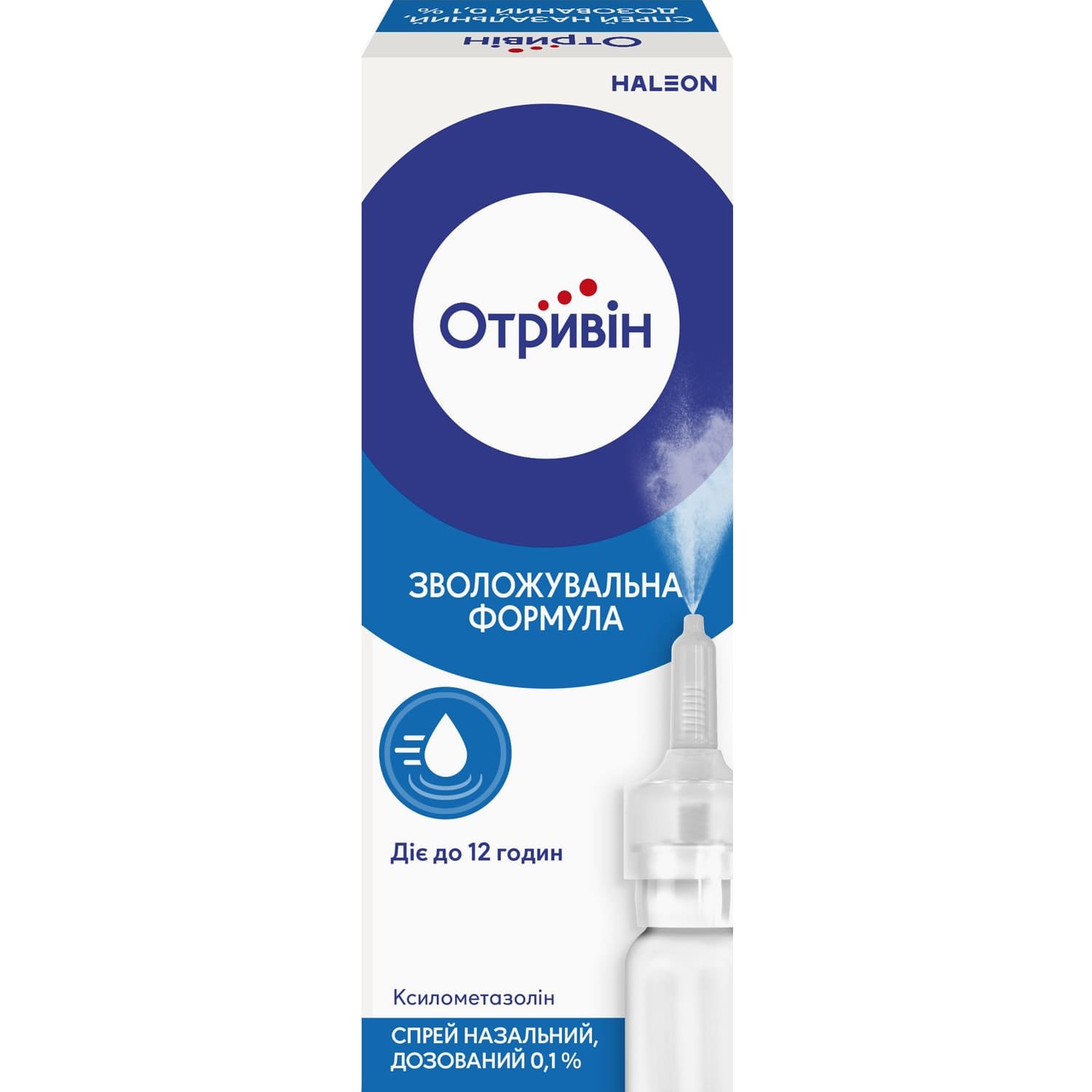

Otrivin nasal spray 0.1% 10 ml bottle with sprayer
$17.08
Free Worldwide Shipping
to: Australia, Belgium, Canada, Czechia, Denmark, Estonia, Finland, Greece, Hungary, Ireland, Israel, Italy, Japan, Kuwait, Latvia, Lithuania, Mexico, Moldova, Netherlands, Norway, Poland, Romania, Slovakia, South Korea, Switzerland, United Kingdom, United States and more
🏖️ Hello! We are on vacation!
We are still accepting orders on our website; however, order processing and shipping will resume after September 10. If you place an order during our vacation, we will contact you and remind you about the temporary shipping delay. Starting September 10, all orders received during this period will be processed and shipped in the order they were placed. If your order contains a product with less than one year remaining before its expiration date, we will notify you after September 10 and proceed according to your instructions. If you decide to cancel an order placed during our vacation, simply contact us through the contact form on our website, and we will be happy to assist you. Thank you for your understanding, and we apologize for any inconvenience caused.
In stock
Otrivin spray with xylometazoline relieves nasal congestion from colds, allergic rhinitis, and sinusitis in adults and children over 12.
Payment
PayPal, Debit or Credit card, Google Pay, Apple Pay
Orders Temporarily Unavailable
Due to temporary postal service disruptions, we are currently unable to accept orders.
Otrivin spray is an anti-edematous drug for topical use in diseases of the nasal cavity.
It is used for symptomatic treatment of nasal congestion in colds, hay fever, other allergic rhinitis, sinusitis. To facilitate the outflow of secretions in diseases of the paranasal sinuses. Adjunctive therapy in cases of otitis media (to eliminate swelling of the mucous membrane). To facilitate rhinoscopy.
Composition
- 1 ml of solution contains xylometazoline hydrochloride 1 mg;
- Excipients: sodium dihydrogen phosphate, dihydrate; sodium hydrogen phosphate, dodecahydrate; disodium edetate; benzalkonium chloride; sorbitol solution, non-crystallizing (E 420); hypromellose; sodium chloride; purified water.
Contraindication
Hypersensitivity to xylometazoline or to any other component of the drug, angle-closure glaucoma, transsphenoidal hypophysectomy and surgical interventions with exposure of the meninges in history, dry rhinitis (rhinitis sicca) or atrophic rhinitis.
Method of application
The drug is used for adults and children over 12 years of age, 1 injection into each nasal passage up to 3 times a day. Apply no more than 3 times in each nasal passage per day. The duration of treatment depends on the course of the disease and should not exceed 7 consecutive days.
The metered spray ensures accurate dosing and proper distribution of the solution over the surface of the nasal mucosa. Each injection delivers 0.14 ml of solution, which corresponds to 0.14 mg of xylometazoline.
Application features
The duration of treatment should not exceed 7 days. Long-term treatment with xylometazoline may cause rhinitis medicamentosa and swelling of the nasal mucosa, which has symptoms similar to a cold.
Pregnant women
The drug should not be used during pregnancy due to its potential vasoconstrictor effect.
Children
The drug should not be used in children under 12 years of age.
Drivers
The drug usually has no or negligible influence on the ability to drive and use machines. With long-term use of high doses of xylometazoline, systemic effects with cardiovascular effects cannot be excluded.
Overdose
Excessive topical application of xylometazoline hydrochloride or accidental ingestion may result in sympatholytic effects, including central nervous system depression (e.g. drowsiness, coma), severe dizziness, increased sweating, significant decrease in body temperature, pallor, headache, tachycardia, bradycardia, arterial hypertension, respiratory depression, miosis, convulsions, ataxia, anxiety.
Side effects
Immune system disorders: hypersensitivity reactions, including angioedema, rash, itching.
From the nervous system: headache.
On the part of the organs of vision: temporary visual impairment.
Cardiovascular system: irregular or rapid heartbeat, hypertension, arrhythmia.
Respiratory, thoracic and mediastinal disorders: dryness or discomfort of the nasal mucosa, burning sensation, rhinitis medicamentosa.
Storage conditions
Store out of the reach of children at a temperature not exceeding 30 °C.
You may also like


Reviews
There are no reviews yet.