
🇦🇺 Australia
🇧🇪 Belgium
🇨🇦 Canada
🇨🇿 Czechia
🇩🇰 Denmark
🇪🇪 Estonia
🇫🇮 Finland
🇬🇷 Greece
🇭🇺 Hungary
🇮🇪 Ireland
🇮🇱 Israel
🇮🇹 Italy
🇯🇵 Japan
🇰🇼 Kuwait
🇱🇻 Latvia
🇱🇹 Lithuania
🇲🇽 Mexico
🇲🇩 Moldova
🇳🇱 Netherlands
🇳🇴 Norway
🇵🇱 Poland
🇷🇴 Romania
🇸🇰 Slovakia
🇰🇷 South Korea
🇨🇭 Switzerland
🇬🇧 United Kingdom
🇺🇸 United States of America
and more
🇦🇺 Australia
🇧🇪 Belgium
🇨🇦 Canada
🇨🇿 Czechia
🇩🇰 Denmark
🇪🇪 Estonia
🇫🇮 Finland
🇬🇷 Greece
🇭🇺 Hungary
🇮🇪 Ireland
🇮🇱 Israel
🇮🇹 Italy
🇯🇵 Japan
🇰🇼 Kuwait
🇱🇻 Latvia
🇱🇹 Lithuania
🇲🇽 Mexico
🇲🇩 Moldova
🇳🇱 Netherlands
🇳🇴 Norway
🇵🇱 Poland
🇷🇴 Romania
🇸🇰 Slovakia
🇰🇷 South Korea
🇨🇭 Switzerland
🇬🇧 United Kingdom
🇺🇸 United States of America
and more
Dear Customers! Due to temporary issues affecting postal carriers, delivery times may be longer than usual!
Dear Customers! Due to temporary issues affecting postal carriers, delivery times may be longer than usual!
Dear Customers! Due to temporary issues affecting postal carriers, delivery times may be longer than usual!
Dear Customers! Due to temporary issues affecting postal carriers, delivery times may be longer than usual!
Dear Customers! Due to temporary issues affecting postal carriers, delivery times may be longer than usual!
Dear Customers! Due to temporary issues affecting postal carriers, delivery times may be longer than usual!


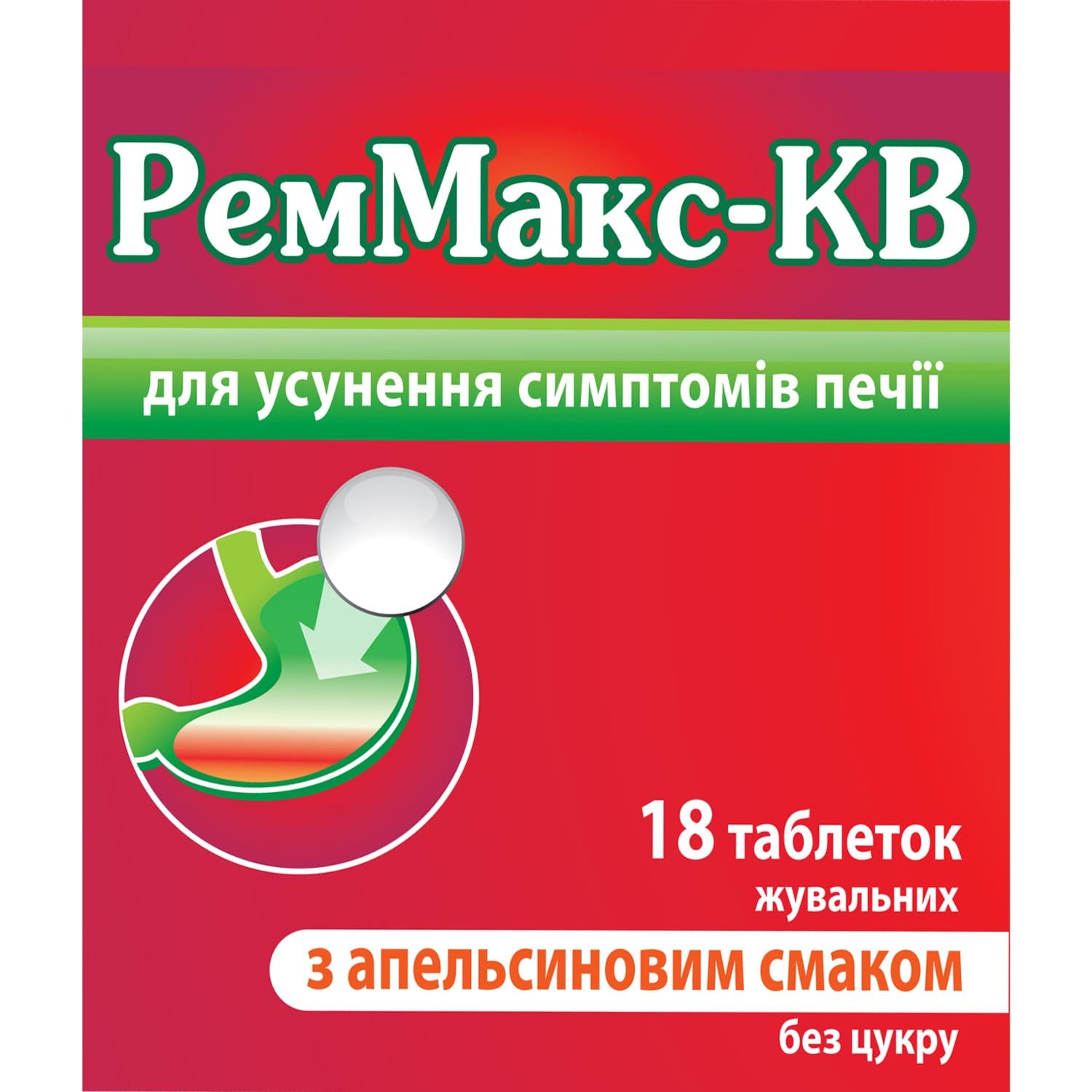

Remmax-KV chewable tablets with orange flavor 18 pcs.
$13.59
Free Worldwide Shipping
to: Australia, Belgium, Canada, Czechia, Denmark, Estonia, Finland, Greece, Hungary, Ireland, Israel, Italy, Japan, Kuwait, Latvia, Lithuania, Mexico, Moldova, Netherlands, Norway, Poland, Romania, Slovakia, South Korea, Switzerland, United Kingdom, United States and more
🏖️ Hello! We are on vacation!
We are still accepting orders on our website; however, order processing and shipping will resume after September 10. If you place an order during our vacation, we will contact you and remind you about the temporary shipping delay. Starting September 10, all orders received during this period will be processed and shipped in the order they were placed. If your order contains a product with less than one year remaining before its expiration date, we will notify you after September 10 and proceed according to your instructions. If you decide to cancel an order placed during our vacation, simply contact us through the contact form on our website, and we will be happy to assist you. Thank you for your understanding, and we apologize for any inconvenience caused.
In stock
RemMax-KV chewable tablets provide fast relief from heartburn, acid reflux, indigestion and dyspepsia by neutralizing excess stomach acid.
Payment
PayPal, Debit or Credit card, Google Pay, Apple Pay
Pharmacological properties
Pharmacodynamics. Remmax-KV is a combination of two antacids: calcium carbonate and magnesium carbonate, which have a local effect by neutralizing gastric acid, independent of systemic absorption. Calcium carbonate has a long-lasting and strong neutralizing activity. This effect is enhanced by magnesium carbonate, which also has a powerful neutralizing activity. The total neutralizing capacity of the drug in vitro is 16 meq h + (titration to the end point pH 2.5).
Pharmacokinetics. In healthy individuals, the onset of neutralization is rapid. The use of 2 tablets of the drug on an empty stomach leads to an increase in pH by more than 1 unit within 5 minutes and an increase in the pH of the gastric contents above the baseline pH, which is achieved within 2 minutes.
In the stomach, calcium carbonate and magnesium carbonate react with gastric juice to form water and soluble mineral salts.
Calcium and magnesium can be absorbed in the form of their soluble salts. The level of absorption of calcium and magnesium from these compounds depends on the dose of the drug. The maximum level of absorption is 10% of calcium and 15-20% of magnesium. In healthy individuals, a small amount of absorbed calcium and magnesium is excreted by the kidneys. If their function is impaired, the concentration of calcium and magnesium in the blood plasma may increase. In the intestine, insoluble compounds are formed from soluble salts, which are excreted in the feces.
Indication
Adults and children over 15 years of age to relieve symptoms associated with increased gastric acidity (e.g. heartburn, gastroesophageal reflux) leading to indigestion and dyspepsia.
Application
Oral preparation for adults and children over 15 years of age. The usual daily dose is 1-2 chewable tablets during periods of pain or heartburn; in case of pain, the dose can be increased for a short period to 5 tablets per day. The duration of treatment should not exceed 10 days.
Contraindication
Increased individual sensitivity to the components of the drug;
- hypercalcemia;
- nephrocalcinosis;
- severe renal failure (creatinine clearance 30 ml/min);
- hypophosphatemia.
Side effects
Immune system disorders: hypersensitivity reactions, including rash, urticaria, angioedema, anaphylaxis.
Metabolic and nutritional disorders: in patients, especially with impaired renal function, prolonged use of the drug in high doses may lead to hypermagnesemia (when using antacids containing magnesium) or hypercalcemia and alkalosis, which manifests itself in the form of gastric symptoms and muscle weakness.
Gastrointestinal: nausea, vomiting, stomach discomfort and diarrhea.
Musculoskeletal and connective tissue disorders: muscle weakness.
Side effects observed only in milk-alkali syndrome (Burnet syndrome): gastrointestinal disorders (ageusia); general disorders (calcinosis and asthenia); nervous system disorders (headache); renal and urinary tract disorders (azotemia).
Special instructions
If symptoms caused by increased gastric acidity do not disappear or worsen after 10 days of treatment, it is necessary to conduct an examination to clarify their nature and review the treatment method. The course of treatment with Remmax-KV should not exceed 10 days: undesirable effects have been observed in interaction with thiazide diuretics or in patients who consume large amounts of milk or dairy products, especially during long-term treatment. When using 4-5 tablets per day, the course of treatment should be short, treatment should be stopped immediately after the symptoms disappear.
It is recommended to consult a doctor in case of: weight loss, problems with swallowing or a constant feeling of discomfort in the abdomen, indigestion, if it appears for the first time or has changed its nature, kidney failure (it is necessary to monitor the level of calcium and magnesium).
Calcium carbonate and magnesium carbonate should not be used in hypercalciuria. This drug should be used with caution in patients with impaired renal function. If calcium carbonate and magnesium carbonate must be used in these patients, the content of calcium, phosphorus and magnesium in the blood plasma should be checked regularly.
Patients with diabetes: 1 tablet of RemMax-KV contains saccharin, as well as 400 mg of sorbitol (for tablets with mint and raspberry flavors) and 390 mg of sorbitol (for tablets with orange flavor). The drug can be used in patients with diabetes.
Use during pregnancy and breastfeeding. To date, no increased risk of fetal malformations has been observed after the administration of calcium carbonate and magnesium carbonate during pregnancy. RemMax-KV can be administered during pregnancy if the drug is used according to the instructions, but prolonged use of high doses should be avoided. It should also be taken into account that the presence of magnesium salts can cause diarrhea, and the presence of calcium in high doses used for a long time increases the risk of hypercalcemia with calcification of various organs, including the kidneys.
It should be noted that during pregnancy and breastfeeding, calcium carbonate and magnesium carbonate provide a significant amount of calcium in addition to the amount received with food. Therefore, pregnant women should limit the intake of RemMax-KV to 1 week and during the use of the drug avoid constant consumption of milk (1 liter contains up to 1.2 g of elemental calcium) and dairy products to prevent excess calcium, which can lead to the so-called milk-alkali syndrome (Burnett syndrome), a rare but serious disease that requires medical attention.
Children: Do not use in children under 15 years of age.
The ability to influence the reaction rate when driving vehicles or working with other mechanisms. Does not affect.
Interactions
It is recommended to take other medications 1-2 hours before or after taking Remmax-kv.
In the case of simultaneous administration of RemMax-KV with antibiotics (tetracycline, quinolones) and cardiac glycosides (digoxin), phosphates, fluorine compounds and iron-containing products, the absorption of the latter decreases.
Diuretics reduce urinary calcium excretion and increase serum calcium levels. Due to the increased risk of hypercalcemia with concomitant use of thiazide diuretics, serum calcium levels should be monitored regularly.
It is also necessary to take a 2-hour break between the use of RemMax-KV and the following drugs: antihistamines, atenolol, metoprolol or propanolol, chloroquine, diflunisal, digoxin, diphosphonates, fexofenadine, glucocorticoids (prednisolone and dexamethasone), indomethacin, ketoconazole, phenothiazid neuroleptics, penicillamine, thyroxine.
Overdose
Prolonged use of calcium carbonate and magnesium carbonate in high doses, especially in patients with impaired renal function, can lead to renal failure, hypermagnesemia, hypercalcemia and alkalosis, manifested by gastrointestinal symptoms (nausea, vomiting, constipation) and muscle weakness. In these cases, the drug should be discontinued and sufficient fluid intake should be ensured. In severe cases of overdose (e.g. Burnett syndrome), a doctor should be consulted, as additional rehydration (e.g. infusions) may be required. In case of overdose, diarrhea may also develop.
Storage conditions
In the original packaging at a temperature not exceeding 25 °C.
You may also like


Enterosgel paste for oral use container 135 g
Omez capsules of 10 mg, 30 pcs

Reviews
There are no reviews yet.