
🇦🇺 Australia
🇧🇪 Belgium
🇨🇦 Canada
🇨🇿 Czechia
🇩🇰 Denmark
🇪🇪 Estonia
🇫🇮 Finland
🇬🇷 Greece
🇭🇺 Hungary
🇮🇪 Ireland
🇮🇱 Israel
🇮🇹 Italy
🇯🇵 Japan
🇰🇼 Kuwait
🇱🇻 Latvia
🇱🇹 Lithuania
🇲🇽 Mexico
🇲🇩 Moldova
🇳🇱 Netherlands
🇳🇴 Norway
🇵🇱 Poland
🇷🇴 Romania
🇸🇰 Slovakia
🇰🇷 South Korea
🇨🇭 Switzerland
🇬🇧 United Kingdom
🇺🇸 United States of America
and more
🇦🇺 Australia
🇧🇪 Belgium
🇨🇦 Canada
🇨🇿 Czechia
🇩🇰 Denmark
🇪🇪 Estonia
🇫🇮 Finland
🇬🇷 Greece
🇭🇺 Hungary
🇮🇪 Ireland
🇮🇱 Israel
🇮🇹 Italy
🇯🇵 Japan
🇰🇼 Kuwait
🇱🇻 Latvia
🇱🇹 Lithuania
🇲🇽 Mexico
🇲🇩 Moldova
🇳🇱 Netherlands
🇳🇴 Norway
🇵🇱 Poland
🇷🇴 Romania
🇸🇰 Slovakia
🇰🇷 South Korea
🇨🇭 Switzerland
🇬🇧 United Kingdom
🇺🇸 United States of America
and more
Dear Customers! Due to temporary issues affecting postal carriers, delivery times may be longer than usual!
Dear Customers! Due to temporary issues affecting postal carriers, delivery times may be longer than usual!
Dear Customers! Due to temporary issues affecting postal carriers, delivery times may be longer than usual!
Dear Customers! Due to temporary issues affecting postal carriers, delivery times may be longer than usual!
Dear Customers! Due to temporary issues affecting postal carriers, delivery times may be longer than usual!
Dear Customers! Due to temporary issues affecting postal carriers, delivery times may be longer than usual!


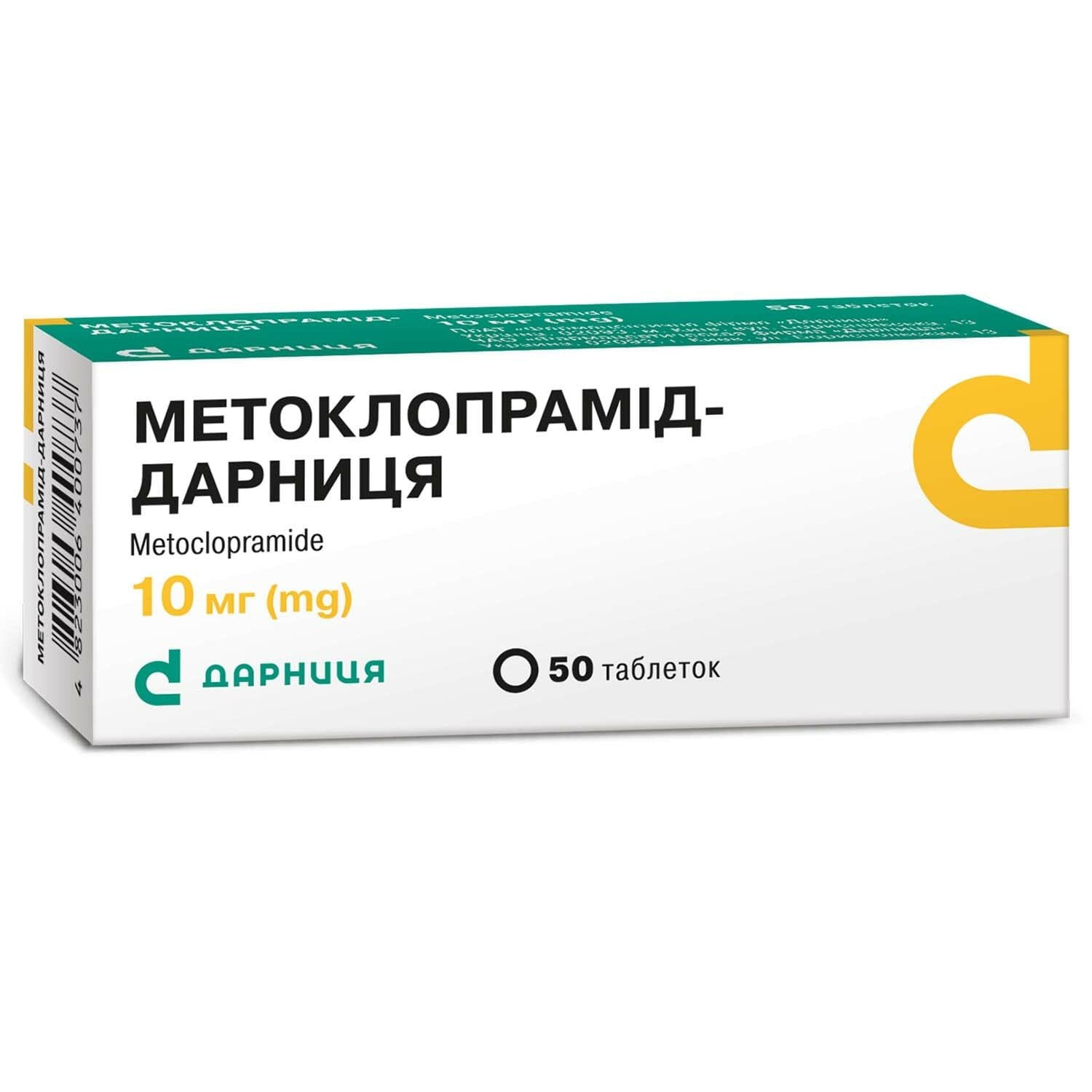
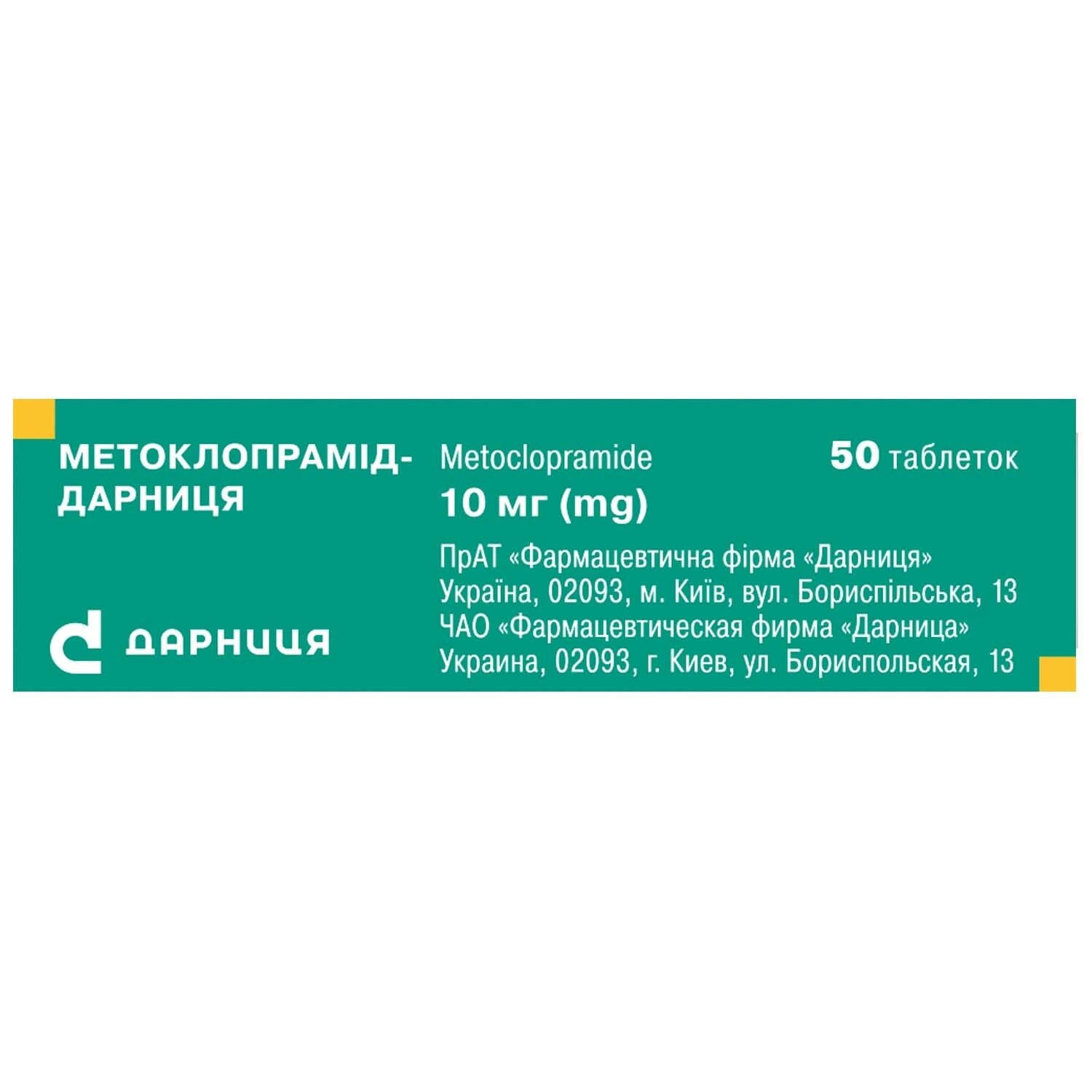


Metoclopramide Darnytsia tablets 10 mg 50 pcs.
$14.03
Free Worldwide Shipping
to: Australia, Belgium, Canada, Czechia, Denmark, Estonia, Finland, Greece, Hungary, Ireland, Israel, Italy, Japan, Kuwait, Latvia, Lithuania, Mexico, Moldova, Netherlands, Norway, Poland, Romania, Slovakia, South Korea, Switzerland, United Kingdom, United States and more
🏖️ Hello! We are on vacation!
We are still accepting orders on our website; however, order processing and shipping will resume after September 10. If you place an order during our vacation, we will contact you and remind you about the temporary shipping delay. Starting September 10, all orders received during this period will be processed and shipped in the order they were placed. If your order contains a product with less than one year remaining before its expiration date, we will notify you after September 10 and proceed according to your instructions. If you decide to cancel an order placed during our vacation, simply contact us through the contact form on our website, and we will be happy to assist you. Thank you for your understanding, and we apologize for any inconvenience caused.
In stock
Metoclopramide Darnytsia tablets help prevent and treat nausea and vomiting, including migraine-related symptoms and chemotherapy-induced nausea.
Payment
PayPal, Debit or Credit card, Google Pay, Apple Pay
Metoclopramide Darnytsia tablets are used:
- adults – for the prevention of nausea and vomiting caused by radiotherapy, delayed nausea and vomiting caused by chemotherapy, as well as for the symptomatic treatment of nausea and vomiting, including those associated with acute migraine (in combination with oral analgesics to improve their absorption);
- children – only as a second-line drug to prevent delayed nausea and vomiting caused by chemotherapy.
Composition
Active ingredient: metoclopramide (one tablet contains metoclopramide hydrochloride 10 mg).
Excipients: potato starch, lactose monohydrate, microcrystalline cellulose, povidone, calcium stearate.
Contraindication
- hypersensitivity to metoclopramide or any other component of the drug;
- gastrointestinal bleeding;
- mechanical intestinal obstruction;
- gastrointestinal perforation;
- confirmed or suspected pheochromocytoma due to the risk of severe attacks of arterial hypertension;
- history of tardive dyskinesia caused by neuroleptics or metoclopramide;
- Parkinson’s disease;
- simultaneous use with levodopa or dopaminergic agonists;
- methemoglobinemia has been established with the use of metoclopramide or with a history of NADH-cytochrome-b5-reductase deficiency;
- prolactin-dependent tumors;
- increased seizure readiness (extrapyramidal movement disorders).
Method of application
Take orally before meals, without chewing, with sufficient liquid.
In order to minimize the risks of nervous system and other adverse reactions, metoclopramide should only be prescribed for short-term treatment (up to 5 days).
Adults
The usual therapeutic dose of metoclopramide is 10 mg up to 3 times a day. The maximum daily dose is 30 mg or 0.5 mg/kg body weight. The maximum duration of metoclopramide use is 5 days.
Children.
The recommended dose of metoclopramide for the prevention of delayed nausea and vomiting induced by chemotherapy is 0.1-0.15 mg/kg body weight up to 3 times a day. The maximum daily dose is 0.5 mg/kg body weight.
Dosage regimen (body weight):
- 10-14 kg – 1 mg up to 3 times a day;
- 15-19 kg – 2 mg up to 3 times a day;
- 20-29 kg – 2.5 mg up to 3 times a day;
- 30-60 kg – 5 mg up to 3 times a day;
- > 60 kg – 10 mg up to 3 times a day.
The maximum duration of metoclopramide use is 5 days.
Metoclopramide is contraindicated in children under one year of age due to the increased risk of extrapyramidal disorders. For children weighing <30 kg, metoclopramide should be used in dosage forms that allow for the required dosage.
Application features
Pregnant women
A large amount of data from pregnant women (more than 1000 outcomes of drug use) indicate the absence of any toxicity leading to malformation or fetotoxicity. Metoclopramide can be used during pregnancy if clinically necessary. Due to its pharmacological properties (as with other neuroleptics), the occurrence of extrapyramidal syndrome in the newborn cannot be excluded when metoclopramide is used in late pregnancy. The use of metoclopramide in late pregnancy should be avoided. The newborn should be observed when metoclopramide is used.
Metoclopramide is excreted in breast milk in small amounts. Therefore, the use of metoclopramide during breastfeeding is not recommended. Discontinuation of metoclopramide use in breastfeeding women should be considered.
Drivers
Metoclopramide may cause drowsiness, dizziness, dyskinesia and dystonia, which may affect vision and the ability to drive or operate other automated systems.
Overdose
Symptoms
Drowsiness, depressed level of consciousness, confusion, irritability, restlessness and its increase, convulsions, extrapyramidal disorders, cardiovascular dysfunction with bradycardia and increased or decreased blood pressure, hallucinations, respiratory and cardiac arrest. Isolated cases of methemoglobinemia have been reported.
Treatment
In case of extrapyramidal symptoms associated with overdose, only symptomatic treatment is carried out (benzodiazepines – for children and / or anticholinergic antiparkinsonian drugs – for adults). In case of use of large doses of metoclopramide, it is necessary to remove it from the gastrointestinal tract by gastric lavage or taking activated charcoal and sodium sulfate.
According to the clinical condition, symptomatic treatment and constant monitoring of the functions of the cardiovascular and respiratory systems should be carried out.
Side effects
Gastrointestinal: nausea, dry mouth, dyspepsia, constipation, diarrhea.
From the nervous system: dyskinetic syndrome, mainly in children (involuntary spasmodic movements, particularly in the head, neck and shoulders, tonic blepharospasm, spasm of the facial and masticatory muscles, speech deviation, spasm of the pharyngeal muscles and tongue muscles, incorrect posture of the head and neck, overstrain of the spine, spasmodic flexion of the arms, spasmodic extension of the legs), headache, dizziness, increased fatigue, drowsiness, extrapyramidal disorders (which can occur even after taking a single dose, mainly in children and adolescents and / or when the recommended dose is exceeded), parkinsonism (tremor, muscle rigidity, akinesia), akathisia, dystonia, dyskinesia, depressed level of consciousness, tardive dyskinesia (which may be permanent during or after long-term treatment, especially in elderly patients), neuroleptic malignant syndrome (characteristic symptoms: fever, rigidity muscle weakness, loss of consciousness, fluctuations in blood pressure, seizures (mainly in patients with epilepsy).
On the part of the psyche: asthenia, depression, hallucinations, confusion, anxiety, restlessness, confusion, tinnitus.
Cardiovascular system: bradycardia, atrioventricular block, sinus node block, QT prolongation, torsades de pointes, hypotension, shock, syncope, acute hypertension in patients with pheochromocytoma.
Blood and lymphatic system disorders: methemoglobinemia, which may be associated with NADH-cytochrome b5-reductase deficiency, especially in infants, sulfhemoglobinemia, mainly associated with concomitant use of high doses of sulfur-releasing drugs.
Immune system disorders: hypersensitivity reactions, including urticaria, angioedema, anaphylactic reactions (including anaphylactic shock).
Skin and subcutaneous tissue disorders: rash, urticaria, hyperemia and itching of the skin.
From the reproductive system and mammary gland function: amenorrhea, hyperprolactinemia, galactorrhea, gynecomastia, menstrual disorders. In such cases, the use of the drug should be discontinued.
Storage conditions
Store in the original packaging at a temperature not exceeding 25 °C, out of the reach of children.
Shelf life – 4 years.
You may also like


Lactiale dietary supplement helps restore the balance of intestinal microflora capsules 2 blisters of 15 pcs.

Probiotics Classic capsules for restoring the balance of intestinal microflora 20 pcs. Solution Pharm

Reviews
There are no reviews yet.