
🇦🇺 Australia
🇧🇪 Belgium
🇨🇦 Canada
🇨🇿 Czechia
🇩🇰 Denmark
🇪🇪 Estonia
🇫🇮 Finland
🇬🇷 Greece
🇭🇺 Hungary
🇮🇪 Ireland
🇮🇱 Israel
🇮🇹 Italy
🇯🇵 Japan
🇰🇼 Kuwait
🇱🇻 Latvia
🇱🇹 Lithuania
🇲🇽 Mexico
🇲🇩 Moldova
🇳🇱 Netherlands
🇳🇴 Norway
🇵🇱 Poland
🇷🇴 Romania
🇸🇰 Slovakia
🇰🇷 South Korea
🇨🇭 Switzerland
🇬🇧 United Kingdom
🇺🇸 United States of America
and more
🇦🇺 Australia
🇧🇪 Belgium
🇨🇦 Canada
🇨🇿 Czechia
🇩🇰 Denmark
🇪🇪 Estonia
🇫🇮 Finland
🇬🇷 Greece
🇭🇺 Hungary
🇮🇪 Ireland
🇮🇱 Israel
🇮🇹 Italy
🇯🇵 Japan
🇰🇼 Kuwait
🇱🇻 Latvia
🇱🇹 Lithuania
🇲🇽 Mexico
🇲🇩 Moldova
🇳🇱 Netherlands
🇳🇴 Norway
🇵🇱 Poland
🇷🇴 Romania
🇸🇰 Slovakia
🇰🇷 South Korea
🇨🇭 Switzerland
🇬🇧 United Kingdom
🇺🇸 United States of America
and more


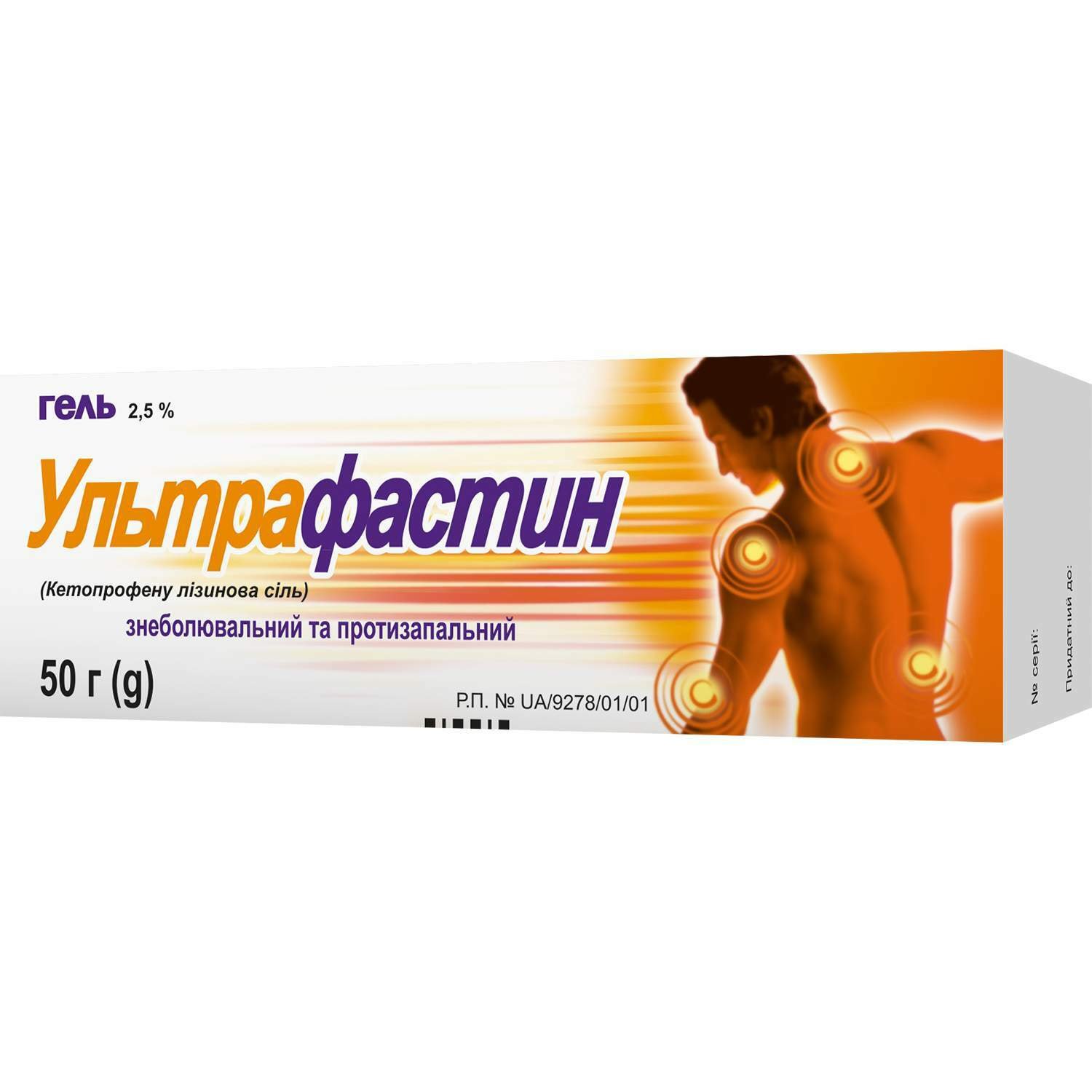
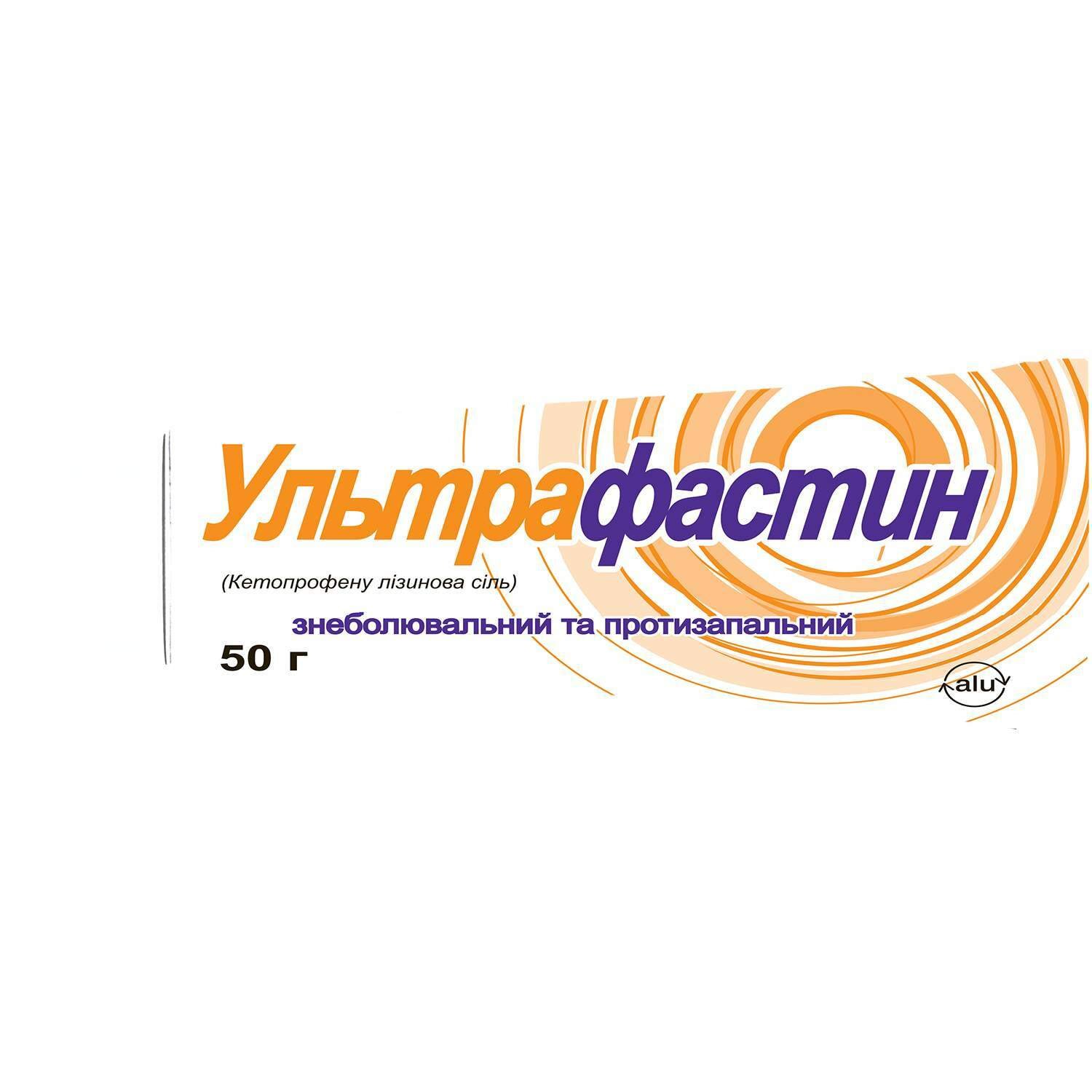
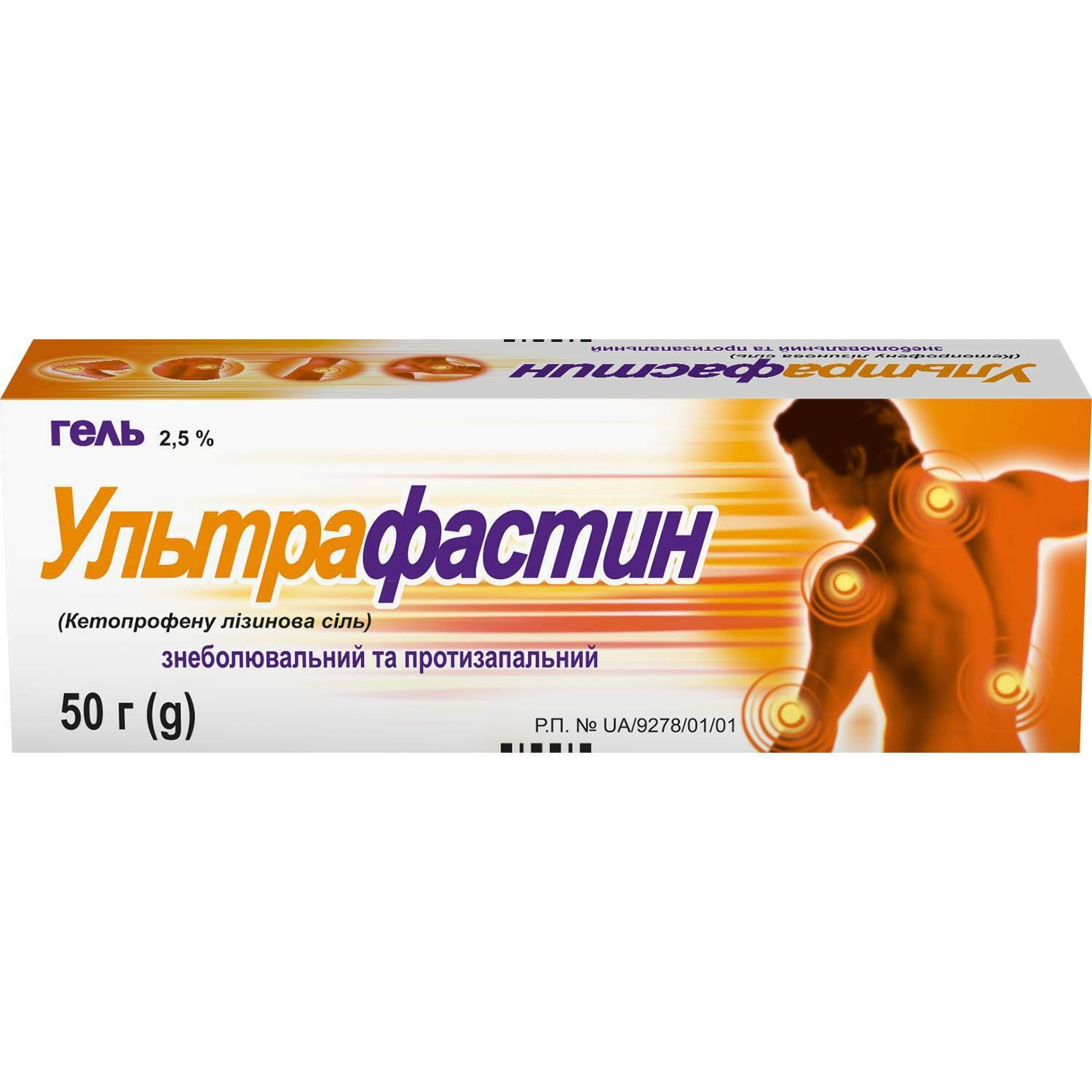


Please note: The product packaging may vary from the images shown. The contents, ingredients, and quality of the product remain unchanged.
Ultrafastin gel 2.5% tube 50 g
$16.17
Free Worldwide Shipping
to: Australia, Belgium, Canada, Czechia, Denmark, Estonia, Finland, Greece, Hungary, Ireland, Israel, Italy, Japan, Kuwait, Latvia, Lithuania, Mexico, Moldova, Netherlands, Norway, Poland, Romania, Slovakia, South Korea, Switzerland, United Kingdom, United States and more
🏖️ Hello! We are on vacation!
We are still accepting orders on our website; however, order processing and shipping will resume after September 10. If you place an order during our vacation, we will contact you and remind you about the temporary shipping delay. Starting September 10, all orders received during this period will be processed and shipped in the order they were placed. If your order contains a product with less than one year remaining before its expiration date, we will notify you after September 10 and proceed according to your instructions. If you decide to cancel an order placed during our vacation, simply contact us through the contact form on our website, and we will be happy to assist you. Thank you for your understanding, and we apologize for any inconvenience caused.
In stock
Ultrafastin Gel 2.5% with ketoprofen helps relieve muscle and joint pain, reduce inflammation and support recovery after injuries and strain.
Payment
PayPal, Debit or Credit card, Google Pay, Apple Pay
Pharmacological properties
Pharmacodynamics. Ketoprofen has anti-inflammatory and analgesic effects. Ketoprofen inhibits the activity of COX-1 and COX-2, resulting in a decrease in the synthesis of prostaglandins, which play a major role in the pathogenesis of inflammation and pain. The mechanism of anti-inflammatory action of ketoprofen is incompletely understood. It reduces oxygen metabolism of neutrophils and the release of lysosomal enzymes, inhibits macrophage migration and exhibits anti-bradykinin activity. Properties of this type allow to shorten the II phase of the inflammatory reaction by reducing the migration of macrophages and granulocytes into the synovial membrane and the formation of cellular filtrates.
Pharmacokinetics. Ketoprofen penetrates well through the skin and has a local anti-inflammatory and analgesic effect. Absorption and distribution depend on the thickness of the skin, subcutaneous tissue and its blood supply, as well as on the size of the inflammatory infiltrate. After external application, the concentration of ketoprofen at the site of application is similar to that when applied internally, and the concentration in the blood plasma is 60 times lower. The bioavailability of the gel is about 5%. Almost 99% of the absorbed ketoprofen binds to blood plasma proteins. The drug is metabolized in the liver. About 80% of the dose is excreted in the urine in the form of metabolites, 10% in unchanged form. Does not accumulate in the body.
Indication
It is used topically as an analgesic and anti-inflammatory drug for post-traumatic pain in muscles and joints, and inflammation of tendons.
Application
For external use. 2-3 times a day, apply a small amount of gel (3-5 cm) to the skin in the painful area and rub in lightly. The duration of treatment is determined by the doctor.
There is no need to apply a dry bandage, as the gel is well absorbed through the skin, has no odor, does not contain dyes, does not leave greasy stains, and does not stain clothes.
Contraindication
Hypersensitivity to ketoprofen and/or other components of the drug; hypersensitivity to other nonsteroidal anti-inflammatory drugs; weeping dermatoses, eczema, infected abrasions, wounds, burns, infectious skin lesions.
Do not use in the third trimester of pregnancy.
Do not use in children under 15 years of age.
Side effects
Side effects after using ketoprofen occur rarely. These are allergic skin reactions, skin hyperemia, photosensitization, skin rash, purpura. Very rarely, hypersensitivity to light and side effects with a more severe course of the disease are possible – papular eczema with the likelihood of relapse.
Ketoprofen may cause bronchospasm in patients sensitive to acetylsalicylic acid and other nonsteroidal anti-inflammatory drugs.
Depending on the amount of gel applied to the skin, the area of the treated area, the duration of treatment, the use of the bandage may cause other side effects, for example, from the gastrointestinal tract or kidneys.
Special instructions
Do not allow the drug to come into contact with mucous membranes and eyes.
Do not use on damaged areas of skin.
During prolonged use in patients with severe liver and/or kidney failure, caution should be exercised. In the event of a rash, treatment should be discontinued and appropriate therapy should be administered. During treatment and for 2 weeks after its completion, sun exposure and solarium use should be avoided.
If skin changes occur at the site of application, treatment should be discontinued.
Pregnancy and breastfeeding. In the I and II trimesters of pregnancy, the drug can be used only when the potential benefit to the mother outweighs the risk of negative effects on the fetus. In the III trimester of pregnancy, the use of the drug is contraindicated.
It is not recommended to use the drug during breastfeeding.
The effect of the drug on the ability to drive vehicles and perform work that requires concentration. No data.
Interactions
With prolonged use, symptoms of interaction with other drugs may appear, the same as with systemic use.
Concomitant use with oral anticoagulants, heparin, thrombolytics, antiplatelet agents, cefoperazone, cefamandole increases the risk of bleeding. Ketoprofen reduces the effect of antihypertensive drugs and diuretics. Enhances the effect of insulin and oral drugs (dose adjustment is required). Concomitant use with sodium valproate causes platelet aggregation disorders. Increases the concentration of verapamil and nifedipine in blood plasma. Ketoprofen enhances the effect of methotrexate. Cannot be used together with acetylsalicylic acid and its derivatives. Ketoprofen enhances the effect of alcohol and the side effects of other nonsteroidal anti-inflammatory drugs.
Overdose
There are no data on overdose of the drug when used externally.
Storage conditions
In a dry place, protected from light, at a temperature of 15-25 °C.
You may also like

Reviews
There are no reviews yet.