
🇦🇺 Australia
🇧🇪 Belgium
🇨🇦 Canada
🇨🇿 Czechia
🇩🇰 Denmark
🇪🇪 Estonia
🇫🇮 Finland
🇬🇷 Greece
🇭🇺 Hungary
🇮🇪 Ireland
🇮🇱 Israel
🇮🇹 Italy
🇯🇵 Japan
🇰🇼 Kuwait
🇱🇻 Latvia
🇱🇹 Lithuania
🇲🇽 Mexico
🇲🇩 Moldova
🇳🇱 Netherlands
🇳🇴 Norway
🇵🇱 Poland
🇷🇴 Romania
🇸🇰 Slovakia
🇰🇷 South Korea
🇨🇭 Switzerland
🇬🇧 United Kingdom
🇺🇸 United States of America
and more
$52.90

$24.39 Original price was: $24.39.$22.19Current price is: $22.19.
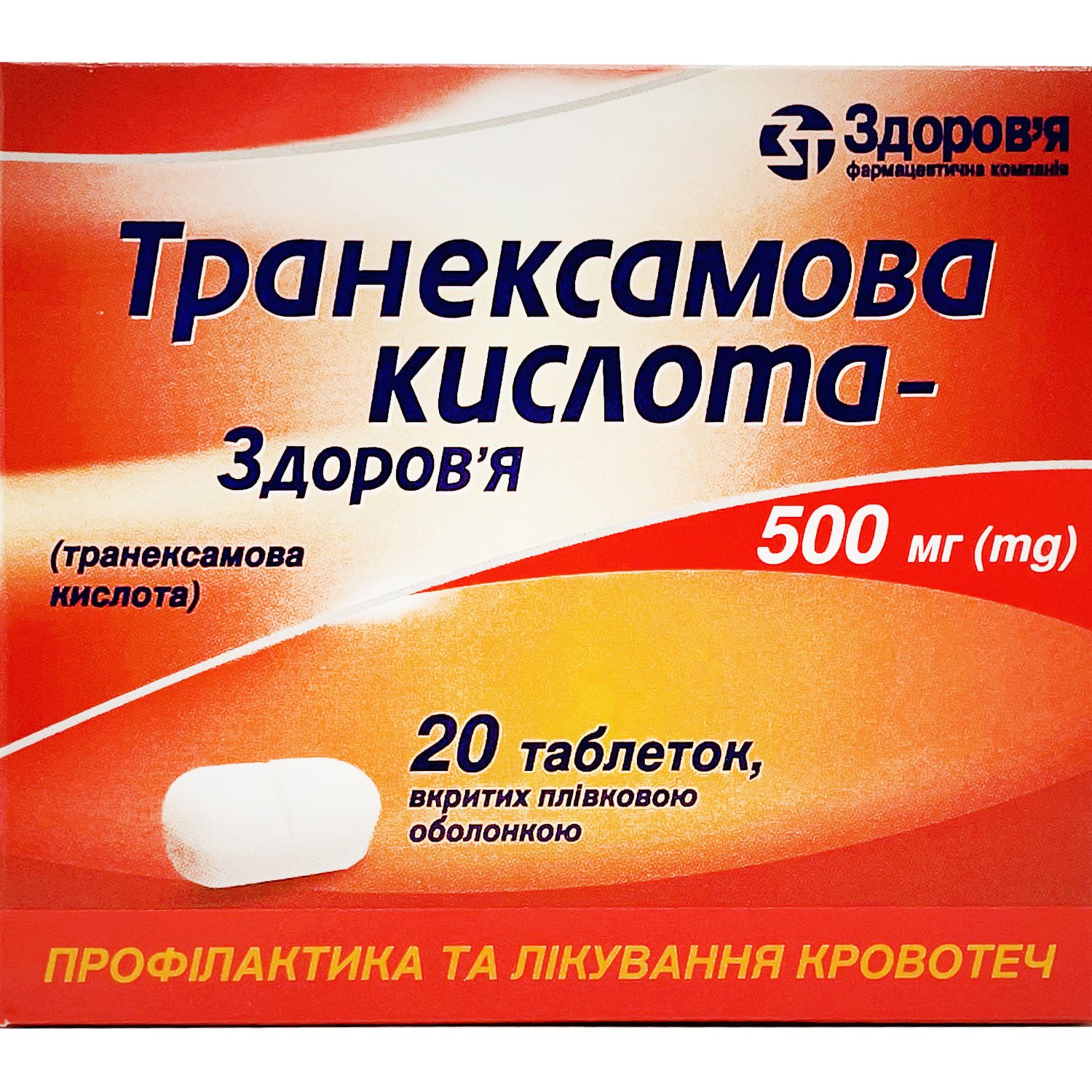
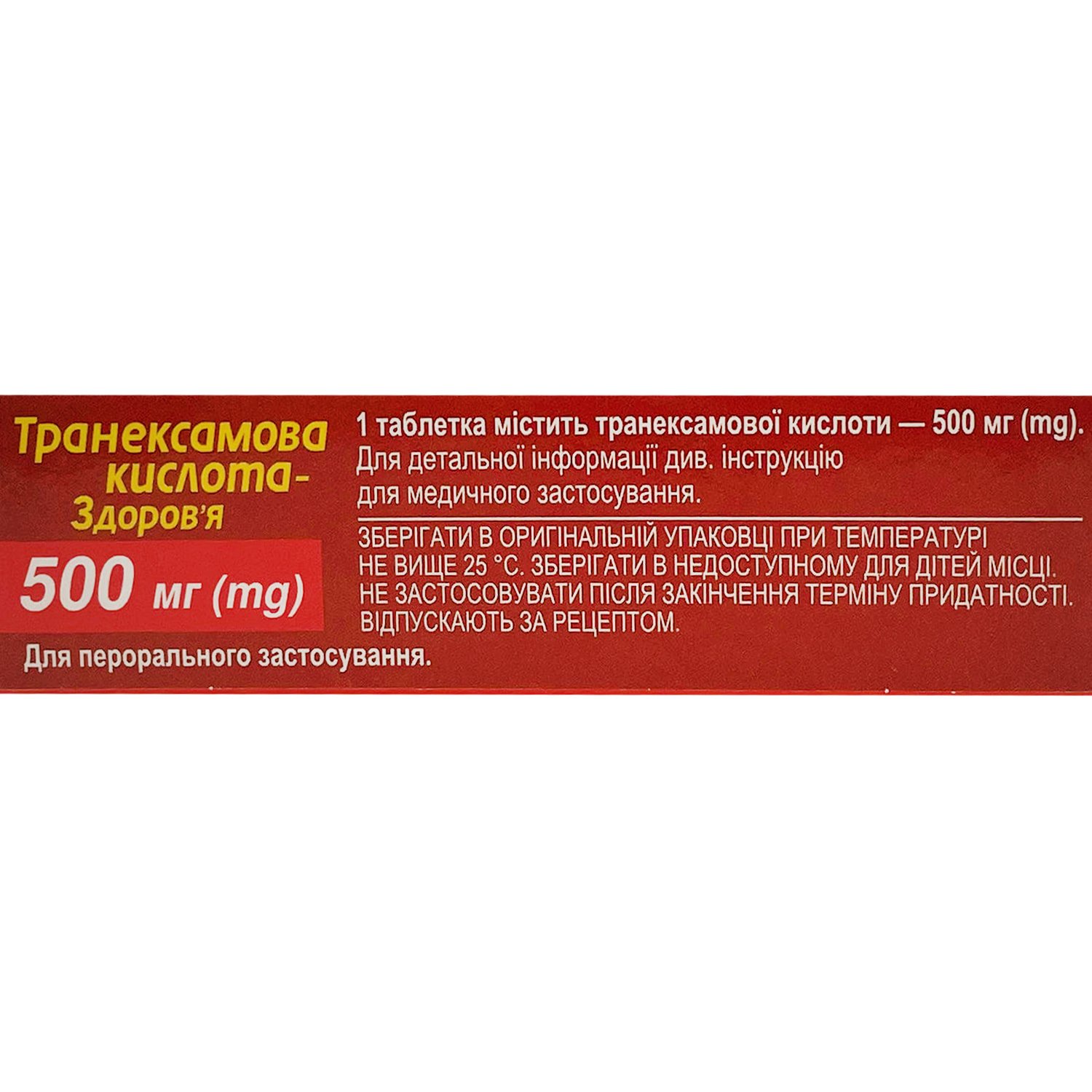


Tranexamic acid film-coated tablets 500 mg 20 pcs.
$23.50
Free Worldwide Shipping
to: Australia, Belgium, Canada, Czechia, Denmark, Estonia, Finland, Greece, Hungary, Ireland, Israel, Italy, Japan, Kuwait, Latvia, Lithuania, Mexico, Moldova, Netherlands, Norway, Poland, Romania, Slovakia, South Korea, Switzerland, United Kingdom, United States and more
🏖️ Hello! We are on vacation!
We are still accepting orders on our website; however, order processing and shipping will resume after September 10. If you place an order during our vacation, we will contact you and remind you about the temporary shipping delay. Starting September 10, all orders received during this period will be processed and shipped in the order they were placed. If your order contains a product with less than one year remaining before its expiration date, we will notify you after September 10 and proceed according to your instructions. If you decide to cancel an order placed during our vacation, simply contact us through the contact form on our website, and we will be happy to assist you. Thank you for your understanding, and we apologize for any inconvenience caused.
In stock
Tranexamic acid 500 mg tablets stop bleeding with increased fibrinolysis: uterine, nasal, post-surgical, and hereditary angioedema. Dosage and warnings.
Payment
PayPal, Debit or Credit card, Google Pay, Apple Pay
Orders Temporarily Unavailable
Due to temporary postal service disruptions, we are currently unable to accept orders.
Tranexamic acid – antihemorrhagic agent. Indications for use – bleeding or risk of bleeding with increased fibrinolysis, both generalized (bleeding during prostate surgery and in the postoperative period, hemorrhagic complications of fibrinolytic therapy) and local (uterine, gastrointestinal, nasal bleeding, post-traumatic hyphema, bleeding after prostatectomy or bladder surgery, tonsillectomy, conization of the cervix, tooth extraction in patients with hemophilia).
Hereditary angioedema.
Composition
- active ingredient: tranexamic acid;
- 1 tablet contains tranexamic acid 500 mg;
- excipients: microcrystalline cellulose, povidone, colloidal anhydrous silica, talc, magnesium stearate, crospovidone, dry mixture “Opadry white” containing titanium dioxide (E 171), hypromellose, triacetin.
Contraindication
Hypersensitivity to tranexamic acid or to other components of the drug, severe renal failure (due to the risk of cumulation), macroscopic hematuria, acute thromboembolic diseases, acute venous or arterial thrombosis, thrombophlebitis, history of arterial or venous thrombosis, high risk of thrombosis, myocardial infarction, subarachnoid hemorrhage, history of seizures; fibrinolytic states due to consumption coagulopathy, except for excessive activation of the fibrinolytic system in acute severe bleeding; impaired color perception.
Adverse reactions
Immune system disorders: hypersensitivity reactions, including anaphylaxis.
On the part of the digestive system: nausea, vomiting, heartburn, diarrhea, abdominal pain, decreased appetite.
Skin and subcutaneous tissue disorders: rash, itching, allergic skin reactions.
From the nervous system: drowsiness, dizziness, convulsions.
On the part of the organs of vision: visual impairment, color vision impairment, retinal artery occlusion, congestive retinopathy.
Vascular: thromboembolic complications, arterial or venous thrombosis of any location, arterial hypotension.
Renal: acute renal cortical necrosis.
Method of application
The drug should be administered orally. Taking the drug does not depend on food intake.
Local fibrinolysis – 1–1.5 g 2–3 times for 3–15 days.
Prostatectomy – 1 g 3–4 times.
Menorrhagia – 1 g 3 times a day for 4 days. With prolonged menstrual bleeding, increase the dose, but not higher than the maximum dose (4 g per day).
It is not necessary to start treatment with the drug before the onset of menstrual bleeding.
Nosebleeds – 1 g 3 times 7 days. Use for periodic nosebleeds.
Conization of the cervix – 1.5 g 3 times for up to 12 days.
Hereditary angioedema 1–1.5 g 2–3 times Depending on the course of the disease.
Application features
Use during pregnancy or breastfeeding
Tranexamic acid crosses the placenta and enters breast milk. Studies on the safety of the drug during pregnancy have not been conducted, so the drug can be prescribed to pregnant women only if the expected benefit to the woman outweighs the potential risk to the fetus.
If necessary, the use of the drug should be considered for discontinuation of breastfeeding.
Children
Do not use in children under 12 years of age.
There is no clinical experience with the use of tranexamic acid in children under 15 years of age with menorrhagia, therefore this drug should not be used in this category of patients.
Ability to influence reaction speed when driving vehicles or other mechanisms
While using the drug, you should refrain from driving or working with complex mechanisms.
Overdose
Symptoms: nausea, vomiting, abdominal pain, orthostatic hypotension, hypotension, dizziness, headache, seizures or increased manifestations of other adverse reactions, including the risk of thrombosis.
Treatment: induce vomiting, gastric lavage, take activated charcoal. It is necessary to drink plenty of fluids to promote renal excretion. Apply symptomatic treatment and, if necessary, anticoagulant therapy.
Interaction with other medicinal products and other types of interactions
Tranexamic acid is incompatible with urokinase, norepinephrine bitartrate, desoxyepinephrine hydrochloride, metarmin bitartrate, dipyridamole, diazepam. Highly active prothrombin complexes and antifibrinolytic agents, antiinhibitory coagulation complexes should not be used simultaneously with tranexamic acid. The combination of chlorpromazine and tranexamic acid should be avoided in patients with subarachnoid hemorrhage; this may lead to cerebral vasospasm and cerebral ischemia and, possibly, to a decrease in cerebral blood flow; the symptomatic properties of both drugs may contribute to the development of vasospasm and cerebral ischemia in these patients. Tranexamic acid should be used with caution in patients taking oral contraceptives, since the risk of thrombosis is increased.
Storage conditions
Store in the original packaging at a temperature not exceeding 25 ºС.
Keep out of reach of children.
You may also like



Reviews
There are no reviews yet.