
🇦🇺 Australia
🇧🇪 Belgium
🇨🇦 Canada
🇨🇿 Czechia
🇩🇰 Denmark
🇪🇪 Estonia
🇫🇮 Finland
🇬🇷 Greece
🇭🇺 Hungary
🇮🇪 Ireland
🇮🇱 Israel
🇮🇹 Italy
🇯🇵 Japan
🇰🇼 Kuwait
🇱🇻 Latvia
🇱🇹 Lithuania
🇲🇽 Mexico
🇲🇩 Moldova
🇳🇱 Netherlands
🇳🇴 Norway
🇵🇱 Poland
🇷🇴 Romania
🇸🇰 Slovakia
🇰🇷 South Korea
🇨🇭 Switzerland
🇬🇧 United Kingdom
🇺🇸 United States of America
and more


$15.79 Original price was: $15.79.$14.29Current price is: $14.29.
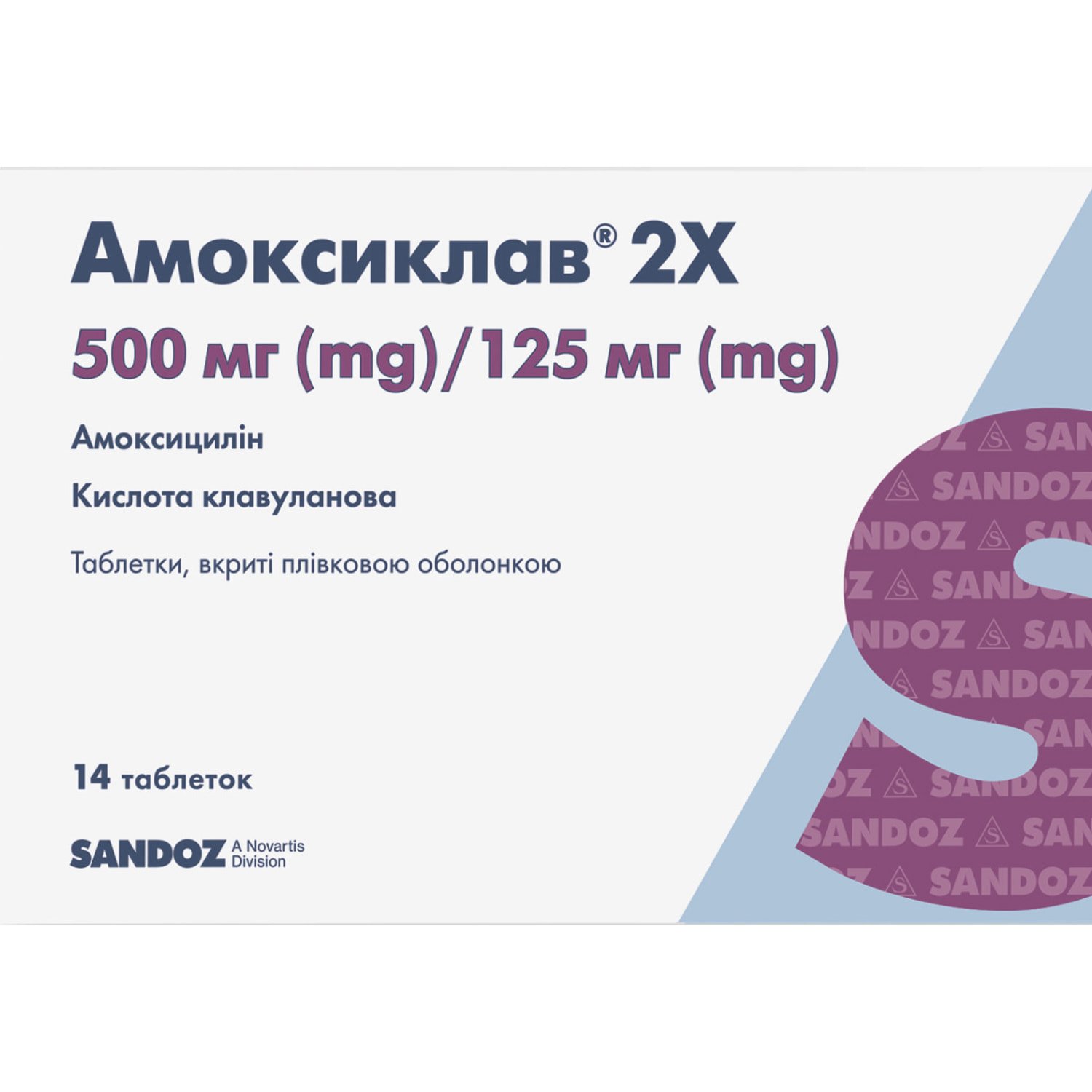


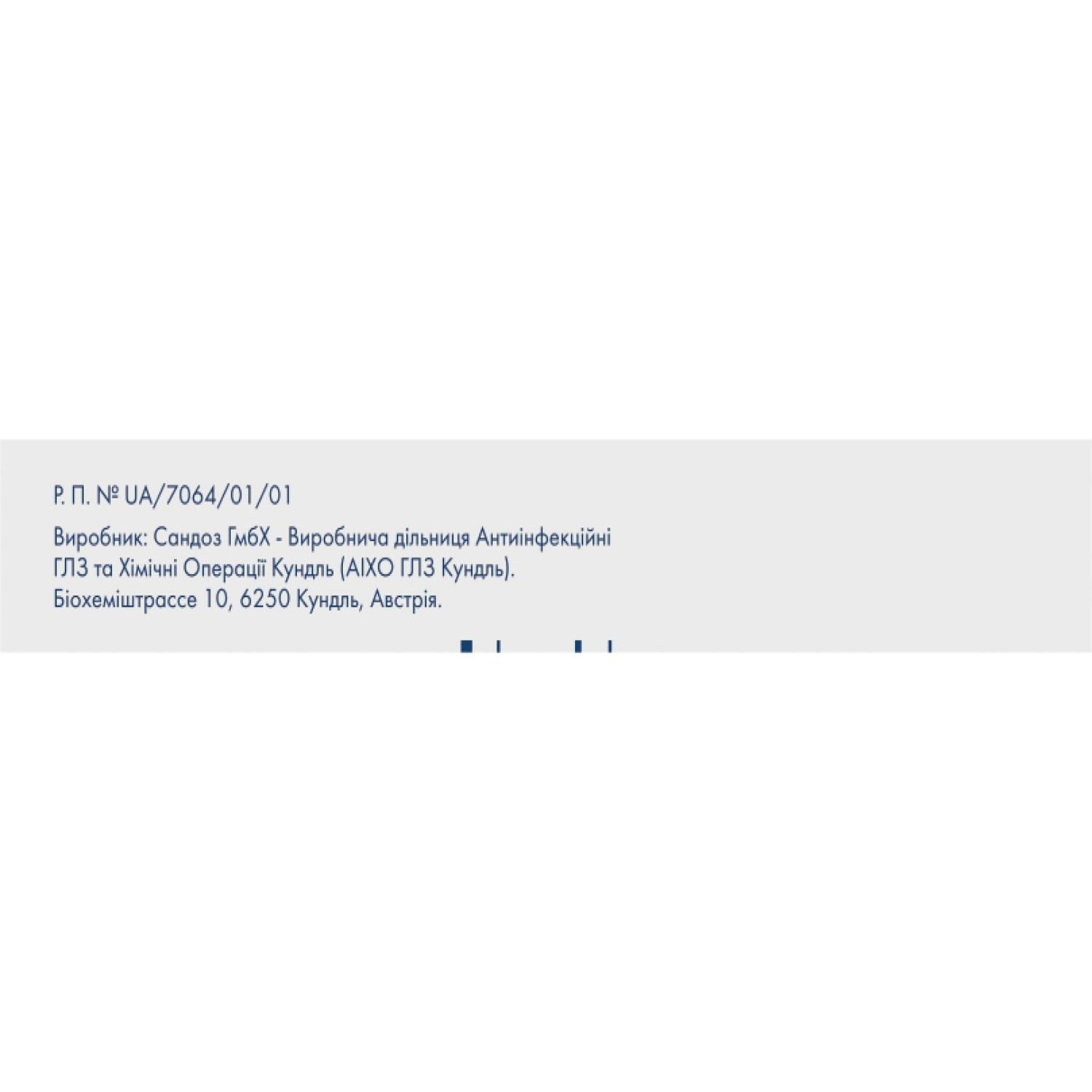


Amoxiclav 2X film-coated tablets 500 mg/125 mg 14 pcs.
$23.36
*All prices are in US dollars (USD)
Free Worldwide Shipping
to: Australia, Belgium, Canada, Czechia, Denmark, Estonia, Finland, Greece, Hungary, Ireland, Israel, Italy, Japan, Kuwait, Latvia, Lithuania, Mexico, Moldova, Netherlands, Norway, Poland, Romania, Slovakia, South Korea, Switzerland, United Kingdom, United States and more
🏖️ Hello! We are on vacation!
We are still accepting orders on our website; however, order processing and shipping will resume after September 10. If you place an order during our vacation, we will contact you and remind you about the temporary shipping delay. Starting September 10, all orders received during this period will be processed and shipped in the order they were placed. If your order contains a product with less than one year remaining before its expiration date, we will notify you after September 10 and proceed according to your instructions. If you decide to cancel an order placed during our vacation, simply contact us through the contact form on our website, and we will be happy to assist you. Thank you for your understanding, and we apologize for any inconvenience caused.
In stock
Amoxiclav 2X tablets with amoxicillin and clavulanic acid treat sinusitis, otitis, pneumonia, cystitis, and skin infections in adults and children over 6.
Payment
PayPal, Debit or Credit card, Google Pay, Apple Pay
Orders Temporarily Unavailable
Due to temporary postal service disruptions, we are currently unable to accept orders.
Amoxiclav 2X is indicated for the treatment of bacterial infections caused by microorganisms sensitive to the drug:
- acute bacterial sinusitis (confirmed)
- acute otitis media,
- confirmed exacerbation of chronic bronchitis;
- community-acquired pneumonia
- cystitis;
- pyelonephritis;
- skin and soft tissue infections, including cellulitis, animal bites, severe dentoalveolar abscesses with widespread cellulitis;
- Bone and joint infections, including osteomyelitis.
Composition
active ingredients: amoxicillin, clavulanic acid;
1 tablet contains 500 mg of amoxicillin in the form of trihydrate and 125 mg of clavulanic acid in the form of potassium salt;
Excipients: colloidal silicon dioxide, crospovidone, croscarmellose sodium, magnesium stearate, microcrystalline cellulose
shell: hydroxypropylmethylcellulose, ethylcellulose, polysorbate, triethyl citrate, talc, titanium dioxide (E 171).
Amoxicillin is a semisynthetic penicillin (beta-lactam) that inhibits one or more enzymes (often referred to as penicillin-binding proteins) in the biosynthetic metabolism of bacterial peptidoglycan, an integral structural component of the bacterial cell wall. Inhibition of peptidoglycan synthesis leads to weakening of the cell wall, resulting in cell lysis and death.
Amoxicillin is susceptible to cleavage by beta-lactamases produced by resistant bacteria, therefore, the spectrum of activity of amoxicillin as monotherapy does not include organisms that produce these enzymes.
Clavulanic acid is a beta-lactam, structurally related to penicillins. It inactivates some beta-lactamase enzymes, thereby preventing the inactivation of amoxicillin. Clavulanic acid as monotherapy does not have a clinically useful antibacterial effect.
Contraindication
Hypersensitivity to the components of the drug, to any antibacterial agents of the penicillin group.
History of severe hypersensitivity reactions (including anaphylaxis) associated with the use of other beta-lactam agents (including cephalosporins, carbapenems or monobactams).
History of jaundice or liver dysfunction associated with the use of amoxicillin/clavulanate.
Method of administration and doses
The drug should be used in accordance with official recommendations for antibiotic therapy and local antibiotic susceptibility data. Susceptibility to amoxicillin / clavulanate varies between regions and may change over time. If necessary, local susceptibility data should be consulted and, if necessary, microbiological determination and susceptibility testing should be performed. The suggested dose range depends on the expected pathogens and their susceptibility to antibacterial drugs, the severity of the disease and the location of the infection, the age, body weight and renal function of the patient.
For adults and children weighing ≥ 40 kg, the daily dose is 1500 mg amoxicillin / 375 mg clavulanic acid (3 tablets) when administered as indicated below.
For children from 6 years of age with a body weight of 25 to 40 kg, the maximum daily dose is 2400 mg amoxicillin / 600 mg clavulanic acid (4 tablets) when administered as indicated below.
If high doses of amoxicillin are required for treatment, other forms of the drug should be used to avoid prescribing excessively high doses of clavulanic acid.
The duration of treatment is determined by the doctor based on the patient’s clinical response to treatment. Some infections (e.g. osteomyelitis) require long-term treatment.
Adults and children weighing ≥ 40 kg 1 tablet 500 mg / 125 mg 3 times a day.
Children aged 6 years and over with a body weight of 25 to 40 kg, the dose is from 20 mg / 5 mg / kg / day to 60 mg / 15 mg / kg / day, divided into 3 doses.
Since the tablet can be divided, children weighing less than 25 kg should not be given this form of the drug.
Children aged 6 years and over with a body weight of 25 to 40 kg. Since the tablet can be divided, this form of the drug should not be administered to children over 6 years of age with a body weight of 25 to 40 kg with a creatinine clearance of less than 30 ml/min or to children on hemodialysis.
The tablet should be swallowed whole, without chewing. For optimal absorption and to reduce possible side effects from the digestive tract, the drug should be taken at the beginning of a meal.
The duration of treatment is determined by the doctor individually. Treatment should not be continued for more than 14 days without assessing the patient’s condition.
Treatment can be started with parenteral administration and then continued with oral administration.
Application features
Use during pregnancy or breastfeeding
Pregnancy. Animal reproduction studies with oral and parenteral formulations of the drug have not revealed any teratogenic effects. One study in women with premature rupture of membranes reported that prophylactic use of the drug may be associated with an increased risk of necrotizing enterocolitis in the newborn. As with other drugs, the use of the drug should be avoided during pregnancy, especially during the first trimester, unless considered essential by the physician.
Breastfeeding. Both active components of the drug are excreted in breast milk (there is no information on the effect of clavulanic acid on a breastfed infant). Accordingly, diarrhea and fungal infection of the mucous membranes may occur in a breastfed infant, so breastfeeding should be discontinued. The possibility of allergic reactions should be taken into account. The drug can be used during breastfeeding only if, in the opinion of the doctor, the benefit of use outweighs the risk.
Children
The drug in this dosage can be used in children aged 6 years and older with a body weight of at least 25 kg.
Ability to influence reaction speed when driving vehicles or other mechanisms
Studies on the ability of the drug to affect the reaction speed when driving or using other mechanisms have not been conducted. However, adverse reactions (e.g. allergic reactions, dizziness, convulsions) may occur, which may affect the ability to drive or use other mechanisms.
Overdose
Symptoms: Gastrointestinal symptoms and fluid and electrolyte imbalance may occur. Crystalluria has been reported with amoxicillin, leading in some cases to renal failure.
In patients with impaired renal function and in patients taking high doses of the drug, seizures may occur.
Precipitation of amoxicillin in bladder catheters has been reported, mainly after administration of high doses. Catheters should be checked regularly for patency (see section 4.4).
Treatment: Gastrointestinal symptoms can be treated symptomatically, with attention to fluid/electrolyte balance.
Amoxicillin/clavulanic acid can be removed from the bloodstream by hemodialysis.
Adverse reactions
The most commonly reported adverse drug reactions were diarrhea, nausea, and vomiting.
Interaction with other medicinal products and other types of interactions
Oral anticoagulants.
Oral anticoagulants and penicillin antibiotics are widely used in clinical practice without reports of interactions. However, cases of increased international normalization ratio have been described in patients taking acenocoumarol or warfarin who were prescribed a course of amoxicillin. If concomitant use is necessary, the prothrombin index or international normalization ratio should be carefully monitored when amoxicillin is added or discontinued. In addition, the dose of oral anticoagulants may need to be adjusted.
Concomitant use of probenecid is not recommended. Probenecid reduces the renal tubular secretion of amoxicillin. Concomitant use of probenecid may lead to increased levels and duration of amoxicillin (but not clavulanic acid) in the blood.
Concomitant use of allopurinol during treatment with amoxicillin may increase the likelihood of allergic reactions. There are no data on the simultaneous use of allopurinol and Amoxiclav 2X.
Like other antibiotics, Amoxiclav 2X may affect the intestinal flora, leading to reduced reabsorption of estrogens and reduced effectiveness of combined oral contraceptives.
Amoxiclav® 2X should not be used together with bacteriostatic chemotherapeutic agents/antibiotics (chloramphenicol, macrolides, tetracycline or sulfonamides), since antagonistic effects have been observed in vitro with such combinations.
Methotrexate: Penicillins may reduce the excretion of methotrexate, causing a potential increase in toxicity.
Mycophenolate mofetil. In patients treated with mycophenolate mofetil, the overdosage concentration of the active metabolite MPA may decrease by approximately 50% after initiation of oral amoxicillin/clavulanic acid. This change in overdosage level may not fully reflect the change in total MPA exposure. Therefore, a change in mycophenolate dosage is usually not necessary unless there is clinical evidence of graft dysfunction. However, close monitoring is necessary during concomitant use and for some time after antibiotic therapy.
Storage conditions
Store at a temperature not exceeding 25 °C in the original packaging.
Keep out of reach of children.
You may also like




Reviews
There are no reviews yet.