
🇦🇺 Australia
🇧🇪 Belgium
🇨🇦 Canada
🇨🇿 Czechia
🇩🇰 Denmark
🇪🇪 Estonia
🇫🇮 Finland
🇬🇷 Greece
🇭🇺 Hungary
🇮🇪 Ireland
🇮🇱 Israel
🇮🇹 Italy
🇯🇵 Japan
🇰🇼 Kuwait
🇱🇻 Latvia
🇱🇹 Lithuania
🇲🇽 Mexico
🇲🇩 Moldova
🇳🇱 Netherlands
🇳🇴 Norway
🇵🇱 Poland
🇷🇴 Romania
🇸🇰 Slovakia
🇰🇷 South Korea
🇨🇭 Switzerland
🇬🇧 United Kingdom
🇺🇸 United States of America
and more


$19.19 Original price was: $19.19.$17.39Current price is: $17.39.
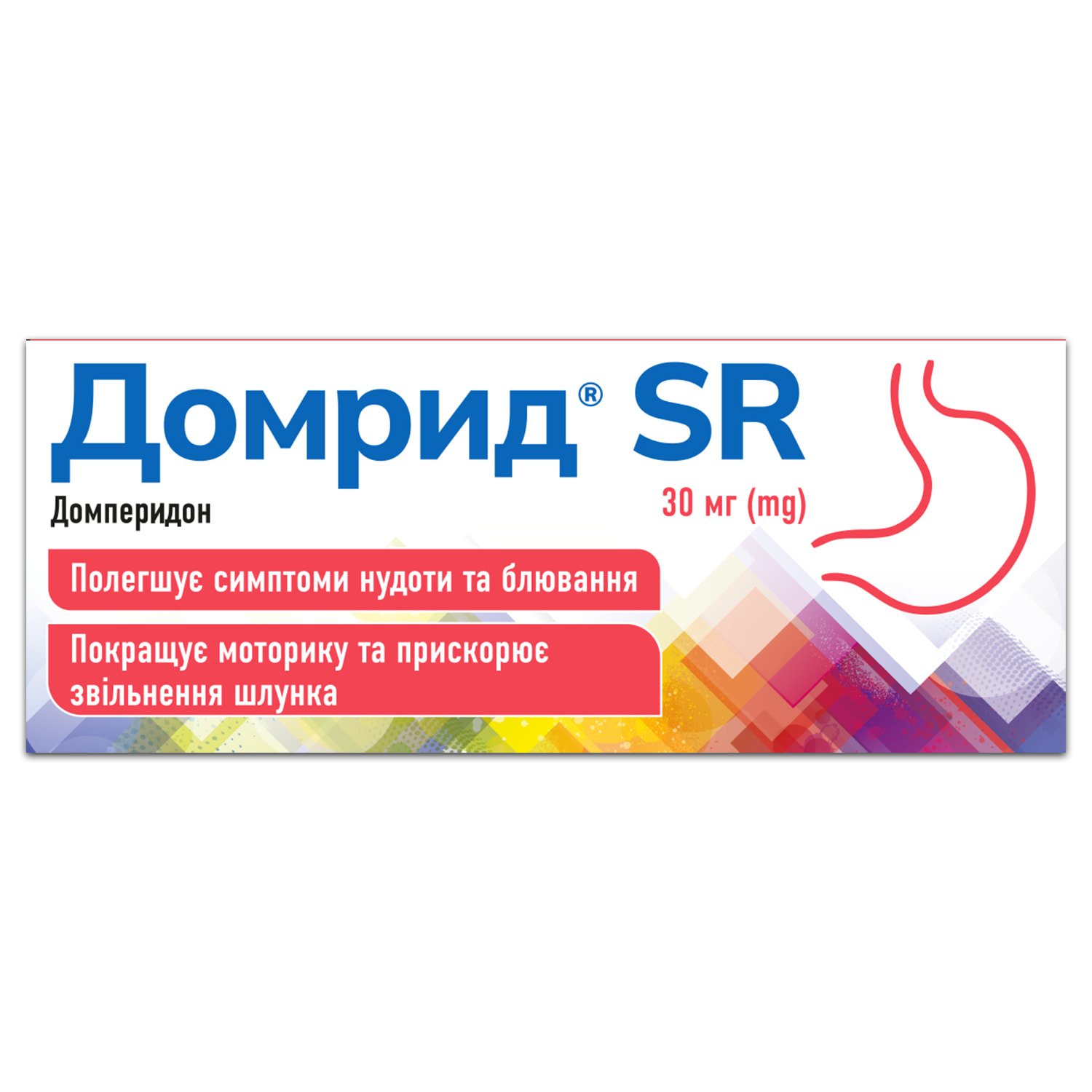

Domrid SR prolonged-release tablets 30 mg 30 pcs.
$28.56
*All prices are in US dollars (USD)
Free Worldwide Shipping
to: Australia, Belgium, Canada, Czechia, Denmark, Estonia, Finland, Greece, Hungary, Ireland, Israel, Italy, Japan, Kuwait, Latvia, Lithuania, Mexico, Moldova, Netherlands, Norway, Poland, Romania, Slovakia, South Korea, Switzerland, United Kingdom, United States and more
🏖️ Hello! We are on vacation!
We are still accepting orders on our website; however, order processing and shipping will resume after September 10. If you place an order during our vacation, we will contact you and remind you about the temporary shipping delay. Starting September 10, all orders received during this period will be processed and shipped in the order they were placed. If your order contains a product with less than one year remaining before its expiration date, we will notify you after September 10 and proceed according to your instructions. If you decide to cancel an order placed during our vacation, simply contact us through the contact form on our website, and we will be happy to assist you. Thank you for your understanding, and we apologize for any inconvenience caused.
In stock
Domrid SR extended-release tablets with domperidone 30 mg relieve nausea and vomiting in adults. Take once daily before meals; max 1 week of use.
Payment
PayPal, Debit or Credit card, Google Pay, Apple Pay
Orders Temporarily Unavailable
Due to temporary postal service disruptions, we are currently unable to accept orders.
Composition and form of release
Composition
Active ingredient: domperidone maleate;
1 tablet contains domperidone maleate equivalent to domperidone 30 mg;
Excipients: lactose monohydrate, povidone, quinoline yellow (E 104), croscarmellose sodium, magnesium stearate, colloidal anhydrous silica, hydroxypropylmethylcellulose, talc.
Release form
Extended-release tablets.
Pharmacological properties
Pharmacodynamics. Domperidone is a dopamine antagonist with antiemetic properties. Domperidone penetrates the blood-brain barrier to a small extent. The use of domperidone is very rarely accompanied by extrapyramidal side effects, especially in adults, but domperidone stimulates the release of prolactin from the pituitary gland. Its antiemetic effect is probably due to a combination of peripheral (gastrokinetic) action and antagonism to dopamine receptors in the chemoreceptor trigger zone, which is located outside the BBB in the posterior region (area postrema). Animal studies, as well as low concentrations determined in the brain, indicate a predominant peripheral effect of domperidone on dopaminergic receptors.
Studies in humans have shown that domperidone, when administered orally, increases lower esophageal pressure, improves antroduodenal motility, and accelerates gastric emptying. Domperidone does not affect gastric secretion.
Pharmacokinetics. Absorption. Domperidone is rapidly absorbed when taken orally on an empty stomach, C max in blood plasma is reached after approximately 60 min. The low absolute bioavailability of oral domperidone (about 15%) is due to extensive first-pass metabolism in the intestinal wall and in the liver. Although in healthy people the bioavailability of domperidone increases when taken after a meal, patients with gastrointestinal complaints should take domperidone 15-30 min before a meal. Reduced gastric acidity reduces the absorption of domperidone. When the drug is taken orally after a meal, maximum absorption is somewhat delayed and AUC is slightly increased.
Distribution. When administered orally, domperidone does not accumulate and does not induce its own metabolism; C max in blood plasma after 90 min (21 ng / ml) after 2 weeks of oral administration of 30 mg / day was almost the same as after taking the first dose (18 ng / ml). Domperidone is 91-93% bound to plasma proteins. Studies of the distribution of domperidone, conducted in animals using a radioactive isotope-labeled drug, showed its significant distribution in tissues, but low concentration in the brain. In animals, a small amount of the drug penetrates the placenta.
Metabolism: Domperidone is rapidly and extensively metabolized in the liver by hydroxylation and N-dealkylation.
Excretion. Excretion in urine and feces is 31 and 66% of the oral dose, respectively. Excretion of the drug in unchanged form is insignificant (10% – with feces and about 1% – with urine). T ½ from blood plasma after taking a single dose is 7-9 hours in healthy volunteers, but is prolonged in patients with severe renal failure.
Indication
To relieve symptoms of nausea and vomiting.
Application
To relieve symptoms of nausea and vomiting. Adults. 1 tablet once daily 15-30 minutes before meals.
The duration of treatment should not exceed 1 week.
The maximum daily dose is 30 mg.
Children. In children, the drug is used in a different dosage form.
Contraindication
Patients with established hypersensitivity to the drug or excipients; patients with prolactin-secreting pituitary tumor (prolactinoma); patients with severe or moderate hepatic and/or renal dysfunction (see special instructions); patients with known prolongation of cardiac conduction intervals, in particular Q-tc, patients with significant electrolyte imbalance with underlying heart disease, such as congestive heart failure (see special instructions); patients with hepatic insufficiency; if stimulation of gastric motor function could be dangerous, for example in case of gastrointestinal bleeding, mechanical obstruction or perforation; concomitant use of ketoconazole, erythromycin or other potent CYP 3A4 inhibitors is contraindicated; Concomitant use of drugs that prolong the QT interval, such as fluconazole, erythromycin, itraconazole, oral ketoconazole, posaconazole, ritonavir, saquinavir, telaprevir, voriconazole, clarithromycin, amiodarone, telithromycin, etc. is contraindicated (see special instructions and interactions).
Side effects
Provided that the dosage and duration of treatment recommendations are followed, domperidone is usually well tolerated and adverse events occur infrequently.
Immune system disorders: allergic reactions, including anaphylaxis, anaphylactic shock, hypersensitivity.
On the part of the endocrine system: increased prolactin levels.
Mental disorders: nervousness, irritability, agitation, depression, anxiety, decreased or absent libido.
From the nervous system: extrapyramidal disorders, insomnia, dizziness, thirst, convulsions, lethargy, headache, drowsiness, akathisia.
Cardiovascular system: edema, palpitations, heart rate and rhythm disturbances, QT interval prolongation (frequency unknown), serious ventricular arrhythmias (such as torsade de pointes), sudden cardiac death.
On the part of the digestive system: dry mouth, short-term intestinal spasms, diarrhea, gastrointestinal disorders, including abdominal pain, regurgitation, change in appetite, nausea, heartburn, constipation.
On the part of the organ of vision: oculogyric crisis.
Skin and subcutaneous tissue disorders: itching, rash, urticaria, angioedema.
Reproductive system and breast disorders: galactorrhea, breast enlargement/gynecomastia, breast tenderness, breast discharge, amenorrhea, breast swelling, breast pain, lactation disorder, irregular menstrual cycle.
Musculoskeletal and connective tissue disorders: leg pain.
From the urinary system: urinary retention, dysuria, frequent urination.
General disorders: asthenia.
Other: conjunctivitis, stomatitis.
Changes in laboratory parameters: abnormal liver function test results, increased ALT, AST, and cholesterol levels, increased prolactin levels in the blood.
Because the pituitary gland is located outside the blood-brain barrier, domperidone may cause elevated prolactin levels. In rare cases, such hyperprolactinemia may cause neuroendocrine side effects such as galactorrhea, gynecomastia, and amenorrhea.
During post-marketing use of the drug, no differences in the safety profile of the drug in adults and children were noted, with the exception of extrapyramidal disorders and other phenomena, seizures and CNS-related disorders, which were noted mainly in children.
Special instructions
Domrid SR is not recommended for injection.
Domrid SR should be used with caution in elderly patients or patients with heart disease or a history of heart disease.
Cardiovascular effects. Domperidone has been associated with prolongation of the QT interval on the ECG. During post-marketing surveillance, very rare cases of QT prolongation and ventricular fibrillation have been reported in patients taking domperidone. These reports included patients with other adverse risk factors, electrolyte disturbances and concomitant therapy that may have been contributing factors. The prolongation of the QT interval observed in healthy subjects when they used domperidone according to the recommended regimen at usual therapeutic doses (10 or 20 mg 4 times a day) was not clinically significant.
Caution: Domperidone should be used with caution in patients with mild hepatic and/or renal impairment.
Due to the increased risk of ventricular arrhythmia, the drug is not recommended for use in patients with prolongation of cardiac conduction intervals, in particular Q-Tc, with significant electrolyte imbalance (hypokalemia, hyperkalemia, hypomagnesemia) or bradycardia, or with underlying heart disease such as congestive heart failure. Electrolyte imbalance (hypokalemia, hyperkalemia, hypomagnesemia) and bradycardia are known to be conditions that increase proarrhythmic risk.
If signs or symptoms that may be associated with cardiac arrhythmia appear, the drug should be discontinued and the patient should consult a doctor immediately.
Renal impairment. T½ of domperidone is increased in severe renal impairment. With prolonged use, the dosing frequency of domperidone should be reduced to 1 or 2 times a day, depending on the severity of the impairment. A dose reduction may also be required.
Antacids or antisecretory drugs should not be taken concomitantly with domperidone as they reduce its oral bioavailability (see Interactions with other drugs). When used concomitantly, domperidone should be taken before meals and antacids or antisecretory drugs should be taken after meals.
Use with Ketoconazole: Interaction studies with oral ketoconazole have shown prolongation of the QT interval. Although the significance of this study is not clearly established, alternative treatment should be considered if antifungal therapy with ketoconazole is indicated (see Interactions with other medicinal products).
The following information should be considered regarding the risk of cardiovascular complications associated with medicinal products containing domperidone. Some epidemiological studies have shown that domperidone may be associated with an increased risk of severe ventricular arrhythmias or sudden cardiac death.
The risk of serious ventricular arrhythmias or sudden cardiac death may be higher in patients over 60 years of age or when taking the drug orally at doses of 30 mg/day. Therefore, domperidone should be used with caution in elderly patients. Patients over 60 years of age should consult a doctor before taking the drug.
Domperidone should be prescribed to adults and children in the minimum effective dose.
The risk-benefit ratio of domperidone remains favorable.
If the patient has been diagnosed with an intolerance to some sugars, they should consult their doctor before taking this medicine, as it contains lactose.
Use during pregnancy and breastfeeding
The drug should be prescribed during pregnancy only if, in the opinion of the doctor, the expected positive effect for the mother outweighs the potential risk to the fetus. The amount of domperidone that can enter the infant through breast milk is extremely low. The maximum relative dose for infants (%) is estimated to be about 0.1% of the maternal dose adjusted for body weight. It is not known whether this harms the child, so mothers taking the drug should refrain from breastfeeding. After exposure as a result of the drug entering breast milk, the appearance of side effects, including cardiological ones, cannot be excluded. Caution should be exercised in the presence of risk factors for prolongation of the Q-Tc interval in breastfed infants.
Drivers
Given the side effects on the nervous system, patients should be careful when driving or operating machinery.
Interactions
Anticholinergic drugs may neutralize the antidyspeptic effect of domperidone. Due to pharmacodynamic and/or pharmacokinetic interactions, the risk of QT prolongation is increased.
Antacids and antisecretory drugs should not be taken simultaneously with domperidone, as they reduce its bioavailability after oral administration (see Precautions).
Domperidone is metabolized by CYP 3A4. According to in vitro and human studies, concomitant use of drugs that significantly inhibit this enzyme may lead to increased plasma levels of domperidone.
Clinically significant changes in the QT interval have been observed when domperidone was used concomitantly with potent CYP 3A4 inhibitors that can prolong the QT interval. Therefore, the use of domperidone with certain drugs is contraindicated (see Adverse Reactions).
The concomitant use of the following drugs with domperidone is contraindicated.
All drugs that prolong the QT interval:
- class IA antiarrhythmic drugs (e.g. disopyramide, quinidine, hydroquinidine);
- class III antiarrhythmic drugs (e.g. amiodarone, dofetilide, dronedarone, ibutilide, sotalol);
- some neuroleptic drugs (e.g. haloperidol, pimozide, sertindole);
- some antidepressants (e.g. citalopram, escitalopram);
- some antibiotics (e.g. levofloxacin, moxifloxacin, erythromycin, spiramycin);
- some antifungal drugs (such as pentamidine);
- some antimalarial drugs (e.g. halofantrine, lumefantrine);
- certain gastrointestinal drugs (e.g. cisapride, dolasetron, prucalopride);
- some antihistamines (e.g. mequitazine, mizolastine);
- some drugs used in cancer (e.g. toremifene, vandetanib);
- some other drugs (e.g. bepridil, methadone, diphemanil).
Concomitant oral administration of ketoconazole or erythromycin in vivo has been shown to significantly inhibit the CYP 3A4-mediated first-pass metabolism of domperidone. Concomitant oral administration of 10 mg domperidone 4 times daily and 200 mg ketoconazole 2 times daily resulted in an average prolongation of the QTc interval by 9.8 ms during the observation period; individual values ranged from 1.2 to 17.5 ms. Concomitant oral administration of 10 mg domperidone 4 times daily and 500 mg erythromycin 3 times daily resulted in an average prolongation of the QTc interval by 9.9 ms during the observation period; individual values ranged from 1.6 to 14.3 ms. Steady-state Cmax and AUC of domperidone were increased approximately 3-fold in each of these interaction studies. The contribution of increased plasma concentrations of domperidone to the observed effect on QTc is unknown. In these studies, domperidone monotherapy (10 mg orally 4 times a day) prolonged the QTc interval by an average of 1.6 ms (ketoconazole study) and 2.5 ms (erythromycin study), while the use of ketoconazole alone (200 mg 2 times a day) or erythromycin (500 mg 3 times a day) resulted in an increase in the QTc interval during the observation period of 3.8 and 4.9 ms, respectively.
Due to pharmacodynamic and/or pharmacokinetic interactions, the risk of QT prolongation increases.
Examples of strong CYP 3A4 inhibitors with which Domrid is not recommended:
- azole antifungals such as fluconazole*, itraconazole, ketoconazole*, and voriconazole*;
- macrolide antibiotics such as clarithromycin* and erythromycin*;
- protease inhibitors;
- HIV protease inhibitors such as amprenavir, atazanavir, fosamprenavir, indinavir, nelfinavir, ritonavir, and saquinavir;
- calcium antagonists such as diltiazem and verapamil;
- amiodarone *;
- aprepitant;
- nefazodone;
- telithromycin *.
* Prolong the Q-Tc interval.
Concomitant use of the following substances requires caution. Use with caution with drugs that cause bradycardia and hypokalemia, as well as with the following macrolides that may cause QT prolongation: azithromycin and roxithromycin (clarithromycin is contraindicated as it is a potent CYP 3A4 inhibitor).
Domperidone should be used with caution when used concomitantly with potent CYP 3A4 inhibitors that have not been shown to prolong the QT interval, such as indinavir, and patients should be closely monitored for signs or symptoms of adverse reactions.
The above list is representative but not exhaustive.
Domrid SR can be combined with:
- neuroleptics, the effect of which it enhances;
- dopaminergic agonists (bromocriptine, L-dopa), the undesirable peripheral effects of which, such as digestive disorders, nausea, vomiting, it suppresses without neutralizing the basic properties.
Since domperidone has a prokinetic effect on the stomach, theoretically it could affect the absorption of concomitant oral medications, particularly extended-release or enteric-coated formulations. However, in patients already stabilized on digoxin or paracetamol, concomitant use of domperidone did not affect the blood levels of these medications.
Overdose
Symptoms: Symptoms of overdose may include agitation, impaired consciousness, convulsions, drowsiness, disorientation and extrapyramidal reactions, especially in children.
Treatment. There is no specific antidote for domperidone, but in case of significant overdose, gastric lavage within 1 hour after ingestion and administration of activated charcoal are recommended, as well as careful patient observation and supportive therapy. Anticholinergic drugs, agents for the treatment of Parkinson’s disease may be effective in controlling extrapyramidal reactions.
Storage conditions
In the original packaging at a temperature not exceeding 25 °C.
You may also like

Microlax rectal solution (microclyse) in tubes with a tip of 5 ml 12 pcs.
Loperamide tablets of 2 mg, 20 pcs
Reviews
There are no reviews yet.