No products in the cart.

We deliver to:
🇦🇺 Australia
🇧🇪 Belgium
🇨🇦 Canada
🇨🇿 Czechia
🇩🇰 Denmark
🇪🇪 Estonia
🇫🇮 Finland
🇬🇷 Greece
🇭🇺 Hungary
🇮🇪 Ireland
🇮🇱 Israel
🇮🇹 Italy
🇯🇵 Japan
🇰🇼 Kuwait🇱🇻 Latvia
🇱🇹 Lithuania
🇲🇽 Mexico
🇲🇩 Moldova
🇳🇱 Netherlands
🇳🇴 Norway
🇵🇱 Poland
🇷🇴 Romania
🇸🇰 Slovakia
🇰🇷 South Korea
🇨🇭 Switzerland
🇬🇧 United Kingdom
🇺🇸 United States of America
and more
We deliver to:
🇦🇺 Australia
🇧🇪 Belgium
🇨🇦 Canada
🇨🇿 Czechia
🇩🇰 Denmark
🇪🇪 Estonia
🇫🇮 Finland
🇬🇷 Greece
🇭🇺 Hungary
🇮🇪 Ireland
🇮🇱 Israel
🇮🇹 Italy
🇯🇵 Japan
🇰🇼 Kuwait🇱🇻 Latvia
🇱🇹 Lithuania
🇲🇽 Mexico
🇲🇩 Moldova
🇳🇱 Netherlands
🇳🇴 Norway
🇵🇱 Poland
🇷🇴 Romania
🇸🇰 Slovakia
🇰🇷 South Korea
🇨🇭 Switzerland
🇬🇧 United Kingdom
🇺🇸 United States of America
and more
Motherwort tablets of 14 mg, 4...
$13.99 Original price was: $13.99.$12.69Current price is: $12.69.

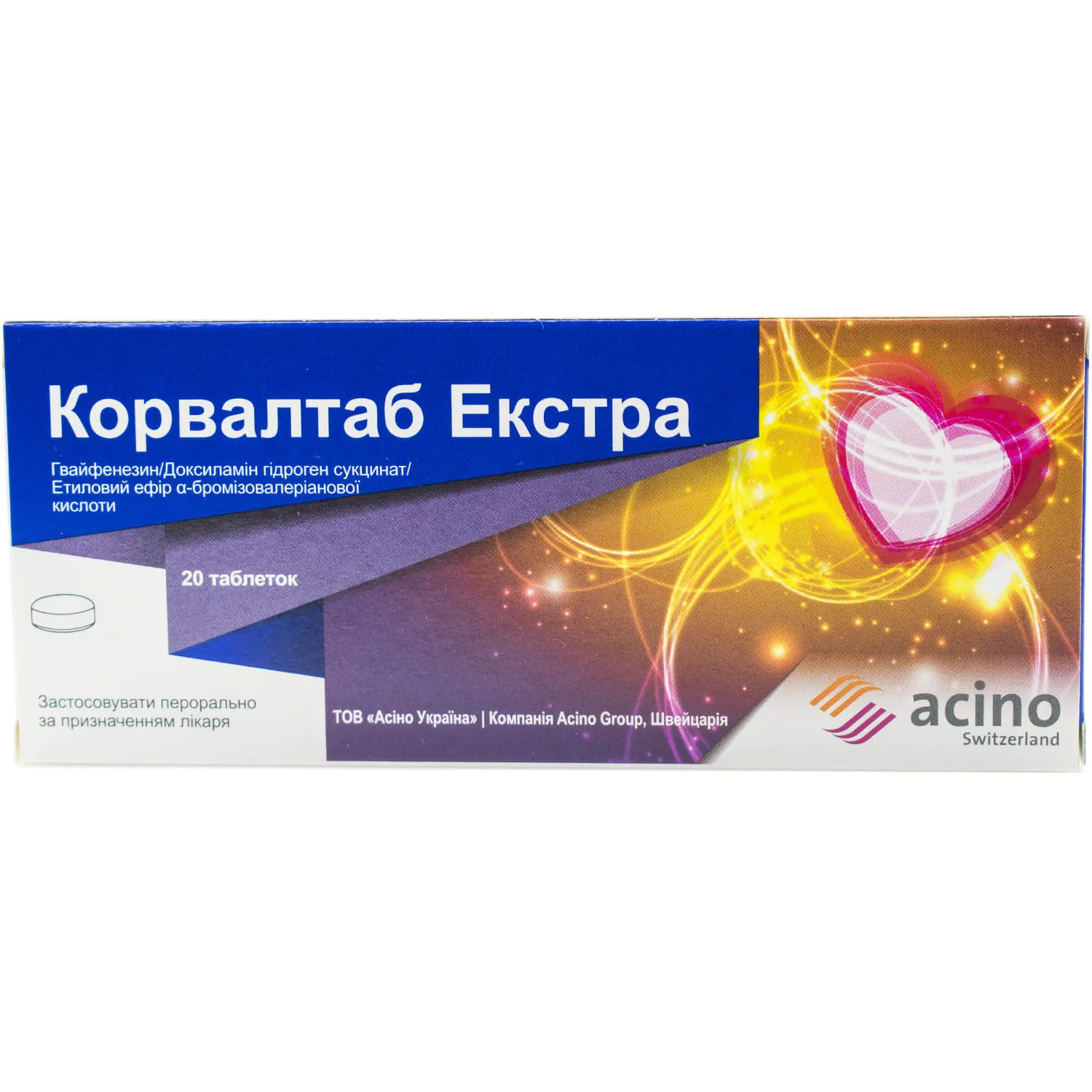
Corvaltab Extra film-coated ta...
$17.49 Original price was: $17.49.$15.89Current price is: $15.89.
Sale
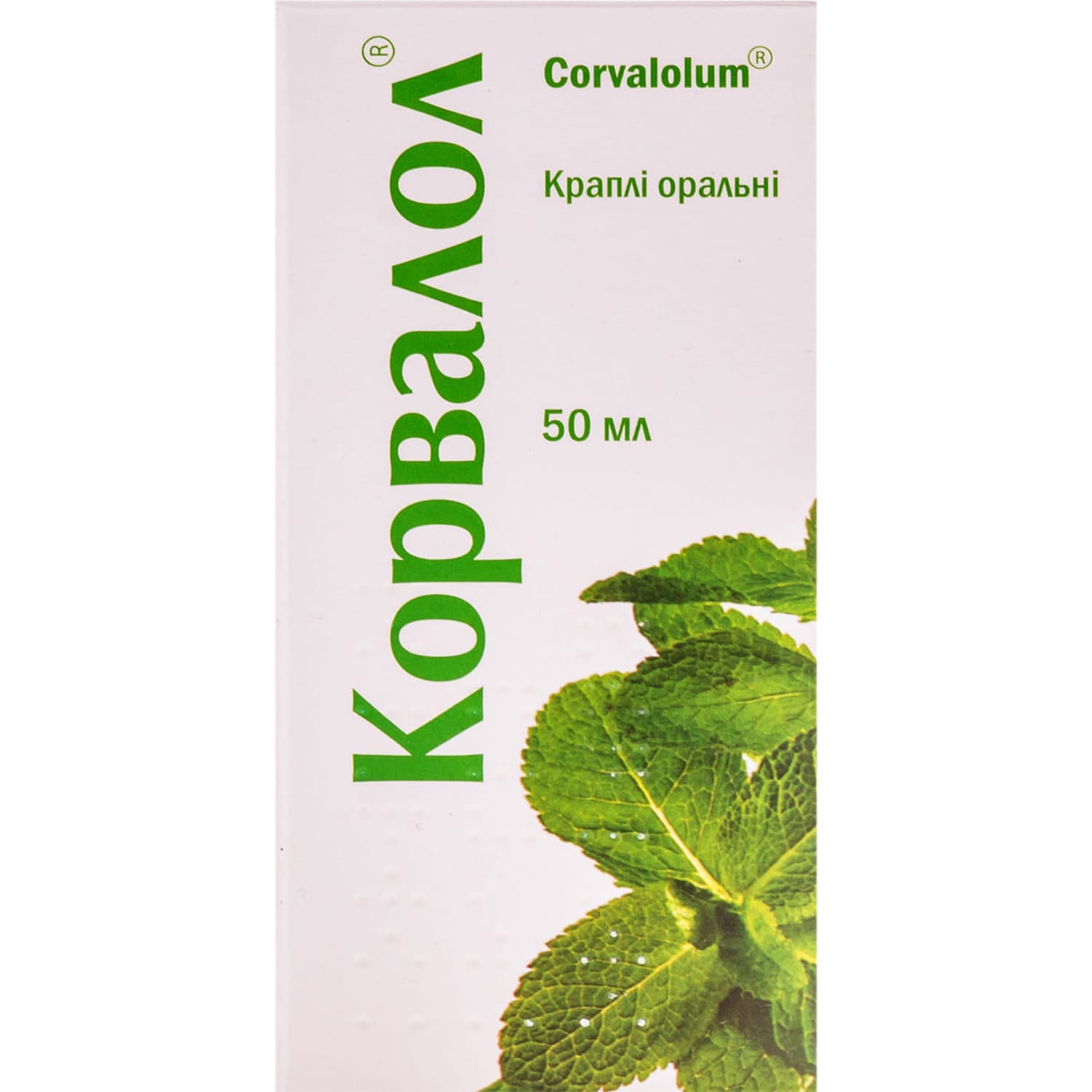
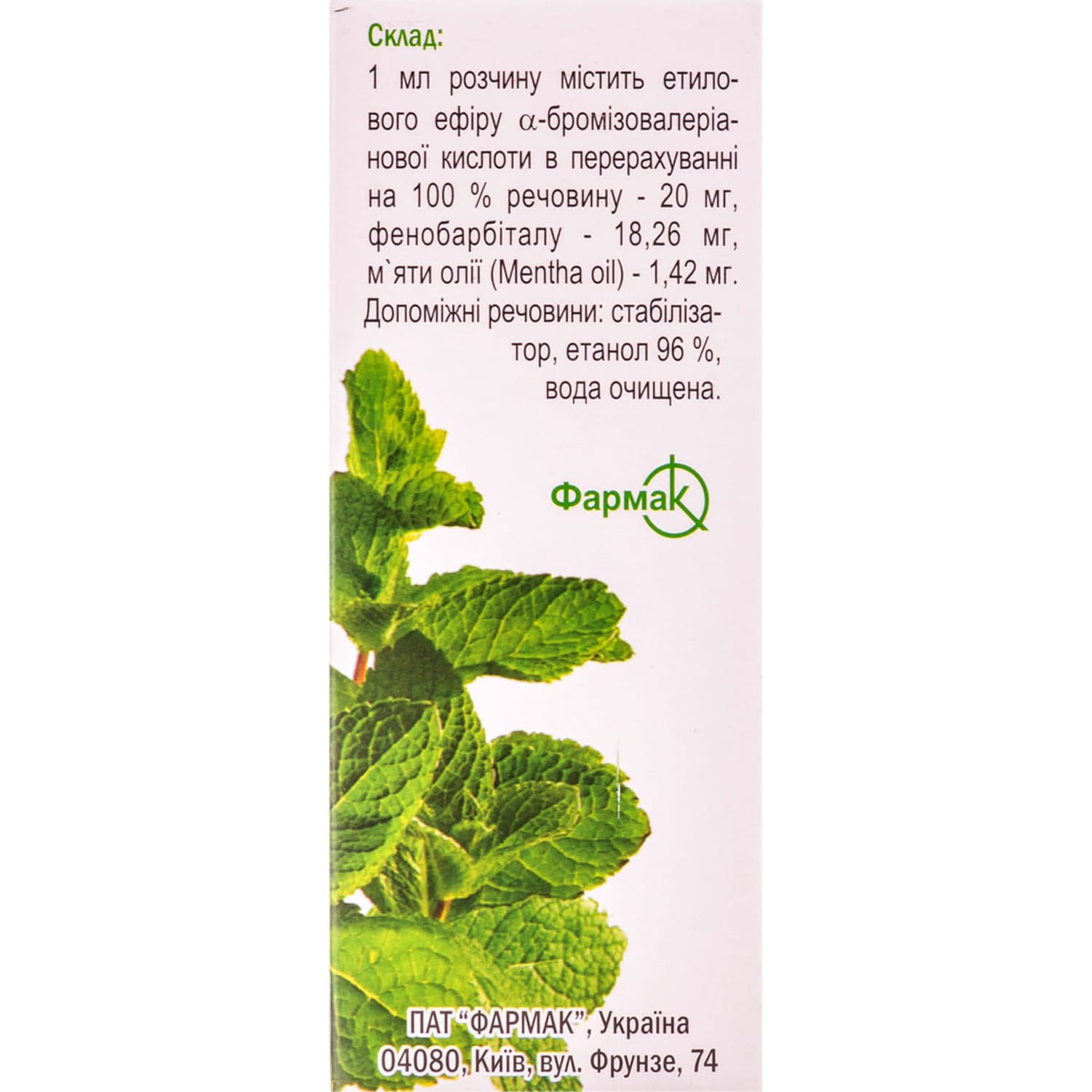


Please note: The product packaging may vary from the images shown. The contents, ingredients, and quality of the product remain unchanged.
Corvalol oral drops bottle 50 ml
$15.09 Original price was: $15.09.$13.69Current price is: $13.69.
Free Worldwide Shipping
to: Australia, Belgium, Canada, Czechia, Denmark, Estonia, Finland, Greece, Hungary, Ireland, Israel, Italy, Japan, Kuwait, Latvia, Lithuania, Mexico, Moldova, Netherlands, Norway, Poland, Romania, Slovakia, South Korea, Switzerland, United Kingdom, United States and more
In stock
Rated 5.00 out of 5 based on 2 customer ratings
(2 customer reviews)Corvalol provides calming and antispasmodic effects, helping reduce anxiety, irritability, insomnia, tachycardia and vascular spasms.
Categories: Nervous system
Brand: Farmak
Payment
PayPal, Debit or Credit card, Google Pay, Apple Pay
Pharmacological properties
Corvalol is a sedative and antispasmodic drug, the effect of which is determined by its components.
Ethyl ester of α-bromizovaleric acid has a reflex sedative and antispasmodic effect, caused by irritation mainly of the receptors of the oral cavity and nasopharynx, a decrease in reflex excitability in the central nervous system and an increase in inhibition phenomena in the neurons of the cortex and subcortical structures of the brain, as well as a decrease in the activity of central vascular centers and a direct local antispasmodic effect on vascular smooth muscle.
Phenobarbital inhibits the activating effect of the centers of the reticular formation of the medulla oblongata on the cortex of the cerebral hemispheres, thereby reducing the flow of excitatory effects on the cerebral cortex and subcortical structures. Reducing the activating effect causes, depending on the dose, sedative, tranquilizing or hypnotic effects. Corvalol reduces the excitatory effect on the vasomotor centers, coronary and peripheral vessels, reducing overall blood pressure, eliminating and preventing vascular spasms, especially cardiac.
Peppermint oil contains a large number of essential oils, including about 50% menthol and 4-9% menthol esters. They are able to irritate the “cold” receptors of the oral cavity and reflexively dilate mainly the vessels of the heart and brain, stopping spasms of smooth muscles, causing a calming and mild choleretic effect. Peppermint oil has an antiseptic, antispasmodic effect, the ability to eliminate the phenomena of flatulence. Irritating the receptors of the mucous membrane of the stomach and intestines, it enhances intestinal peristalsis.
When taken orally, absorption begins in the sublingual region, the bioavailability of the components is high (about 60-80%). The effect develops especially quickly (after 5-10 minutes) when kept in the mouth (sublingual absorption) or taken on a piece of sugar. The effect develops after 15-45 minutes and lasts for 3-6 hours. In people who have previously used barbituric acid preparations, the duration of action is reduced due to the accelerated metabolism of phenobarbital in the liver, where barbiturates cause enzyme induction. In the elderly and in patients with cirrhosis of the liver, the metabolism of Corvalol is reduced, so T ½ is prolonged in them, which requires a dose reduction and lengthening of the intervals between doses of the drug.
Indication
Neuroses with increased irritability; insomnia; in complex therapy for hypertension and vegetative-vascular dystonia; pronounced coronary spasms, tachycardia; intestinal spasms (as an antispasmodic drug).
Application
Corvalol is taken orally, regardless of meals, 2-3 times a day, 15-30 drops with water or on a piece of sugar. If necessary (pronounced tachycardia and spasm of coronary vessels), a single dose can be increased to 40-50 drops.
The duration of use of the drug is determined by the doctor depending on the clinical effect and tolerability of the drug.
Contraindication
Hypersensitivity to the components of the drug, bromine; severe liver and/or kidney dysfunction; hepatic porphyria; severe heart failure; pregnancy and breastfeeding.
Side effects
Corvalol is usually well tolerated. In some cases, side effects are possible:
- from the digestive tract: discomfort in the stomach and intestines, nausea;
- from the nervous system: drowsiness, mild dizziness, decreased concentration;
- from the immune system: allergic reactions;
- Cardiovascular system: slowing of heart rate.
These phenomena are eliminated with a decrease in dose.
With prolonged use, dependence on the drug and the phenomenon of bromism may occur. Symptoms: CNS depression, depression, apathy, rhinitis, conjunctivitis, acne, hemorrhagic diathesis, impaired coordination, confusion.
Special instructions
Simultaneous consumption of alcoholic beverages should be avoided.
Long-term use of the drug is not recommended due to the possible formation of dependence on the drug.
The drug should be prescribed with caution in cases of arterial hypotension.
Use during pregnancy and breastfeeding. Do not use during pregnancy and breastfeeding.
The ability to influence the reaction rate when driving or working with other mechanisms. The drug contains 58% alcohol by volume, as well as phenobarbital, which can cause impaired coordination and speed of psychomotor reactions, so caution should be exercised when taking the drug by persons working with mechanisms, drivers of vehicles, etc.
Children: There is no experience of use in children.
Interactions
Central depressant drugs enhance the effect of Corvalol. The presence of phenobarbital in the drug can induce liver enzymes, and this makes it undesirable to use it simultaneously with drugs that are metabolized in the liver (with coumarin derivatives, griseofulvin, glucocorticoids, oral contraceptives), since their effectiveness will decrease as a result of a higher level of metabolism. Corvalol enhances the effect of local anesthetics, analgesics and hypnotics, this is due to the content of barbituric acid derivatives.
When used simultaneously with valproic acid, its effect is enhanced.
When used simultaneously with methotrexate, its toxic effect is enhanced.
Alcohol enhances the effect of the drug and its toxicity.
Overdose
Possible with frequent or prolonged use of the drug, which is associated with the cumulation of its components. Long-term and constant use causes dependence, withdrawal syndrome, psychomotor agitation. Abrupt cessation of the drug may cause withdrawal syndrome.
Symptoms of overdose: CNS depression, confusion, dizziness, ataxia, drowsiness, almost to deep sleep. In severe cases of poisoning – respiratory failure, tachycardia, arrhythmia, decreased blood pressure, collapse, coma.
Treatment: symptomatic.
Storage conditions
In a place protected from light at a temperature not exceeding 25 ° C. Store out of the reach of children.
2 reviews for Corvalol oral drops bottle 50 ml
Add a review Cancel reply
You may also like


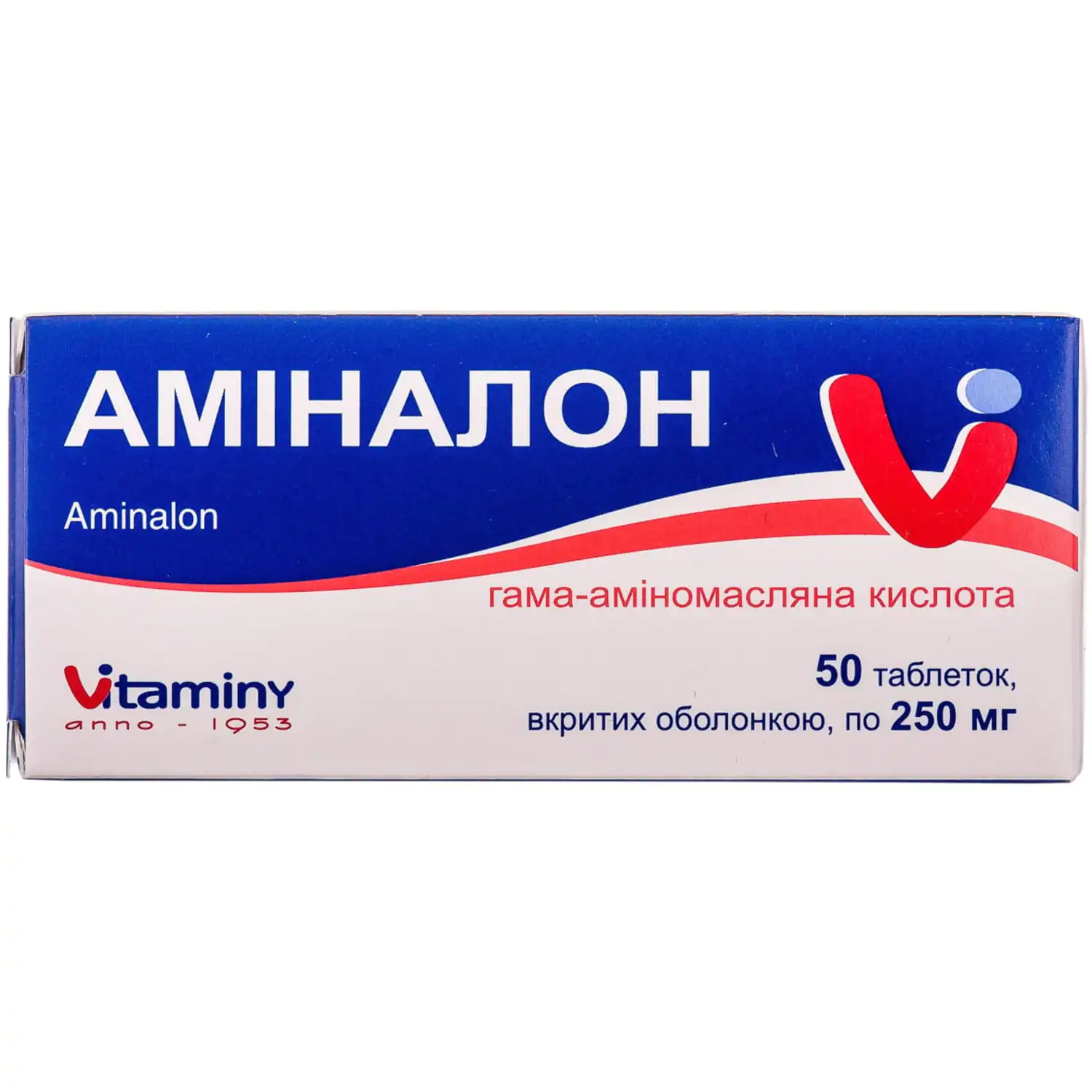
Elvis –
When I struggle with insomnia, I always take Corvalol. It works really well for me, especially since my demanding job often leaves me feeling stressed and anxious. I would recommend it to anyone who needs something to help them calm down.
Pros:
Effective calming drops
Eddy –
Corvalol has been my trusted remedy for many years. Whenever I feel stressed, my heart starts racing, or I have trouble falling asleep, a few drops help me relax and feel calmer. It also helps with high blood pressure and anxiety. It’s a time-tested product that I always keep on hand. I buy it from the ANC website because it’s convenient and offers great value.
Pros:
Works for a variety of everyday situations
Cons:
None