No products in the cart.
Decatylen Flu lozenges with flurbiprofen provide fast sore throat relief for adults and children 12+, reducing pain and inflammation for up to 6 hours max.

🇦🇺 Australia
🇨🇦 Canada
🇨🇿 Czechia
🇩🇰 Denmark
🇪🇪 Estonia
🇮🇪 Ireland
🇮🇱 Israel
🇮🇹 Italy
🇯🇵 Japan
🇲🇽 Mexico
🇵🇱 Poland
🇸🇰 Slovakia🇰🇷 South Korea
🇨🇭 Switzerland
🇬🇧 United Kingdom
🇺🇸 United States of America
and more
🇦🇺 Australia
🇨🇦 Canada
🇨🇿 Czechia
🇩🇰 Denmark
🇪🇪 Estonia
🇮🇪 Ireland
🇮🇱 Israel
🇮🇹 Italy
🇯🇵 Japan
🇲🇽 Mexico
🇵🇱 Poland
🇸🇰 Slovakia🇰🇷 South Korea
🇨🇭 Switzerland
🇬🇧 United Kingdom
🇺🇸 United States of America
and more
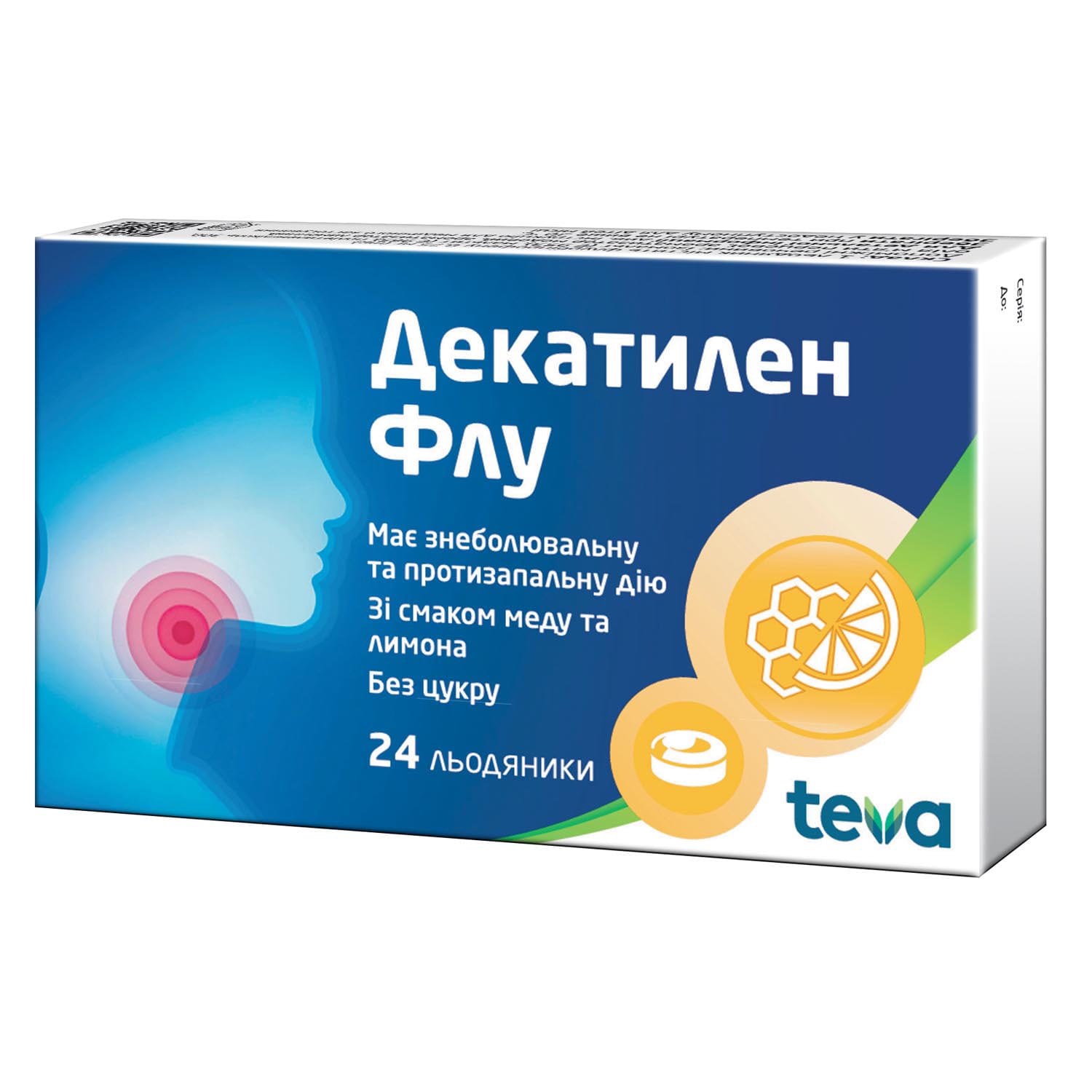
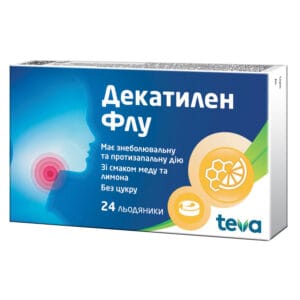
Please note: The product packaging may vary from the images shown. The contents, ingredients, and quality of the product remain unchanged.
$23.86
to: Australia, Canada, Czechia, Denmark, Estonia, Ireland, Israel, Italy, Japan, Mexico, Poland, Slovakia, South Korea, Switzerland, United Kingdom, United States and more
In stock
Decatylen Flu lozenges with flurbiprofen provide fast sore throat relief for adults and children 12+, reducing pain and inflammation for up to 6 hours max.
PayPal, Debit or Credit card, Google Pay, Apple Pay
Decatylen Flu is indicated for the short-term symptomatic relief of sore throat in adults and children aged 12 years and over.
Hypersensitivity reactions to NSAIDs have been reported and may include: non-specific allergic reactions and anaphylaxis; airway reactivity, e.g. bronchial asthma, exacerbation of bronchial asthma, bronchospasm, dyspnoea; various skin reactions, e.g. pruritus, urticaria, angioedema, and rarely exfoliative and bullous dermatoses (including epidermal necrolysis and erythema multiforme).
Events such as oedema, hypertension and heart failure have been reported with the use of NSAIDs. Clinical trials and epidemiological data suggest that the use of some NSAIDs (particularly long-term and at high doses) is associated with a slightly increased risk of arterial thrombotic events (e.g. myocardial infarction or stroke). There is insufficient data to exclude such a risk with flurbiprofen 8.75 mg lozenges.
To minimize undesirable effects, the lowest effective dose should be used for the shortest period necessary to relieve symptoms. It is not recommended to use the drug for more than 3 days. Lozenges should be sucked until completely dissolved. When sucking, the lollipop should be moved throughout the oral cavity to prevent irritation of the mucous membrane at the site of sucking.
Adults and children 12 years of age and older should take 1 lozenge every 3–6 hours until pain is relieved. The maximum daily dose is 5 lozenges.
Flurbiprofen should not be used during the first two trimesters of pregnancy unless clearly necessary. If flurbiprofen is used by a woman attempting to conceive or during the first and second trimesters of pregnancy, the lowest possible dose should be used for the shortest duration possible.
Flurbiprofen is contraindicated during the third trimester of pregnancy.
In some studies, flurbiprofen has been found in breast milk at very low concentrations. It is unlikely that it will have any negative effects on the breastfed infant. However, due to the possible occurrence of adverse effects of NSAIDs in breastfed infants, the use of Decatylen Flu in breastfeeding women is not recommended.
Do not use in children under 12 years of age.
Studies on the ability to influence the reaction rate when driving vehicles or other mechanisms have not been conducted.
Symptoms. In most patients, the use of clinically significant amounts of NSAIDs caused only nausea, vomiting, epigastric pain or, less commonly, diarrhea. Tinnitus, headache and gastrointestinal bleeding may also occur. In more severe poisoning, CNS toxicity may occur in the form of drowsiness, sometimes agitation, visual disturbances, disorientation or coma. Sometimes patients develop convulsions. In severe poisoning, metabolic acidosis and an increase in prothrombin time/INR (International Normalized Ratio) may occur, presumably due to interaction with circulating clotting factors. Acute renal failure and liver damage may occur. In patients with bronchial asthma, its course may be exacerbated.
Treatment. Treatment should be symptomatic and supportive, and include maintaining a patent airway and monitoring cardiac function and vital signs until the patient’s condition is normal. Activated charcoal or gastric lavage may be used and, if necessary, correction of serum electrolyte balance if less than 1 hour has passed since the administration of a potentially toxic dose of the drug. In case of frequent or prolonged seizures, treatment should be carried out with intravenous diazepam or lorazepam. In case of bronchial asthma, bronchodilators should be used. There is no specific antidote to flurbiprofen.
Store at a temperature not exceeding 30 ° C. Keep out of the reach of children.

UApothecary combines medicine search, online ordering, and pharmaceutical consultations. We provide up-to-date information about medications, updating data several times a day. We collaborate with doctors, pharmacists, and medical organizations to offer professional support. We guarantee the quality of medicines and convenient worldwide delivery. Our mission is to make quality medicines accessible to everyone.
This site is protected by reCAPTCHA and the Google
Privacy Policy and
Terms of Service apply.