
🇦🇺 Australia
🇧🇪 Belgium
🇨🇦 Canada
🇨🇿 Czechia
🇩🇰 Denmark
🇪🇪 Estonia
🇫🇮 Finland
🇬🇷 Greece
🇭🇺 Hungary
🇮🇪 Ireland
🇮🇱 Israel
🇮🇹 Italy
🇯🇵 Japan
🇰🇼 Kuwait
🇱🇻 Latvia
🇱🇹 Lithuania
🇲🇽 Mexico
🇲🇩 Moldova
🇳🇱 Netherlands
🇳🇴 Norway
🇵🇱 Poland
🇷🇴 Romania
🇸🇰 Slovakia
🇰🇷 South Korea
🇨🇭 Switzerland
🇬🇧 United Kingdom
🇺🇸 United States of America
and more
🇦🇺 Australia
🇧🇪 Belgium
🇨🇦 Canada
🇨🇿 Czechia
🇩🇰 Denmark
🇪🇪 Estonia
🇫🇮 Finland
🇬🇷 Greece
🇭🇺 Hungary
🇮🇪 Ireland
🇮🇱 Israel
🇮🇹 Italy
🇯🇵 Japan
🇰🇼 Kuwait
🇱🇻 Latvia
🇱🇹 Lithuania
🇲🇽 Mexico
🇲🇩 Moldova
🇳🇱 Netherlands
🇳🇴 Norway
🇵🇱 Poland
🇷🇴 Romania
🇸🇰 Slovakia
🇰🇷 South Korea
🇨🇭 Switzerland
🇬🇧 United Kingdom
🇺🇸 United States of America
and more
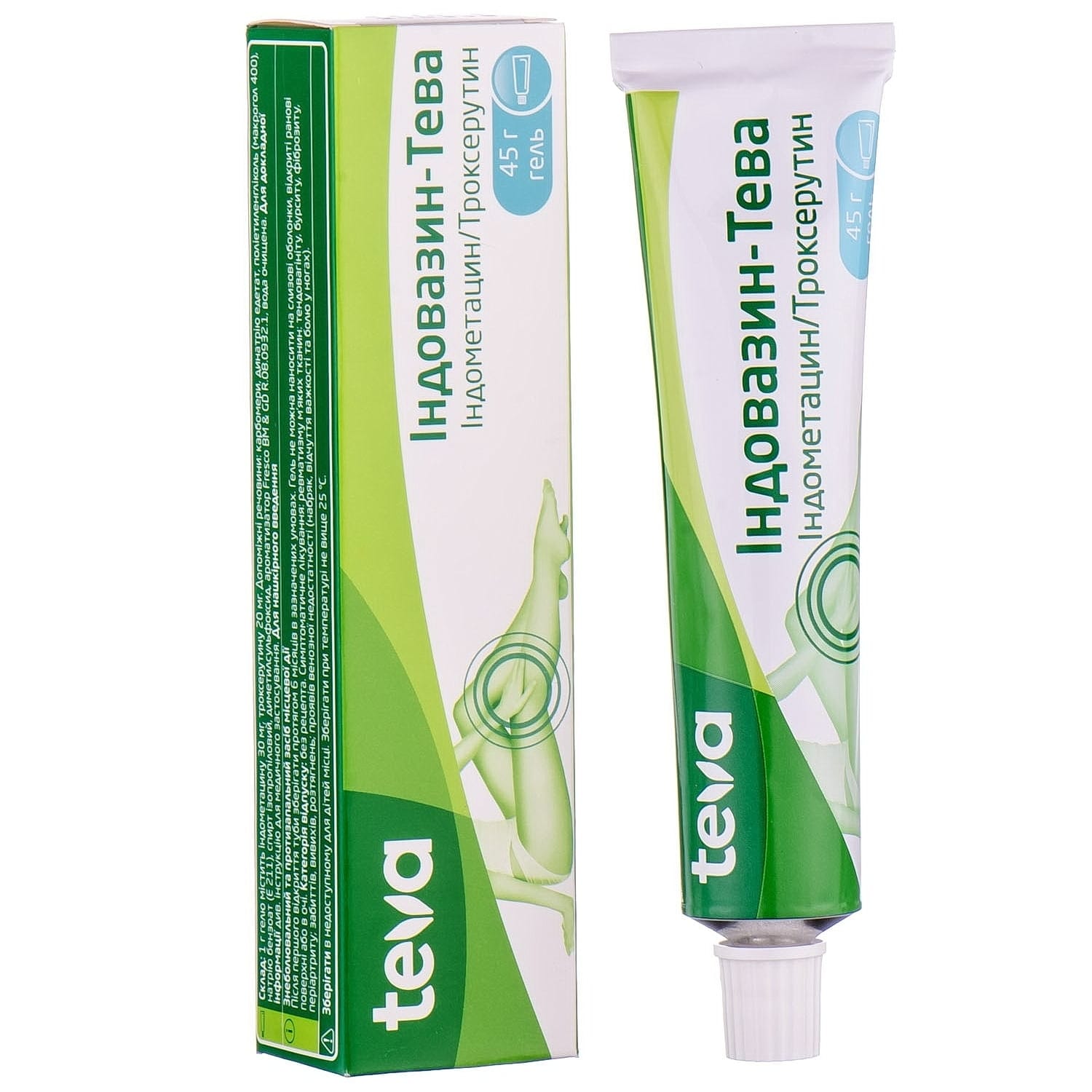
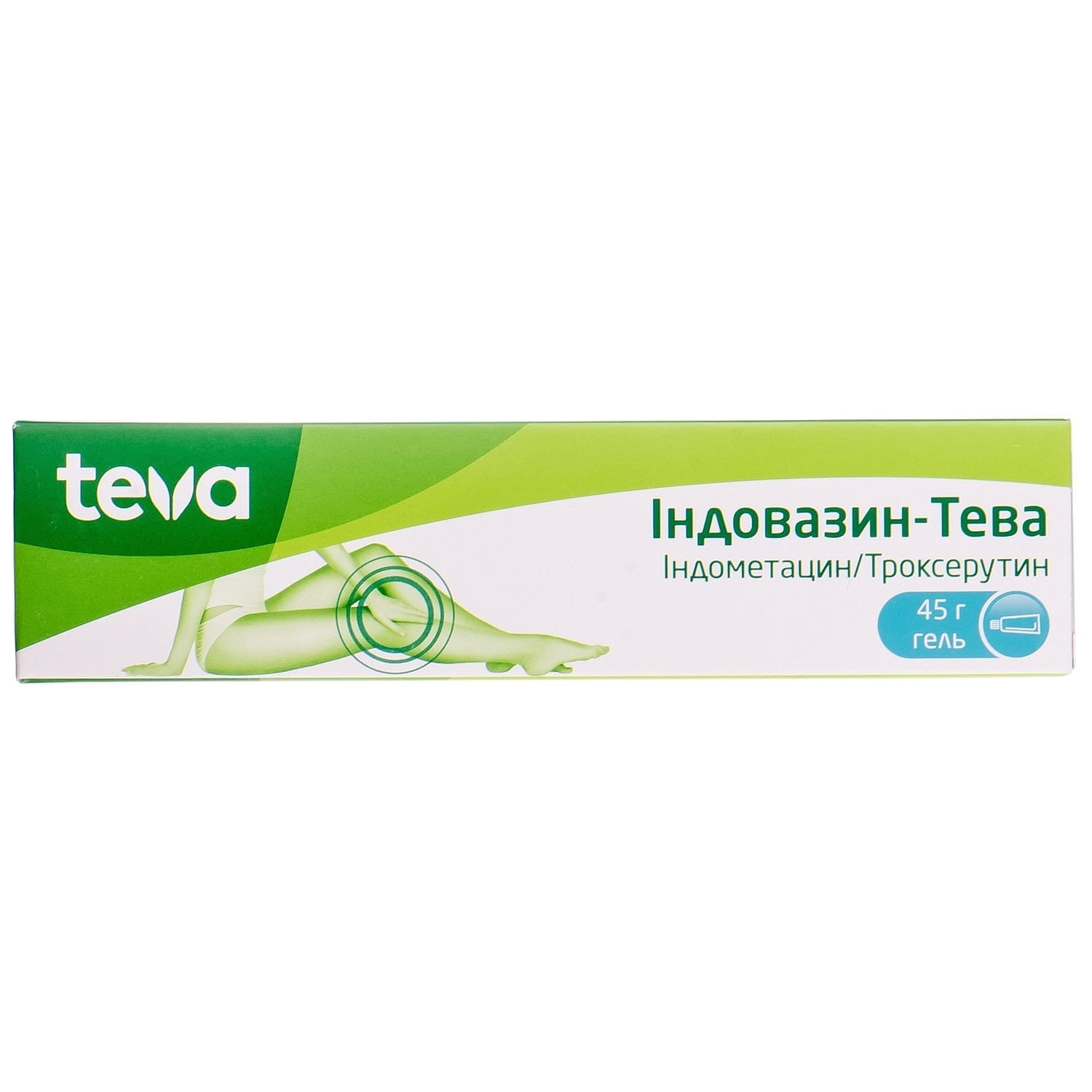
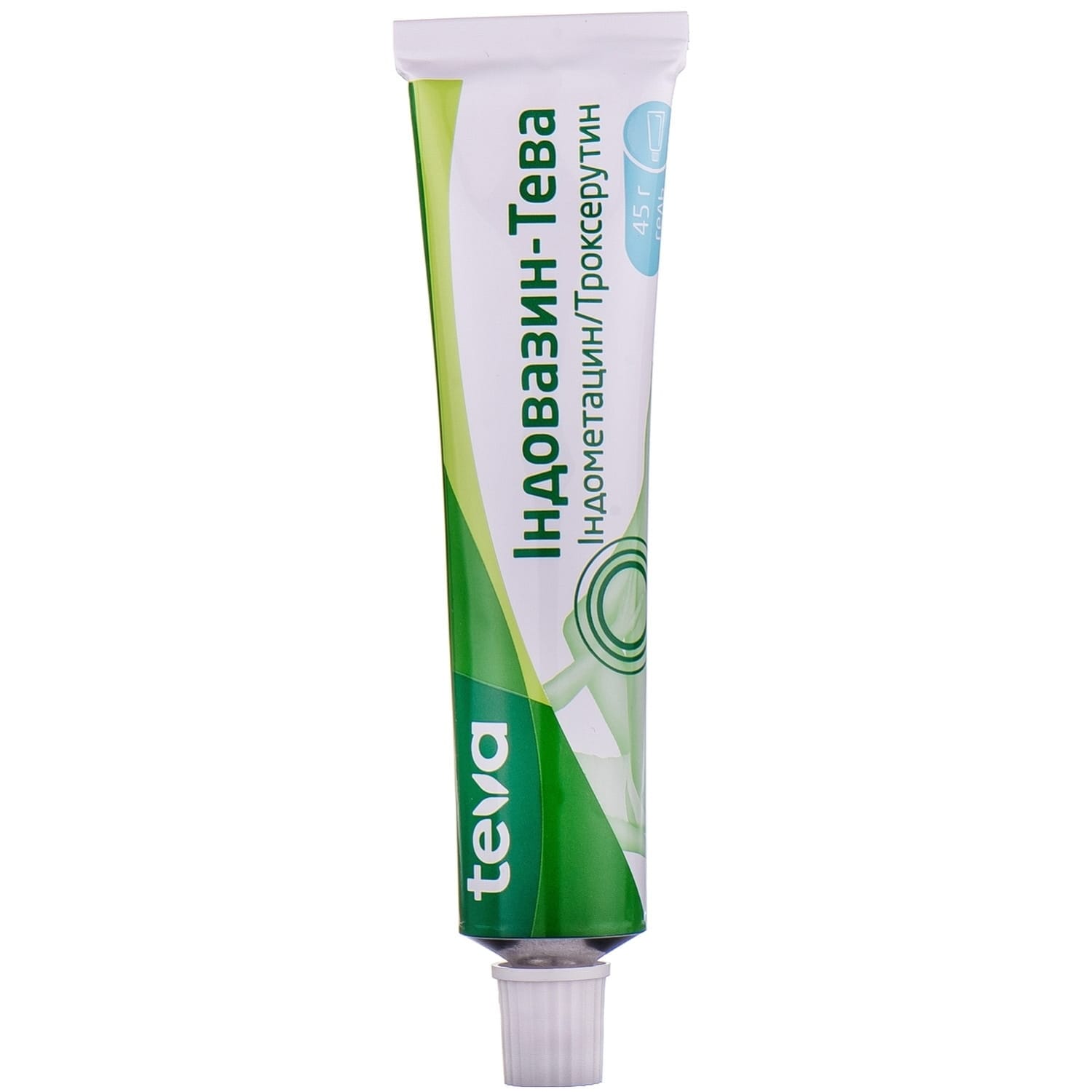
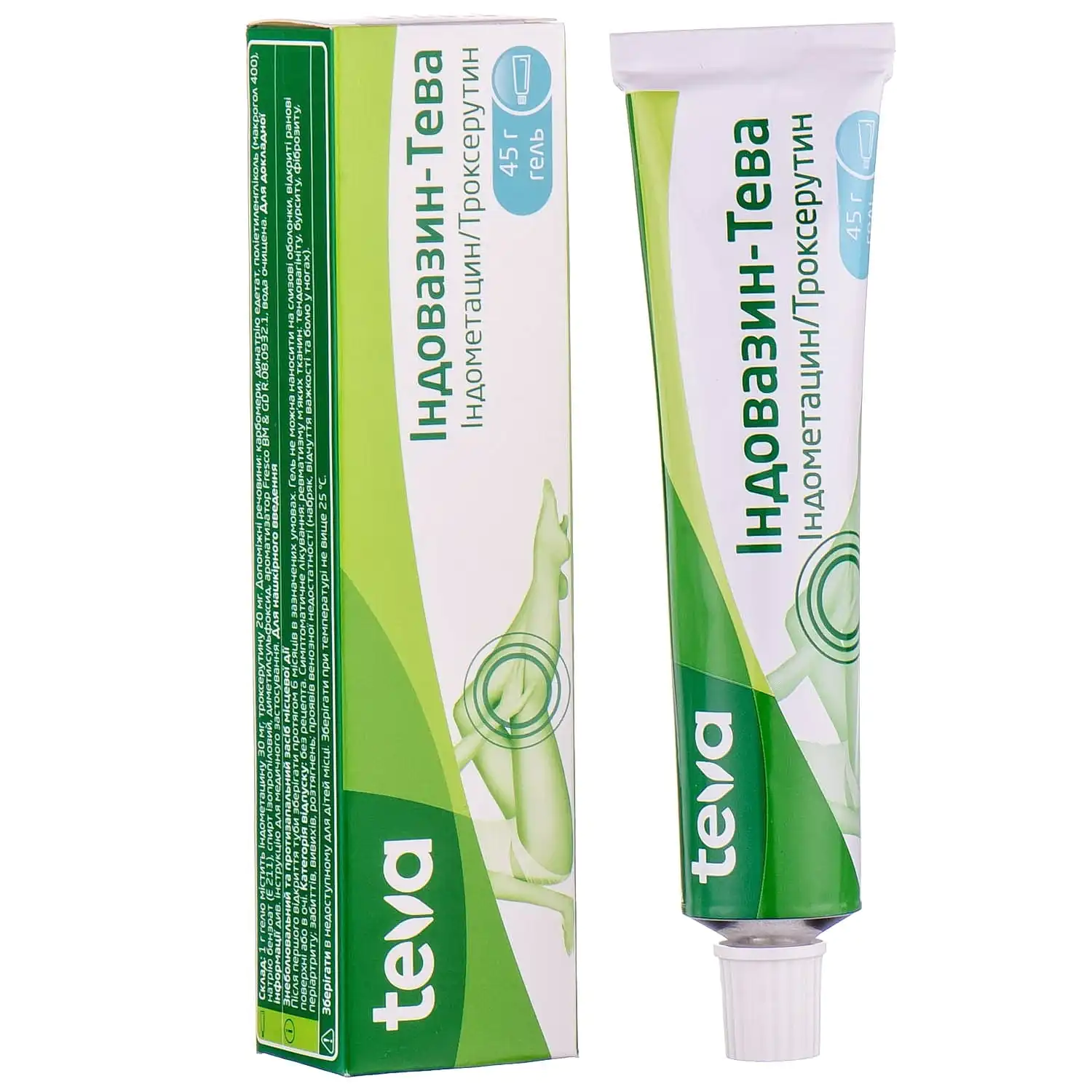
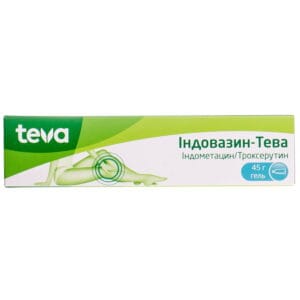
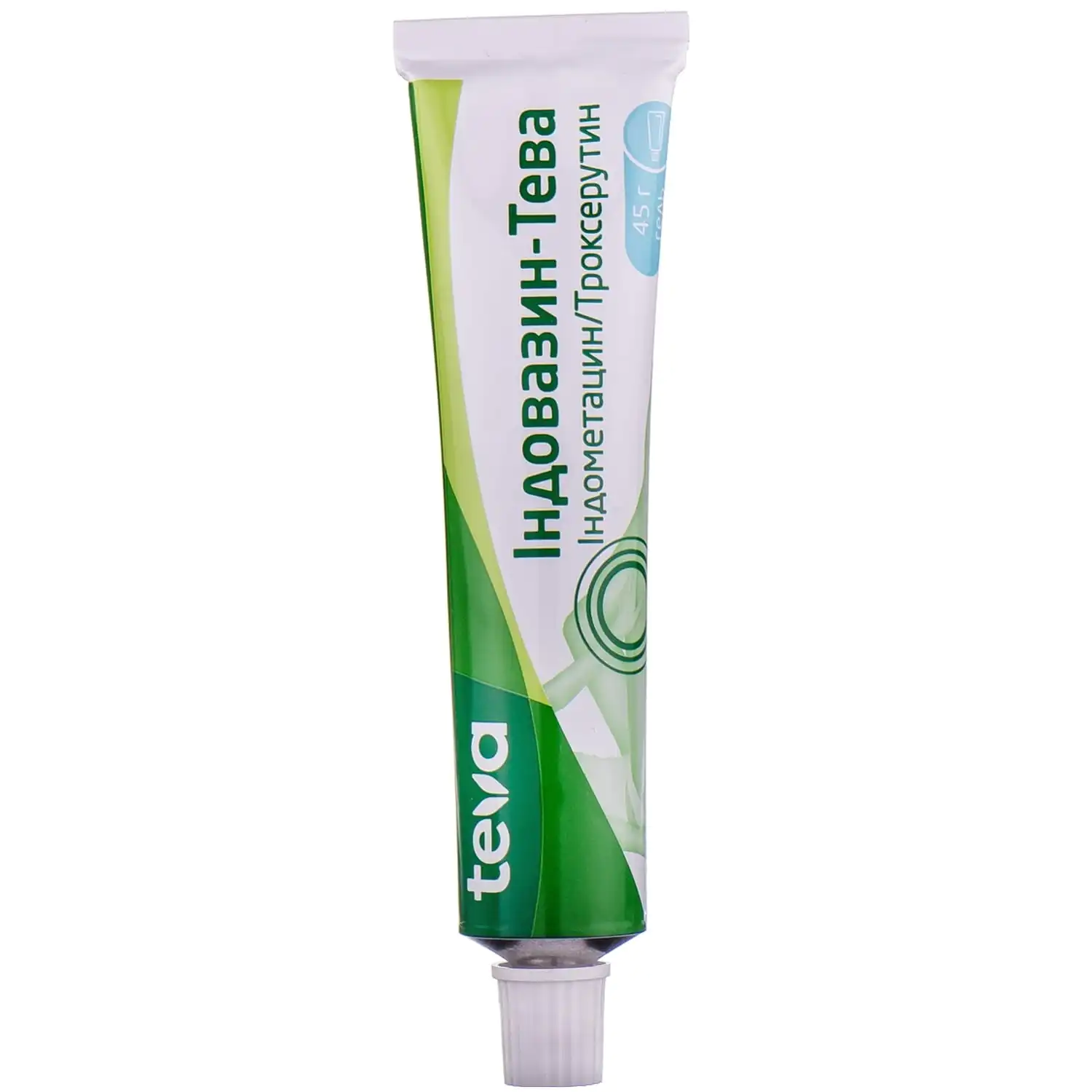
Indovasin Teva gel tube 45 g
$21.06
Free Worldwide Shipping
to: Australia, Belgium, Canada, Czechia, Denmark, Estonia, Finland, Greece, Hungary, Ireland, Israel, Italy, Japan, Kuwait, Latvia, Lithuania, Mexico, Moldova, Netherlands, Norway, Poland, Romania, Slovakia, South Korea, Switzerland, United Kingdom, United States and more
🏖️ Hello! We are on vacation!
We are still accepting orders on our website; however, order processing and shipping will resume after September 10. If you place an order during our vacation, we will contact you and remind you about the temporary shipping delay. Starting September 10, all orders received during this period will be processed and shipped in the order they were placed. If your order contains a product with less than one year remaining before its expiration date, we will notify you after September 10 and proceed according to your instructions. If you decide to cancel an order placed during our vacation, simply contact us through the contact form on our website, and we will be happy to assist you. Thank you for your understanding, and we apologize for any inconvenience caused.
In stock
Indovasin gel with indomethacin and troxerutin relieves pain, inflammation, and swelling in joints and muscles, improving mobility and recovery.
Payment
PayPal, Debit or Credit card, Google Pay, Apple Pay
Orders Temporarily Unavailable
Due to temporary postal service disruptions, we are currently unable to accept orders.
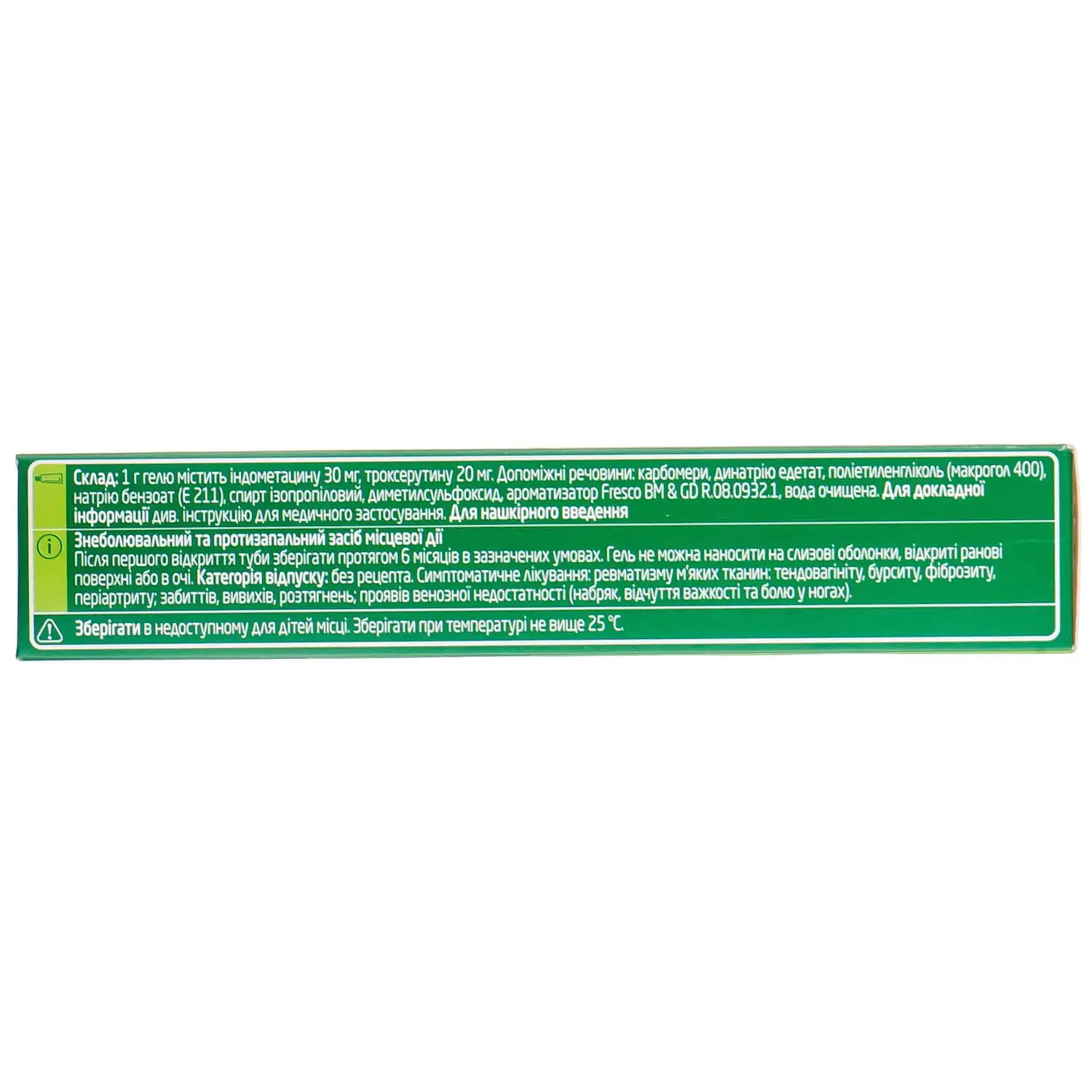
Composition and form of release
Composition
active ingredients: indomethacin, troxerutin;
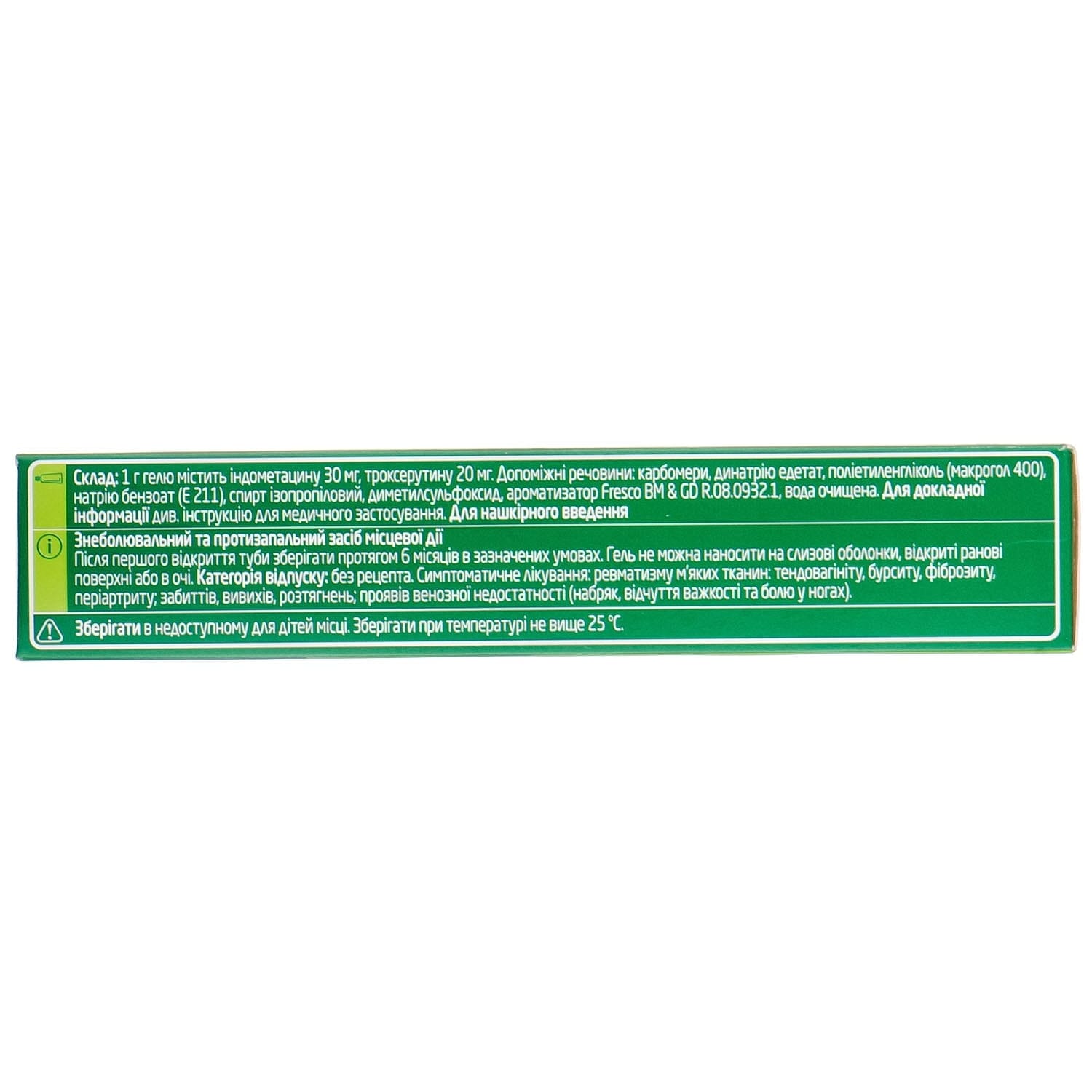
1 g of gel contains indomethacin 30 mg, troxerutin 20 mg;
excipients: carbomers, disodium edetate, polyethylene glycol (macrogol 400), sodium benzoate (E 211), isopropyl alcohol, dimethyl sulfoxide, Fresco BM & GD R.08.0932.1 flavoring, purified water.
Release form
Gel.
Pharmacological properties
Indovasin is a combined medicinal product, which includes indomethacin and troxerutin. Indomethacin exhibits a pronounced anti-inflammatory, analgesic and anti-edematous effect. Its use leads to the elimination of pain, reduction of edema and shortening of the time of functional rehabilitation in case of damage to joints and tissues. The mechanism of action is associated with the inhibition of prostaglandin synthesis by reversible blockade of COX. Indomethacin has a more pronounced anti-inflammatory effect compared to salicylates and phenylbutazone.
Troxerutin (trihydroxyethylrutinoside) is a bioflavonoid. It belongs to angioprotective agents. Troxerutin reduces capillary permeability and exhibits a venotonic effect. Blocks the venodilating effect of histamine, bradykinin and acetylcholine. Has an anti-inflammatory effect on perivenous tissue, reduces capillary fragility and exhibits a certain antiplatelet effect. Reduces edema, improves trophism in pathological changes associated with venous insufficiency.
When applied to the skin, Indovasin suppresses inflammatory and edema reactions, eliminates pain and temperature in the foci of inflammation (externally and in deep tissues, reaching blood vessels). It has a venotonic, capillary-protective and hemostatic effect.
The gel base of the drug promotes complete solubility of the active ingredients and their maximum release. The dosage form in the form of a gel, which includes indomethacin and troxerutin, provides good absorption from the skin surface and therapeutic effect at different levels, creating the necessary concentrations in inflamed tissues and synovial fluid.
Indomethacin is more than 90% bound to plasma proteins and undergoes extensive biotransformation in the liver by O-demethylation and N-deacetylation to inactive compounds.
Troxerutin is a mixture of hydroxyethyl derivatives of the bioflavonoid rutin (O-(B-hydroxyethyl) rutosides), in which trihydroxyethyl rutoside (troxerutin) predominates.
Indomethacin is excreted in urine (60%), bile and feces (30%). Penetrates into breast milk, therefore, the use of Indomethacin during breastfeeding is not recommended.
Most of the absorbed tri-, di- and monohydroxyethylrutosides are excreted in the bile, a much smaller part is excreted by the kidneys. Tetrahydroxyethylrutoside is excreted mainly in the urine.
Indication
Bruises, sprains, dislocations, hematomas, swelling, myositis, neuralgia, lumbago, sciatica, radiculitis, osteochondrosis, arthritis, joint pain.
Application
Applied externally: 4-5 cm of gel is applied 3-4 times a day in a thin layer to the affected areas with light massage movements. The total daily dose should not exceed 20 cm. The duration of treatment is no more than 10 days.
Contraindication
Hypersensitivity to the components of the drug; hypersensitivity to NSAIDs.
Side effects
In rare cases, skin irritation reactions in the form of hyperemia, itching, and skin rashes are observed, which quickly disappear after discontinuation of the drug.
Special instructions
Indomethacin is not recommended for use in children under 14 years of age due to lack of sufficient clinical experience.
It is not recommended to prescribe the drug to patients with a history of or proven hypersensitivity to food and medications; in the presence of asthma, allergic rhinitis, or other allergies.
Indovasin should be applied only to intact skin. Avoid contact of the gel with mucous membranes, open wound surfaces and eyes.
If the duration of treatment exceeds 10 days, it is necessary to conduct laboratory monitoring of the leukocyte and platelet blood counts.
The drug contains sodium benzoate and propylene glycol, which may cause skin irritation.
Use during pregnancy or breastfeeding
There is no clinical experience regarding the safety of the drug during pregnancy or breastfeeding. The drug should not be used during pregnancy.
Due to the fact that indomethacin passes into breast milk, the drug should not be used during breastfeeding.
Ability to influence reaction speed when driving vehicles or other mechanisms
No effect.
Interactions
The drug should not be used together with other NSAIDs (potentiation of the effect) and corticosteroids (potentiation of their ulcerogenic effect is possible).
Overdose
No cases of overdose with topical application of the drug have been recorded.
With prolonged treatment (more than 10 days), systemic effects may occur – hepatotoxicity, severe headache, hemorrhages. Monitoring of leukocyte and platelet counts is necessary.
If Indovasin is accidentally swallowed, a burning sensation in the mouth, salivation, nausea, vomiting may occur. In such cases, it is necessary to rinse the mouth and stomach, and if necessary, carry out symptomatic treatment.
In case of contact with eyes, mucous membranes and open wounds, local irritation is observed – tearing, redness, burning, pain. Necessary measures to eliminate the consequences – washing the areas of accidental contact with the drug with a large amount of distilled water or saline until the above symptoms disappear or decrease.
Storage conditions
In a dry place in tightly closed original packaging at a temperature not exceeding 25 °C.
You may also like



Reviews
There are no reviews yet.