
🇦🇺 Australia
🇧🇪 Belgium
🇨🇦 Canada
🇨🇿 Czechia
🇩🇰 Denmark
🇪🇪 Estonia
🇫🇮 Finland
🇬🇷 Greece
🇭🇺 Hungary
🇮🇪 Ireland
🇮🇱 Israel
🇮🇹 Italy
🇯🇵 Japan
🇰🇼 Kuwait
🇱🇻 Latvia
🇱🇹 Lithuania
🇲🇽 Mexico
🇲🇩 Moldova
🇳🇱 Netherlands
🇳🇴 Norway
🇵🇱 Poland
🇷🇴 Romania
🇸🇰 Slovakia
🇰🇷 South Korea
🇨🇭 Switzerland
🇬🇧 United Kingdom
🇺🇸 United States of America
and more
🇦🇺 Australia
🇧🇪 Belgium
🇨🇦 Canada
🇨🇿 Czechia
🇩🇰 Denmark
🇪🇪 Estonia
🇫🇮 Finland
🇬🇷 Greece
🇭🇺 Hungary
🇮🇪 Ireland
🇮🇱 Israel
🇮🇹 Italy
🇯🇵 Japan
🇰🇼 Kuwait
🇱🇻 Latvia
🇱🇹 Lithuania
🇲🇽 Mexico
🇲🇩 Moldova
🇳🇱 Netherlands
🇳🇴 Norway
🇵🇱 Poland
🇷🇴 Romania
🇸🇰 Slovakia
🇰🇷 South Korea
🇨🇭 Switzerland
🇬🇧 United Kingdom
🇺🇸 United States of America
and more

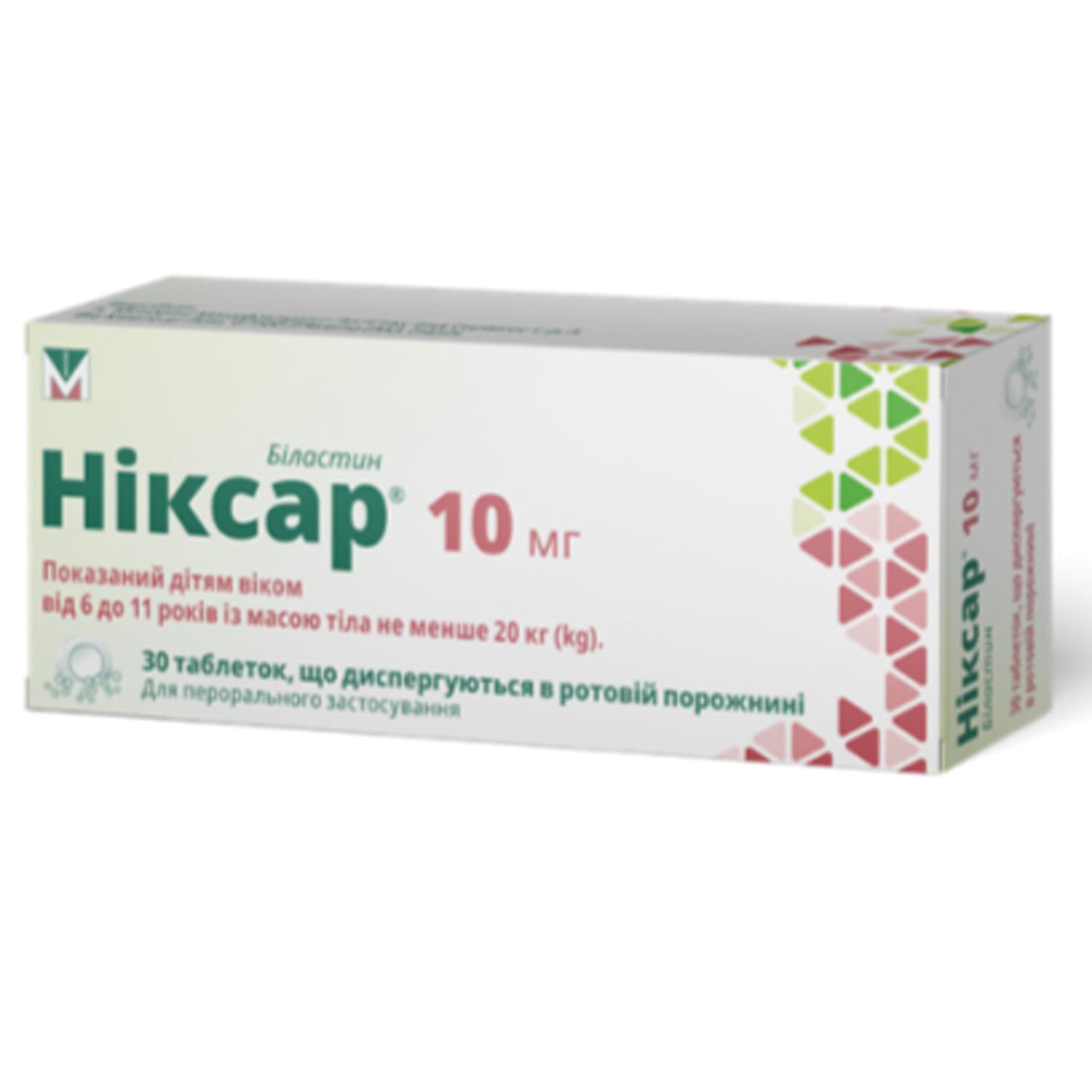
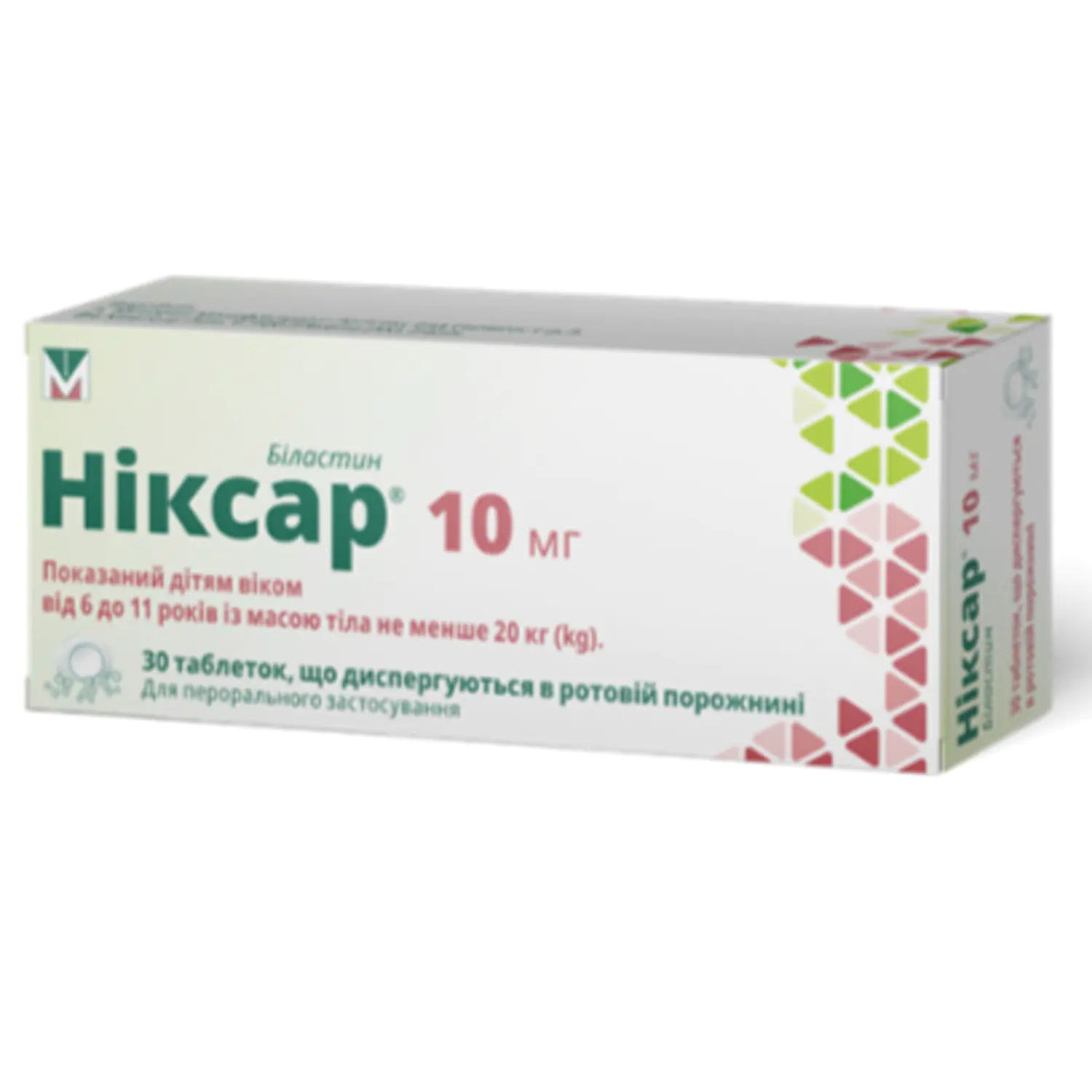
Please note: The product packaging may vary from the images shown. The contents, ingredients, and quality of the product remain unchanged.
Nixar 10 mg orodispersible tablets 10 mg 30 pcs.
$32.57
Free Worldwide Shipping
to: Australia, Belgium, Canada, Czechia, Denmark, Estonia, Finland, Greece, Hungary, Ireland, Israel, Italy, Japan, Kuwait, Latvia, Lithuania, Mexico, Moldova, Netherlands, Norway, Poland, Romania, Slovakia, South Korea, Switzerland, United Kingdom, United States and more
🏖️ Hello! We are on vacation!
We are still accepting orders on our website; however, order processing and shipping will resume after September 10. If you place an order during our vacation, we will contact you and remind you about the temporary shipping delay. Starting September 10, all orders received during this period will be processed and shipped in the order they were placed. If your order contains a product with less than one year remaining before its expiration date, we will notify you after September 10 and proceed according to your instructions. If you decide to cancel an order placed during our vacation, simply contact us through the contact form on our website, and we will be happy to assist you. Thank you for your understanding, and we apologize for any inconvenience caused.
In stock
Nixar 10 mg bilastine orodispersible tablets relieve allergic rhinitis and urticaria symptoms with convenient dosing, safety guidance and fast absorption.
Payment
PayPal, Debit or Credit card, Google Pay, Apple Pay
Nixar is an antihistamine for systemic use.
Indications for use
- symptomatic treatment of allergic rhinoconjunctivitis and urticaria.
Warehouse
- 1 orodispersible tablet contains bilastine 10 mg;
- excipients: mannitol, croscarmellose sodium, sodium stearyl fumarate, sucralose (E 955), red grape flavoring (main components: gum arabic, ethyl butyrate, triacetin, methyl anthranilate, ethanol, D-limonene, linalool).
Contraindication
Hypersensitivity to the active substance or to any of the excipients listed in the “Composition” section.
Method of application
Oral use.
The orodispersible tablet should be placed in the mouth where it will disperse rapidly in saliva and be easily swallowed. Alternatively, the orodispersible tablet may be dispersed in water before use. Grapefruit juice or any other fruit juice should not be used for dispersion.
Dosage.
Pediatric population.
Children aged 6 to 11 years with a body weight of at least 20 kg. 10 mg bilastine (1 orodispersible tablet) once daily for the relief of symptoms of allergic rhinoconjunctivitis (seasonal allergic rhinitis and perennial allergic rhinitis) and urticaria. The orodispersible tablet should be taken 1 hour before or 2 hours after a meal or fruit juice.
Children under 6 years of age with a body weight of up to 20 kg: Bilastine should not be used in this age group.
Adults and adolescents (aged 12 years and over) can use bilastine 20 mg tablets.
Application features
Paediatric population: Since the efficacy and safety of bilastine in children under 2 years of age have not been established and there is limited clinical experience in children aged 2 to 5 years, bilastine should not be administered to these age groups.
In patients with moderate or severe renal impairment, concomitant use of bilastine with P-glycoprotein inhibitors, such as ketoconazole, erythromycin, cyclosporine, ritonavir or diltiazem, may lead to increased plasma levels of bilastine and therefore an increased risk of adverse reactions. Therefore, concomitant use of bilastine and P-glycoprotein inhibitors should be avoided in patients with moderate or severe renal impairment.
Pregnant women
For safety reasons, it is advisable to avoid taking Nixar® 10 mg during pregnancy.
Children
Since the efficacy and safety of bilastine in children under 2 years of age have not been established, and clinical experience in children aged 2 to 5 years is limited, bilastine should not be administered to these age groups.
Drivers
A study conducted in adults to assess the effects of bilastine on driving ability demonstrated that treatment with bilastine 20 mg did not affect driving ability. However, as individual response to the drug may vary, patients should be advised to refrain from driving or operating machinery until their own response to bilastine is known.
Overdose
There are no data on overdose in children.
Information on acute overdose with bilastine was obtained from clinical trials conducted during the development in adults and from post-marketing surveillance. In clinical trials, after administration of bilastine to 26 healthy adult volunteers at doses exceeding the therapeutic dose by 10-11 times (220 mg as a single dose or 200 mg daily for 7 days), the incidence of adverse reactions was twice as high as with placebo. The most commonly reported adverse reactions were dizziness, headache and nausea. There were no reports of serious adverse reactions and no significant prolongation of the QTc interval. The information collected during post-marketing surveillance is consistent with the data obtained during clinical trials.
Side effects
Infectious and parasitic diseases – rhinitis.
Nervous system disorders – headache, dizziness, loss of consciousness.
Disorders of the organs of vision – allergic conjunctivitis, eye irritation.
Gastrointestinal disorders – abdominal pain/upper abdominal pain, diarrhea, nausea.
Skin and subcutaneous tissue disorders – eczema, urticaria, lip swelling.
Storage conditions
No special storage conditions are required.
You may also like

Reviews
There are no reviews yet.