No products in the cart.
Valacyclovir Hetero 500 mg tablets are an antiviral for herpes infections, shingles, CMV prevention and suppression of recurrent HSV transmission.

🇦🇺 Australia
🇨🇦 Canada
🇨🇿 Czechia
🇩🇰 Denmark
🇪🇪 Estonia
🇮🇪 Ireland
🇮🇱 Israel
🇮🇹 Italy
🇯🇵 Japan
🇲🇽 Mexico
🇵🇱 Poland
🇸🇰 Slovakia🇰🇷 South Korea
🇨🇭 Switzerland
🇬🇧 United Kingdom
🇺🇸 United States of America
and more
🇦🇺 Australia
🇨🇦 Canada
🇨🇿 Czechia
🇩🇰 Denmark
🇪🇪 Estonia
🇮🇪 Ireland
🇮🇱 Israel
🇮🇹 Italy
🇯🇵 Japan
🇲🇽 Mexico
🇵🇱 Poland
🇸🇰 Slovakia🇰🇷 South Korea
🇨🇭 Switzerland
🇬🇧 United Kingdom
🇺🇸 United States of America
and more
$17.59 Original price was: $17.59.$15.99Current price is: $15.99.
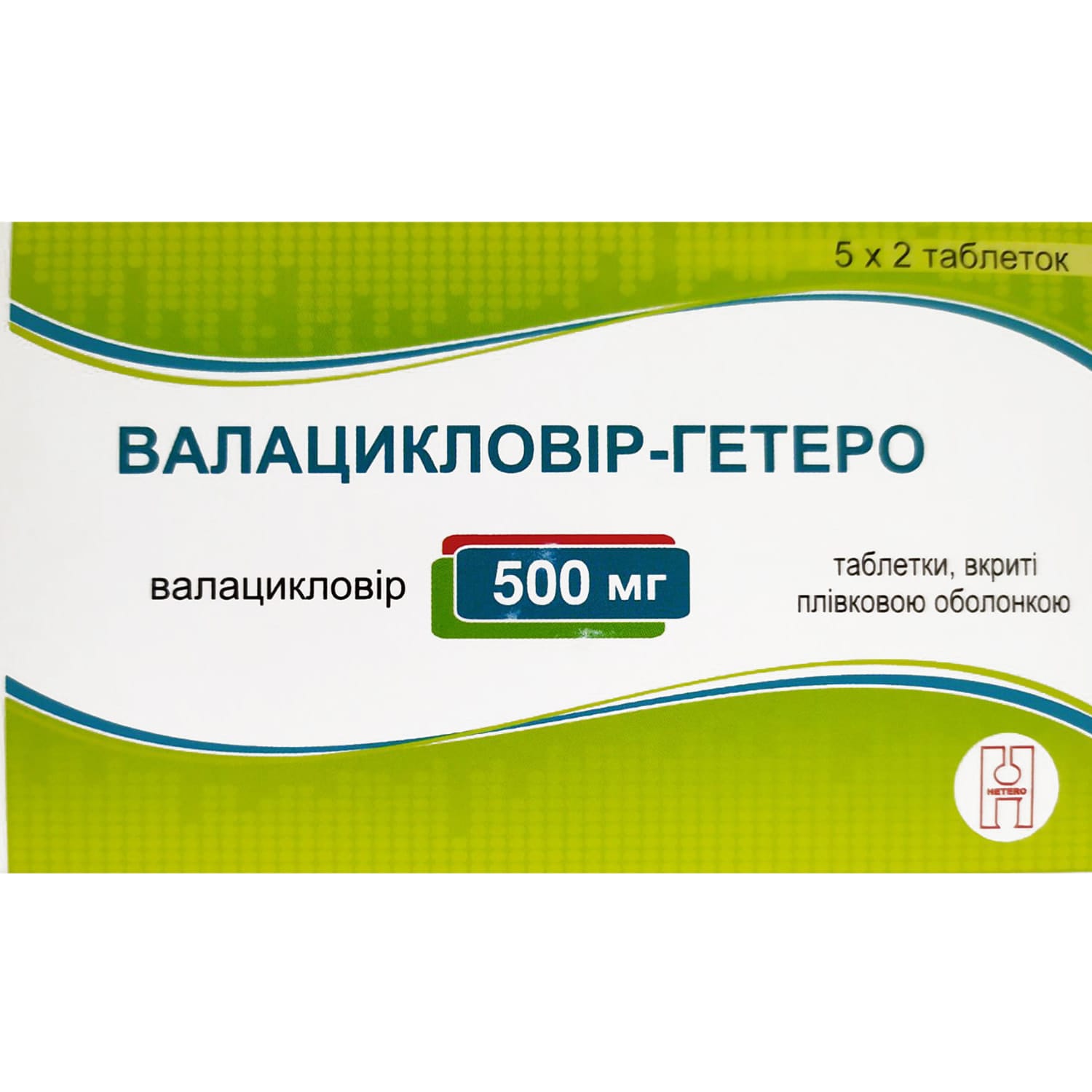
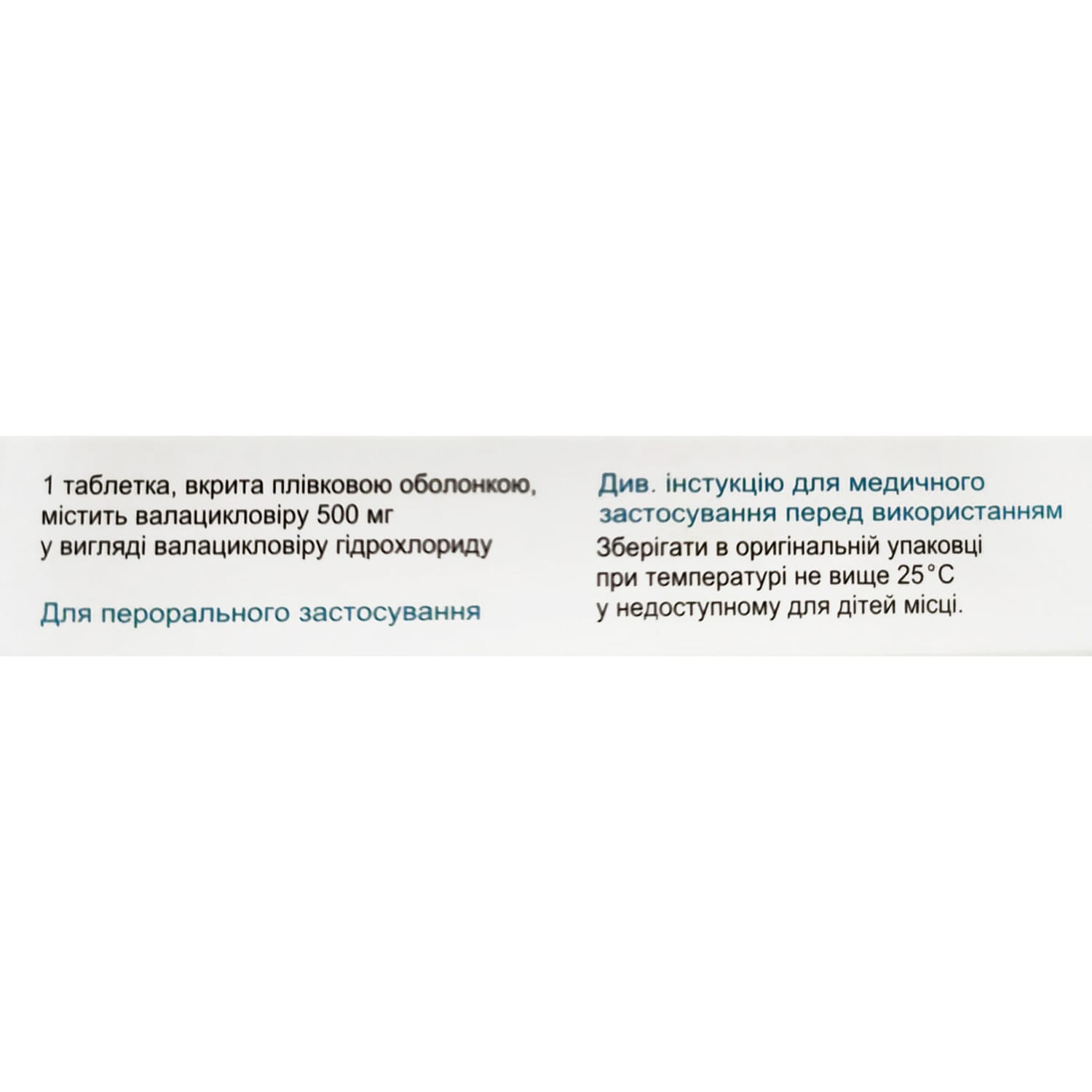
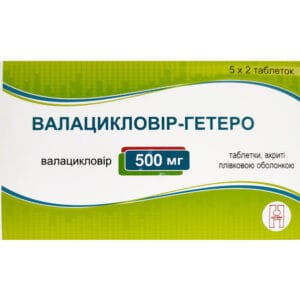

Please note: The product packaging may vary from the images shown. The contents, ingredients, and quality of the product remain unchanged.
$23.87
to: Australia, Canada, Czechia, Denmark, Estonia, Ireland, Israel, Italy, Japan, Mexico, Poland, Slovakia, South Korea, Switzerland, United Kingdom, United States and more
In stock
Valacyclovir Hetero 500 mg tablets are an antiviral for herpes infections, shingles, CMV prevention and suppression of recurrent HSV transmission.
PayPal, Debit or Credit card, Google Pay, Apple Pay
Valacyclovir Hetero tablets are prescribed for the following indications:
active ingredient: valacyclovir;
1 tablet contains 500 mg of valacyclovir (as valacyclovir hydrochloride);
excipients: microcrystalline cellulose, crospovidone, povidone, magnesium stearate; coating: Opadry White YS-1-7003 (titanium dioxide (E 171), hypromellose, polyethylene glycol 400, polysorbate 80).
Valacyclovir is contraindicated in patients with hypersensitivity to valacyclovir, acyclovir, or any component of the drug.
Treatment of herpes zoster: adults should take 1000 mg (2 tablets) of the drug 3 times a day for 7 days.
Valacyclovir should only be used in pregnant women if the potential benefit to the mother outweighs the potential risk to the fetus.
It is used in children aged 12 years and older to prevent cytomegalovirus infection and disease.
There are no clinical trial data on this issue, and the pharmacology of valacyclovir does not suggest any adverse effects. However, when assessing a patient’s ability to drive or operate machinery, the patient’s clinical condition and the side-effect profile of valacyclovir should be taken into account.
Acute renal failure and neurological symptoms, including confusion, hallucinations, agitation, decreased mental status, and coma, have been reported with valaciclovir overdose. Nausea and vomiting may occur. Caution should be exercised when administering valaciclovir to patients with renal impairment or the elderly, in whom the dose was not reduced appropriately.
The most common adverse reactions reported in clinical trials were headache and nausea. More serious adverse reactions included reports of thrombotic thrombocytopenic purpura/hemolytic uremic syndrome, acute renal failure, and neurological disorders.
Caution should also be exercised (with monitoring of changes in renal function) when co-administering high doses of valacyclovir (4 g or more) and other drugs that affect renal function (e.g. cyclosporine, tacrolimus).
Store in the original packaging at a temperature not exceeding 25ºС, out of the reach of children.

UApothecary combines medicine search, online ordering, and pharmaceutical consultations. We provide up-to-date information about medications, updating data several times a day. We collaborate with doctors, pharmacists, and medical organizations to offer professional support. We guarantee the quality of medicines and convenient worldwide delivery. Our mission is to make quality medicines accessible to everyone.
This site is protected by reCAPTCHA and the Google
Privacy Policy and
Terms of Service apply.


Reviews
There are no reviews yet.