No products in the cart.

We deliver to:
🇦🇺 Australia
🇨🇦 Canada
🇨🇿 Czechia
🇩🇰 Denmark
🇪🇪 Estonia
🇮🇪 Ireland
🇮🇱 Israel
🇮🇹 Italy
🇯🇵 Japan
🇱🇹 Lithuania🇲🇽 Mexico
🇳🇱 Netherlands🇵🇱 Poland
🇸🇰 Slovakia
🇰🇷 South Korea
🇨🇭 Switzerland
🇬🇧 United Kingdom
🇺🇸 United States of America
and more
We deliver to:
🇦🇺 Australia
🇨🇦 Canada
🇨🇿 Czechia
🇩🇰 Denmark
🇪🇪 Estonia
🇮🇪 Ireland
🇮🇱 Israel
🇮🇹 Italy
🇯🇵 Japan
🇱🇹 Lithuania🇲🇽 Mexico
🇳🇱 Netherlands🇵🇱 Poland
🇸🇰 Slovakia
🇰🇷 South Korea
🇨🇭 Switzerland
🇬🇧 United Kingdom
🇺🇸 United States of America
and more
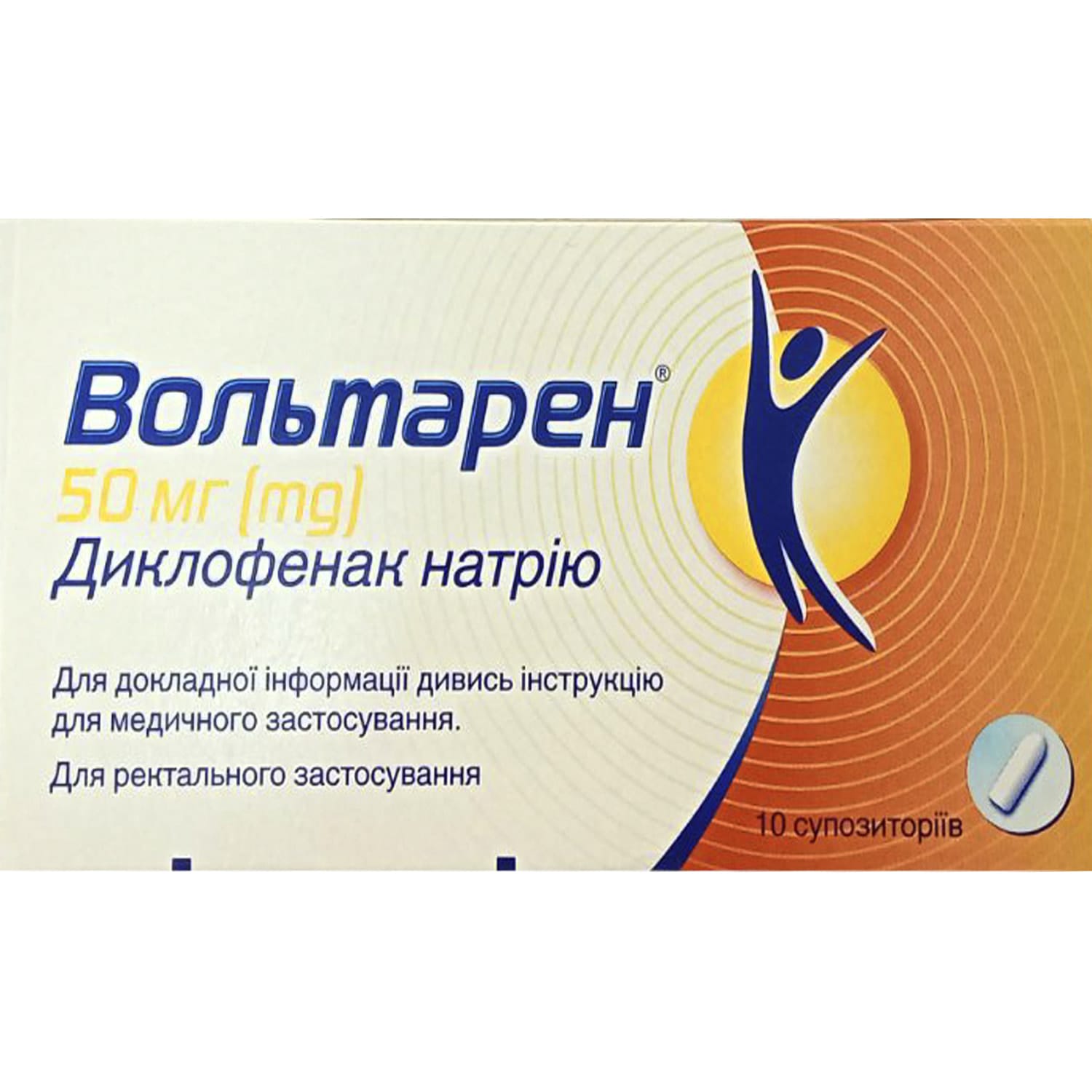
Please note: The product packaging may vary from the images shown. The contents, ingredients, and quality of the product remain unchanged.
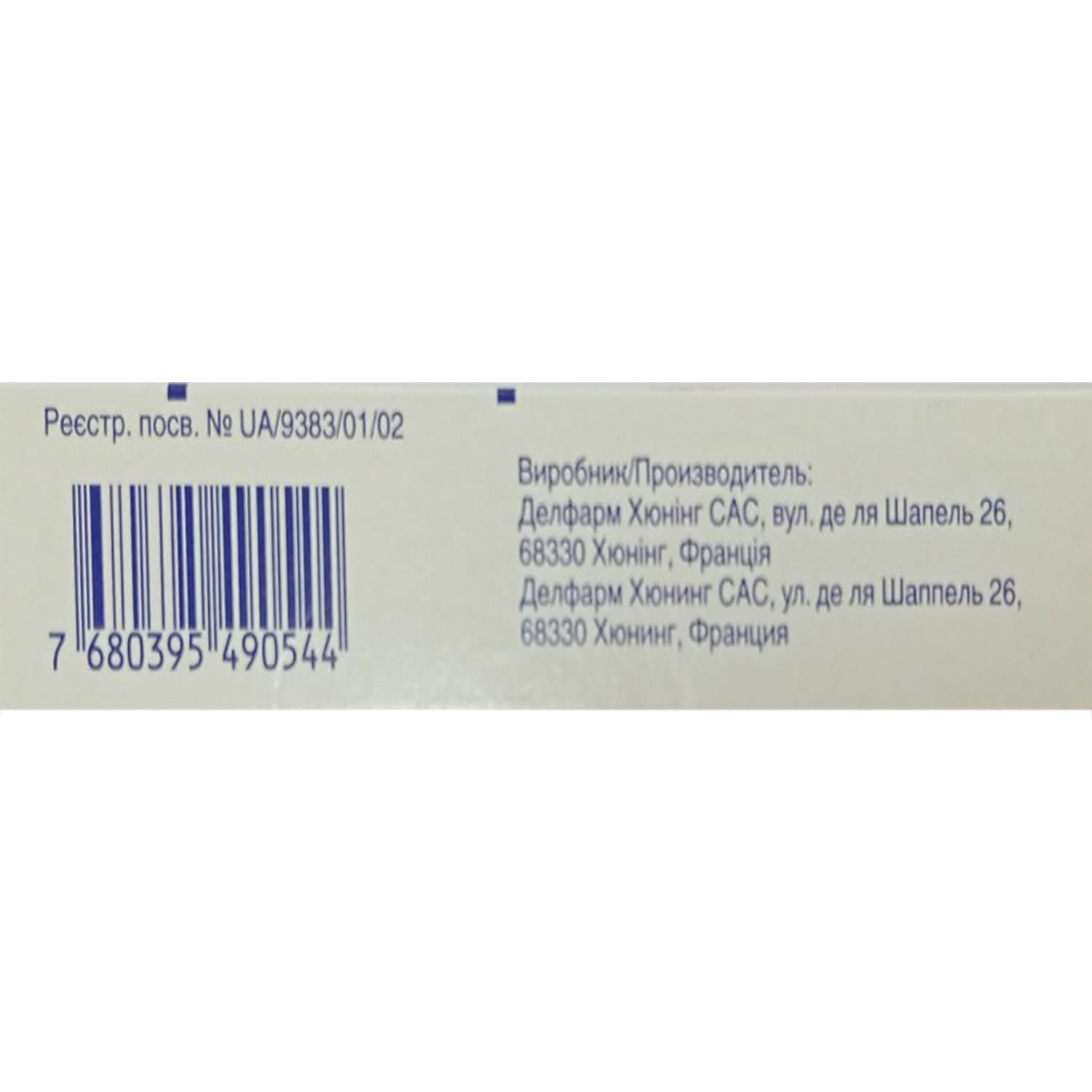
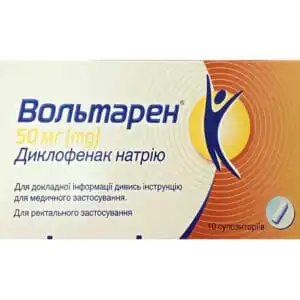
Voltaren suppositories (candles) 50 mg 10 pcs.
$19.41
Free Worldwide Shipping
to: Australia, Canada, Czechia, Denmark, Estonia, Ireland, Israel, Italy, Japan, Lithuania, Mexico, Netherlands, Poland, Slovakia, South Korea, Switzerland, United Kingdom, United States and more
In stock
Voltaren suppositories are an NSAID for pain and inflammation in rheumatic diseases, migraine, dysmenorrhea and postoperative conditions, for rectal use.
Categories: Musculoskeletal system, Pain relief
Brand: Novartis
Payment
PayPal, Debit or Credit card, Google Pay, Apple Pay
Voltaren is a nonsteroidal anti-inflammatory and antirheumatic drug.
Indications for use
- inflammatory and degenerative forms of rheumatism: rheumatoid arthritis, juvenile rheumatoid arthritis, ankylosing spondylitis, osteoarthritis, including spondyloarthritis;
- pain syndromes in the spine;
- rheumatic diseases of extra-articular soft tissues;
- post-traumatic and postoperative pain syndromes accompanied by inflammation and swelling, in particular after dental and orthopedic surgeries;
- gynecological diseases accompanied by pain and inflammation, such as primary dysmenorrhea and adnexitis;
- migraine attacks;
- acute attacks of gout;
- as an adjuvant for severe inflammatory diseases of the ENT organs, which are accompanied by pain, for example, with pharyngotonsillitis, otitis.
According to general therapeutic principles, the underlying disease should be treated with basic therapy. Fever alone is not an indication for the use of the drug.
Composition
- active ingredient:
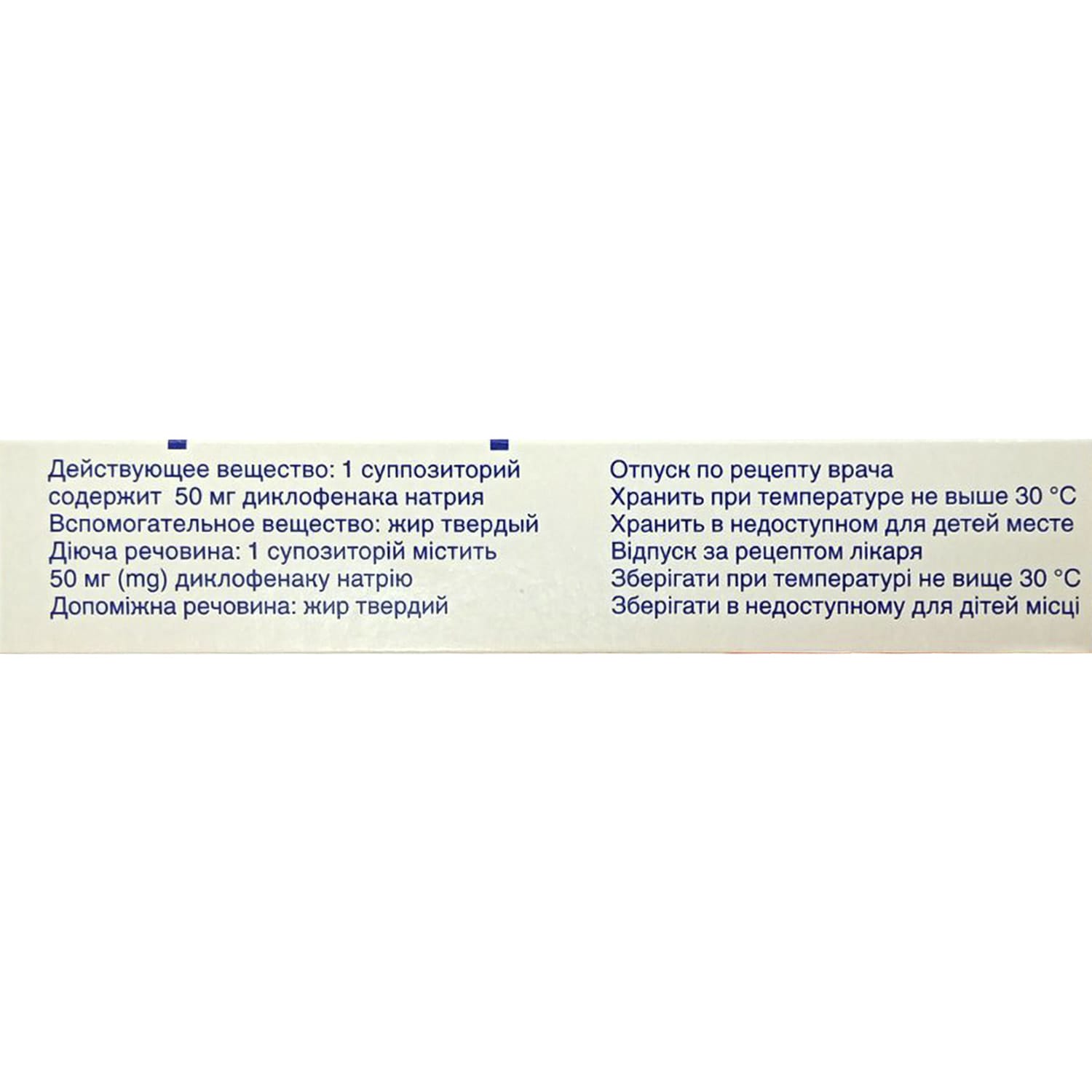
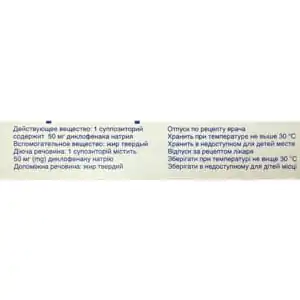
- 1 suppository contains diclofenac sodium 50 mg;
- excipient: solid fat.
Contraindication
- hypersensitivity to the active substance or any excipient;
- history of gastrointestinal bleeding or perforation related to previous NSAID treatment;
- Active peptic ulcer of the stomach or duodenum/bleeding or a history of recurrent peptic ulcer/bleeding (two or more separate episodes of established ulceration or bleeding).
- the last trimester of pregnancy;
- inflammatory bowel disease (e.g. Crohn’s disease or ulcerative colitis);
- liver failure;
- renal failure (glomerular filtration rate <15 ml/min/1.73 m2);
- congestive heart failure (NYHA II–IV);
- treatment of perioperative pain during coronary artery bypass grafting (or the use of a cardiopulmonary bypass machine);
- ischemic heart disease in patients with angina pectoris who have had a myocardial infarction;
- cerebrovascular disease in patients who have had a stroke or have episodes of transient ischemic attacks;
- peripheral artery disease;
Voltaren, like other nonsteroidal anti-inflammatory drugs (NSAIDs), is contraindicated in patients who develop attacks of bronchial asthma, urticaria, angioedema, acute rhinitis or nasal polyps in response to taking acetylsalicylic acid or other NSAIDs;
Adverse reactions
From the nervous system: often – headache, dizziness; rarely – drowsiness, fatigue; very rarely – paresthesia, memory impairment, convulsions, anxiety, tremor, aseptic meningitis, taste disorders, stroke; frequency unknown – confusion, hallucinations, sensory disturbances, general malaise.
From the side of the organs of hearing and labyrinth of the ear: often – vertigo; very rarely – tinnitus, hearing disorders.
Cardiovascular system: often – arterial hypertension; infrequently* – palpitations, chest pain, heart failure, myocardial infarction, arterial hypotension; very rarely – vasculitis; frequency unknown – Kounis syndrome.
Gastrointestinal: often – nausea, vomiting, diarrhea, dyspepsia, abdominal pain, flatulence, anorexia, decreased appetite; rarely – gastritis, gastrointestinal bleeding, hematemesis, melena, hemorrhagic diarrhea, gastric and intestinal ulcers, accompanied or not accompanied by bleeding, gastrointestinal stenosis or perforation (sometimes fatal, especially in elderly patients), which can lead to peritonitis, proctitis; very rarely – colitis (including hemorrhagic colitis, ischemic colitis and exacerbation of ulcerative colitis or Crohn’s disease), constipation, stomatitis (including ulcerative stomatitis), glossitis, impaired esophageal function, diaphragmatic stenosis of the intestine, pancreatitis, exacerbation of hemorrhoids.
Hepatobiliary disorders: often – increased transaminase levels; rarely – hepatitis, jaundice, liver disorders; very rarely – fulminant hepatitis, liver necrosis, liver failure.
Skin and subcutaneous tissue disorders: common: rash; rare: urticaria; very rare: bullous rash, eczema, erythema, erythema multiforme, Stevens-Johnson syndrome, Lyell’s syndrome (toxic epidermal necrolysis), exfoliative dermatitis, hair loss, photosensitivity reactions, purpura, including allergic, Henoch-Schonlein purpura, pruritus.
From the kidneys and urinary system: often – fluid retention, edema; very rarely – acute kidney injury (acute renal failure), hematuria, proteinuria, tubulointerstitial nephritis, nephrotic syndrome, papillary renal necrosis.
General disorders and administration site conditions: Common: injection site irritation; rare: edema.
Method of application
The drug should be used in the lowest effective doses for the shortest period of time, taking into account the treatment objectives of each individual patient.
To minimize unwanted effects, the lowest effective dose should be used for the shortest period of time.
Do not take internally, for rectal administration only.
Suppositories should be inserted into the rectum as deeply as possible, preferably after bowel cleansing.
The initial dose is usually 100–150 mg per day. For mild symptoms and long-term therapy, a dose of 75–100 mg/day is sufficient.
The daily dose is divided into 2–3 doses. To avoid night pain or morning stiffness, Voltaren is prescribed in the form of rectal suppositories before bedtime before taking the drug during the day (the daily dose of the drug should not exceed 150 mg).
In primary dysmenorrhea, the daily dose is selected individually, usually it is 50-150 mg/day. The initial dose may be 50-100 mg/day, but if necessary it can be increased over several menstrual cycles to a maximum of 150 mg/day.
The use of the drug should begin after the first pain symptoms appear and continue for several days, depending on the dynamics of symptom regression.
For the treatment of migraine attacks, the course is started at a dose of 100 mg at the first signs of the onset of an attack. If necessary, a second suppository (50 mg of diclofenac) can be used on the same day. If necessary, treatment can be continued on the following days (the daily dose of the drug should not exceed 150 mg, the dose is divided into 2–3 applications).
Application features
Use during pregnancy or breastfeeding
In the first and second trimesters of pregnancy, Voltaren® should only be used if the expected benefit to the woman outweighs the potential risk to the fetus. If Voltaren® is used by a woman attempting to conceive or by a pregnant woman in the first or second trimester of pregnancy, the dose should be kept as low and the duration of treatment as short as possible.
During the third trimester of pregnancy, the use of Voltaren® is contraindicated.
Like other NSAIDs, diclofenac is excreted in small amounts in breast milk. Therefore, Voltaren® suppositories should not be used by women during breastfeeding to avoid undesirable effects on the infant. If treatment is essential, the child should be transferred to artificial feeding.
Children
Voltaren® is not used in children under 1 year of age. Children aged 1–14 years with juvenile chronic arthritis are prescribed suppositories only in a dose of 25 mg. Children aged 6–14 years with acute postoperative pain are prescribed suppositories only in a dose of 25 mg. Due to the increased concentration of the active substance Voltaren®, suppositories of 50 mg are not recommended for use in children and adolescents under 14 years of age. Voltaren® suppositories in a dose of 100 mg are not used for the treatment of children and adolescents due to the high content of the active substance.
Ability to influence reaction speed when driving vehicles or other mechanisms
Patients who experience visual disturbances, dizziness, vertigo, drowsiness, central nervous system disorders, lethargy or fatigue during therapy with Voltaren should not drive or operate machinery.
Overdose
Symptoms. There is no typical clinical picture characteristic of diclofenac overdose. Overdose may cause symptoms such as headache, nausea, vomiting, epigastric pain, gastrointestinal bleeding, diarrhea, dizziness, disorientation, agitation, coma, drowsiness, tinnitus or convulsions. Acute renal failure and liver damage are possible in case of severe intoxication.
Treatment: Symptomatic therapy is provided as necessary. Supportive measures and symptomatic treatment are indicated for complications such as hypotension, renal failure, convulsions, gastrointestinal disorders, and respiratory depression.
It is unlikely that specific measures such as forced diuresis, dialysis or haemoperfusion will be effective in removing NSAIDs, including diclofenac, due to their high protein binding and extensive metabolism. The use of activated charcoal should be considered within one hour of ingestion of a potentially toxic amount of the drug. In addition, gastric lavage should be considered in adults within one hour of ingestion of a potentially toxic amount of the drug. Diazepam should be administered intravenously if seizures are frequent or prolonged. Other measures may be indicated depending on the clinical condition of the patient.
Storage conditions
Store at a temperature not exceeding 30 ° C. Keep out of the reach of children.
Be the first to review “Voltaren suppositories (candles) 50 mg 10 pcs.” Cancel reply
You may also like


Reviews
There are no reviews yet.