
🇦🇺 Australia
🇧🇪 Belgium
🇨🇦 Canada
🇨🇿 Czechia
🇩🇰 Denmark
🇪🇪 Estonia
🇫🇮 Finland
🇬🇷 Greece
🇭🇺 Hungary
🇮🇪 Ireland
🇮🇱 Israel
🇮🇹 Italy
🇯🇵 Japan
🇰🇼 Kuwait
🇱🇻 Latvia
🇱🇹 Lithuania
🇲🇽 Mexico
🇲🇩 Moldova
🇳🇱 Netherlands
🇳🇴 Norway
🇵🇱 Poland
🇷🇴 Romania
🇸🇰 Slovakia
🇰🇷 South Korea
🇨🇭 Switzerland
🇬🇧 United Kingdom
🇺🇸 United States of America
and more
🇦🇺 Australia
🇧🇪 Belgium
🇨🇦 Canada
🇨🇿 Czechia
🇩🇰 Denmark
🇪🇪 Estonia
🇫🇮 Finland
🇬🇷 Greece
🇭🇺 Hungary
🇮🇪 Ireland
🇮🇱 Israel
🇮🇹 Italy
🇯🇵 Japan
🇰🇼 Kuwait
🇱🇻 Latvia
🇱🇹 Lithuania
🇲🇽 Mexico
🇲🇩 Moldova
🇳🇱 Netherlands
🇳🇴 Norway
🇵🇱 Poland
🇷🇴 Romania
🇸🇰 Slovakia
🇰🇷 South Korea
🇨🇭 Switzerland
🇬🇧 United Kingdom
🇺🇸 United States of America
and more
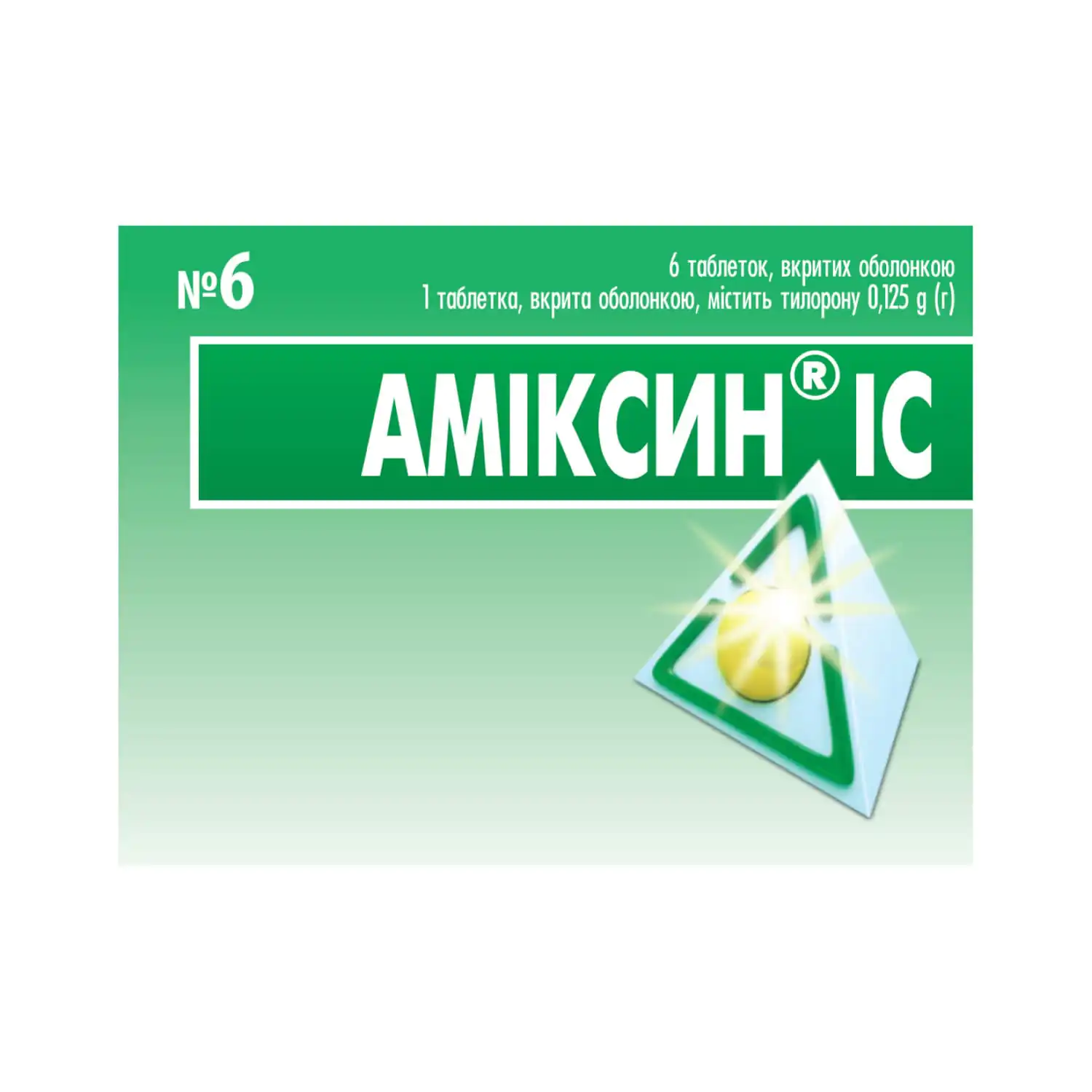
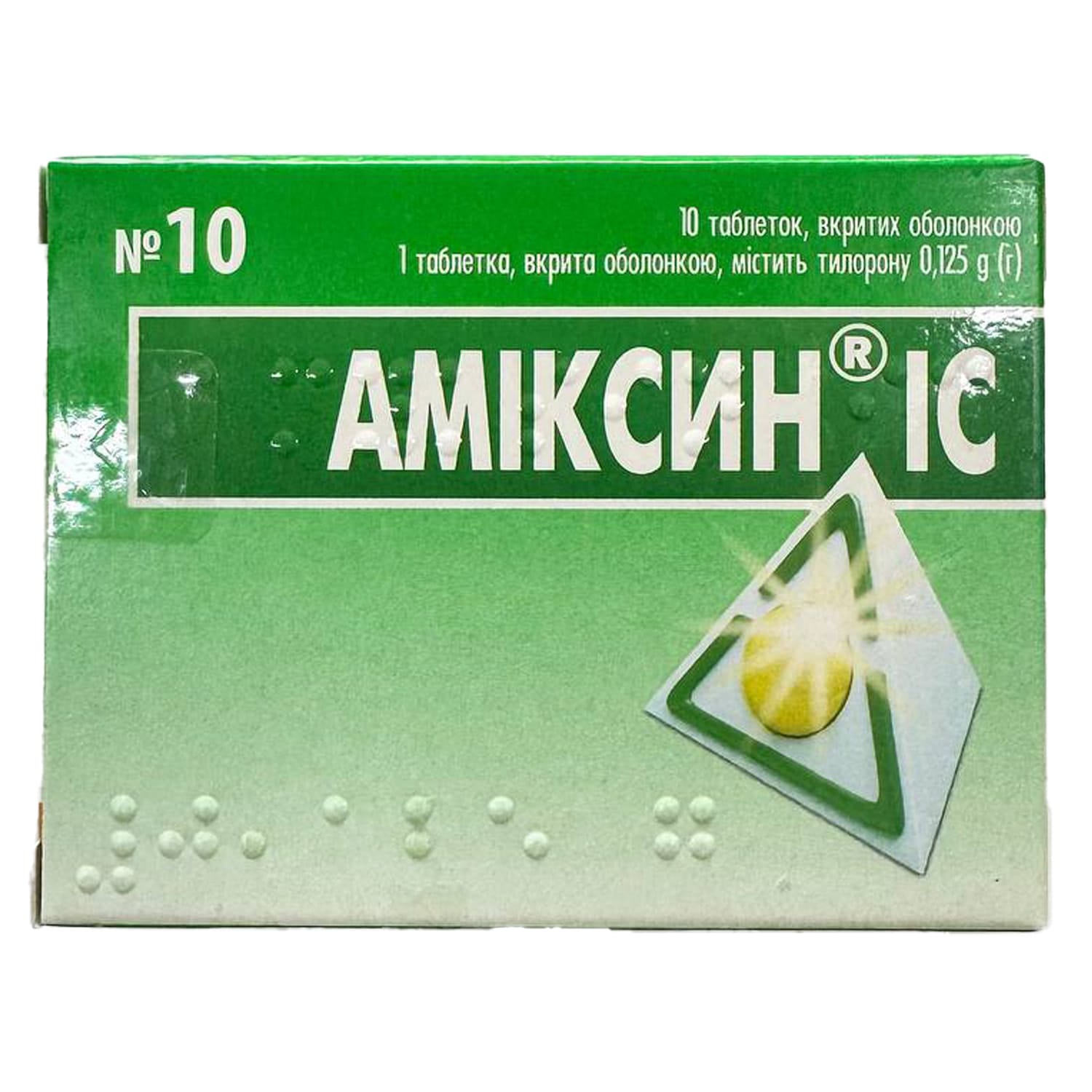
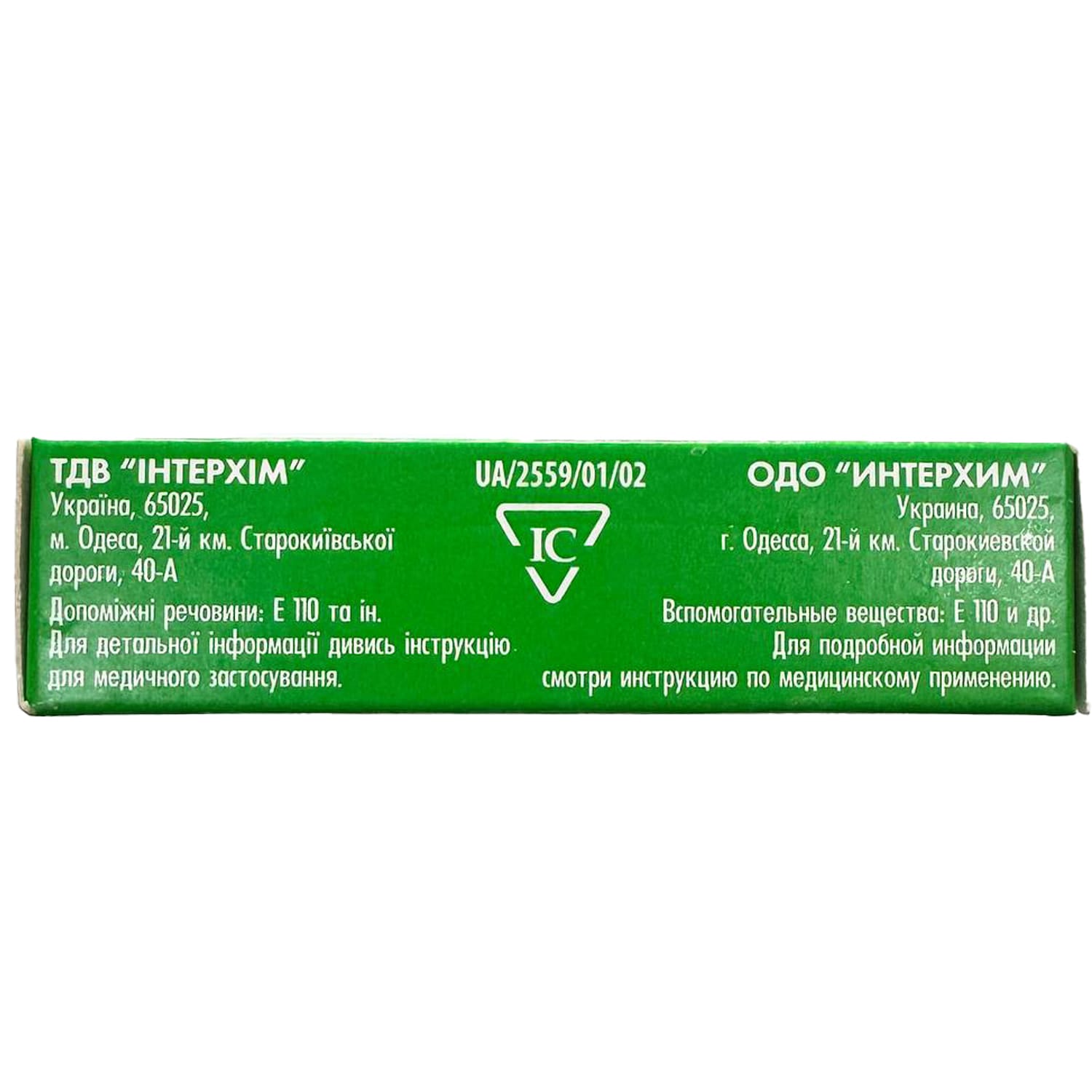
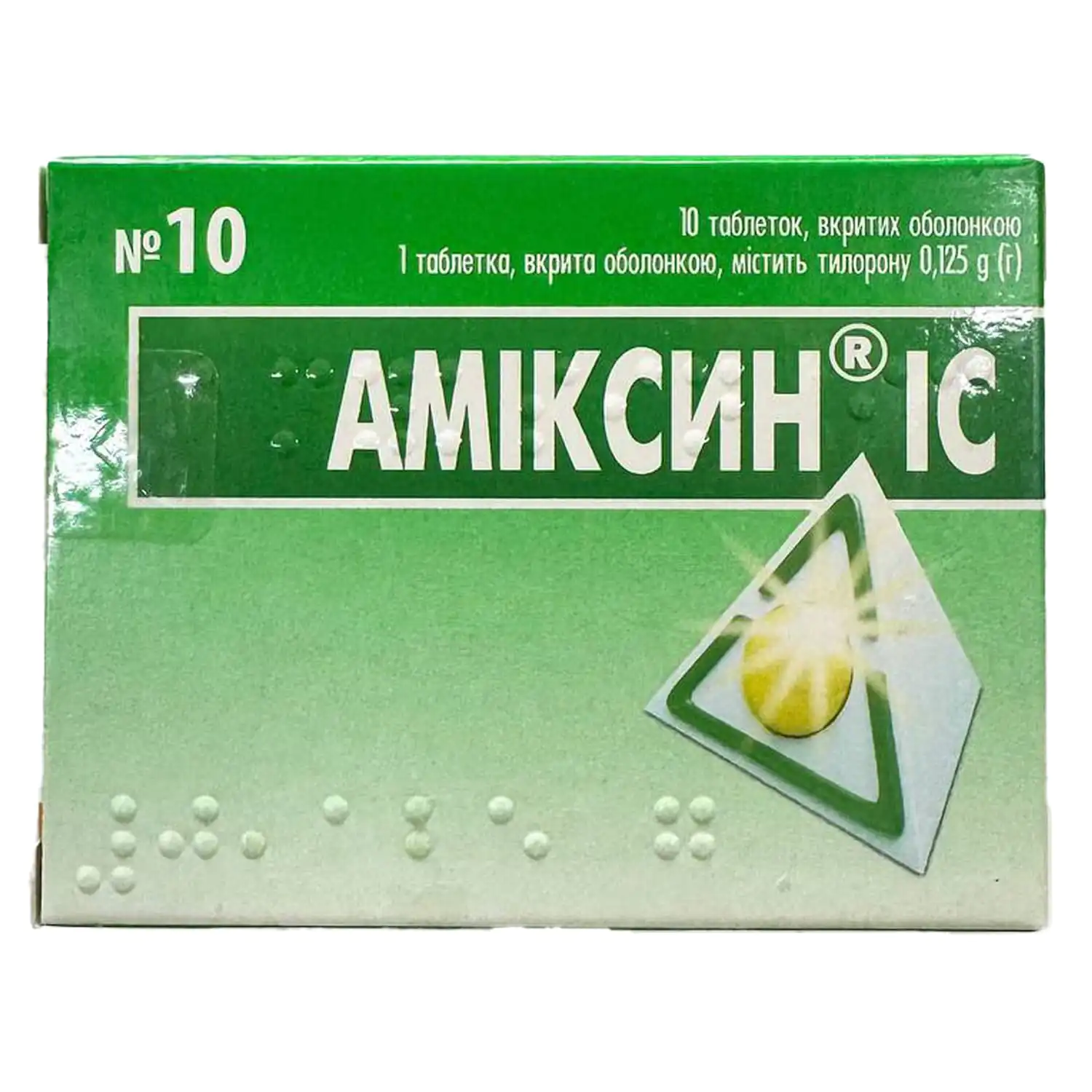
Amixin IC film-coated tablets 0.125 g 10 pcs.
$45.88
Free Worldwide Shipping
to: Australia, Belgium, Canada, Czechia, Denmark, Estonia, Finland, Greece, Hungary, Ireland, Israel, Italy, Japan, Kuwait, Latvia, Lithuania, Mexico, Moldova, Netherlands, Norway, Poland, Romania, Slovakia, South Korea, Switzerland, United Kingdom, United States and more
🏖️ Hello! We are on vacation!
We are still accepting orders on our website; however, order processing and shipping will resume after September 10. If you place an order during our vacation, we will contact you and remind you about the temporary shipping delay. Starting September 10, all orders received during this period will be processed and shipped in the order they were placed. If your order contains a product with less than one year remaining before its expiration date, we will notify you after September 10 and proceed according to your instructions. If you decide to cancel an order placed during our vacation, simply contact us through the contact form on our website, and we will be happy to assist you. Thank you for your understanding, and we apologize for any inconvenience caused.
In stock
Amixin IC antiviral tablets support immunity, treat and prevent flu, ARVI, hepatitis, herpes and CMV, and are used in complex antiviral therapy.
Payment
PayPal, Debit or Credit card, Google Pay, Apple Pay
Orders Temporarily Unavailable
Due to temporary postal service disruptions, we are currently unable to accept orders.
Amixin IC is an antiviral agent for systemic use.
Indications for use
Treatment and prevention of influenza and acute respiratory viral infections, treatment of viral hepatitis A, B, C, herpes infection, cytomegalovirus infection; as part of complex therapy of infectious-allergic and viral encephalomyelitis (multiple sclerosis, leukoencephalitis, uveoencephalitis and meningoencephalitis), urogenital and respiratory chlamydiosis.
To reduce the degree of immunosuppression as part of complex therapy for diseases accompanied by secondary induced immunodeficiencies (caused by exposure to X-rays, cytostatics, surgical interventions, etc.) and requiring immunocorrection.
Children aged 7 to 18 years. Treatment of influenza and acute respiratory viral infections.
Composition
- active ingredient: tilorone;
- 1 tablet contains tilorone 0.125 g (125 mg);
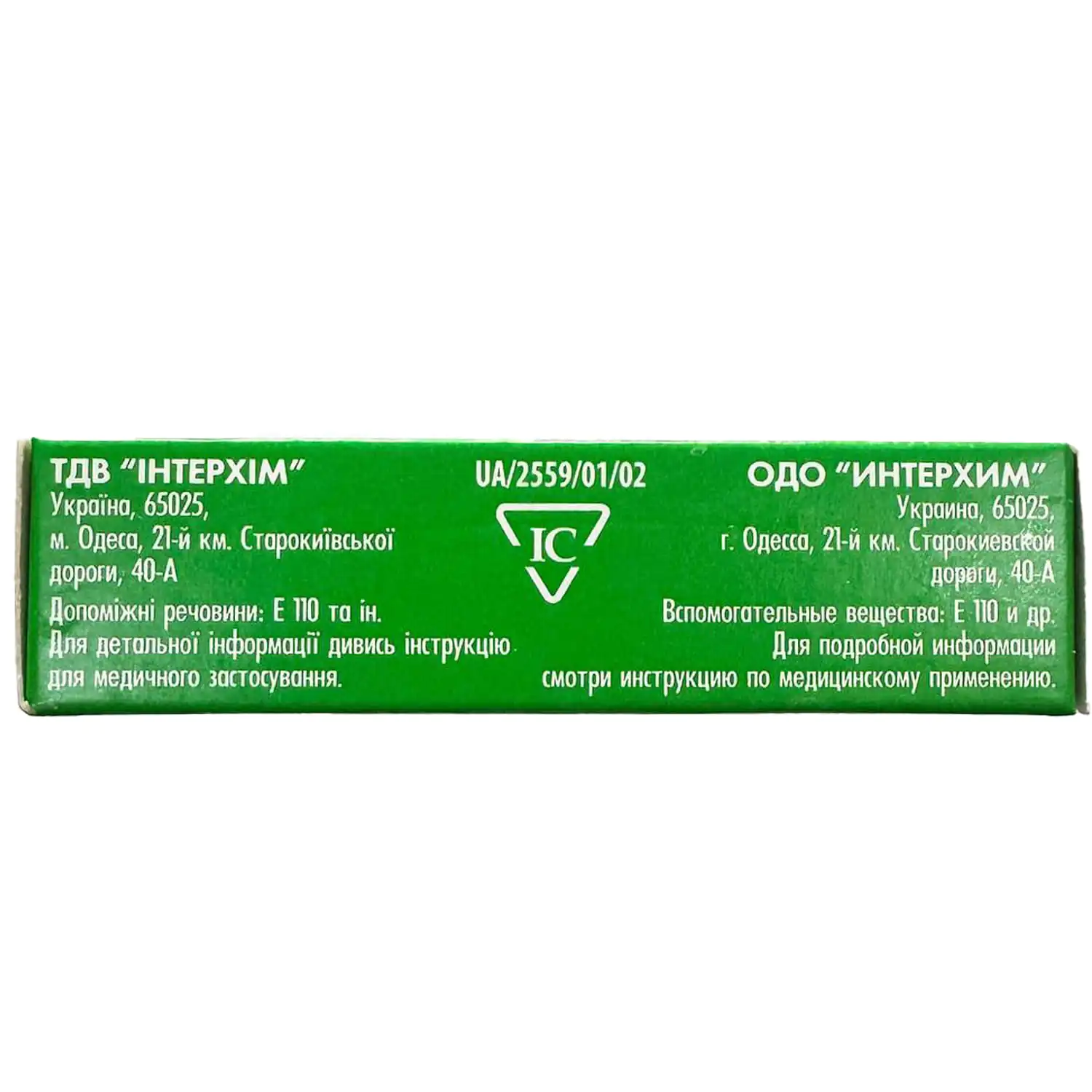
- excipients: calcium hydrogen phosphate dihydrate, hypromellose (hydroxypropylmethylcellulose), microcrystalline cellulose, povidone, croscarmellose sodium, potato starch, polyethylene glycol (macrogol), talc, colloidal anhydrous silica, calcium stearate, titanium dioxide (E 171), candurin (titanium dioxide (E 171), potassium aluminosilicate (E 555)), sunset yellow FCF dye (E 110).
Contraindication
Increased individual sensitivity to the active substance or to any of the components of the drug. Pregnancy and breastfeeding. Children under 7 years of age.
Adverse reactions
Skin and subcutaneous tissue disorders: allergic reactions, including angioedema, rash (including urticaria), skin hyperemia, dry skin, itching.
Gastrointestinal: bitter taste in the mouth, dyspeptic symptoms (including epigastric pain, nausea, heartburn), diarrhea.
General disorders: general weakness, lethargy, decreased appetite, short-term fever.
Method of application
The medicine is taken orally, after meals.
Adults
- In the treatment of influenza and acute respiratory viral infections: in the first 2 days of treatment – 125 mg, then – 125 mg after 48 hours. Course dose – 750 mg.
- For the prevention of influenza and acute respiratory viral infections: 125 mg once a week for 6 weeks.
- Treatment of viral hepatitis A: on the 1st day of treatment – 125 mg 2 times, then – 125 mg after 48 hours. Course dose – 1.25 g.
- Prevention of viral hepatitis A: 125 mg once a week for 6 weeks.
- Treatment of acute hepatitis B: in the first 2 days of treatment – 125 mg, then – 125 mg after 48 hours. Course dose – 2 g. In case of a prolonged course of the disease, the course dose can be increased to 2.5 g.
- In chronic hepatitis B: in the first 2 days of treatment – 250 mg, then – 125 mg after 48 hours. The course dose at the beginning of treatment is 2.5 g. Then the drug is taken at a dose of 125 mg per week. In general, the course dose is from 3.75 g to 5 g.
- In acute hepatitis C: in the first 2 days of treatment – 125 mg, then – 125 mg after 48 hours. Course dose – 2.5 g.
- In chronic hepatitis C: in the first 2 days of treatment – 250 mg, then – 125 mg after 48 hours. The course dose at the beginning of treatment is 2.5 g. Then the drug is taken at a dose of 125 mg per week. In total, the course dose is 5 g.
- For the treatment of herpes, cytomegalovirus infection: in the first 2 days of treatment – 125 mg, then – 125 mg after 48 hours. Course dose – 2.5 g.
- In the complex therapy of neuroviral infections – infectious-allergic and viral encephalomyelitis (multiple sclerosis, leukoencephalitis, uveoencephalitis and meningoencephalitis): in the first 2 days of treatment – 125 mg, then – 125 mg after 48 hours. Course dose – from 1.5 to 1.75 g.
- In complex therapy of urogenital and respiratory chlamydia: in the first 2 days of treatment – 125 mg, then – 125 mg after 48 hours. Course dose – 1.25 g.
- To reduce the degree of immunosuppression as part of complex therapy of diseases accompanied by secondary induced immunodeficiencies and requiring immunocorrection: 125–250 mg per week for 6 weeks. The maximum course dose is 1.5 g. Depending on the immunological indicators and the course of the disease, the course of treatment can be repeated with an interval between courses of 4 weeks.
Children aged 7 to 18 years
- For uncomplicated forms of influenza or acute respiratory viral infections: 60 mg once a day on the 1st, 2nd, and 4th day from the start of treatment. Course dose – 180 mg.
- In case of complications of influenza or acute respiratory viral diseases: 60 mg once a day on the 1st, 2nd, 4th and 6th day from the start of treatment. Course dose – 240 mg.
Application features
Use during pregnancy or breastfeeding
There is no experience with the use of the drug during pregnancy and breastfeeding, therefore its use is contraindicated during these periods.
Children
The medicine is not used in children under 7 years of age.
Ability to influence reaction speed when driving vehicles or other mechanisms
No effect.
Overdose
Cases of overdose of the drug Amixin IC are not known.
Interaction with other medicinal products and other types of interactions
The drug Amixin IC is compatible with antibiotics and traditional treatments for viral and bacterial diseases.
Storage conditions
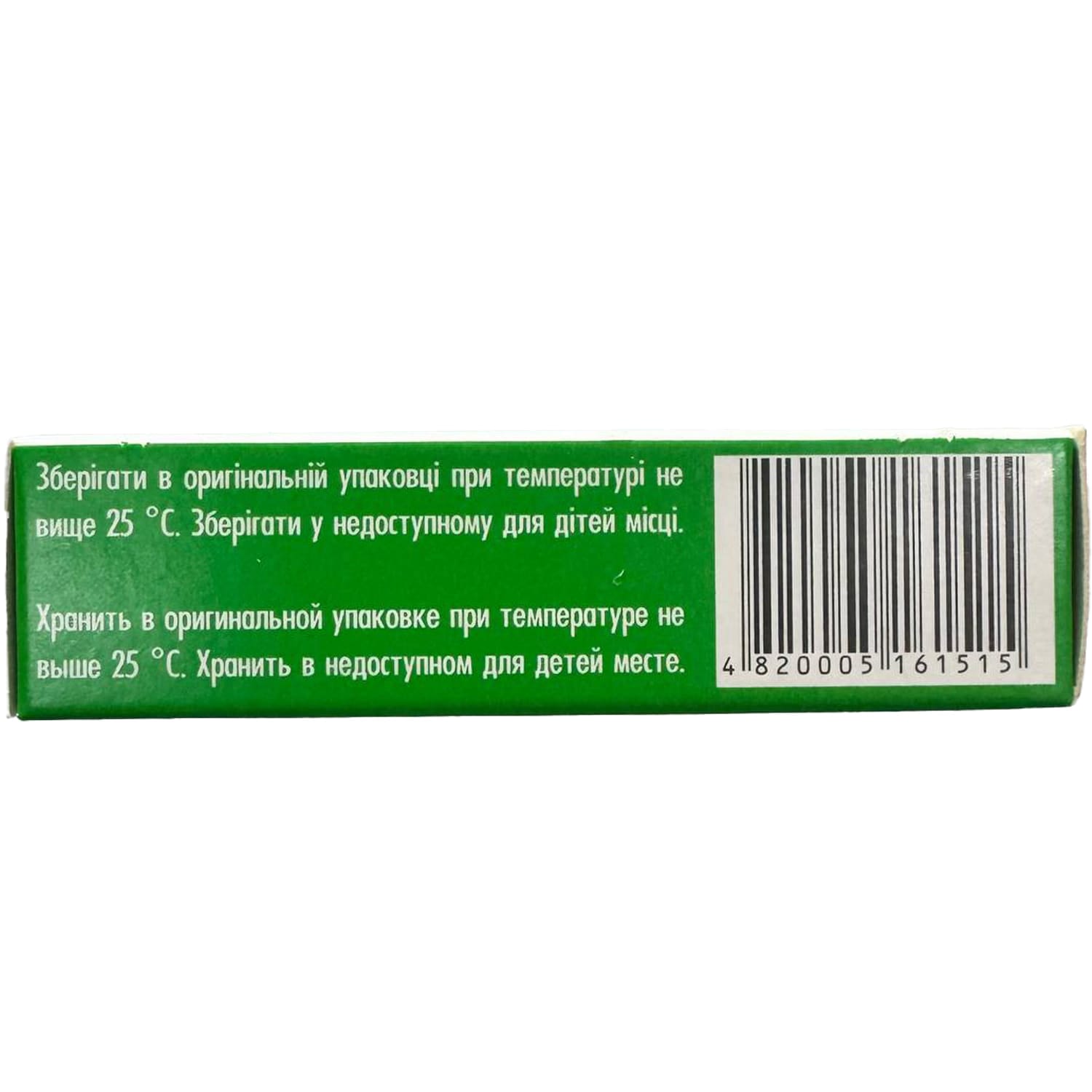
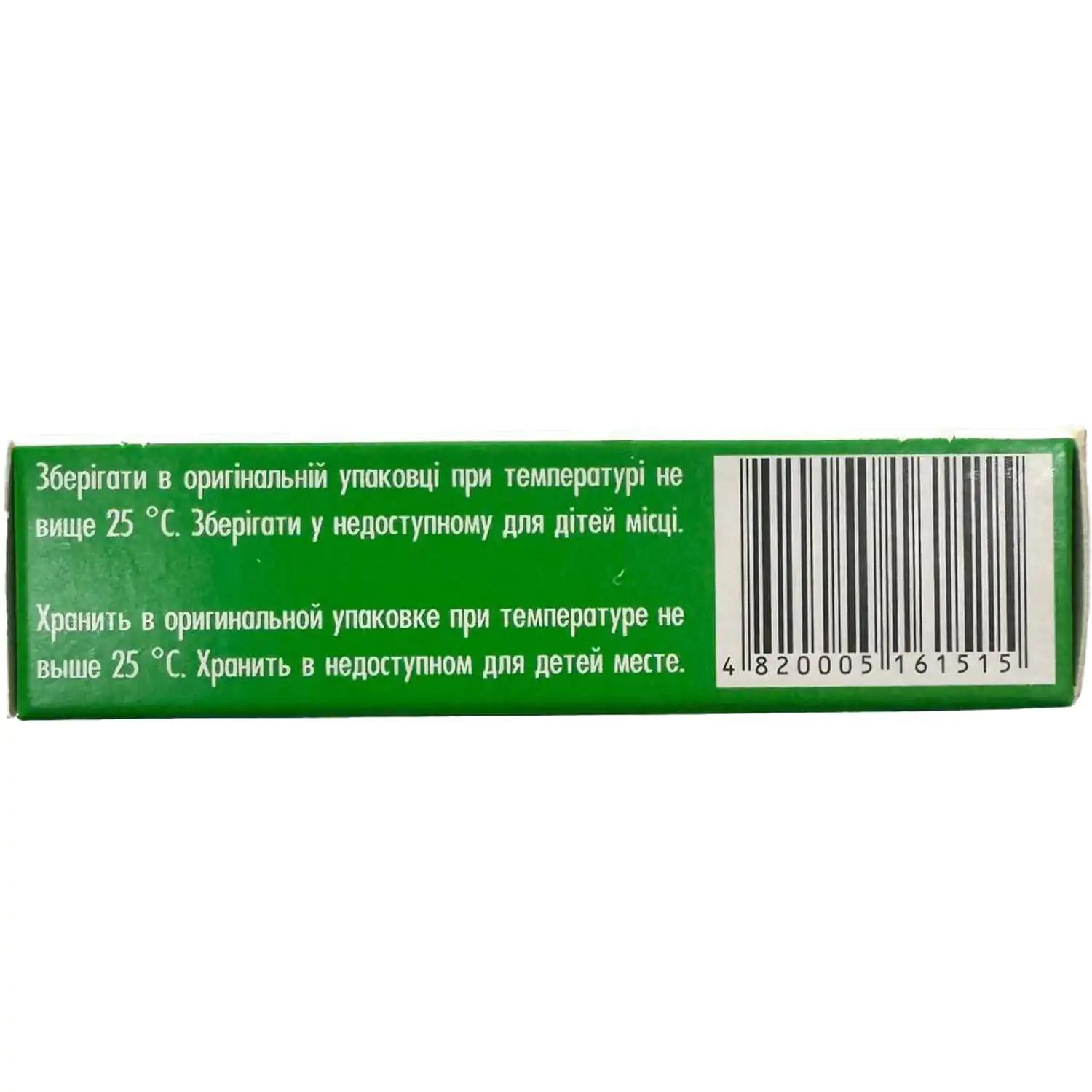
Store in the original packaging at a temperature not exceeding 25 °C.
Keep out of reach of children.
You may also like



Reviews
There are no reviews yet.