
🇦🇺 Australia
🇧🇪 Belgium
🇨🇦 Canada
🇨🇿 Czechia
🇩🇰 Denmark
🇪🇪 Estonia
🇫🇮 Finland
🇬🇷 Greece
🇭🇺 Hungary
🇮🇪 Ireland
🇮🇱 Israel
🇮🇹 Italy
🇯🇵 Japan
🇰🇼 Kuwait
🇱🇻 Latvia
🇱🇹 Lithuania
🇲🇽 Mexico
🇲🇩 Moldova
🇳🇱 Netherlands
🇳🇴 Norway
🇵🇱 Poland
🇷🇴 Romania
🇸🇰 Slovakia
🇰🇷 South Korea
🇨🇭 Switzerland
🇬🇧 United Kingdom
🇺🇸 United States of America
and more
🇦🇺 Australia
🇧🇪 Belgium
🇨🇦 Canada
🇨🇿 Czechia
🇩🇰 Denmark
🇪🇪 Estonia
🇫🇮 Finland
🇬🇷 Greece
🇭🇺 Hungary
🇮🇪 Ireland
🇮🇱 Israel
🇮🇹 Italy
🇯🇵 Japan
🇰🇼 Kuwait
🇱🇻 Latvia
🇱🇹 Lithuania
🇲🇽 Mexico
🇲🇩 Moldova
🇳🇱 Netherlands
🇳🇴 Norway
🇵🇱 Poland
🇷🇴 Romania
🇸🇰 Slovakia
🇰🇷 South Korea
🇨🇭 Switzerland
🇬🇧 United Kingdom
🇺🇸 United States of America
and more


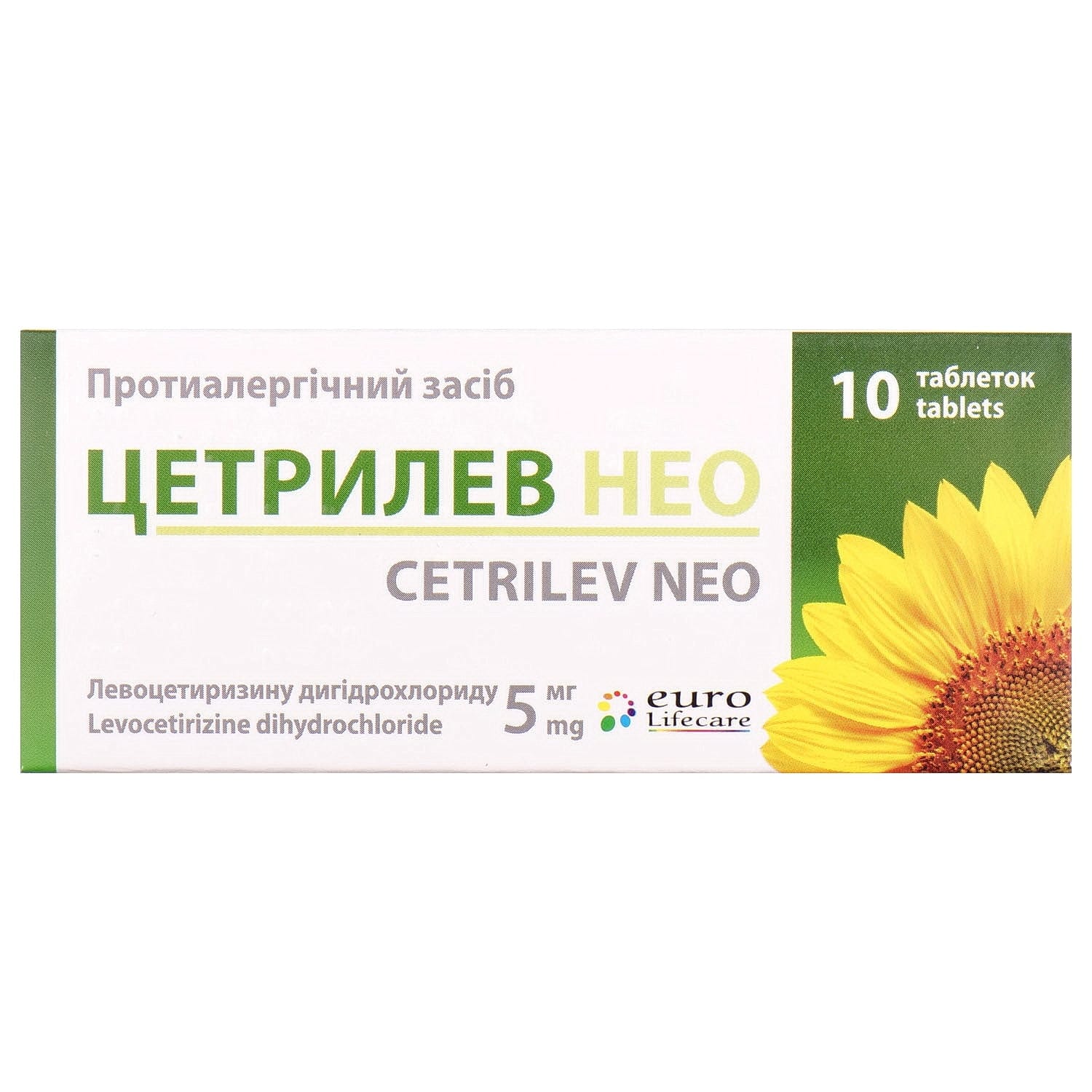
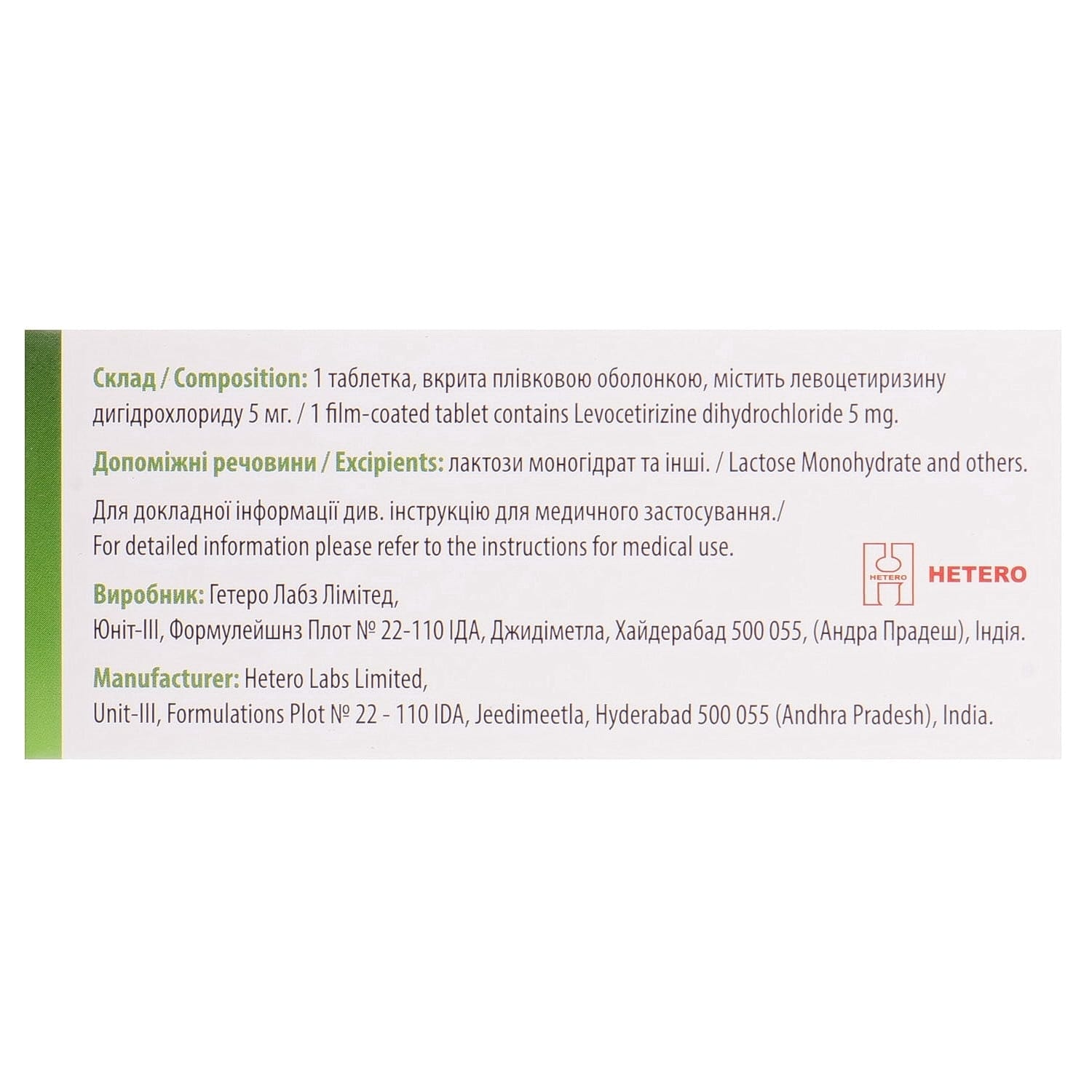


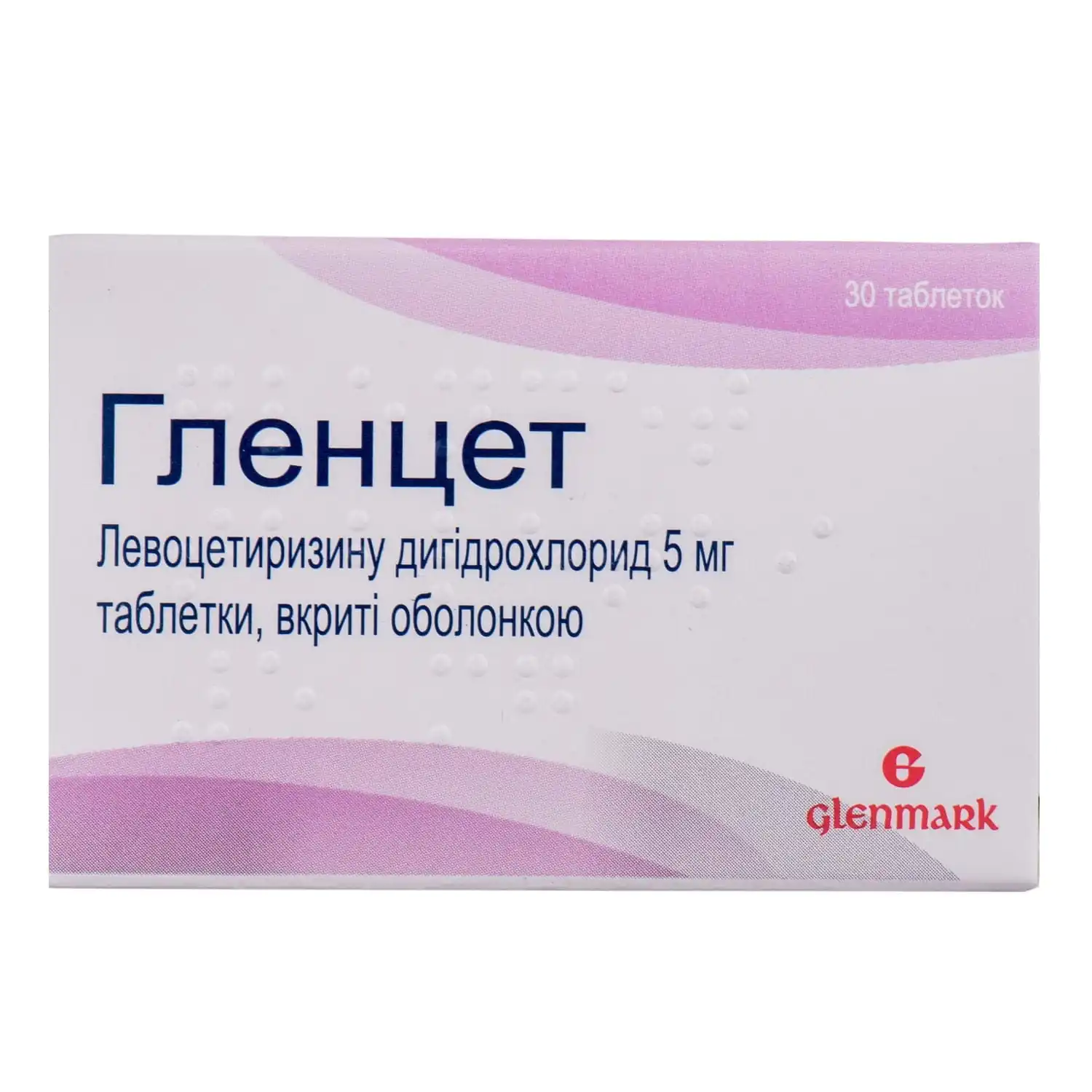
Cetrilev Neo film-coated tablets 5 mg 100 pcs.
$51.08
Free Worldwide Shipping
to: Australia, Belgium, Canada, Czechia, Denmark, Estonia, Finland, Greece, Hungary, Ireland, Israel, Italy, Japan, Kuwait, Latvia, Lithuania, Mexico, Moldova, Netherlands, Norway, Poland, Romania, Slovakia, South Korea, Switzerland, United Kingdom, United States and more
🏖️ Hello! We are on vacation!
We are still accepting orders on our website; however, order processing and shipping will resume after September 10. If you place an order during our vacation, we will contact you and remind you about the temporary shipping delay. Starting September 10, all orders received during this period will be processed and shipped in the order they were placed. If your order contains a product with less than one year remaining before its expiration date, we will notify you after September 10 and proceed according to your instructions. If you decide to cancel an order placed during our vacation, simply contact us through the contact form on our website, and we will be happy to assist you. Thank you for your understanding, and we apologize for any inconvenience caused.
In stock
Cetrilev Neo tablets with levocetirizine provide relief from seasonal and perennial allergic rhinitis, helping reduce sneezing, itching and nasal symptoms.
Payment
PayPal, Debit or Credit card, Google Pay, Apple Pay
Orders Temporarily Unavailable
Due to temporary postal service disruptions, we are currently unable to accept orders.
Cetrilev Neo will provide symptomatic treatment of seasonal allergic rhinitis, including perennial allergic rhinitis.
Composition
Active ingredient: levocetirizine.
One tablet contains excipients: microcrystalline cellulose, colloidal silicon dioxide, lactose, magnesium stearate, hypromellose E 464, titanium dioxide E 171, polysorbate, macrogol 400.
Contraindication
Hypersensitivity to levocetirizine, other piperazine derivatives, as well as to other components of the drug.
Severe form of chronic renal failure.
Hereditary galactose intolerance, lactase enzyme deficiency or glucose-galactose malabsorption.
Pregnancy, breastfeeding period, children under 6 years of age.
Method of application
The drug is prescribed to adults and children over 6 years of age orally at a dose of 5 mg once a day.
Take the tablet with food or on an empty stomach, without chewing, with a small amount of water.
Application features
For children
The drug in tablet form should not be used in children under 6 years of age, as this dosage form does not allow for the necessary correction of the dosage regimen.
For this category of patients, the use of levocetirizine in a dosage form suitable for use in pediatrics is recommended.
Pregnant
It is contraindicated to use during pregnancy.
The drug penetrates into breast milk, therefore, if necessary, use of the drug should be discontinued.
Drivers
You should refrain from driving or operating machinery during treatment.
Overdose
May have signs of intoxication in the form of drowsiness.
In children, overdose is accompanied by anxiety and increased irritability.
If symptoms of overdose appear, especially in children, the drug should be discontinued, gastric lavage should be performed, and activated charcoal should be administered.
Side effects
The following types of violations occur:
- From the nervous system: drowsiness, headache, fatigue, weakness, asthenia, convulsions, paresthesias, dizziness, fainting, tremor, dysgeusia.
- Psychiatric: sleep disturbances, agitation, hallucinations, depression, aggression, insomnia, suicidal thoughts.
- From the organs of hearing and balance: vertigo.
- Hepatobiliary disorders: hepatitis.
- Renal and urinary disorders: dysuria, urinary retention.
- Immune system disorders: hypersensitivity, including anaphylaxis, angioedema.
- Respiratory, thoracic and mediastinal disorders: dyspnea.
- On the part of the digestive system: diarrhea, vomiting, constipation, dry mouth, nausea, abdominal pain.
- Skin and subcutaneous tissue disorders: angioedema, persistent drug eruptions, pruritus, rash, urticaria.
- Musculoskeletal, connective tissue and bone disorders: muscle pain.
Interaction
Concomitant use with pseudoephedrine, cimetidine, ketoconazole, erythromycin, azithromycin, glipizide, or diazepam does not cause clinically significant adverse interactions.
Co-administration with theophylline reduces the total clearance of levocetirizine by 16%.
When used in therapeutic doses, no enhancement of the effect of sedatives was observed, but it is advisable to refrain from using sedatives during therapy.
Storage conditions
Shelf life 3 years.
Store in the original packaging at a temperature not exceeding 25 °C, out of the reach of children.
You may also like


Reviews
There are no reviews yet.